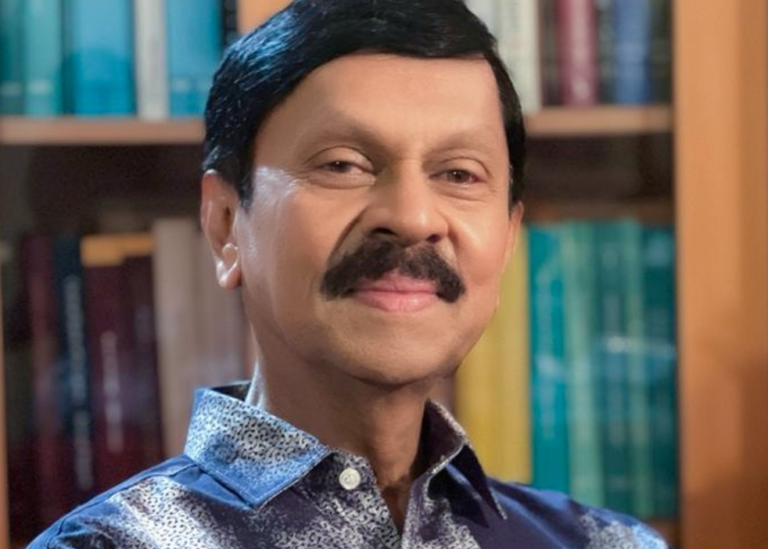
The Colombo Magistrate’s Court has ordered the extension of the ban on foreign travel, which has been extended even to former Central Bank Governor Ajith Nivard Cabral, until the 15th of December.
That was when the personal complaint filed against the former Governor of the Central Bank by the former Governor of the Southern Province Keerthi Tennakoon was summoned before the Colombo Magistrate’s Court today (24).
Ajith Nivard Cabral also appeared before the court today.
At that time, the lawyers who represented Ajith Nivard Cabral raised initial objections stating that it is not possible to maintain this case and Colombo Additional Magistrate Harshana Kekunawala ordered the plaintiff’s lawyer to submit written speeches related to those initial objections on December 15th.
The personal complaint has been submitted alleging that he has misused public funds while acting as the Governor of the Central Bank of Sri Lanka between 2006 and 2015.
Government will implement a new system bringing all the transport services in this country including trains, buses, school vans and taxi services under one digital level.
The National Council sub-committee will be identifying short- and medium-term programs related to economic stabilization took into discussion regarding the creation of passenger convenience by creating this digital system.
Discussions on the matter was held at the National Council sub-committee on identifying short- and medium-term programs related to economic stabilization under the chairmanship of Hon. Patali Champika Ranawaka, Member of Parliament recently (21)
Representatives of several parties related to the transport sector of Sri Lanka participated in this committee and the views of the respective parties on the current problems in the transport sector were taken into account.
Representatives of transport services including Sri Lanka Private Bus Owners Association, Three Wheelers Association, School Children Transport Association pointed out that due to the low fuel prices, restrictions imposed on the import of vehicles and restrictions imposed on vehicle spare parts, they have to face severe difficulties.
They also pointed out that the price of spare parts including vehicle tires has increased by 300%. Furthermore, these representatives pointed out that the number of vehicles used for transportation including buses, school vans and three-wheelers are decreasing due to the shortage of auto parts.
Patali Champika Ranawaka, Chairman of the sub-committee, said that the committee will present several suggestions focusing on all these situations. Accordingly, he said it is proposed to bring all the transport services in this country to one digital platform to create passenger convenience as an important proposal.
The Chairman further said that a combination of all these proposals is expected to be presented to the National Council in December.
This will serve as the building block for new technological innovations that can strengthen digital commerce and e-governance in all aspects of transport services to operate it more efficiently and transparently.
Sri Lanka has the potential to transition to a smart nation, making innovative technology the backbone of every sphere of activity.
By doing this, key issues currently facing the country can be addressed and critical sectors and services can be transformed into highly efficient, transparent, and profitable systems which in turn can transform people’s lives.
5 partner parties of the United People’s Freedom Alliance say that they do not accept the appointment of Thilanga Sumathipala as the new General Secretary of the United People’s Freedom Alliance.
By issuing a joint statement, the parties point out that if the secretary general is removed and someone else is appointed, according to the constitution of the alliance, the executive council or the partner parties should have been informed, but this did not happen.
Below is the announcement issued by the People’s United Front, Eelam People’s Democratic Party, National Congress, Sri Lanka People’s Party and Desha Vimukti Janata Party.
President Ranil Wickremesinghe says he won’t dissolve Parliament until stability returns: vows to crush non-democratic attempts to change govt: asserts he would deploy military and use emergency powers if necessary: accuses the Frontline Socialist Party and its leader Kumar Gunaratnam for attempt to capture Parliament on 13th July: adds he will appoint a Commission to investigate media involvement in the struggle.
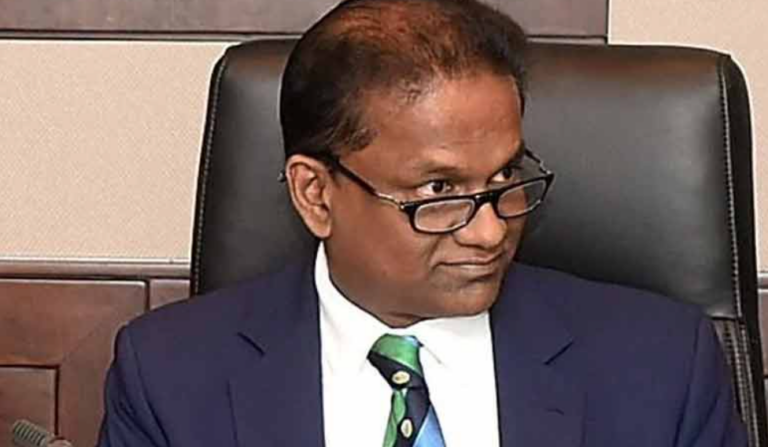
CB Governor Dr. Weerasinghe says he will name & shame export companies that fail to convert forex earnings within stipulated time: threatens penal action against over 50 large scale exporters who are allegedly declaring unrealistic and low local value additions.
President’s Senior Economic Adviser Dr. R H S Samaratunga says any “debt-for-nature” swap will be subject to IMF Board approval: says Govt can’t get IMF’s USD 2.9 bn over 4 years without a successful debt restructuring programme.
SJB MP and Economic Guru Harsha de Silva hints that domestic debt restructuring will be inevitable: says interest payments expected to rise considerably in 2023 on domestic borrowings: highlights rollover risk.
CEB engineers warn of difficulties in continuing power generation at the Norochcholai Coal Power Plant: say procurement of coal seriously hampered by the non-availability of credit facilities to purchase coal as a consequence of debt default.
According to CB daily Exchange Rate reports, Rupee firmly “fixed” at Rs. 360.99 (buying) and 371.83 (selling) per USD by the Central Bank since 17th November 2022:
Cabinet approves Bill to set expenditure limits on election candidates: Justice Minister Wijedasa Rajapakshe says new law expected to enhance transparency and accountability of the public representatives.
Speaker orders SJB MP Chaminda Wijesiri to leave the Chamber: suspends him from Parliamentary session after he attempted to assault SLPP MP Nimal Lanza.
Former Central Bank Governor Ajith Nivard Cabraal says the previous Cabinet Ministers were fully apprised of the economic crisis in the country by then Finance Minister, via several Cabinet Papers.
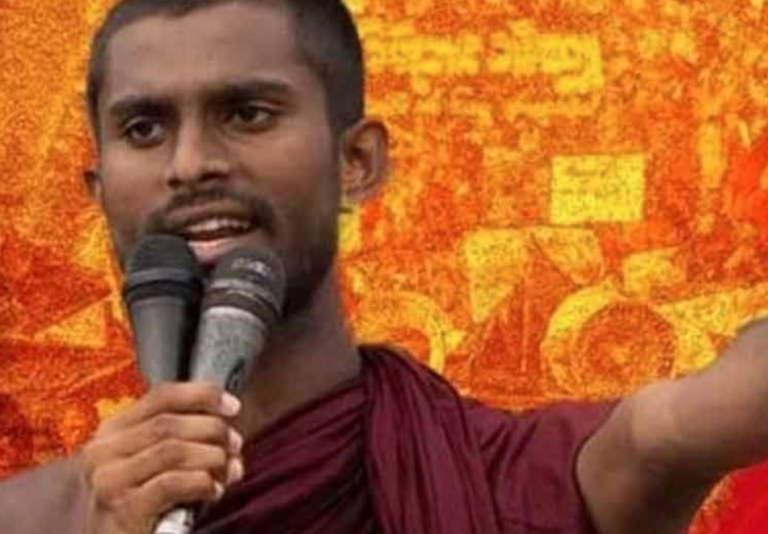
Colombo Magistrate’s Court grants bail to Ven. Galwewa Siridamma Thera who was remanded under the Prevention of Terrorism Act: however, he has been remanded again until December 6 by the Kaduwela Magistrate’s Court, pertaining to anothet incident.
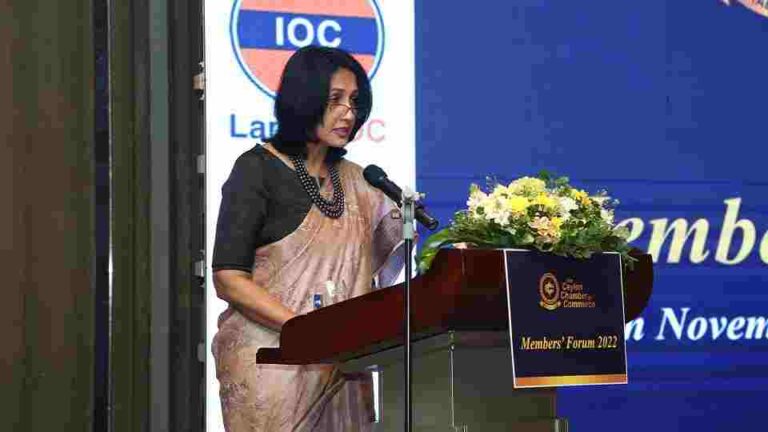
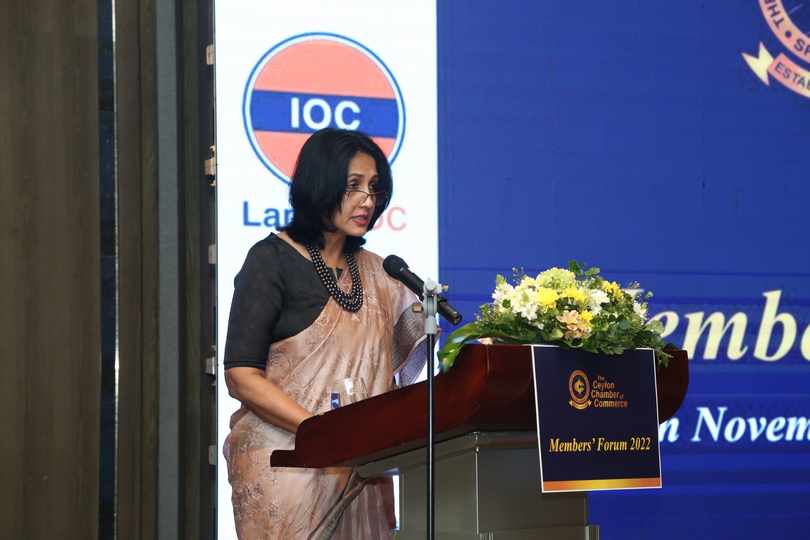
Foreign Secretary Aruni Wijewardane, delivered the Keynote speech as Chief Guest of the ‘Members’ Forum-2022,’organised by the Ceylon Chamber of Commerce at Shangri-La Hotel, Colombo.
Explaining the substantive work being done by the Foreign Ministry and Sri Lanka Missions abroad, Secretary Wijewardane highlighted that there is a high emphasis on reorienting our external relations towards seeking greater economic opportunities for the country. This diplomatic outreach by the Ministry and our Missions is looking for revenue generating initiatives for the country through encouraging safe, legal and higher-skilled labour migration, increasing inward tourism, foreign direct investment as well as trade expansion. As cooperation through economic expansion is a win-win situation for all government, the private sector and our international partners need to work together in a mutually supportive framework.
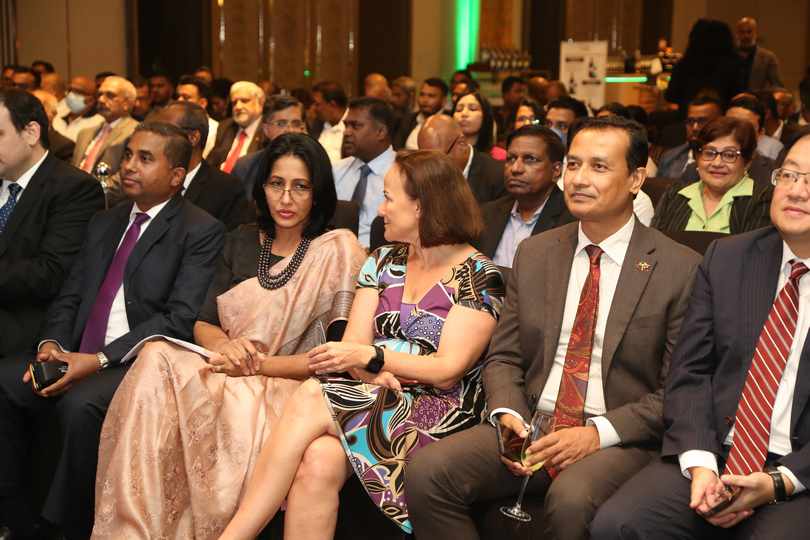
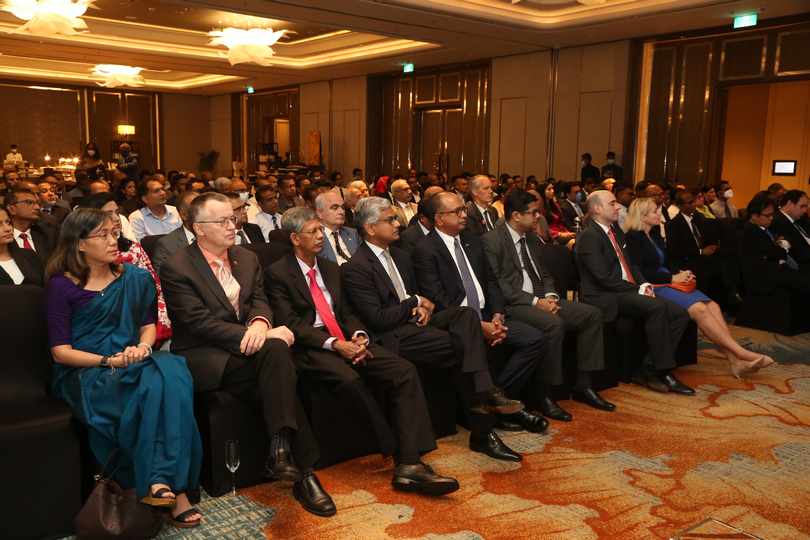
The ‘Members’ Forum-2022’ is an annual event organized by the Ceylon Chamber of Commerce along with its approximately 20 Business Councils. A large number of Business Councils of the Ceylon Chamber of Commerce, Ambassadors and members of the Diplomatic Corps, heads of Government agencies including EDB, BOI, CSE, and line Ministries, and members of the business community including from a number of private sector conglomerates, attended the event.
Galvewa Siridhamma Thero, who was ordered to be released on bail by the Colombo Magistrate’s Court yesterday morning (23), was remanded in custody by the Kaduwela Magistrate’s Court yesterday afternoon.
The Colombo Magistrate’s Court yesterday morning ordered the release of Ehimian, who was arrested under the Prevention of Terrorism Act in connection with the events of the last struggle, on two bails of 5 lakh rupees each.
After that, the police had presented the thero to the Kaduwela Magistrate’s Court, accusing him of damaging public property during a protest held in front of the Isurupaya Ministry of Education on June 10.
The Kaduwela Magistrate’s Court ordered that the thero be remanded until December 06.
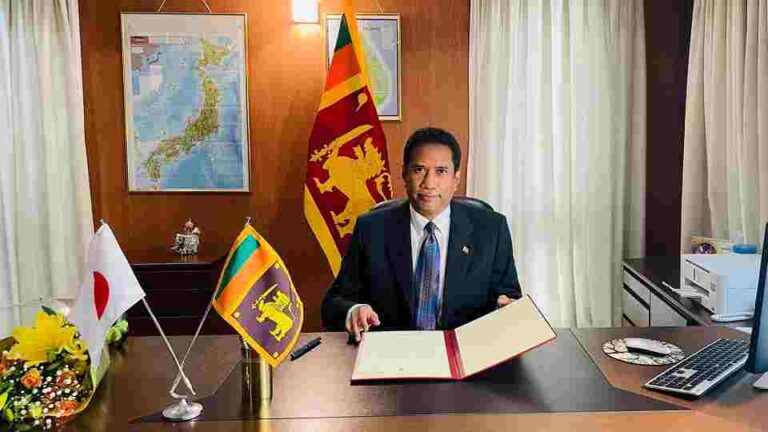
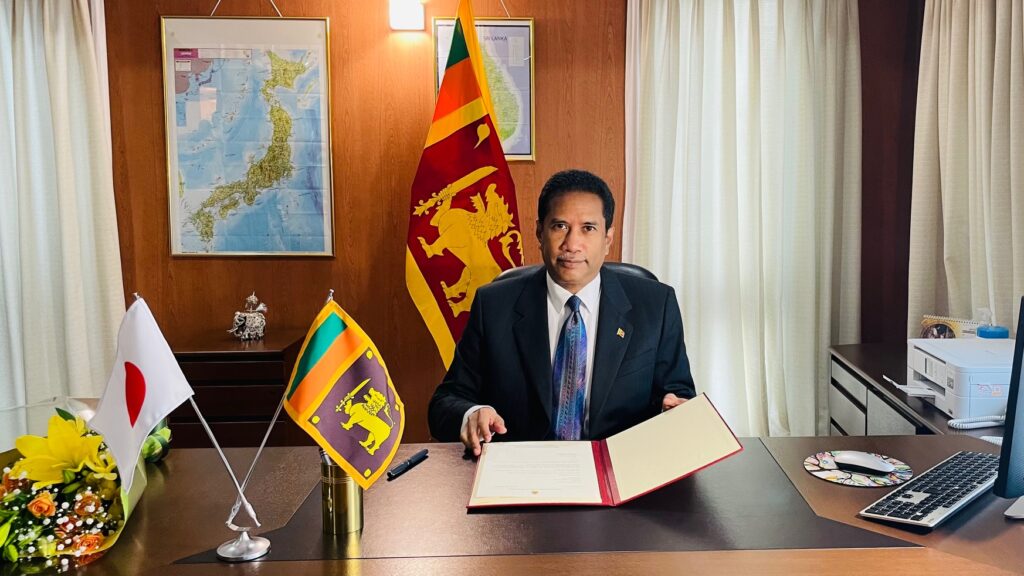
Newly appointed Ambassador of Sri Lanka to Japan, E. Rodney M. Perera assumed duties on 27 October 2022 at the Sri Lanka Embassy in Tokyo. He is the eighteenth Sri Lanka Ambassador to Japan during last 70 years of bilateral relations between the two countries.
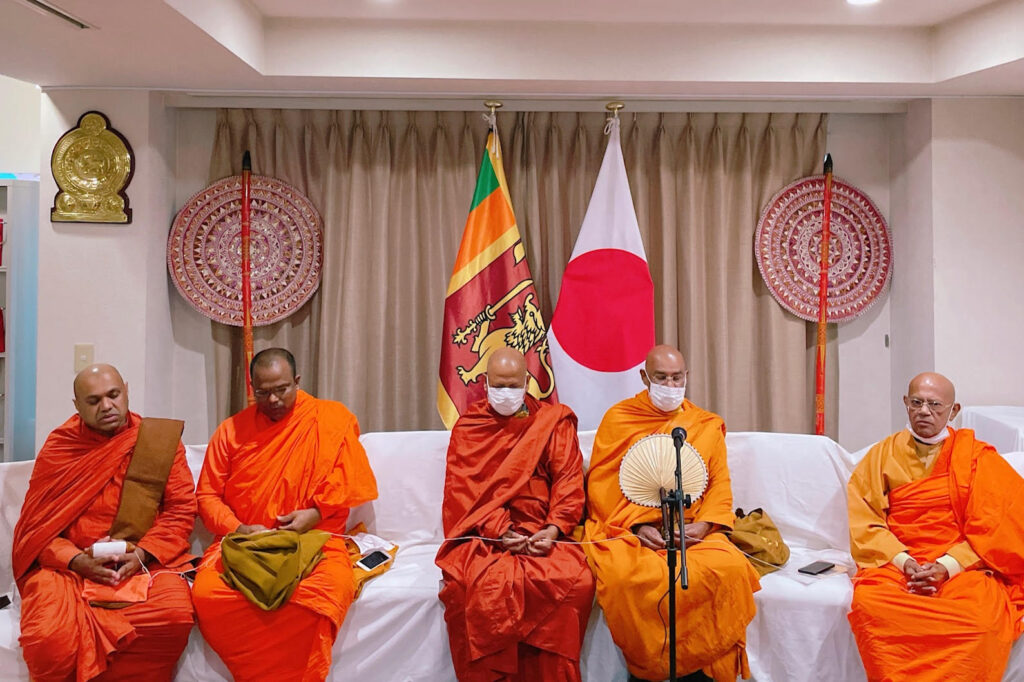
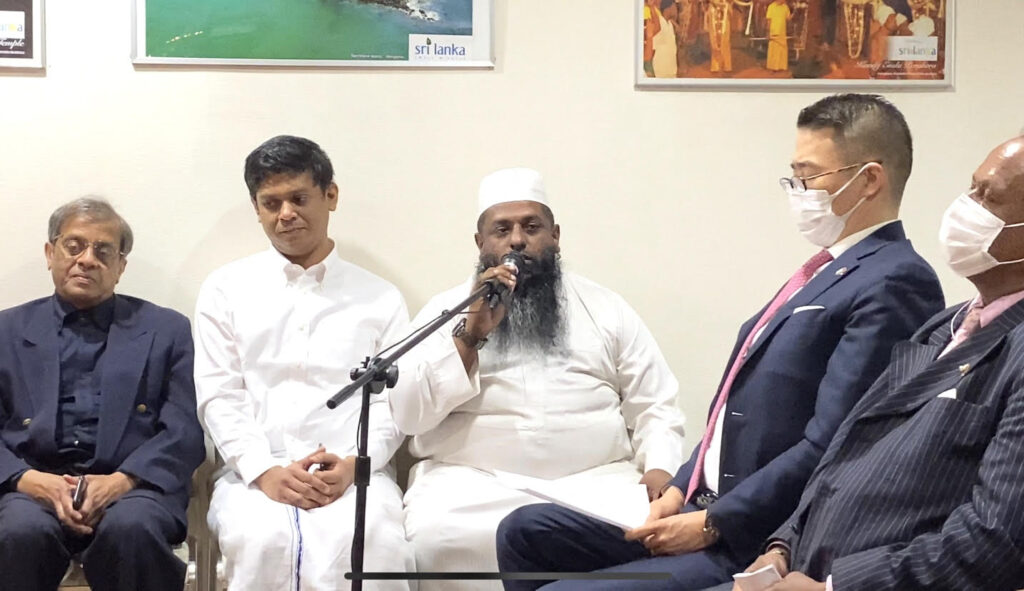
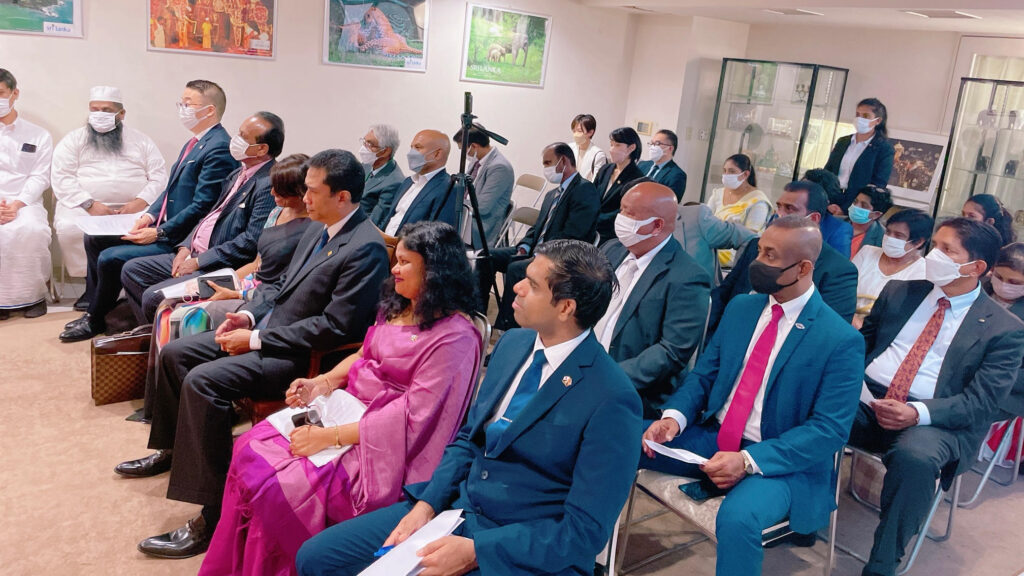
Chief incumbents of Buddhist temples in Japan and religious leaders representing Christian, Hindu and Islamic faiths invoked blessings on the newly appointed Ambassador-designate. Venerable Banagala Upatissa Thero, Chief Sanganayake of Japan, Honorary President of Sri Lanka Mahabodhi Society, Chief Incumbent of Sawara Lankaji Temple, Chief Abbot of Sri Lanka Mahabodhi Temple and Sanchi Chettiagiri Vihara in India and Venerable Yalagamuwe Dhammissara Nayaka Thero, Acting Chief Prelate of Udarata Amarapura Maha Nikaya (Sect), Chief Incumbent of Sakamuni International Buddhist Center, Hachioji delivered sermons at the occasion.
Sri Lanka’s Honorary Consul in Osaka U Aluthgamage, and Sri Lanka’s Honorary Consul in Otaru Ken Yamashita, Country Manager for SriLankan Airlines in Japan Indunil Wijekoon along with representatives of all Associations connected to Sri Lanka in Japan and several well-wishers from the Sri Lankan community attended the event and made brief interventions.
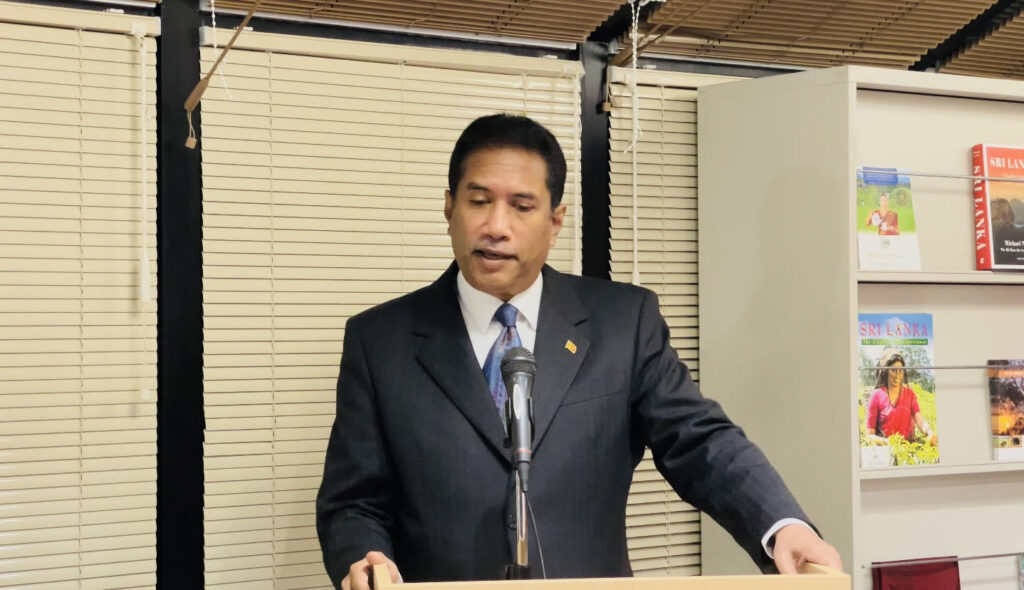
Ambassador Perera addressed the gathering and invited the Sri Lankan community to engage Mission officials and expressed the benefit of working together as one team to support the efforts of the Embassy of Sri Lanka to further enhance bilateral relations with Japan. He also explained that, as stated by the President of Sri Lanka during his recent visit to Japan, there is a vital need to rebuild the ties between the two countries to reach the full potential of this time-tested multifaceted mutually beneficial partnership.
He elaborated that Japan and Sri Lanka could jointly address some areas such as food security, energy security and maritime safety that have an impact on both countries.
Referring to the speech of former President J R Jayawardena at the San Francisco Peace Conference in 1951, the Ambassador explained the need to learn from Japan and emulate how they rebuilt the country and allowed new technology and innovation to reinvigorate the economy to its current status. Reflecting on the important role that can be played by Japan at this critical juncture for Sri Lanka, he recalled the Comprehensive Partnership that was agreed upon by the two countries in 2015 and the numerous projects for which Japan had generously committed a significant amount of financial resources. He also recalled the Tokyo Donor Conference in 2003 in which Japan mobilized global economic support for Sri Lanka.
He stressed on the need to capitalize on Sri Lanka’s strategic location, its access to South Asia and Southeast Asia through the use of trade agreements such as FTA’s to find innovative ways to increase country’s trade volumes and income to generate much needed foreign currency. He noted the importance of product diversity and collaborations with established Japanese business enterprises to build investor confidence and the need to develop viable supply chains and increase investments particularly in IT and banking sectors. Promoting Japanese travelers to visit Sri Lanka and making full use of the employment opportunities made available for Sri Lankans by Japan remain immediate priorities of the Embassy in Tokyo.
Expanding into cultural and educational diplomacy, Ambassador Perera expressed his wish to expand collaborations with cultural, educational and religious institutions, to increase research activities and student exchanges. He added that there is tremendous potential for Sri Lanka to grow in the fields of fisheries and mineral industry. As means to promoting Sri Lanka throughout Japan, he proposed to increase engagement with all 47 prefectural governments to seek commonalities with Sri Lanka and understand competencies of each prefecture. Image building of Sri Lanka in Japan and creating a fresh narrative about Sri Lanka was also elaborated.
Ambassador E. Rodney M. Perera brings with him four decades of professional education, global travel, speaking opportunities, and interactions concerning Sri Lanka’s relations with the rest of the world. Having worked across all regions of the world, and carried out research, he possesses a uniquely global perspective in the realm of international relations vis-à-vis Sri Lanka. Ambassador Perera as a member of the Sri Lanka Foreign Service has functioned as the Additional Secretary of the Foreign Ministry and overseen key areas relating to Political Affairs, Public, Cultural and Economic Diplomacy, Administration, and welfare of Sri Lankan workers overseas, productively engaging with Sri Lankan communities across the globe.
His first overseas diplomatic assignment was to the Embassy of Sri Lanka in Japan as Second Secretary. Thereafter, he served as First Secretary of Sri Lanka’s Permanent Mission to the United Nations in New York; Acting High Commissioner of the Sri Lanka High Commission in Kenya, Sri Lanka’s Ambassador to Italy, Norway, Belgium (also European Union) and in his last overseas assignment he was the Ambassador of Sri Lanka to the United States of America in Washington D.C. until the end of 2020. During the past two years, he led research projects encompassing the Pre-historic period, the Political and Cultural History and the evolution of international relations of Sri Lanka from ancient times.
Ambassador Perera has a Bachelor of Business Administration in Management Information Systems and later, a Master of Arts Degree in International Studies from Columbia University in New York. He had his school education from St. Joseph’s College of Colombo.
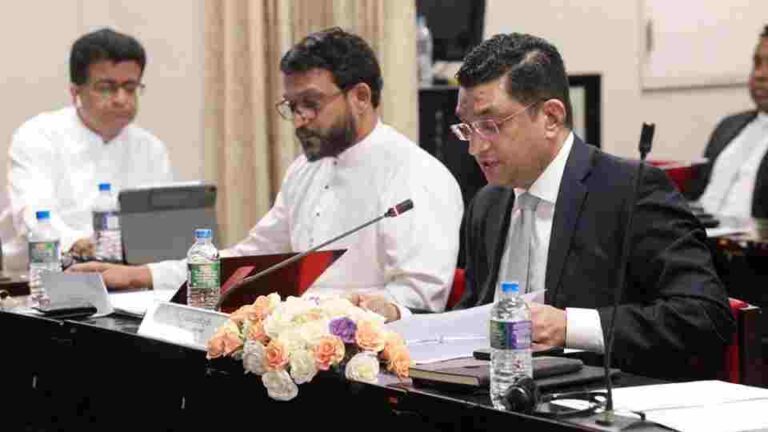
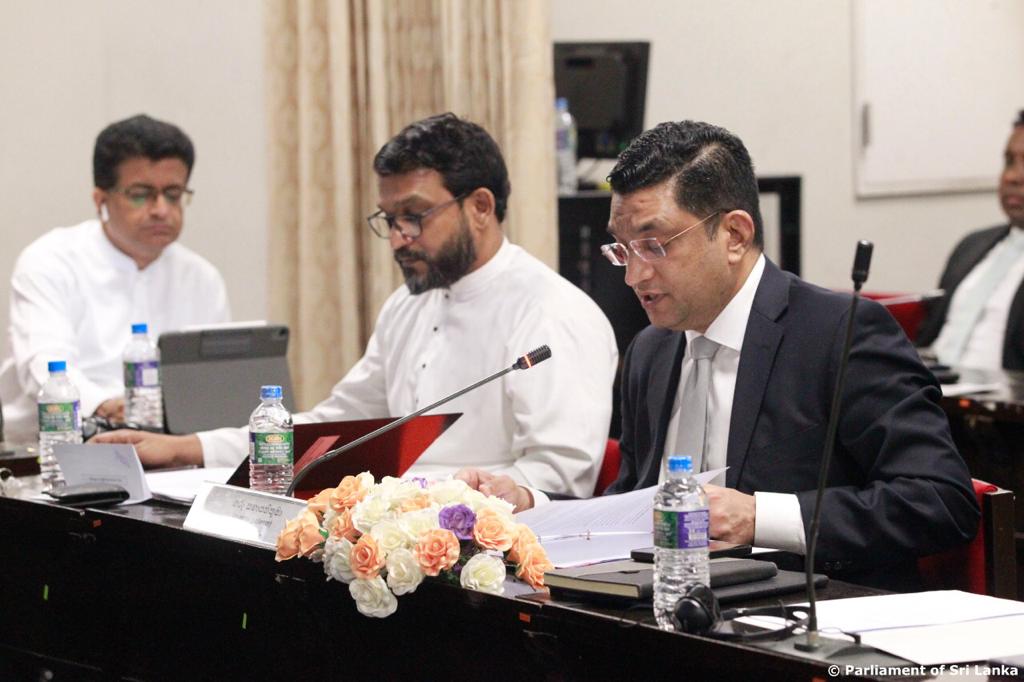
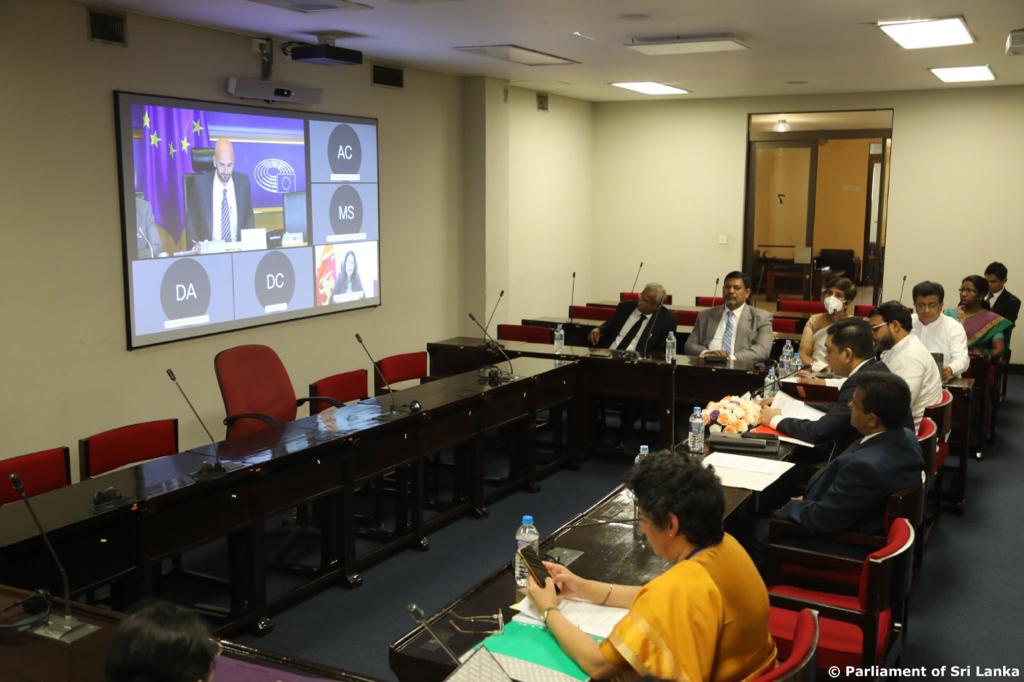
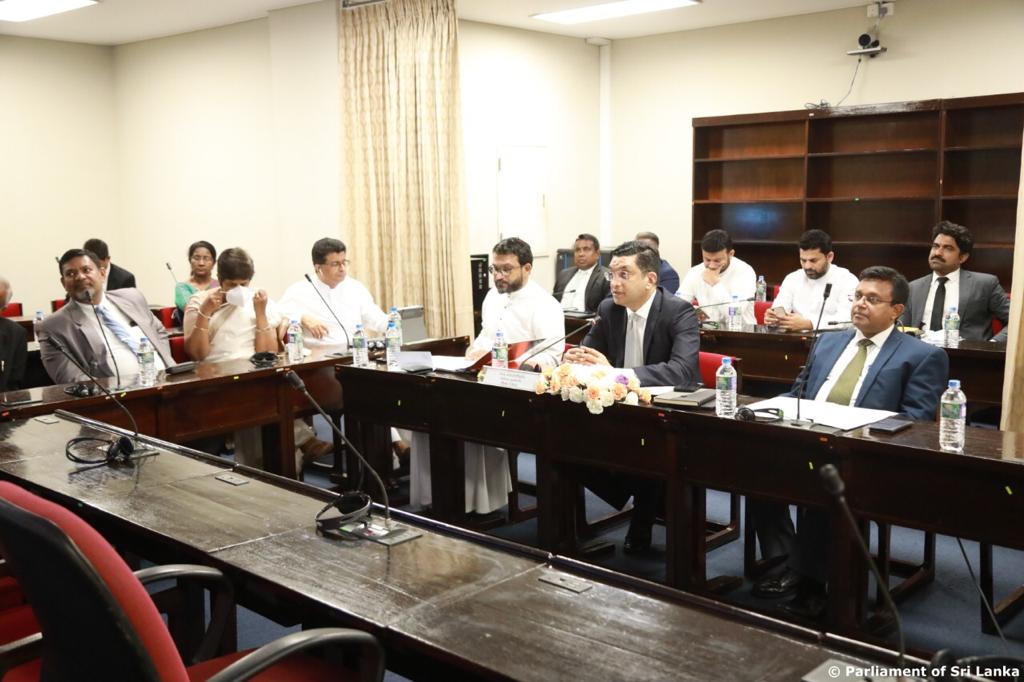
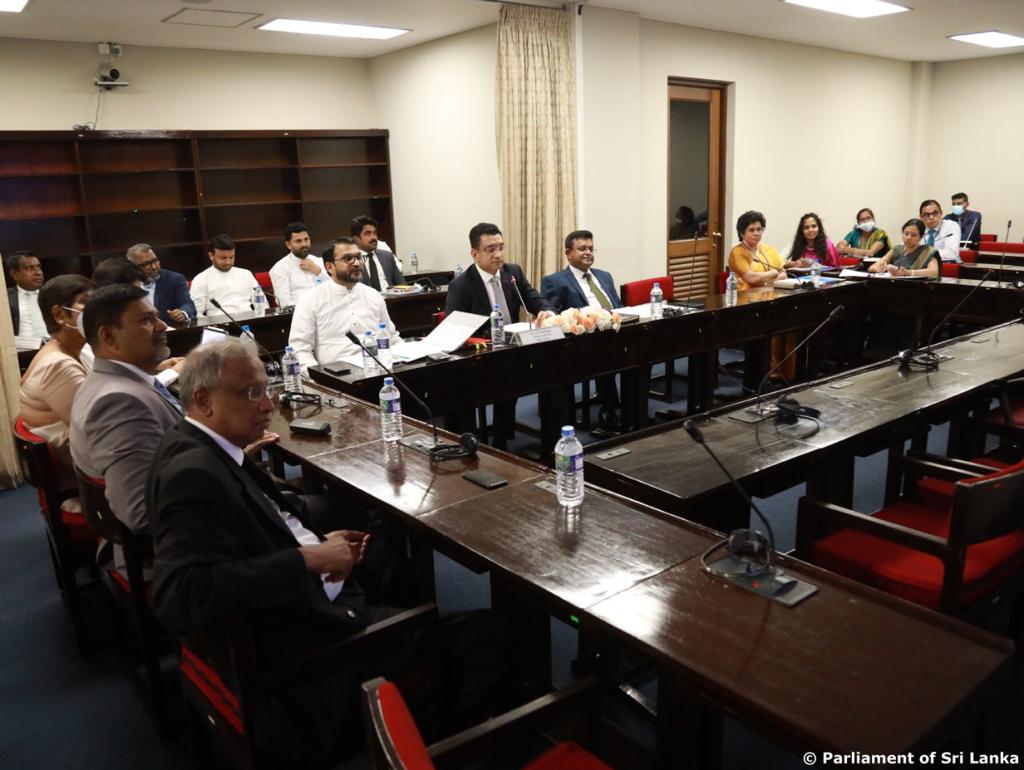
A multi-party delegation from the Parliament of Sri Lanka and the Delegation for relations with the countries of South Asia in the European Parliament (DSAS) conducted a productive virtual dialogue on Thursday 17 November, 2022. The respective delegations to the meeting were led by the Minister of Foreign Affairs of Sri Lanka M.U.M. Ali Sabry and Member of the European Parliament (MEP) and Chair of DSAS Nicola Procaccini. The virtual meeting was the first such dialogue to take place between the two Parliaments since the last in-person meeting in November 2017 in Colombo.
Highlighting the importance of the Sri Lanka-EU partnership, Foreign Minister Sabry welcomed the EU’s steadfast support to Sri Lanka in the process of socio-economic recovery, including in the provision of humanitarian assistance. Appreciating the support and solidarity extended by members of the Paris Club, the Foreign Minister apprised the MEPs of the current economic situation, negotiations with the International Monetary Fund (IMF), debt restructuring and discussions with creditors. The Minister also briefed the MEPs on recent developments in Sri Lanka including the 21st Amendment to the Constitution; anti-corruption measures; discussions on a suitable Truth and Reconciliation Commission (TRC) model; the process of repeal and replacement of the Prevention of Terrorism Act (PTA) with appropriate counter-terrorism legislation in accordance with international norms and standards; the release of PTA detainees; and overall progress in reconciliation and human rights.
The EU Co-chair Nicola Procaccini welcomed progress in EU – Sri Lanka bilateral relations with reference to the multi-faceted thematic cooperation existing under the Joint Commission process, and support under the EU’s Multi-annual Indicative Programme (MIP). The EU assured of its continued support to Sri Lanka, and referred to the benefits accrued to Sri Lanka through the EU GSP Plus regime, as well as the country’s compliance process. The EU being Sri Lanka’s second largest export market, the Foreign Minister expressed the Government’s deep appreciation of the GSP Plus concessions which provide duty free access for Sri Lanka’s exports to the EU market.
The discussion also focused on the EU’s wider engagement with Sri Lanka in the Indian Ocean; cooperation related to climate action; and the disproportionate impact of the global pandemic and rising energy, fertilizer and food prices on developing country economies.
The MPs from Sri Lanka in their respective interventions welcomed the various aspects of Sri Lanka’s cooperation with the EU. They highlighted the importance of the EU GSP Plus facility for Sri Lanka, especially in the current socio-economic context. An MP representing the Women’s Caucus in Parliament pointed to the contribution of GSP Plus in the empowerment of women at grass-roots level, and the employment opportunities provided to women in the apparel and other sectors. The contribution of the EU countries to Sri Lanka’s foreign direct investment and tourism were also appreciated.
The EU Co-chair welcomed the varying interventions by the cross-party MPs from Sri Lanka, as well as the frank exchange of views. The two sides reiterated their shared commitment to further strengthen cooperation between the Sri Lanka and EU Parliaments.
Nineteen (19) MPs representing the Government and the Opposition parties of Sri Lanka, i.e., the Sri Lanka Podujana Peramuna (SLPP), the Samagi Jana Balawegaya(SJB), Illankai Tamil Arasu Kachchi (ITAK) and the Sri Lanka Muslim Congress (SLMC), including the State Minister of Foreign Affairs Tharaka Balasuriya, participated in the virtual meeting. Interventions by MEPs included that of MEP Maximilian Krah representing the Committee on International Trade (INTA) in the European Parliament. The Head of South Asia Division of the European External Action Service (EEAS) also spoke.
The Ambassadors of Sri Lanka to the EU and of the EU to Sri Lanka, Secretary General of the Sri Lanka Parliament, and senior officials of the Ministry of Foreign Affairs and the Department of Commerce of Sri Lanka were also associated with the meeting.
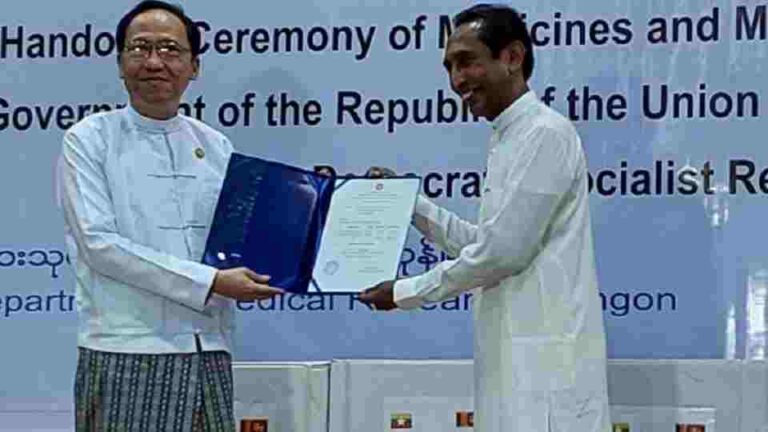
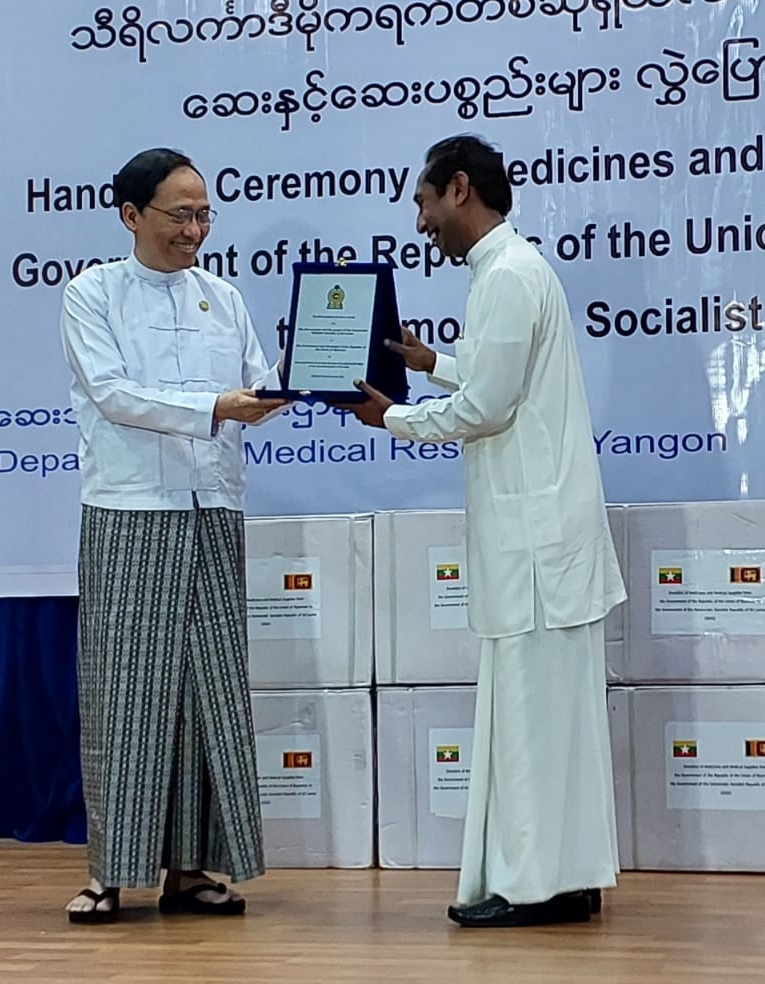
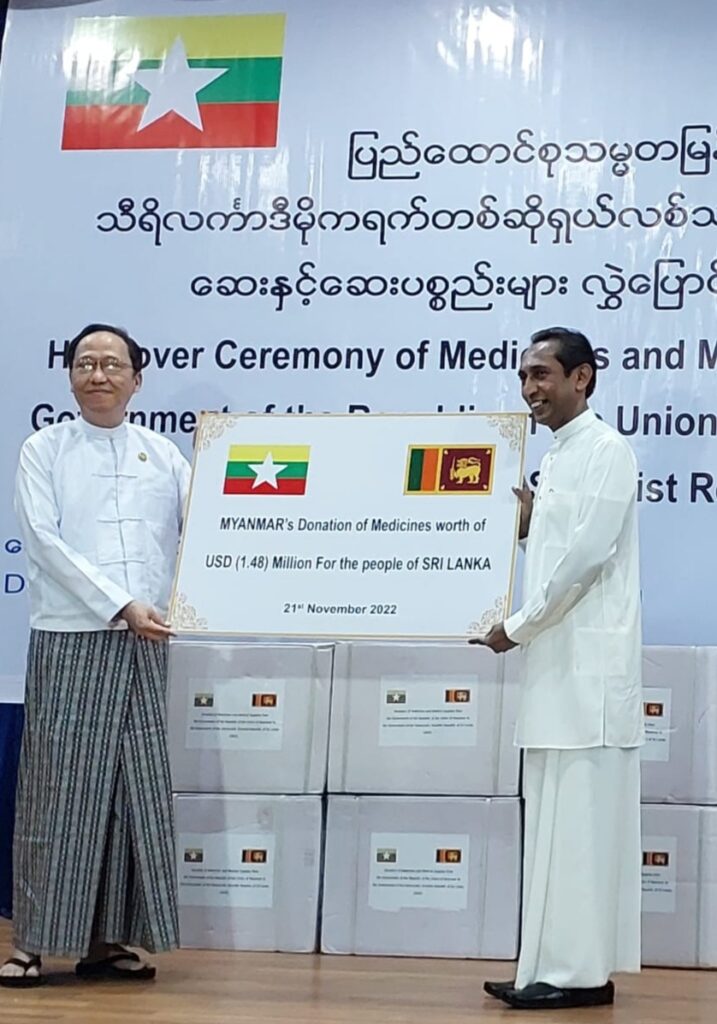
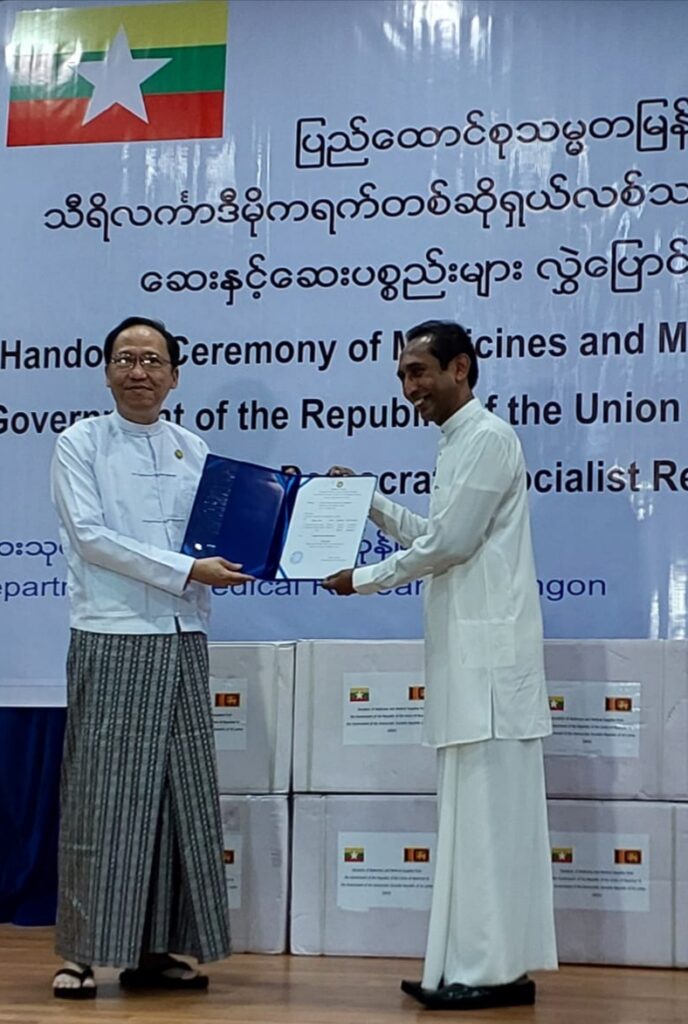
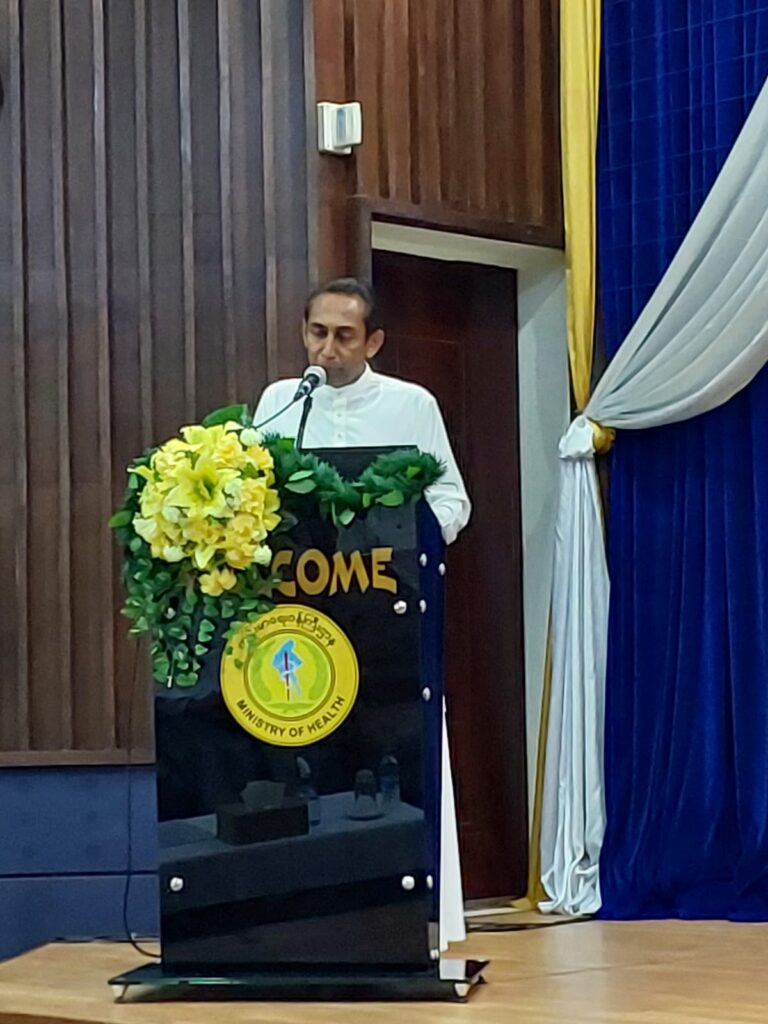
The Government of Myanmar donated a consignment of urgently required essential medicines and medical supplies worth over USD 1.48 Million to the Government of Sri Lanka, on 21 November 2022.
The consignment was officially handed over to the Ambassador of Sri Lanka to Myanmar Janaka Bandara, by the Union Health Minister of Myanmar Dr. Thet Khaing Win, in a handing over ceremony held at the Department of Medical Research in Yangon.
Accepting the consignment, Ambassador Janaka Bandara extended his gratitude and sincere thanks to the Government and the people of Myanmar, for the generous gesture of donating medicines and medical supplies to the people of Sri Lanka, in this difficult hour.
The State Prime Minister of Myanmar Senior General Min Aung Hlaing has granted this donation in response to a request made by Ambassador Janaka Bandara at his Credential Ceremony on 07 June 2022
The Embassy of Sri Lanka in Yangon will make arrangements to dispatch this consignment of medicines to Sri Lanka, as earliest.