
The Free Trade Zone Manufacturers Association (FTZMA) has written to President Ranil Wickremesinghe expressing its opposition to the proposed 30percent tax on profit earned, warning it will have a serious impact on their survival and in luring much needed FDIs to Sri Lanka.
In their letter to the President, FTZMA Chairman Jatinder Biala and Secretary Dhammika Fernando said the proposed 30% is an “intolerable rate” and not the concessionary rate to exporters who have to compete with regional countries such as Bangladesh, Vietnam, Indonesia and Thailand.
Sri Lanka exporters have to fight for foreign markets, buyers etc. It said the corporate tax for exporters in both India and Bangladesh is half of the standard tax rate.
“We view this decision as a serious impact on our existing exporters and Foreign Direct Investments to sustain their operation in the country as well as halting reinvestments and discouraging new FDIs,” FTZMA said.
It emphasised that peer countries are offering concessionary tax on exports and continuing the export promotion tax rate at minimum level in order to retain their export industry in the prevalent depressed world market.
It said that as the largest chamber represents both apparel and none apparel industry sectors and the sole trade chamber representing BOI investor companies in all the Free Trade Zones.
FTZMA recognises the country’s new IMF -supported program that would restore macroeconomic stability and prosperity through creation of competitive export-oriented market economy to unlock Sri Lanka’s growth potential.
FTZMA requested the President to review this proposed move and restore the current concessionary tax rate 15% as export promotion tax to protect Sri Lanka’s export industry including both existing and potential FDIs.
In the letter, President Wickremesinghe has been requested to consider the numerous challenges that the export industry is facing at present due to impending global recession thus resulting in impacting their entire supply chain process for sustenance of both export earnings and employment.
“The social and political crisis in the country has also been compelling foreign buyers to shift their orders to other countries resulting in detrimental effects in meeting cash flow requirements to finance their working capital for industry continuity,” FTZMA said, urging for Presidential intervention into the matter on an urgent basis with the respective stakeholders.
Sri Lanka’s export earnings in August rose by 11 percent year on year to US$ 1.22 billion whilst in the first eight months the figure rose by 12.6 percent to $ 8.9 billion.
This growth was entirely driven by the improvements observed in industrial exports but indications from the apparel sector are that prospects from September onwards do not look very promising given recessionary conditions, rising inflation and impact of the on-going Russia-Ukraine war.
Free Trade Zone manufacturers up in arms over 30 percent income tax move
Sri Lanka Original Narrative Summary: 11/10

- President Ranil Wickremasinghe says the country needs a stable national policy that does not change with every change of government.
- Travel and Tour operators in India President Jyoti Mayal says TAAI would help Sri Lanka tourism move towards positive growth: affirm they would actively promote the island nation across all Indian states.
- Investment Research and Data Platform focussing on emerging markets, ‘Tellimer Insights’ states Sri Lanka’s debt restructuring could be a “long and messy process”.
- SLPP MP Namal Rajapaksa appointed Chairman of the National Council’s Sub-Committee for Identifying Priorities in Formulating Short, Medium and Long Term Policies.
- Prostitution charges of women and men increase as economic crisis hits the sex industry.
- Sri Lanka and Japan sign agreement on Joint Crediting Mechanism for Low Carbon Growth Partnership: JCM first introduced by Japan in 2013, with the objective of contributing to the global effort of reducing greenhouse gas.
- Russian airline Aeroflot resumes flights between Moscow and Colombo after a lapse of 4 months.
- SLPP MP and former Minister Johnston Fernando charges “Intellectuals” (viyaththu) who claimed that former President Mahinda Rajapaksa was preventing former President Gotabaya Rajapaksa from doing his duties, diverted the aragalaya (people’s struggle) towards sending President Mahinda Rajapaksa home.
- Laugfs Holdings Chairman W K H Wegapitiya says demand for LPG cylinders in Sri Lanka has dropped by 25-30% in the last few months, despite price reductions: reasons attributed being rise in inflation and use of alternative energy sources.
- Record number of Army personnel granted promotions as Sri Lanka Army celebrates its 73rd anniversary: 372 Officers and 7,127 other ranks promoted to their respective next rank.
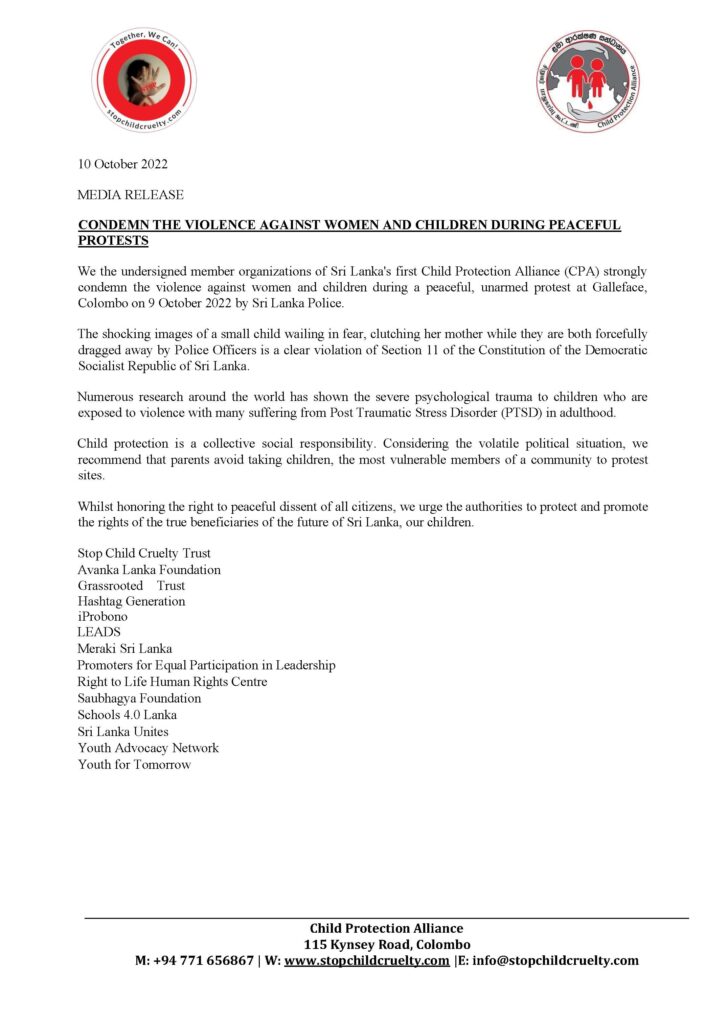
Condemn The Violence Against Women And Children During Peaceful Protests

We the undersigned member organizations of Sri Lanka’s first Child Protection Alliance (CPA) strongly condemn the violence against women and children during a peaceful, unarmed protest at Galleface, Colombo on 9 October 2022 by Sri Lanka Police.
The shocking images of a small child wailing in fear, clutching her mother while they are both forcefully dragged away by Police Officers is a clear violation of Section 11 of the Constitution of the Democratic Socialist Republic of Sri Lanka.
Numerous research around the world has shown the severe psychological trauma to children who are exposed to violence with many suffering from Post Traumatic Stress Disorder (PTSD) in adulthood.
Child protection is a collective social responsibility. Considering the volatile political situation, we recommend that parents avoid taking children, the most vulnerable members of a community to protest sites.
Whilst honoring the right to peaceful dissent of all citizens, we urge the authorities to protect and promote the rights of the true beneficiaries of the future of Sri Lanka, our children.
Stop Child Cruelty Trust
Avanka Lanka Foundation
Grassrooted Trust Hashtag Generation iProbono
LEADS
Meraki Sri Lanka
Promoters for Equal Participation in Leadership
Right to Life Human Rights Centre
Saubhagya Foundation
Schools 4.0 Lanka
Sri Lanka Unites
Youth Advocacy Network
Youth for Tomorrow
Overseas travel ban imposed to Patali Champika Ranawaka temporarily lifted
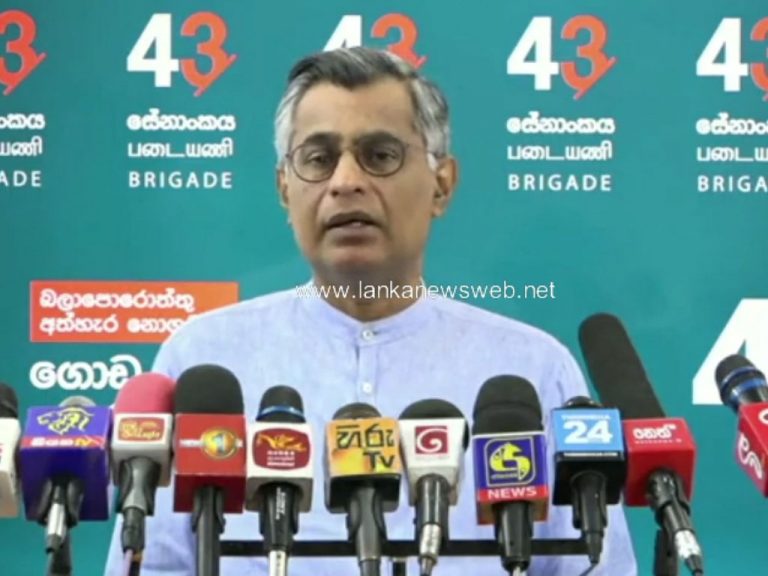
The overseas travel ban imposed to MP Patali Champika Ranawaka in connection with the lawsuit involving a road accident in Rajagiriya in 2016 was temporarily lifted by the Colombo High Court today (10), as the case was taken up before High Court Judge Damith Thotawatte.
The lawyer appearing for Ranawaka requested the Court to suspend the overseas travel ban imposed to his client until the next trial date given that he is currently entrusted with a number of government affiliated duties.
The request did not meet any objection from the Deputy Solicitor General who appeared for the AG’s Office, and accordingly, the overseas travel ban imposed to Ranawaka was lifted till March 17, 2023. The Court also ordered that the former Minister’s passport be released if it is in the custody of the Court and the trial be called in again on March 20, 2023.
MIAP
Lambs to Slaughter by the Sri Lanka Police
It is disheartening to see and hear news about the ever increasing crime rates in Sri Lanka. There is not a day without hearing a Rape , Murder , House Break , Looting, Heist in broader day light or molesting ladies during night times. How long have we to tolerate these crimes? Amidst all this negative news, the Sri Lanka Police, Inspector General of Police and the Minister in charge of Law and order are in a deep Slumber. Still the poor tax payers of this Country keep maintaining them.
We have been included among the top 10 nations who spend and have the largest defence budget. There goes Taxpayers money down the drain.
We maintain a large no of police force in the country however more than half of it has been used to give protection to politicians, their kith & kin/their properties and the majority of the police force including the STF is used to curb & control the ARAGALAYA. Police personnel have been kept in Colombo and there by deserting the police stations island wide. Many Police Stations are manned by a skeleton staff. Crooks & Criminals are fully aware of this fact and they are happily carrying on their criminal acts even in broad daylight.
Even if someone complains to a police station about an ongoing Heist or Burglary, Police stations are unable to send sufficient policemen to the Crime Site. This is not a joke. Innocent civilians are left to look after themselves.
There are very many Fraudsters who have robbed people through many rackets are left only to complain to the Criminal Investigation Department of the Police after they were fleeced. The sad part is complaints for the past 5 or more years are just left without investigating due to lack of trained policemen. So why do we continue to pay for their Salaries. Can’t we privatise this part of the Police.
The latest is due to the power cuts. Former strong man, the ugly American had suggested that we should not switch on the street lights to save Electricity and all our Yes men had nodded to him just to please him. As a result we in Sri Lanka do not have street lights lit during night time. Imagine the poor Women in our country who are doing night shifts and coming home and many working girls coming home during dusk. they are prone to the Maniacs and robbers on our roads due to this stupid idea of an imbecile. That idiot may have thought and compared Sri Lanka’s infrastructure as developed as the USA. Funniest thing is that even though he is gone, we continue to carry on his suggestion of not lighting the street lamps . As a result hundreds or may be thousands of innocent Sri Lankan Ladies suffer in the hands of opportunists. Unfortunately there are no Policemen to save them from the Clutches of Rapists & Sex Maniacs.
Hence I suggest that we immediately start lighting the street lamps and Police must start Patrolling streets. Government must beef up the police stations. As a priority without safeguarding the politicians.
Bring the Law & Order to the Society
A Concerned Citizen
Sri Lanka successfully participates at the 67th YWCA Diplomatic Charity Bazaar 2022 in Bangkok
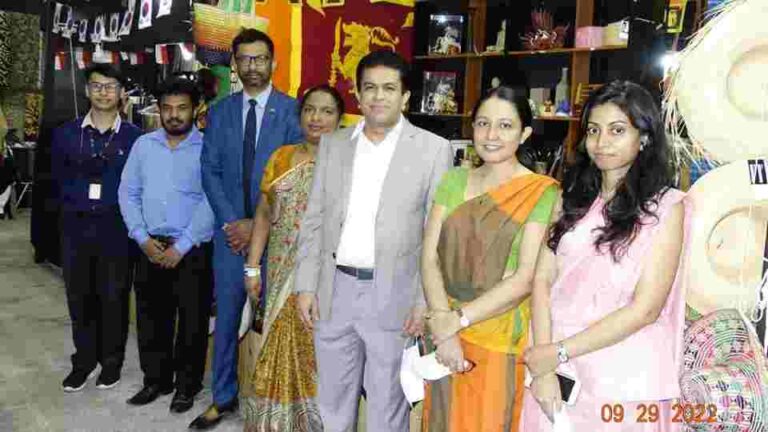
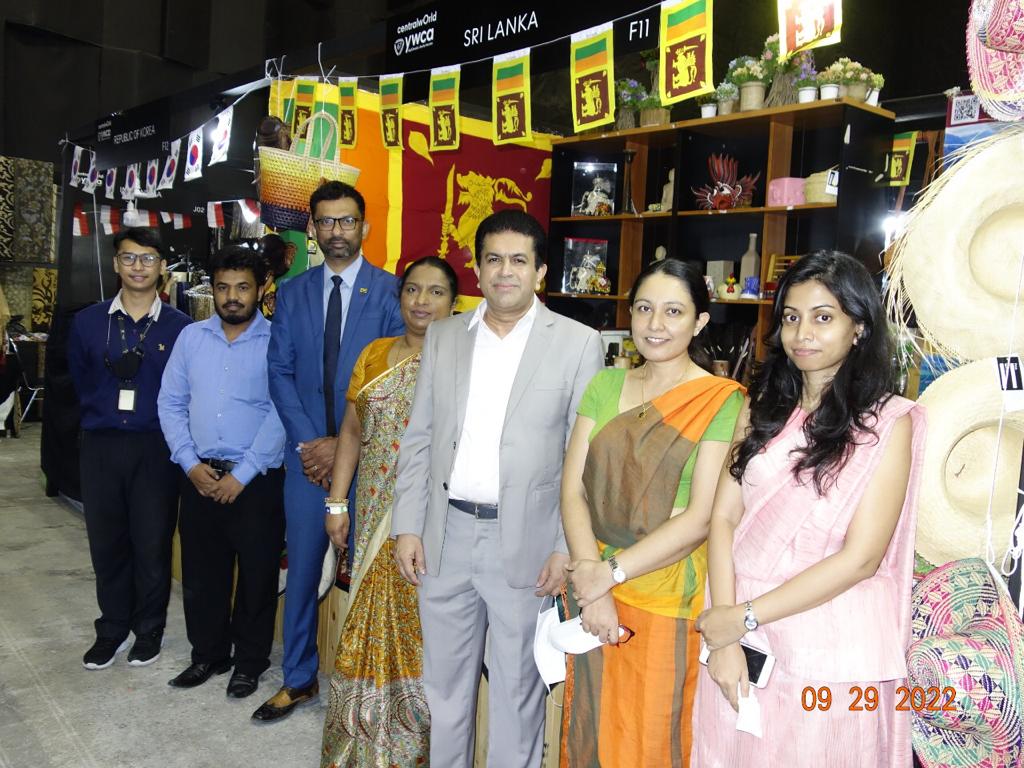
The Embassy and Permanent Mission of Sri Lanka in Bangkok in collaboration with the Spices and Allied Products Marketing Board, National Crafts Council, Sri Lanka Export Development Board, Industrial Development Board, Handicrafts Board and Sri Lanka Tea Board, successfully participated at the 67th YWCA Diplomatic Charity Bazaar from 29 September to 02 October 2022 at the Central World, Bangkok with the aim to promote Sri Lanka’s exports in Thailand.
37 Embassies participated in the Bazaar which was organised by the YWCA of Bangkok jointly with the spouses of the Heads of Mission in Bangkok including the spouse of the Ambassador of Sri Lanka Stephen Senanayake. It was inaugurated by Her Royal Highness Princess Soamsawali’s representative, His Serene Highness Ticomporn Yugala.
The Bazaar consisted of 177 booths which attracted over 14,000 visitors during the four days. Donations from the participating Embassies helped to promote the quality of life for children, women and the underprivileged in many aspects such as education, career, infrastructure and the environment as well as those affected by disasters in Thailand.
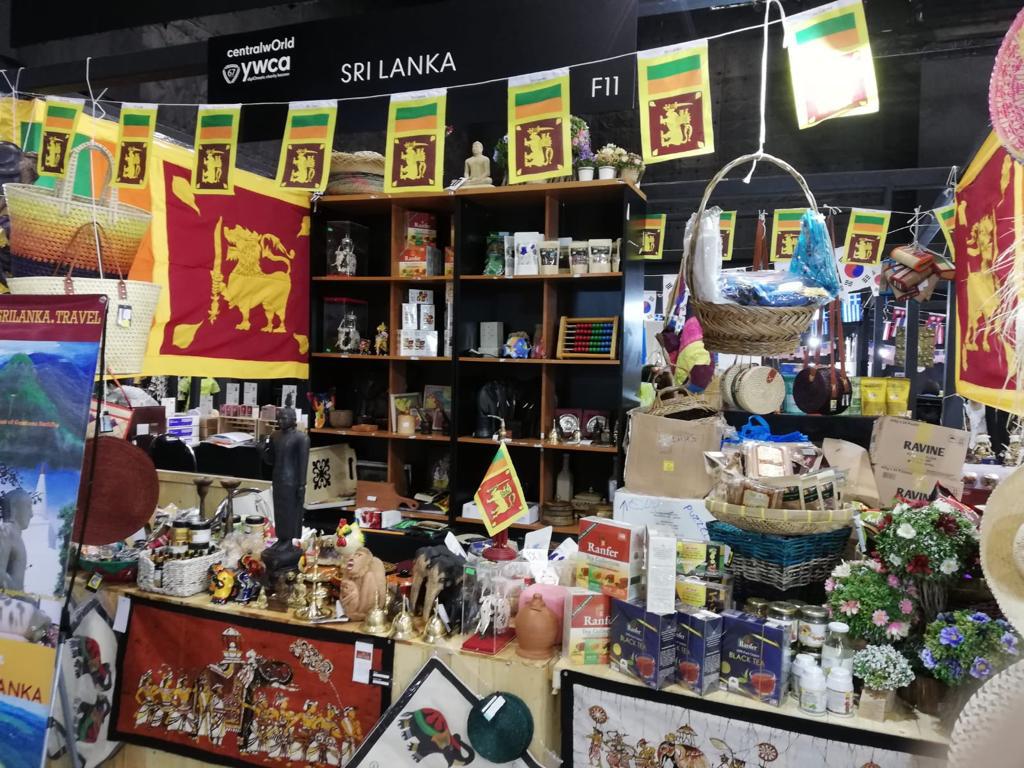
Prior to the event, Sri Lanka’s products were promoted through TV channels in Thailand; Channel 3HD, Channel 7HD, Channel 5HD, Thai PBS, and Youtube. The Sri Lanka booth consisted of spices, handicrafts, Ceylon tea, food items, cosmetics and many others which attracted Thai and International visitors.
Products from Spices and Allied Products Marketing Board, National Crafts Council , Handicrafts Board, Aromatic Global Pvt Ltd, Amila Foods, Ceylon Spice Cart (Pvt) Ltd, Candle House Ceylon, CN Ceramic, DN Interior Designs (Pvt) Ltd, Dheebam, Earth Natural (Pvt) Ltd, Greens Flower Design (Pvt) Ltd, Hilma Lanka (Pvt) Ltd, Heritancy Manufacturers, Hemira Ceramics, Iresha Spice Lanka (Pvt) Ltd, Jafferjee Brothers, JFS Holdings, Kamroo Apparels, Kiyoto Coffee Company, Laklo Lanka Pvt Ltd, Laura, Maya Handicrafts, Orbit world International, RHS Bee Honey, Ranfer Group, Rochand Agro Pharma (Pvt) Ltd, Rancrisp Marketing (Pvt) Ltd, Suravi Health to Wealth, Sinharaja Herbs (Pvt) Ltd, Suravi holding (Pvt) Ltd, Teema Biscuits Manufacturers, Uva Bee Honey Industries (Pvt) Ltd, Wild Rabbits Products and YMJ Products were showcased, promoted and sold during the Bazaar.
Chairman National Crafts Council Sampath Erahapola also joined the event. The Ambassador & Permanent Representative Chaminda Colonne accompanied by Chairman Erahapola and First Secretary (Commercial) Vireshika Bandara had discussions with the Community Development Department, Ministry of Interior, Thailand International Cooperation Agency (TICA) in Bangkok and the Support Arts and Crafts Promotion Institute of Thailand (SACIT) in Ayutthaya on future collaborations.
Embassy & Permanent Mission of Sri Lanka
Bangkok
10 October, 2022
SLCP’s message on World Mental Health Day

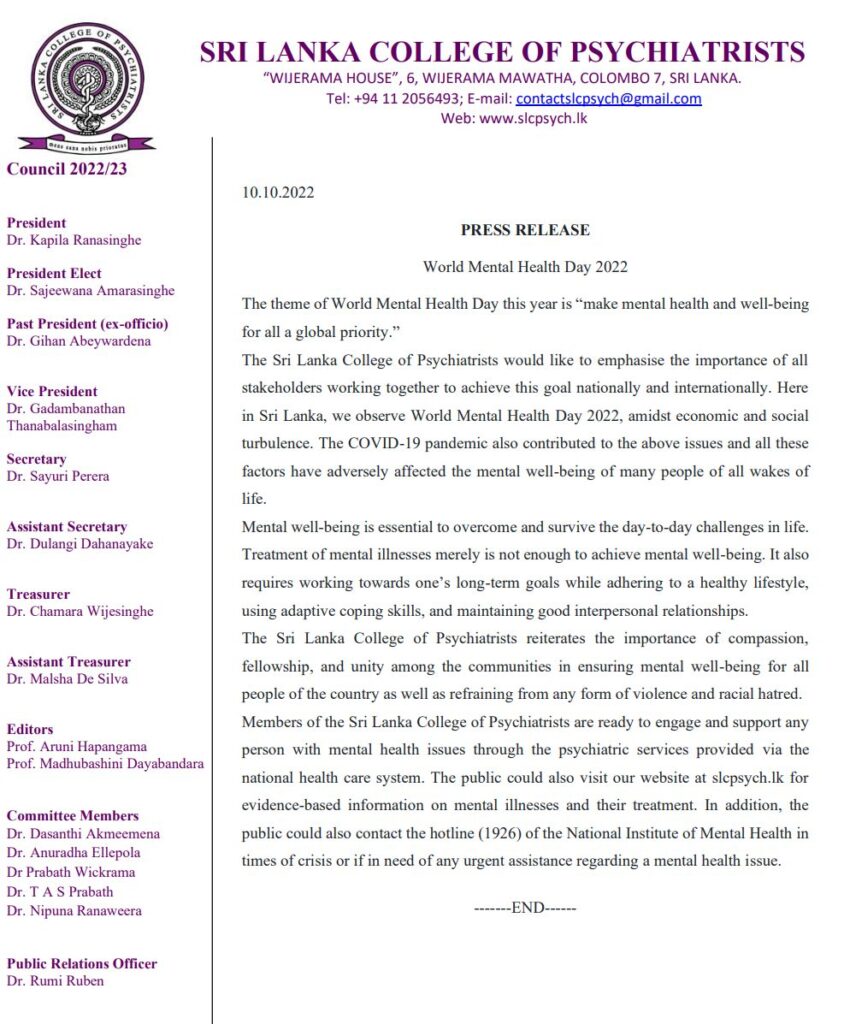
Marking the World Mental Health Day today (10) the Sri Lanka College of Psychiatrists (SLCP) has issued a press statement, saying that the theme of this year’s day is ‘make mental health and well-being for all a global priority.’
Below is the full statement:
World Mental Health Day 2022
The theme of World Mental Health Day this year is “make mental health and well-being for all a global priority.”
The Sri Lanka College of Psychiatrists would like to emphasise the importance of all stakeholders working together to achieve this goal nationally and internationally. Here in Sri Lanka, we observe World Mental Health Day 2022, amidst economic and social turbulence. The COVID-19 pandemic also contributed to the above issues and all these factors have adversely affected the mental well-being of many people of all wakes of life.
Mental well-being is essential to overcome and survive the day-to-day challenges in life. Treatment of mental illnesses merely is not enough to achieve mental well-being. It also requires working towards one’s long term goals while adhering to a healthy lifestyle, using adaptive coping skills, and maintaining good interpersonal relationships.
The Sri Lanka College of Psychiatrists reiterates the importance of compassion, fellowship, and unity among the communities in ensuring mental well-being for all people of the country as well as refraining from any form of violence and racial hatred.
Members of the Sri Lanka College of Psychiatrists are ready to engage and support any person with mental health issues through the psychiatric services provided via the national health care system. The public could also visit our website at slcpsych.lk for evidence-based information on mental illnesses and their treatment. In addition, the public could also contact the hotline (1926) of the National Institute of Mental health in times of crisis or if in need of any urgent assistance regarding a mental health issue.
Litro Gas tackles LP Gas shortage with new procurement and sales strategy
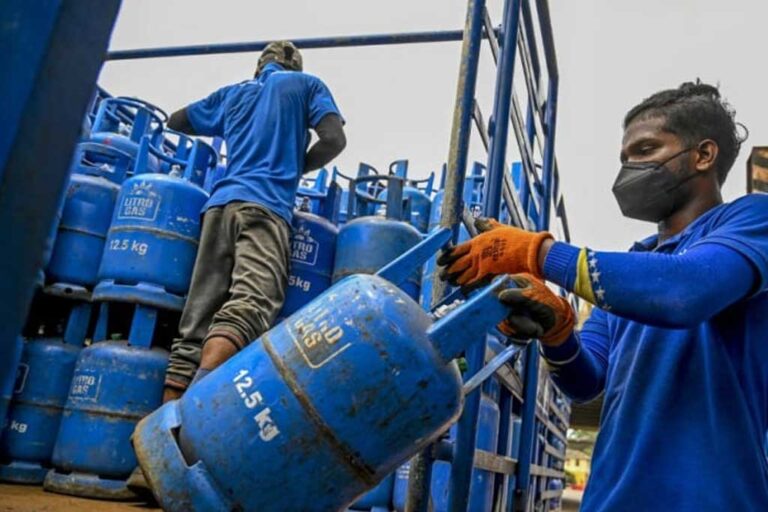
Sri Lanka’s state-run Litro Gas has secured a supply of 90,000 metric tons of cooking gas for the last quarter of the year, officials said.
An official who requested anonymity said the company has secured 30,000 metric tons of liquid petroleum (LP) gas per month from October to December 2022.
With Sri Lanka going through its worst currency crisis in decades, monthly LP gas imports dropped significantly in the second quarter of the year, which greatly inconvenienced the public.
Prior to the crisis, the official said, Litro imported around 33,000 MT per month.
LP gas consumption by the general public has reduced by around 10-12 percent over the recent months, the official said, with consumers switching to alternatives such as kerosene stoves, firewood, rice cookers and induction cookers due to gas shortages and higher costs.
On October 05, the firm announced a drop in cooking gas prices after a reduction in global prices.
Litro Chairman Muditha Peiris said the reduction will allow for a return to the convenience of using cooking gas.
“No matter how many alternatives there are, whether it’s firewood or kerosene or electricity, if you calculate the total, using gas prudently is more profitable,” he said.
The new gas consignments are received on a weekly basis and there are no delays at present, an official said.
Going forward the firm expects to create a supporting mechanism for the payments of the shipments by combining the state banks, the treasury and a smartphone app that expatriates can use to purchase gas for their families back home, payable in US dollars.
With more people using the app, the firm expects to cover the payments of at least two consignments from the forex generated from the Litro app, the official said.
Upon securing a steady supply, Litro immediately implemented a new sales strategy using locations such as playgrounds and other sites where a large number of customers could gather and purchase the product with ease.
In yet another strategic breakthrough moves, Peiris implemented a shift from fixed to formula pricing, which has enabled Litro to be self-sustainable whilst passing on the real market value benefit to the customers themselves.
Litro has also developed their mobile application with a global payment gateway. This feature is intended to reduce the dollar burden of Litro on the treasury and strengthen Litro’s own sustainability.
He said “We have secured a short-term LPG contract for 100,000MT and floated a term contract for one year and this is already in the process with bank credit lines secure to service the one-year contract.”
A major aspect of Litro’s strategy involved taking a scrutinised look at each aspect of their operations. As such, the company placed an emphasis on devising and maintaining an uninterrupted supply chain, along with building strong partnerships with suppliers.
Peiris stated that the company is now closely monitoring its distributor network to ensure products are received by the end customers.
Litro has further set up a 24/7 CSC call centre that is well-equipped to handle requirements as well.
Sri Lanka to get more legal teeth to fight corruption
The Ministry of Justice has drawn up a new controversial anti-corruption bill and it is expected to present in parliament that would see the creation of an independent commission that is empowered to carry out arrests without a warrant or a magisterial order, for officials who are suspected to have carried out an offence under the proposed anti-corruption act.
The Anti-corruption Bill, evolved in conformity with the UN Convention on Corruption has been sent to the Attorney General for clearance before presentation in Parliament for enactment, a Justice Minister Wijeyadasa Rajapakshe said.
The Bill, if enacted by the House, will provide for the establishment of a fully fledged bribery commission with powers and autonomy to deal with corruption. It will have full time serving commissioners to carry out investigations. Also, the commission will have authority to examine declarations of assets and liabilities.
The International Monetary Fund (IMF) has also envisaged the need to enact such a law to curb corruption for the implementation of its programme with Sri Lanka.
The UN Convention covers five main areas: preventive measures, criminalisation and law enforcement, international cooperation, asset recovery, and technical assistance and information exchange.
The Convention covers many different forms of corruption, such as bribery, trading in influence, abuse of functions, and various acts of corruption in the private sector
The Minister of Justice, Wijeyadasa Rajapaksa said that the bill was drafted based upon the UN convention against corruption, which has been ratified by Sri Lanka in 2004.
The Minister said that the existing bribery and corruption commission does not have the power that is proposed in the current bill, while it is important to make the commission independent without any political party or any affiliations.
In addition, the Minister said that it has been proposed to dissolve the existing laws with regard to assets and liabilities, which will be included within the proposed bill.
Moreover, whistleblower rights will also be protected, the Minister said. According to the bill, any authorized officer of the Commission may without an order from a Magistrate and without a warrant arrest any person suspected of committing an offence under the provisions of this Act.
The Minister emphasized that this is NOT a quasi-judicial power, as the Police too is able to arrest people without a warrant.
Section (58)1 of the proposed bill highlights that “an authorised officer of the Commission may apply in writing to the High Court for a warrant authorizing the covert monitoring of any conduct and recording of any communication if such officer has reasonable grounds to suspect or believe that a person has committed, is committing or is about to commit an offence under this Act,”.
The Minister went onto say that these provisions are common to many countries, and it is to ensure that the public sector functions without any corruption or illegal activities.
The bill has been directed to the Attorney General to confirm its constitutionality, after which it will be gazetted and will be presented before the Parliament, the Minister added.
SL Government to enact a new banking law in Parliament next year
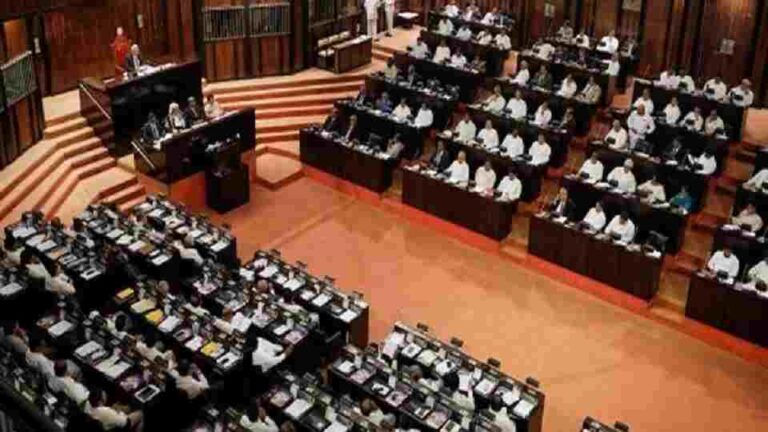
Sri Lanka is drafting a new banking law, which is expected to be passed in cabinet and parliament next year, and will also form part of an International Monetary Fund backed programme Deputy Governor Yvette Fernando said.
She said “On the Banking Act we have done a new Act,” Deputy Governor Fernando said. “We want to do a little bit more consultation also there,” “Because we want to expand on the resolution area. So that is happening now.”
An Act to provide for the introduction and operation of a procedure for the licensing of persons carrying on banking business; for the regulation and control of matters relating to the business of banking; and to provide for matters connected therewith or incidental thereto.
The new banking law which will have provisions to more easily resolve troubled banks. It has been included as part of a reform package backed by the IMF.
“Most probably during next year we are expected to finalize it, by going to cabinet and consultation process and also finally getting Parliament approval.”
Sri Lanka is also expected to enact a new monetary law act under the IMF program.Analysts have warned that a draft monetary law prepared before 2019 institutionalises an ‘impossible trinity regime’ where floating rate style liquidity injections.
The Central Bank of Sri Lanka plans to implement a new banking law, encourage consolidation among licensed finance companies and prepare a comprehensive resolution framework for all financial institutions as part of its road map for 2020.
Under the proposed Banking Act, the central bank plans to scrap specialized banking licenses, allow banks to ring-fence subsidiaries from adverse external shocks and streamline approval for the establishment of branches.
The law would include provisions to introduce a single type of banking license for both licensed commercial banks and specialized banks in the country.
Currently, there are six licensed specialized banks and 26 licensed commercial banks in Sri Lanka.
The licensed specialized banks are National Savings Bank, Sri Lanka Savings Bank Ltd. Housing Development Finance Corp. Bank of Sri Lanka, State Mortgage & Investment Bank Regional Development Bank and SANASA Development Bank PLC.
In the non-bank financial institutions sector, the central bank will encourage voluntary consolidation among licensed finance companies in order to help them meet the minimum capital requirements.
It is looking to issue directions on ownership limits for licensed finance companies and draft a comprehensive resolution framework for all financial institutions, among others.