The Committee on Public Enterprises (COPE) says that the government would have incurred a loss of USD 450 million had the coal tender which recently sparked controversy been awarded to the company Black Sand Commodities.
Following a report by Sri Lanka’s auditor general’s department, the parliamentary Committee on Public Finance (COPF) has recommended that action be taken against officials who oversaw a 2022-2025 coal tender for the Norochcholai coal power plant.
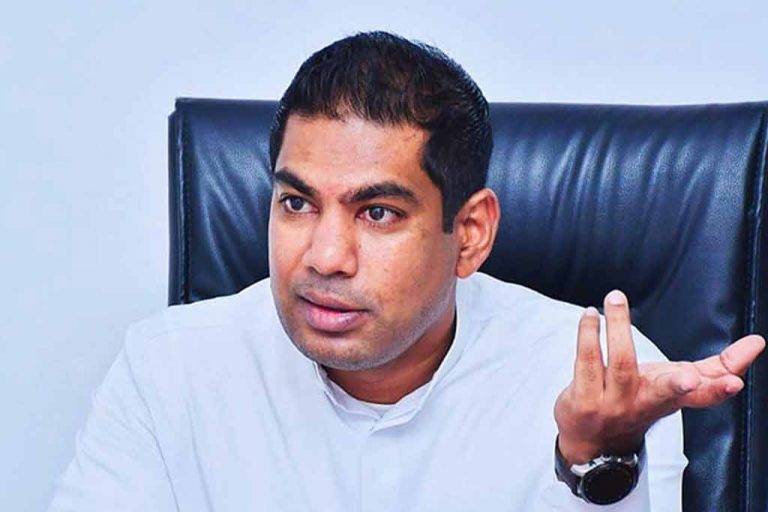
Minister of Power and Energy Kanchana Wijesekara shot back in parliament on asking the committee to hear out the officials’ version of events before making recommendations
Citing a report by the Auditor General, SJB MP Patali Champika Ranawaka said the company was looking to purchase a ton of coal priced at USD 284.84 based on the composite index.
He added that when in contrast, the same quantity could have been purchased at USD 179.55, according to the Russian index.
“In other words, the cost of every ton is USD 100 for a quantity of 4.5 million tons of coal. If this happened, there would have been a problem amounting to USD 450 million,” he revealed.
Quoting the report further, MP Ranawaka said the although there was an opportunity to discuss the bidding prices, the Auditor General has observed that no attempt has been made to do so.
A company which was awarded a contract to supply coal on credit has refused go ahead until legal clearance is given, the Power & Energy Minister said Power Minister Kanchana Wijesekera after the deal ran into controversy and some activists went to court.
The supplier “had decided to suspend performing the contract awarded to them until legal clearances were given,” the Energy Ministry said.
“Met with the officials of the Lanka Coal Company yesterday and the contract awarded suppliers to discuss the issues related to the Coal Procurement for the Lakwijaya Power Station,” Minister Wijesekera added.
According to information now in the public domain, a company called Black Sands Commodities FZ LLC based in the UAE was given the deal to supply 4.5 million tonnes of coal from Vanino Port, Russia.
It was supposed to supply coal at a base rate of 295.22 US dollars and 33 dollars a tonne for freight.
The deal was supposed to be for seasons 2022-2023, 2023-2024 and 2024-2025. Critics have said the price was too high.
However the firm had agreed to give six months credit. Sri Lanka has a tendency to buy fuel on credit when the central bank prints money to create forex shortages.
Minister Wijesekera defended the deal in parliament saying the supplier was the lowest responsive tender.
A resolution is said to be presented to the Cabinet at the Cabinet meeting today (10) against Janaka Ratnayake, the Chairman of the Public Utilities Commission of Sri Lanka (PUCSL), urging the government to take legal action against him for the severe inconveniences occurred due to his statements lacking credibility.
The resolution is believed will be tabled by Ministers Manusha Nanayakkara and Harin Fernando.
The statements made by Ratnayake, especially on matters pertaining to the lives of the people such as fuel and electricity, may bring the Government of Sri Lanka into disrepute, thereby awakening the possibility of provoking unrest among the public and even obstructing international trade pacts, the Ministers pointed out.
The two Ministers argued that Ratnayake, who has no qualification to hold a chairmanship at a public institution, merely got his job at the PUCSL because he was involved in providing former President Gotabaya Rajapaksa and Rohitha Rajapaksa, the youngest son of former Prime Minister Mahinda Rajapaksa, premises at a House Complex in Torrington to operate offices.
Ratnayake is also said to have been accused on multiple occasions of;
Selling a building he owns in Kirulapone to the National Savings Bank and not paying taxes to the Inland Revenue Department;
Obtaining money and leasing facilities from the branches of the collapsed Ceylinco Group during his tenure as the Chairman of Merchant Bank, and giving them to Senkadagala Finance Institution (which has also been probed by the Criminal Investigation Department); and
Forcible acquisition of Ceylinco Housing Company owned by The Finance Company.
Indictments were handed over to three persons including Ruling Party MP Johnston Fernando today (10), in connection with the allegation of incurring a loss of over Rs. 5.9 million to the Government of Sri Lanka by deploying workers of SATHOSA in political affairs during his tenure as the Trade Minister in 2011.
This was when the case was taken up before Colombo High Court Judge Namal Balalle today.
The case was lodged by the Commission to Investigate Allegations of Bribery or Corruption (CIABOC) against former Minister Fernando, former Chairman of SATHOSA Eraj Fernando and Mohammed Zakhir, a former director of SATHOSA.
Lawyers appearing for defendant Fernando told the Court that they expect to lodge preliminary objections to the indictments, and the case was adjourned till November 01, 2022.
The Fundamental Rights (FR) petition filed against the declaration made by Governor of the Central Bank of Sri Lanka (CBSL), Dr. Nandalal Weerasinghe, together with several other authorities, on Sri Lanka resorting to debt default due to what they claimed as the ‘inability to settle debt’ was taken up before the Supreme Court for consideration today (10).
The case was taken up before Supreme Court Justices S. Thurairaja PC, Yasantha Kodagoda PC and Mahinda Samayawardena PC.
The Deputy Solicitor General appearing for the Attorney General, who is also a respondent to the petition, requested the Court to grant him more time as he had not enough time to prepare for this case. The Bench argued that the petitioners had lodged their suit on time, but the Registrar’s Office had forwarded it on October 06.
Nonetheless, considering the urgent need for this case to being heard, the Supreme Court ordered that the petition be called again on November 04, 2022. Are there any preliminary objections related to this petition, they should be filed before October 26, 2022, and are there any resentments to these preliminary objections, they should be filed before November 02, 2022 the Bench added.
Attorney-at-Law Thiru Amirthalingam and Senior Counsel Krishmal Warnakulasuriya appeared on behalf of the petitioners on the instructions of Mrs. Indunil Wijesinghe.
Trade Union Leader Ravi Kumudesh and Ven. Pahiyangala Ananda Sagara Thero lodged a FR petition at the Supreme Court against several individuals including Governor of the Central Bank of Sri Lanka (CBSL), Weerasinghe, challenging their declaration on Sri Lanka resorting to debt default making it officially a ‘bankrupt’ nation, and demanding that a verdict be made that the said declaration was made without authorisation and therefore, is unlawful.
CBSL Chief Weerasinghe, former Finance Minister Mohammed Ali Sabry, Secretary to the Ministry of Finance K.M.M. Siriwardena, the CBSL Monetary Board and the Attorney General have been cited as respondents.
The petitioners argued that the declaration on Sri Lanka being ‘bankrupt,’ which was carried out without the consent of the Cabinet and Parliament, amidst the possibility of receiving a pre-disclosed amount of dollars would be highly controversial and contributes to the ruination of the island nation’s clean record of debt repayment, making it a severe blow in the head against the Government of Sri Lanka.
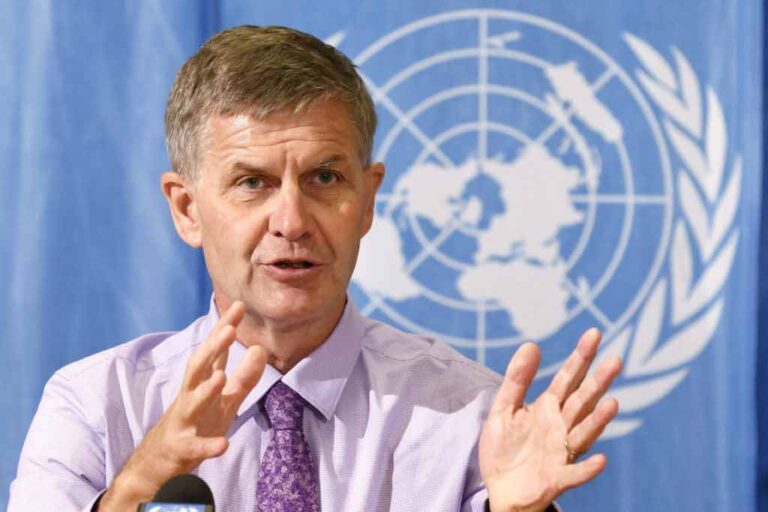
Erik Solheim, an executive director of the United Nations Environment Programme, is set to arrive in Sri Lanka today (10).
His visit to Sri Lanka will aim a discussion with President Ranil Wickremesinghe.
Solheim’s name is familiar due to his contribution to facilitating the peace talks between the LTTE organisation and the Government of Sri Lanka in 2002.
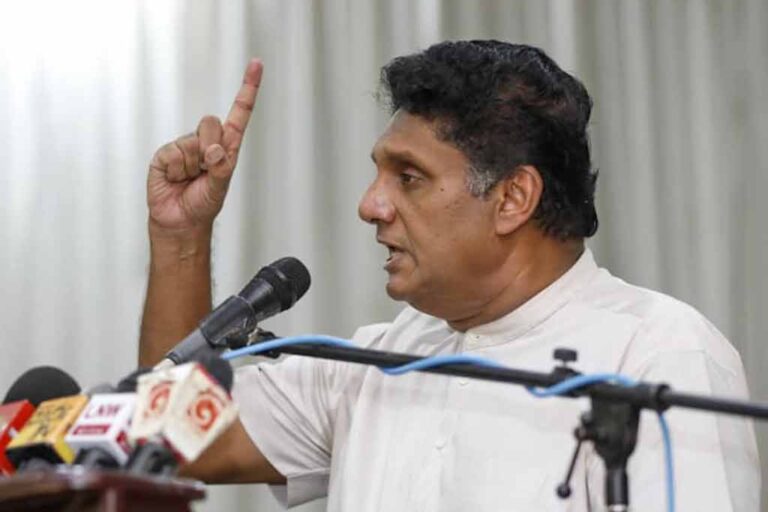
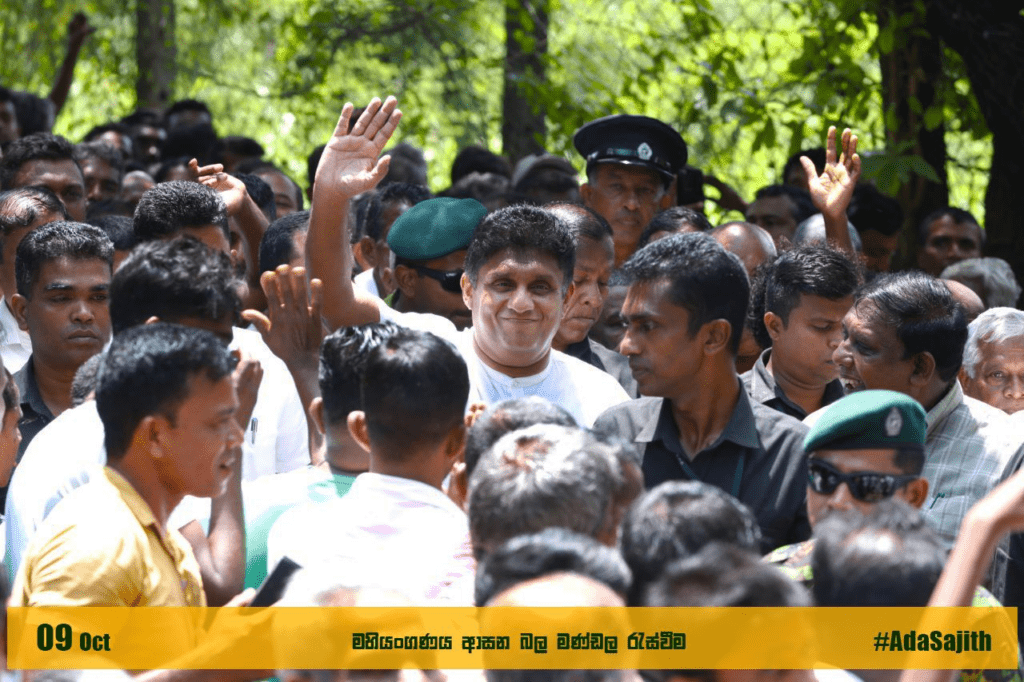
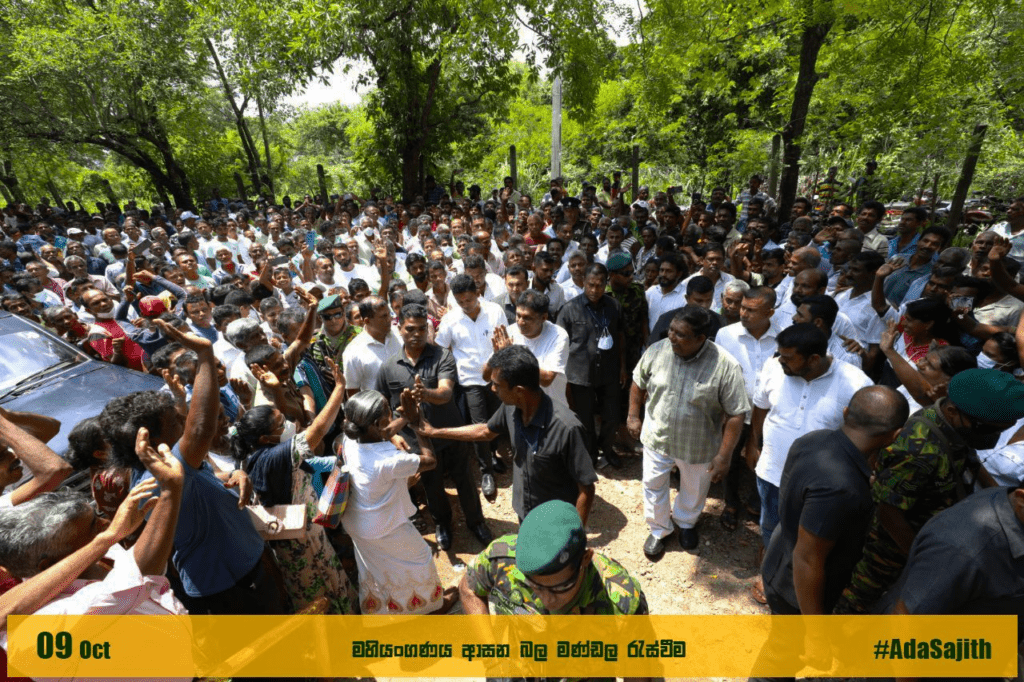
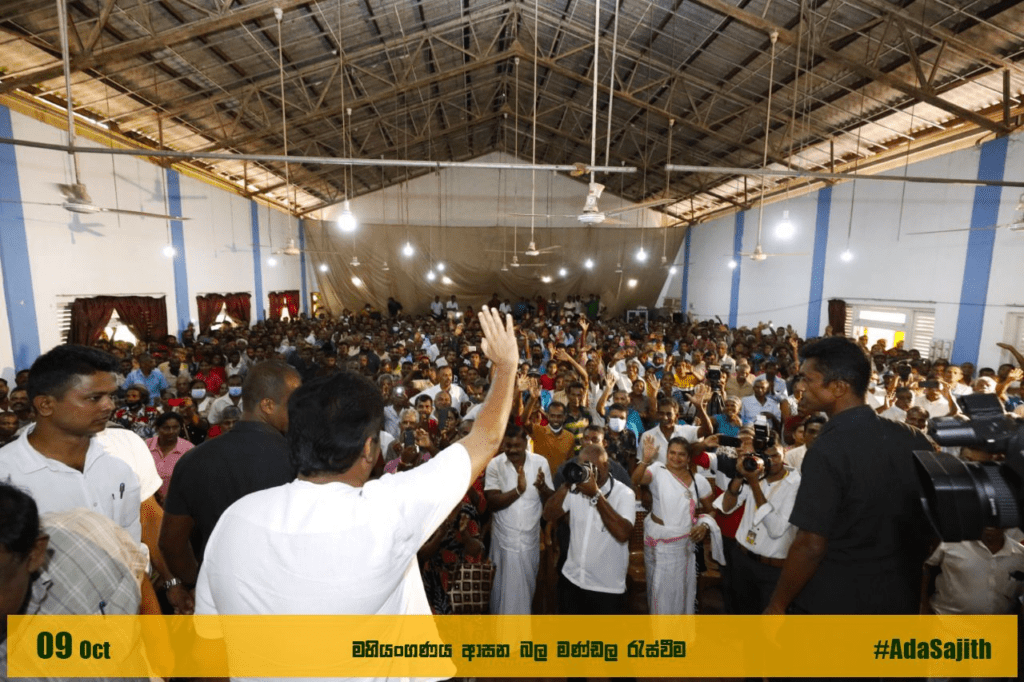
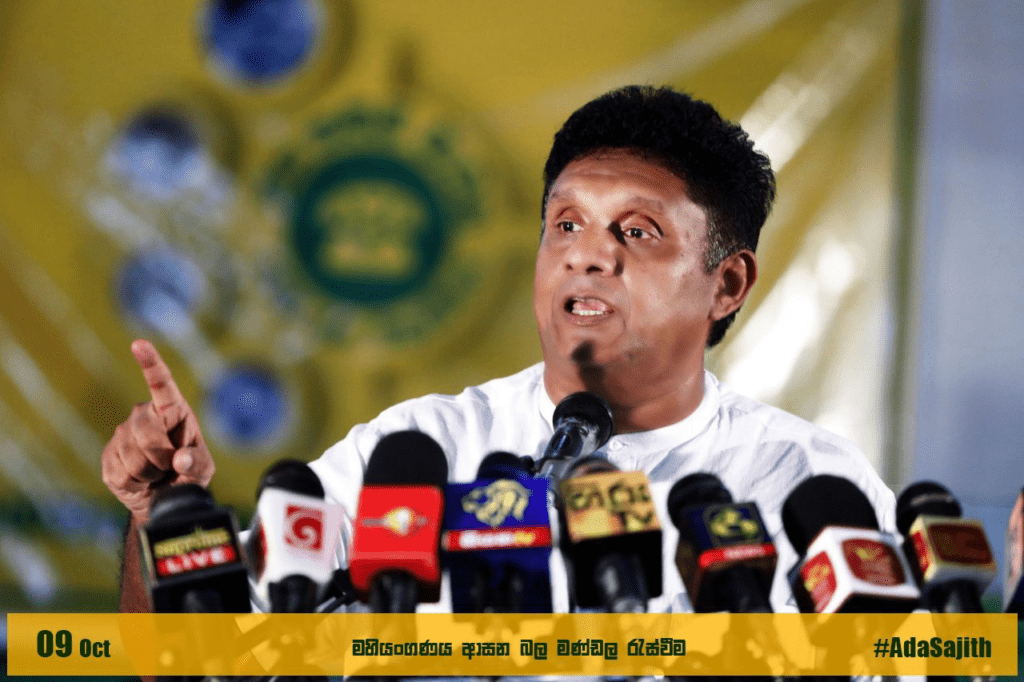
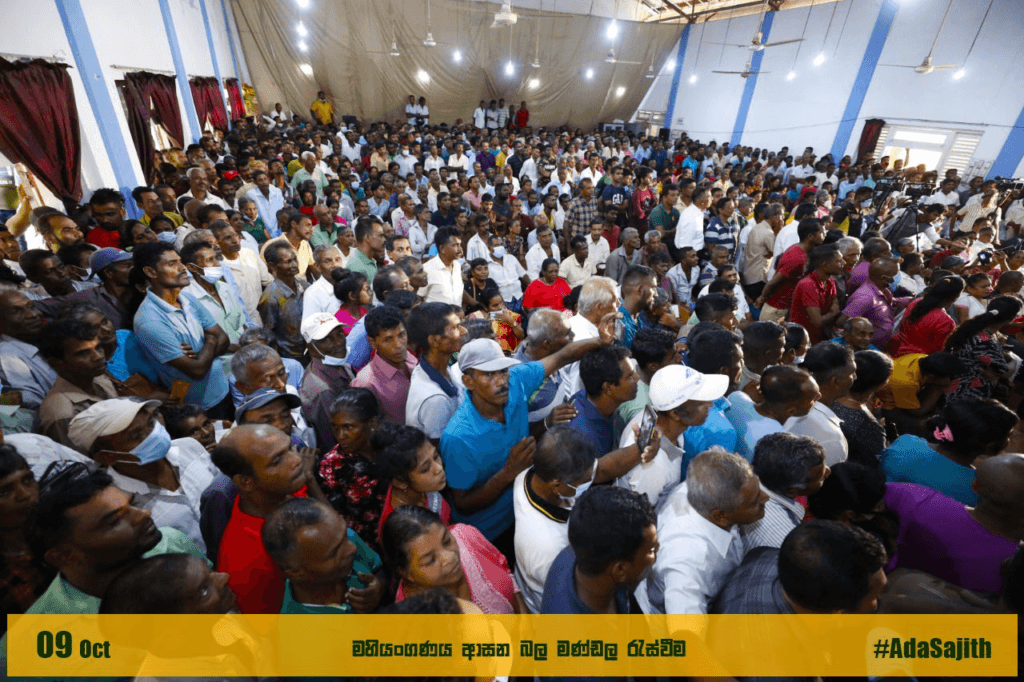
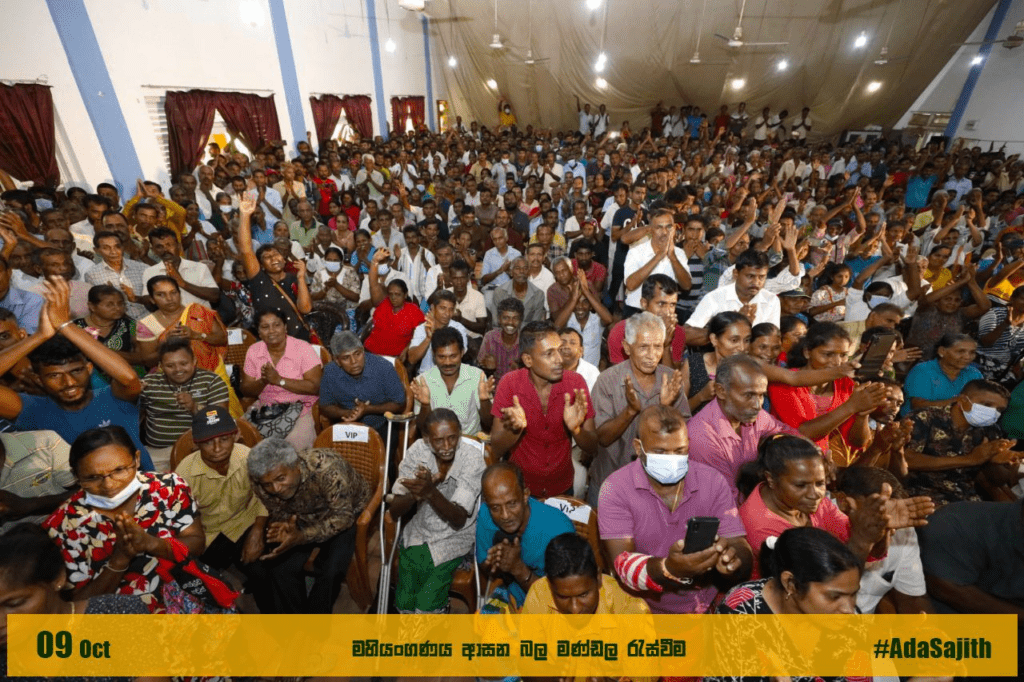
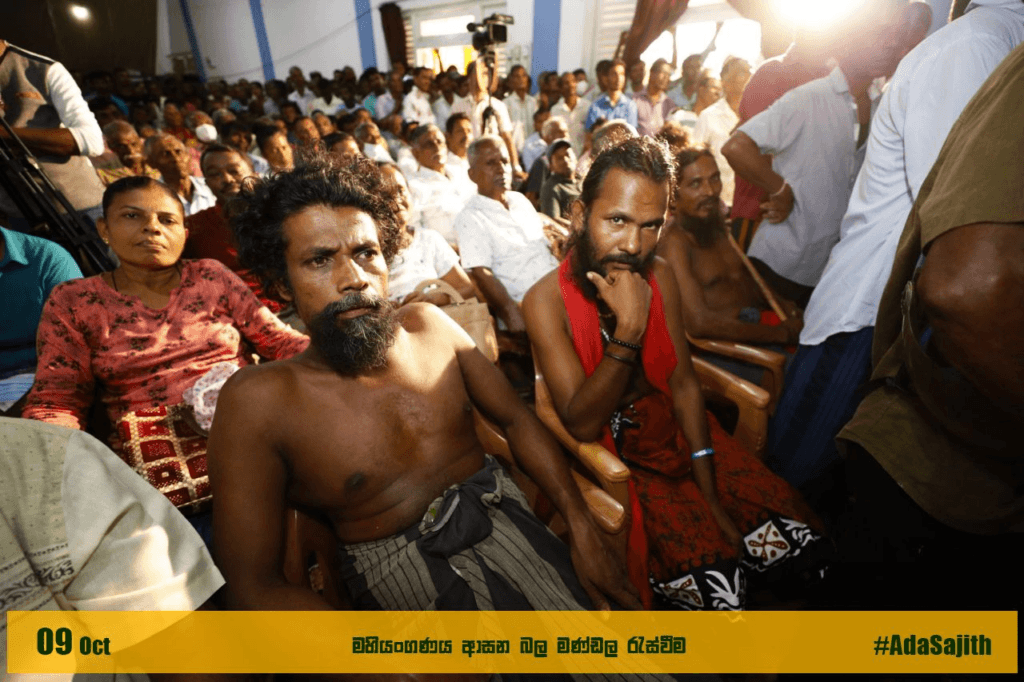
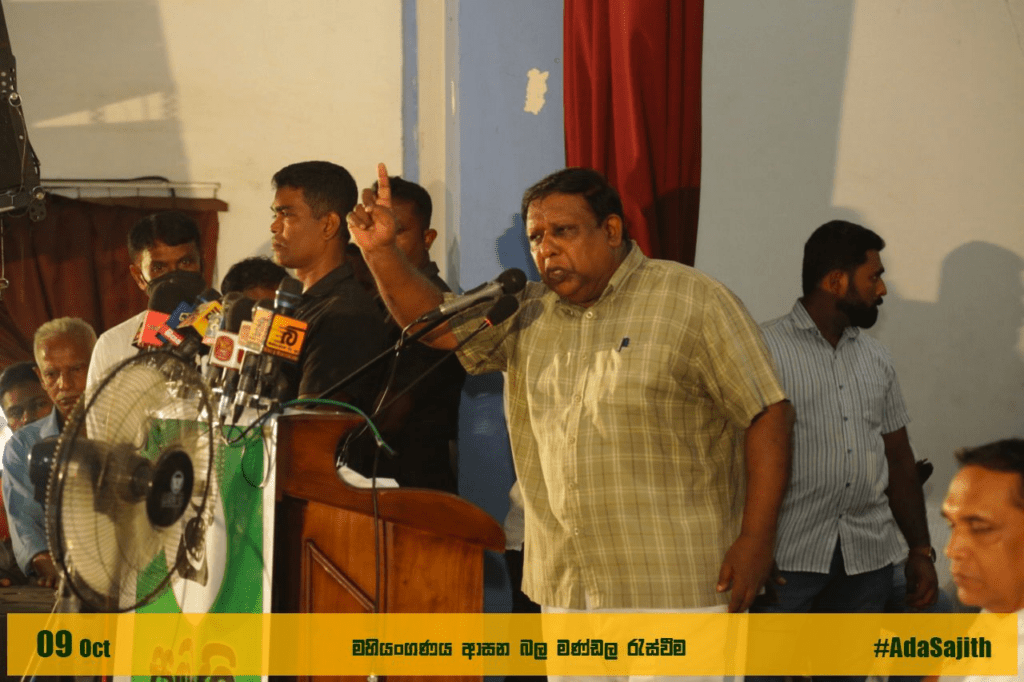
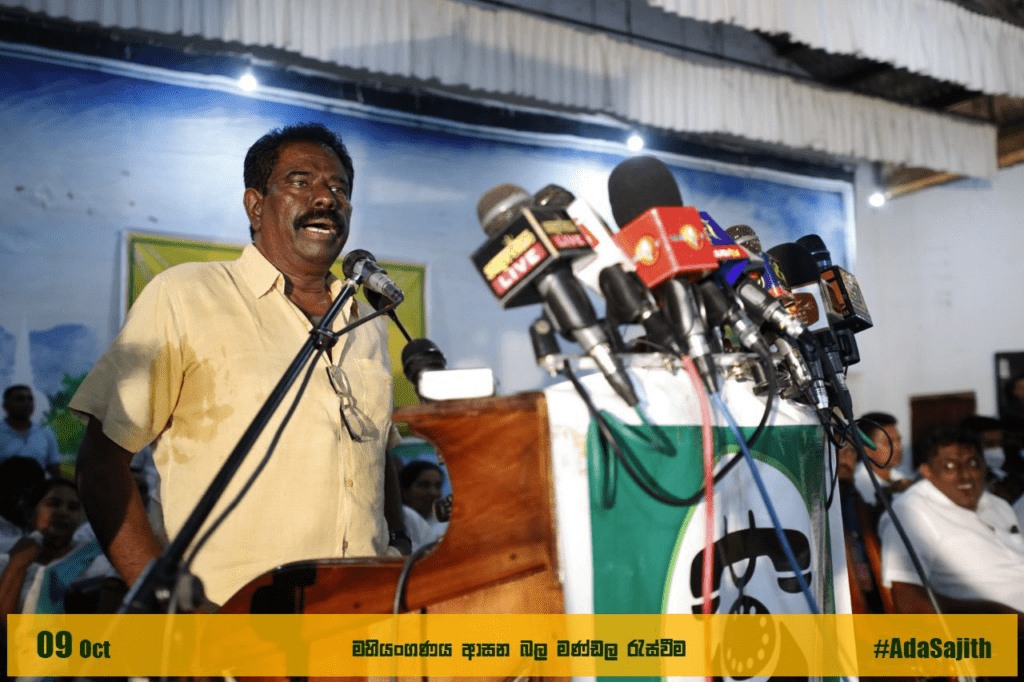
Those committing thievery as separate components have now begun to resort to thievery together, alleged Leader of the Opposition Sajith Premadasa, addressing the Samagi Jana Balawegaya (SJB) Mahiyanganaya Electorate Authority Board meeting yesterday (09).
The event was organised by SJB Mahiyanganaya Electorate Organiser Lakshman Seneviratne.
The SJB will not allow the group that destroyed this country and oppressed people’s lives to regain power, the Opposition Leader emphasised.
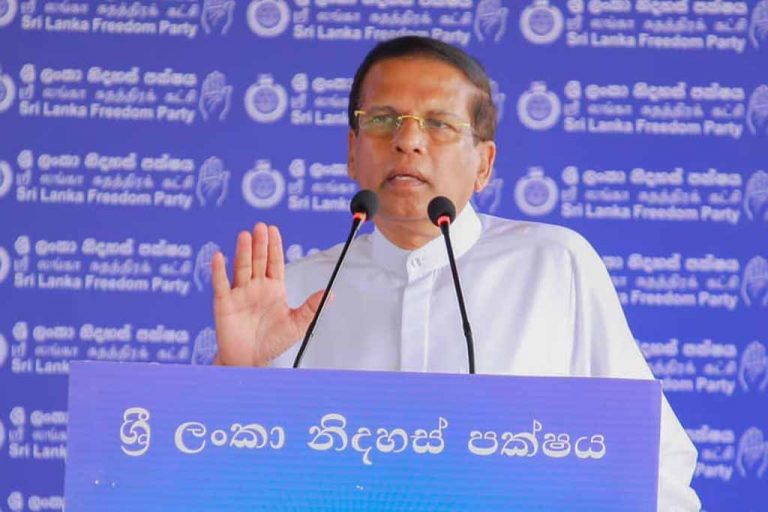
An urgent meeting was called in for all district and electoral organisers of the Sri Lanka Freedom Party (SLFP) today (10) at 02 pm at the Party Headquarters on Darley Road.
The meeting was called in as the very first occasion of its kind since the Party Constitution was amended by SLFP Leader Maithripala Sirisena levelling his powers up.
However, correspondents claimed that some party organisers have decided to boycott the meeting.
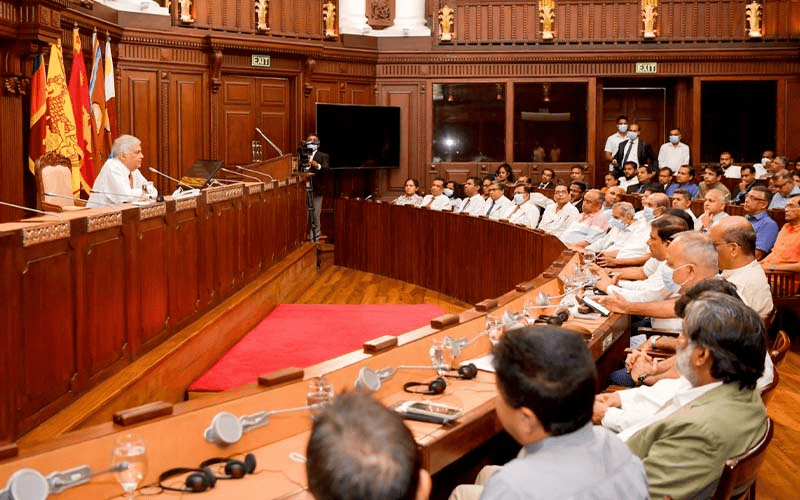
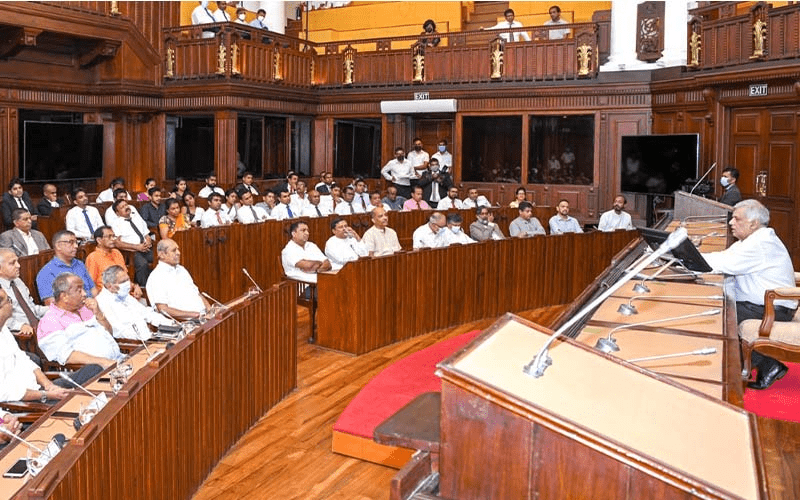
President Ranil Wickremesinghe said that a referendum will be called to decide on the parliamentary electoral system if the Select Committee which is proposed to be established fails to reach a decision on the matter by July next year.
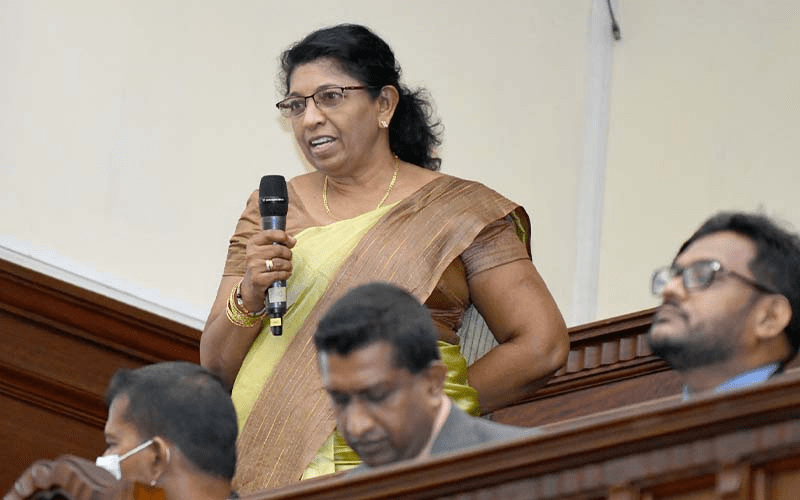
He made this observation during a discussion with a group of professionals held at the Presidential Secretariat today (09).
The President said that the desired changes to the political system should be brought about in accordance with the aspirations of the people, as the majority of the population in the country rejects the existing political system. He added that accordingly, he expects to reduce the number of council members of local authorities (Municipal Councils, Urban Councils and Pradeshiya Sabhas) from 8000 to 4000 and to implement the Jana Sabha system, before the next election.
He said further that the executive power of the Pradeshiya Sabha should be vested on a chairman-based committee instead of same being vested on a single chairman. Laws will be drafted for this amendment before the next Pradeshiya Sabha election.
Pointing out that the main cause of political corruption is the Preferential Vote System, the President said that the country should immediately switch to a list based electoral system with non-preferential votes or a mixed system (single and proportional system). Limitations should also be imposed by the election law on the money spent on election propaganda.
The statement made by the President during the discussion is as follows;
There are two main issues before the country today. One is the economic collapse while the other is the rejection of the political system by the majority of the population. Many are of the view that the cause of the economic collapse is the existing political system.
As we have discussed at length the measures to be taken to revive the economy, I would not intend to talk on it any longer here but we should focus our attention instead on the political program. Today, the political system of the country is questioned by the majority of the people and they demand all 225 members to be dumped into the Diyawanna Oya. It is not because of individuals but because of the political system that is rejected by them.
It was not the political parties that initiated the protests last March. The people did not participate in protests by the political parties but they came forward independently. Unfortunately, by May and June, different political organizations took this movement into their own hands and then the violence crept in. Along with the violence they attempted to oust the government and the struggle collapsed with it.
Still the people are of the view that the existing political system should be changed. Everybody rejects violence. And we have had to accept it and have to move forward changing these attitudes.
Different groups have been formed within the Parliament due to the party system. It is not a secret that I was supported by the ruling party to be elected as the President. A few voted with other contestants. Opposition members too voted in my favor. SJB as well as members of the Tamil parties too voted in my favor. Hence, I was supported by both sides.
I work for the people irrespective of narrow party lines. Currently, in accordance with the opposition’s request, a Parliamentary National Assembly has been established. In addition committees such as Monitoring Committees too have been established. But these have not yet been completed. Some participate in the National Assembly and some don’t. The country expects everyone to work together. We should not end here.
We should consider the people’s aspirations and should act accordingly. As the People are fed up with village level politics, we accept a new concept today. It is not the government but former Speaker Karu Jayasuriya who recommended the Jana Sabha System. To unite the public organizations in that village level and working in one committee is what Janasabha is all about. This system which existed before as Gramodaya Mandala is commendable. However, the Gramodaya Mandala had a connection with the government whereas the Janasabha has not. We hope to implement this public assembly program.
There should be proper coordination with the Pradeshiya Sabhas during the functioning of the Jana Sabhas (Public Councils). The Pradeshiya Sabhas will not be allowed to remove the Jana Sabha. We need to plan how we will work together. There are many questions about the Pradeshiya Sabha system. Many of these Pradeshiya Sabhas do not even make a profit. They are sustained on tax money. Municipal Councils and Pradeshiya Sabhas that receive money utilize it to pay salaries. Hence, we have to think about this system.
However, last time we increased the number of Pradeshiya Sabha members from 4000 to 8000. This was not what the people asked for. This was done following discussions between the party leaders. Now, we have to reduce this number back again to 4000 prior to the next election.
Therefore, let’s work to amend those laws in the parliament. Let’s start this program from there. And there is another urgent amendment. The Chairmen of these Pradeshiya Sabhas are the executive heads. Some people are against it. Before the Pradeshiya Sabha system, there was no such power when there were Municipal Councils and Village Councils (Gam Sabha). Therefore, I propose to entrust the executive power of these Pradeshiya Sabhas toa chairman-based committee instead of a single chairman. The head of it would be the Pradeshiya Sabha Chairman.
Now there are finance committees. Let’s create such an executive committee. We need to accomplish these two things before the next local government elections. I would like to specifically mention that it is something we must do. We have informed the ministers to prepare the necessary draft law.
Similarly, many people are not in favour of this preferential system. No one thought of the preference system initially. Mr. JR Jayawardena, after much thought, proposed the list based electoral system in 1975, which was accepted by other parties. Because it was based on ratios. Accordingly, we held the Urban council elections and the Municipal Council elections. We continued this system successfully. However, in 1988 the parties in parliament suddenly took a decision to bring in the preferential system instead of the list system. Moreover, not just one preference, but three preferences. It was further decided to increase the number of members of parliament from 196 to 225.
The main reason for corruption in this country’s politics is the preferential system. Hence, we need to prepare a new voting system. A decision should be taken to implement either the list method without preference, or the mixed method (single and proportional method). A decision should be taken after discussions before the upcoming election and that election should be held under the new system.
Then, the suitable people would be elected. This is something that we have to do. Today there is no agreement among the parties. The main parties are told one thing and the minor parties are told another. We cannot progress in this manner. The political parties need to take a decision in this regard.
I discussed this matter with the Justice Minister as well. We will propose a parliamentary select committee to decide on the parliament voting system. That committee has to convene and discuss the matter. This matter cannot be delayed because by July next year a decision should be taken. Failing which, I will opt for a referendum to seek public opinion on which electoral system is preferred.
People will be informed about this and discussions will be held about these methods. They can then discuss and choose one method. Therefore, the Parliament Select Committee should finish the activities entrusted to them. If not, I will leave it in the hands of the people to do the work. We can’t escape from these responsibilities. We must move on.
A lot of money is spent on elections today. I voted the old way back in 1977, spending was limited back then. Today, some people spend 20-30, 50 million per election. How do we repay these? Members of Parliament have been imprisoned by this method.
Therefore, we need to curtail the election expenditure through the election laws. When I contested the 1977 elections, there were limitations. We had to work in keeping with these limitations. We were unable to even spend on posters. Hence, we must introduce limitations on election expenditure.
Another factor is that there is no youth representation in our political parties today. Many work with the same old people just for namesake. There are no new organizations. Therefore, a separate law should be presented regarding the constitution of political parties, their work, how to recruit members, how to select central committees, and how to select candidates.
Currently, countries like Germany have laws called the Political Party Law. We should also act accordingly. There are rules about how to collect money, what are the cases where money cannot be collected. Then you can work transparently. Anyone can go to court against it.
Because there is transparency, and because election expenses are limited, the parliaments of those countries give money to political parties. Money is also given for elections. It is better to give from Parliament and not from private institutions. They have imposed restrictions. Even America has this system. Therefore, we should also bring in this system. I intend to appoint a separate commission to present their proposals in this regard. All this needs to be done next year.
With a new economy, there must be a new attitude. Also, some people lay blame that action is not taken against MPs. Action can be taken against MPs if they have flouted disciplinary laws. I will present to Parliament the code of conduct and values of the MPs, similar to that in the British Parliament.
Parliament needs to approve it. In England, there is a Parliamentary Standard Act, if it is not acted upon, it will be reported. When they report it, they have to leave because of popular opinion. No other step can be taken. Recently, one MP was removed from the debate.
If we bring all these rules and regulations, if we make these amendments, we can win the people’s trust. Then many people will go and vote in the next election. We can expect around 85% voter turnout.
We need to change attitudes. There is no point in going on protest marches in the old-fashioned way. Now what is happening is that political parties have started leaning on the protest struggles to get public support. But, these protest struggles are not dependent on political parties. We have to bring rules and regulations according to the opinions of the people and give them the opportunity to appoint people who they want elected to parliament. This is the work that we should do in the future.
Secretary General of the United National Party (UNP) Palitha Range Bandara, UNP Chairman and Parliamentarian Wajira Abeywardena, UNP Senior Vice Chairman and National Organizer Akila Viraj Kariyawasam, Chief of Staff to the President and Senior Advisor to the President on National Security Sagala Ratnayake, Senior Advisor to President on Parliamentary Affairs Prof Ashu Marasinghe, Secretary to the President Saman Ekanayake, Former Minister Thilak Marapana PC and professionals including former Vice Chancellor of the University of Sabaragamuwa Prof Sunil Shantha, Attorneys-at-Law, Medical Specialists, doctors, engineers, professors and university lecturers participated in the event.
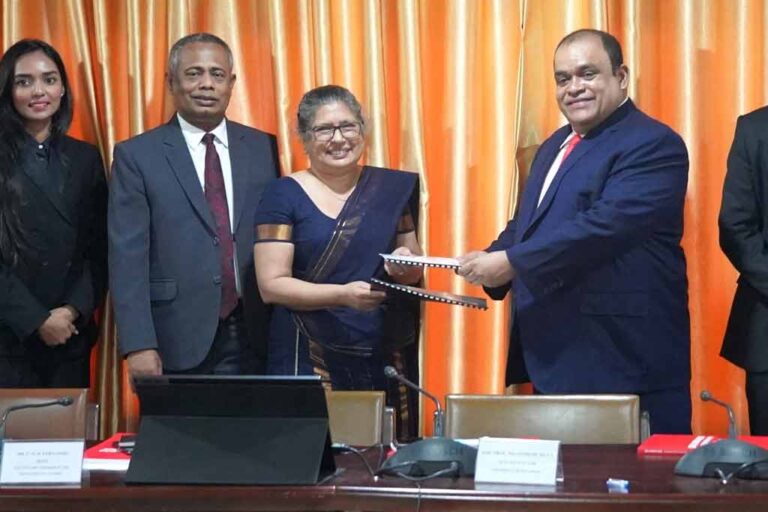
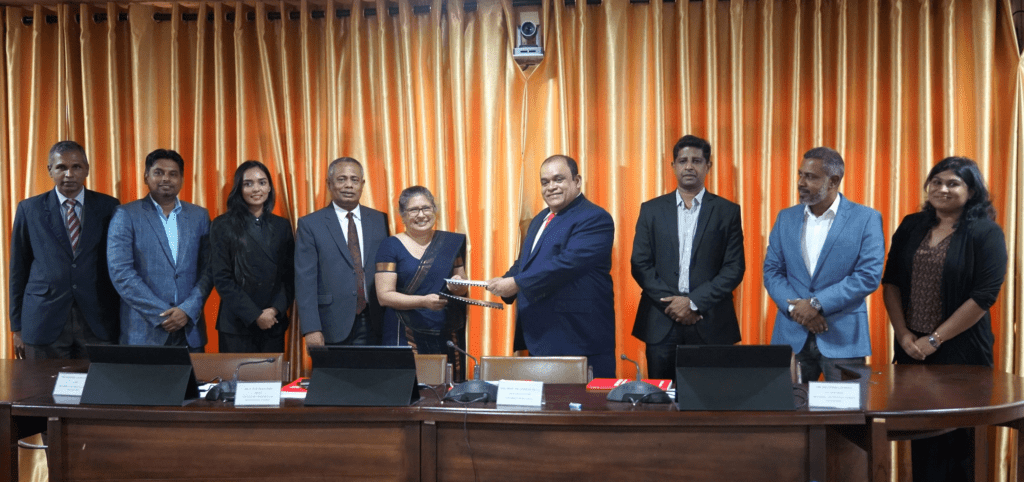
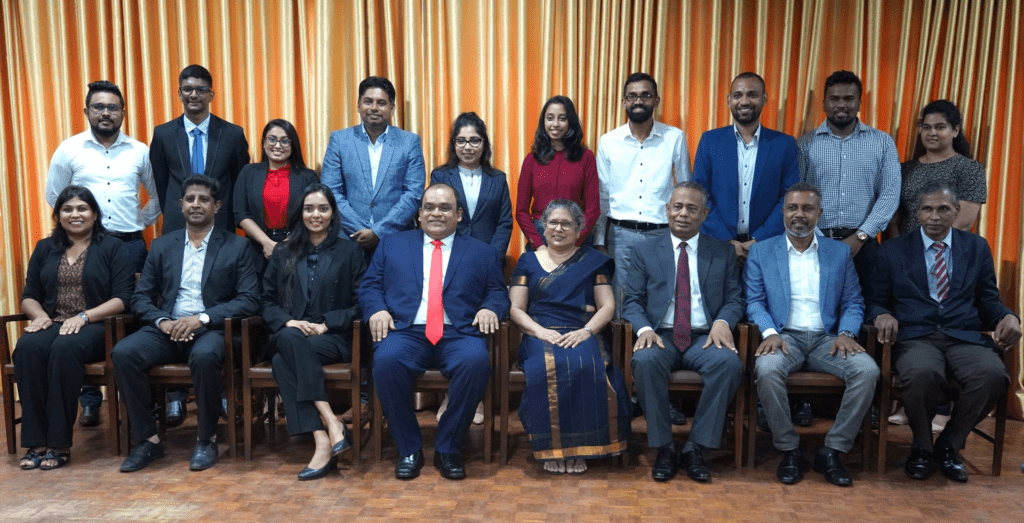
‘DP Education’ and the University of Kelaniya (UOK) have entered a Memorandum of Understanding (MoU) to initiate an online Enterprise Resources Planning (ERP) Course.
The required funds and human resources to initiate this Course will be provided to the UOK through DP Education, a part of DP Foundation, in a move of expanding educational opportunities for Sri Lankan children.
The Course will be free of charge and plans to create career opportunities in seven roles from trainees to support-consultants in the field of enterprise resources planning.
DP Education is part of DP Foundation co-founded by Sri Lanka Podujana Peramuna (SLPP) National List MP Dhammika Perera and his wife Priscilla Perera, providing free online education for children of Sri Lanka.
This would be the third project by DP Education to provide online university education and two such projects were successfully initiated previously with the University of Moratuwa. The first project is the ‘Trainee – Full Stack Developer’ Course which, at present, is attended by more than 135,000 students. The second is the creation of a CAPM-level online course certified by the Project Management Institute of America.
Visit https://www.dpeducation.lk/ for more information about Mr. and Mrs. Perera’s corporate social responsibility initiatives.
Joint Apparel Assn Forum’s Felix Fernando says Government’s decision to increase corporate income tax on exporters to 30% will be counterproductive to raise tax revenue: several other private sector chambers also speak out against the tax increases.
Civil activists Ravi Kumudesh and Ven. Pahiyangala Ananda Sagara Thera file FR petition against CB Governor Dr. Nandalal Weerasinghe, former Finance Minister Ali Sabry, Treasury Secretary K.M.M. Siriwardena, and the Monetary Board, challenging declaration that officially ‘bankrupted’ the nation: petition to be taken up today by the Supreme Court.
World Bank report says Sri Lanka’s GDP is expected to contract by 9.2% in 2022: further contraction of 4.2% expected in 2023: revision of positive growth of 4.5% estimate, done after debt default: however, CB Governor Dr Nandalal Weerasinghe says “country has shown economic stabilisation and there will be a significant economic recovery next year”.
Central Bank data shows Workers’ remittances dropped by a massive 43.8% (YoY) to USD 2,574 mn for the first 9 months of 2022.
State Minister of Investment Promotion Dilum Amunugama says the minimum deposit for the 10-year Golden Paradise visa scheme will be increased from USD 100,000 to USD 200,000 as the programme had started gaining attention among investors.
President Ranil Wickremesinghe says that he intends to reduce the number of council members for local government bodies from 8000 to 4000 and also implement the Jana Sabha programme.
State Finance Minister Ranjith Siyambalapitiya says foreign reserves have dwindled to USD 1.8 bn and the amount that can be used is only USD 300 mn: hands over “soft” liquor permits to restaurants to promote tourism.
Transport Minister Dr Bandula Gunawardena requests anyone who knows how to free the country from its current economic crisis, to come forward: also says if anyone can do so, that would bring them glory in this world and a blessing in the next.
President Ranil Wickremasinghe says a proposal would be made to appoint a Parliamentary Select Committee to decide on the Parliamentary voting system: also says if this Committee fails to come up with a decision by July 2023, a referendum would be held.
Lists showing names of several key figures in the country who have allegedly “invested” funds with well known socialite Thilini Priyamali, go viral in social media: some deny such reports: Priyamali remanded till 19th October by Fort Magistrate over allegedly misappropriating over Rs.226 mn.