Home Blog Page 202

BOC Reboots Digital Future with New IT Solutions Arm

0

In a strategic move to accelerate its digital transformation, the Bank of Ceylon (BOC) is gearing up to establish a dedicated Information Technology Institute BOC IT Solutions Ltd. aimed at upgrading its digital infrastructure, optimizing IT operations, and enhancing customer experience in an increasingly competitive banking environment.

The initiative, approved by the Cabinet of Ministers this week, marks a major shift in the state banking giant’s approach to technology management and innovation.

The proposal was submitted by President Anura Kumara Dissanayake in his capacity as Minister of Finance, Planning, and Economic Development, underscoring the government’s renewed focus on modernising public-sector financial institutions.

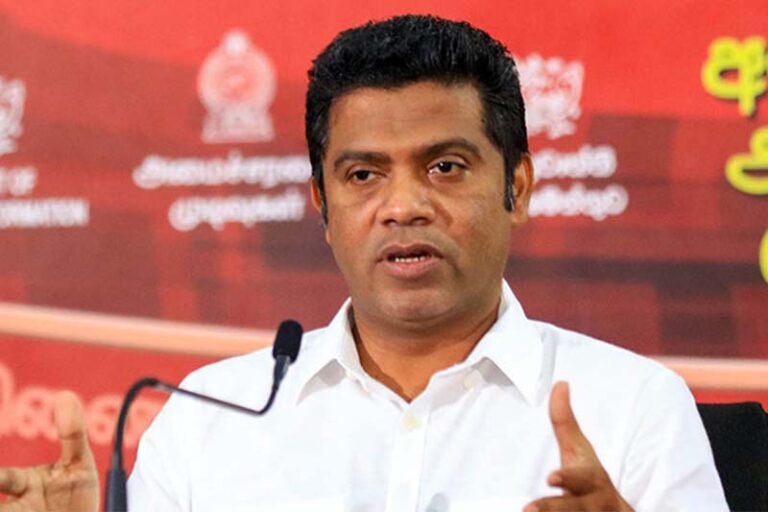
According to Cabinet Spokesman Dr. Nalinda Jayatissa, the institute will not only handle BOC’s internal digital needs but also develop advanced information and communication technology (ICT) solutions to support broader digital initiatives across the banking and financial ecosystem.

“The establishment of BOC IT Solutions Ltd. reflects the bank’s long-term vision to transform its operational framework and adapt to the rapidly changing technological landscape,” he said during the post-Cabinet media briefing.

The move effectively revives BOC Management and Support Services Ltd, a subsidiary created in 1992 to handle the bank’s manpower and support services but discontinued in 2007.

 This revival, however, comes with a sharper focus on IT innovation, digital resilience, and cybersecuritya key concern for the financial sector amid rising cyber threats and data breaches.

BOC, Sri Lanka’s largest state-owned commercial bank with over Rs. 4.5 trillion in assets, has long been under pressure to keep pace with private banks that have aggressively adopted digital platforms,

AI-driven customer services, and online banking tools. The establishment of a specialised IT arm is expected to strengthen the bank’s competitiveness by improving transaction efficiency, automating legacy systems, and expanding mobile and online banking services for both retail and corporate customers.

However, financial analysts note that while the initiative is commendable, its success will depend heavily on BOC’s execution capacity and governance framework.

The bank’s previous attempts at digital modernisation have been hampered by bureaucratic inertia, skills shortages, and slow procurement processes issues that could undermine the new entity’s effectiveness if not addressed.

“Creating a separate IT arm is a promising strategy, but it must operate with autonomy, agility, and accountability. Otherwise, it risks becoming another bureaucratic appendage rather than a true driver of innovation,” a senior banking consultant said . .

The institute’s success will also hinge on attracting and retaining skilled IT professionals at a time when Sri Lanka faces a growing talent drain in the tech sector. BOC insiders admit that offering competitive remuneration and fostering a results-driven culture will be critical if the new venture is to deliver on its promise.

As Sri Lanka’s banking landscape pivots toward digitalisation, the BOC’s latest initiative represents both an opportunity and a test case whether a state-owned institution can reinvent itself for the digital era while overcoming entrenched inefficiencies. If executed effectively, BOC IT Solutions Ltd. could mark the dawn of a new era in public-sector banking innovation.

Pipeline Promise or Policy Mirage? Sri Lanka’s Risky Irrigation Gamble

0

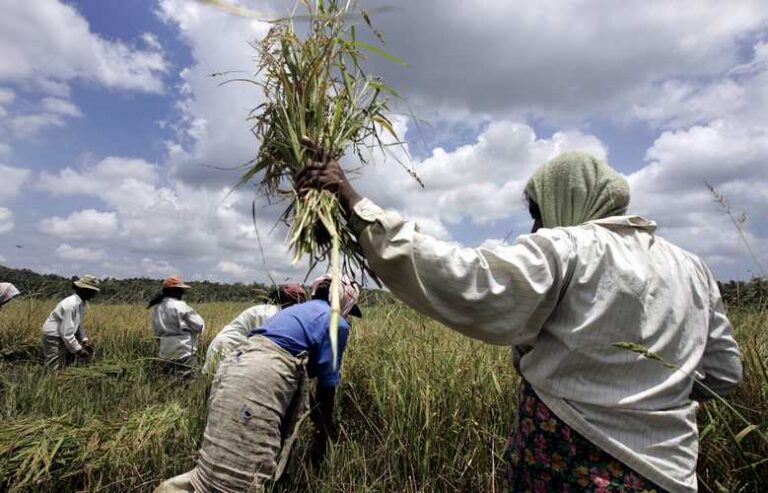
In a bold but contentious move, the Sri Lankan Government has approved the implementation of four pilot pipeline irrigation projects across the North Western and Uva Provinces, with the aim of reducing water wastage and improving crop yields in drought-hit regions.

While the initiative is touted as a technological leap in modernising the island’s agriculture, questions loom large over its feasibility, policy consistency, and administrative readiness.

The plan seeks to introduce a closed pipeline system to replace the traditional open irrigation channels long used by farmers.

These earthen canals, though simple and inexpensive, have been plagued by water seepage, siltation, and destruction from erratic monsoonal rains.

Officials argue that the new system, by transporting water through underground pipelines, will ensure better efficiency and equitable distribution among farmers, particularly benefiting smallholders struggling under prolonged drought conditions.

According to Cabinet-approved proposals, four pilot projects covering 877 hectares of farmland will test three distinct pipeline irrigation models tailored for Sri Lanka’s dry zone.

The initiative is expected to serve as a proof of concept for a nationwide rollout if proven successful.

In addition to improving water use efficiency, the government claims the project will encourage the cultivation of high-value crops and boost female participation in agriculture.

 Funding for the pilot phase includes a $3.3 million grant from the Japan Fund for Prosperous and Resilient Asia and the Pacific (JFPR), channeled through the Asian Development Bank (ADB), supplemented by $1.68 million from the Sri Lankan Government.

The Ministry of Agriculture, Livestock, Lands, and Irrigation has presented the project as a “transformative solution” to Sri Lanka’s long-standing irrigation inefficiencies.

However, analysts and agricultural experts have voiced skepticism over the viability of the initiative.

They point out that Sri Lanka’s track record in executing large-scale irrigation and water management projects has been marred by bureaucratic delays, cost overruns, and inconsistent policy direction.

Several irrigation schemes launched over the past decade including canal rehabilitation and tank restoration programs have struggled to meet deadlines or produce measurable improvements due to weak coordination between central and provincial agencies.

Experts also warn that the introduction of high-tech pipeline systems demands robust maintenance, skilled technical staff, and sustained funding all of which remain uncertain in the current fiscal climate.

“Without institutional discipline and clear accountability, these projects risk becoming another set of pilot experiments that never reach scale,” said a retired senior engineer from the Irrigation Department.

With farmers increasingly disillusioned by unfulfilled promises and delayed project outcomes, the pipeline irrigation scheme could either herald a new era of agricultural modernization or serve as another reminder of Sri Lanka’s widening gap between policy ambition and ground reality.

Whether this experiment becomes a model for resilience or another casualty of bureaucratic inertia will depend on the government’s ability to deliver  not just design  effective solution

Tea Research Institute Marks 100 Years of Innovation and Growth

0

The Tea Research Institute of Sri Lanka (TRI), the pioneering research arm of the country’s most iconic export industry, is celebrating its centenary in 2025, marking 100 years of scientific excellence, innovation, and sustainability in tea cultivation and production.

Established in 1925 at St. Coombs Estate, Talawakelle, the institute has played a central role in shaping the trajectory of Sri Lanka’s tea industry, which today remains one of the world’s largest exporters of high-quality orthodox tea.

The centenary celebrations, held under the theme “Perfect Sip: Bridging Innovations, Sustainability and Lifestyles,” feature a series of milestone events, including the International Tea Symposium (InTSym100) and a staff felicitation ceremony recognizing decades of research contributions.

The symposium gathers global tea scientists, policymakers, and industry experts to discuss the future of tea through the lenses of innovation, climate resilience, and market diversification.

Over the past century, TRI’s scientific breakthroughs have transformed the productivity and sustainability of Sri Lanka’s tea sector. The institute has developed over 70 high-yielding tea cultivars, many with enhanced resistance to pests, drought, and fungal diseases.

Notably, the TRI 4042 and TRI 4049 series, introduced in recent years, have boosted per-hectare yields while maintaining the signature quality that has made Ceylon Tea a global brand.

In line with global environmental goals, TRI is currently implementing a regenerative agriculture programme aimed at restoring soil fertility and reducing dependence on chemical fertilizers.

The initiative encourages tea estates and smallholders to adopt organic matter recycling, mulching, and bio-composting techniques, which have already improved soil health and reduced input costs in several pilot regions such as Nuwara Eliya and Ratnapura.

The institute’s commitment to technology dissemination has also evolved over time. Since the early 2000s, TRI has launched mobile laboratories, “crop clinics,” and digital extension services to deliver real-time advisory support to smallholder farmers who now contribute nearly 75% of Sri Lanka’s total tea output.

These outreach programmes are critical at a time when the industry is facing labour shortages, rising production costs, and shifting international price structures.

Despite global headwinds, the Sri Lanka tea industry continues to generate around US$1.2 billion annually, exporting approximately 250–270 million kilograms of tea to markets in the Middle East, Russia, and the EU.

TRI’s innovations in mechanisation, water management, and climate-adaptive planting have helped sustain productivity, even as unpredictable rainfall and soil erosion pose mounting threats to highland plantations.

However, insiders note that TRI faces significant challenges. Budgetary constraints, delays in research funding, and the retirement of senior scientists have created institutional gaps.

 A recent internal review stressed the need for stronger industry–research collaboration, modernization of laboratories, and better digital infrastructure to ensure the institute’s continuity as a centre of excellence.

Speaking at the centenary inauguration, TRI Director Dr. (Name Placeholder) said the next decade will focus on “linking sustainability with profitability,” ensuring that both large estates and smallholders can benefit from science-based practices.

 “We have a century of knowledge, but our real test lies in how we translate that into resilience and innovation for the next hundred years,” he noted.

As TRI enters its second century, the institute stands as both a guardian of Sri Lanka’s tea heritage and a driver of its scientific future bridging tradition and technology to ensure the world continues to savour the perfect cup of Ceylon Tea.

Colombo Port Records Rs. 32.2 Billion Profit in First Eight Months of 2025

0

The Port of Colombo has recorded a net profit of Rs. 32.2 billion during the first eight months of 2025, reflecting a Rs. 13 billion increase compared to the same period last year.

In the corresponding period of 2024, the Port reported a net profit of Rs. 18.9 billion, marking a 71% year-on-year (YoY) growth in profitability for 2025.

The Sri Lanka Ports Authority (SLPA) stated that the projected profit for the first eight months of 2025 was Rs. 21 billion, and the actual figure has exceeded the target by Rs. 11 billion.

According to the SLPA, container handling operations grew by 6% compared to the first eight months of 2024, driven by ongoing development initiatives and enhanced service efficiency. The Authority added that with improvements to the Eastern Terminal and the Jaya Container Terminal nearing completion, port capacity is expected to expand further in the coming months.

No Delays Expected in Fertilizer Subsidy for Maha Season – Agrarian Development Commissioner General

0

Commissioner General of Agrarian Development Dhammika Ranatunga has assured that there is no cause for concernregarding delays or non-receipt of fertilizer subsidies for the ongoing Maha cultivation season.

Speaking to the media, Ranatunga emphasized that the Department of Agrarian Development has sufficient funds to fully implement the subsidy scheme.

He noted that the fertilizer subsidy program for the Maha season was launched on November 31, providing each paddy farmer with a financial subsidy of Rs. 25,000, distributed in two phases:

  • First phase – Rs. 15,000: Released following the Seasonal (Kanna) Meeting, once the list of eligible farmers is finalized and submitted to the Agrarian Service Centre.
  • Second phase – Rs. 10,000: Issued after verifying that paddy cultivation has begun on the respective plots.

The initiative aims to support 1.4 million farmers, covering approximately 800,000 hectares of paddy land. The government has allocated Rs. 20 billion for the program.

Ranatunga further revealed that Rs. 1.976 billion has already been disbursed to 211,974 farmers under the subsidy scheme to date.

Five New Envoys Present Credentials to President Anura Kumara Dissanayake

0

Three newly appointed Ambassadors and two High Commissioners to Sri Lanka presented their credentials to President Anura Kumara Dissanayake at the Presidential Secretariat this morning.

The following envoys formally assumed their diplomatic roles:

  1. Ms. Isabelle Marie Catherine Martin, High Commissioner of Canada (based in Colombo)
  2. Mr. Wiebe Jakob De Boer, Ambassador of the Kingdom of the Netherlands (based in Colombo)
  3. Mr. Matthew John Duckworth, High Commissioner of Australia (based in Colombo)
  4. Mr. Abdenor Khelifi, Ambassador of Algeria (based in New Delhi)
  5. Mr. Benedikt Höskuldsson, Ambassador of Iceland (based in New Delhi)

President Dissanayake extended a warm welcome to the diplomats, conveying his best wishes and inviting them to collaborate closely with Sri Lanka to further strengthen bilateral partnerships, the President’s Media Division (PMD) reported.

Minister of Foreign Affairs, Foreign Employment and Tourism Vijitha Herath and Secretary to the President Dr. Nandika Sanath Kumanayake were also in attendance at the ceremony.

President Claims Public Funds Were Previously Used to Finance Extremist Elements

0

President Anura Kumara Dissanayake revealed today that intelligence officers had informed him of past instances in which public tax revenue was allegedly used to fund extremist groups.

The President made the remarks while attending the 36th Commemoration of November Heroes (Il Maha Viru Samaruma) organized by the Janatha Vimukthi Peramuna (JVP) at the Viharamahadevi Open Air Theatre in Colombo.

He stated that such disclosures highlight the seriousness of previous mismanagement of public finances, emphasizing that the current administration is committed to preventing such misuse.

President Dissanayake also said that the incumbent government has been able to create a more predictable and stable economic environment, adding that state revenue has exceeded initial projections due to improved fiscal discipline and administrative reforms.

The annual commemoration honoured the memory of JVP founder Rohana Wijeweera and other party members who lost their lives during past struggles. Floral tributes were offered during the ceremony, which was held under the patronage of the President in his capacity as the leader of the JVP.

The Jaffna Renaissance – From War-Torn Peninsula to the Switzerland of Sri Lanka

0


By Roger Srivasan


Recently, Lonely Planet placed Jaffna among its top 25 destinations to visit in 2026 — a gesture that
went beyond delighting travellers. It rekindled hope in a city once scarred by decades of conflict,
isolation, and occupation. Jaffna, long the intellectual and cultural heartland of the Tamil people, is
now emerging from the smouldering cinders of war into a dawn of renewal. Private lands that had
been held for “security purposes” are gradually being restored to their rightful owners. The return of
land brings with it not only dignity but also the promise of economic resurrection.


For the first time in living memory, optimism outweighs despair. Streets once silent are humming
again; cafés, libraries, and temples are drawing people back into civic life. What Jaffna needs now is
not pity, but a plan — a blueprint to rebuild itself into a city that mirrors its people’s resilience: clean,
orderly, cultured, and prosperous.


When one speaks of turning Jaffna into the “Switzerland of Sri Lanka,” it is not an idle metaphor. It is
an aspiration for precision, cleanliness, and equity — a landscape where efficiency meets beauty, where governance inspires trust, and where peace becomes a daily practice. Switzerland is not
defined by snow alone; it is defined by systems that work, citizens who care, and the quiet pride of a
nation that values harmony above hubris.


Jaffna can, in its own tropical idiom, embody those same principles: transparent governance, spotless
streets, green public spaces, fair opportunity, and respect for both heritage and modernity. Such a
transformation need not mimic Europe; it can be an indigenous reinvention that blends Tamil cultural
grace with international standards of urban excellence.


The Tamil diaspora — vast, skilled, and prosperous — remains Jaffna’s greatest untapped strength.
Decades of migration turned tragedy into triumph abroad, producing a global community of
professionals, entrepreneurs, and philanthropists who now yearn to give back. What Jaffna requires is
a trustworthy and transparent vehicle through which this goodwill can flow. A Diaspora Reconstruction Fund, with independent oversight and clear accountability, could channel
small and large inve

WEATHER FORECAST FOR 14 NOVEMBER 2025

0

Prevailing rainy conditions are expected to continue in the Northern and Eastern provinces due to the low-level atmospheric disturbance developing to the east of the island.
Showers may occur at times in Northern, North-central, Eastern and Uva provinces and in Hambantota district.
Showers or thundershowers will occur in the other areas of the island after 1.00 p.m. Fairly heavy falls above 75 mm are likely at some places in Western, Sabaragamuwa, Central, Southern and Uva provinces and in Ampara and Batticaloa districts.
Misty conditions can be expected at some places in Western, Sabaragamuwa, Central, Southern and Uva provinces and in Ampara district during the early hours of the morning.

The general public is kindly requested to take adequate precautions to minimize damages caused by temporary localized strong winds and lightning during thundershowers.WEATHER FORECAST FOR 14 NOVEMBER 2025

Sajith Premadasa Calls for a Global Takeoff of the ‘Made in Sri Lanka’ Brand.

0

November 13, Colombo (LNW): Opposition Leader Sajith Premadasa delivered an energetic and forward-looking address at the SLIM World Marketing Forum 2025, presenting Sri Lanka as a country ready to claim its place on the global stage in tourism, trade, investment and innovation. Speaking to an international gathering of marketing professionals, he highlighted the country’s rapid economic recovery and its unique strengths as a global brand.

Premadasa described Sri Lanka as an island of “everlasting wonder” where nature, culture and hospitality come together in a truly distinctive experience. He noted the strong resurgence in tourism, with more than two million arrivals in 2024 and revenue rising to USD 3.1 billion. He stressed the importance of improving visitor experiences, strengthening infrastructure and protecting natural heritage so that every traveller leaves as an ambassador for Sri Lanka.

He highlighted record export performance in 2024, with total exports reaching USD 16.7 billion through strong contributions from apparel, tea, spices, rubber products and services. He said the “Made in Sri Lanka” identity has the potential to become a powerful global label rooted in sustainability and quality.

Premadasa also outlined several strategic advantages that he said Sri Lanka must commit to in order to secure long-term competitiveness. These include its ideal location in the Indian Ocean, its maritime and logistics capacity, a talented workforce aligned with global time zones, competitive operating costs, cultural depth and unmatched biodiversity. He said few countries combine beaches, highlands, rainforests, ancient sites and vibrant culture within such a compact landmass.

Inviting global investors to look beyond conventional sectors, he positioned Sri Lanka as an emerging centre for wellness tourism, IT and BPO, renewable energy, logistics, electronics and advanced manufacturing. He said the country must accelerate reforms including streamlined approvals, modernised digital systems for customs and visas, a stable tax environment, stronger commercial courts and policies to attract the global Sri Lankan diaspora.

Premadasa also acknowledged the challenges the nation faces, including rising levels of poverty, and said foreign investment and export-driven growth are essential to lifting families out of hardship. He called for unified action between the government, private sector and international partners to drive inclusive development.

Presenting his broader vision, Premadasa spoke of a future where Sri Lanka becomes a competitive, innovation-driven and sustainably developed country. He envisioned a nation with strong institutions, transparent governance, globally competitive industries, modern infrastructure, expanded exports and equal opportunities for all citizens. He said Sri Lanka can become a dynamic hub in the Indian Ocean that is admired internationally for both its natural beauty and its economic ambition.

Concluding his address, Premadasa said Sri Lanka stands at a decisive moment. He invited the world to visit, trade with and invest in Sri Lanka, expressing confidence that with resilience and collective commitment, the country can become a global example of what a small island nation can achieve through unity, vision and shared prosperity.

NEWS CLIP 🧧