- Diesel price increased by Rs.15 per litre and Kerosene price by Rs.25 per litre with immediate effect: new prices – Diesel Rs.430 and Kerosene Rs.365.
- Several UK MPs call on UK Government to refer Sri Lanka to the International Criminal Court: highlight need for Sri Lanka to meet its GSP+ commitments and reduce its “excessive spending” on the military: ask the UK Government to propose conditionalities on IMF financial assistance for Sri Lanka.
- Colombo Fort Magistrate Thilina Gamage orders Police to record statement from former President Gotabaya Rajapaksa on the Rs.17.8 million found inside the President’s House on 9th July.
- President Ranil Wickremesinghe says the country will not have a future if it does not focus on security: also says there was no tussle for the Indian Ocean previously, but it is not so, today.
- Health Secretary Dr. Janaka Sri Chandraguptha calls for report into the alleged purchase of a consignment of sexual stimulant injections on 30 June 2020 at over Rs 40,000 each.
- Ministry of Finance increases Import tax on Ethanol used for manufacture of disinfectant liquids to the level prior to the Covid pandemic: also increases tax on toddy from Rs.25 to Rs.50 per litre.
- Several new Envoys to Sri Lanka present credentials to President Ranil Wickremesinghe: the new diplomats are from Mexico, Bhutan, Paraguay, Luxembourg, Russia, Oman, France, and Ghana.
- Investment Promotion State Minister Dilum Amunugama launches “long-term residence visa scheme” for condominium property holders: Board of Investment, Department of Emigration and Ministry of Defence participate.
- Education Minister Susil Premajayantha admits Sri Lankan school children are not receiving adequate food: assures the government is trying to allocate more funds for the school mid-day meal programme.
- National Zoological Gardens DG Dr. Tilak Premakantha says a tiger, sloth bear, chimpanzee, pony, and a lion have been adopted by 4 persons at a sum of Rs.2,350,000 at the Dehiwala Zoo under its “foster care” programme.
Sri Lanka Original Narrative Summary: 12/11
After the midterms, America and its democracy look stronger

Shortly before the midterm elections, Donald Trump held a rally in Ohio. “Our country is becoming third-world,” he told voters. Later he hinted—is threatened a better word?—that he would soon announce he was running for president again. What could possibly go wrong for a party with such a figurehead? Or for one whose primary voters are so keen to relitigate the 2020 election that they chose a slate of candidates in key Senate seats chiefly for being the true keepers of the Trump flame.
Quite a lot, it turns out. The most important result of the 2022 midterms, for America and for the West, is that Mr Trump and his way of doing politics came out of them diminished. This will disappoint all those people, including the autocrats in Beijing and Moscow, who are looking for signs of American decline.
There are no blowout wins in American politics any more. When a party claims that America is theirs, based on how a few thousand votes break in a country of 330m, it is wise to raise an eyebrow and avoid overinterpreting the result. The president’s party nearly always loses seats in the midterms: there have been only three exceptions to this pattern since the civil war ended in 1865. Voters seem to like divided government, which has been the norm in Washington since the 1970s. They punish any party that holds majorities in both chambers of Congress and the presidency, as Barack Obama found in 2010, Mr Trump found in 2018 and therefore Joe Biden’s team must have expected this year. Neither party is currently capable of holding on to a commanding majority of the kind that once allowed them to pursue grand legislative programmes in Washington.
On the Democratic side there are many explanations for this. It is hard to boast about increased federal spending when many voters suspect that Democrats had a hand in raising inflation above 8%. The Democratic Party seems perennially befuddled about what exactly to propose on crime or immigration. Because they are fixated on the weirdness and the threats to democracy posed by many Republicans, Democrats tend to overlook how strange voters think they are. A poll commissioned by Third Way, a centrist Democratic think-tank, shortly before the election found that voters question whether the party’s candidates share basic American attitudes towards patriotism and hard work. When asked which party is more extreme, the average voter replies that Democrats are.
That ought to have been a gift to Republicans in a midterm year. Yet the party doesn’t have any better ideas on how to tackle America’s problems, and has quite a few for making them worse. Elected Republicans let the country down by trying to wriggle out of rejecting Mr Trump’s claims about the 2020 election. By doing so they also robbed their party of a chance to rethink and rebuild itself after its defeat, which is what parties normally do. Mr Trump is still nominally the chief Republican. He has an iron grip on the party’s berserker faction. Yet after this week’s vote, he looks more vulnerable than at any time since January 6th 2021, when many Americans thought this time he had gone too far.
That presents an opportunity. Mr Trump can profit from breaking things. Many voters want a fighter, and refusing to concede and inciting a riot is proof of pugilism. After this week’s vote the suspicion that Mr Trump is, in fact, just a loser will be much harder for him to overcome. And that is what his record points to. In 2020 he was the first incumbent since Jimmy Carter to follow a president from the other party and then lose. In 2018 the Republicans lost 41 seats in the House under the Trump banner (Democrats may have lost only a handful this week). Even at his moment of greatest triumph, in 2016, he lost the popular vote and only narrowly beat a candidate who was trying to follow a two-term president from her own party, something which rarely happens. Now 2022 can be added to this less-than-stellar streak.
His handpicked candidates turned winnable Senate races into nail-biters in Arizona, Georgia, Nevada and Pennsylvania. Meanwhile in Florida, Governor Ron DeSantis, a probable rival, won by roughly 20 points. Two Republican candidates for governor closely associated with Trumpism—Doug Mastriano in Pennsylvania and Tim Michels in Wisconsin—both repeated the lost-cause story about 2020 and vowed to use their influence over election administration to make sure no Republican presidential candidate would lose again in their state. It was they who lost. In Michigan and Nevada Republican candidates who swore the 2020 election was stolen ran for secretary of state so that they might oversee the next one. They lost, too. In Colorado Lauren Boebert, who has flirted with the QAnon conspiracy, may lose the safest of seats.
It turns out that common sense can still sometimes beat partisan reflexes after all. At the margin voters distinguish between good and bad candidates, which matters when the margins are thin. American democracy seems healthier and more secure as a result.
Where does this leave the country? Alas, for the next two years Congress is likely to become mired in theatrical showdowns over funding the government and pointless investigations into the business dealings of Hunter Biden, the president’s son. America’s real problems will go unanswered.
Given that sterile prospect, it is in America’s and the Republican Party’s interest to move on from Mr Trump and look forward. But perhaps surprisingly, given that he has just presided over a creditable midterm performance, there are also doubts whether Mr Biden should be the Democratic nominee in 2024. His administration has, like any presidency, got plenty of things wrong. But by arming Ukraine and putting policies in place to drastically reduce carbon emissions, it has got two important things right. Now, also for the good of party and country, Mr Biden might rethink what he does next.
Walking away from power is a noble American tradition that is almost as old as the republic. By following it, Mr Biden could deny Mr Trump the 2020 rematch he so clearly craves. Republicans in Congress might be a bit less obsessed with blocking anything that could look like a presidential win. And Democrats might make rebuilding democracy more than a self-serving talking point. With his achievements and his party’s relative success in these elections Mr Biden has an opportunity to depart on his own terms. He should use it.
THE ECONOMIST
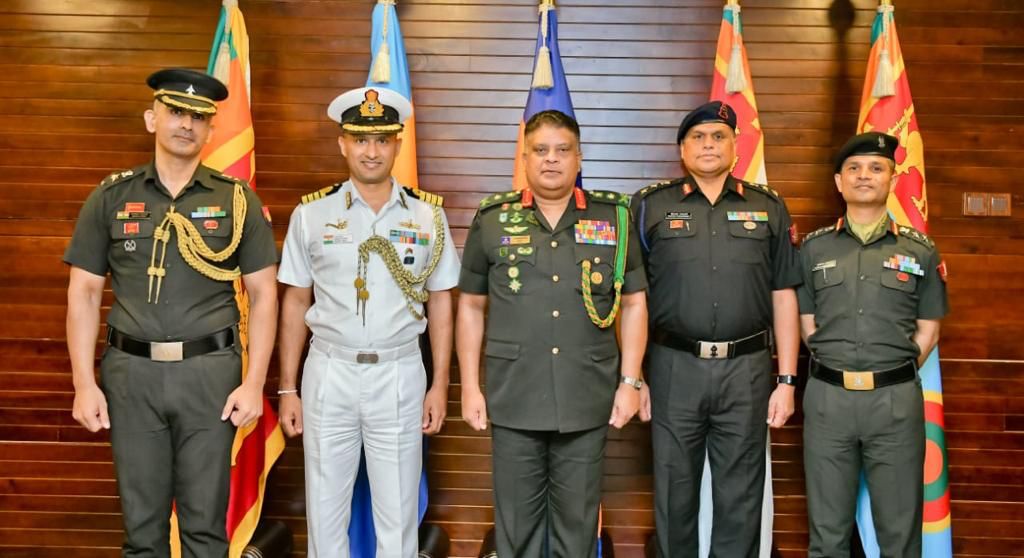
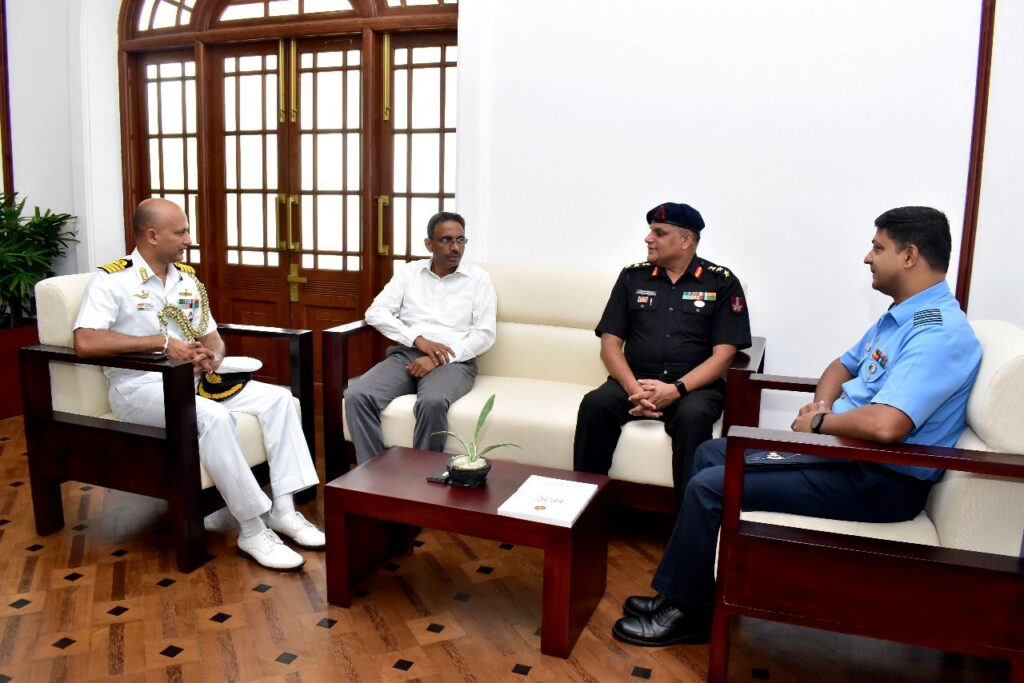
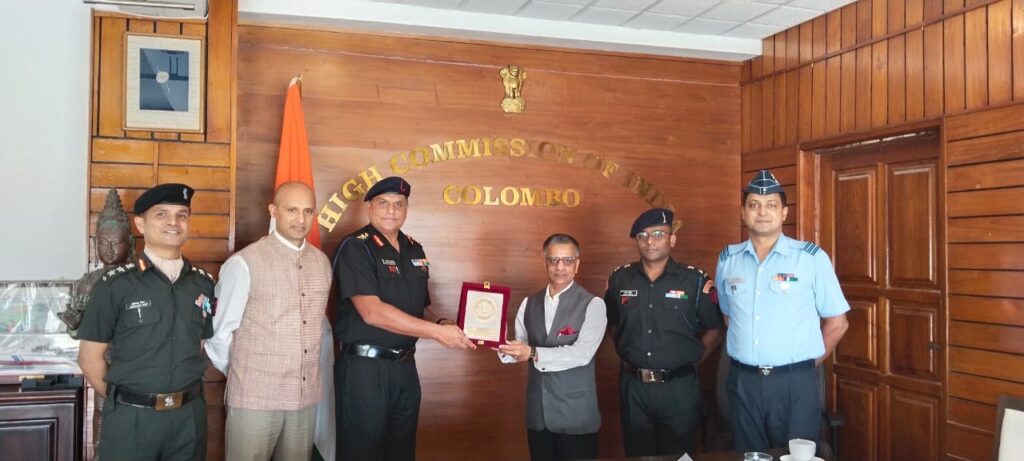
Indian Armed Forces delegation at DSCSC, Batalanda
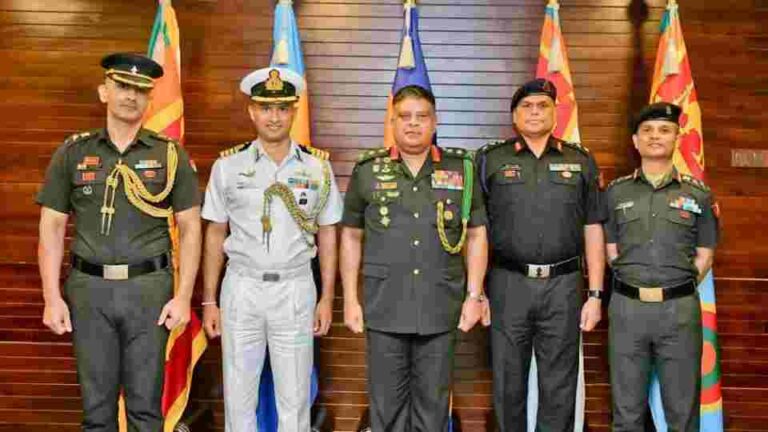
A four member delegation from India comprising of Armed Forces instructors from Defence Services Staff College, Wellington and Military Institute of Technology, Pune visited Sri Lanka from 07- 12 November 2022. The delegation conducted a training capsule for Sri Lanka Armed Forces’ officers undergoing course at Defence Services Command and Staff College, Batalanda on latest Military Technology and its utility in present day & future warfare. The course covered the latest technological trends in modern day war fighting that include Precision munitions, Cyber domain, Space, Information technology, Artificial Intelligence and Robotics. During the visit, the delegation made courtesy calls on Chief of Defence Staff, Chief of Staff (SL Air Force), Deputy Chief of Staff(SL Army) and Commandant National Defence College.
2. Experience sharing and training has been a key pillar of India-Sri Lanka defence cooperation which is marked by great camaraderie and interoperability to enhance security preparedness. Indian and Sri Lankan Armed Forces share critical bilateral training linkages, with Indian Defence Forces’ training institutes offering approximately 1500 training vacancies (Army-900, Navy-350, AirForce-250) annually to Sri Lanka. India’s unwavering commitment to Capacity building of Sri Lankan Armed Forces andengagements of this nature underscore India’s “Neighbourhood First” policy and the importance of nurturing the existing cordial relations between Indian and Sri Lankan Armed Forces, thereby, contributing towards enhancing regional peace, security and stability.
***
Colombo
November 11, 2022
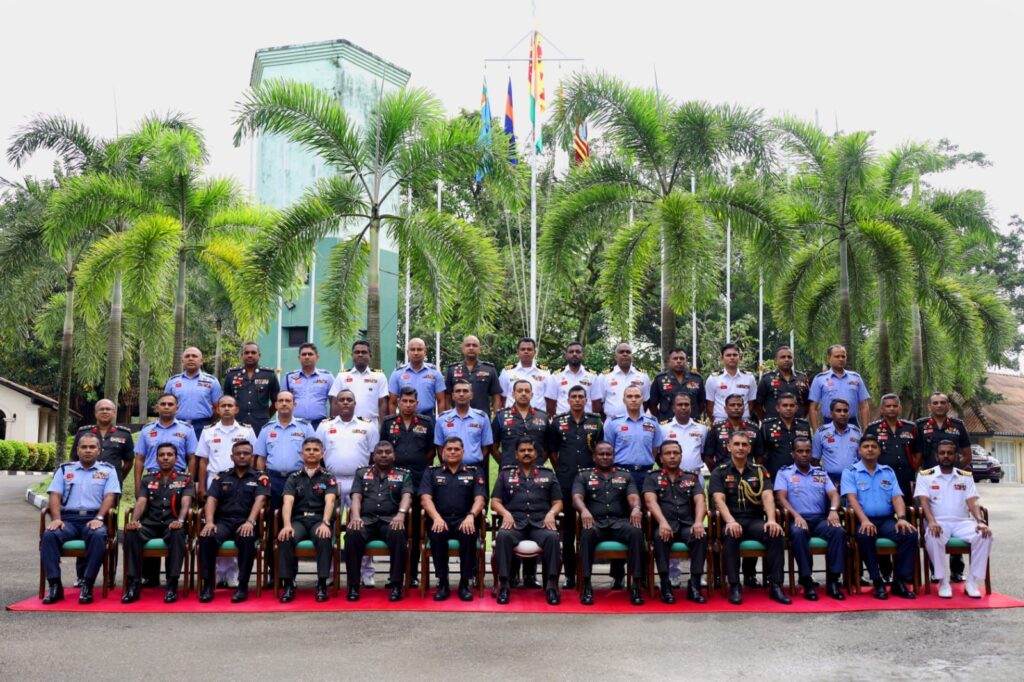
Launch of the France- Sri Lanka Friendship Association
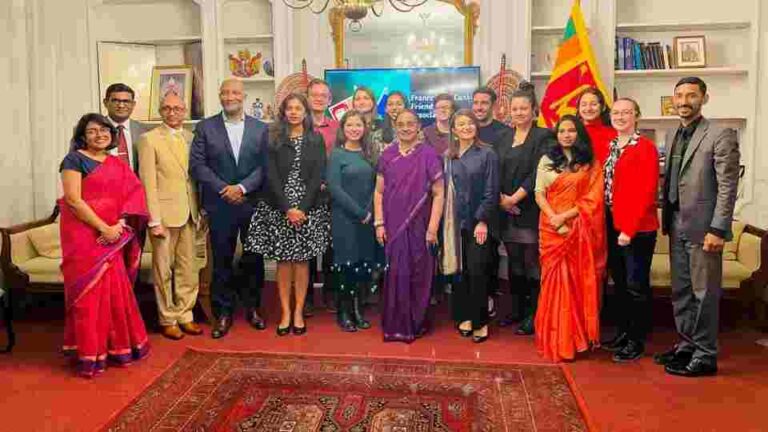
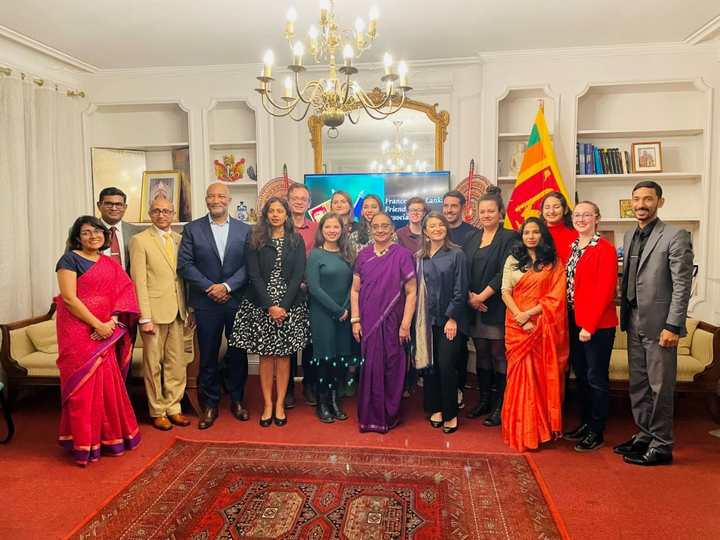
The first meeting on the launch of the France–Sri Lanka Friendship Association was held at the Embassy of Sri Lanka in Paris on 03 November, 2022 with the participation of well-wishers representing various segments of the French community.
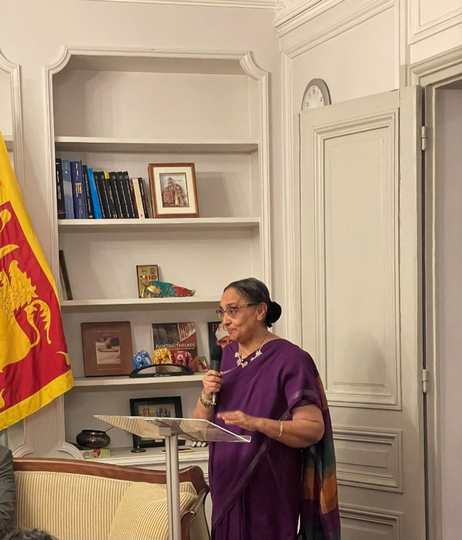
While welcoming the participants, Ambassador Professor Kshanika Hirimburegama, emphasized the importance of the establishment of the France-Sri Lanka Friendship Association for the promotion of friendly, social, cultural, and economic relations between the two countries.
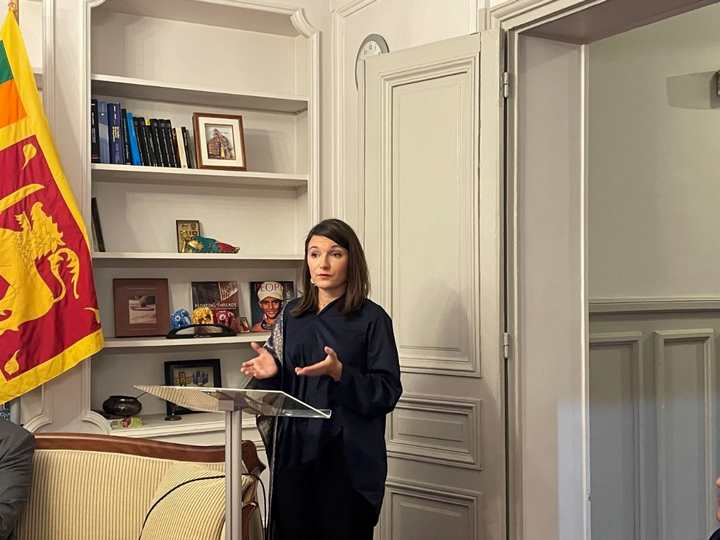
The Embassy initiated the launch of the France-Sri Lanka Friendship Association with the support of Maya Zitting on behalf of the French community. While speaking at the event, Zitting stated that to ensure success and long-term sustainability of the Association, it aims to offer membership to the French community including Small – Medium Enterprises, Non-Governmental Organizations, individuals and students with a common interest in the objectives of the Association.
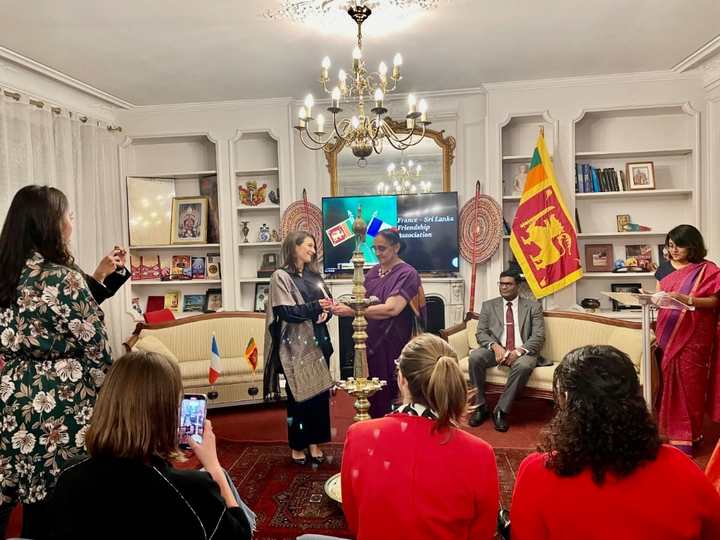
Most of the participants appreciated the importance of having a France–Sri Lanka Friendship Association and were confident that the Association would help to enhance economic and business relations between France and Sri Lanka, as well as further strengthen people-to-people contacts between France and Sri Lanka.
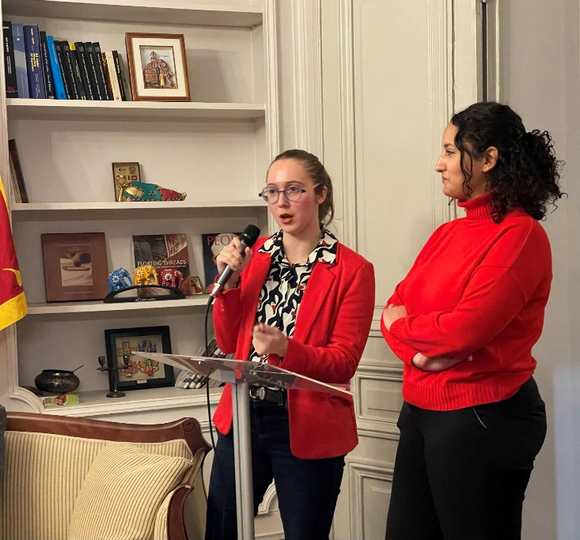
The office bears of the Association will be appointed at the next meeting.
Embassy of Sri Lanka
Paris
11 November, 2022
“Visit to the Amazing Sri Lanka in NOWRUZ Season-2023” A Tourism Promotion Programme held in Tehran
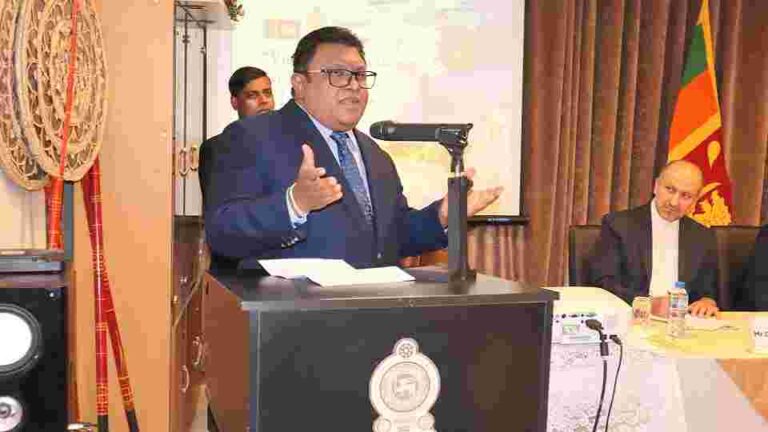
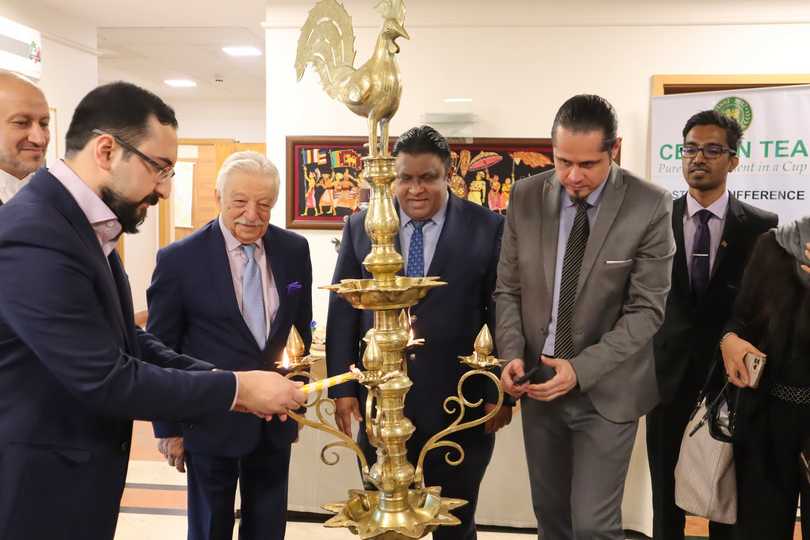
The Embassy of Sri Lanka in Tehran, in collaboration with the Sri Lanka Tourism Promotion Bureau and the Association of Air Transport and Tourist Agencies in Iran, organized a Tourism Promotion Programme “Visit to the Amazing Sri Lanka during the NOWRUZ Season-2023 (Persian New Year)” in its Chancery premises on 07 November, 2022. Objectives of the event were to create awareness of Sri Lanka as a potential tourist destination among Iran travelers and encourage all tourism stakeholders in Iran to facilitate the Iranian tourists to visit Sri Lanka during their Persian New Year.
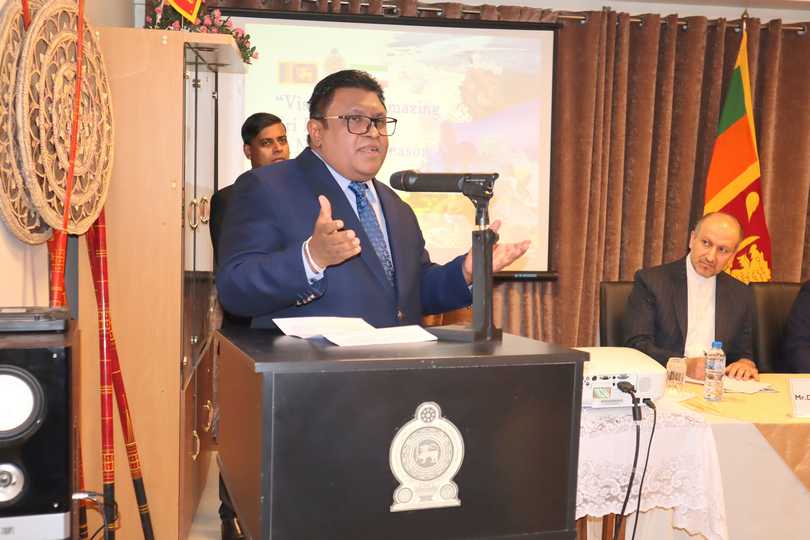
During his opening remarks, Ambassador of Sri Lanka to Iran G.M.V. Wishwanath Aponsu introduced Sri Lanka as a country of natural wonders, historical momentous, unique lifestyles with more delicious typical cuisine, friendly people and safe & secure destination. Highlighting the recent growth of Iranian tourists’ floor to Sri Lanka, the Sri Lankan envoy appreciated the significant role of tour operators, travel agencies, airlines and relevant others for achieving the present progress of tourist arrivals. Further, he made an open and friendly request to all represented tourism stakeholders in the Promotion Programme to encourage the friendly people of Iran to continue visiting Sri Lanka and the Sri Lankan tourism is ready to welcome them with their required facilities with great hospitality.
During the productive discussion of the Programme which was contributed by the four panelists, Deputy President for International Affairs, Iran Chamber of Commerce, Industries, Mines & Agriculture Dr. Alireza Yavari, Expert of the Ministry of Foreign Affairs of Iran Mohammad Deldari, Airline Specialist Majid Singh and Former Secretary General of the Air Transport and Tourist Agencies Faramarz Saeedi highlighted Sri Lanka as unique and affordable tourist destination. Several suggestions including the need of operating direct air link between Iran and Sri Lanka, conducting regular tourism awareness programmes, convening B2B meetings between the both Chambers, introducing reasonable tour packages, initiating FAM tour campaigns, providing publicity through electronic and print media and facilitating for bilateral instruments were also discussed.
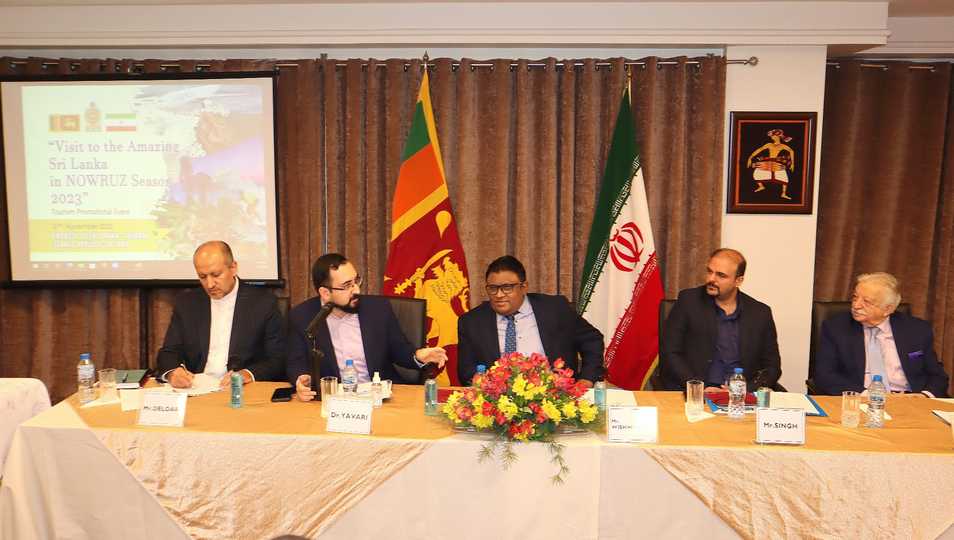
In response, Ambassador Wishwanath Aponsu pointed out that the Embassy of Sri Lanka in Tehran is in the process of working on some proposals in coordination with the concerned authorities of Sri Lanka and Iran with a focus on expanding two-way tourism floor between the two countries. In this scenario, he emphasized all tourism-related stakeholders of both countries have a significant role to proceed the proposals and expressed that reaching for rapid growth expected in tourism is “leave no one behind”. On behalf of the Iran Tourist Association, Saeedi thanked the Sri Lanka Embassy for timely organizing the tourism event and assured his Association fullest support to expand two-way tourism.
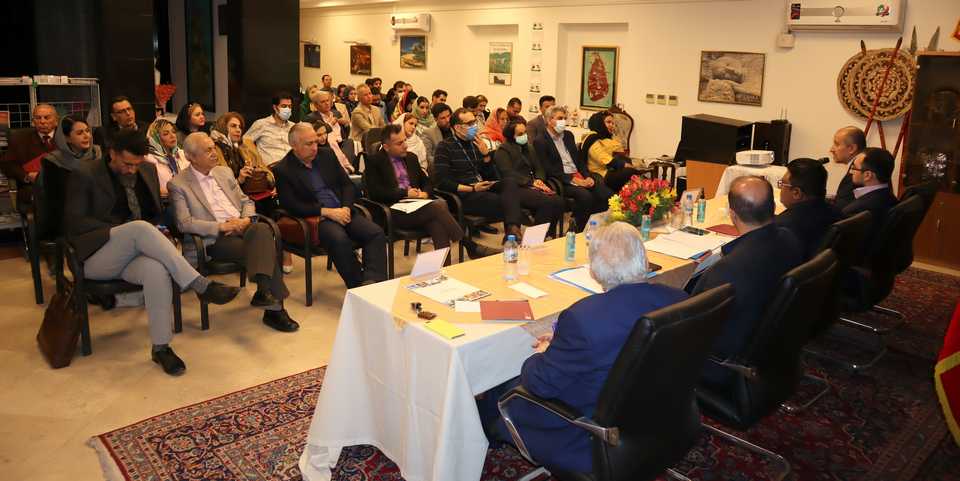
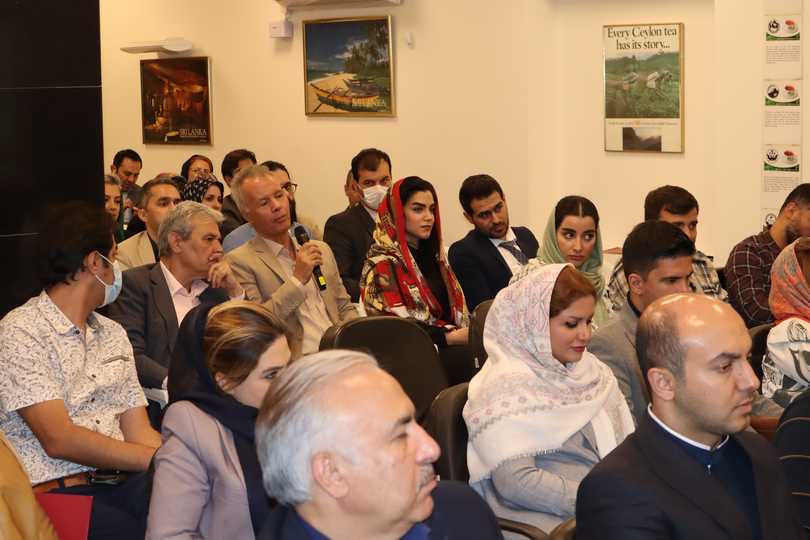
The event was attended by over 65 participants working in Iran tourism industry, Chamber of Commerce and Industry, Foreign Ministry, airlines, media personnel and prominent business people. The invitees were treated to a reception with several Sri Lankan typical food items with Ceylon tea taste.
Sri Lanka Embassy
Tehran
10 November, 2022
The Norwegian Embassy and the International Labour Organization come together to improve the economic wellbeing of vulnerable groups
The new project, with an investment of approx. 1.9 million USD, will prioritize decent work opportunities for the most vulnerable and marginalized women and men. It will primarily focus on supporting value chains in the agriculture and fisheries sector towards achieving a growing and inclusive economy in Sri Lanka’s Northern Province.
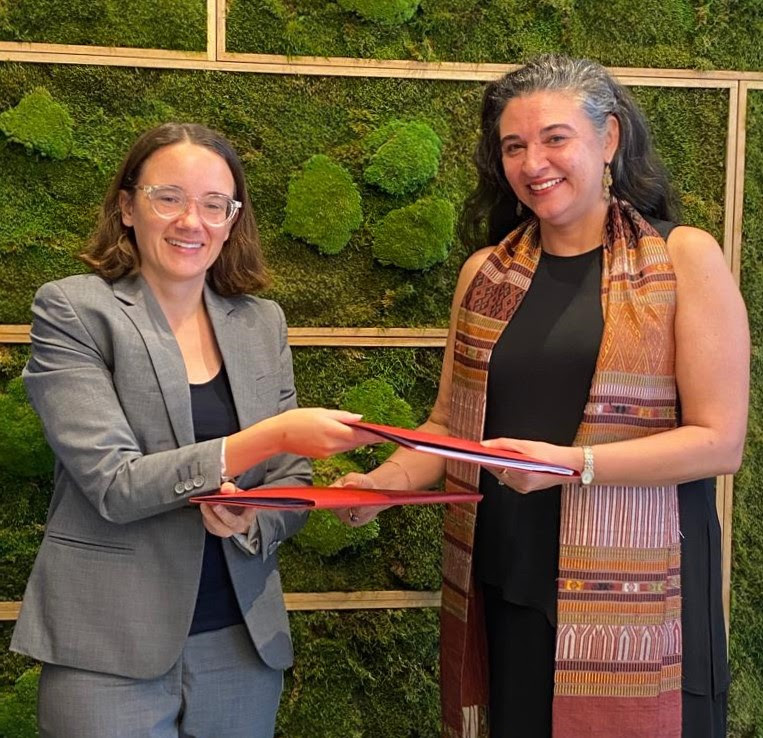
Colombo, Thursday 10th November 2022 – The Norwegian Embassy in Colombo and the International Labour Organization signed a partnership agreement today for a new development cooperation project centered on decent employment creation and livelihood generation for the most vulnerable groups in the Northern Province, including female heads of households, persons with disabilities, and youth. The project, titled Promoting Advancement of Vulnerable Persons and Enterprises (PAVE), is built upon key pillars of advancing inclusive growth, private sector investment, entrepreneurship, and digitalization, through interventions in the agricultural and fisheries value chains.
Building on over a decade of ILO’s work in promoting sustainable, and inclusive growth strategies for conflict affected communities, PAVE will be implemented over the next three years. It aims to establish 100 new enterprises, improve the business practices of 100 existing enterprises, as well as directly contribute to creating and increasing income generation opportunities for 3,000 individuals. Strategic interventions, such as supporting large companies in select value chains to establish processing plants in the targeted areas; supporting the introduction of climate smart agriculture practices; developing capacities of existing and potential micro and small enterprises; strengthening micro and small enterprises’ access to business development services and finance; and advancing digital transformation, will form the core of PAVE’s efforts.
Speaking on the partnership, Ms. Hilde Berg-Hansen, Chargée d’affaires a.i., of the Norwegian Embassy in Colombo, stated that Norway is pleased to continue the longstanding partnership with ILO. “This project is highly relevant to Norway’s regional development priorities, particularly in the areas of promotion of climate smart agriculture among smallholder farmers to address hunger and food security, and promotion of gender equality and sustainable economic growth to create jobs and address poverty.” She further said, “we strongly believe that supporting SMEs during the current economic crisis in Sri Lanka is crucial to protect vulnerable groups in society. We congratulate ILO, its country team, and the private sector partners for their continuous support to vulnerable communities in the country.”
“The ILO greatly appreciates Norway’s partnership and continued commitment to the promotion of decent work and employment opportunities for the most vulnerable women, men and persons with disabilities in the Northern Province, a support which is so very crucial as Sri Lanka faces this unprecedented crisis,” said Simrin Singh, ILO Director for Sri Lanka and the Maldives.
The PAVE project is one of ILO’s responses in creating decent work opportunities to support inclusive growth and reconciliation in post-conflict districts, and is also an overall contribution towards Sri Lanka’s recovery from the economic and financial crisis.
Apparel industry urges govt. to expedite FTAs to enhance performance
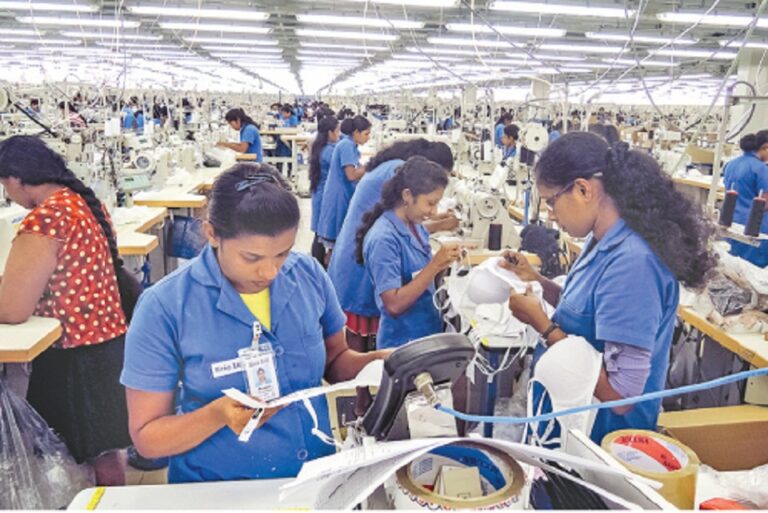
The Joint Apparel Association Forum (JAAF) yesterday urged the government to expedite negotiations on free trade agreements (FTAs) to enhance the industry’s resilience and global competitiveness amid rising fears of a global economic recession.
Elaborating on its rationale, JAAF noted that FTAs have become an integral part of the global trading system, particularly over the past three decades. In that time there has been an exponential increase in FTAs notified to the WTO – from just 19 in 1990 to 292 by January 2019.
In the last decade, Asian countries in particular have understood the crucial value of FTAs as a means to liberalize trade and investment. Vietnam for example has an impressive growth trajectory in exports that correlates closely with the FTAs entered into by them, with the Vietnamese government making necessary commitments to ensure compliance.
Sri Lanka currently faces the risk of losing out on trade benefits enjoyed by regional peers as countries like Indonesia, Vietnam and India are already in advanced FTA negotiations with the European Union. Indonesia having started discussions as early as 2016 enjoyed leeway to restart trade negotiations to suit new realities with the pandemic breakout.
Sri Lanka is a member of just two bilateral trade agreements and three regional trade agreements. In order to harness the power of trade to spark an economic revival, JAAF noted that all stakeholders would have to work together in order to improve the utilization of Sri Lanka’s existing agreements, in addition to negotiating new concessions.
Sri Lanka’s top five apparel export markets are the United States, United Kingdom, Italy, Germany and the Netherlands. Currently, the US, EU and the UK comprise about 86 percent of Sri Lanka’s total exports.
However, the rise in inflation and a significant risk of winter gas shortages in the island’s primary export markets such as the UK and EU has severely compromised the industry’s ability to solely rely on these countries to maintain its commendable export performance.
According to JAAF, the signs of a slowdown are already emerging, including a drop in foreign orders to the industry.
In that context, JAAF reiterated the need for Sri Lanka to diversify its apparel export markets with countries like China, India, Japan and Australia.
Sri Lankan apparel firms are also prevented from competing on a level-playing field with regional apparel powerhouses like Vietnam, Thailand and Bangladesh, all of whom have secured preferential access and duty concessions to international markets that Sri Lanka does not have.
The impact on the prosperity of these nations is visible through trade in their sustained growth in share of trade as a percentage of GDP over the years. In Thailand, trade as a percentage of GDP was 75.8 percent in 1990 and increased to 117 percent in 2021. In Bangladesh it was 19 percent in 1990 and increased to 28 percent in 2021.
By contrast, Sri Lanka’s trade concessions are confined to the UK and EU and come with a variety of strict conditions pertaining to WTO’s rules of origin, compromising Sri Lanka’s utilization of these concessions to about 50 percent.
However, it is important to note that the barriers of rules of origin are curbed to a great extent for Sri Lanka under UK’s new Developing Country Trading Scheme (DCTS). Further, Sri Lanka is also at the risk of losing GSP Plus concessions by December 2023 if the stipulated socio-economic requirements of the scheme are not met.
JAAF highlighted that the proposed Chinese FTA is of paramount importance to the apparel industry to eliminate the barriers for apparel exports.
“JAAF understands the negotiations depend on the progress of sovereign debt restructuring with China. However, JAAF is hopeful to gain more clarity on negotiation timelines from the Department of Commerce in the coming weeks,” the association said.
Further, to integrate better with the region, Sri Lanka’s apparel industry is hopeful to receive preferential access to the Indian market where they are currently restricted to only supplying eight million pieces.
The industry also sees opportunity in lobbying for Canada’s GPT Plus scheme. JAFF noted that opportunities also exist with the UK’s new DCTS scheme. The UK is aggressively looking at FTAs and has already progressed with many countries including India. Sri Lanka should not get left behind at this critical time
UK requests Sri Lanka to reduce market access barriers
The United Kingdom (UK) wants Sri Lanka to reduce market access barriers and improve ease of doing business which will further boost the UK–Sri Lanka trade and investment relationship, the UK High Commission in Sri Lanka announced today Friday 11.
The UK Prime Minister’s Trade Envoy for Sri Lanka Lord Davies of Abersoch visited Colombo from 9th to 11th November 2022.
During the visit Lord Davies had meetings with Minister of Trade Nalin Fernando, State Minister of Finance Shehan Semasinghe, and Central Bank Governor Dr. Nandalal Weerasinghe.
Discussions focused on Sri Lanka’s trade and investment landscape, and plans on reforms and improving ease of doing business to support Sri Lanka’s path towards sustainable economic recovery.
Lord Davies engaged with wide-ranging representation from across the business community.
This included economic analysts, UK transnational education providers, senior business representatives, women business leaders, members of the committee of the Council for Business with Britain. He also visited UK companies in the market, including London Stock Exchange Group, and Jaguar Land Rover’s showroom.
Lord Davies outlining details of his visit to Sri Lanka noted that he had some insightful conversations and saw first-hand the innovative and hi-tech operations of some of the UK companies in the market.
While economic challenges continue, it was encouraging to hear from companies about ambitions to increase their business in-country; he said adding that he had an impressive discussion with women business leaders on the efforts to support more female leadership in the workplace and the encouragement of female entrepreneurship.
He claimed that he was impressed by the significant impact that UK educational qualifications delivered in Sri Lanka makes towards the country’s talented workforce.
He disclosed that he has had some engaging conversations with government stakeholders and economic analysts on the necessity of free and open market conditions which the UK champions globally, along with discussions on overcoming economic challenges.
He has pledged to continuing my support to UK companies as they look to enter or grow their existing business with Sri Lanka.
US sanctions Sri Lanka businessman linked with al-Qa’ida financial facilitator
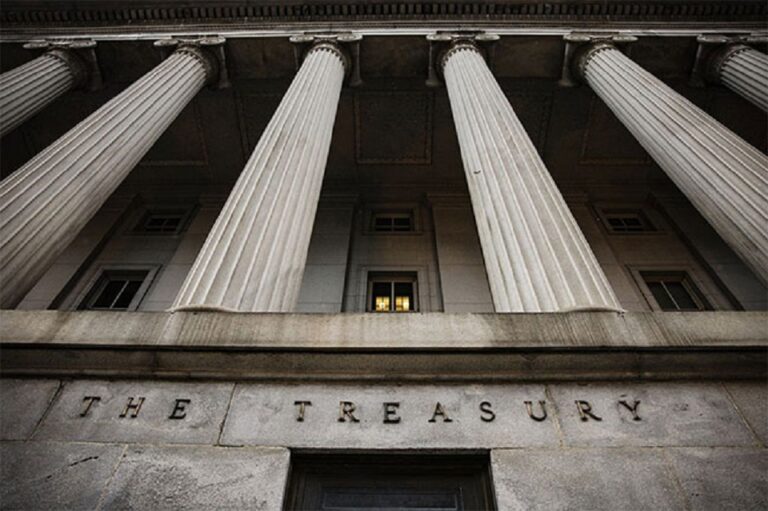
United States has imposed sanctions on an individual who was identified as the Sri Lanka based-business partner of a sanctioned al-Qa’ida financial facilitator and external operations plotter.
According to a statement issued by the US Department of the Treasury, the individual named Mohamad Irshad Mohamd Haris Nizar had been al-Qa’ida financial facilitator.
Ahmed Luqman Talib’s business partner in Sri Lanka since at least late 2018.
“Their business dealings in Sri Lanka have generated nearly USD 200,000 per year in profit; the majority of Talib’s income was derived from one-third of those proceeds.”
Reportedly, Nizar is also a relative of Talib.
The US Treasury Department said Nizar is being designated pursuant to E.O. 13224, as amended, for having materially assisted, sponsored, or provided financial, material or technological support for, or goods or services to or in support of, Talib.
The US Treasury’s Office of Foreign Assets Control (OFAC) has also designated Musab Turkmen, Talib’s Türkiye-based brother-in-law and business partner, who conducted businesses activities to assist Talib.
Ahmed Luqman Talib, who was previously designated by OFAC for facilitating the international movement of individuals and finances in furtherance of al-Qa’ida’s objectives.
Australian authorities arrested Talib on March 25, 2021, and days later charged him with plotting incursions into foreign states for the purpose of engaging in hostile activities.
“Treasury is taking this action to further disrupt a transnational al-Qa’ida financial facilitation and operational plotting network,” said Under Secretary of the Treasury for Terrorism and Financial Intelligence Brian E. Nelson.
“The United States continues to work with our foreign partners to counter the operational and financial activities of al-Qa’ida and its associates, wherever they may be.”
These individuals are being designated pursuant to Executive Order (E.O.) 13224, as amended, which targets terrorist groups and their supporters.
OFAC designated Talib pursuant to E.O. 13224, as amended, on October 19, 2020, for having materially assisted, sponsored, or provided financial, material, or technological support for, or goods or services to or in support of, al-Qa’ida. Talib conducted business around the world, including in Brazil, Colombia, Sri Lanka, Tanzania, Türkiye, and the Gulf.
As a result of today’s action, all property and interests in property of the individuals named above, and of any entities that are owned, directly or indirectly, 50 percent or more by them, individually, or with other blocked persons, that are in the United States or in the possession or control of U.S. persons must be blocked and reported to OFAC.
Unless authorized by a general or specific license issued by OFAC or otherwise exempt, OFAC’s regulations generally prohibit all transactions by U.S. persons or within the United States (including transactions transiting the United States) that involve any property or interests in property of designated or otherwise blocked persons.
Passive Resistance in front of UN Office demanding immediate release of IUSF detainees
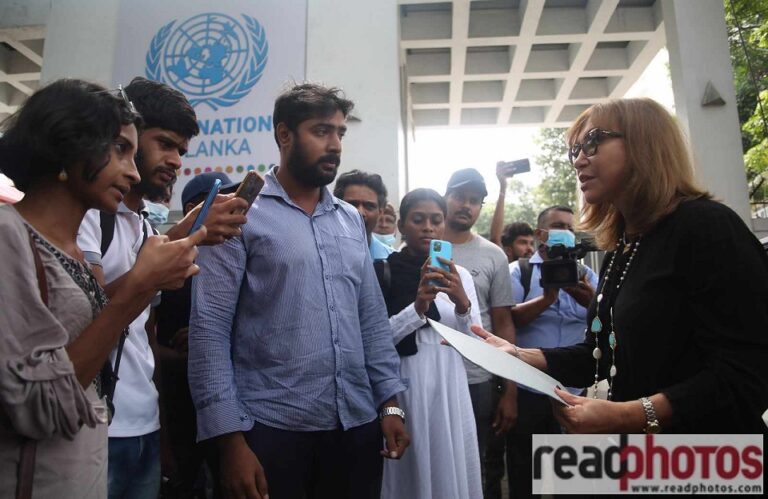
A passive resistance (Sathyagraha) was organised in front of the United Nations Office in Colombo today (11) demanding the immediate release of the members of the Inter-University Students Federation (IUSF) who were arrested under the controversial Prevention of Terrorism Act (PTA).
The campaigners urged that IUSF Convener Wasantha Mudalige and Ven. Galewewa Siridhamma Thero of the Inter-University Bhikku Federation (IUBF) be immediately released. The two were arrested by the Police under the PTA.
Meanwhile, the passive resistance campaigners handed over a letter the United Nations Resident Coordinator in Sri Lanka Hanaa Singer-Hamdy. As she herself arrived in the premises, Ms. Singer informed the campaigners that the United Nations is following the case and will take necessary measures in compliance with the letter.
Earlier, the Supreme Court of Sri Lanka granted leave to proceed with the Fundamental Rights (FR) petition that was filed pertaining to the arrest of Mudalige. The Supreme Court ordered that the Police should produce the IUSF Convener before Court.
MIAP