- President Ranil Wickremesinghe invites all Tamil political parties to discuss issues facing the Tamils: urges the resolution of these issues amicably without outside interference: asks that it be done prior to the 75th independence celebrations.
- State Minister of Finance Ranjith Siyambalapitiya says Welfare Programme “Leave No One Behind” has attracted nearly 4 million applications: also says those will be screened and applicants who do not meet the eligibility criteria will be eliminated.
- Opposition Leader Sajith Premadasa castigates government on failure to implement National Action Plan on Persons with disabilities: raises concerns about accessibility issues at state institutions for nearly 1.7 mn such persons.
- Central Bank says Sri Lankan economy has “shown signs of stability in the 2nd half of the year”: also says economy will “transition onto the path to recovery from the latter part of 2023”: attributes recovery to “progress so far in relation to IMF-EFF programme, debt restructuring negotiations, & reforms already undertaken”.
- Activist and wife of missing journalist Prageeth Ekneligoda, Sandya Ekneligoda complains to Chief Justice Jayantha Jayasuriya that she has not been allowed to enter Court premises since 2020 following the Covid outbreak: seeks permission to attend hearings in relation to her husband’s disappearance.
- Labour and Foreign Employment Ministry says Saudi Arabia has agreed to recruit more Sri Lankans for the construction and health sectors and to increase the minimum wage of domestic workers.
- Sports Minister Roshan Ranasinghe says a Sports university will be a reality soon: its site to be the Diyagama Sports Complex.
- Chief Opposition Whip Lakshman Kiriella repeatedly calls for the government’s staff level agreement with the IMF: President Ranil Wickremasinghe says IMF has said not to release details of the agreement reached with them so far, till the current round of negotiations is completed.
- IGP orders that complaints regarding ragging incidents in universities be investigated by the CID.
- Reports emerge that the Australian “dating app” woman accusing cricketer Dhanushka Gunathilake of sexual assault has demanded AUD 100,000 to “settle” the incident, and later reduced the demand to AUD 25,000: also reports that Gunathilaka has decided to deal with it through “legal” means.
Sri Lanka Original Narrative Summary: 11/11

“Visit to the Amazing Sri Lanka in NOWRUZ Season-2023”

A Tourism Promotion Programme held in Tehran
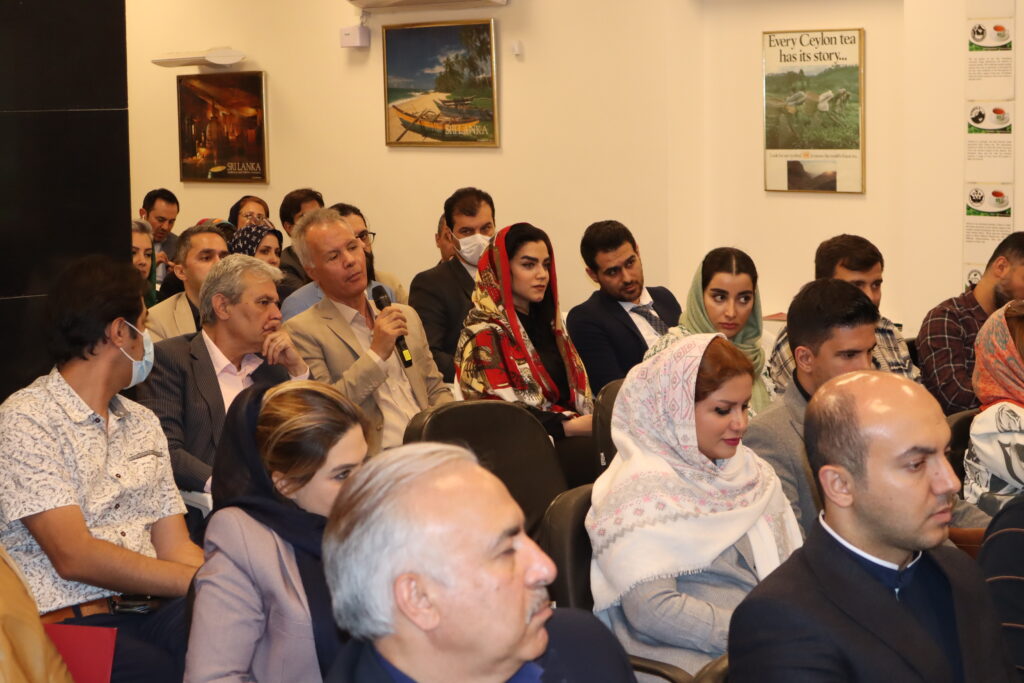
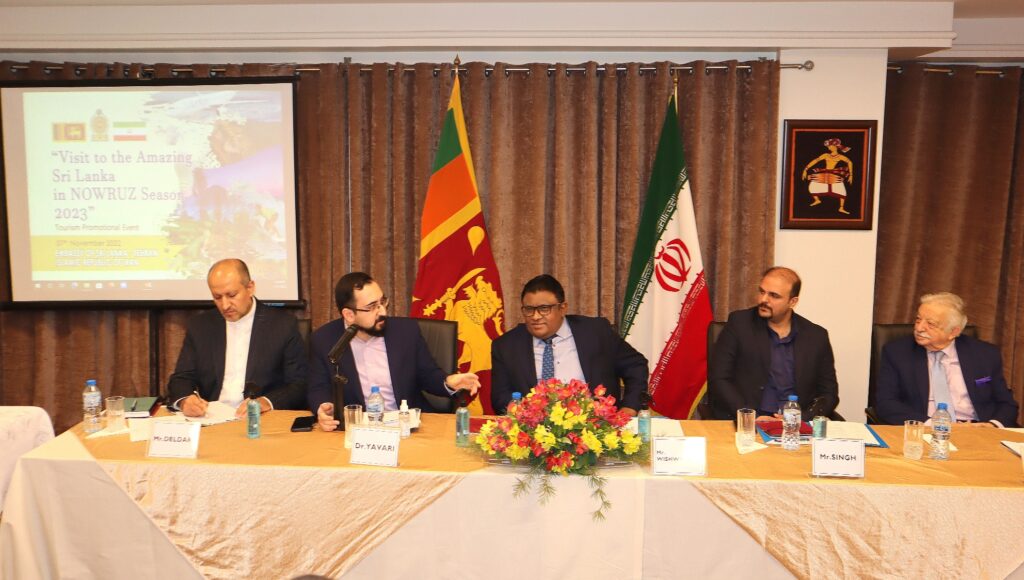
The Embassy of Sri Lanka in Tehran, in collaboration with the Sri Lanka Tourism Promotion Bureau and the Association of Air Transport and Tourist Agencies in Iran, organized a Tourism Promotion Programme “Visit to the Amazing Sri Lanka during the NOWRUZ Season-2023 (Persian New Year)” in its Chancery premises on 07 November, 2022. Objectives of the event were to create awareness of Sri Lanka as a potential tourist destination among Iran travelers and encourage all tourism stakeholders in Iran to facilitate the Iranian tourists to visit Sri Lanka during their Persian New Year.
During his opening remarks, Ambassador of Sri Lanka to Iran G.M.V. Wishwanath Aponsu introduced Sri Lanka as a country of natural wonders, historical momentous, unique lifestyles with more delicious typical cuisine, friendly people and safe & secure destination. Highlighting the recent growth of Iranian tourists’ floor to Sri Lanka, the Sri Lankan envoy appreciated the significant role of tour operators, travel agencies, airlines and relevant others for achieving the present progress of tourist arrivals. Further, he made an open and friendly request to all represented tourism stakeholders in the Promotion Programme to encourage the friendly people of Iran to continue visiting Sri Lanka and the Sri Lankan tourism is ready to welcome them with their required facilities with great hospitality.
During the productive discussion of the Programme which was contributed by the four panelists, Deputy President for International Affairs, Iran Chamber of Commerce, Industries, Mines & Agriculture Dr. Alireza Yavari, Expert of the Ministry of Foreign Affairs of Iran Mohammad Deldari, Airline Specialist Majid Singhand Former Secretary General of the Air Transport and Tourist Agencies Faramarz Saeedi highlighted Sri Lanka as unique and affordable tourist destination. Several suggestions including the need of operating direct air link between Iran and Sri Lanka, conducting regular tourism awareness programmes, convening B2B meetings between the both Chambers, introducing reasonable tour packages, initiating FAM tour campaigns, providing publicity through electronic and print media and facilitating for bilateral instruments were also discussed.
In response, Ambassador Wishwanath Aponsu pointed out that the Embassy of Sri Lanka in Tehran is in the process of working on some proposals in coordination with the concerned authorities of Sri Lanka and Iran with a focus on expanding two-way tourism floor between the two countries. In this scenario, he emphasized all tourism-related stakeholders of both countries have a significant role to proceed the proposals and expressed that reaching for rapid growth expected in tourism is “leave no one behind”. On behalf of the Iran Tourist Association, Saeedi thanked the Sri Lanka Embassy for timely organizing the tourism event and assured his Association fullest support to expand two-way tourism.
The event was attended by over 65 participants working in Iran tourism industry, Chamber of Commerce and Industry, Foreign Ministry, airlines, media personnel and prominent business people. The invitees were treated to a reception with several Sri Lankan typical food items with Ceylon tea taste.
Sri Lanka Embassy
Tehran
10 November, 2022
Sri Lanka imports continues its downward trend.
September 2022 saw US $ 1.28 billion in imports, down from $ 1.48 billion in the previous month and 16% year on year. However, the June 2022 figure at $ 1.22 billion remains the lowest so far this year suggesting there is room for further decline given the foreign exchange crisis.
The lowest import figure was in May 2020 at $ 994 million as an immediate impact of the COVID-19 pandemic.
The Central Bank said import expenditure declined for the seventh consecutive month, on a year-on-year basis. In the first nine months imports were down by 5.7% to $ 14 billion.
CBSL said a decline in import expenditure in September was observed in investment goods (-54% to $ 169 million) and non-food consumer goods (by 60% to $ 80 million) mainly resulting from the measures to compress imports.
However, an increase was recorded in imports of intermediate goods (7.7% to $ 913 million) and food and beverages by 11% to $ 121 million.
Expenditure on the importation of consumer goods declined by 35.3% to $ 201 million in September 2022, compared to September 2021, led by lower expenditure on non-food consumer goods.
The decline in import expenditure on non-food consumer goods was observed in all subcategories, with a notable drop in imports of medical and pharmaceuticals (mainly, the higher base in expenditure on vaccines), telecommunication devices (mainly, mobile telephones) and home appliances (mainly, televisions).
Expenditure on the importation of food and beverages increased by 10.7% to $ 121 million in September 2022 (y-o-y), mainly with an increase in import volumes of sugar and cereals and milling industry products (primarily, rice).
Further, imports of spices and beverages also improved to some extent. In contrast, expenditure on dairy products (mainly, milk powder), oils and fats (mainly, coconut oil), seafood (mainly, dried fish), fruits and vegetables declined in September 2022, compared to September 2021, which was mostly led by lower import volumes.
Expenditure on the importation of intermediate goods increased by 7.7% in September 2022, compared to September 2021, with a substantial share of increase contributed by fuel imports.
Expenditure on fuel, which comprises crude oil, refined petroleum and coal, increased by 87.3% to $ 376.4 million in September 2022, due to the increases of import volumes and prices of refined petroleum products, compared to September 2021.
Import volumes of coal continued to remain at marginal levels from June 2022.
Further, import expenditure on diamonds and precious stones and metals (primarily, industrial diamonds) and fertilizer (primarily, urea), also recorded an increase during September 2022, compared to September 2021.
Meanwhile, many other types of intermediate goods recorded a notable decline, including base metals (mainly, iron and steel), textiles and textile articles (mainly, fabrics), vehicle and machinery parts (mainly, motor vehicle parts), food preparation (mainly, fat and oil), wheat and maize, etc.
Republic of Korea invests US $ 1.2 m to strengthen SL shrimp aquaculture sector
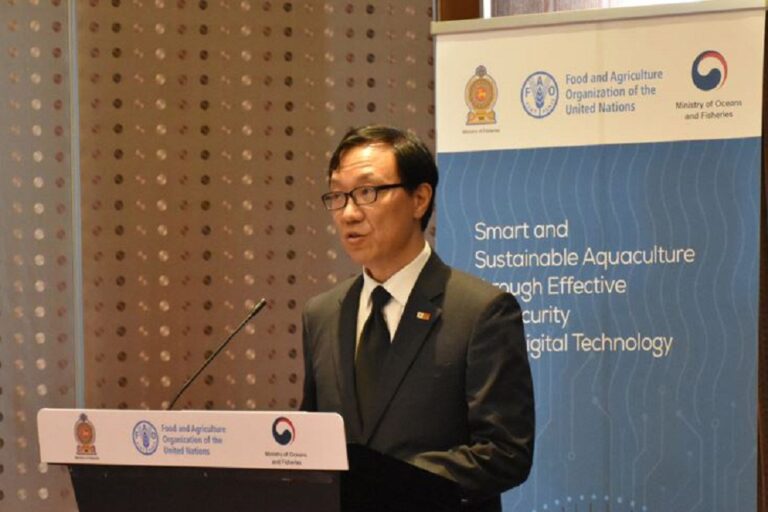
The Republic of Korea, through the Food and Agriculture Organisation of the United Nations (FAO) is investing $ 1.2 million to strengthen shrimp aquaculture in Sri Lanka.
The investment is part of a global project implemented by FAO in Sri Lanka with a total investment of $ 3.9 million. The project will be implemented over a three-year period to ensure effective biosecurity in shrimp aquaculture through digital technology.
Through the project, FAO will build national capacity on various aspects of health management, biosecurity, food safety, analysis of biosecurity systems and establish robust, disease early warning and monitoring systems that will support the sustainable development of the shrimp aquaculture sector.
The spread of diseases continues to be a constant constraint to sustainable aquaculture development, limiting yield, reducing profit and preventing investment. Improving the biosecurity of the aquaculture sector will enable countries to grow more food efficiently, increase incomes, improve resilience and reduce vulnerability to the impacts of higher food prices and other threats to national food security.
Speaking at the inception of the project, Korean Ambassador to Sri Lanka Santhush Woonjin Jeong stated: “Sri Lanka is rich in human and natural resources. This project is a great collaboration of the resources of Sri Lanka and Korea that will help realize the potential of this beautiful country and achieve our common goals.”
Fisheries Minister Douglus Devananda emphasised the Ministry’s commitment to strengthening the aquaculture sector in Sri Lanka and expressed his appreciation for the support extended.
“Similar to other countries, this industry faces many issues with diseases being the main challenge. I’m extremely grateful to the Republic of Korea and FAO for providing financial and technical support to strengthen the aquaculture sector in Sri Lanka.”
FAO Representative for Sri Lanka and the Maldives Vimlendra Sharan said: “As consumers have become more environmentally conscious, the standards of the aquaculture industry have been shifting towards producing “smart”, “green” and sustainable food products.
“Unfortunately, most aquaculture systems are not yet fully sustainable. Investment in innovation and technology is vital to transforming the sector. Through this project, FAO will work closely with the Ministry of Fisheries and all stakeholders to introduce sustainable new approaches to strengthen the aquaculture sector in Sri Lanka.”
Sri Lanka Tourism showcased at World Travel Market in London
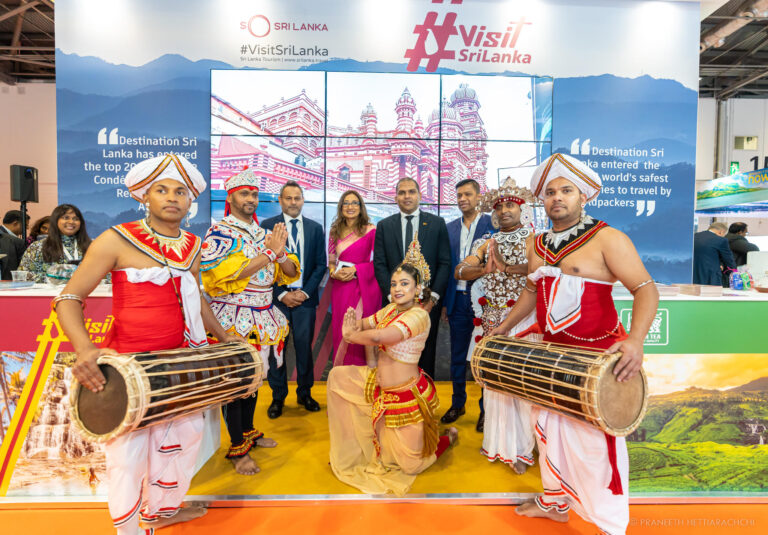
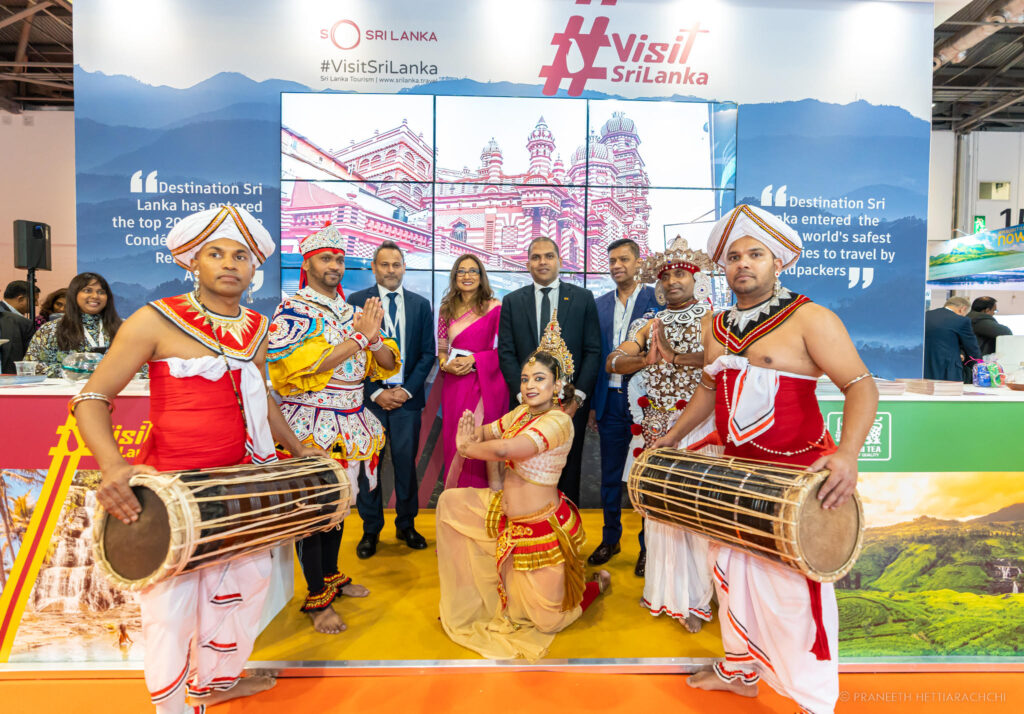
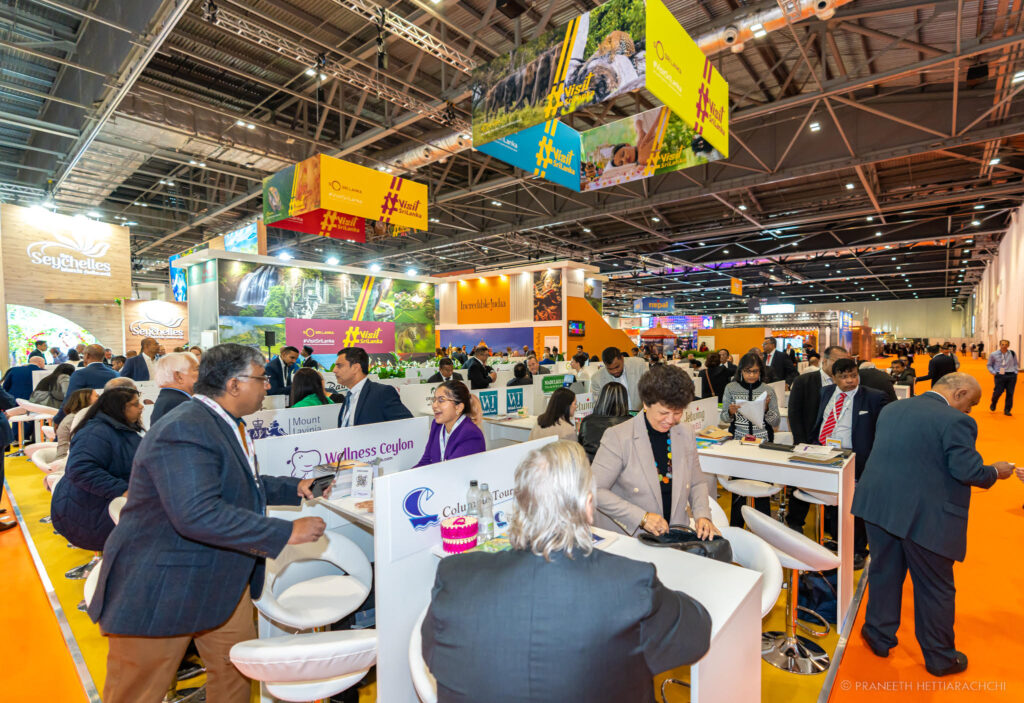
Sri Lanka High Commission in London facilitated the participation of Sri Lanka Tourism Promotion Bureau (SLTPB) and 57 partners of the travel trade at the World Travel Market (WTM) which was held at the ExCeL London on 07- 09 November, 2022.
The Sri Lanka pavilion was declared open by Minister of Tourism Harin Fernando on 07 November in the presence of High Commissioner of Sri Lanka to the United Kingdom Saroja Sirisena; Chairman of SLTPB Chalaka Gajabahu; Chairman of Sri Lanka Convention Bureau Thisum Jayasuriya; Chairman, Advisory Committee of Ministry of Tourism Panduka Keerithinanda; Country Manager of SriLankan Airlines Chinthaka Weerasinghe, Officials of Sri Lanka Tourism and Sri Lanka High Commission, and invitees from the UK travel trade.
Throughout the three-day period, representatives of the Sri Lankan travel industry interacted and networked with travel and tourism industry partners from the UK and around the world. WTM provided them the opportunity to disseminate latest travel related information about Sri Lanka and to stay abreast with the latest developments in the travel sector.
The traditional Sri Lankan dance showcased at the pavilion helped visitors to get a glimpse of the culturally rich traditions of Sri Lanka. The Ceylon tea counter featuring freshly brewed 07 regional Ceylon tea was a highlight at the pavilion.
On the sidelines of WTM, Minister of Tourism and the Chairman of SLTPB conducted a series of B2B meetings with leading UK travel companies, associations and travel media. A press conference for the UK mainstream and travel media organised by Sri Lanka Tourism was also held at the exhibition venue.
WTM, which is the leading global event of Travel and Tourism, attracts more than 30,000 visitors, 5,000 trade partners and over 3000 journalists each year from around the world.
High Commission of Sri Lanka
London
10 November, 2022
MICE travelers to be recognized under tourist visa category
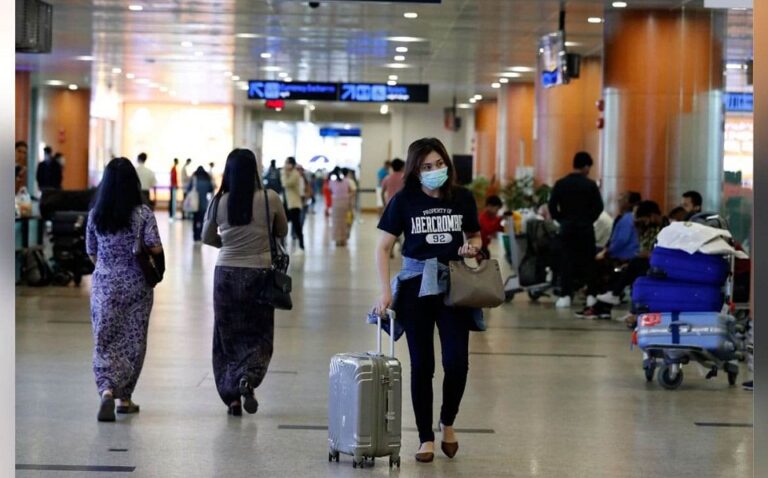
Sri Lanka Tourism is rolling out efforts to better capture details of travelers entering the country under Meetings, Incentives, Conferences, Exhibitions/Events (MICE) tourism segment by including the segment in the Electronic Travel Authorization (ETA) application.
The measure is implemented by the Sri Lanka Convention Bureau (SLCB) in collaboration with the Department of Immigration and Emigration.
Under the new arrangement, MICE travelers will be recognized under the tourist visa category. Previously, MICE tourism, including pilgrims, and visitors entering the country for weddings, and sports events were listed in the ETA application under ‘Purpose of Visit’.
In a statement to the media, the SLCB said it is of view that this facilitation will provide a solution for the long-lasting issue faced by the local travel industry on the unavailability of MICE statistics.
While Sri Lanka Tourism considers MICE as a promising segment with high potential, the unavailability of statistics served as a significant drawback to benchmarking Sri Lanka’s MICE industry.
The SLCB attributed the non-availability of MICE statistics to the lack of provisions made by the ETA application form to include MICE Tourism, weddings, and sports events. So far, only meetings and conferences have been categorized under the Business visa ETA.
“There is a gap of US$ 10 between a tourist visa and business visa. Since meetings and conferences were categorized under business visa, most MICE travelers tend to obtain tourist visas instead of business visas due to the difference in visa fee,” the SLCB said.
The Bureau added that it is due to this reason that the real potential of the MICE industry could not be explored. It also noted that the in-house methods used by SLCB over the past years for data collection were not successful to capture the data.
Further, efforts are underway to increase awareness about the new facility so that all MICE visitors could be captured.
The global MICE industry is expected to reach US$ 1.5 trillion by 2025. according to Allied Market Research 2018.
UN to bring life-saving assistance to 3.4 Million Sri Lankans
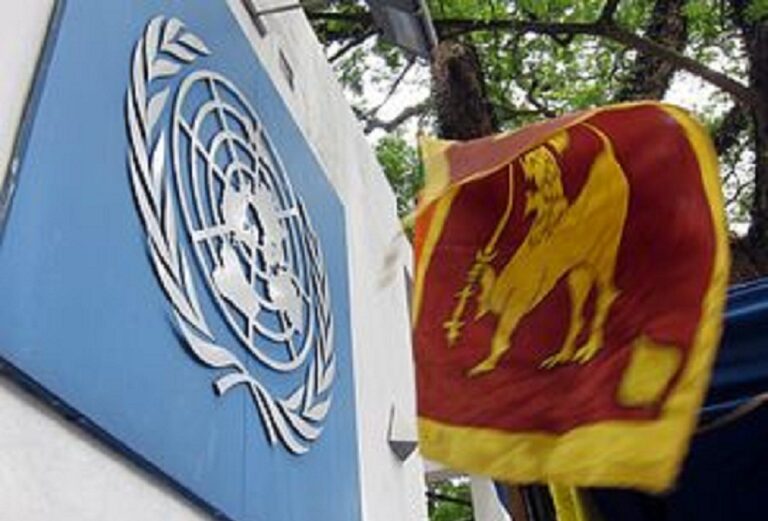
The United Nations (UN) team in Sri Lanka and non-governmental organisations yesterday revised and extended their joint Humanitarian Needs and Priorities (HNP) Plan, which aims to provide life-saving assistance to 3.4 million people amid Sri Lanka’s worst economic crisis since independence.
Since June, the HNP has been responding to the Government’s request for UN-backed multi-sector support for Sri Lanka’s debt and food and medicine shortages.
Governments and donor agencies have helped the humanitarian community reach over one million of the country’s most vulnerable people with cash, food, school meals, medicine, protection and livelihood support.
The HNP – aligned with appeals from other UN agencies – has raised $ 79 million for Sri Lanka thanks to landmark support from the US and USAID, Australia, Japan including JICA, the UN Central Emergency Relief Fund (CERF), as well as Canada, Denmark, Norway, New Zealand, Italy, EU, Switzerland, France.
Additional support is from the UK, Germany, Thailand, Sweden, Georgia, Saint Charities and private individuals and organisations including Brandix Apparels Ltd.Hemas Holdings, Dilmah Ceylon Tea Company, Daraz (Alibaba Group), Amana Bank and the Citi Foundation.
The HNP’s revision extends the plan through 2022 and requires $ 70 million in additional funds to reach a total of $ 149.7 million.
“We are immensely appreciative of the solidarity the international community has shown with the people of Sri Lanka, including through their generous contributions to the HNP.
This solidarity must be sustained if we are to insulate the most at-risk people from the impacts of the ongoing crisis,” said Sri Lanka UN Resident Coordinator Hanaa Singer-Hamdy.
In response to the humanitarian community’s updated estimates on the number of people in need across all 25 of Sri Lanka’s districts, the extended appeal will improve nutrition for children, pregnant women and breastfeeding mothers; secure safe drinking water; and protect vulnerable farming and fishing households.
Food insecurity in Sri Lanka has increased dramatically due to two consecutive seasons of poor harvests, foreign exchange shortages, and reduced household purchasing power.
With a poor harvest season forecast for 2023 and food inflation of 85.6% in October 2022, many Sri Lankans are struggling. Around 28% of the population – or 6.3 million people – face moderate-to-severe acute food insecurity.
According to the World Bank’s 2022 Development Update, the poverty rate rose from 13.1% to 25.6% between 2021 and 2022.
The revised HNP complements existing emergency operations carried out by the UN and humanitarian partners. Among its targets are immediate food assistance for 2.4 million vulnerable and food-insecure people; provision of support and fertilisers for 1.5 million farmers and fishers to revive food systems that have been severely disrupted
An order from the Supreme Court to present Wasantha Mudali before a magistrate!
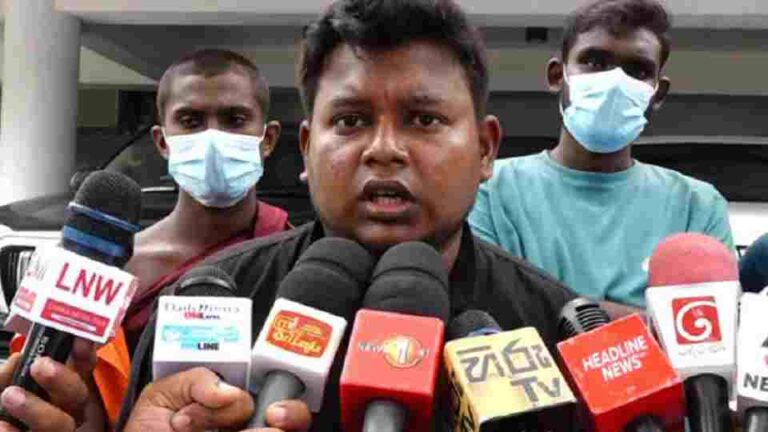
The Supreme Court today (10) ordered the authorities to present Wasantha Mudalige, the convener of the Inter-University Student Union, who has been arrested and detained under the Prevention of Terrorism Act, before a magistrate.
That was when the fundamental rights petition filed on his behalf was summoned today before the bench of Justices Vijith Malalgoda and S Thureiraja.
The bench also decided to allow the hearing of the fundamental rights petition.
Ranil attends the parliament session today
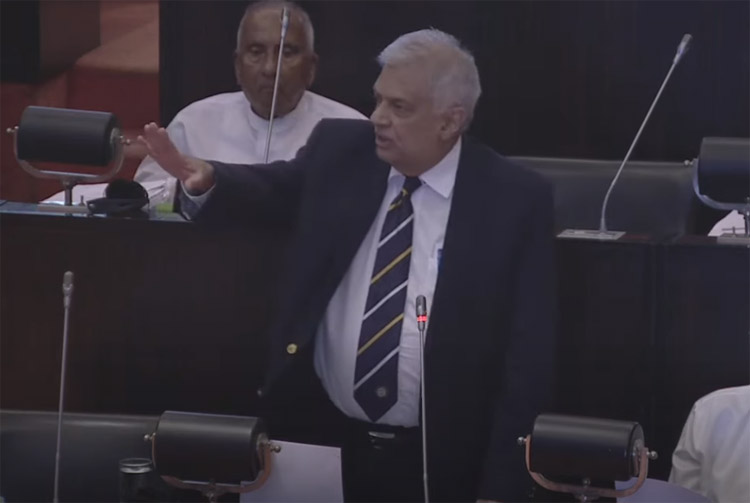
President Ranil Wickramasinghe came to Parliament today (10) during the parliamentary debate.
The President, who came to the Parliament Chamber, also answered some questions asked by the Members of Parliament regarding the debt restructuring process and the budget.
Cabin @ Creek, Cabin Immersed in Nature
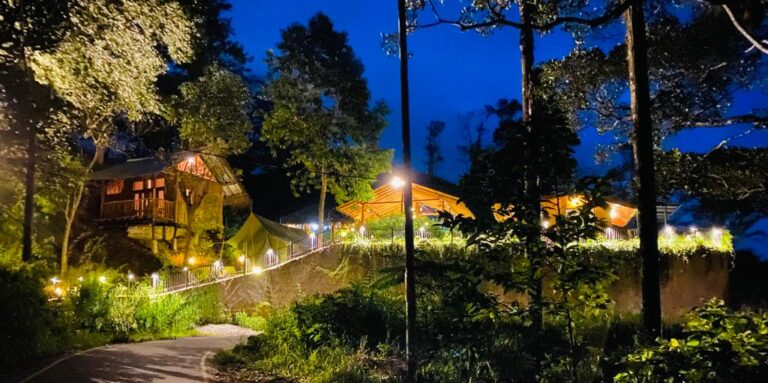
The Latest Addition to Hanthana Eco Lodge Delivers a Transcending Experience
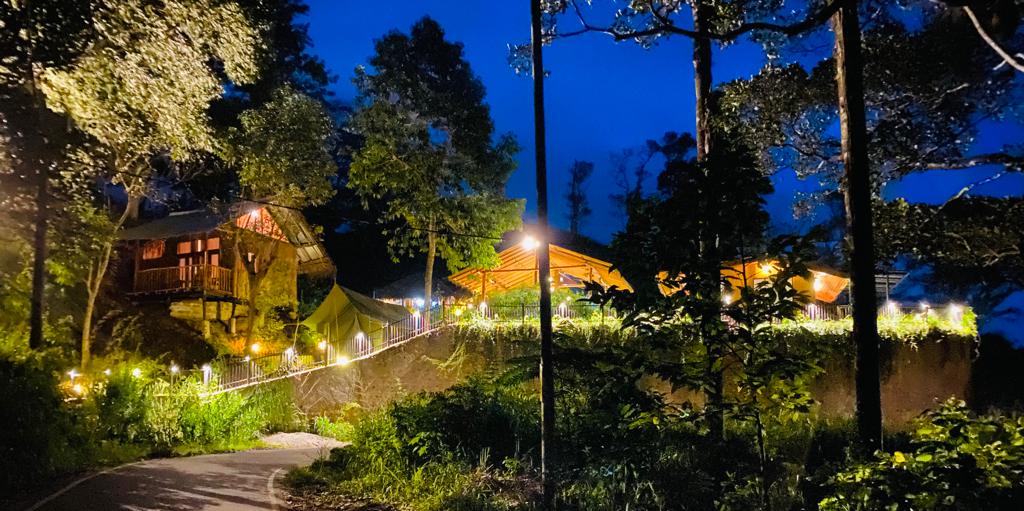
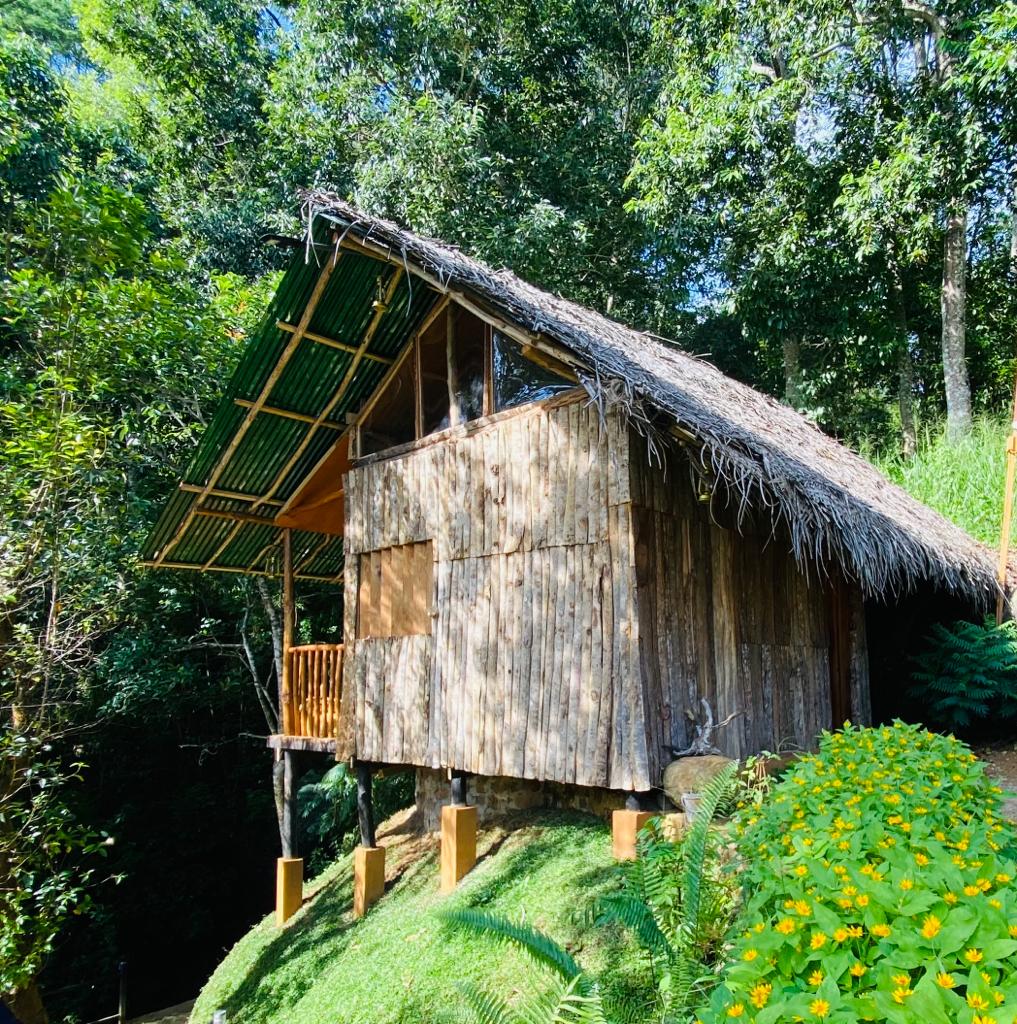
Inspired by the wonders of nature, designed for the adventurous, and created by the love for comfort and fine taste, Cabin @ Creek, the latest addition to Hanthana Eco Lodge, is a reflection of its promise of delivering a transcending experience where nature meets adventure.
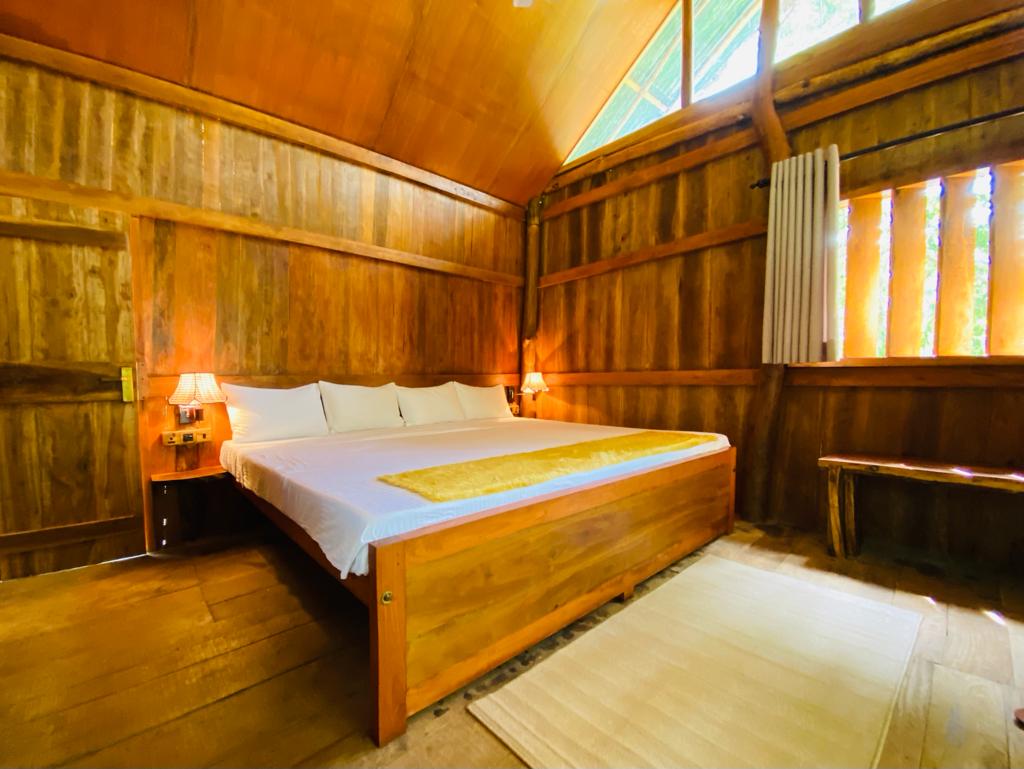
Cabin @ Creek is a wooden cabin that is built preserving the natural landscape of the property, while maintaining the authentic Eco balance that is unique to the Hanthana mountain range. The spacious cabin is designed to offer the best of comfort and unique in-nature experience, creating an unforgettable ambiance. The cabin is located adjoining the mini waterfall on the edge of the property, with the lush green forest as a backdrop. The location provides a magnificent view of the forestry, flora and fauna, along with a never-seen-before closer look into the magical wild life. The property is blessed with the soothing and soulful hums of the wind, chirpings of birds, the colourful presence of butterflies and the nearby presence of the wild boars and majestic leopards.
Whether you are sitting back in the luxury of the indoors, enjoying the best of nature, treating yourself to a cup of the finest Ceylon Tea, or relaxing in the large balcony with a sparkling glass of your choice, you are transformed into a world of enchantment that captivate your imagination and exceed your expectations.
An ideal haven to indulge in with that special someone, be it as an exotic honeymoon destination, an anniversary celebration or treating your partner on that special birthday, embrace the coziness, the warmth and romantic ambiance of Cabin @ Creek and be in the heart of nature without losing sight of the modern day comforts.
This is also an ideal retreat for families or a small group of adventure loving friends who are ready to experience nature in its truest form. The spacious cabin, which can be reserved separately from the adjoining villas in the Hanthana Eco Lodge, can accommodate up to 4 adults with the modern amenities on offer. The large balcony is the ideal place to enjoy a quiet moments or gather around with friends for drinks and food. Cabin @ Creek is perfect for the outdoor adventurer or a glamping enthusiast as it captures the best of both worlds.
This new addition is backed by the strong principles and qualities of Hanthana Eco Lodge, where the strive for excellence is a practice that is of paramount importance. The excellent service coupled with exceptional culinary experiences makes this is the ideal choice to explore the surrounding nature and wild life of the world heritage site Hanthana Mountain range.
Nestled in the mesmerizing lush greenery of majestic Hanthana mountain range, towering over the Hill capital of Kandy, Hanthana Eco lodge is the perfect holiday getaway for all nature lovers. With the elevation of over 2,500 feet above mean sea level, just 8KM from the Kandy city, surrounded by thick forest reserves, and neighboring a beautiful mini waterfall, you are welcomed into a private space that transforms you into a mystic land of beauty and tranquility.
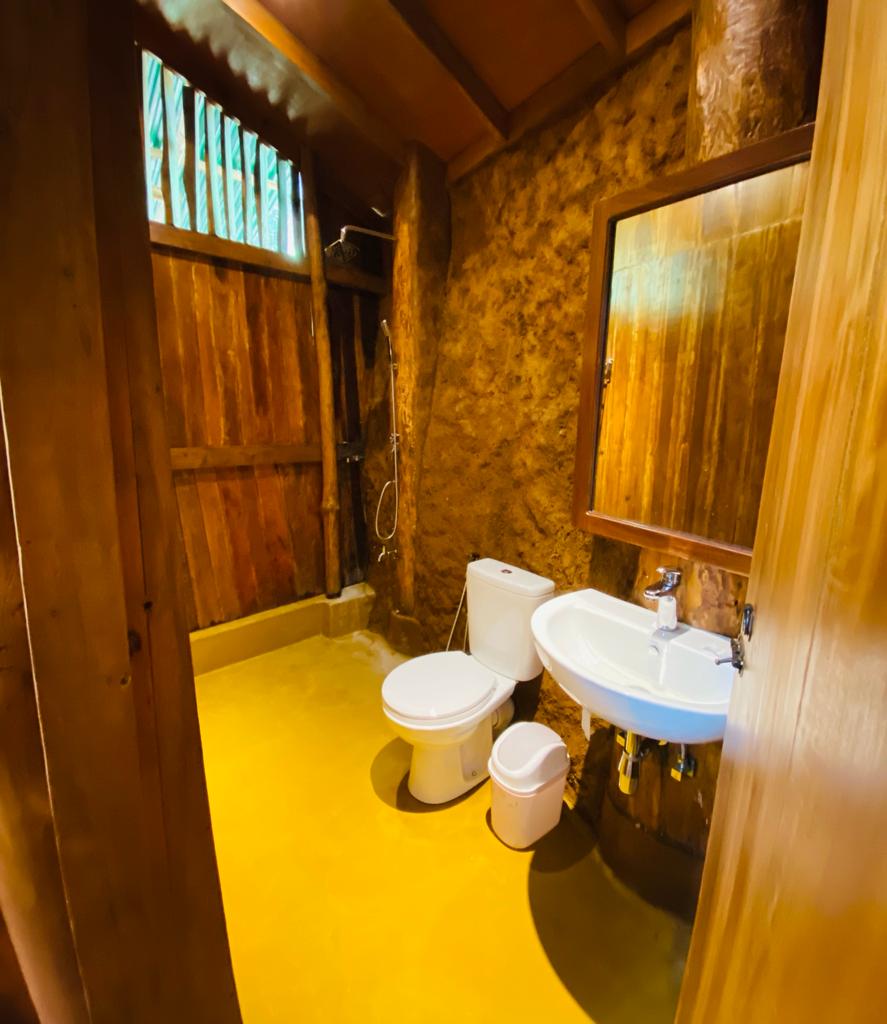
A perfect blend of nature and comforts, offering modern amenities, The Eco-friendly and nature blended Villas pamper you with relaxation and peace of mind, providing an ideal platform for you to immerse in the best of eco-adventure in the amazing hill country mountains.
For more information or to make a reservation at the Cabin @ Creek or the villas at Hanthana Eco Lodge, contact 0776 550 911 / 0777 750 911 or visit www.facebook.com/HanthanaEcoLodge/ or www.hanthanaecolodge.com/