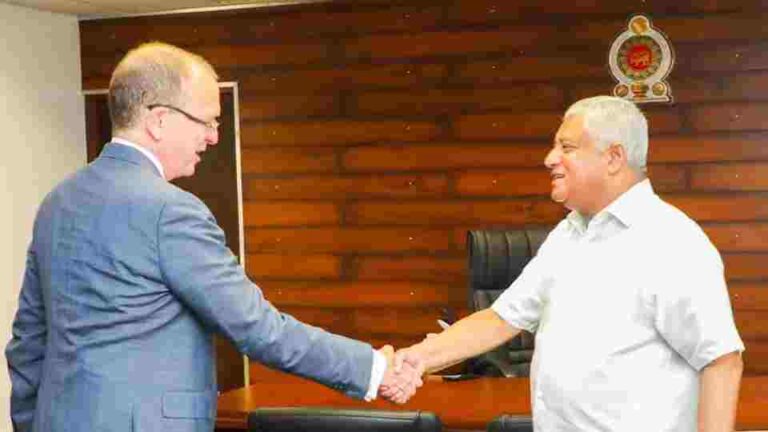
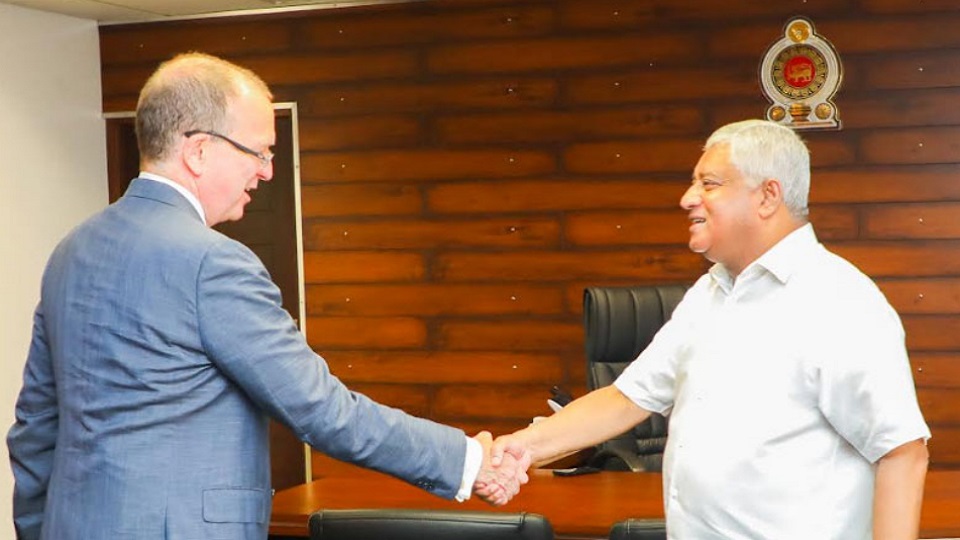
It is Canada’s wish to rid of the crisis befallen Sri Lanka and establish economic stability as soon as possible, said Canadian High Commissioner to Sri Lanka David McKinnon, during his visit to Minister of Public Security Tiran Alles at the Ministry today (26).
Accordingly, Canada will extend its support to Sri Lanka to establish economic stability, Mr. McKinnon told the Minister.
The two delegates discussed matters related to bilateral ties between the two countries in depth, and views are said to have been exchanged about the current situation in Sri Lanka, the political atmosphere and the growing protests of the people.
The Canadian High Commissioner also emphasised that it is important to protect human rights under any circumstances.
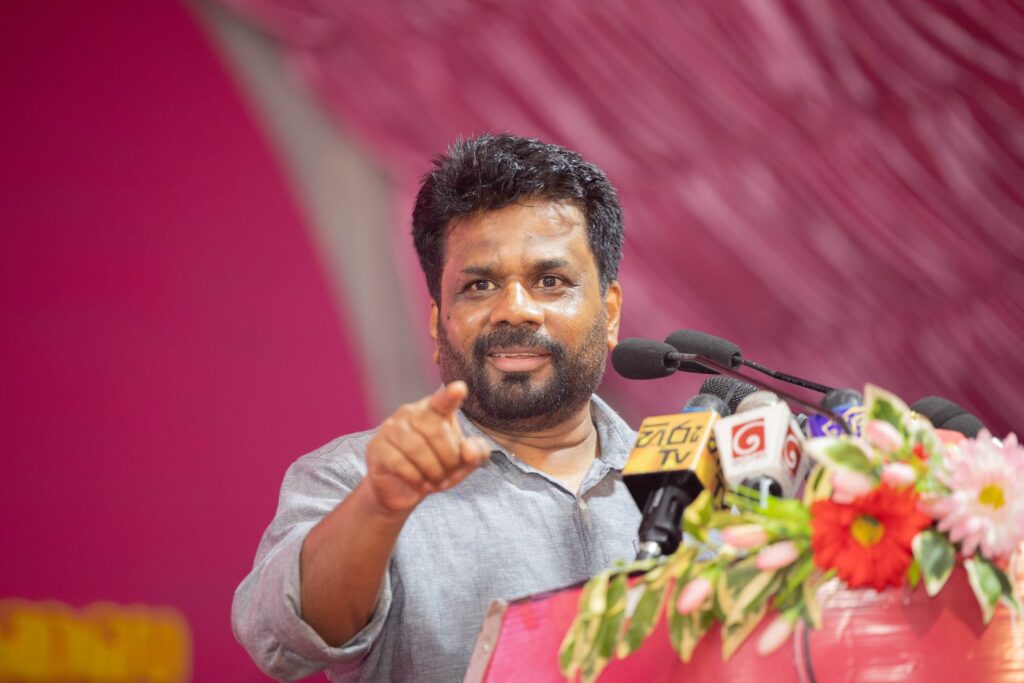
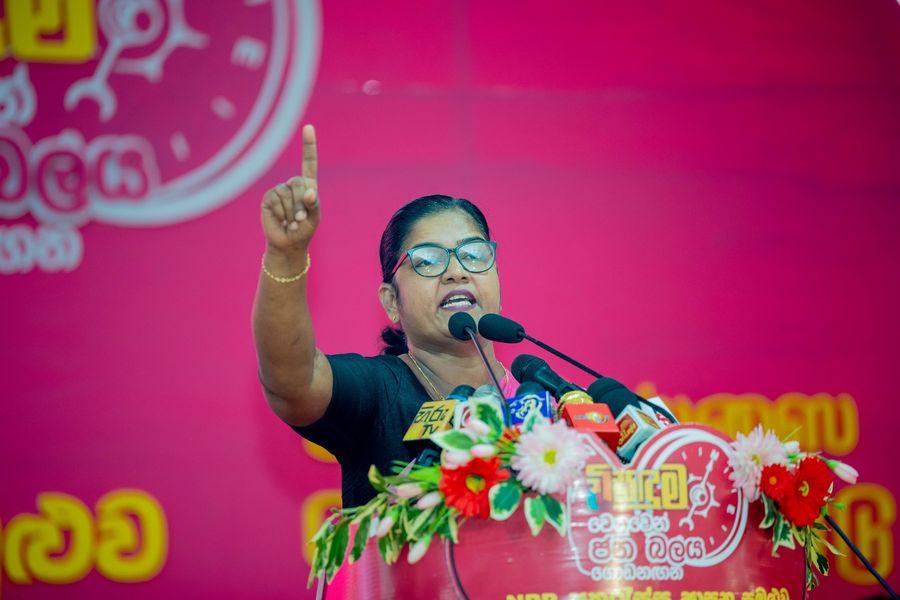
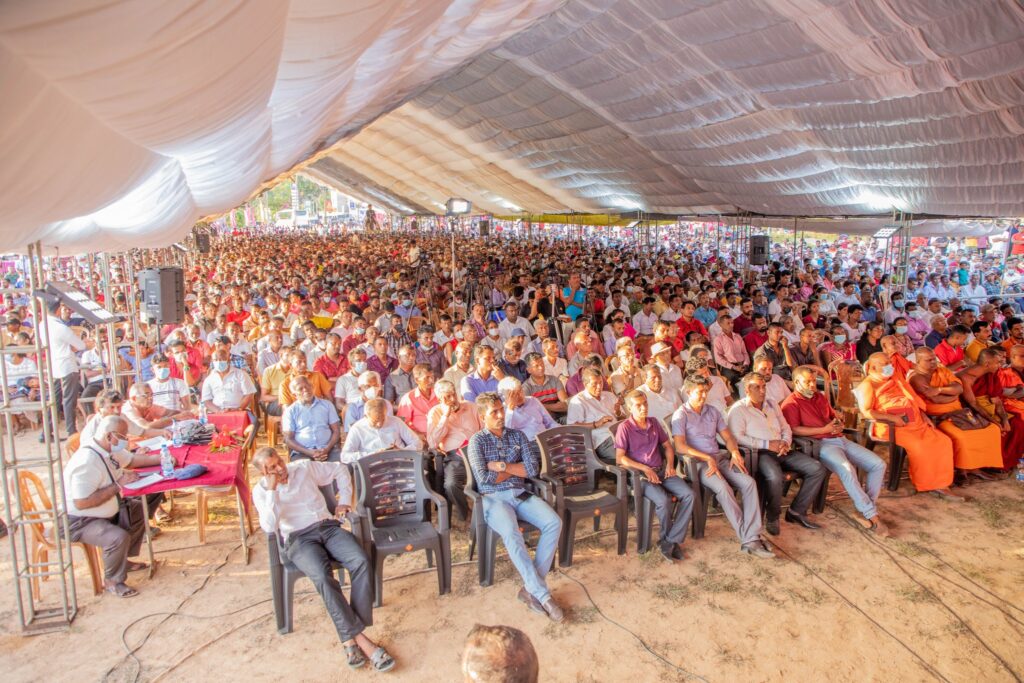
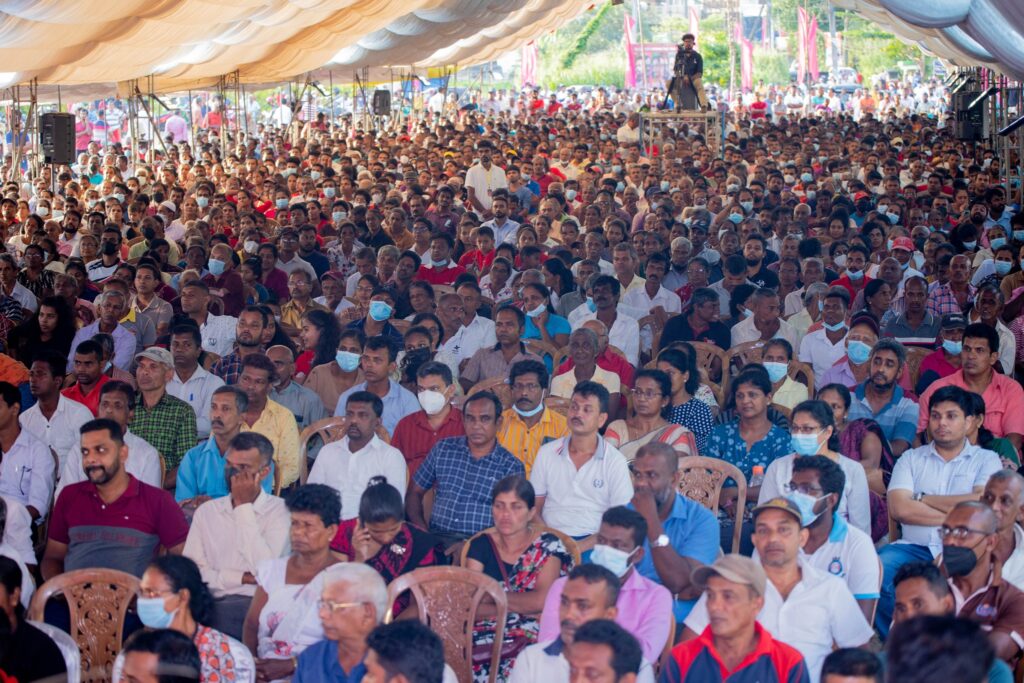
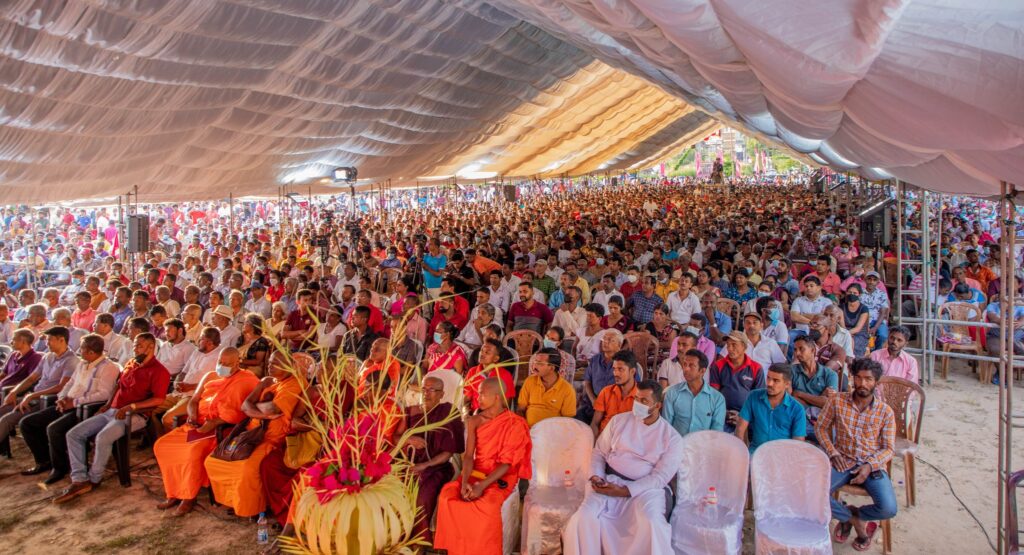
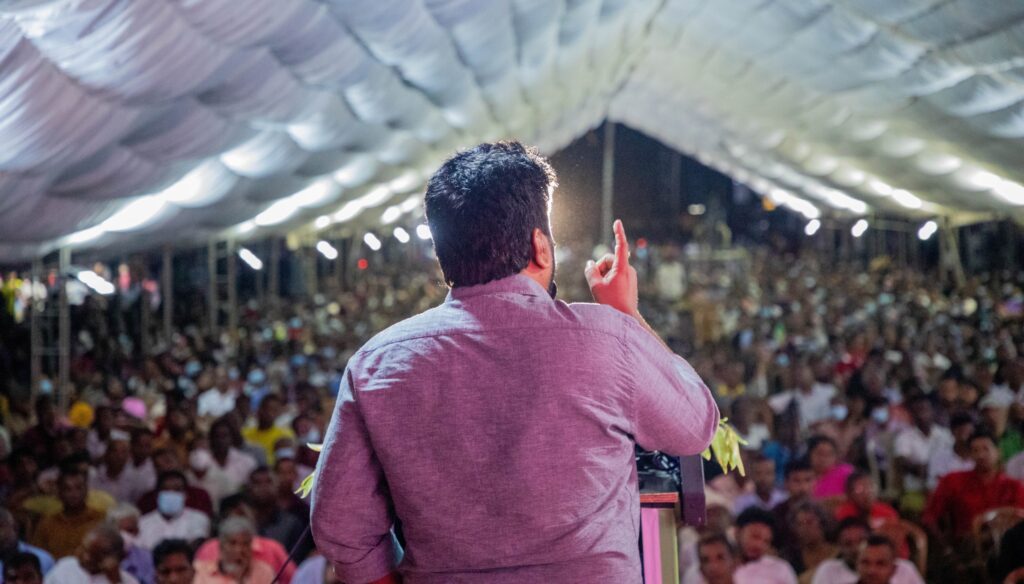
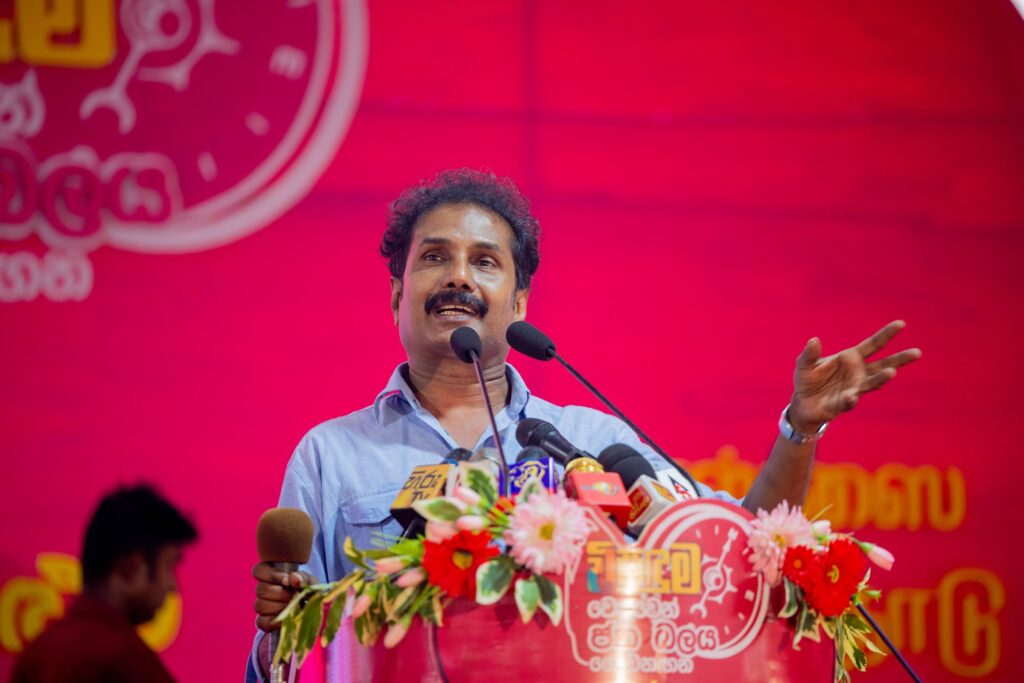
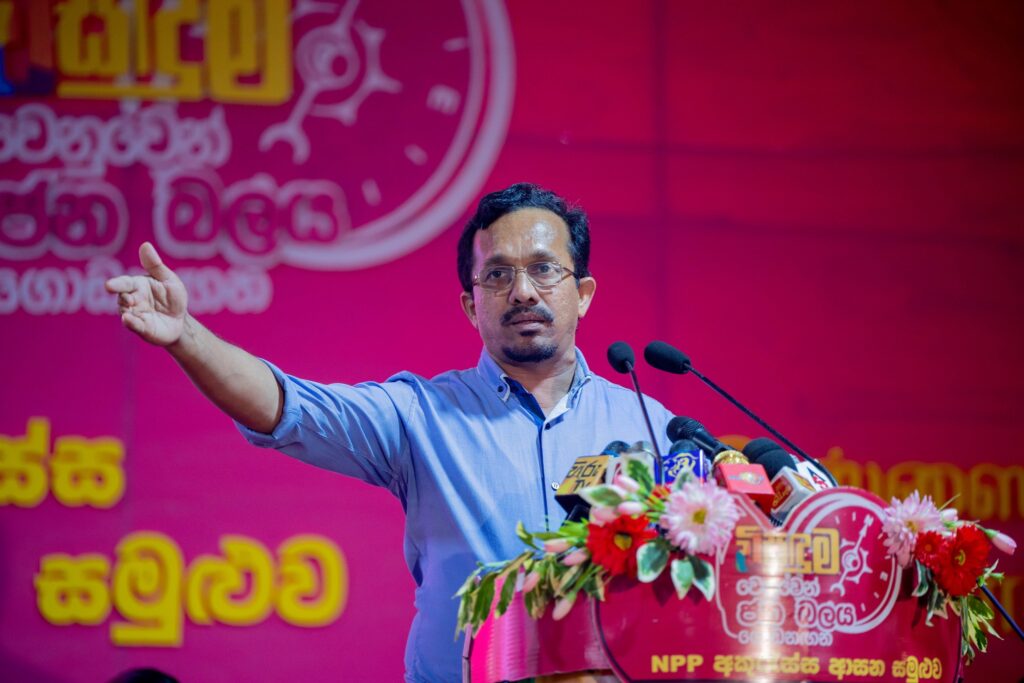
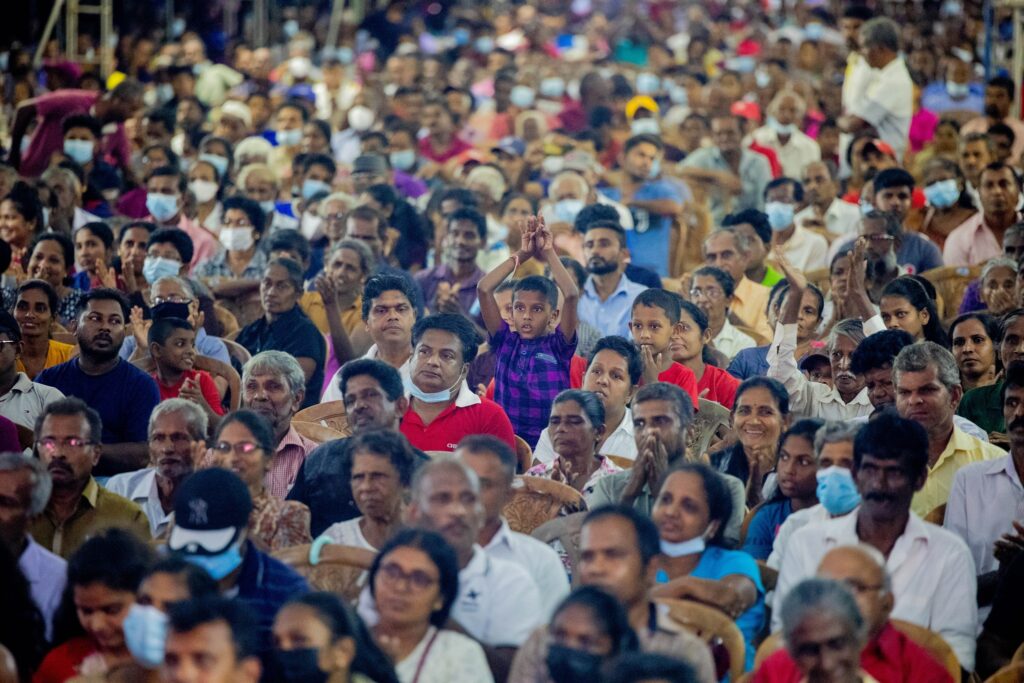
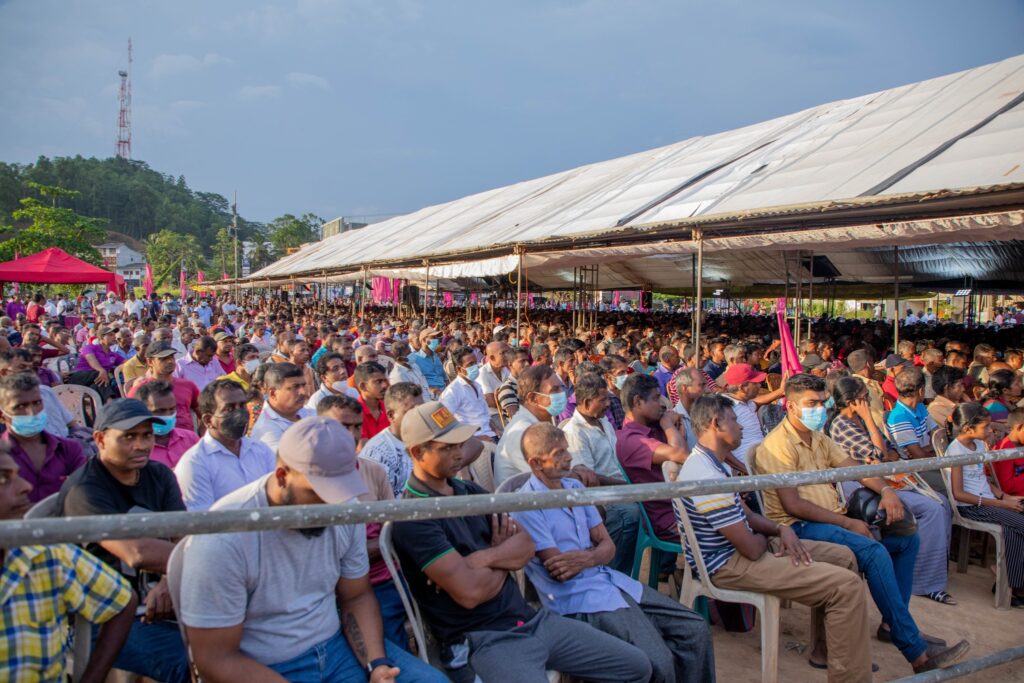
In light of the recognition of Sri Lanka being a ‘bankrupt’ nation before the world due to the Central Bank Governor’s declaration on April 12 of a debt default on forex debt, the challenges lie before the country will not be easy and all, therefore, shall align to save it, said Leader of the National People’s Power (NPP) MP Anura Kumara Dissanayake, speaking to a rally organised in the Akuressa Electorate yesterday (25).
The NPP Leader noted that Sri Lanka, being a ‘bankrupt’ nation in the eyes of the world, will not be given debt except small grants, reminding that his party had warned of the consequences of the trajectory on which the rulers navigated the country long ago.
“Even beggars of Tamil Nadu send money to our country in a collective effort. The situation within the data is very alarming. A little bit of fuel is received, and the problem is not solved. The amount of foreign debt due from April is US $ 2,490 million. By March, the debt was paid, and some fuel was brought. In September, there is only a little more fuel without the debt being paid. The reality is that our economy is worse than March. Every organisation in the world has warned about this,” Dissanayake said.
Reminiscing the highlights of the people’s struggle against the regime, the NPP Leader said the biggest uprising of the people of their lifetime has ousted a leader who was known to have built a culture of fear and intimidation, and the people, therefore, have the power of organised assembly.
“The ‘Aragalaya’ is a great inspiratipn. There was a great uprising of the people. But the result is a partial one. Ranil Wickremesinghe, who could not even to be elected to Parliament, became the President. So, everyone has a little bit of frustration. There is sadness for not being able to accomplish the maximum victory. But the second uprising will take place under the leadership and direction of the National People’s Power. That is why we need to be organised. Scattered agitation and booing can only express your anger and pain. The problem is not solved. The real solution can only be obtained by establishing an organised force. Although many people are nervous, we are not. We are forming divisional councils in all Grama Niladhari divisions in Sri Lanka,” he added.
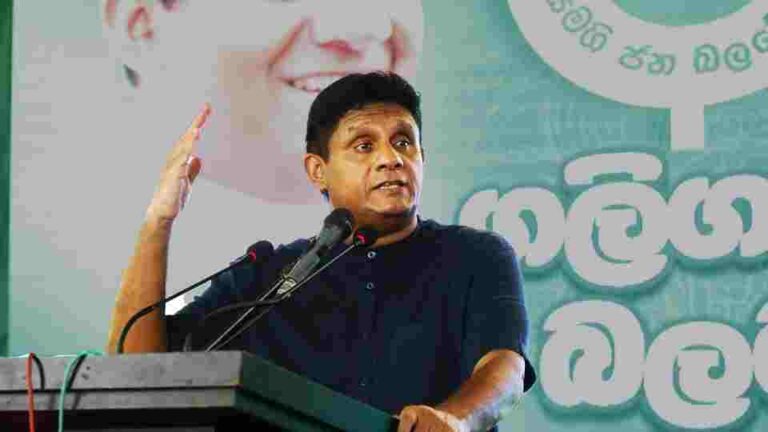
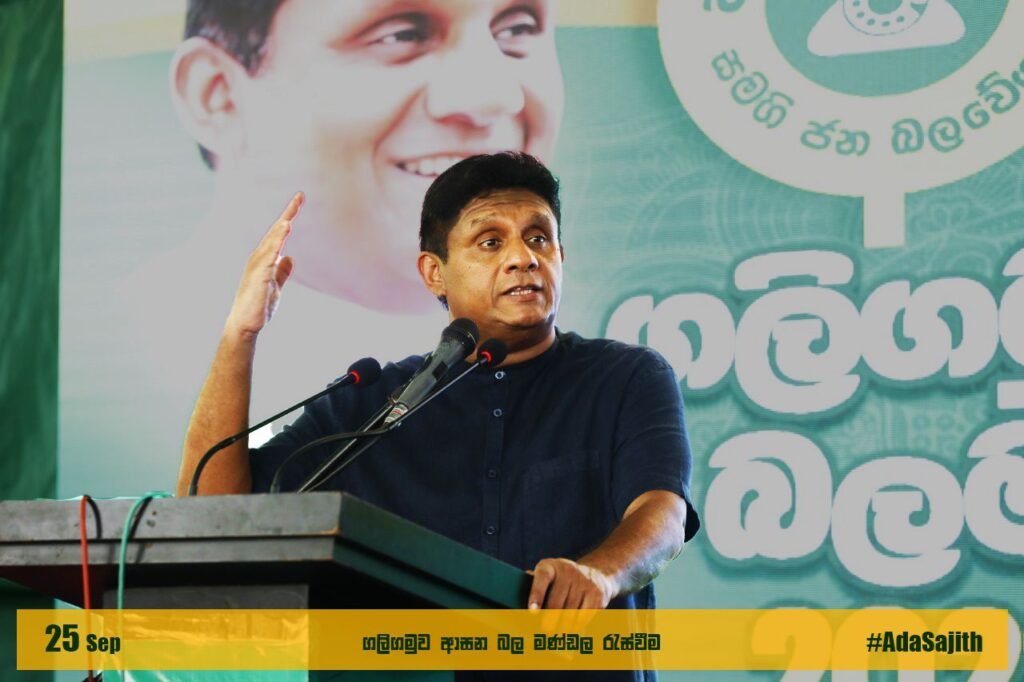
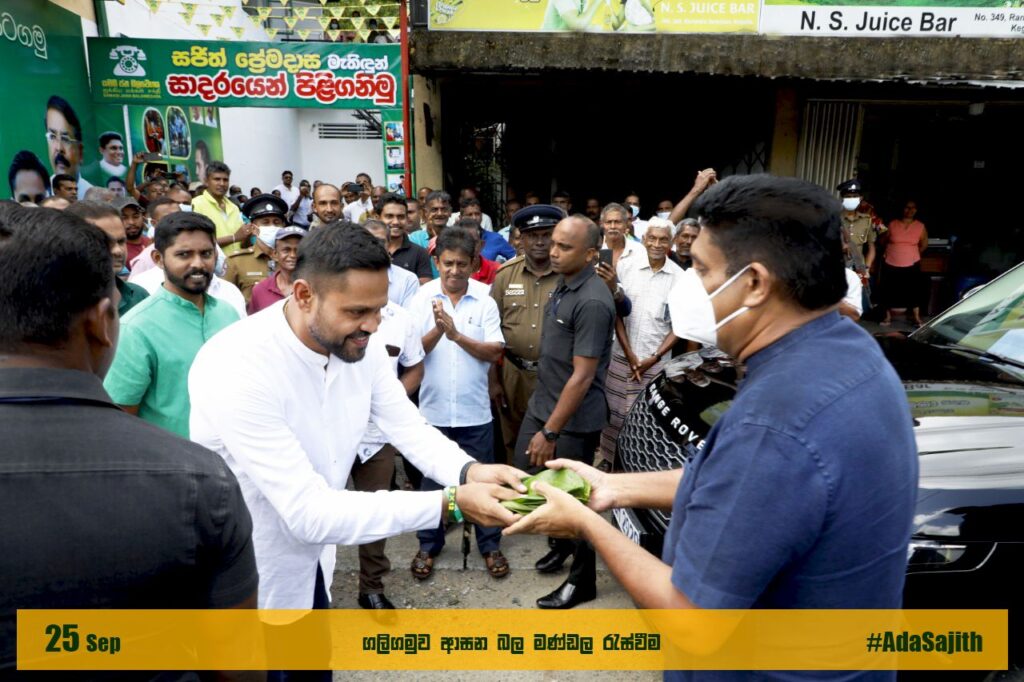
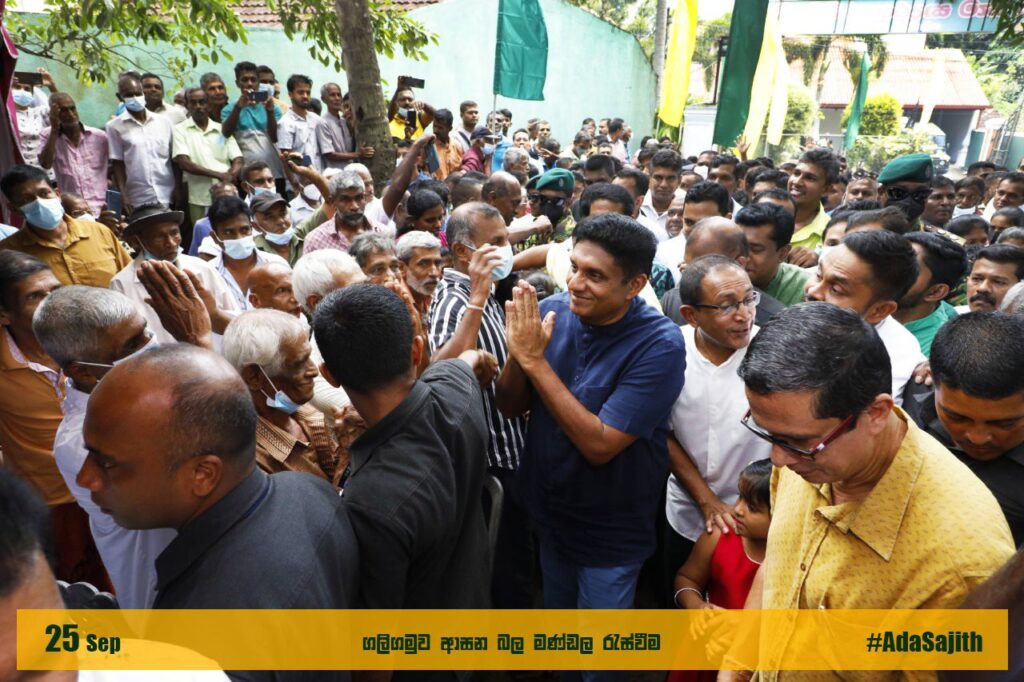
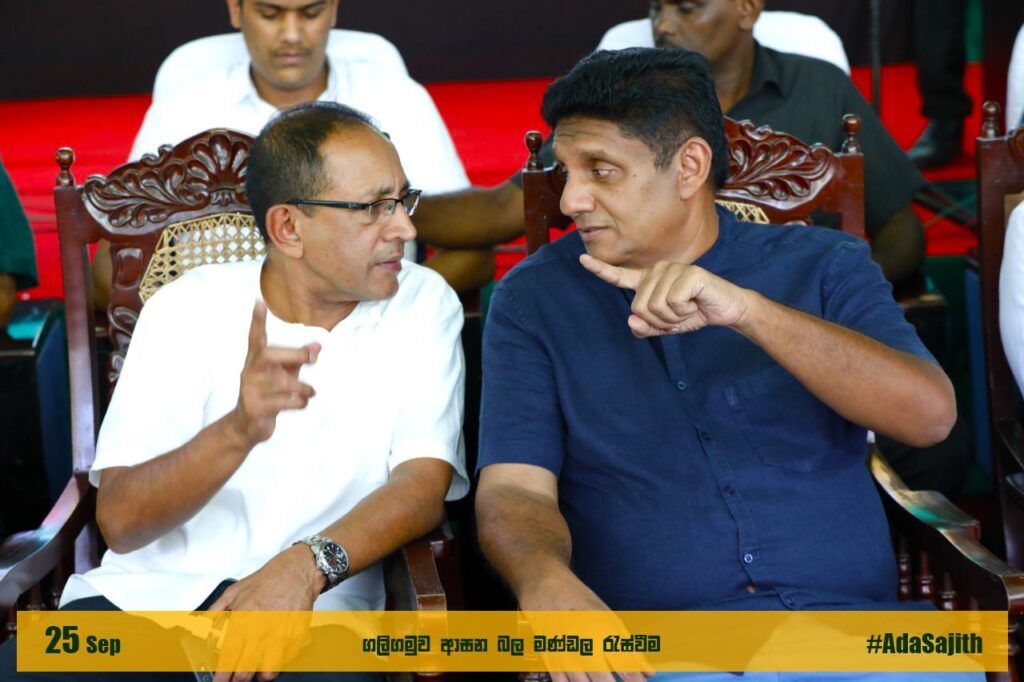
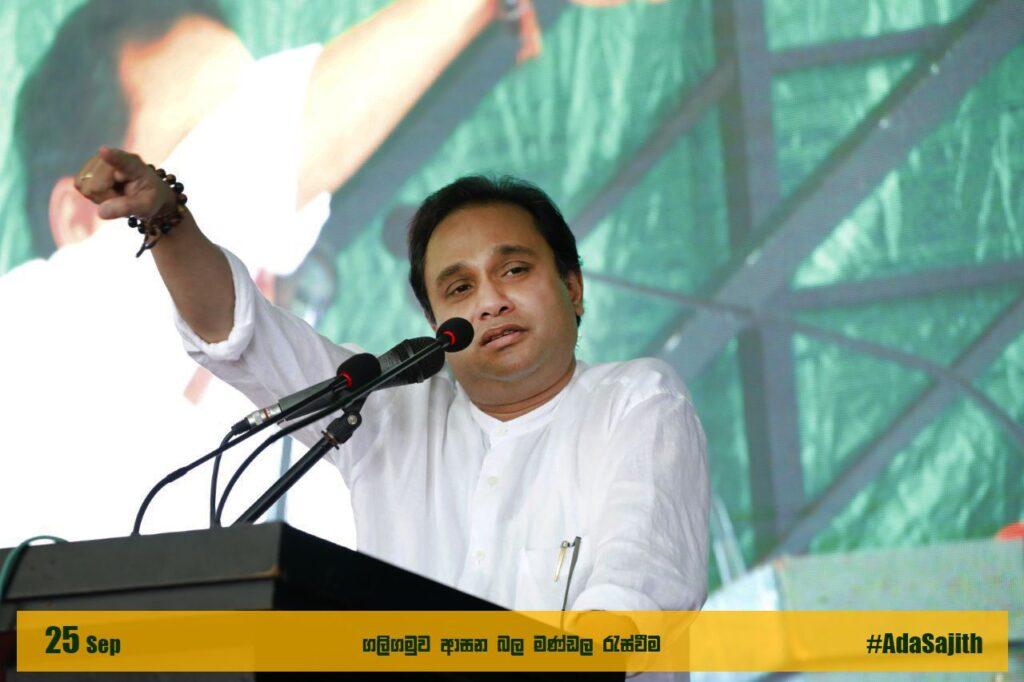
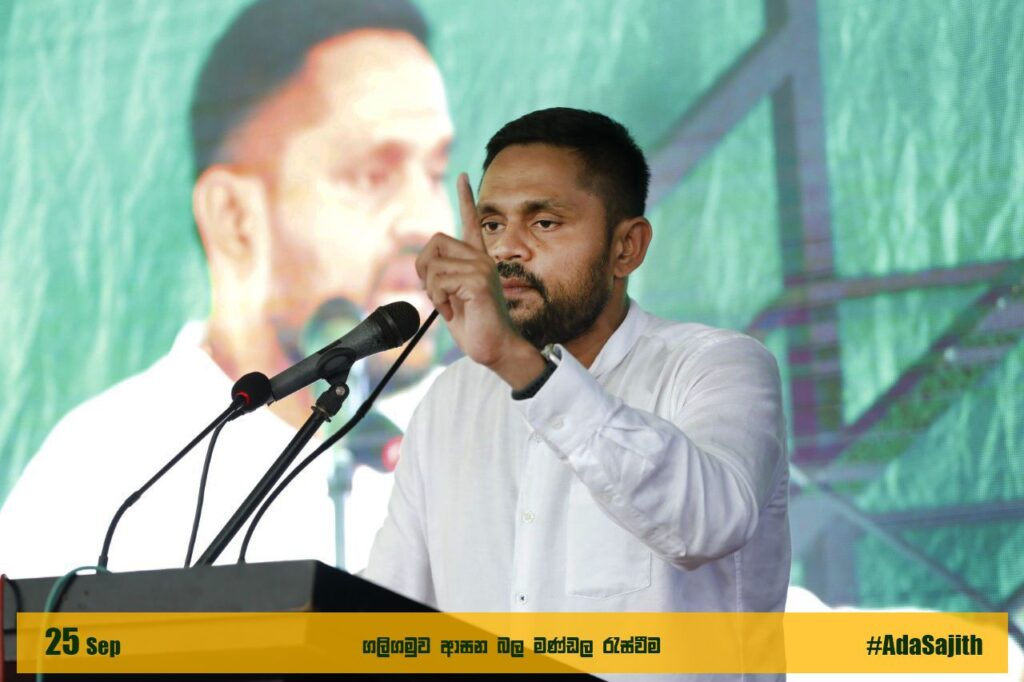
“The result of enacting of the 20th amendment to the constitution is ruin and devastation of the entire country. Through this move, the current Government has brought about a situation that even denies the right to life of people. The Government is afraid of the people. That is why high security are being created” – Sajith Premadasa Leader of the Opposition
The current President has been brought to office not through the ballot of the citizens. He has been installed by the ballot of the Rajapakshas. Hence he is afraid of the citizens. This was pointed out by Mr Sajith Premadasa.
He stated that the econonmy of the country was being destroyed on a daily basis, as the cost of living, electricity bills and cost of food was escalating.
Simultaneously the problems of brain drain and unemployment were heightening.
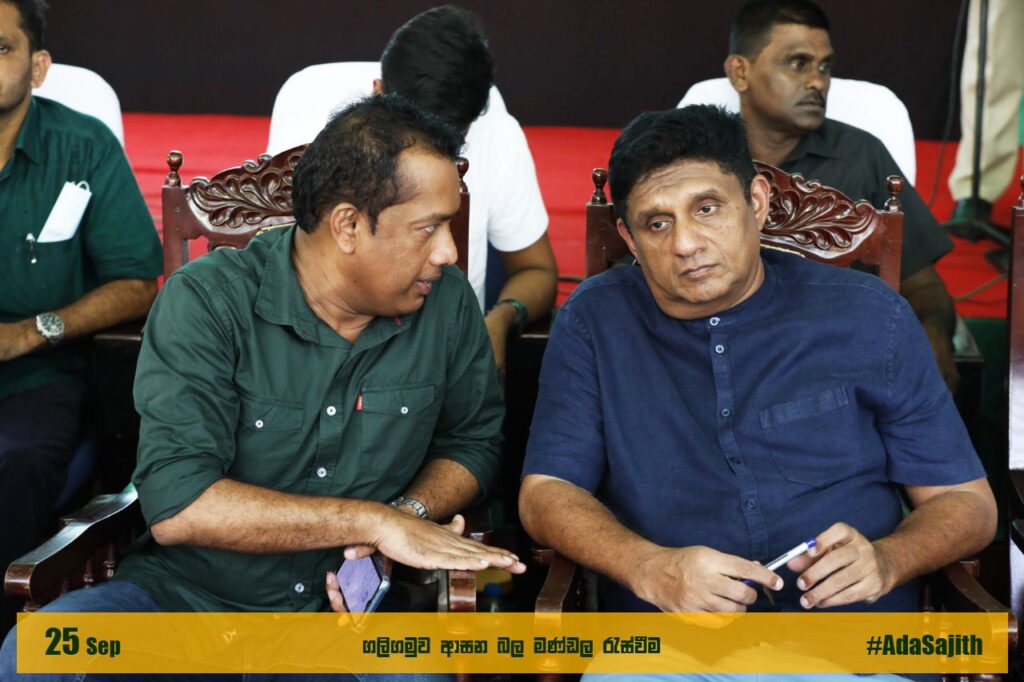
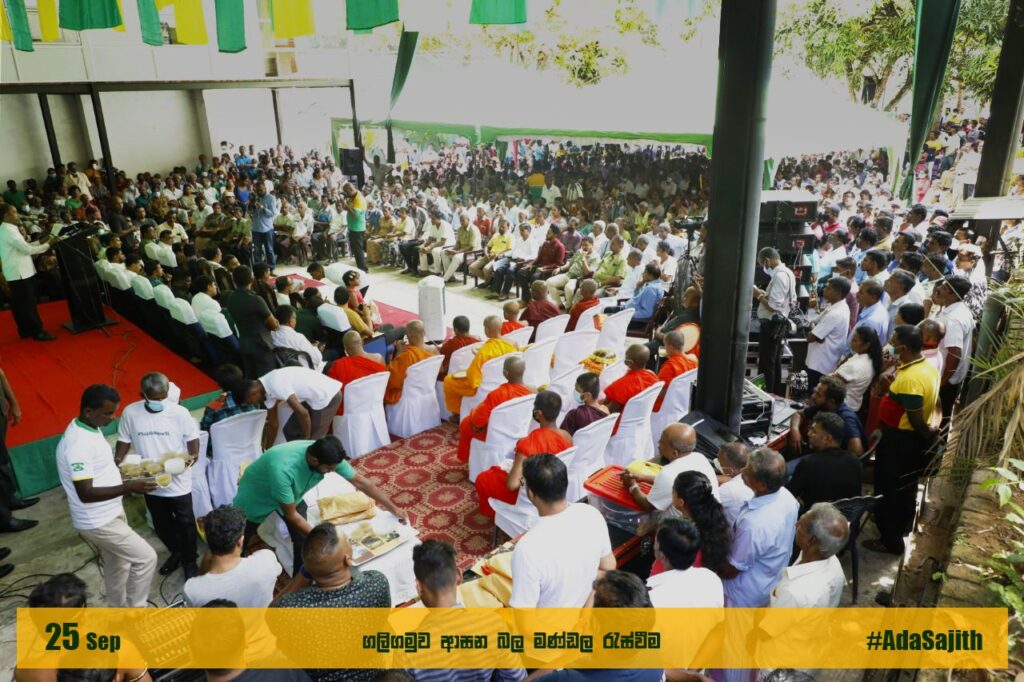
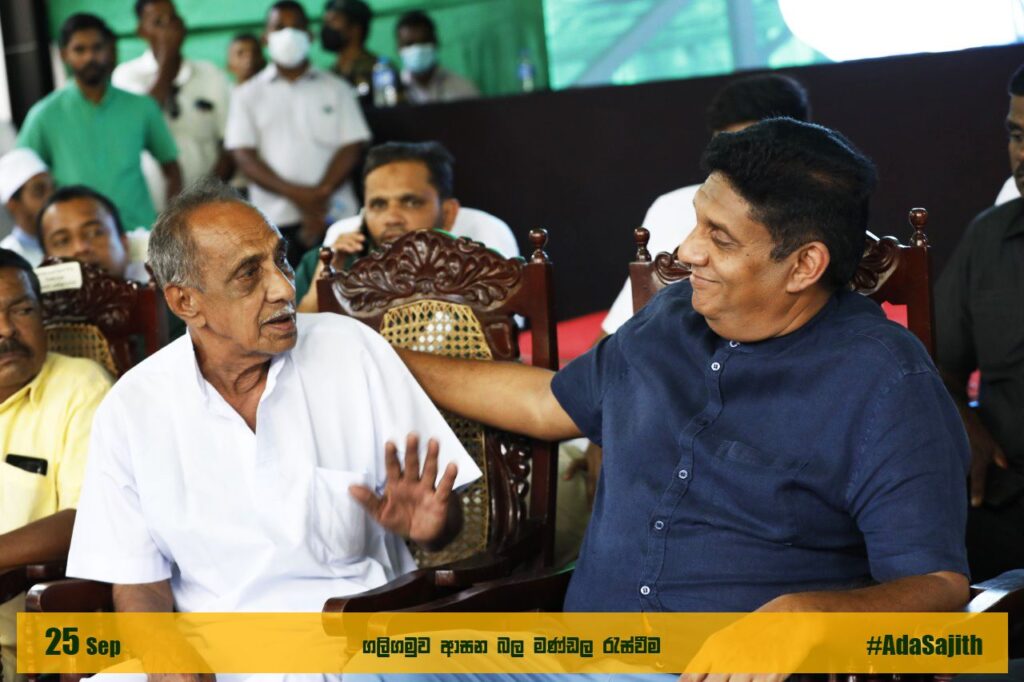
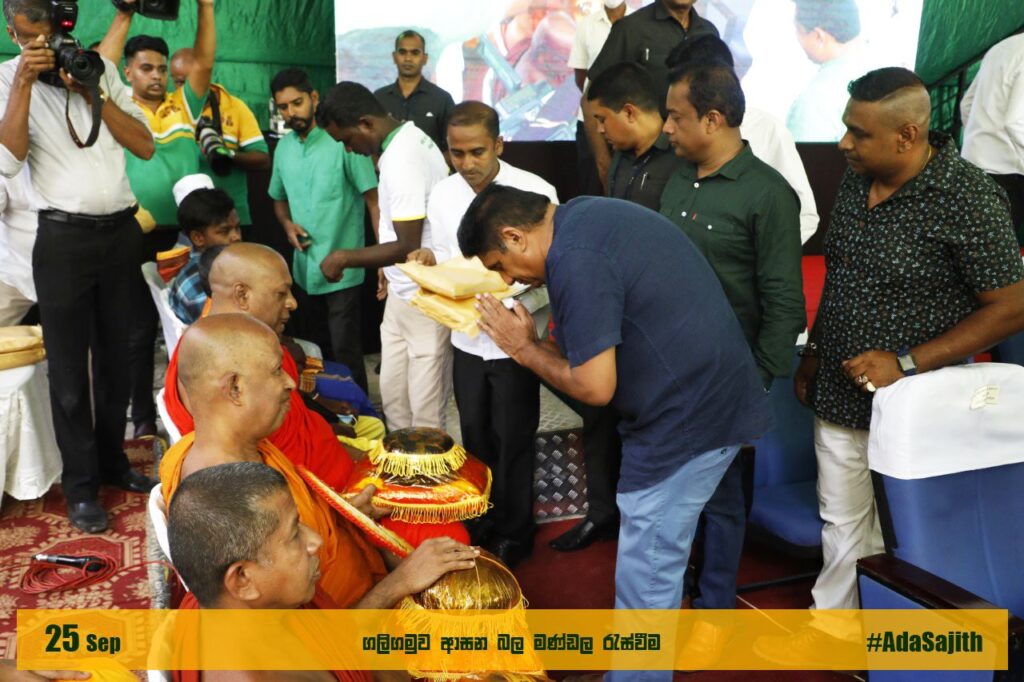
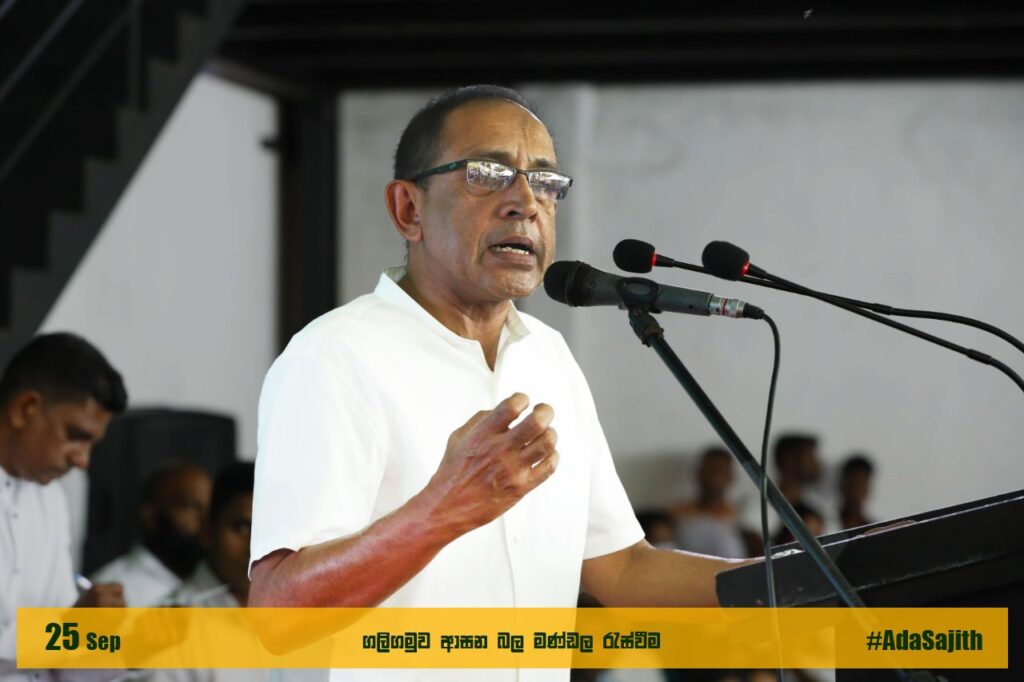
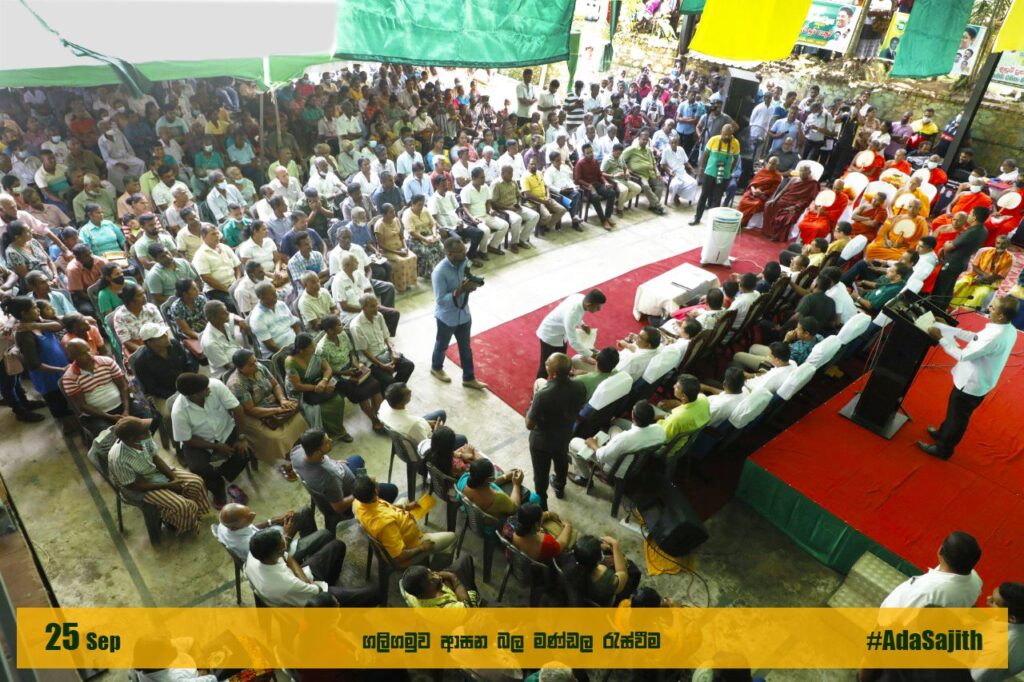
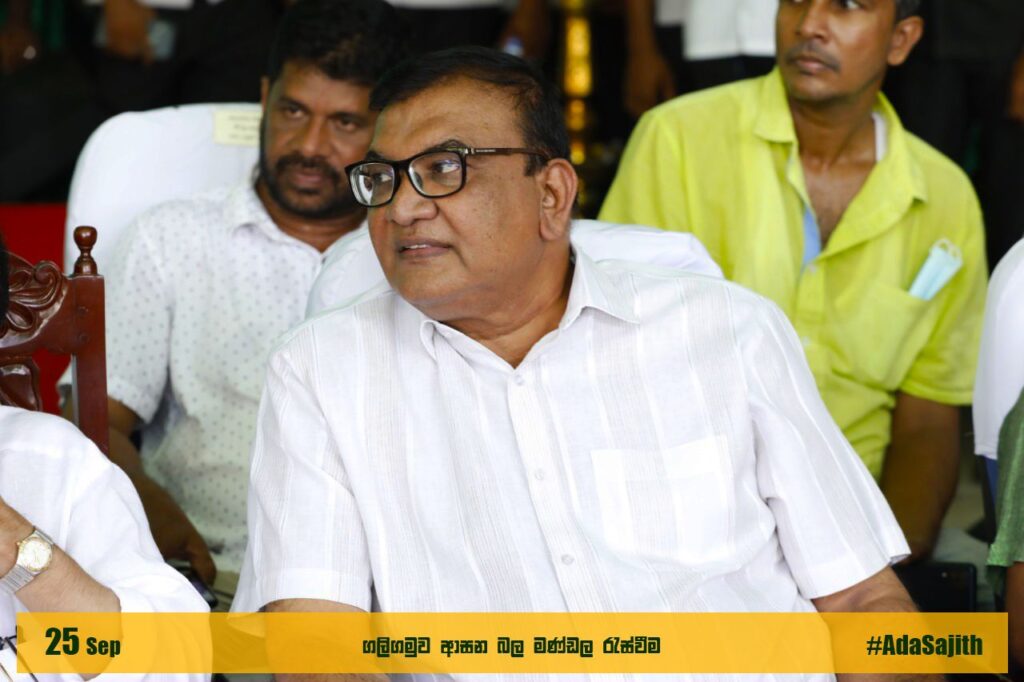
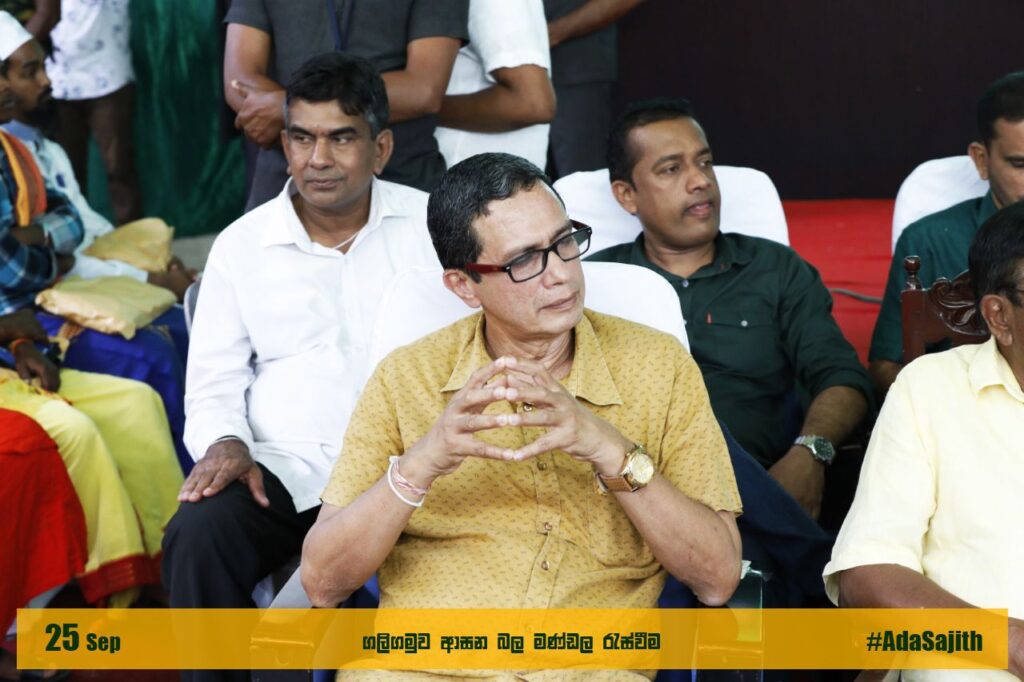
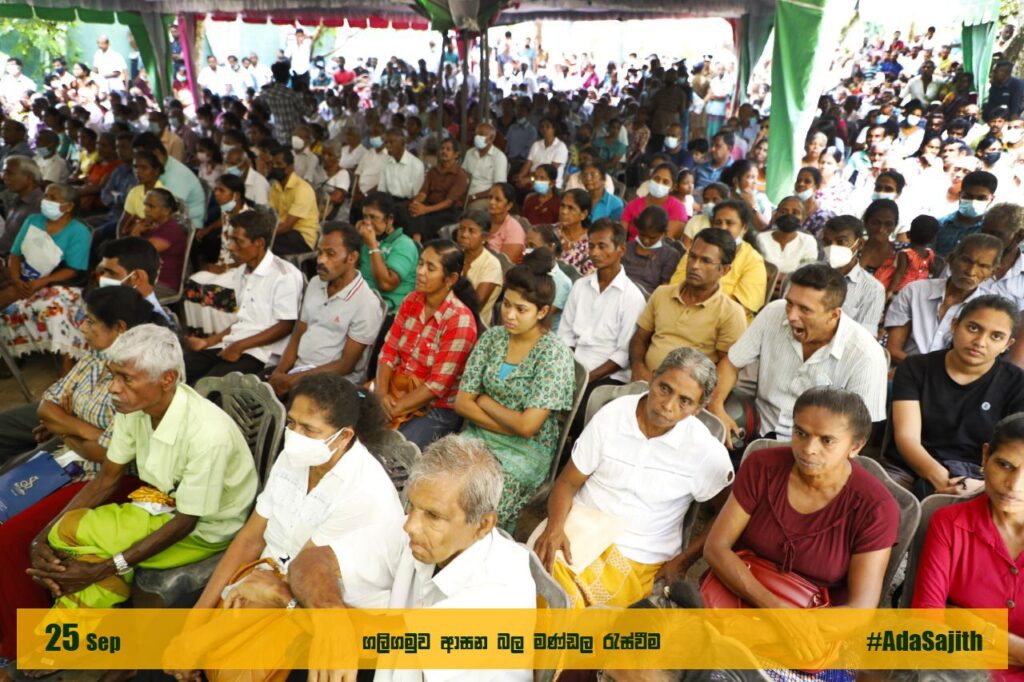
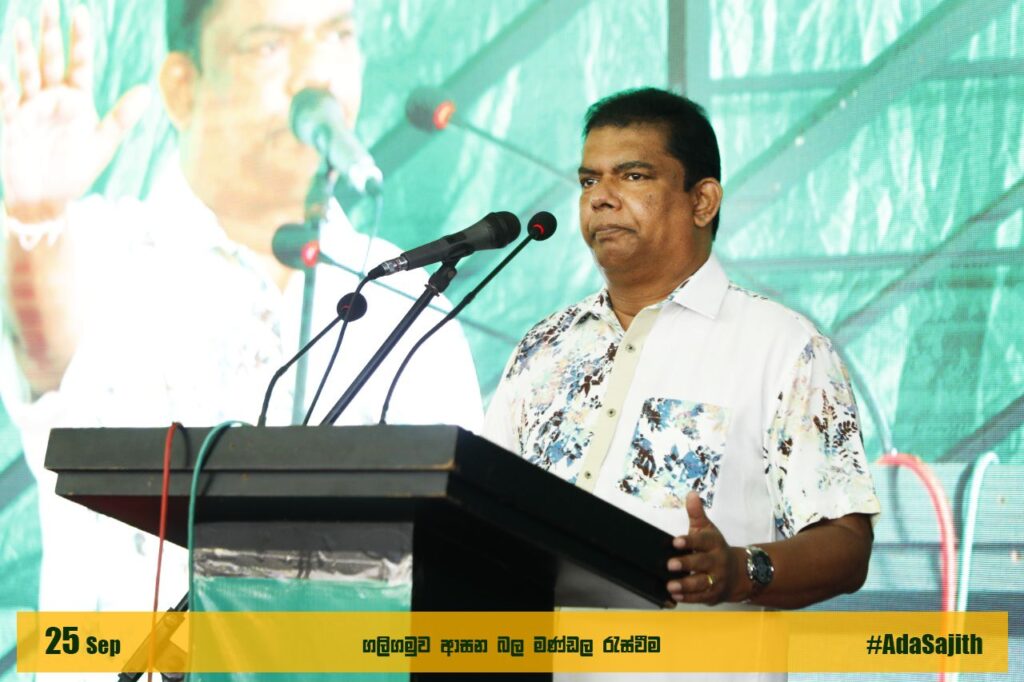
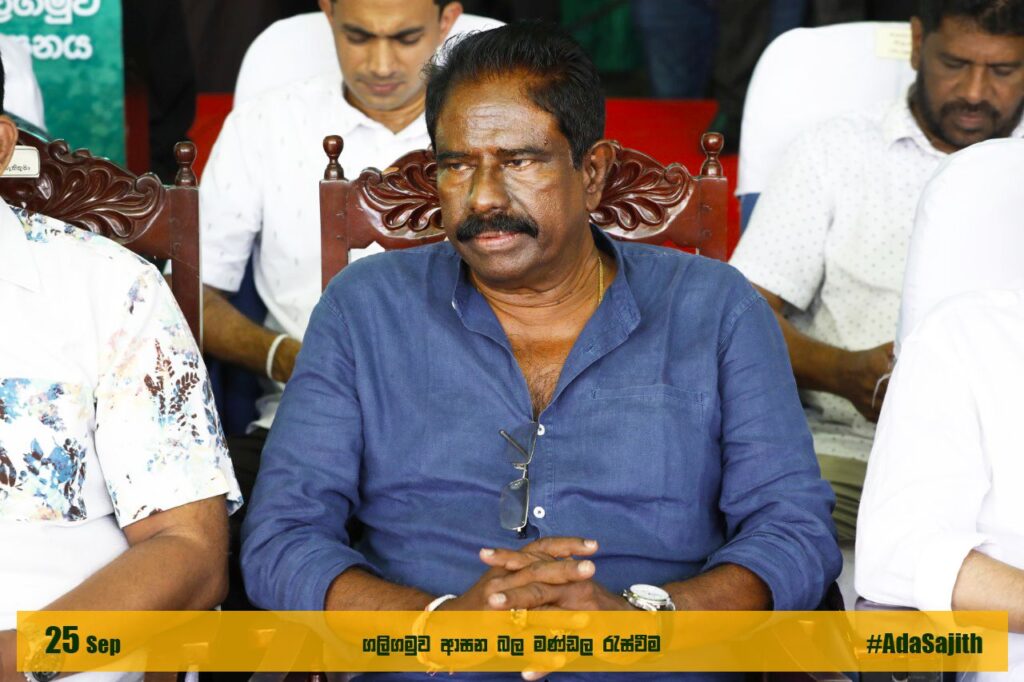
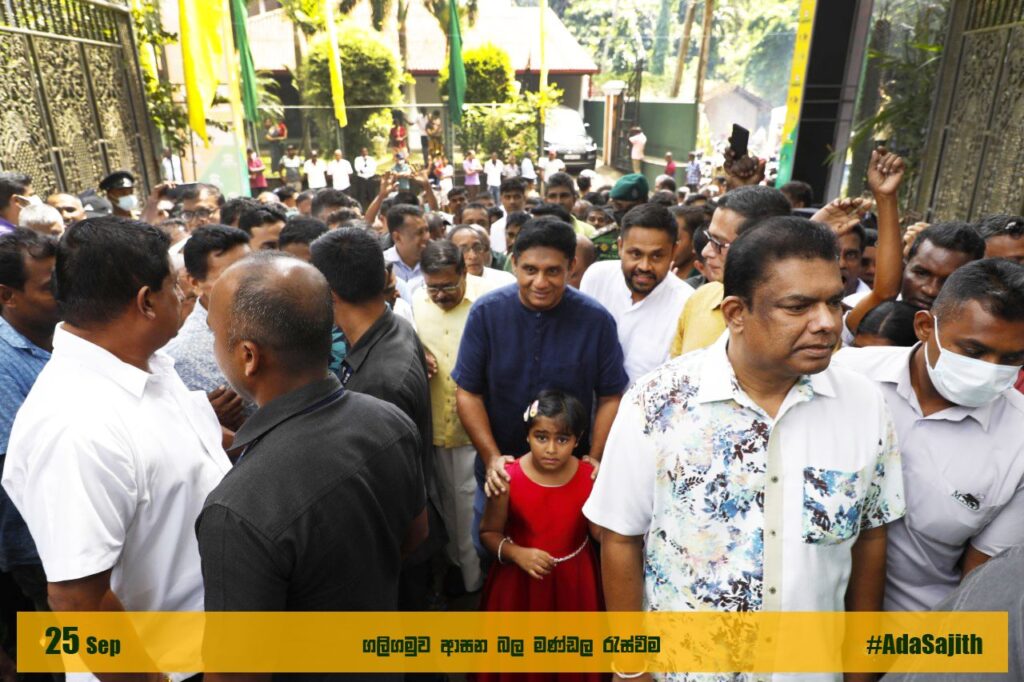
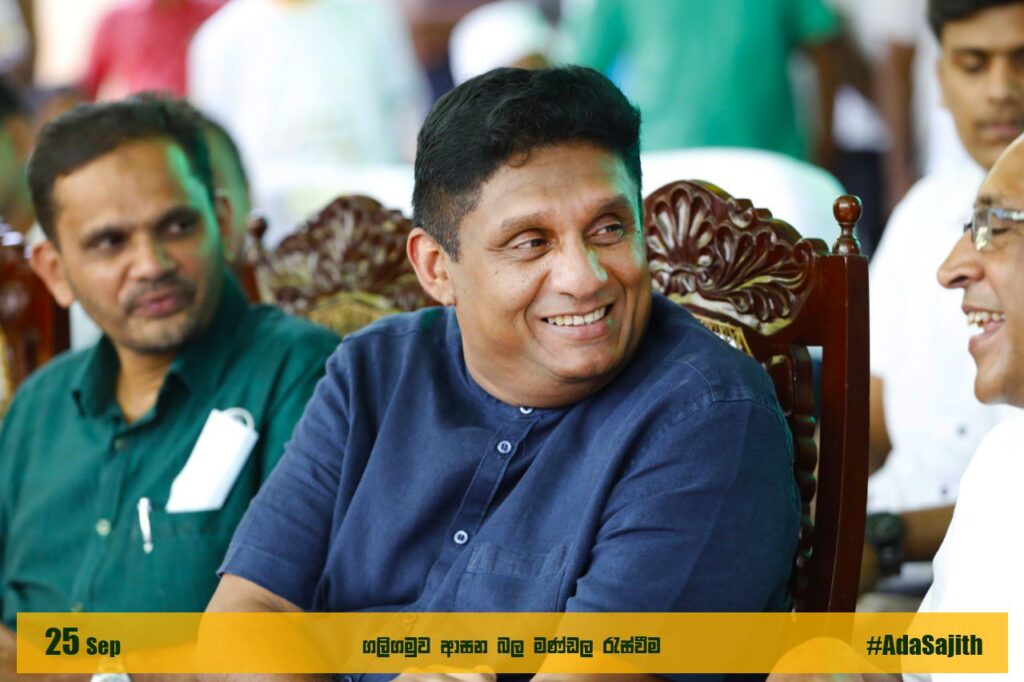
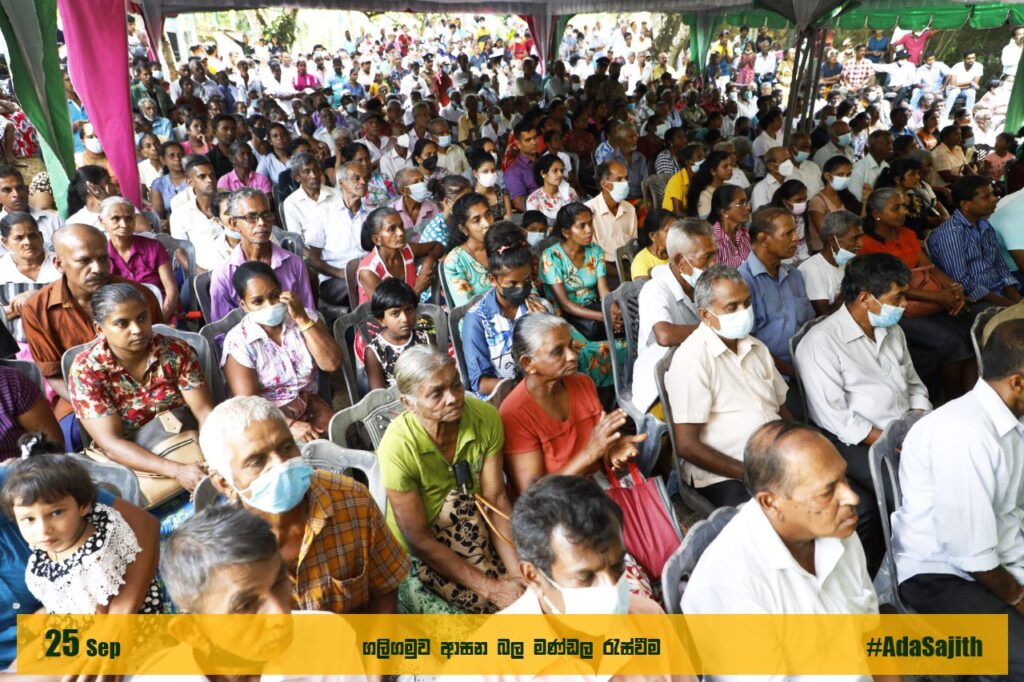
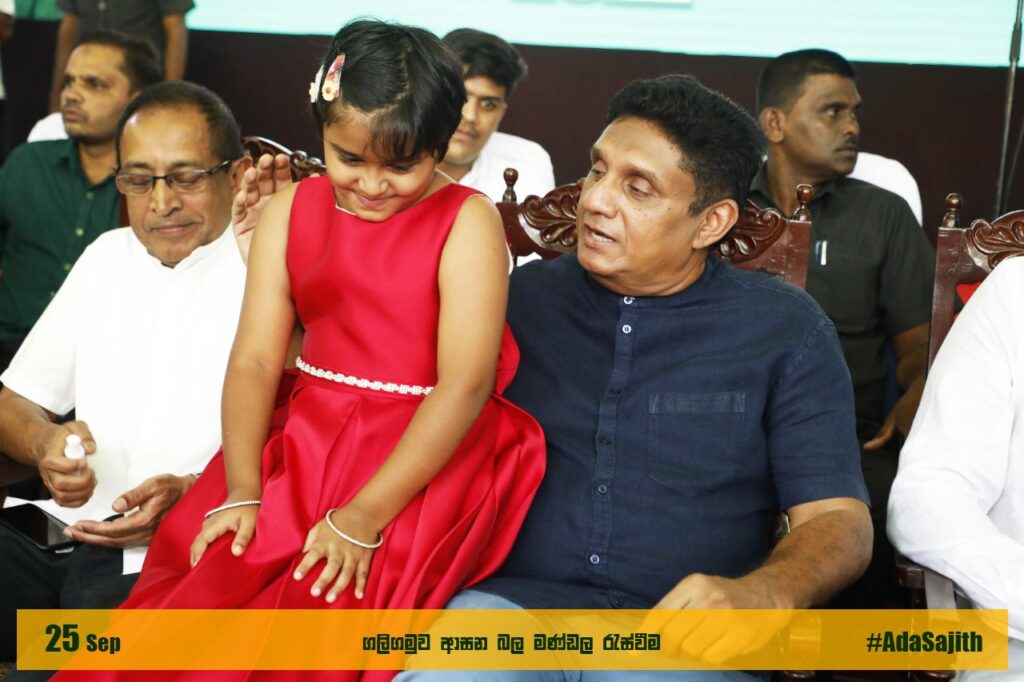
Mr Premadasa made these comments when he addressed the Electoral Committee of the Galigamuwa electorate of the Samagi Janabalawegaya yesterday (25 September)
The government’s decree on the establishment of high-security zones via the Official Secrets Act grossly violates the fundamental rights of the people of this country, the Human Rights Commission of Sri Lanka (HRCSL) said in a statement.
The HRCSL stated that the notion that such high-security zones be declared under the provisions of the Official Secrets Act is a fallacy without any justification or basis and the government, therefore, cannot adopt such a declaration.
It urged the government to immediately withdraw the gazette bearing No. 2298/53 dated September 23, 2022, which decreed the establishment of such zones.
The Samagi Jana Balawegaya (SJB) has decided to lodge a petition before the Supreme Court against the recent declaration on ‘High-Security Zones’ in Colombo.
Speaking to media, Chief Opposition Whip and SJB MP Lakshman Kiriella said no high-security zone can be established under the State Secrets Act.
He also added that the State Secretary Act have no provisions to ban peaceful protests.
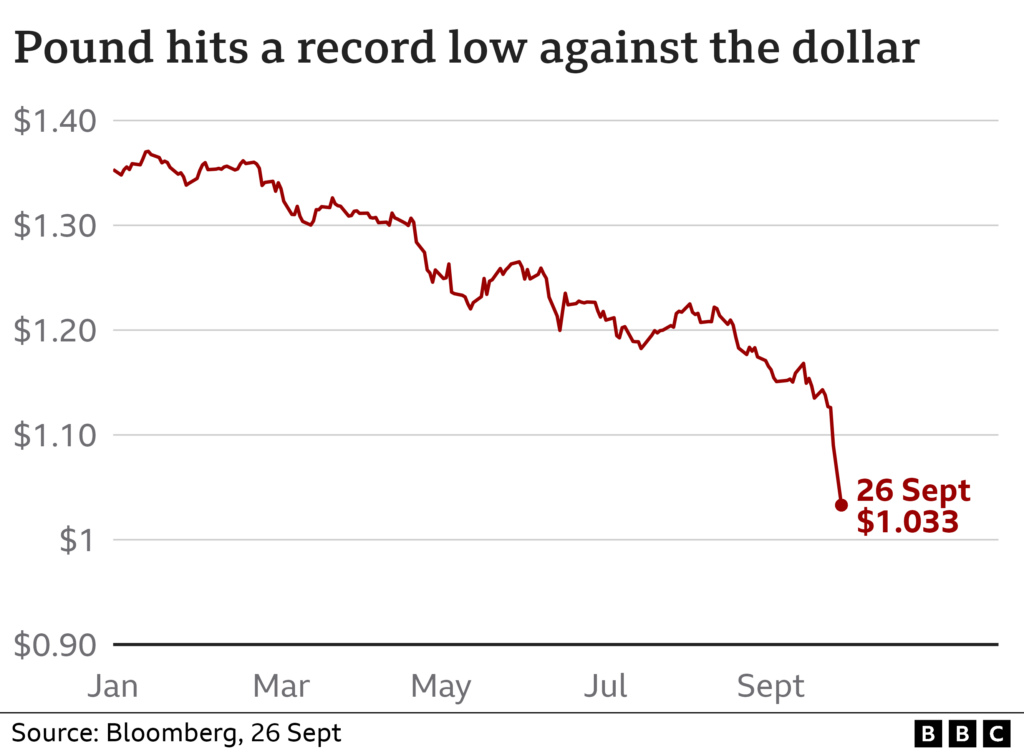
The pound has also been under pressure due to strength of the dollar.
The euro also touched a fresh 20-year-low against the dollar amid investor concerns about the risk of recession as winter approaches, with no sign of an end to the energy crisis or the war in Ukraine.
If the pound stays at this low level against the dollar, imports of commodities priced in dollars, including oil and gas, will be more costly.
Other goods from the US could also be considerably more expensive and British tourists visiting America will find that their holiday money does not go as far as before sterling’s slide.
There are also concerns that the tax cuts and a surge in government borrowing will stoke high inflation and force the Bank of England to raise interest rates even further. This would raise monthly mortgage costs for millions of homeowners.
Last week, the Bank raised interest rates by half a percentage point to 2.25% to try to calm inflation which is at a 40-year high of 9.9%. The rate increase was the seventh in a row and took rates to the highest for 14 years.
However, some economists have speculated that the Bank may call an emergency meeting as soon as this week to hike interest rates again.
Market-watchers now forecast that interest rates could reach 5.5% by next spring.
Commenting on the likelihood the Bank of England could raise rates before its scheduled meeting in November, former Bank deputy governor Sir John Gieve told the BBC: “I’m sure they very much don’t want to do that… because that is a sign of pressure.
“A regular series of meetings at predictable times is part of the regime that we put in place when we made the Bank independent, so emergency meetings are avoided if at all possible and I am sure they will try to avoid it.”
On Monday, the cost of UK government borrowing surged again to the highest level since 2008 during the financial crisis.
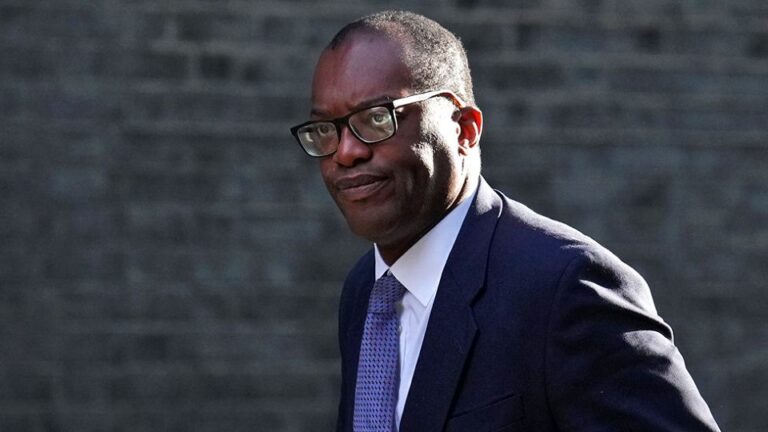
At the weekend, Mr Kwarteng said “there’s more to come” in terms of tax cuts after announcing a massive shake-up of taxes on Friday during a “mini-budget” to boost economic growth.
Under the plans, which he hailed a “new era” for the economy, income tax and the stamp duty on home purchases will be cut and planned rises in corporation taxes have been scrapped. He said the government will get rid of the top rate of income tax of 45% for people earning over £150,000 a year.
As well as outlining £45bn in tax cuts, the government confirmed it would spend £60bn for the first six months of its scheme to subsidise rising energy bills for households and businesses. But that cost is expected to rise as the scheme to support households will last for two years.
Shadow chancellor Rachel Reeves described the fall in sterling as “incredibly concerning”.
She added: “We need to hear from the chancellor his plans to get a grip on the public finances because that is what is giving real concern to market traders” and “working people”.
The Treasury refused to publish a forecast by independent watchdog the Office for Budget Responsibility on Friday on the UK’s economic outlook as well as future borrowing and debt.
BBC political editor Chris Mason said that while ministers were not saying anything publicly: “The impression I am left with is they want to ride this out. They hope it is short-term volatility. “
However, he said one Conservative MP told him: “This is very worrying. All the wheels could come off.”
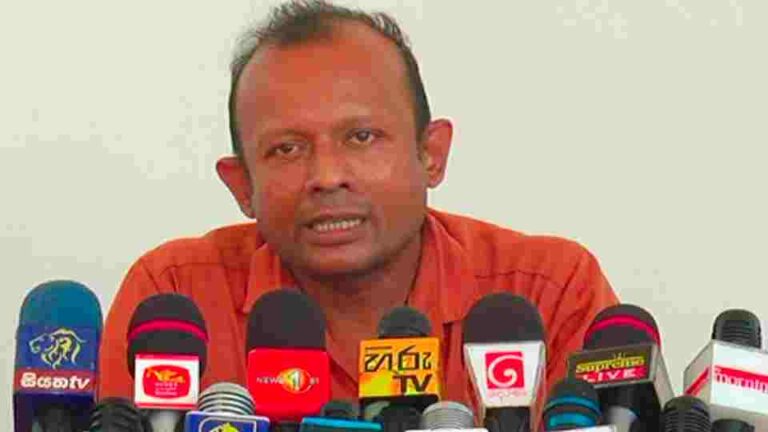
The people are struggling to secure their daily three meals and not to win new rights, and the instructions given by Defence Secretary Kamal Gunaratne and Senior Deputy Inspector General of Police (SDIG) Deshabandu Tennakoon leading to an unconstitutional assault on protesters will not be tolerated, said Education Secretary of the Frontline Socialist Party (FSP) Pubudu Jayagoda, calling in a briefing today (26).
Jayagoda made this observation referring to the state-sponsored assault on the march organised by the Socialist Youth Union (SYU) two days ago.
Assaulting protesters, decreeing on designating high-security zones via the State Secrets Act and enforcing the Emergency Regulations demonstrate the extent to which the government is afraid of the people, the FSP Education Secretary emphasised, pledging that legal actions will be taken against the officials who launched this unconstitutional assault on the instructions of the Defence Secretary and the SDIG in charge of the Western Province.
Jayagoda went on saying that the declaration of high-security zones in places comes out of fear whether the people will launch mass demonstrations throughout the entire country, adding that the people, nevertheless, have no option but to continue their struggle.
He urged the people to join the people’s struggle the ‘Aragalaya’ without being submissive to the government’s menial intimidation.
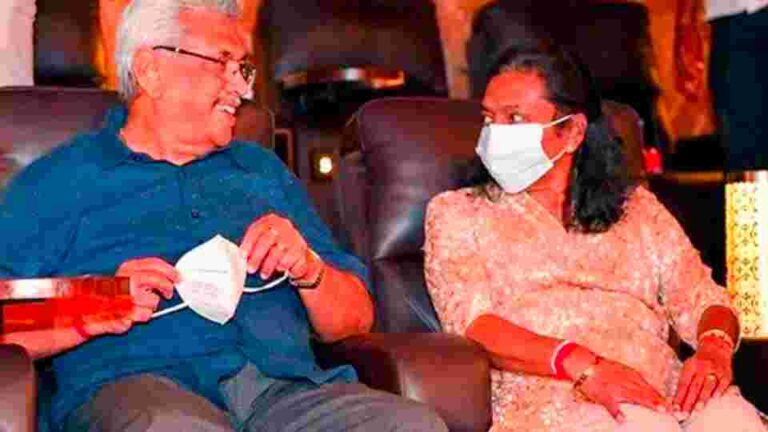
A person accused of threatening Ayoma Rajapaksa, wife of ex President Gotabaya Rajapaksa, over the phone has been arrested by the Criminal Investigation Department (CID). The accused is a resident of Salamulla, Kolonnawa.
The suspect is accused of threatening Mrs. Rajapaksa on 30 occasions demanding a ransom of Rs. 1 million. After a complaint lodged by the former President’s Private Secretary Sugeeshwara Bandara, the CID investigated into the accused and made an arrest.
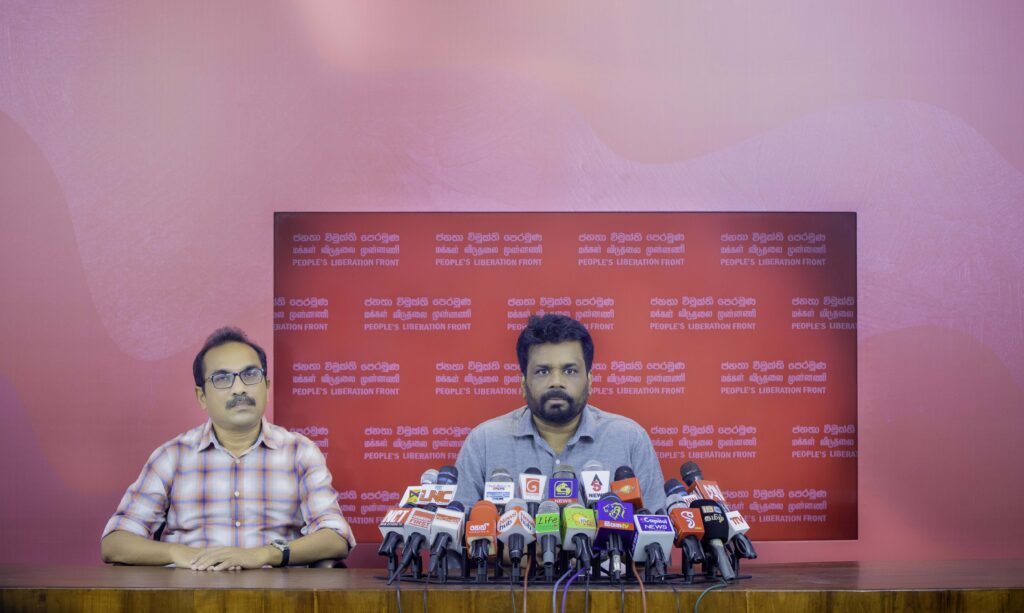
The people need not hold any doubt whether the Janatha Vimukthi Peramuna (JVP) is hurt when protesters are taken into custody, for the pain is only fair as the innocent is arrested and the corrupt is not, said Leader of the Janatha Vimukthi Peramuna (JVP) and the National People’s Power (NPP), MP Anura Kumara Dissanayake, responding to reporters’ queries at a press conference held at the Party Head Office yesterday (25).
As questioned whether the Party was hurt only when their members were arrested in journalists’ observance to the JVP Leader’s ‘swift and impulsive’ visit to the Police, Dissanayake emphasised that it was the JVP that took the first step out in the open when the Galleface protesters were brutally assaulted four months ago, adding that they, as a party, feel an equal pain over the suffering of the youth of Sri Lanka.
“We were the first to intervene when a mob attack was launched at Galleface. Remember, our feelings were impulsive and fast greater than this. When young people were arrested, we went to prisons. We held large protests against assaults on young people. We have an equal pain whenever a young person, men and women alike, is unjustly attacked, or wherever someone in this country is assaulted. We have an equal anger, it will be valid for you tomorrow too. If you are assaulted illegally and unjustly tomorrow, we will share that pain with you. We feel a part of your anger,” the JVP Leader said.
He also told the reporters that the people need not hold any doubt whether the JVP feels pain when their members are taken into custody, referring to the arrest of Eranga Gunasekara, the National Organiser of the Socialist Youth Union (SYU) who is also a member of the Party, for pain is only fair when the innocent is arrested and the corrupt is not.
“None of these people should be in remand custody for even a day. Murderers hold ministerial positions. Criminals hold ministerial positions. Prasanna Ranatunga, who was fined by the Court for four years, is a minister. None of these young people should stay behind bars for even an hour. They are not people who stole public property. There is anger and pain when people who really love this country and the people of this country are sent to jail, while the people who are supposed to be inside are holding ministerial positions in Parliament,” he added.
We in TCHR extend our heartfelt condolences on the passing of the late Queen Elizabeth II: to Prince Charles, now King Charles III, and to all the members of the royal family as they continue to mourn privately, and to so many around the world.
Loss and grief is experienced by each in their unique way. We express our deep solidarity.
Our late Queen was steadfast in her faith and sense of duty. We would like to highlight some of her concerns and activities that offer signs of hope in the international scene. The President of Barbados paid tribute to the late Queen’s strength of character and concern for humanity, and remarked warmly on her ability to manage the UK’s transition from empire, to a leading developed nation. The French-speaking Arcadian community in the US state of Louisiana quoted the lawyer and historian Warren Perrin who praised a Royal Proclamation issued in 2003 in the Queen’s name. It recognised the trials and sufferings of the Arcadian people and expressed hope that they could turn the page on what was called a dark chapter of history.
We write with hope and confidence in our hearts and minds that such serving of humanity will continue through the reign of her son, effecting positive changes where changes need to be. We wish King Charles III courage and strength as he serves the UK population and the peoples of the Commonwealth in new endeavours, including addressing situations of injustice, with wisdom and a true vision of peace, harmony and prosperity for all.
Looking back many years, civil society and ordinary people were warmly invited to make their opinions known during the CHOGM – Commonwealth Heads of Government Meeting held in Edinburgh in 1997. The conference was not intended to be solely for governments.
Tamil people in the United Kingdom responded to the invitation to be involved and organised several briefings and other side-events. They chartered a special train taking 600 people from London to Edinburgh: families with children, women and men, young and old. During the conference a public meeting presented the facts of the horrendous human rights situation for the Tamils in the North and East of the island of Sri Lanka. Young people contributed a magnificent model of the Tamil homeland. Cultural events delighted the international audiences, with traditional Tamil dance and song. In another event the Scottish flag and the Tamil flag were both raised together. Scottish and Tamil people swapped and shared hand-held flags, in solidarity.
Fast-forward to the CHOGM in Colombo in 2013. Canada had become acutely aware of the genocide of the Tamils in the island of Sri Lanka. The Canadian Prime Minister boycotted the event. The then British Prime Minister of Her Majesty’s government, David Cameron attended but visited the North to meet with the Tamils and Families of the Disappeared. He was appalled by what he witnessed and said he was committed to ensure action was taken to remedy the situation.
The 51st session of the UN Human Rights Council is underway in Geneva. Yet again, as we have done for three decades, the Tamil Centre for Human Rights urges the international community to take decisive and urgent action on the situation in Sri Lanka and to take up the recommendations in the recent report of the UN High Commissioner for Human Rights (A/HRC/51/5). How long will the international community continue to be silent, waking up only when there is a flare-up and Sri Lanka is in the world news for a few weeks or days? We trust that positive change is possible and humanity will prevail.
May Queen Elizabeth II rest in peace and may her life of service and steadfastness as a world leader never be forgotten.