Central Bank Executive Officers’ Union yesterday expressed its fullest support to the people’s movement held on 9 July against the futile regime, which should be directly responsible for destroying the Sri Lankan economy, and as promised, emphasise that the failed President and Prime Minister must bow down to the people’s verdict and vacate their offices.
Today, we as a country are experiencing the adverse consequences of mismanagement of the economy mainly based on narrow political agendas, aside from the professional and technical advice of Central Bank officials.
Due to lack of progressive political vision, weak political leadership and political instability, Sri Lanka has found it difficult to get any kind of financial support from the international community and as a result, the present and future of the entire country is faced with tragic consequences.
Even under such a situation, we believe that the Central Bank of Sri Lanka has taken all possible efforts that are within its scope to prevent the economy from collapsing and will take the necessary policy measures in accordance with the future developments in the economy.
Nevertheless, it must be emphasised that the Central Bank of Sri Lanka alone cannot get the country out of this economic crisis.
In particular, the Central Bank of Sri Lanka cannot find sustainable solutions to the existing economic crisis through monetary policy in isolation, and for that the Government must make necessary structural changes in the fiscal policy and especially when the economy is in the verge of a severe collapse, all relevant economic policies should be implemented with a strong coordination between the monetary and fiscal policy.
Several rounds of technical discussions have been held with the International Monetary Fund (IMF) thus far, and a staff-level agreement is close to being reached.
Also, necessary activities are underway for debt restructuring, which is a prerequisite for an Extended Fund Facility that to be obtained from the IMF.
Therefore, Central Bankers said they strongly believe that any party that comes to power in the future will not hinder this process of reaching an agreement with the IMF, which is the primary way to save the economy from this calamity.
Furthermore, the IMF has already emphasised that in order to continue the program, political stability must be established in the country very soon.
Therefore, they request all the political parties representing the Parliament to act promptly within the existing constitutional provisions and ensure that there is no anarchy in the country.
Aside from prioritising their party or personal political agendas, they should work in due urgence to create the political and social stability that must prevail in the country.
We believe that the President and the Prime Minister, who have expressed their agreement to relinquish power, will not undermine the aforementioned constitutional procedure in any way and the Central Bank Executive Officers’ Union will closely monitor the developments and respond accordingly.
Central Bankers support the public struggle suggesting economic revival
President’s resignation likely to be dragged in until security is guaranteed
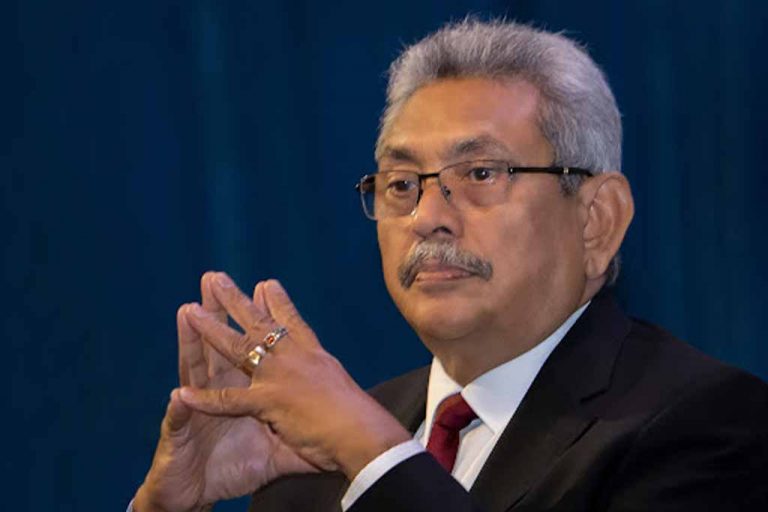
President Gotabaya Rajapaksa’s resignation may have the tendency to be dragged in further until his security is guaranteed, political sources disclosed.
Rajapaksa is believed to have made this decision in the event that he is convinced that he and his family members cannot leave the country from a local airport nor stay in a military camp upon any move to resign from his post amidst growing public objections leading to a potential security risk.
However, Prime Minister Ranil Wickremesinghe has intervened to solve the matter soon, according to sources.
MIAP
AG clarifies the procedure of appointing new president if the post falls vacant
The Attorney General of Sri Lanka has informed the future necessary action that should be taken in the event of the Presidency becomes vacant prior to the expiration of his term of office replying to query made by the secretary to the Prime Minister relating to this matter, PMs office announced.
In his reply he stated that according to section 40 of the Sri Lanka constitution ,if the office of President becomes vacant prior to the expiration of his term of office, Parliament shall elect the President from one of its members.
The successor will hold office for the rest of the period of the term of the office of the resigning President.
The process electing a new president must be initiated within a month of the President’s resignation.
Parliament should meet within three days of the President’s resignation. At such a meeting, the Secretary-General of Parliament is required to inform the Parliament about the President’s resignation.
If more than one person is nominated for the post, a secret ballot should be taken, and the new president should be elected by an absolute majority of votes cast.
According to the constitution , the Prime Minister should be the Acting President as the next in line to be President for less than a month until the Parliament elects a new President.
According to AGs reply to PMs secretary’s query , the Prime Minister shall appoint one of the other ministers of the Cabinet to act in the office of Prime Minister, if needed.
Court receives motion seeking order to bar Rajapaksas from leaving SL
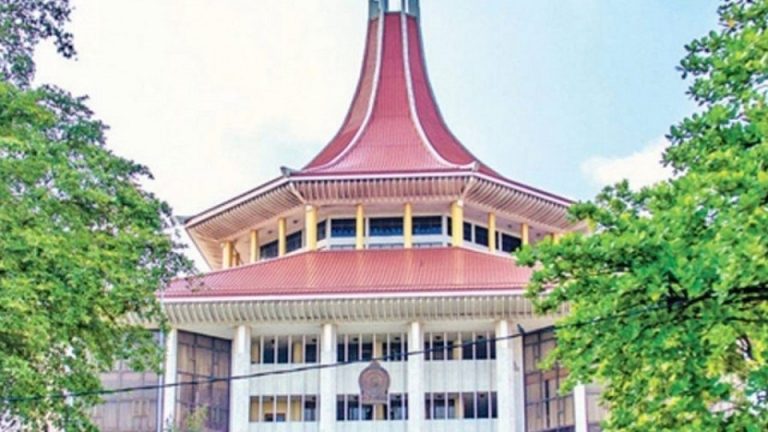
A petition has been filed with the Supreme Court demanding that a formal probe be made into all those responsible for the current economic crisis in the country and an order be issued for appropriate penalisation.
Four persons including Chandra Jayaratne, a former Chairman of the Ceylon Chamber of Commerce have filed the petition.
The petitioners point out that the current crisis was caused by the short-sighted economic policies and mismanagement of the Rajapaksa regime and demand the Supreme Court to take immediate action against those held accountable.
Former Prime Minister Mahinda Rajapaksa, former Finance Minister Basil Rajapaksa, former governors of the Central Bank of Sri Lanka (CBSL) W.D. Lakshman and Ajith Nivard Cabraal and several members of the Monetary Board of the CBSL have been cited as respondents to the case.
The petitioners also filed a motion demanding that an order be made barring the accused from leaving the country.
The Supreme Court decided that the petition be taken up on July 27.
MIAP
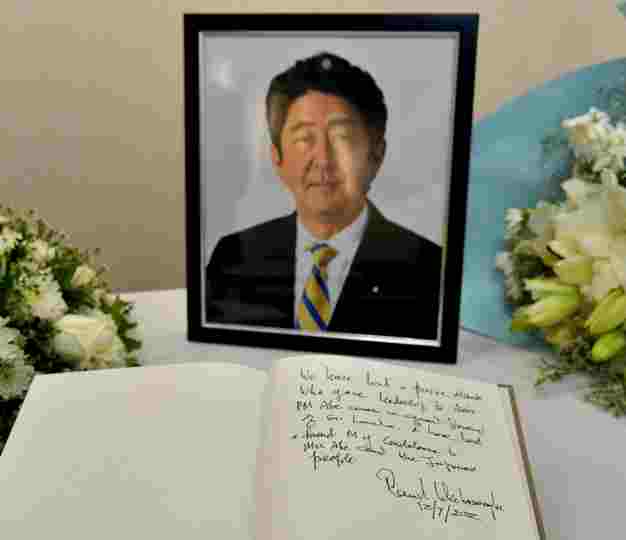
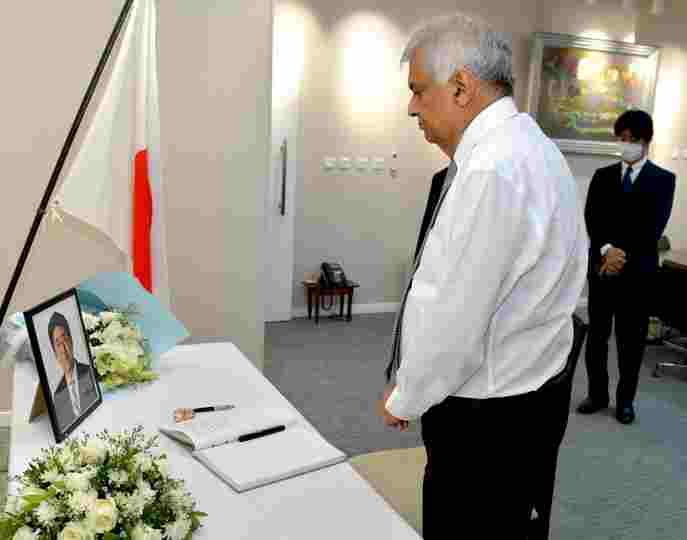
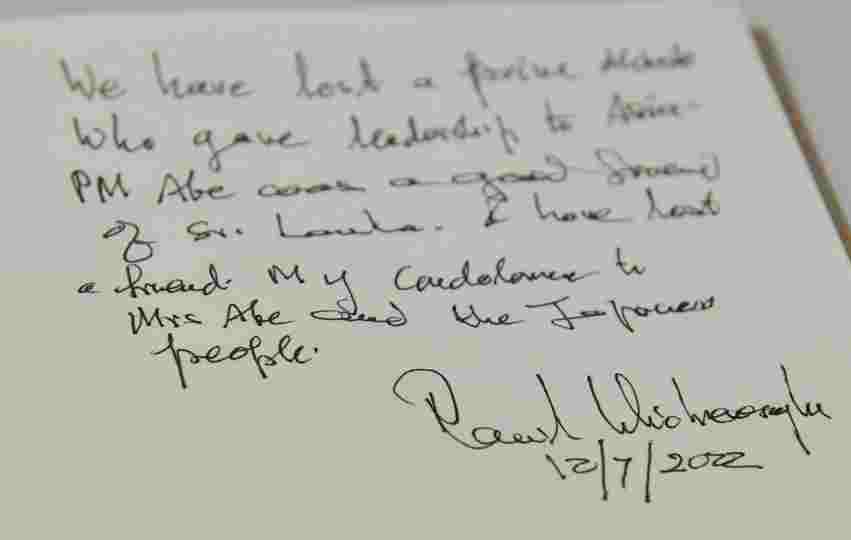
PM Wickremesinghe signs condolences book for former Japanese PM Abe
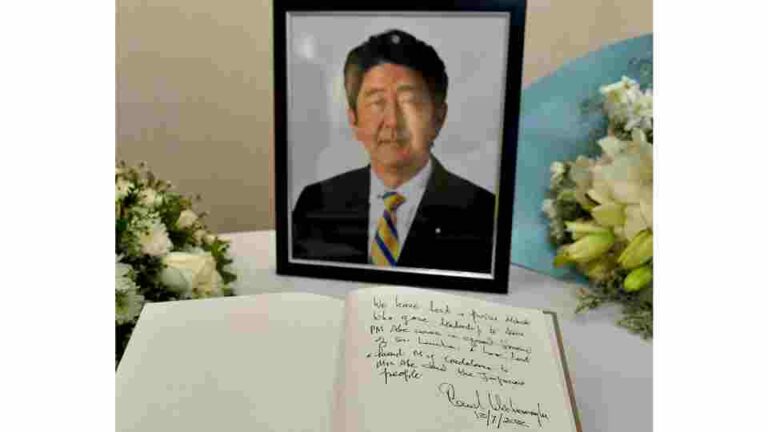
Prime Minister Ranil Wickremesinghe, today (12), signed the condolence book for former Prime Minister of Japan Shinzo Abe at the Japanese Embassy.
Opposition Leader speaks to BBC, says he intends to run for President once Rajapaksa steps down
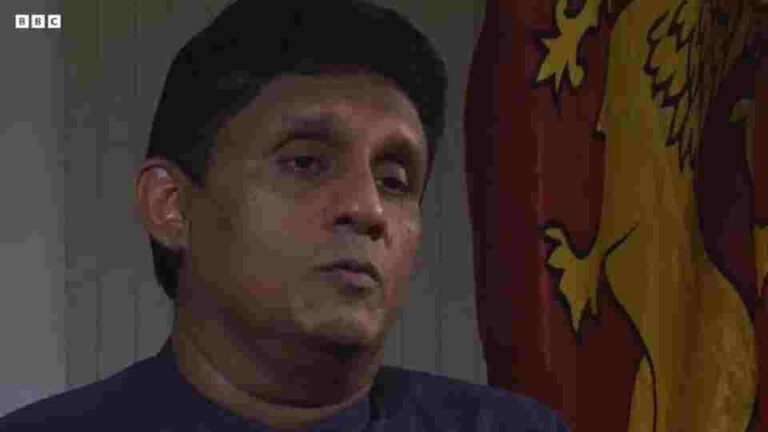
Sri Lanka: Opposition leader ready to run for presidency
Sri Lanka’s main opposition leader Sajith Premadasa has told the BBC he intends to run for president, once Gotabaya Rajapaksa steps down.
This comes after his Samagi Jana Balawegaya (SJB) party held talks with allies to get support for the move.
Sri Lanka is facing an unprecedented economic crisis which has brought thousands to the streets since March.
The country has run out of cash and is struggling to import basic items like food, fuel and medicine.
President Rajapaksa announced that he plans to resign this week, and the Speaker of parliament has said lawmakers will choose the next president on 20 July.
Mr Premadasa told the BBC that his party and allies agreed he should be “putting my nomination for the position of presidency, if a vacancy occurs”.
He lost the presidential election in 2019, and would need the support of the governing alliance MPs to win.
He is banking on getting it due to the popular discontent against Mr Rajapaksa and his family, who have dominated Sri Lankan politics for more than two decades.
The country’s inflation rate reached a whopping 55% in June, and millions of people are struggling to make a living.
Mr Premadasa said he was ready to take part in an all-party interim government.
The SJB leader has been criticised for refusing to take the post of prime minister when it was offered to him in April. His rival Ranil Wickremesinghe was appointed – but has also indicated he would resign to make way for a unity government.
Mr Premadasa described the current situation in Sri Lanka as “confused, uncertainty and total anarchy”, saying it needs “consensus, consultation, compromise and coming togetherness”.
The country’s usable reserves have dropped to around $250m (£210m), according to local media reports.
The crippling shortage of fuel has devastated public transport. There are rolling power cuts as power plants lack enough fuel to function. Schools are closed this week as well due to the fuel crisis. Many people are trying to leave the country.
Mr Premadasa has conceded that there are no quick fixes.
To return the economy to 2019 levels would take approximately four to five years, he said, adding that his party had an economic plan to overcome the crisis.
“We are not going to hoodwink the people. We are going to be frank and present a plan to get rid of Sri Lanka’s economic ills,” Mr Premadasa said.
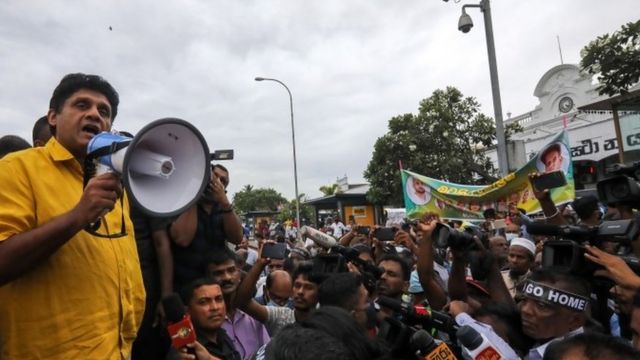
But the protesters at the Galle Face site in Colombo say that all 225 members of parliament are responsible for the current situation, and they want a new beginning with fresh and energetic people in politics.
BBC
Discussion between party leaders and protest leaders dragged in
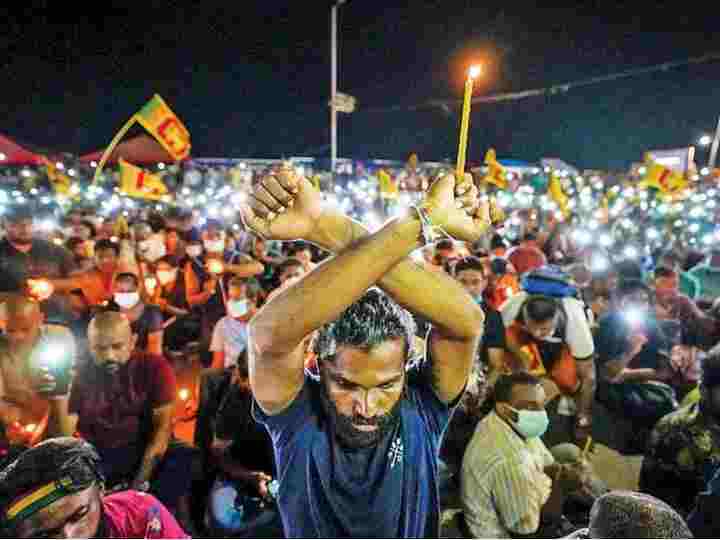
The special discussion set to be held between leaders of the ‘non-partisan’ struggle and the political party leaders in Parliament at 2.30 pm today (12) has been postponed due to non-disclosed reasons, reports said.
The party leaders who attended the meeting convened by the Committee on Parliamentary Affairs yesterday agreed to meet the leaders of the struggle.
Meanwhile, a meeting of the Committee on Parliamentary Affairs scheduled to be held today has also been dragged in.
The leaders of the struggle held a discussion with Speaker Mahinda Yapa Abeywardena today and 25 leaders of the struggle joined the event.
MIAP
Six Rajapaksa family members to leave SL through Mattala?
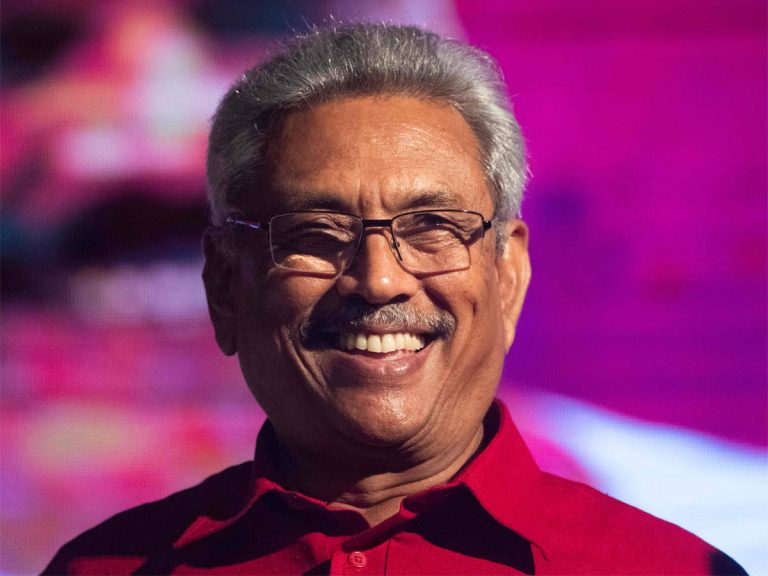
Six members of the Rajapaksa family incuding President Gotabhaya Rajapaksa and former Finance Minister Basil Rajapaksa have arrived at the Mattala Airport to leave Sri Lanka, sources claimed.
These Rajapaksa family members have arrived at the Mattala Airport in two Bell helicopters and are prepared to leave the island in a private jet.
Early reports claimed that Basil Rajapaksa could not leave the island through the Katunayake Bandaranaike International Airport.
MIAP
Properties stolen at Temple Trees, PM’s Media Unit lodges complaint
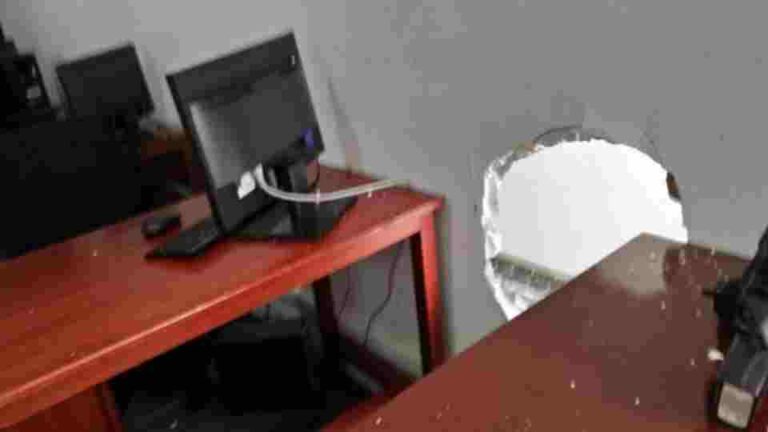
Some of the properties at Temple Trees were stolen after it fell into the hands of the protesters, the Prime Minister’s Media Unit alleged. In a complaint lodged with the Kollupitiya Police station, the PM’s Media Unit alleged that two laptop computers, a video camera and several other camera equipment are missing.
Following the historic taking over of Temple Trees three days ago, its daily operations came to a standstill, but a part of the Prime Minister’s Media Unit is still functioning.
Meanwhile, certain damages were caused to walls of some buildings like holes dug in between and a large number of documents were destroyed, the Unit added.
MIAP
Willy Gamage tenders resignation to post as Governor of Southern Province
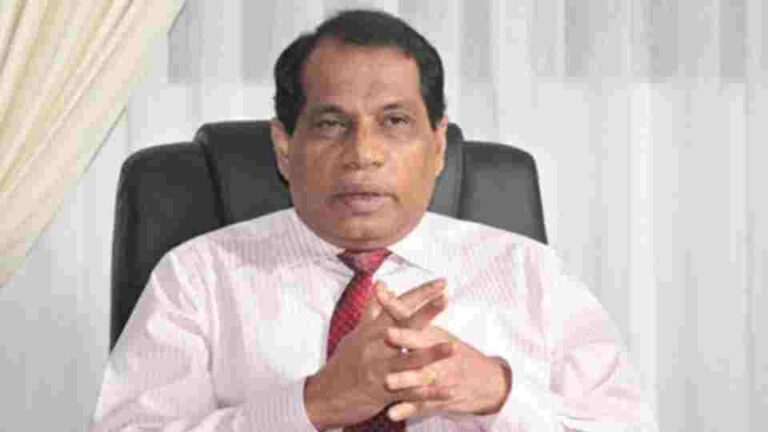
Willy Gamage has reportedly tendered resignation to his post as the Governor of the Southern Province.
His letter of resignation has been submitted.
MIAP