The UN has issued a policy memorandum with key measures to support macro-economic stabilisation and debt sustainability, to support the new administration headed by Prime Minister Ranil Wickremasinghe.
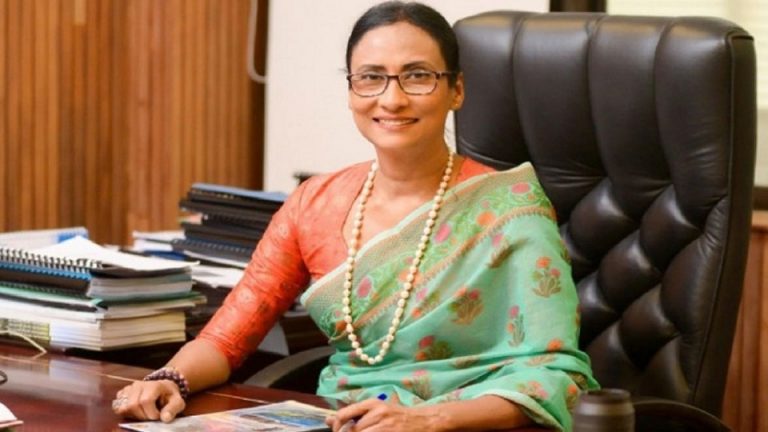
The UN Resident Coordinator. Hanaa Singer-Hamdy has assured the fullest support of the UN to the Sri Lankan government in securing international assistance in addressing the shortages of essential supplies and also the concerns relating to issues such as unemployment and malnutrition.
She stated that the UN would make a multi-sectoral appeal in this regard. She thanked the foreign minister for regular engagements and briefings and assured that the UN would continue its cooperation with the government of Sri Lanka.
The severe economic crisis in Sri Lanka shows no signs of ending any time soon, with the country’s newly installed Prime Minister, Ranil Wickremesinghe, warning of more difficult days ahead.
Hanaa Singer-Hamdy, the most senior UN official in Sri Lanka, noted that, amid violent protests and the imposition of a state of emergency, any solution must involve a robust democracy and respect for human rights
The UN has focused its intervention on four critical areas: health, food security, social protection, and economic policy advice.
On health, the UN is supporting the ministry of health to closely monitor the available medical supply, and in coordinating the procurement of urgently needed medicine and medical supplies from development partners, including donations to bridge the immediate gaps: because of a lack of foreign currency, the country cannot purchase medicine.
On food security, they are helping farmers to adopt good agricultural practices, and providing cash transfers, whilst, with regards to social protection, we are advising the government to prioritise certain measures, and how to make the best of the system that is already in place.
The fourth theme is macro-economic policy advice. The UN has provided a policy memo with key measures to support macro-economic stabilisation and debt sustainability, to support the government in its discussions with the IMF, and other international financial institutions.
Since the start of the crisis, the UN has tracked over 1000 protests. Initially these were peaceful, driven by citizen participation, and characterized by calls for a change of the government:
Tthey were joined by political parties, trade unions, student unions, clergy and other interest groups as the shortage of gas and fuel became more prominent, we started witnessing violent clashes. Some 60 houses were torched, around eight people killed, and several more injured, the memo pointedout. .
The UN High Commissioner for Human Rights has called on the authorities to independently, thoroughly, and transparently investigate all the attacks that have occurred especially on the peaceful protesters.
There needs to be a meaningful and inclusive dialogue with all parts of societies, to address the socio-economic challenges faced by the people. Political stability is critical to create an environment for the negotiations with the International Monetary Fund (IMF), which can then set up the way forward for economic recovery.
Minister of Foreign Affairs Prof. G. L. Peiris met the UN Resident Coordinator in Colombo, Hanaa Singer-Hamdy yesterday (May 23) to discuss multiple impacts arising out of the current economic situation in the country such as the supply of essential items, concerns regarding food security and livelihood matters.
During the meeting, the minister underscored that the government has anticipated the difficulties that may arise in the times ahead and is taking precautionary measures to mitigate the impact.
He also explained the steps taken by the government to ensure political and economic stability in the country, including the ongoing negotiations with the IMF and the World Bank.
The lawmaker stated that a central mechanism with the participation of key government agencies as well as the UN and donor countries is under consideration in order to address the urgent needs of the people, with particular focus on the most vulnerable sectors of the society.
He also went on to explain the measures taken by the government to address the shortage of essential supplies as well as issues encountered by the agricultural sector in consultation with bilateral partners.
The Central Bank has selected renowned financial and legal advisers Lazard and Clifford Chance to negotiate with multiple creditors of Sri Lanka as it prepares for the difficult task of renegotiating its debts,
Cabinet of Ministers has given its approval to hire this firm by saying massive fee of US$ 5 -6 million at a time of severe dollar crisis as the country needs to restructure its massive debt of $ 6.9 billion this year and it he paid $ 500 million in January 2022
Sri Lanka’s 2022 debt service payments are 6,919 million dollars of which 2.72 billion US dollars are owed to domestic holders close to 40 percent of total payments.
has to pay 6,919 million US dollars in interest and capital payments of foreign currency debt in 2022 out of which 4,197 million was due to foreign holders.
About 2,722 million dollars are owed to domestic holders including in Sri Lanka Development Bonds, foreign currency banking unit borrowings and domestic holdings of international sovereign bonds.
Cabraal said a 500 million US dollar bond was repaid in January 18 and was also planning to repay a billion US dollar bond falling due in July 2022. In the January bond, 170 million was due to domestic holders. Bilateral and multilateral debt service was about 2.3 billion US dollars.
Sri Lanka has hired heavyweight financial and legal advisers Lazard and Clifford Chance as it prepares for the difficult task of renegotiating its debts, informed sources said. .
The move is the latest development in Sri Lanka’s worst economic crisis since independence from Britain in 1948 and comes after the country was officially declared in default for the first time ever last week after it halted debt payments.
Experts and economists have been waiting for the appointment as the country looks to restructure over $12 billion of overseas debt that had been building up for years but become unsustainable when COVID-19 hammered the economy.
A mix of loans from China, India and Japan, as well as all the bonds held by private investment funds, means long-resisted but now embraced talks with the International Monetary Fund (IMF) could be complex, especially if social unrest worsens, official sources said.
Other factors have included heavily subsidized domestic prices of fuel and a decision to ban the import of chemical fertilizers, which devastated the agriculture sector,they added..
A group of Sri Lanka’s largest sovereign dollar bondholders has hired Rothschild as its financial adviser and another legal firm, White & Case, as its legal adviser.
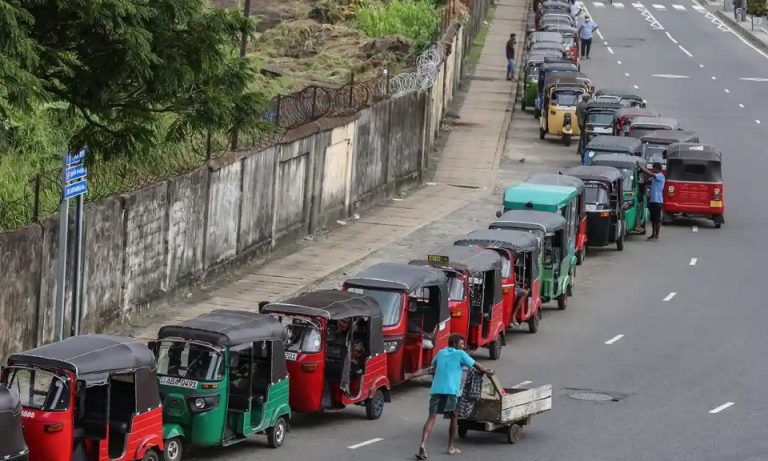
As country’s situation worsens, supplies have dried up – leaving drivers queuing overnight and unable to make vital journeys
It was, said the doctor, an avoidable delay that would haunt these parents for ever. When their two-year-old daughter first refused to eat, then began to go yellow with the signs of jaundice and then fell into a seizure, Kanchana and her husband, living in the Sri Lankan region of Haldummulla, knew she needed urgent medical care.
But they faced a terrible obstacle. Sri Lanka is in the grip of the worst economic crisis in its history, declaring bankruptcy and with no foreign reserves left to pay for imports. As a result, the country has been unable to afford necessary fuel and in recent weeks, supplies have all but dried up. As the girl’s father searched for hours on Sunday for fuel for his tuk-tuk to drive her to hospital, he was faced with one empty petrol station after another.
Eventually, when they arrived at a local hospital just a few kilometres away, their two-year-old was in such a critical condition she had to be transferred to an emergency treatment unit at the larger Diyatalawa hospital. But it was too late; she was already dead on arrival.
Shanaka Roshan Pathirana, the judicial medical officer of the Diyatalawa hospital who conducted the postmortem, confirmed that the length of time in getting the infant to hospital had led directly to her death.
“The depressing memory for the parents that they could not save their baby just because they could not find a litre of petrol will haunt them for ever,” Pathirana said in a social media post, which accused the government of failing to protect the lives of vulnerable people.
Pathirana spoke directly to the Guardian to confirm the details of the incident but said he was not authorised to speak to the media beyond his social media post. Kanchana, the baby’s mother, said she was too distraught at her daughter’s death to say anything more.
It was a haunting reminder that as Sri Lanka’s economic crisis drags on without respite, the human cost continues to mount. The newly appointed prime minister, Ranil Wickremesinghe, warned last week: “the worst is still to come”, with medicine shortages worsening daily and food shortages predicted to be on the horizon. Already, many in the country can barely afford one meal a day as food inflation has soared to a record 45% and the country’s currency has become the worst-performing in the world.
Sri Lanka’s economic crisis has also precipitated a political crisis that continues to destabilise the country. President Gotabaya Rajapaksa, who is accused of catastrophic economic policies and mismanagement that drove the country to bankruptcy, has continued to refuse to bow to mass protests and resign. While a new prime minister was appointed this month, the government is seen by many as weak and without the backing of the people.Advertisement
Nowhere are the woes of Sri Lanka more visible than the queues that continue to form outside petrol stations, often more than two miles long, long into the night as the island grapples with rampant fuel shortages and prices that have risen 137% over the past six months. For the drivers and tuk-tuk owners, petrol is their livelihood; without it they cannot survive. To worsen matters, on Tuesday the government announced an unprecedented fuel hike of 20-24% on petrol and 35-38% for diesel.
“No matter how much you work, it’s now never enough to cover the costs of the petrol,” said Ruwal Ranasinghe, 40, a tuk-tuk driver from Pethiyagoda.
As darkness fell over Colombo on Monday night, D M Sameera, 39, a driver from Kesbawa, about 15 miles away, settled in for what would be his 33rd hour waiting in a queue for petrol outside a station in the city’s Havelock town area.
His desperation was palpable. The previous morning he had driven to two different petrol stations and waited for hours, each time getting to the front of the queue just after petrol ran out. Eventually, he had parked outside this station on Sunday afternoon, kept there for more than 24 hours by the promise that petrol was definitely on the way imminently and the fact there was nothing left in his tank. But by 11pm on Monday, none had come and he was facing another night sleeping in his car as he waited for a tanker to arrive.
“I have to be away from my family for days now because during the day I work and at night I wait for petrol,” said Sameera. “Often I don’t have enough fuel to drive back home. This has made me feel fed up with my life and not wanting to go on. I am so angry and filled with hatred at the government for doing this to us.”
For the city’s tuk-tuk drivers, life has become what one described as “a living hell”, with every moment they are not working spent waiting in line for petrol, often until 3am or 4am, or sleeping overnight in line if they have “bad luck”. Their incomes have more than halved as a result, while petrol prices have skyrocketed.
“I don’t see my family any more: if I am not working I am just in my tuk-tuk waiting for petrol for up to eight hours a night,” said Mohammad Kamil, 38, as he sat outside a petrol station at 10pm. “I have lost so much sleep. It’s very sad, I cry alone in my tuk-tuk sometimes when I am waiting for petrol because it’s so desperate.”
As supplies of fuel have recently trickled in, donated by India and other neighbouring countries, a system has emerged to help people find petrol – including Facebook and WhatsApp groups dedicated to announcing where the latest fuel arrival has been dispatched.
In an attempt to maintain their family life, some tuk-tuk drivers resorted to desperate measures during their night-time fuel searches. In the back of Chanukah Pradeep’s tuk-tuk, which had sat in a petrol queue in Gamthaha district for hours, his two-year-old daughter lay curled up asleep next to his wife.
“I brought them with me here, because otherwise I don’t get to spend any time with my family,” said Pradeep, who works two jobs. “When I get back from the petrol queue they are both asleep, so at least this way I can be with them for a little bit of time.”
He looked mournfully at his daughter asleep in the tuk-tuk back seat, shifting restlessly as the huge diesel trucks honked their horns impatiently nearby and car fumes filled the air.
“I am so sad and full of regret that this is her life and that I am losing all this precious time with her for what? Just for petrol,” said Pradeep. “I will never get that time back.”
Statement issued by the Media Secretary of Former CBSL Governor Mr. Ajith Nivard Cabraal on 23rd May 2022 re. the Private Plaint filed in the Magistrate’s Court by Mr. Keerthi Tennekoon.
The Private Plaint filed by Mr. Keerthi Tennekoon (complainant) against Mr. Ajith Nivard Cabraal (respondent) was scheduled to be taken up on 2nd May 2022 before the Honourable Magistrate Mr. Harshana Kekunuwela at the Colombo Magistrate’s Court No. 4. However, that day was declared a public holiday by the Government, and hence certain cases, including the private plaint under reference fixed for that day were postponed by the Court authorities to 25th July 2022.
A few days later, the complainant and his Counsel had sought to advance the hearing in this particular case, and, based on an ex-parte application, it had been reported that the Court had granted an earlier date of 23rd May 2022 for the case to be called. In that regard, the respondent had to be notified to be present in Court on that date by way of an official Court summons. However, as at 22nd May 2022, such summons had not been served on the respondent personally ordering him to be present in Court. Nevertheless, upon learning that this matter may be taken up at the Honourable Magistrate’s Court on 23rd May 2022, even though summons had not been served on the respondent, out of an abundance of caution, Mr. Cabraal’s lawyers Mr. Shavendra Fernando, PC and Mr Jeevantha Jayatilake, Senior Counsel, were present in Court and explained to Court the serious circumstances in the country that had resulted in the respondent having to be away from his residence. They also assured Court that the respondent would be present in Court on the scheduled date of 25th July 2022, as previously fixed by the Court authorities.
On that day, the respondent’s lawyers would comprehensively refute the complainant’s allegations, and make it clear that such allegations levelled by the complainant are false &/or misfounded &/or politically-motivated &/or malicious.
In this context, with regard to the complainant’s allegations, it is noted that the same complainant (Mr. Keerthi Tennekoon) had previously filed a Petition in the Court of Appeal on 14th September 2021 based on certain alleged “findings” in a “Forensic Audit Report” dated 8th November 2019 carried out by an Indian company, “BDO India LLP”, pertaining to the issuance of Treasury Bonds and the conduct of Primary Dealers from 2010 to 2017. In that case too, Mr. Ajith Nivard Cabraal was named as a respondent. That Petition had been since dismissed by the Court of Appeal on 3rd November 2021. This vital information has however been suppressed from the Magistrate’s Court by the complainant, and it is very likely that, if the complainant had properly disclosed the Court of Appeal Order to the Honourable Magistrate, this allegation in the private plaint would not have even been entertained.
It is also noted that another allegation of Mr. Tennakoon pertains to a payment of USD 6.5 million made by the Government of Sri Lanka (GOSL) in respect of a Communication Programme of the GOSL with a US National, Mr. Imaad Zuberi. In that context, as the banker to the government, the payments made by the CBSL on behalf of the GOSL have been made on the official written instructions of the appropriate government authority, and the respective payment protocols and procedures had been followed by the CBSL when making these payments. Therefore, there has been no procedural or other violation in making these payments on behalf of the GOSL, and accordingly, this allegation of the complainant is also not sustainable.
Mr. Tennakoon’s next allegation refers to the settlement of the GOSL’s USD 500m International Sovereign Bond (ISB) that matured on 18th January 2022, where it has been claimed that such settlement was done by the respondent notwithstanding the advice of various experts, in order to enable certain unspecified investors to make undue profits. In this context, it must be clearly understood that settling or not settling the country’s sovereign debt is not a matter where a single individual can arbitrarily decide. It is of course possible that self-proclaimed experts (who bear no responsibility for their unsolicited advice) could advocate the non-payment of Sri Lanka’s foreign loans, including a maturing ISB. However, such unofficial requests cannot be acted upon by responsible government officials without a formal direction or order from the Government (the Borrower) and perhaps even the approval of Parliament since funds for “debt servicing” had already been appropriated by Parliament when it approved the Budget 2022. Further, at the time in question, the official Government policy was to pay its sovereign debt diligently, which policy, the Ministry of Finance and the CBSL had followed faithfully since Sri Lanka gained independence in 1948. Needless to say, such policy could not have been unilaterally abrogated by the Governor of the CBSL on 18th January 2022 as claimed by the complainant, and therefore this allegation too, is baseless and misfounded.
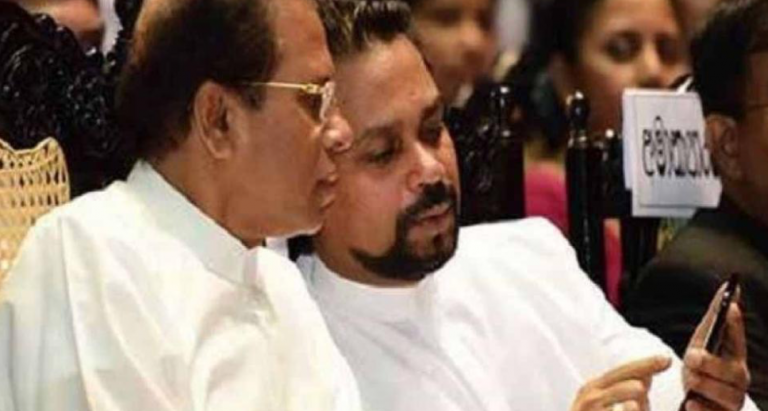
Wimal Weerawansa, Udaya Gammanpila, who is now an independent member of parliament and a former government member, called on the President to appoint a special Presidential Commission with appropriate powers to investigate all acts of violence that have taken place since May 09 – says the ‘Forum of Independent Parliamentarians’.
Following is the letter they sent to President Gotabhaya Rajapaksa in this regard.
Maumita Sarkar flew from India to Sri Lanka in mid-April. It was Sinhala New Year when she arrived, which is traditionally a time of renewal and celebration: People clean their homes, carry out rituals, and set off firecrackers. But by April this year, Sri Lankans were taking to the streets to protest soaring prices, food and gas shortages, and a life they could no longer afford to keep living.
Against the backdrop of growing discontent in the country, Sarkar considered her travel options. The blogger spoke to the Sri Lankan embassy, a friend who had recently returned from the country, and a handful of local travel agents. They all assured her that things were, as she put, “absolutely fine.”
She decided to go forward with her trip.
“As soon as I landed there, the airport had so many foreigners, it seemed all normal,” Sarkar told Insider.
“While the media kept showing all the protests, I saw nothing except a handful of people in Colombo,” Sarkar said of her impressions of the Sri Lankan capital. “The whole place was very calm.”
She spent the next 10 days traveling around the country, taking trains across Sri Lanka’s lush landscapes, catching sunsets in the beach town of Mirissa, and Instagramming her way through mangrove wetlands and sacred temples.
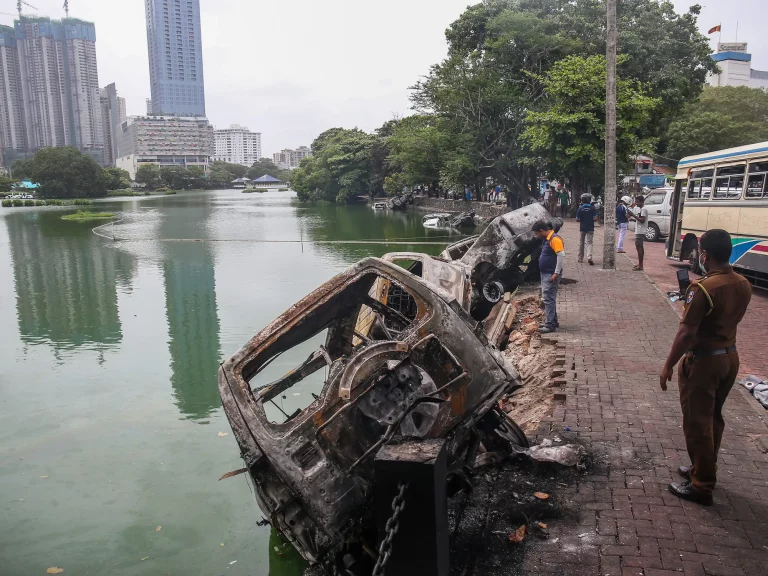
Even as the country buckles under the weight of its worst economic crisis on record, tourists continue to flock to Sri Lanka. While photos from the capital show the burned-out shells of cars and buses toppled over into lakes, international visitors continue to fly in, hoping to take advantage of a cheap tourism market still in post-pandemic recovery mode.
In April, the Sri Lankan rupee hit a record low; food, medicine, and gas are in short supply; and the country is seeing rolling blackouts. On May 10, the government ordered troops to shoot anyone on sight if they were seen destroying property.
In recent years, Sri Lanka’s relationship with tourism has been one of turbulent symbiosis.
The island nation off the southeastern tip of India is home to 22 million people. With its white-sand beaches, temple ruins, and tea plantations, it draws in tourists searching for adventure, spirituality, and off-the-beaten path itineraries.
The country’s tourism scene had been on a steady, decade-long upward trend that culminated in 2.5 million internationals arrivals in 2018, data from the World Bank shows. In 2019, before the pandemic, travel and tourism accounted for 12% of Sri Lanka’s GDP.
But on Easter Sunday in April 2019, coordinated attacks carried out by suicide bombers across the country killed more than 250 people. In the immediate aftermath of the attacks, international arrivals to the country dropped by as much as 70%. Arrivals in 2019 fell to 2 million and plummeted to barely more than half a million in 2020 as the pandemic gripped the world, per the World Bank.
Sanjaya Sri Chandra Kumara is a Sri Lankan who, first as a tuk-tuk driver and now as a tour operator, has had a front seat to the country’s many tourism swings.
“When I started in 2017, tourism was a good job, it was my only income,” he told Insider. “The money was good everywhere in Sri Lanka. We had a good life.”
“In 2019 after the terror attack, tourism was torn down again, but all over the world people wanted to help Sri Lanka, so people wanted to visit,” Kumara added.
The country’s dependent relationship with tourism, as evidenced by authorities’ interaction with travelers, is still on display in the current crisis.
“There is a police presence and road blocks occasionally. We have been stopped once,” Clair Louise Todd, a Brit currently on a monthlong trip across Sri Lanka, told Insider. “The police were very friendly, even happy to have a photo taken.”
Now, as many countries across the globe reopen their borders and reap the financial benefits of welcoming back tourists, Sri Lanka is facing a fresh crisis. With its foreign reserves at a record low, the country is on the brink of bankruptcy, and the economic crisis has become a political crisis. The country’s leadership has declared a state of emergency twice since the beginning of April. Sri Lanka is also facing a food crisis, with imports down and domestically grown food on a decline thanks to a fertilizer ban.
People have taken to the streets by the thousands in protest. As protests deepened and the death toll rose to five with another 190 people injured, Prime Minister Mahinda Rajapaksa resigned from his post on May 9. On May 14, Ranil Wickremesinghe, the newly elected prime minister, told the BBC he would ensure families get three meals a day — but also said the crisis was going to get worse before it got better. Three days later, he said the country was down to its last day of gasoline.
“This has been building for years and years,” said Gary Bowerman, a travel analyst who runs a weekly podcast called the South East Asia Travel Show. “It’s the perfect storm after COVID-19. Sri Lanka hasn’t had any foreign exchange reserves for three or four years. The year before COVID there were the bombings, which really hit tourism hard, and tourism is such a vital source of foreign exchange in Sri Lanka.”
Bowerman stressed that government mismanagement is at the root of the problem: “It’s been debt mismanagement for decades.”
‘I was just there, didn’t even notice’
But you probably wouldn’t glean the severity of the situation from looking at the Facebook groups where travelers swap tips.
One of these, called “Sri Lanka Travel and Tourism,” has 47,000 followers. The page keeps lighting up with comments from people trying to suss out whether or not they should currently visit Sri Lanka, looking for rides out of the airport, and seeking advice on getting gas in the fuel-strapped country.
“I’m thinking of buying tickets this week for 20-30 June. I read on the internet that there is no electricity in the country, there is a curfew. The prime minister resigned today,” wrote a woman from Turkey on May 10. “Can the tourists currently in the country provide information about this?”
“Is it possible (through Uber) to go to one city to another due to the petrol shortage?” a French member of the group asked on May 17.
The comments on these questions are full of travelers chiming in with their own advice, name-dropping gas stations and convenience stores where they managed to refuel. Consistently, tourists and locals alike encourage people to keep visiting.
“I was just there, didn’t even notice. I had an amazing three weeks,” one woman wrote on May 11 in response to another user’s question about protests and safety. “There are protests but as soon as you’re out of Colombo you’re in a holiday bubble.”
A series of disconnects
The story of traveling and living in Sri Lanka right now reads like a series of disconnects. Visitors don’t describe the same reality locals do; some locals say they don’t see the version of life the media is portraying.
Bowerman, the travel analyst, said the disconnect could be partially attributed to geography. “Sri Lanka is very small, and the protests do seem to be contained in the capital of Colombo. Tourists tend to head out of Colombo and not spend huge amounts of time there.”
“If you head down to one of the resorts in the south of the country, you may not notice it quite so much,” he added, referring to the shortages and blackouts.
Caroline Crowder, an American who lives in Singapore and works in education tech, booked a flight to Sri Lanka in January. While her visit ended before the protests began, she said she experienced fuel and food shortages even back then.
“Every place I ate had something crossed off their menu that they couldn’t provide because they couldn’t get the food imported,” Crowder told Insider. “At a nice Japanese restaurant at Galle Face mall, they had no liquor and no meats with the exception of chicken.”
Since then, things have gotten worse.
Sarkar, the blogger, left the country in May. “The only change I had to do in itinerary was to take the shortest route to optimise fuel usage,” Sarkar said of her trip.
Like Sarkar, Clair Louise Todd, the Brit who described the police presence, researched the trip before going through with it. Todd and her partner arrived in Sri Lanka on May 10 and found protests, burning hotels, and looting: “We were quite shocked and were stopped four times in Negombo by protesters as we were traveling to our first hotel.”
The couple rented a tuk-tuk for the entirety of their trip. While gas lines can stretch kilometers long, Todd said locals keep helping them out. In the central town of Dambulla, the owner of a closed garage gave them fuel out of his own car; elsewhere, they bought five liters off a local man who had some gas to spare.
“Another time, a garage that was closed had a small amount so they let us fill up,” Todd said. “Within minutes, hundreds of people started queuing when they saw us filling up. The owner closed up again and told everyone, ‘no more fuel.'”
Authorities urge travelers to reconsider their plans
The US Embassy has been publishing demonstration alerts on its site consistently since the beginning of April. It issued a level 3 “reconsider travel” advisory in mid-April due to fuel and medicine shortages. As of mid-May, countries including the UK, Ireland, and New Zealand have all advised against non-essential travel to Sri Lanka.
“If you’re a tourist and you’re thinking, ‘well, I can help the country, I can bring in my dollars,’ there is an element of truth in there, but there are also a number of dangers,” Bowerman said.
“From a tourism standpoint, there are a lot of issues you need to think about, and this is definitely going to get worse,” he added.
Some travelers say they are changing their plans. A woman from Greece in the Sri Lanka Facebook group told Insider she’s leaning towards canceling the flight she’d booked for the end of May, and some Facebook commenters are suggesting travelers cancel or delay their trips.
Meanwhile, multiple Sri Lankans described a state of crisis that’s bled into their own lives — but it’s not stopping them from welcoming tourists.
For some, it’s practical.
Kumara, the tuk-tuk driver, said that having tourists in his car is one of the only ways he has a shot at getting gas or getting through protestor-blocked roads: “When I have tourists in my car, they give me a chance, every place in Sri Lanka — but only when tourists in my car. If I go alone, they don’t give me a chance.”
Others view tourism as the way out of the country’s economic crisis.
Sachintha Lakpriya, a Sri Lankan who described himself as a full-time traveler, said he’s spent as much as six hours waiting in gas lines: “In some cases, despite waiting in line for a long time, there were times when I finally had to go home without gas or fuel.”
Even so, Lakpriya said he was “really happy” to see tourists in Sri Lanka right now: “Currently we are facing lack of foreign reserves, and tourism will help us to raise them again.”
President Gotabaya Rajapaksa will be serving as the Acting Finance Minister until a new Finance Minister is appointed, revealed Co-Cabinet Spokesman, Minister Kanchana Wijesekara.
Nevertheless, a new Finance Minister will be appointed upon discussions between the President and the Prime Minister, the Co-Cabinet Spokesman added.
Sri Lanka’s economic recovery is reliant on the support of the international community. This has been demonstrated through the fact that the shortages of essential items such as food, medicine and fuel is being addressed through the support of India.
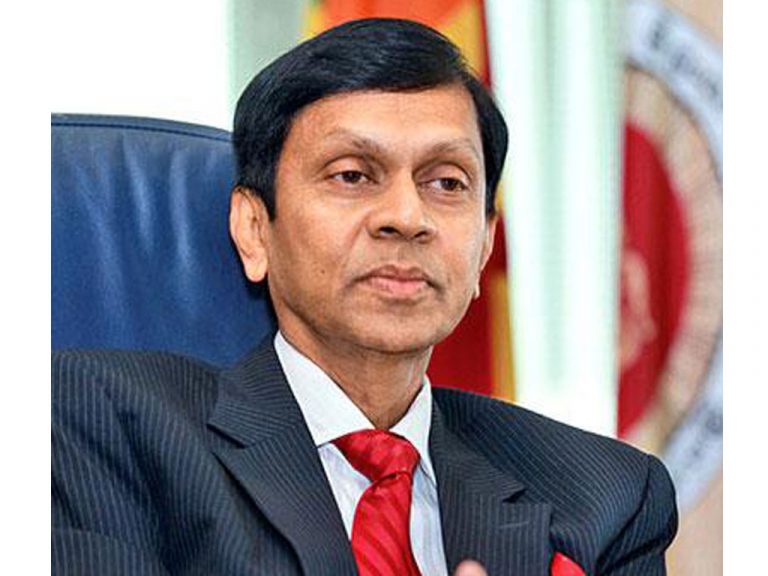
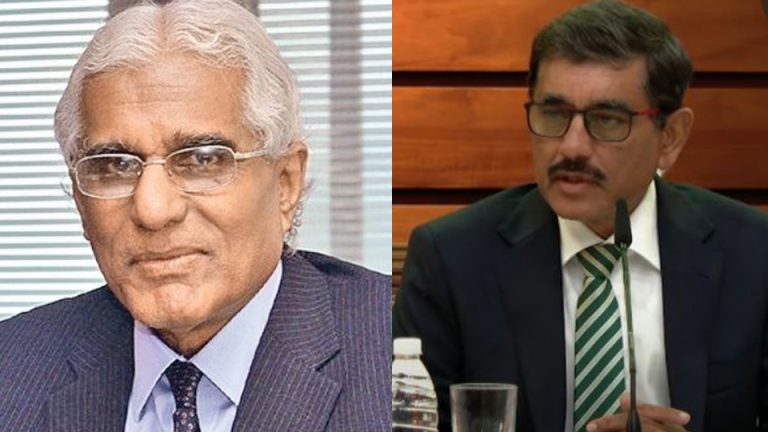
Prime Minister Ranil Wickremesinghe’s appointment as Prime Minister to head the interim administration was welcomed due to the fact that he holds credibility and support amongst the international community. Government sources have now confirmed that the new administration has sought out the assistance of other key individuals within Sri Lanka who could help muster international support. One respected individual is former Central Bank Governor Dr. Indrajit Coomaraswamy.
The former Governor was most recently appointed to an advisory committee which was tasked with assisting the Government with negotiations with the IMF. These sources have now confirmed that the new administration has made moves to re-appoint Dr. Coomaraswamy as Central Bank Governor. Despite the best efforts made by the current Central Bank Governor, Dr. Nandalal Weerasinghe in assisting the Government, the Government and international diplomats have indicated that Dr. Coomaraswamy would bring greater credibility and stability to the new administration.
Dr. Weerasinghe, who was approached for the post of Governor, following the failure of the previous Rajapaksa Government to find an alternative, has now indicated he is not willing to step aside for Dr. Coomaraswamy.
In fact sources have confirmed that the Governor has sought the support of close allies to the President to prevent his removal.
Kimarli Fernando the Chairwoman of the Sri Lanka Tourism Development Authority (SLTDA) has stepped down from her position, our correspondents learn.
Accordingly, she has tendered her letter of resignation to Subject Minister Harin Fernando.
Kimarli, aka the ‘Notorious Dilmah Daughter-in-Law‘ being responsible for a number of irregularities damaging the reputation of the SLTDA and the tourism industry itself over the past two and a half years since she took over the position was exclusively exposed by LNW, in a bid to disclose how she had harboured her nepotism via forced acquisition of private lands, committed contempt of court and misappropriated public funds to pay for her lawyers.
Kimarli lost confidence with the business community of Sri Lanka and even very recently with the Ceylon Chamber of Commerce over her wrongdoings, which ultimately led to the deterioration of the image of not only her relatives who happen to be reputed business figures of the country but also of her own father G.C. Wickramasinghe, who is a reputed former director of Aitken Spence.
Dear Kimarli, we who have consistently exposed you hold no personal grudge with you and we have only reported on the irregularities committed under your watch and which you are responsible for, affirming the people’s right to learn the truth.
Therefore, your stepping down will be the most honourable and maximum contribution to the betterment of the country’s tourism industry you can do, and we also congratulate and thank you for your resignation.