COLOMBO/LONDON, May 23 (Reuters) – Sri Lanka has hired heavyweight financial and legal advisers Lazard and Clifford Chance as it prepares for the difficult task of renegotiating its debts, a trio of sources told Reuters on Monday.
The move is the latest development in Sri Lanka’s worst economic crisis since independence from Britain in 1948 and comes after the country was officially declared in default for the first time ever last week after it halted debt payments. read more
All three sources asked not to be named because the talks remain private. Spokespeople from Sri Lanka’s Cabinet and Lazard, which has handled debt talks for dozens of crisis-strained countries in recent years, did not immediately reply to requests for comment while law firm Clifford Chance declined to comment.
Experts and economists have been waiting for the appointment as the country looks to restructure over $12 billion of overseas debt that had been building up for years but become unsustainable when COVID-19 hammered the economy.
The economy of around 22 million people began to show cracks in 2019 after large tax cuts by President Gotabaya Rajapaksa’s government drained the country’s coffers. The pandemic then shattered the lucrative tourism industry, and rising global prices have left Colombo struggling for essentials such as fuel, medicine and food.
Violence between pro- and anti-government factions and police left nine dead and more than 300 injured earlier this month. That was followed by the resignation of former prime minister Mahinda Rajapaksa. read more
“By far the most important thing is to what extent the government will have the political will, and the ability, to deliver on the pre-conditions for the IMF programme,” said Gramercy’s co-head of sovereign research & strategy, Petar Atanasov.
“Governments are often willing to do the things that are required when their backs are completely against the wall.”
While there are hopes a deal can be struck to ease the economic crisis, it is unlikely to be straightforward.
A mix of loans from China, India and Japan, as well as all the bonds held by private investment funds mean long-resisted but now embraced talks with the International Monetary Fund (IMF) could be complex, especially if social unrest worsens.
Other factors have included heavily subsidised domestic prices of fuel and a decision to ban the import of chemical fertilisers, which devastated the agriculture sector.
A group of Sri Lanka’s largest sovereign dollar bondholders has hired Rothschild as its financial adviser and another legal firm, White & Case, as its legal adviser.
“I think the new Cabinet would really have to show quick solutions to really pressing problems such as electricity and importation of goods to pacify the people,” said Carlos de Sousa, an emerging market strategist at Vontobel Asset Management which holds Sri Lanka’s bonds.
“They will try, but it is not clear to me whether they will be sufficiently successful. We will see.”
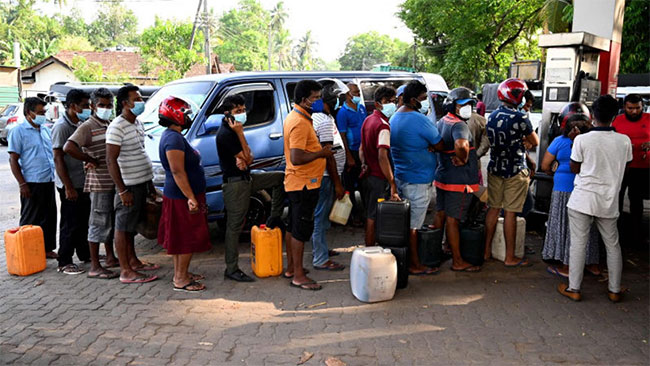
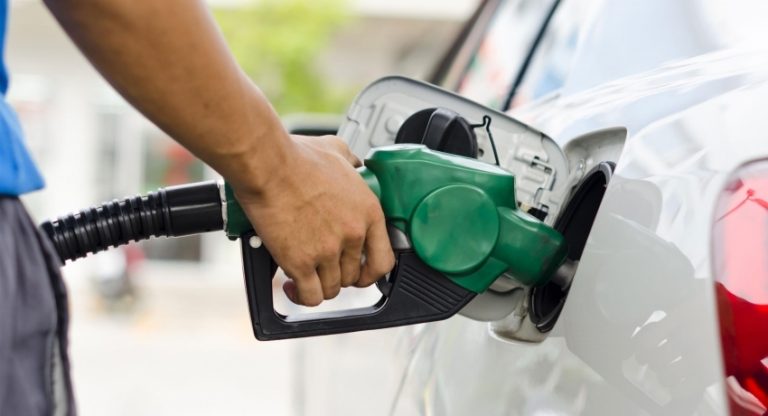
Fuel dispensing limits on vehicles other than public transport and essential services have been increased. It has been decided to increase these limits in view of the increase in fuel prices from this morning.
Accordingly, the amount of fuel issued for motorcycles has been increased from Rs. 2000 to Rs. 2500. The limit for three-wheelers has been increased from 2000 rupees to 3000 rupees.
Other vehicles have been able to obtain fuel up to a limit of Rs. 8000 up to now and that limit has been increased to Rs. 10,000.
This was stated by the Minister of Power and Energy Kanchana Wijesekera addressing a media briefing held today.
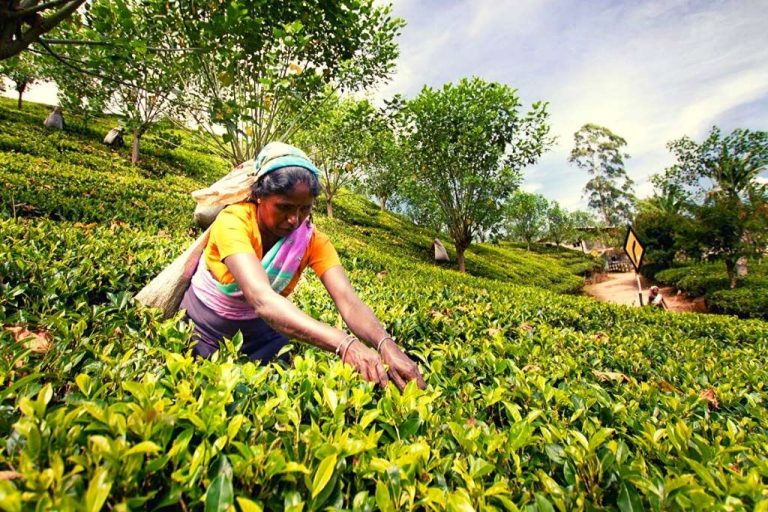
The Colombo Tea Traders’ Association (CTTA) has urged the new administration to take prompt action to resolve their problems arisen of the prevailing economic crisis situation made by the now defunct government headed by President Goatabaya Rajapksa
It said recent events which took place in the aftermath of the island-wide protests have only aggravated the position with disruptions to the normal life of the people.
The current environment does not augur well for the smooth functioning of commercial activities, and the tea trade is no exception CTTA said in a staTement .
CTTA comprises all tea industry stakeholders, namely the growers, manufacturers, Plantation company estates, brokers, and exporters.
The CTTA said it firmly believes that the Government must give a hearing to the justifiable cries of the people. “If these pleas are not heeded, the whole country, including the industries, will come to a standstill resulting in the country losing much-needed revenue.
This outcome will have a further dampening effect on the already ailing economy of Sri Lanka,” it said.
According to the CTTA, the tea industry, which employs approx. 10% of the total population in all sectors of the value chain, contributes around $ 1.3 billion annually by way of foreign revenue to the country’s coffers.
It is pertinent to state that in the turbulent 2020 and 2021 when Sri Lanka was not spared from the COVID-19 pandemic, the tea industry functioned uninterruptedly to ensure the nearly 500,000 smallholder families received their incomes and a similar number of tea workers in the plantations their wages.
The 155-year-old tea industry has been remarkably resilient over the past decades, having overcome many challenges, including natural calamities and insurrections.
It is pertinent to state that even during the 30-year-old civil war that ended 13 years ago, the Sri Lankan tea industry continued to supply the international markets, thus signifying the reliability of “Ceylon Tea”.
All sectors of the tea industry are committed to ensuring uninterrupted supplies to all tea importing countries as it has done over the last one and a half centuries. For this, the support and facilitation of the Government are of utmost importance.
However, it is necessary that the policymakers do not make the mistake of not listening to the experts in the industry. Some of the population’s grievances are a result of the incorrect decisions taken by successive Governments, mainly on agriculture which has brought about the current grave situation in the country.
These actions have led to the food shortages experienced at present.Despite the many appeals made, the tea industry was never heeded by the Government of the day when making decisions to ban the use of specific essential agriculture inputs, including fertiliser.
These actions have cost the country billions of dollars, driving away loyal tea consumers to other tea-producing countries.
CTTA said the recent decision to ban the use of inorganic or chemical fertiliser has resulted in a drastic drop in production from the latter part of last year to date. Furthermore, it is needless to overemphasise the foreign exchange loss to the country due to a shortfall such as this.
The CTTA humbly urges the Government to take swift action to resolve the current situation in the country by making favourable decisions and applying creative solutions to revive Sri Lanka’s economy and improve the standard of living of its citizens.
A company has been selected to provide consultancy services for the restructuring of external debt in Sri Lanka and has been approved by the Cabinet, Cabinet Spokesman Bandula Gunawardena said.
Accordingly, the French company M/s Lazard has been selected and the government has agreed to pay them US $ 5.6 million for four quarters, the Minister said.
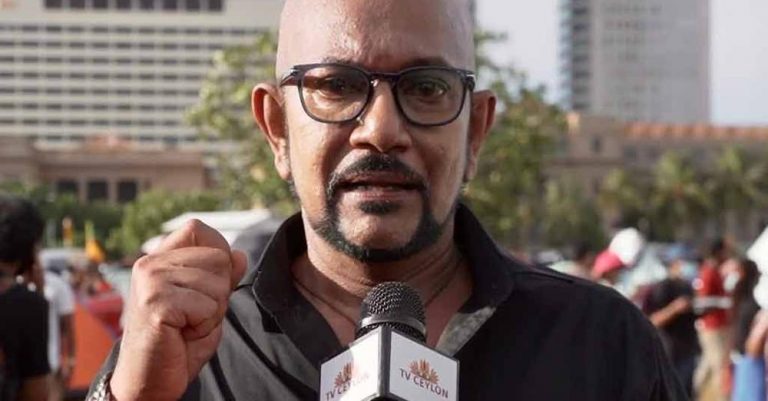
It is reported that Dharshana Handungoda, a well known journalist and YouTube social media activist has been summoned to appear before the CID tomorrow (25) at 10.00 am.
Sources say that there are plans to obtain a statement from him and arrest him tomorrow.
Dharshana Handungoda is a journalist who has been a vocal critic of the current government, and the current Minister of Public Defense, Tiran Alles, was also heavily criticized by him.
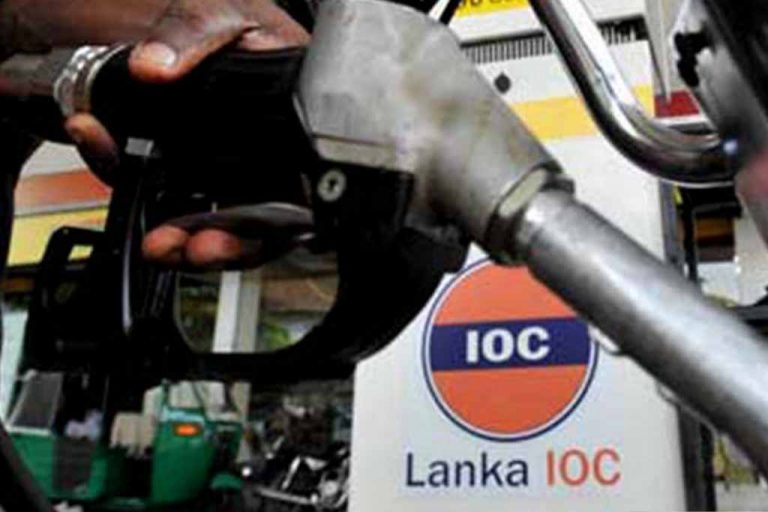
It has been decided to reactivate the fuel price formula. The price has been revised according to the price formula since this morning.
Meanwhile, Minister of Power and Energy Kanchana Wijesekera says that action will be taken to adjust prices according to the price formula every two weeks or once a month. Accordingly, fuel prices will go up every two weeks or at least once a month.
The Minister said in a Twitter message that both diesel and petrol have been supplied to 1,044 petrol stations across the country in the last three days alone. He also says that filling stations in urban areas are refueled at least once every two days.
Wijesekera said that despite all notifications, fuel was still being misused. Meanwhile, the Minister of Power and Energy states that 600 liters of illegally stored fuel has been found in the Matara area.
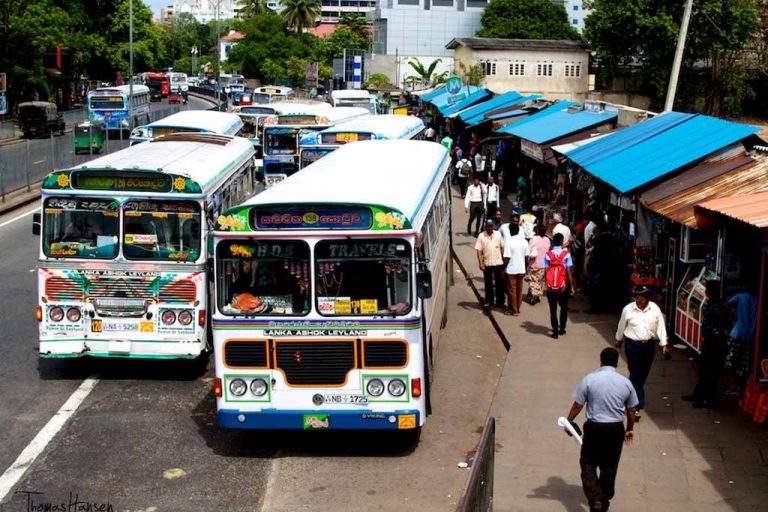
Kanchana Wijesekera, Minister of Energy has stated that the Cabinet has approved to change the prices of bus fares and other essential services in comparison to the increase in fuel prices with effect from 03.00 am today (24).
Accordingly, the relevant departments are requested to take steps to revise the transport fares in a manner that does not hinder the candidates who are currently sitting for the GCE Ordinary Level Examination, the Minister said.
Minister Kanchana Wijesekera has further stated that the action taken to increase fuel prices was in accordance with the price formula and that the price formula was approved by the Cabinet yesterday (23).
Members of the National Labour Advisory Council (NLAC) have collectively intervened on socio-economic and political issues that impact people, thereby submitting proposals to Prime Minister Ranil Wickremesinghe and the International Monetary Fund (IMF).
Appeal to IMF on behalf of the People of Sri Lanka As IMF has officially begun negotiations with the Government of Sri Lanka in assisting the government to manage the massive economic crisis Sri Lanka is burdened with, we wish to place our prioritized proposals for consideration in incorporating them into the IMF program of assistance.
We are a legally constituted, reputed trade union in Sri Lanka representing private-sector employees for over 40 years and is mostly active in the export manufacturing sector including apparel. We are nationally recognized as a member of the National Labour Advisory Council (NLAC) and ILO initiated tri-partite organization chaired by the Hon. Minister of Labour. We were instrumental with a few other member trade unions in the NLAC in creating a bi-partite process to manage and mitigate conflicts and friction between factory management and workers during the height of the Covid-19 pandemic that on principle agreed there should be no retrenchment of workers due to Covid-19 related workplace issues, a position the government too adopted. We are also an affiliate of the IndustriALL Global Union that which represents more than fifty million workers over 140 countries, both permanent and precarious, in mining, energy, and manufacturing sectors across the world,
And we are part of the Global campaign carried out by the International Civil Society Organizations including CCC, “Pay Your Workers – Respect Labour Rights”. We do not think IMF needs details of the economic crisis at hand, but we firmly feel the IMF should pay more attention to the rapid increase in anomalies of income and wealth distribution in society that adversely affect wage earners and the deteriorating “rights situation” in Sri Lanka, especially in the workforce and in society in general.
You may not know, that fundamental rights as entrenched in the Constitution of SL often stand breached, and democracy is only procedural restricted to elections held as often as possible, at three levels of governance. Within such cosmetic democratic life, most workers in designated Free Trade Zones and Industrial Parks cannot use their vote at elections as they are domestic migrants from distant hinterlands. The unspoken discrimination, therefore, is that their basic rights for decent housing and the right to education for their children often go neglected. This denial remains the same for other migrant employees too despite the fact they are direct contributors to foreign exchange earnings through remittances.
The State meanwhile remains politicized over decades and during the pandemic proved they are also more inefficient than they were spoken about. This was evident with the military brought in for the Covid-19 vaccination program in a country that was praised by the WHO for its community health service that effectively carried out vaccination and immunization campaigns during the ‘50s to late ‘60s. Any institutional strengthening should therefore now mean they are effectively democratized to be politically independent State agencies.
In such context, we wish to propose to IMF they include the following in their program for structural adjustments that should invariably be focused on advantages and benefits the People should enjoy when implemented, not per se economic growth in terms of GDP and per capita alone.
Measures to be introduced to gradually but firmly reduce the widening gap between the rich and the poor in society. As shown in the “Household Income and Expenditure Survey – 2019” carried out by the Census and Statistics Department, the poorest 20 percent of the population (first quintile) earns only LKR 17,572 while the richest 20 percent of the population (fifth quintile) enjoys LKR 196,289, which is over 11 times than that of the poorest population. Even the poorest 40 percent of the population (first and second quintiles) earn only LKR 26,931 which only amounts to 13 percent of the income of the richest 20 percent of the population. It is obvious such a massive disparity in society denies decent living, food security, and basic rights to close to half the population in the country.
Introduction where necessary and institutional strengthening of State agencies and legal provisions to ensure Fundamental Rights guaranteed in the Constitution under Article 14(1) are implemented in full and violations are dealt with without impunity in both public and private sectors. In debt restructuring, it should be stressed that GOSL should be held responsible to respect and adhere to all international commitments including the Bonn Challenge on deforestation, Paris Agreement on Climate Change, and ILO Conventions 87 and 98 on freedom of association and collective bargaining are carried out steadfastly and respected by the State.
Ensure every child’s right to education with equal facilities and equal opportunities as guaranteed in the “UN Convention on the Rights of the Child”. It is accepted without debate that during the past 02 years, formal education in Sri Lanka was almost totally disrupted during the pandemic and thereafter with the breakdown of the economy. Despite eroding facilities and poor quality of education that prevailed for decades, classroom teaching and quality of teaching continuously broke down during the last 02 years due to the pandemic that kept schools dysfunctional for long periods. With the introduction of “online teaching” for pupils locked down at home, it was pathetic to note yawning disparities in schools, teaching facilities and quality, technological disparities between urban and rural societies and geographical locations, and economic poverty that denied access to internet facilities and equipment for a majority of pupils. It was subsequently assessed only 15 percent of the 04 million pupils in over 10,000 public schools benefited from “online teaching”. Yet another major disparity is in facilities in schools for extracurricular activities that matter very much in personality development, often not accounted for even in SDGs. While in democratic societies there needs to be social participation in designing development programs and in decision making, we do not believe all such proposals can be incorporated into IMF proposals that focus on arresting this major economic disaster. Therefore, we have only presented the most important needs that should be addressed within IMF assistance to Sri Lanka, that should benefit Citizens in picking up their lives from the present crisis.
As such, we believe the IMF would provide the necessary attention to the above 03 proposals and have them included in crisis mitigation.
TU proposals for a program to establish stability in-country to PM Wickremesinghe We the undersigned trade unions are members of the National Labour Advisory Council (NLAC) that collectively intervene on socio-economic and political issues that impact people.
We have previously submitted similar proposals to HE the President and former PM Mahinda Rajapaksa as well.
Thousands of citizens who queue up daily for long hours know quite well they are caught in a serious crisis as you explained to the nation on 16 May, since assuming the post of prime minister. We also know you do not have to be briefed about the hardships people go through due to price hikes almost daily, apart from severe shortages in fuel and gas. While it is an economic crisis there is in the country, what people are burdened with is instability due to the political crisis.
Instead of long explanations on these issues, we intend to submit immediate solutions for the economic crisis as briefly as possible and propose constitutional and legal provisions necessary for the People to elect a stable government with functional democracy.
We would accordingly submit our proposals under 03 categories as follows. For the duration of this government, we wish to make it clear, as this is not a government elected by the people and cannot demand legitimacy in any manner,
this government is considered a temporary government and should conclude its tasks and responsibilities listed below, before the end of this year (2022) Following demands are meant for immediate relief and salvaging of the economy on a short-term program the government is expected to make public.
Provide fuel, kerosene, LP gas, and most essential consumer goods for the economically deprived families at subsidized prices within 02 weeks and continue the subsidy for 01 years.
Present a short-term budget in parliament within 02 weeks for the period till the end of December 2022, suspending major infrastructure projects and allowances of MPs and reducing the defense budget to be in line with the defense budget of 2009 when the war was concluded.
Leave details of negotiations and agreements with IMF in the public domain, before they are officially agreed upon and signed
Following Constitutional and legal provisions are proposed to be adopted to democratize governance and elections that should be held to establish an elected government when the present temporary government concludes its term on 31 December 2022
Executive presidency to be abolished with the introduction of 21st Amendment A within 06 weeks that in essence would be an improved version of the 19th Amendment.
Amend election laws to provide for the election of Members to Parliament in a mixed process of first past the post (FPP) and proportional representation (PR) and would be responsible to the people.
Amend laws immediately to prevent MPs from crossing over to other political parties disregarding the choice of the people in electing a representative to parliament and holding them and the parliament responsible to the people.
Constitution Amendment 21 includes provisions to have the Police Department under the Home Ministry and no other and to create an environment for the Police department to function as an independent civil department
Take immediate action to abolish the Prevention of Terrorism Act (PTA)
Provisions should be included in 21st Amendment to hold all employers responsible for the implementation of Fundamental Rights ensured in Article 14(1)(d) of Chapter III of the Constitution. The following should be completed within 03 months from the date the new cabinet of ministers is sworn in.
Amend Declaration of Assets and Liabilities Law No.01 of 1975 to make it mandatory for all candidates contesting an election to submit their and their family declarations of assets and liabilities when handing over nominations and for elected representatives to handover same annually and for the Election Commission to publish them within 02 weeks
Amend all election and other relevant laws to make it mandatory for all recognized political parties to furnish annually, all details of their party funds with due sources and also their election funds with details one week before the election day and for the Election Commission to publish them immediately.
Amend necessary laws to make it mandatory for Secretaries of all ministries in both central government and provincial councils, chief accountants, professionals employed in the public sector, and principals of all national schools to annually submit their and their family declarations of assets and liabilities and relevant authority to publish them within 02 weeks
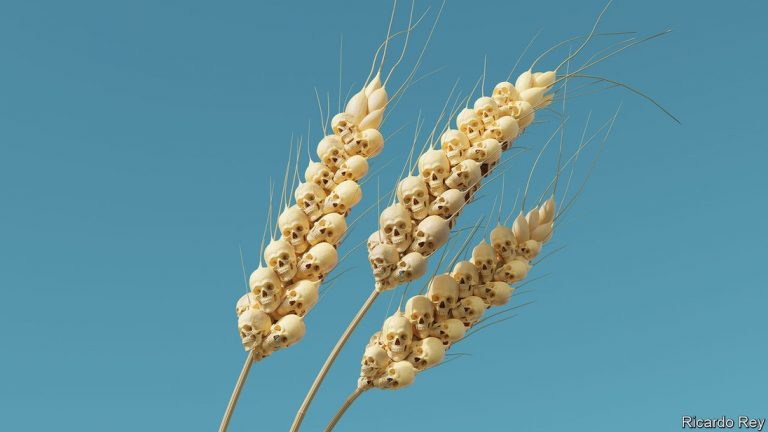
By invading ukraine, Vladimir Putin will destroy the lives of people far from the battlefield—and on a scale even he may regret. The war is battering a global food system weakened by covid-19, climate change and an energy shock. Ukraine’s exports of grain and oilseeds have mostly stopped and Russia’s are threatened. Together, the two countries supply 12% of traded calories. Wheat prices, up 53% since the start of the year, jumped a further 6% on May 16th, after India said it would suspend exports because of an alarming heatwave.
The widely accepted idea of a cost-of-living crisis does not begin to capture the gravity of what may lie ahead. António Guterres, the un secretary general, warned on May 18th that the coming months threaten “the spectre of a global food shortage” that could last for years. The high cost of staple foods has already raised the number of people who cannot be sure of getting enough to eat by 440m, to 1.6bn. Nearly 250m are on the brink of famine. If, as is likely, the war drags on and supplies from Russia and Ukraine are limited, hundreds of millions more people could fall into poverty. Political unrest will spread, children will be stunted and people will starve.
Mr Putin must not use food as a weapon. Shortages are not the inevitable outcome of war. World leaders should see hunger as a global problem urgently requiring a global solution.
Russia and Ukraine supply 28% of globally traded wheat, 29% of the barley, 15% of the maize and 75% of the sunflower oil. Russia and Ukraine contribute about half the cereals imported by Lebanon and Tunisia; for Libya and Egypt the figure is two-thirds. Ukraine’s food exports provide the calories to feed 400m people. The war is disrupting these supplies because Ukraine has mined its waters to deter an assault, and Russia is blockading the port of Odessa.
Even before the invasion the World Food Programme had warned that 2022 would be a terrible year. China, the largest wheat producer, has said that, after rains delayed planting last year, this crop may be its worst-ever. Now, in addition to the extreme temperatures in India, the world’s second-largest producer, a lack of rain threatens to sap yields in other breadbaskets, from America’s wheat belt to the Beauce region of France. The Horn of Africa is being ravaged by its worst drought in four decades. Welcome to the era of climate change.
All this will have a grievous effect on the poor. Households in emerging economies spend 25% of their budgets on food—and in sub-Saharan Africa as much as 40%. In Egypt bread provides 30% of all calories. In many importing countries, governments cannot afford subsidies to increase the help to the poor, especially if they also import energy—another market in turmoil.
The crisis threatens to get worse. Ukraine had already shipped much of last summer’s crop before the war. Russia is still managing to sell its grain, despite added costs and risks for shippers. However, those Ukrainian silos that are undamaged by the fighting are full of corn and barley. Farmers have nowhere to store their next harvest, due to start in late June, which may therefore rot. And they lack the fuel and labour to plant the one after that. Russia, for its part, may lack some supplies of the seeds and pesticides it usually buys from the European Union.
In spite of soaring grain prices, farmers elsewhere in the world may not make up the shortfall. One reason is that prices are volatile. Worse, profit margins are shrinking, because of the surging prices of fertiliser and energy. These are farmers’ main costs and both markets are disrupted by sanctions and the scramble for natural gas. If farmers cut back on fertiliser, global yields will be lower at just the wrong time.
The response by worried politicians could make a bad situation worse. Since the war started, 23 countries from Kazakhstan to Kuwait have declared severe restrictions on food exports that cover 10% of globally traded calories. More than one-fifth of all fertiliser exports are restricted. If trade stops, famine will ensue.
The scene is set for a blame game, in which the West condemns Mr Putin for his invasion and Russia decries Western sanctions. In truth the disruptions are primarily the result of Mr Putin’s invasion and some sanctions have exacerbated them. The argument could easily become an excuse for inaction. Meanwhile many people will be going hungry and some will die.
Instead states need to act together, starting by keeping markets open. This week Indonesia, source of 60% of the world’s palm oil, lifted a temporary ban on exports. Europe should help Ukraine ship its grain via rail and road to ports in Romania or the Baltics, though even the most optimistic forecasts say that just 20% of the harvest could get out that way. Importing countries need support, too, so they do not end up being capsized by enormous bills. Emergency supplies of grain should go only to the very poorest. For others, import financing on favourable terms, perhaps provided through the imf, would allow donors’ dollars to go further. Debt relief may also help to free up vital resources.
There is scope for substitution. About 10% of all grains are used to make biofuel; and 18% of vegetable oils go to biodiesel. Finland and Croatia have weakened mandates that require petrol to include fuel from crops. Others should follow their lead. An enormous amount of grain is used to feed animals. According to the Food and Agriculture Organisation, grain accounts for 13% of cattle dry feed. In 2021 China imported 28m tonnes of corn to feed its pigs, more than Ukraine exports in a year.
Immediate relief would come from breaking the Black Sea blockade. Roughly 25m tonnes of corn and wheat, equivalent to the annual consumption of all of the world’s least developed economies, is trapped in Ukraine. Three countries must be brought onside: Russia needs to allow Ukrainian shipping; Ukraine has to de-mine the approach to Odessa; and Turkey needs to let naval escorts through the Bosporus.
That will not be easy. Russia, struggling on the battlefield, is trying to strangle Ukraine’s economy. Ukraine is reluctant to clear its mines. Persuading them to relent will be a task for countries, including India and China, that have sat out the war. Convoys may require armed escorts endorsed by a broad coalition. Feeding a fragile world is everyone’s business.