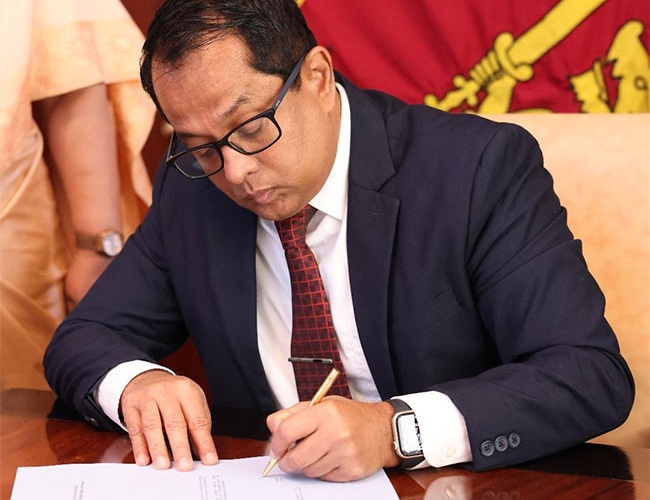
December 18, Colombo (LNW): Parliamentary Speaker Dr Jagath Wickramaratne announced today that he formally endorsed the certificates for three Bills yesterday, signalling the final stage before they come into effect.
The legislation includes amendments to the Social Security Contribution Levy, the Betting and Gaming Levy, and the Strategic Development Projects framework.
The Social Security Contribution Levy (Amendment) Bill, originally presented to Parliament on October 09, 2025 and passed on December 05, seeks to revise provisions in the Social Security Contribution Levy Act, No. 25 of 2022, strengthening the framework for social security contributions.
Meanwhile, the Betting and Gaming Levy (Amendment) Bill, also passed on December 05, introduces changes to Section 2 of the principal law. Notably, the amendments adjust the levy on gross collections from bookmakers and gambling businesses to 18 per cent from October 01, 2025, limit a previously applied 10 per cent gross collection levy to the period between April 2023 and October 2025, and increase the entrance levy for Sri Lankan casino visitors to USD 100.
The Strategic Development Projects (Amendment) Bill, which entered Parliament on November 14, 2025 and was approved on December 05, introduces significant reforms to the Strategic Development Projects Act, No. 14 of 2008. Among the changes are a reduction of the maximum tax holiday from 25 years to 10 years, a new process for project approval requiring ex-ante cost-benefit analysis by the Ministry of Finance, strengthened ex-post monitoring by the Board of Investment with powers to impose penalties or revoke concessions, mandatory tax return submissions, and an annual report on tax expenditures related to these projects.
Following the Speaker’s certification, the Bills will officially become the Social Security Contribution Levy (Amendment) Act, No. 24 of 2025; the Betting and Gaming Levy (Amendment) Act, No. 25 of 2025; and the Strategic Development Projects (Amendment) Act, No. 26 of 2025.
Speaker Certifies Three Key Legislative Amendments in Parliament
December Tourist Arrivals Push Sri Lanka Close to 2.2 Million Visitors for the Year
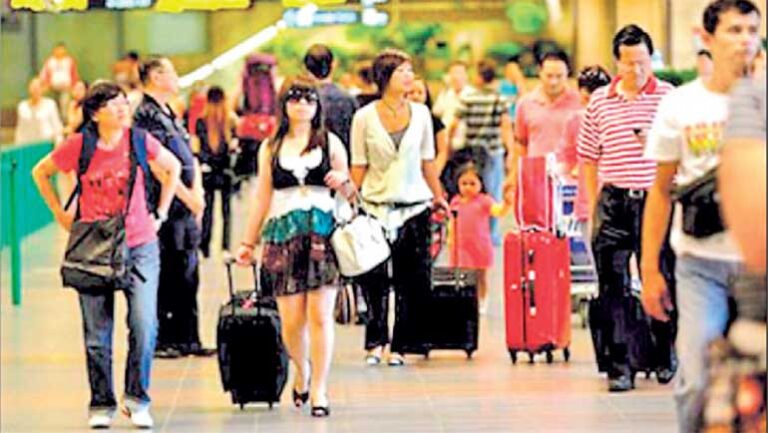
December 18, Colombo (LNW): Sri Lanka has seen a strong influx of overseas visitors in early December, with more than 93,000 tourists entering the country during the first half of the month, according to figures released by the Sri Lanka Tourism Development Authority.
The Authority said that 93,031 travellers arrived between December 01 and 14, 2025, reflecting sustained momentum in the tourism sector as the year draws to a close. India remained the leading source market during this period, accounting for over 21,000 arrivals.
Tourist flows were also bolstered by steady numbers from several key long-haul and regional markets, including Russia, the United Kingdom, Germany and China, highlighting the country’s broadening international appeal.
With these latest arrivals added to earlier figures, total visitor numbers from the beginning of January to mid-December 2025 have reached approximately 2.2 million, reinforcing tourism’s continued recovery and its growing contribution to the national economy.
High Court Fixes New Date in Krrish Deal Case Involving Namal Rajapaksa
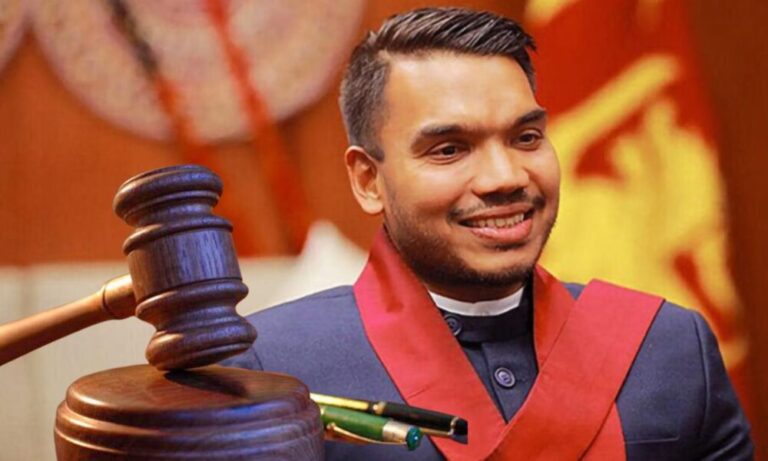
December 18, Colombo (LNW): The Colombo High Court has scheduled the next hearing in the case concerning Sri Lanka Podujana Peramuna (SLPP) MP Namal Rajapaksa and the disputed Krrish development project for February 16, 2026.
The matter was taken up today before High Court Judge Nadee Aparna Suwadugoda, during which progress was reported on the exchange of case material.
Representatives of the Attorney General’s Department formally handed over a fresh set of documents to the defence as part of ongoing proceedings.
After reviewing the submissions and noting the stage of the case, the court directed that the matter be listed again on the newly fixed date next year, allowing time for further examination of the material placed before court.
US Firms Step Up Support for Sri Lanka After Cyclone Ditwah
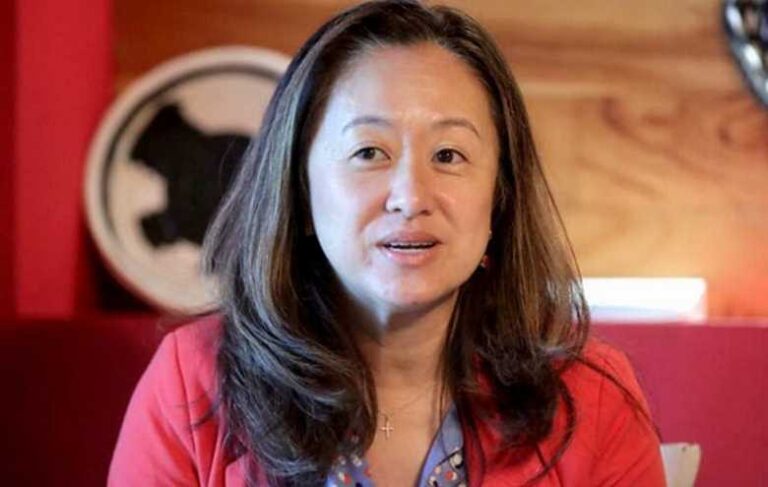
December 18, Colombo (LNW): United States Ambassador to Sri Lanka Julie Chung has drawn attention to the role being played by American companies and institutions in supporting the country’s recovery following the devastation caused by Cyclone Ditwah.
In a message shared on social media, the Ambassador said a number of US-based organisations have mobilised resources to assist relief and rebuilding efforts. She noted that technology providers such as Starlink and Microsoft, together with the Massachusetts Institute of Technology, are contributing practical support on the ground.
Starlink has extended complimentary connectivity to both new and existing users until the end of December 2025 and has also supplied 145 satellite units to help strengthen communications during emergency operations.
At the same time, Microsoft is working in partnership with MIT on a new initiative designed to gather reliable information on businesses and properties damaged by the cyclone, a move intended to improve planning and aid distribution.
Ambassador Chung said these actions demonstrate the spirit of innovation, partnership and generosity that characterises American engagement, adding that US organisations remain committed to standing with Sri Lanka as it works towards recovery and resilience.
Cyclone Threatens Nine-Arch Bridge Area as Tourism Project Faces Delays
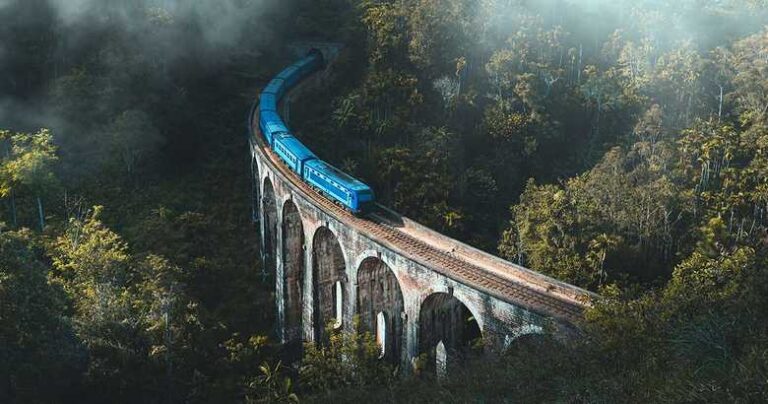
December 18, Colombo (LNW): The Central Cultural Fund has raised concerns over an increased risk of landslides in the vicinity of the iconic Nine-Arch Railway Bridge in Modara, following severe weather conditions brought on by Cyclone Ditwa. The area is a major draw for both domestic and international visitors.
According to the Fund, several nearby structures have suffered damage, disrupting ongoing work on a planned tourism development around the bridge. The initiative, which includes electrification works on the historic railway structure and the creation of visitor facilities, represents an investment of about Rs. 300 million and was originally expected to be completed this year.
Director General of the Central Cultural Fund, Dr Nilan Cooray, said the extreme weather had inevitably slowed progress but stressed that the project remains a priority for the Government. He noted that safety assessments are being carried out alongside restoration work, and that authorities are aiming to fast-track construction once conditions stabilise.
Despite the setbacks, Dr Cooray expressed confidence that the upgraded site could be opened to the public next year, offering a safer and more organised experience for tourists while preserving the heritage value of the landmark.
Untapped Mineral Wealth Could Transform Sri Lanka’s Export Landscape: Pathfinder Report
December 18, Colombo (LNW): Sri Lanka is failing to fully capitalise on its mineral resources, with exports reaching only about half of their estimated potential, according to new research highlighted by the Pathfinder Foundation. Using figures from the ITC Export Potential Map, the study estimates that the country could earn around US$778 million annually from mineral exports, yet current earnings stand at roughly US$389 million.
The findings suggest that with greater investment in value-added processing and downstream industries, export revenues could rise far more sharply, potentially approaching US$2 billion a year. Analysts argue that such growth would require targeted policy reforms, modern technology and stronger investor confidence.
The observations were shared at the launch of two reports examining Sri Lanka’s mining prospects and its transition towards clean energy and net-zero goals. Speaking at the event, Australian High Commissioner Matthew Duckworth said Australia’s own experience showed how strategic investment in minerals and renewable energy can reshape an economy.
He noted that mining plays a central role in Australia, contributing around a tenth of national output and generating well over half of export income. In his view, Sri Lanka holds comparable promise, particularly as global demand for critical minerals continues to rise.
Mr Duckworth pointed to Sri Lanka’s high-quality graphite deposits, which are increasingly sought after for advanced technologies, as well as mineral sand reserves in the northern and eastern regions. He described these resources as an opportunity for the country to diversify away from traditional industries and build new export strengths.
Drawing parallels between the two nations, he added that Australia is keen to see Sri Lanka benefit from similar developments in both mining and renewable energy, noting that the two countries share common interests in promoting sustainable growth and cleaner energy pathways.
Police Probe Finds Lapses in Handling of Crash Involving Former Speaker Ranwala
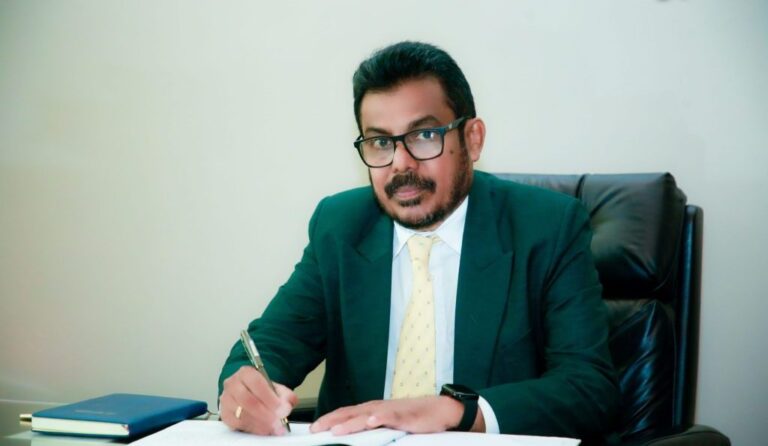
December 18, Colombo (LNW): An internal police inquiry has found that several officers attached to the Sapugaskanda Police Station, including senior officials, failed to follow established procedures in connection with a road traffic accident involving former Speaker and Member of Parliament Ashoka Ranwala.
The collision took place on December 11, 2025 near the Denimulla Junction in Sapugaskanda, when a jeep driven by Ranwala was involved in a crash with a motorcycle and a car. The incident drew public attention and prompted questions over how the matter was handled at the local police level.
On the instructions of the Inspector General of Police, the Deputy Inspector General overseeing the Traffic Division carried out a review to assess whether the response and subsequent investigation by station officers met required standards.
The findings pointed to serious shortcomings, indicating that the Officer-in-Charge of the station, the Traffic OIC who handled the case, as well as senior supervisory officers, had neglected key responsibilities and failed to act in line with due process.
In light of these conclusions, the Inspector General of Police has directed the Police Special Investigation Unit to launch a preliminary inquiry into the conduct of the officers concerned, with disciplinary measures to follow if the allegations are substantiated.
Government Moves Ahead with Fresh Global Image for Sri Lanka Tourism

December 18, Colombo (LNW): The Government has begun the process of repositioning Sri Lanka on the global tourism map, with tenders already invited to develop a new national brand, Minister of Tourism and External Affairs Vijitha Hearth informed Parliament.
Addressing the House this (18) morning, the Minister said discussions are underway with industry representatives, creative agencies and other key stakeholders to shape a modern and compelling identity for the country.
He noted that while the rebranding initiative would require a significant financial commitment, the authorities are determined to proceed, viewing it as a long-term investment in reviving and strengthening the tourism sector.
The Minister added that the proposed branding effort aims to better reflect Sri Lanka’s diversity, resilience and appeal to emerging travel markets, as the country seeks to compete more effectively on the international stage.
Sri Lanka and China Reaffirm Partnership as Recovery Efforts Gather Pace
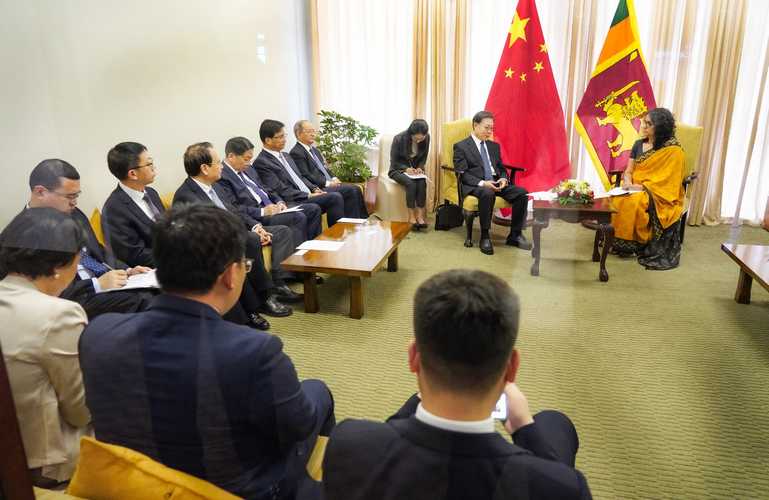
December 18, Colombo (LNW): Prime Minister Dr Harini Amarasuriya has conveyed Sri Lanka’s gratitude to the Government of China for its swift and practical support during the country’s recent disaster response, underscoring the value of long-standing ties between the two nations.
Her remarks were made during a meeting at the Parliamentary complex with Wang Dongming, Vice Chairman of the Standing Committee of China’s National People’s Congress. Discussions focused on the depth of bilateral relations and explored avenues to broaden cooperation in the period ahead, according to the Prime Minister’s Office.
The Prime Minister noted that Sri Lanka has now moved beyond immediate rescue operations and entered a phase centred on recovery and rebuilding. She also acknowledged the contribution of local volunteers and the assistance extended by international partners during the emergency response.
Vice Chairman Wang expressed sympathy for those affected by the disaster and reaffirmed China’s intention to remain engaged beyond the initial relief stage. He stated that Beijing stands ready to support Sri Lanka’s reconstruction efforts and reiterated China’s broader commitment to assisting the country’s social and economic progress, while working closely together in regional and global forums.
The talks also revisited key outcomes of the Prime Minister’s recent visit to China, including cooperation on school uniform supplies, fertiliser support, digital education initiatives, road development projects, and ongoing collaboration in education, healthcare and cultural exchange.
Both parties concluded the meeting by reaffirming their shared commitment to deepening bilateral relations, highlighting mutual trust, understanding and a friendship built over many years.
Parliament to Table Rs. 500 Billion Emergency Funding Plan After Weather Crisis
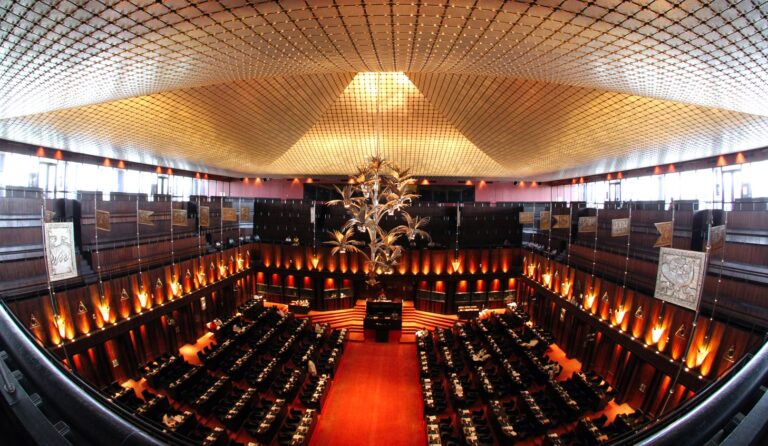
December 18, Colombo (LNW): Parliament is set to meet today (18) to consider a substantial supplementary allocation of Rs. 500 billion, intended to support communities whose livelihoods have been disrupted by a sudden and severe disaster situation.
The special sittings have been convened at the request of Prime Minister Dr. Harini Amarasuriya, in line with parliamentary procedure, according to the Secretary-General of Parliament, Kushani Rohanadeera. The House will sit over two days, today and tomorrow, to address the matter.
The decision to summon Parliament was reached during a meeting of the Committee on Parliamentary Business held yesterday, chaired by Speaker Dr. Jagath Wickramaratne. The Parliamentary Communications Department confirmed that the urgency of the prevailing situation prompted the move.
Proceedings are scheduled to begin at 9.30 a.m. today, when the proposed supplementary estimate for 2026 will be formally presented and referred to the Committee on Public Finance for review. The allocation is aimed at funding relief measures and economic recovery for those affected by recent extreme weather events.
Following the presentation, Parliament will take up an adjournment debate initiated by the Government, focusing on the broader national impact of the disaster and the response measures in place. The debate is expected to continue until the evening.
Parliament will reconvene tomorrow for a full-day sitting, during which the supplementary funding proposal will be debated and put to a vote.
The Speaker had earlier announced the extraordinary sitting through a gazette notification issued last week, confirming that the House would be summoned today after the Prime Minister formally requested an emergency session.