Entrepreneurs can rectify misconceptions : President
’s COVID control process helped in protecting business…
Improve tourism facilities…
Let’s expand higher education opportunities within the country…
: Entrepreneurs propose
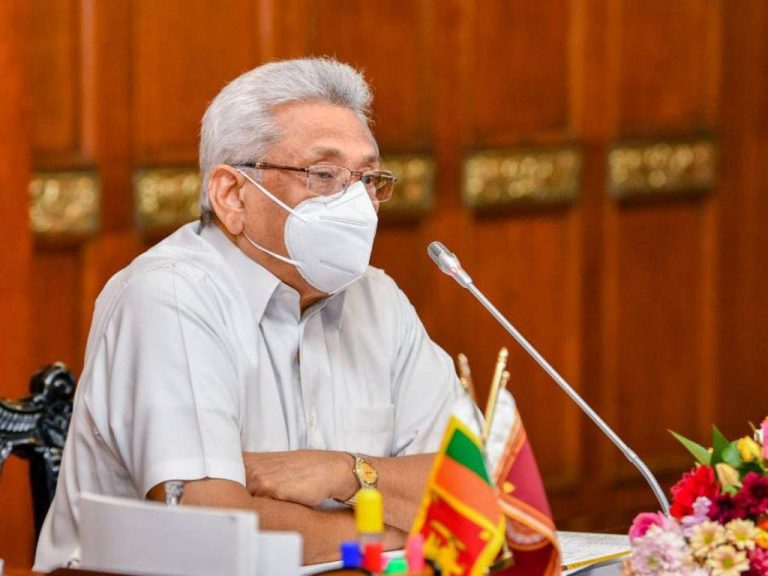
President Gotabaya Rajapaksa invited local entrepreneurs to invest in local industries and join in the process of nation building.
The President made these remarks at a discussion held with large scale entrepreneurs in various fields at the Presidential Secretariat today (21).
The discussion was convened with the objective of obtaining the assistance of the private sector in the development process. There were discussions on a number of areas including foreign exchange generation, state fiscal policy, foreign employment promotion, investment incentives, increasing exports, renewable energy, agricultural products, adequate supply of fertilizers and tourism promotion.
The President said that large-scale investments in a number of sectors, including renewable energy, green agriculture, technology parks and greenhouses, would open up a great opportunity to control foreign exchange.
Appreciating the support of local entrepreneurs to build the country, the President said that the business community has the ability to rectify the misconceptions that some are spreading to achieve their narrow goals, in an environment where the government is trying to rebuild the economy in the face of a global epidemic.
Minister Basil Rajapaksa pointed out that the shortage of cement has arisen due to the increase in demand for cement with the revival in the construction sector during the past two years and said that the government is focusing on manufacturing cement in the country in future.
Pointing out that there is no shortage of essential commodities in the market, the Minister urged the traders not to take undue advantage of the decision taken to remove some of the price controls except for medicinal drugs.
Central Bank Governor Ajith Nivard Cabraal said the government would take steps to maintain fuel reserves in a manner that would not harm the development and industries, despite the challenge of obtaining fuel on ready cash.
The Central Bank Governor said that the country is losing foreign investment opportunities due to false propaganda about the country’s economy, and added that the government has the ability to repay all foreign loans and will take steps to attract investments into the country.
The entrepreneurs who praised the government’s Covid-19 control programme said that their businesses were safeguarded due to the success of this programme. They pointed out that Sri Lanka received a large number of orders due to the failure of some countries to effectively control the Covid-19 pandemic.
The country is witnessing a large revival in the tourism sector in the post-COVID-19 period. The entrepreneurs noted the need to enhance the facilities to promote tourism.
The entrepreneurs also requested the President to take measures to prevent the students from leaving the country to pursue higher education and to set up a mechanism to create such educational opportunities within the country.
Secretary to the President Gamini Senarath, Principal Advisor to the President Lalith Weeratunga, Finance Ministry Secretary S.R. Attygalle and many entrepreneurs from various fields were present at the meeting.
As the trend of dismissing court cases of national importance involving the Attorney General’s Department in search of political advantage is on the rise these days, the Case of Malwana Mansion would be the next chapter of such a legal swing following the acquittal of former Defence Secretary Hemasiri Fernando.
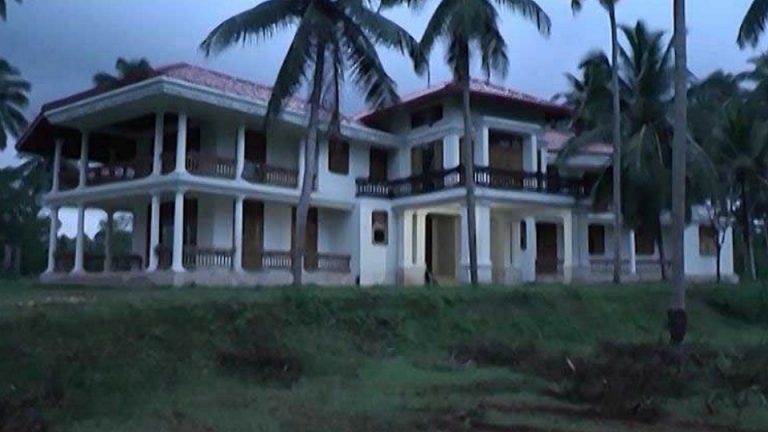
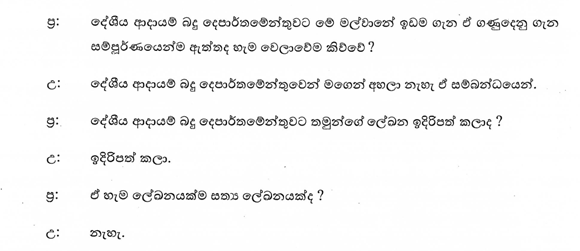
Commonly known as ‘Basil’s Case on Malwana Mansion,’ Court Case HC/27/17 the Democratic and Socialist Republic of Sri Lanka A. Basil Rohana Rajapaksa and Tirukumar Nadeshan under the Attorney General’s Number CR5/14/2016 is currently being heard in the Gampaha High Court, in connection with the alleged misappropriation of public funds by purchasing a 16 acre land at Mapitigama Gangabada Road, Malwana, Dodampe, building a large mansion and a swimming pool and running an animal farm, at the expense of about Rs. 100 million by Muditha Jayakody Associates.
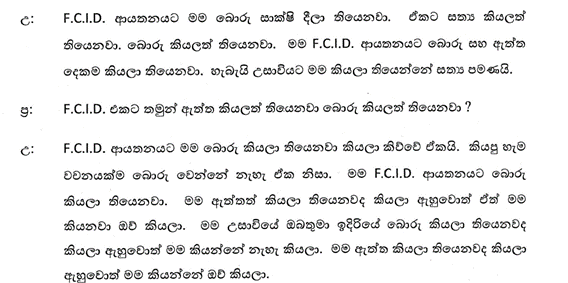
The case was taken up on January 07, 2022 to refer Muditha Jayakody for further cross examination. Responding to the cross examination by Saliya Peiris PC appearing for Defendant Tirukumar Nadeshan, Jayakody raised amusement in the Chamber by making rather a funny disclosure.
A Letter of Amusement
The mansion in question believed to be owned by Basil Rajapaksa was built at a cost of about Rs. 100 million by Muditha Jayakody Associates. With no hesitation, he has transferred the funds in his bank account for the conduction of the project.
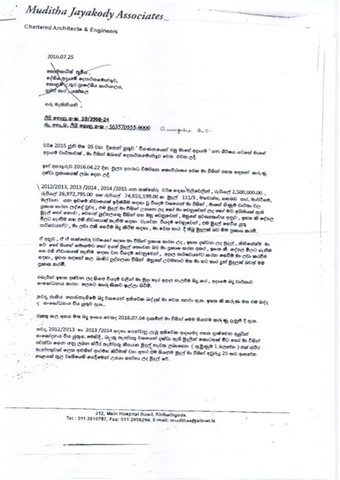
Jayakody had written to the Commission of Taxes stating that the money for the purchase and development of the aforementioned land had been given to him by ‘another party’ and that he ought to recover the Nation Building Income Tax paid on the purchase. The letter dated 25.07.2015 reveals he had forwarded a letter to the Inland Revenue Department under the heading ‘My Income after the Audit’ dated June 05, 2015, and produced a statement to the Financial Crimes Investigation Division (FCID) on 22.04.2016.
According to the letter, Jayakody has invested the following amounts of money in the construction of the Malwana Mansion in three consecutive years (2012 – 2015).
2012/2013 – Rs. 2,500,000/-
2013-2014 – Rs. 26,972,975/-
2014-2015 – Rs. 74,655,199/-
Jayakody, however, now goes on saying that these monies do not belong to him and the income tax paid for the purchase, therefore, must be recovered in his name.
“Accordingly, I declare that the aforementioned amount of money reserved for each assessment year does not belong to me or my company at all and that the money was handed over to me by the aforementioned outsider at his request, in order for me to make the payments to the relevant parties for the expenses incurred in the construction of a mansion on the said property,” Jayakody states in his letter.
Below is the first copy of the letter.
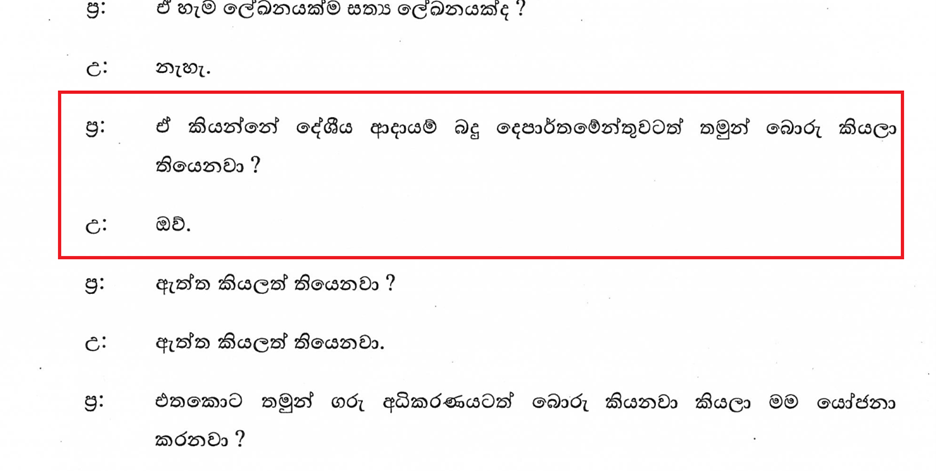
It is in this point has the notoriety of Jayakody made a public appearance through the letter’s description upon the questioning of Saliya Peiris PC in Court.
Jayakody has produced statements to the FCID on several occasions regarding the money and even signed on declaring them to be authentic. However, Jayakody told Court that he has produced ‘both truths and lies‘ to the FCID.
Jayakody shamelessly admits that he also lied to the Inland Revenue Department and produced counterfeit documents. Had he been given money for this project in question by another party, it should be disclosed before Court. However, Jayakody’s notoriety continued to play as he was being careful not to disclose any name at all times.
On the other hand, the letter forwarded to the Inland Revenue Department reveals that Jayakody himself has acknowledged that he was involved in money laundering.
The repetition of evidence suggests that the construction of the Malwana Mansion believed to be owned by Basil at a cost of about Rs. 100 million was a project of Muditha Jayakody Associates. But Jayakody is playing a rather dangerous game as the ‘star witness’ to this criminal conduct.
Jayakody’s claims are likely to be the biggest joke in Sri Lanka’s history of criminal cases, for he is clearly wasting valuable time in the honourable Court of Law, raising the uncertainty whether he would tell the truth in Court at all.
According to Jayakody, he has been a taxpayer of this country since 1989. At one point he says, “I’m not like others, your honour, I pay taxes on time.” Be it true, then Jayakody in a berserk claim goes on saying that he had paid taxes on income that was not his and demands the Inland Revenue Department for a refund.
If put correctly, the Inland Revenue Department should have sued this man for producing counterfeit information involving a matter of national importance.
Chances are high that all of us may soon see the end result of the attempt to try a case based on the testimony of an unreliable witness like Muditha Jayakody.
The petition filed by MP Patali Champika Ranawaka today seeking an injunction over the hearing of the case filed against him in connection with a road accident that happened in Rajagiriya in 2016 has been called today before the Appeal Court Bench comprising Justices Menaka Wijesundara and S. Kumaranratnam.
The Bench decided to adjourn the hearing of petition stating that whether a notice should be issued in this regard will be announced on March 29.
Senior Deputy Solicitor General Dileep Peiris appearing for the Attorney General’s Department told the Court that investigations into the incident had revealed a number of evidence of how the petitioner had attempted to mislead the investigation.
Stating that the petitioner was acting with intent to adjourn the case filed in the High Court in connection with the incident, the Senior Deputy Solicitor General added that he was opposed to the issuance of an injunction. He thereafter presented the written submissions on the petition to the Court.
Lawyer appearing for the petitioner told the Appeal Court that the High Court Judge had denied the preliminary objections that the case could not be continued and proceeded to hear the case, pointing out that the High Court Judge’s action was against the law, thereby seeking the Appeal Court to issue an order suspending the hearing at the High Court.
Upon considering the submissions of both parties, the Appeal Court Bench adjourned the hearing till March 29, stating that it would decide whether a notice should be issued to hear the petition on the designated date.
The United National Party has raised concerns over the allegations levelled by former CID Director Shani Abeysekara in his Fundamental Rights petition filed in the Supreme Court.
During a meeting with party seniors, UNP Leader Ranil Wickremesinghe stated that the Government must be pressured to initiate a new independent investigation into the claims made by Abeysekara. It was discussed that along with Abeysekara’s claims, the Parliamentary Select Committee appointed to inquire into the Easter Sunday attacks in 2019 also concluded that further investigations were required. However, to date these investigations have not been completed by this Government despite electoral pledges to do so. The UNP members were also adamant that a transparent investigation into this matter would highlight the extent to which the party was hamstrung by the President who controlled the security apparatus in the country at the time.
The UNP had faced heavy criticism in 2019 from the public, who claimed that the then Government was aware of the threats but failed to take action.
According to the petition filed by Abeysekara, members of the intelligence service had been aware of the growing threats, but had blocked investigations carried out by the CID into Zahran Hashim and his group. Furthermore, Abeysekara has claimed that he had informed President Maithripala Sirisena of the need to brief the National Security Council regarding their investigations in January 2019, but were not provided the opportunity to do so.
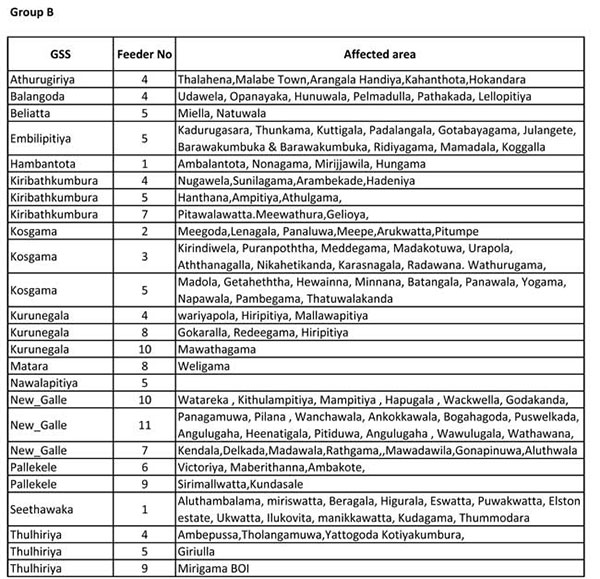
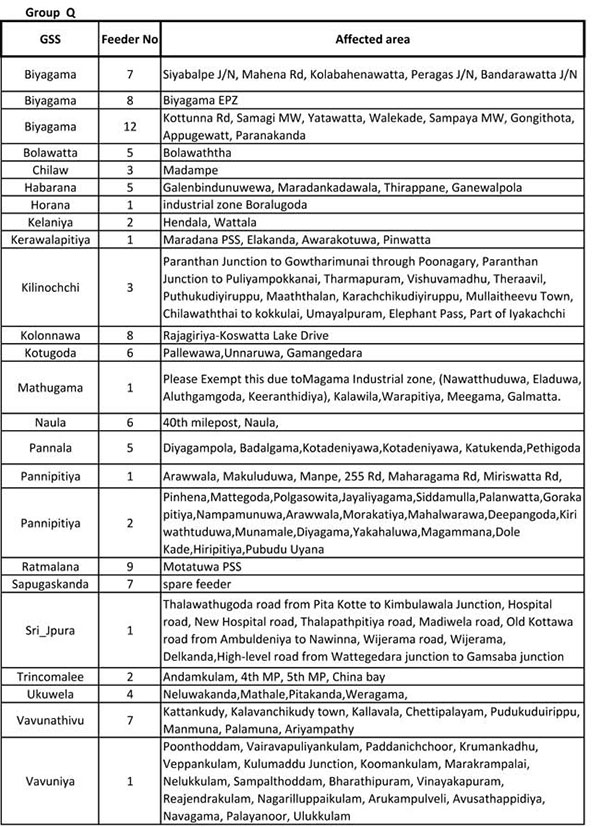
The time table on power cuts has been amended today (21) making it a power cut of two hours in between the time of 4.30 pm and 10.30 pm, revealed the Public Utilities Commission of Sri Lanka (PUCSL).
The Commission yesterday told media that only a one-hour power cut will occur today.
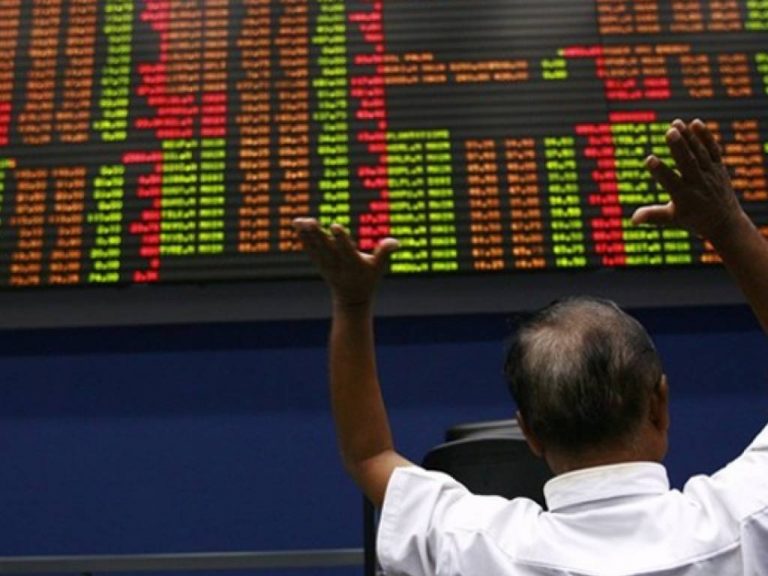
The daily trading operations at the Colombo Stock Exchange (CSE) has been abruptly suspended this (21) afternoon.
According to reports, the transactions have been suspended for thirty minutes from 1.45 pm today, mainly due to the S&P SL20 Index falling more than 05 per cent over the previous trading day.
At the time of the drop, the All Share Price Index was down by 540.43 points and the S&P SL20 Index, 207.60 points.
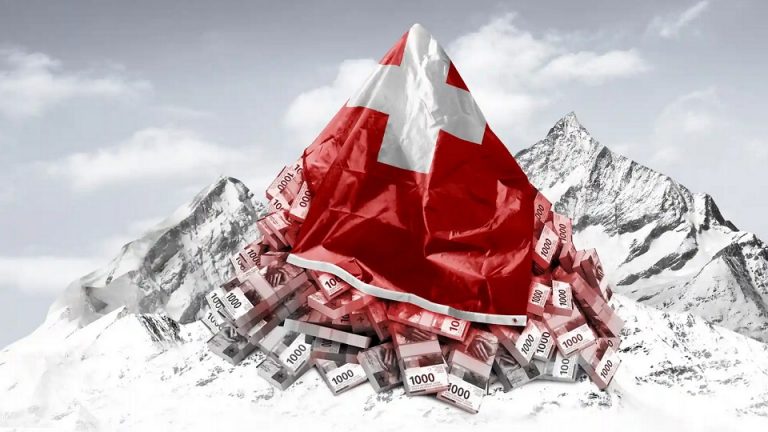
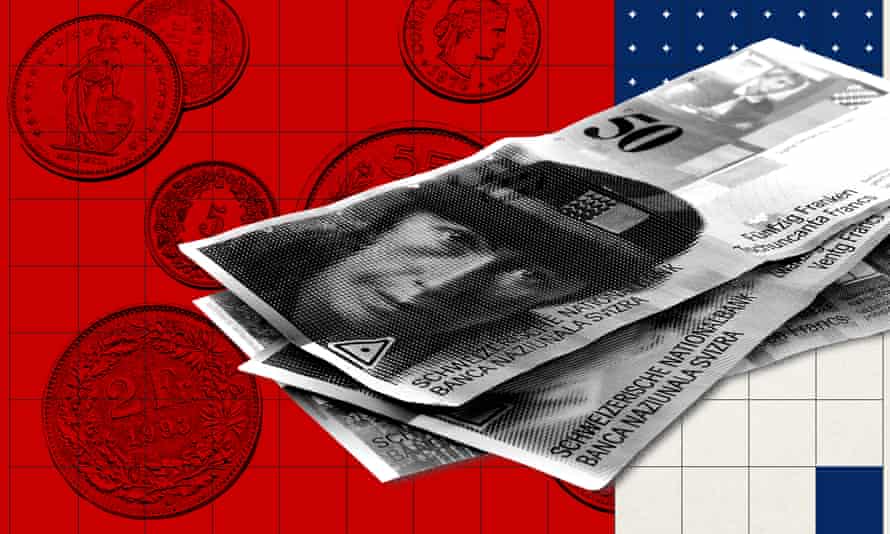
A massive leak from one of the world’s biggest private banks, Credit Suisse, has exposed the hidden wealth of clients involved in torture, drug trafficking, money laundering, corruption and other serious crimes.
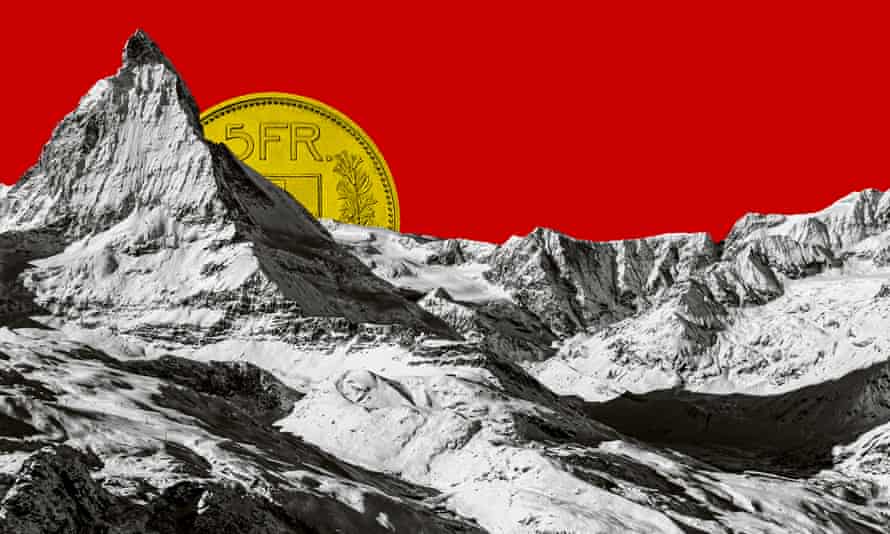
Details of accounts linked to 30,000 Credit Suisse clients all over the world are contained in the leak, which unmasks the beneficiaries of more than 100bn Swiss francs (£80bn)* held in one of Switzerland’s best-known financial institutions.
The leak points to widespread failures of due diligence by Credit Suisse, despite repeated pledges over decades to weed out dubious clients and illicit funds. The Guardian is part of a consortium of media outlets given exclusive access to the data.
We can reveal how Credit Suisse repeatedly either opened or maintained bank accounts for a panoramic array of high-risk clients across the world.
They include a human trafficker in the Philippines, a Hong Kong stock exchange boss jailed for bribery, a billionaire who ordered the murder of his Lebanese pop star girlfriend and executives who looted Venezuela’s state oil company, as well as corrupt politicians from Egypt to Ukraine.
One Vatican-owned account in the data was used to spend €350m (£290m) in an allegedly fraudulent investment in London property that is at the centre of an ongoing criminal trial of several defendants, including a cardinal.
The huge trove of banking data was leaked by an anonymous whistleblower to the German newspaper Süddeutsche Zeitung. “I believe that Swiss banking secrecy laws are immoral,” the whistleblower source said in a statement. “The pretext of protecting financial privacy is merely a fig leaf covering the shameful role of Swiss banks as collaborators of tax evaders.”
Credit Suisse said that Switzerland’s strict banking secrecy laws prevented it from commenting on claims relating to individual clients.
“Credit Suisse strongly rejects the allegations and inferences about the bank’s purported business practices,” the bank said in a statement, arguing that the matters uncovered by reporters are based on “selective information taken out of context, resulting in tendentious interpretations of the bank’s business conduct.”
The bank also said the allegations were largely historical, in some instances dating back to a time when “laws, practices and expectations of financial institutions were very different from where they are now”.
While some accounts in the data were open as far back as the 1940s, more than two-thirds were opened since 2000. Many of those were still open well into the last decade, and a portion remain open today.
The timing of the leak could hardly be worse for Credit Suisse, which has recently been beset by major scandals. Last month, it lost its chairman, António Horta-Osório, after he twice broke Covid-19 regulations.
That capped an unprecedented year of controversies in which the bank became embroiled in the collapse of the supply chain finance firm Greensill Capital and the US hedge fund Archegos Capital, and was fined £350m over its role in a loan scandal in Mozambique.
This month, Credit Suisse became the first major Swiss bank in the country’s history to face criminal charges – which it denies – relating to allegation it helped launder money from the cocaine trade on behalf of the Bulgarian mafia.
However, the repercussions of the leak could be much broader than one bank, threatening a crisis for Switzerland, which retains one of the world’s most secretive banking laws. Swiss financial institutions manage about 7.9tn CHF (£6.3tn) in assets, nearly half of which belongs to foreign clients.
The Suisse secrets project sheds a rare light on one of the world’s largest financial centres, which has grown used to operating in the shadows. It identifies the convicts and money launderers who were able to open bank accounts, or keep them open for years after their crimes emerged. And it reveals how Switzerland’s famed banking secrecy laws helped facilitate the looting of countries in the developing world.
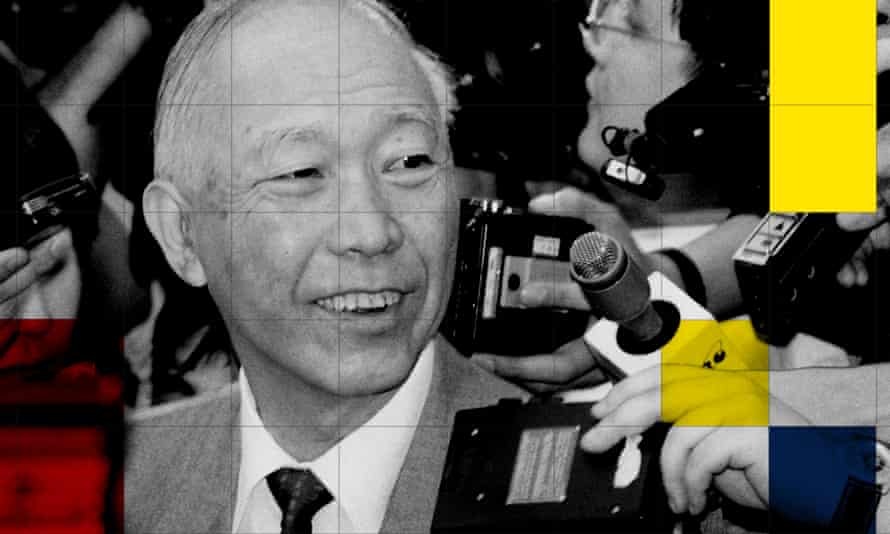
When Ronald Li Fook-shiu approached a banker to open an account in 2000, he is unlikely to have been viewed as a run-of-the-mill client. A former chairman of the Hong Kong stock exchange, he was one of the wealthiest people in the city, where he was known as the “godfather of the stock market”. But he was perhaps better known for the time he spent in a maximum security prison.
Li’s career had ended in disgrace in 1990, when he was convicted of taking bribes in exchange for listing companies on the stock exchange. However, a decade later Li was nonetheless able to open an account that later held 59m CHF (£26.3m), according to the leak.
He has since died, but his case is one of dozens discovered by reporters appearing to show Credit Suisse opened or maintained accounts for clients who had serious convictions that might be expected to show up in due diligence checks. There are other instances in which Credit Suisse may have taken quick action after red flags emerged, but the case nonetheless shows that dubious clients have been attracted to the bank.
Ronald Li Fook-shiu was known as the ‘godfather of the stock market’. Composite: Guardian/Alamy
Like every other bank in the world, Credit Suisse professes to have stringent control mechanisms to carry out extensive due diligence on its customers to “ensure that the highest standards of conduct are upheld”. In banking parlance, such controls are called know-your-client or KYC checks.
A 2017 leaked report commissioned by Switzerland’s financial regulator shed some light on the bank’s internal procedures at that time. Clients would face intensified scrutiny when flagged as a politically exposed person from a high-risk country, or a person involved in a high-risk activity such as gambling, weapons trading, financial services or mining, the report said.
Relationship managers were expected to use external sources to verify customers and their risk levels, according to the leak, including news articles or databases such as the Thomson Reuters World-Check platform, which is used widely in the financial services sector to flag when people are arrested, charged, investigated or convicted of a serious crime.
Such controls might be expected to prevent a bank from opening accounts for clients such as Rodoljub Radulović, a Serbian securities fraudster indicted in 2001 by the US Securities and Exchange Commission. However, the leaked data identifies him as the co-signatory of two Credit Suisse company accounts. The first was opened in 2005, the year after the SEC had secured a default judgment against Radulović for running a pump-and-dump scheme.
One of Radulović’s company accounts held 3.4m CHF (£2.2m) before they closed in 2010. He was recently given a 10-year prison sentence by a court in Belgrade for his role trafficking cocaine from South America for the organised crime boss Darko Šarić. Radulović’s lawyer did not respond to multiple requests for comment.
Due diligence is not only for new clients. Banks are required to continually reassess existing customers. The 2017 report said Credit Suisse screened customers at least every three years and as often as once a year for the riskiest clients. Lawyers for Credit Suisse told the Guardian these periodic reviews were introduced “more than 15 years ago”, meaning it was continually running due diligence on existing clients from 2007.
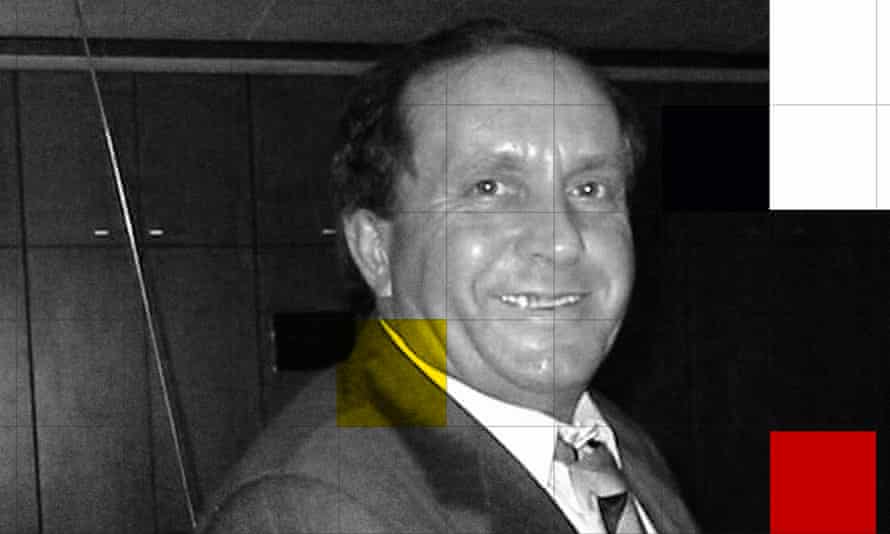
The bank might, therefore, have been expected to have discovered that its German client Eduard Seidel was convicted of bribery in 2008. Seidel was an employee of Siemens. As the multinational’s lead in Nigeria, he oversaw a campaign of industrial-scale bribery to secure lucrative contracts for his employer by funnelling cash to corrupt Nigerian politicians.
Eduard Seidel, convicted of bribery in 2008. Composite: Handout
After German authorities raided the Munich headquarters of Siemens in 2006, Seidel immediately confessed his role in the bribery scheme, though he said he had never stolen from the company or appropriated its slush funds. His involvement in the corruption led to his name being entered into the Thomson Reuters World-Check database in 2007.
However, the leaked Credit Suisse data shows his accounts were left open until at least well into the last decade. At one point after he left Siemens, one account was worth 54m CHF (£24m). Seidel’s lawyer declined to say whether the accounts were his. He said his client had addressed all outstanding matters relating to his bribery offences and wished to move on with his life.
The lawyer did not respond to repeated invitations to explain the source of the 54m CHF. Siemens said it did not know about the money and that its review of its own cashflows shed no light on the account.
While Credit Suisse said in its statement it could not comment on any specific clients, the bank said “actions have been taken in line with applicable policies and regulatory requirements at the relevant times, and that related issues have already been addressed”.
In some instances, Credit Suisse is understood to have frozen accounts belonging to problematic clients. Yet questions remain about how quickly the bank moved to close them.
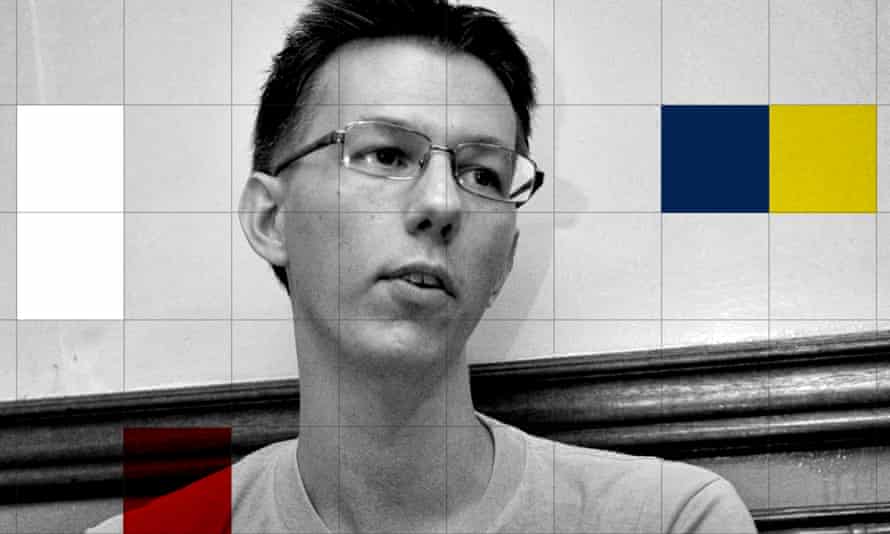
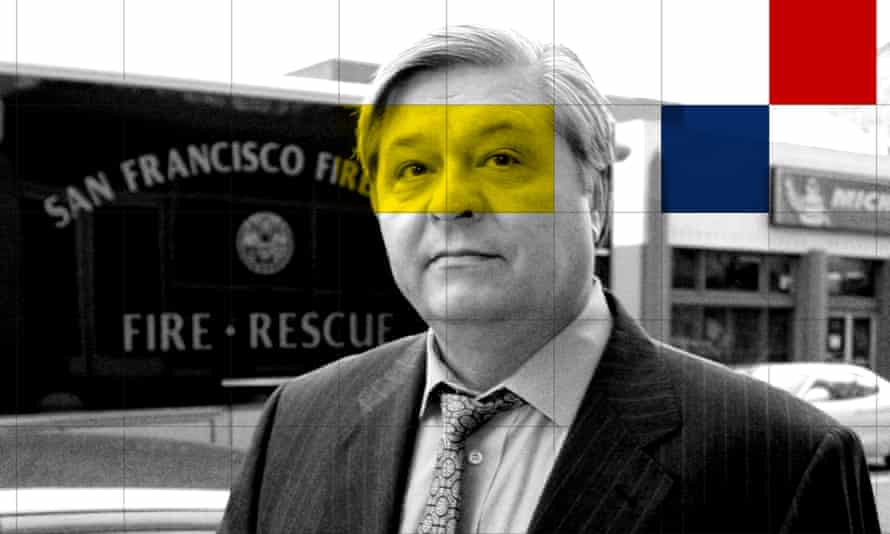
One client, Stefan Sederholm, a Swedish computer technician who opened an account with Credit Suisse in 2008, was able to keep it open for two-and-a-half years after his widely reported conviction for human trafficking in the Philippines, for which he was given a life sentence.
Stefan Sederholm. Composite: AFP
Sederholm’s crime first came to light in 2009, when police in Manila raided a storefront purporting to be the local chapter of the Mindanao Peoples’ Peace Movement, and discovered about 17 women in cubicles with webcams performing sex shows for foreign customers. He was convicted in 2011.
A representative for Sederholm said Credit Suisse never froze his accounts and did not close them until 2013 when he was unable to provide due diligence material. Asked why Sederholm needed a Swiss account, they said that he was living in Thailand when it was opened, adding: “Can you please tell me if you would prefer to put your money in a Thai or Swiss bank?”
Ferdinand and Imelda pillage the Philippines
Swiss banks have cultivated their trusted reputation since as far back as 1713, when the Great Council of Geneva prohibited bankers from revealing details about the fortunes being deposited by European aristocrats. Switzerland soon became a tax haven for many of the world’s elites and its bankers nurtured a “duty of absolute silence” about their clients affairs.
The custom was enshrined in statute in 1934 with the introduction of Switzerland’s banking secrecy law, which criminalised the disclosure of client banking information to foreign authorities. Within decades, wealthy clients from all over the world were flocking to Swiss banks. Sometimes, that meant clients with something to hide.
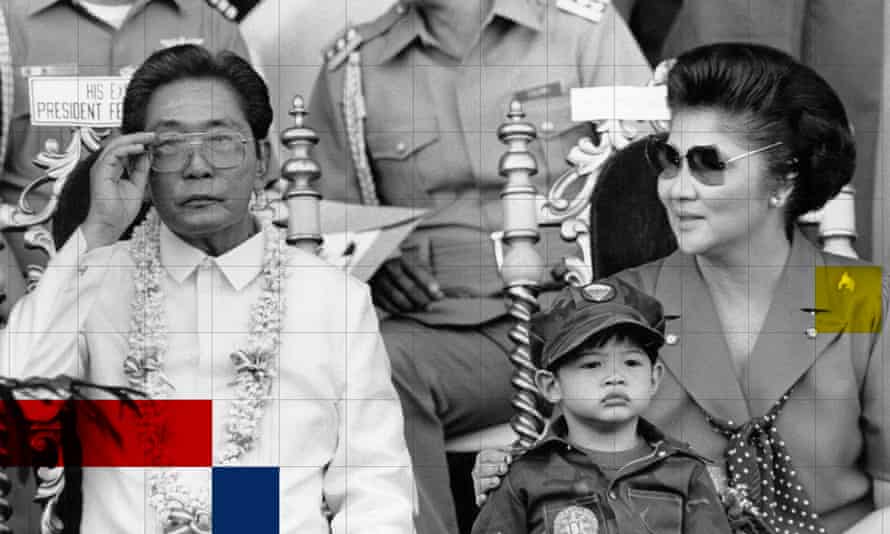
One of the most notorious cases in Credit Suisse’s history involved the corrupt Philippine dictator Ferdinand Marcos and his wife, Imelda. The couple are estimated to have siphoned as much as $10bn from the Philippines during the three terms Ferdinand was president, which ended in 1986.
Credit Suisse helped Ferdinand and Imelda Marcos open Swiss accounts under fake names. Composite: Guardian
It has long been known that Credit Suisse was one of the first banks to help the Marcoses ravage their own country and in one infamous episode even helped them open Swiss accounts under the fake names “William Saunders” and “Jane Ryan”. In 1995, a Zurich court ordered Credit Suisse and another bank to return $500m of stolen funds to the Philippines.
The leaked data contains an account that belonged to Helen Rivilla, an attorney convicted in 1992 for helping launder money on behalf of Ferdinand Marcos. Despite this, she was able to open a Swiss account in 2000, as was her husband, Antonio, who faced similar charges that were subsequently dropped.
It is hard to know how Credit Suisse could have missed the money-laundering case linking the couple to the corrupt Philippine leader, which was reported by the Associated Press. The couple, who could not be reached for comment, were able to hold about 8m CHF (£3.6m) with the bank before their accounts were closed in 2006.
One former Credit Suisse employee at the time alleges there was a deeply ingrained culture in Swiss banking of looking the other way when it came to problematic clients. “The bank’s compliance departments [were] masters of plausible deniability,” they told a reporter from the Organized Crime and Corruption Reporting Project, one of the coordinators of the Suisse secrets project. “Never write anything down that could expose an account that is non-compliant and never ask a question you do not want to know the answer to.”
The 2000s was also a decade in which foreign regulators and tax authorities became increasingly frustrated at their inability to penetrate the Swiss financial system. That changed in 2007, when the UBS banker Bradley Birkenfeld voluntarily approached US authorities with information about how the bank was helping thousands of wealthy Americans evade tax with secret accounts.
We are transparent, there is nothing to hide in Switzerland.
Swiss Bankers Association
Birkenfeld was viewed as a traitor in Switzerland, where banking whistleblowers are often held in contempt. However, a wide-ranging US Senate investigation later uncovered the aggressive tactics used by UBS and Credit Suisse, the latter of which was found to have sent bankers to high-end events to recruit clients, courted a potential customer with free gold, and in one case even delivered sensitive bank statements hidden in the pages of a Sports Illustrated magazine.
The revelations sent shock waves through Switzerland’s financial sector and enraged the US, which pressured Switzerland into unilaterally disclosing which of its taxpayers had secret Swiss accounts from 2014. That same year, Switzerland reluctantly signed up to the international convention on the automatic exchange of banking Information.
By adopting the so-called common reporting standard (CRS) for sharing tax data, Switzerland in effect agreed that its banks would in the future exchange information about their clients with tax authorities in foreign countries. They started doing so in 2018.
Membership of the global exchange system is often cited by Switzerland’s banking industry as a turning point. “There is no longer Swiss bank client confidentiality for clients abroad,” the Swiss Bankers Association told the Guardian. “We are transparent, there is nothing to hide in Switzerland.”
Switzerland’s almost 90-year-old banking secrecy law, however, remains in force – and was recently broadened. The Tax Justice Network estimates that countries around the world collectively lose $21bn (£15.4bn) each year in tax revenues because of Switzerland. Many of those countries will be poorer nations that have not signed up to the CRS data exchange.
Banks that enable kleptocrats to launder their money are complicit in a particularly far-reaching crime. Composite: Guardian Design
More than 90 countries, most of which are in the developing world, remain in the dark when their wealthy taxpayers hide their money in Swiss accounts.
This inequity in the system was cited by the whistleblower behind the leaked data, who said the CRS system “imposes a disproportionate financial and infrastructural burden on developing nations, perpetuating their exclusion from the system in the foreseeable future”.
“This situation enables corruption and starves developing countries of much-needed tax revenue. These countries are the ones that therefore suffer most from Switzerland’s reverse-Robin-Hood stunt,” they said.
The whistleblower acknowledged that the leak would contain accounts that were legitimate and declared by the client to their tax authority.
“I am aware that having an offshore Swiss bank account does not necessarily imply tax evasion or any other financial crime,” they said. “However, it is likely that a significant number of these accounts were opened with the sole purpose of hiding their holder’s wealth from fiscal institutions and/or avoiding the payment of taxes on capital gains.”
It was not possible for journalists in the Suisse secrets project to establish how many of the more than 18,000 accounts in the leak were declared to relevant tax authorities.
Links to another dictator … and another
Ferdinand Marcos may have been Credit Suisse’s most notorious client. He is arguably rivalled only by relatives of the brutal Nigerian dictator Sani Abacha, who is believed to have stolen as much as $5bn from his people in just six years. It has long been known that Credit Suisse provided services to Abacha’s sons, opening Swiss accounts in which they deposited $214m.
Credit Suisse was publicly contrite after being kicked off a sustainable investment index over the affair. “We understand that the index was not really happy with us being involved with Abacha – we were not happy ourselves,” a spokesperson said in 1999. “But we have addressed those problems and for several years we have taken internal measures to make sure nothing similar happens in the future.”
Banks that enable kleptocrats to launder their money are complicit in a particularly far-reaching crime. The consequences for already impoverished populations can be devastating, as state coffers are siphoned, basic standards are eroded and trust in democracy plummets.
Politicians and state officials are among the riskiest customers for banks because of their access to public funds, particularly in developing nations with fewer legal safeguards against corruption. Banks and other financial institutions are required to subject politically exposed persons, or PEPs, to the most stringent checks, known as “enhanced due diligence”.
The leaked Credit Suisse data is peppered with politicians and their allies who have been linked to corruption before, during or after they had their accounts. None are as well known as the Marcoses or the Abachas, but several wielded great power in countries from Syria to Madagascar, where they amassed personal fortunes.
They include Pavlo Lazarenko, who served a corrupt single year as prime minister of Ukraine between 1997 and 1998 before applying for an account at Credit Suisse. One month after pressure from rivals forced Lazarenko to announce his resignation, he opened his first of two Credit Suisse accounts. One was later valued at almost 8m CHF (£3.6m).
Pavlo Lazarenko, former Ukrainian prime minister. Composite: Guardian/Alamy
Lazarenko was later estimated by Transparency International to have looted $200m from the Ukrainian government, allegedly by threatening to harm businesses unless they paid him 50% of their profits. He pleaded guilty to money laundering in Switzerland in 2000, and was later indicted in the US for corruption and sentenced to nine years in prison in 2006 in relation to bribes received from a Ukrainian businessman.
His lawyer said those convictions did not relate to the theft of any money from the people of Ukraine. Lazarenko, who reportedly lives in California, has resisted returning to the country, where he still faces accusations he stole $17m. His lawyer said his Credit Suisse accounts had not been accessed for two decades and were frozen in connection with court proceedings against him.
It remains unclear why Credit Suisse allowed Lazarenko to open an account and deposit such huge sums in the first place, given his background; before entering politics, Lazarenko was a functionary in charge of a collective farm.
Monika Roth, an expert on money laundering and a professor at Lucerne University, said Swiss banks had for a long time struggled to properly challenge politicians and public officials who, after stints in public office on relatively modest salaries, turned up with huge sums to deposit. She said: “Nobody wants to have asked the question: how is that possible?”
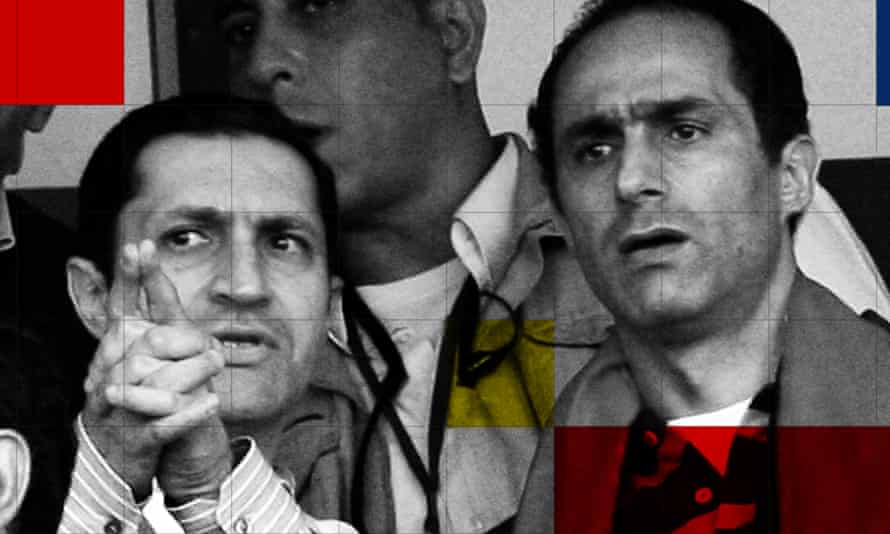
Around the time it was doing business with Lazarenko, Credit Suisse appears to have also made inroads into the Egyptian political establishment under the dictator Hosni Mubarak, who was president for three decades until 2011. The bank’s clients included Mubarak’s sons, Alaa and Gamal, who established business empires in Egypt.
Alaa and Gamal Mubarak. Composite: Guardian
The brothers’ relationship with the bank spanned decades, with the earliest joint account opened by the brothers in 1993. By 2010 – the year before the popular revolt that ousted their father – an account belonging to Alaa held 232m CHF (£138m).
After the Arab spring uprisings their fortunes changed, and in 2015 the brothers and their father were sentenced to three years in jail by an Egyptian court for embezzlement and corruption. They say the case was politically motivated, but after an unsuccessful appeal Alaa and Gamal paid an estimated $17.6m to the Egyptian government in a settlement agreement that made no admissions of guilt.
Lawyers for the brothers reject any suggestion they were corrupt, saying their rights were violated during the Egyptian case, and 10 years of wide-ranging and intrusive investigations into their global assets by foreign authorities has not uncovered any legal violations. They added that their Swiss accounts had been frozen for over a decade, pending the resolution of investigations by the Swiss authorities.
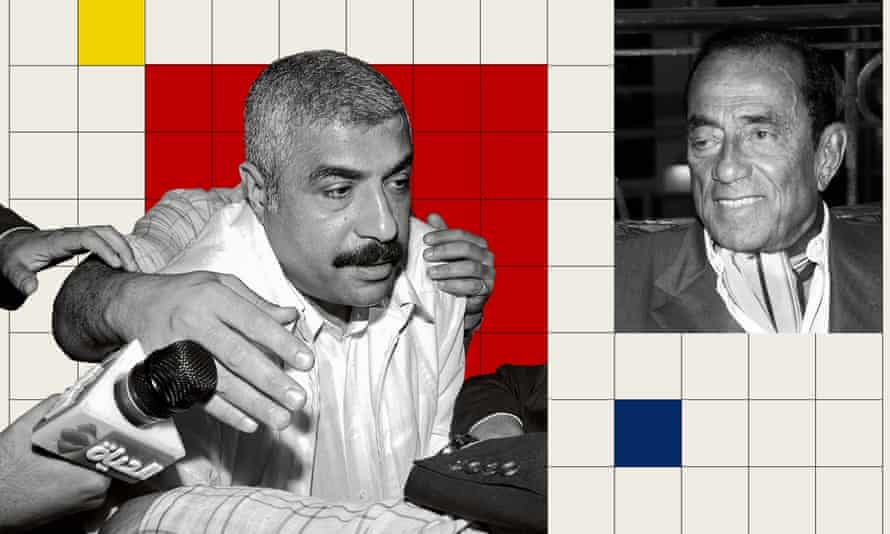
Other Credit Suisse clients linked to Hosni Mubarak were the late tycoon Hussein Salem – who acted as a financial consigliere for the dictator for nearly three decades, amassed a fortune through preferred tender deals and died in exile after facing money-laundering charges – and Hisham Talaat Moustafa, a billionaire politician in Mubarak’s party.
Hisham Talaat Mustafa (left) and Hussein Salem. Composite: AP/EPA
Moustafa, who could not be reached for comment, was convicted in 2009 of hiring a hitman to murder his ex-girlfriend, the Lebanese pop star Suzanne Tamim – but his account was not closed until 2014.
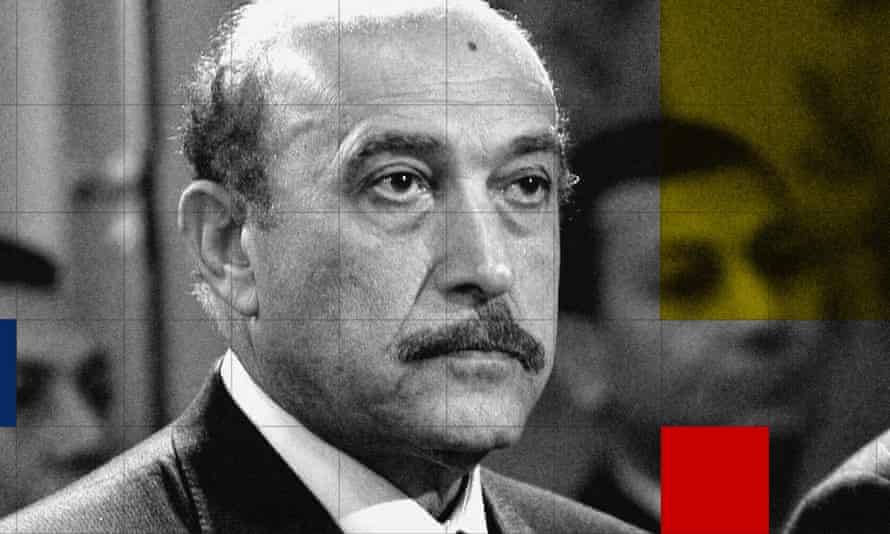
Another Mubarak henchman linked to Credit Suisse’s banking services was his former spy chief Omar Suleiman. His associates are listed in the data as beneficial owners of an account that held 63m CHF (£26m) in 2007. Suleiman was a feared figure in Egypt, where he oversaw widespread torture and human rights abuses.
Omar Suleiman. Composite: Alamy
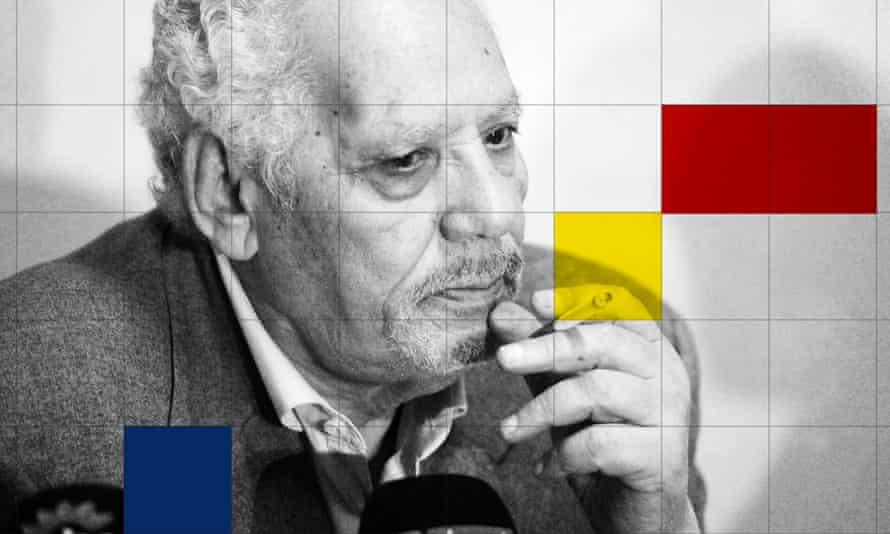
The data reveals Credit Suisse accounts held by several more intelligence and military figures and their family members, including in Pakistan, Jordan, Yemen and Iraq. One Algerian client was Khaled Nezzar, who served as minister of defence until 1993 and participated in a coup that precipitated a brutal civil war in which the military junta he was part of was accused of disappearances, mass detentions, torture and execution of detainees.
Nezzar’s alleged role in human rights abuses had been widely documented by 2004, when his account was opened. It contained a maximum balance of 2m CHF (£900,000) and remained open until 2013, two years after he was arrested in Switzerland for suspected war crimes. He denies wrongdoing and the investigation is ongoing.
If ordinary Algerians, Egyptians and Ukrainians have reason to complain that Credit Suisse may have aided nefarious leaders, their grievances pale in comparison with Venezuelans.
Khaled Nezzar. Composite: Guardian
Reporters working on the Suisse secrets project identified Credit Suisse accounts linked to almost two dozen business people, officials and politicians implicated in corrupt schemes in Venezuela, most of which revolved around the state oil company, Petróleos de Venezuela (PDVSA).
“Corruption has always been around in PDVSA, in varying degrees and levels,” said César Mata-Garcia, an academic at the University of Dundee specialising in international petroleum law. “The words ‘Venezuela’, ‘PDVSA’ and ‘oil’ are an alarm bell for banks.”
If so, that does not appear to have stopped Credit Suisse acquiring clients later revealed to be involved in numerous US investigations and prosecutions linked to PDVSA and the looting of the Venezuelan economy.
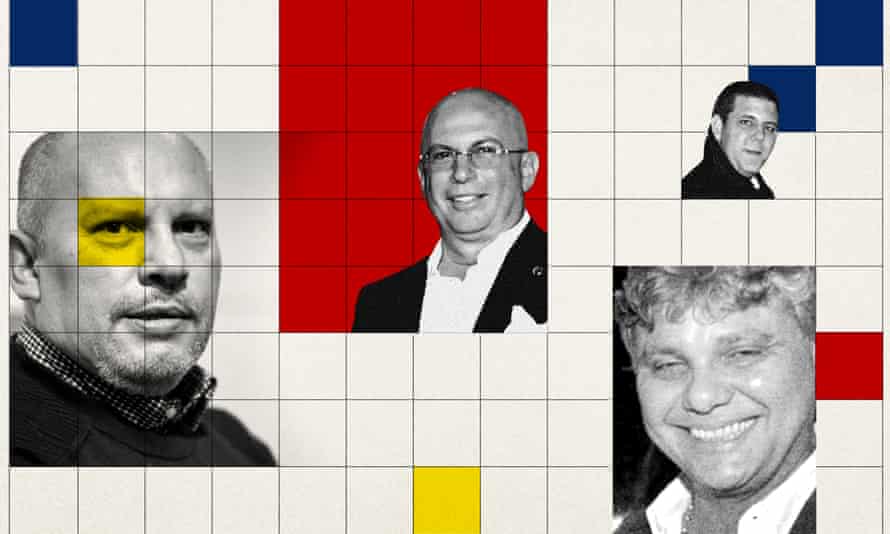
One case involves two US-based businessmen with Venezuelan connections, Roberto Rincón Fernández and Abraham Shiera Bastidas, who in 2009 set about bribing officials in exchange for lucrative PDVSA contracts with the help of an associate, Fernando Ardila Rueda. Among those who allegedly received bungs were the energy vice-minister, Nervis Villalobos Cárdenas, and a senior PDVSA official, Luis De Léon Perez.
From left: Nervis Villalobos Cárdenas, Roberto Rincón Fernández, Abraham Shiera Bastidas and Luis De Léon Perez. Composite: Guardian
In 2015, US prosecutors began indicting the participants; court papers make repeated reference to payments into accounts in an unnamed Swiss bank. However, the leaked data reveals all five men had Credit Suisse accounts active at the time of the offences. Of the five, four have pleaded guilty. The exception, Villalobos, is resisting extradition to the US from Spain.
Some of the Venezuela-linked Credit Suisse accounts contained enormous sums; Villalobos had as much as 9.5m CHF (£6.3m) in his account and De Léon had as much as 22m (£15.5m). Rincón, the businessman paying their bribes, had more than 68m CHF (£44.2m) in his account as of November 2015, the month prior to his arrest.
‘How many rogue bankers before you become a rogue bank?’
When Credit Suisse’s ornate headquarters were constructed in the 1870s in Zurich, they were designed to symbolise “Switzerland as a financial centre”. More than 150 years later, Credit Suisse occupies the same grand premises and Switzerland remains a global offshore centre, much as it has done for the last 300 years.
It is only in recent decades that Credit Suisse, one of Switzerland’s oldest and most cherished banks, acquired its reputation for calamity. As one commentator observed earlier this week: “The bank boasts that its purpose is to serve its wealthy clients ‘with care and entrepreneurial spirit’, but at this stage most of them would probably be happy if it could just avoid yet another major scandal.”
Horta-Osório lasted less than a year before resigning last month. Shortly after Credit Suisse appointed its new chairman, Axel Lehmann, the bank reported a loss of 1.6bn CHF (£1.3bn) in the fourth quarter, in part because it had put aside more than 400m CHF (£320m) to deal with unspecified “legacy litigation matters”.
And there is no shortage of those. The scandals involving Greensill, Archegos and Mozambique bonds have dogged the bank over the past year.
Over the past three decades, Credit Suisse has faced at least a dozen penalties and sanctions for offences involving tax evasion, money laundering, the deliberate violation of US sanctions and frauds carried out against its own customers that span multiple decades and jurisdictions. In total, it has racked up more than $4.2bnin fines or settlements.
Some of the accounts in the leak remain open today. Composite: Guardian
That includes the $2.6bn the Swiss bank agreed to pay US authorities after pleading guilty to conspiring to aid tax evasion in 2014; the $536m it was fined by the US five years before for deliberately circumventing US sanctions against countries including Iran and Sudan in 2009, and other payouts to Germany and Italy over tax evasion allegations.
Against this backdrop, the Suisse secrets revelations may fuel questions over whether Credit Suisse’s challenges are indicative of a deep malaise at the bank.
Jeff Neiman, a Florida-based attorney who represents a number of Credit Suisse whistleblowers, believes the sheer number of scandals involving the bank indicates a deeper problem.
“The bank likes to say it’s just rogue bankers. But how many rogue bankers do you need to have before you start having a rogue bank?” he said. Neiman alleges there has been a culture at the bank “which encourages its bankers probably from the top down to hear no evil, see no evil, speak no evil, bury their heads in the sand on a good day, and on many days, actively assist folks to skirt whatever the law may be in order to best protect assets under management”.”
Such allegations are strongly rejected by Credit Suisse. “In line with financial reforms across the sector and in Switzerland, Credit Suisse has taken a series of significant additional measures over the last decade, including considerable further investments in combating financial crime,” the bank said in its statement, adding that it upheld “the highest standards of conduct”.
Its lawyers said it had fully cooperated with many of the investigations cited by the Guardian and that any past individual failings by the bank did not reflect its current business policies, practices or culture. In November, it announced it would put “risk management at the very core of the bank”.
The bank said its “preliminary review” of the accounts flagged by the Suisse secrets reporting project had established that more than 90% of those reviewed were now closed or “were in the process of closure prior to receipt of the press inquiries”. Of the remaining accounts, which remain active, the bank said it was “comfortable that appropriate due diligence, reviews and other control-related steps were taken, including pending account closures”.
The Credit Suisse statement added: “These media allegations appear to be a concerted effort to discredit the bank and the Swiss financial marketplace, which has undergone significant changes over the last several years.”
The debate over whether Switzerland’s banking industry has undergone sufficient reforms is likely to be renewed in light of the leak. The whistleblower who shared the data suggested that banks alone should not be blamed for the state of affairs, as they are “simply being good capitalists by maximising profits within the legal framework they operate in”.
“Simply put, Swiss legislators are responsible for enabling financial crimes and – by virtue of their direct democracy – the Swiss people have the power to do something about it. While I am aware that banking secrecy laws are partly responsible for the Swiss economic success story, it is my strong opinion that such a wealthy country should be able to afford a conscience.”
* Currency conversions are based on historical rates.
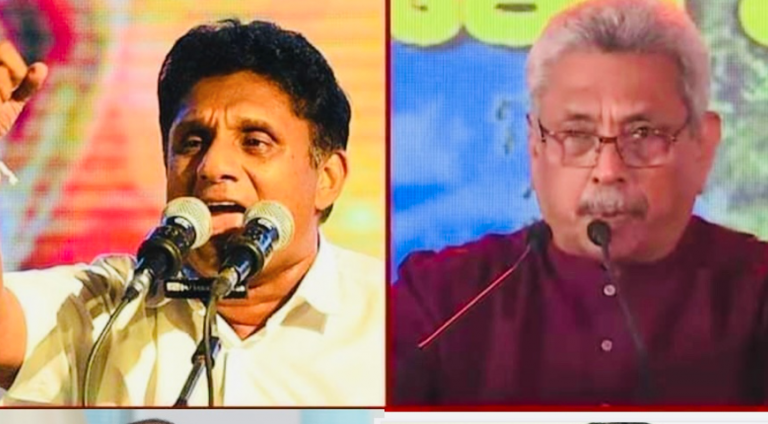
Obviously a presidential election is not possible till 2024. Already several hopefuls including Basil Rajapakse, Sajith Premadasa and Anura Kumara Dissanayake are getting ready for 2024. Businessman Damika Perera an outsider is doing his own thing by offering on line education free to build the next generation of entrepreneurs. He has also suggested solutions to the USD crisis. Unlike the top two politicians in the running , Anura is a local University Graduate and understands clearly Lanka’s predicament. He has capitalized fully to build his base . The youth clearly resonates with his political rhetoric Unfortunately, they are all forgetting that to get 2024, Sri Lanka has to weather an economic tsunami . The way we are going as a country, we are steadily getting buried in more and more debt and a lack of foreign income to survive the next 6 months.
The way out for the government has been. Fixing the LKR to USD at 203, when the black market is LKR 255, curtailing imports by stopping the opening of letters of credit, buying out the ISBs and asking local banks to reinvest in the Bonds. Taking past profits by way of a tax from profitable companies, will affect the cash flows of good companies . Generally, this is a total lack of proper direction. The government is asking companies to attract FDI . Who will invest if they cannot remit their dividends back to their home country . All big multinationals operators have not remitted their dividends since 2020. The Capital markets are not attracting foreign investments for two reasons. Loss of their investment value, and cannot get their money out. Therefore that opportunity has largely dried up. The government based on public feedback has lost the confidence of the public, given its inability to manage the economy . People are liberally venting their frustrations in social media, given that food inflation is over 25%.
The conduct of certain ministers have made it worse. They do not demonstrate any type of confidence of their capability . The biggest disappointment was Minister Basil Rajapakse. So much was expected of him. He has demonstrated that he does not have the knowledge or the experience to get Sri Lanka out of this economic crisis. He is certainly a good grassroots politician. He should focus on that for now snd leave the economy to someone competent who can win the confidence of the creditors. The classic example is what the young chancellor the exchequer Rishi Sunak has done for the UK economy ? Basil’s Rajapakse credentials have lost its currency, given the mammoth crisis we are facing. If the government does not watch out they will very soon preside over a bankrupt srilanka causing untold misery to the 6.9 million people who voted for vistas of prosperity.
Writing on the wall
For a start look at the trade deficit? Our trade deficit is USD 1089 million in January of 2022 from USD 562 million a year ago. Imports have surged 46.8 percent. Why? Where are the import controls. Companies are opening LCs on supplier credit. When those lines expire, will banks have the USD to honour these LCs. If the government continues to mop up the USD to import oil, they will run out of USD . Why are we allowing the import of non essential products ? Ralph Lauren Clothing , Boss Clothing, foreign cheese , ice creams when we are short of medical drugs and fertilizer ? Who is presiding over these stupid decisions? The current economic crisis is largely man made, as pointed out by respected ex Central Banker Dr W Wijewardana . According to Dr Wijewardana, “ the government made serious policy errors when it announced an unsolicited, attractive tax concession to income taxpayers, the estimated revenue loss was around Rs. 650 billion, and the Government went to the banking sector for financing the budget. The consequence of this extraordinary money growth was the building of inflationary pressure in the domestic economy, on one side, and depletion of foreign reserves putting pressure on the rupee to depreciate in the market”.
So whilst Covid 19 severally affected the tourism sector USD flows. The shortsighted policies of Dr PB Jayasundara and his team has pushed the country down this precipice . The government is clearly demonstrating that it lacks the depth to manage this huge crisis. We have already hit the rim and the rim will soon wear off the way we are going. The rich 1% of the population and the politicians have to make sacrifices to get us of this crisis. Obviously given the sentiment of the public the government would be scared stiff to hold any type of election. So at least then get an all party effort before it is too late for Sri Lanka . 2022 will be a year of reckoning for Sri Lanka. The country needs a full reset and that will not come from the current set of representatives, who are making an absolute mockery out of this economic crisis. We are currently a Zimbabwe in the making. Unless we quickly up our capability, to handle the crisis.
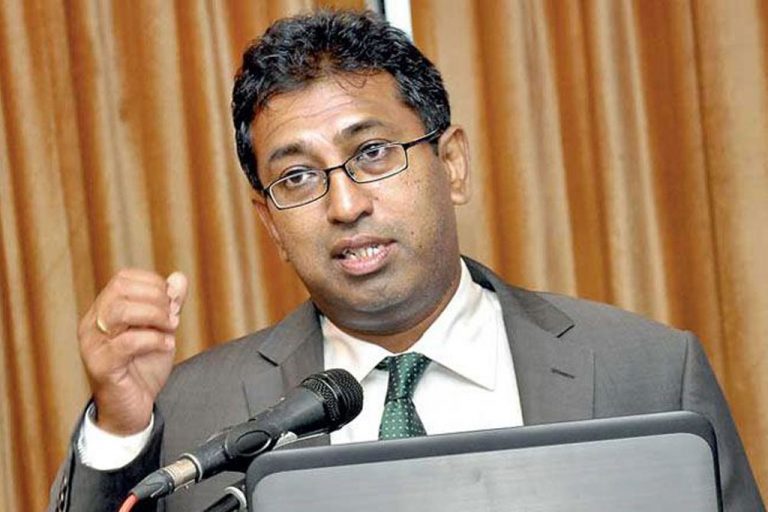
The people of the country are currently under severe pressure due to the power crisis triggered by the absence of fuel, said Samagi Jana Balawegaya (SJB) MP Dr. Harsha De Silva.
Speaking to a briefing held in the Opposition Leader’s Office today (21), the SJB MP noted that the fuel crisis has also affected the stability of the country’s banking system leading to another crisis in the banking sector.
Disregarding requests from many parties to channel the International Monetary Fund (IMF) to solve the problem, the government went on putting alternate patches, the SJB MP alleged.
Dr. Silva went on saying that this huge crisis cannot be solved by the mere arrival of a small group of tourists or other temporary solutions and that the only solution is to identify the problem correctly and reach out to the IMF. The country has lost that opportunity as well, due to the arbitrary actions of the government, he alleged.
The IMF is not imposing any rules or conditions on any country, the SJB went on, revealing that the period for obtaining relief from the IMF, nevertheless, has also expired. Accordingly, the IMF has closed its doors, Silva added.
Calling the IMF a scapegoat the government has lost a valuable opportunity to resolve the crisis, the economist further claimed.
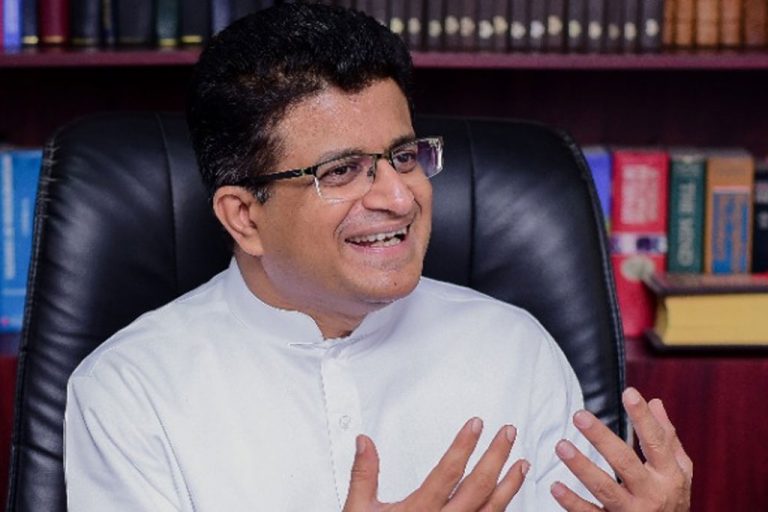
The release of fuel has to be restricted due to the limited fuel reserves at the Ceylon Petroleum Corporation (CEYPETCO), said Energy Minister Udaya Gammanpila. In the backdrop, the amount of fuel released on a daily basis has been limited to 50 per cent of the total demand, the Minister revealed.
This is the main reason for the shortage of fuel in several areas of the country, he added.
Pointing out that fuel imports have also been suspended amid the dollar deficit, Gammanpila revealed that no payment has been made for the vessel that carried diesel to the Colombo Port. The required amount to pay off the vessel, US$ 35 million, has not been found yet, the Energy Minister confessed.
As of now, the supply of fuel for electricity generation has been restricted and the daily supply of diesel has been limited to 1000 metric tonnes. Gammanpila went on saying that even that volume of fuel is being given only to the Kelanitissa Sojist Power Plant, which is legally bound to the CEYPETCO.