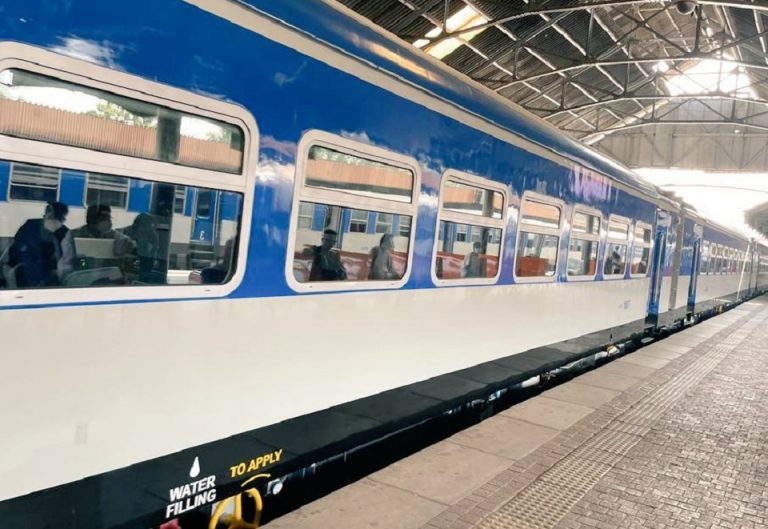
Officials from the High Commission of India accompanied by representatives from RITES and the Sri Lanka Railways travelled aboard an air conditioned train [AC Diesel Multiple Unit (DMU)] on its successful trial run in Sri Lanka on 18 February 2022. This AC DMU has been supplied under a US$ 318 million Line of Credit (LoC) from India. The first AC DMU supplied under this LoC was put into operation on 09 January 2022.
2. The US$ 318 million LoC was finalized in 2014-15 for the supply of railway rolling stock to Sri Lanka, upgradation of railway tracks and other mutually agreed projects in accordance with request and requirements of Government of Sri Lanka. Since then, high quality railway coaches and AC DMUs supplied from India have helped strengthen the railway infrastructure as well as travel experience in Sri Lanka. Various other projects under this LoC including the upgradation of railway tracks are at different stages of implementation.
3. Lines of Credit from India have contributed to the upgradation of the railway line from Colombo to Matara, track laying on sectors such as Omanthai-Pallai; Madhu Church-Tallaimannar; Medawachchiya-Madhu; and Pallai-Kankesanthurai, installing signalling systems, and supply of rolling stock to Sri Lanka railways. India looks forward to continue mutually beneficial cooperation in the transport sector, including in railways where India’s world class capabilities and assistance have contributed significantly to the development of railway infrastructure and facilities, job creation, economic growth, enhanced connectivity and passenger comfort and safety in Sri Lanka.
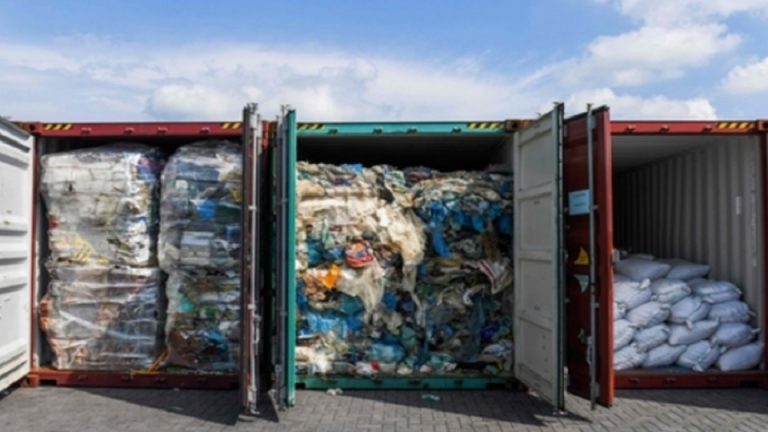
Reports on a staggering amount of waste being imported to Sri Lanka via containers from the United Kingdom some time back raised controversy, with the Central Environmental Authority and the Sri Lanka Customs taking immediate action to seize the cargo.
The importation of waste between two countries is in direct violation of the BASEL Convention and our correspondents revealed that 45 containers have been re-exported to the UK today (20).
Sources on the condition of anonymity told LNW that the waste material was exported from UK by shipper M/s Vangaads Ltd, a company belonging to a UK national of Sri Lankan origin at 241, B High Street North, London, England E21 6SJ, to consignee M/s ETL Colombo Pvt Ltd, #12, Park Road, Colombo 05, Sri Lanka, on behalf of the ultimate consignee M/s Ceylon Metal Corporation Pvt Ltd, at 157 4C Winson Park II, Averiwatte Road, Watala, and has now been re-exported to the UK.
Hayleys, whose name had been mentioned among headlines catering to the controversy, was accused of having links to the importation of the waste material. However, LNW learned that ‘Hayleys Free Zone’ acted purely as the logistics service provider on behalf of the party who imported the cargo and had nothing to do with the actual cargo apart from acting as a pure service provider.
Speaking to ‘Talk with Chathura’, Environment Secretary Dr. Anil Jasinghe also commented on the event and this can be viewed from 01:25:55 to 01:29:17.
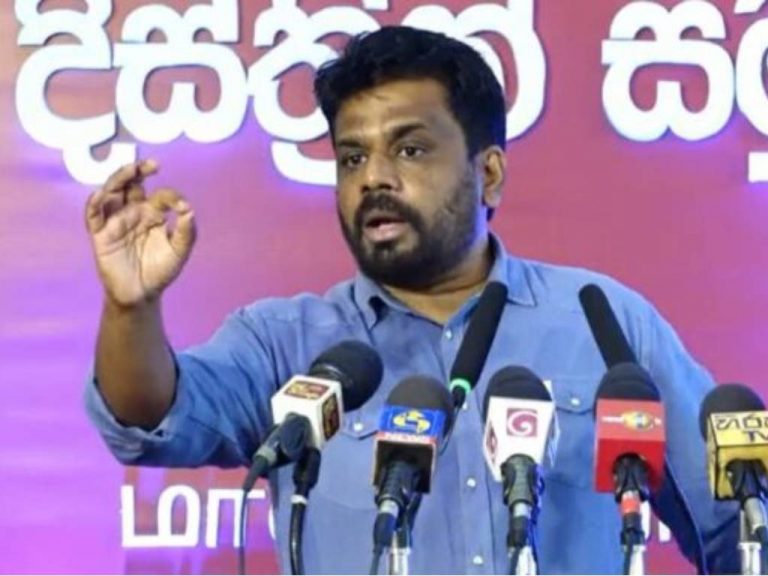
The government has a responsibility to report information on those responsible for the failure of prevention of the Easter Sunday Massacre to the Judiciary and take actions to penalise them, had former Defence Secretary Hemasiri Fernando and former Inspector General of Police (IGP) Pujith Jayasundara, who had been indicted with 845 charges of the same nature, been acquitted, said Leader of the National People’s Power (NPP) and the Janatha Vimukthi Peramuna (JVP) MP Anura Kumara Dissanayake, speaking to the NPP Puttalam District Convention today (20).
Although it has been nearly three years since the massacre, no persons held accountable were prosecuted or penalised by the government, the NPP Leader pointed out, begging the question as to who should be held accountable for failing to avert the attack upon the acquittal of the former IGP and the former Defence Secretary.
Despite the reception of intelligence on the attack, no persons held accountable for failing to avert the attack have been identified, he added, emphasising that given that no person was penalised nor prosecuted even after three years since the genocide, it is quite clear that the government will fail to serve justice for those aggrieved by the attack for the rest of the two years.
The NPP/JVP Leader went on saying that the Easter Sunday Massacre was a key contributing factor to the current regime being elected and reminded that the people of this country voted for the President and the government in the hope of seeing those responsible for the attack being penalised. Now, once again the people have to hope for the same from another party, he added.
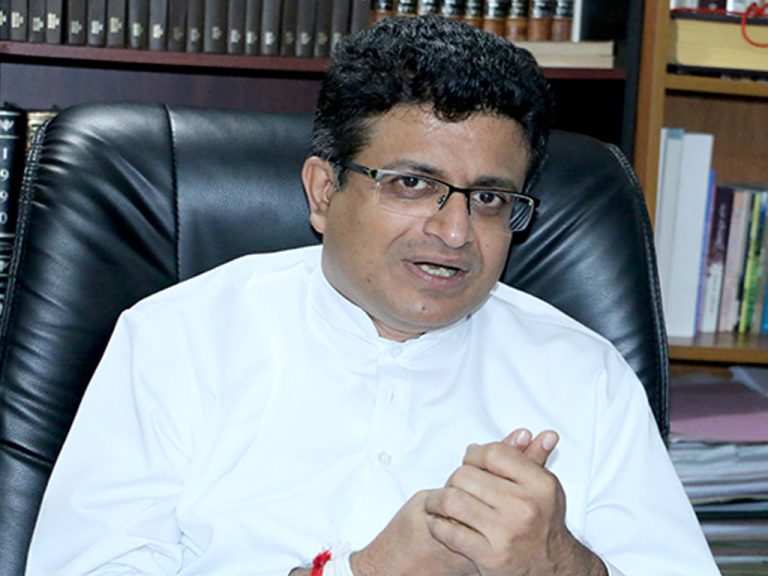
The amount of debts to be settled by the Ceylon Petroleum Corporation (CEYPETCO) to state banks in Sri Lanka has exceeded Rs. 740 billion, awakening a suspension of further debt provision, revealed Energy Minister Udaya Gammanpila,
Pointing out that the CEYPETCO is suffering from such a weight of debt is due to the provision of fuel subject to debt for many state bodies, Gammanpila added that the CEYPETCO is now paying the price for other state-run bodies.
Rs. 80 billion is due to receive over the fuel lent to the Ceylon Electricity Board (CEB) and fuel amounting to Rs. 63 billion and subject to debt has been provided to the SriLankan Airlines, the Energy Minister revealed.
In the backdrop, provision of fuel subject to debt to the CEB and the SriLankan Airlines will no longer take place, he added.
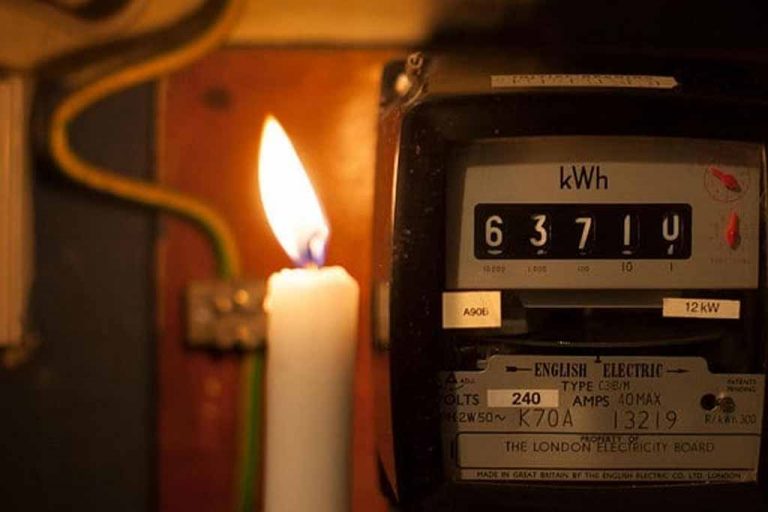
There will be a power cut tomorrow (21) based on a request by the Ceylon Electricity Board (CEB) said the Public Utilities Commission of Sri Lanka (PUCSL).
Accordingly, a power cut of three hours will occur in between 8.30 am and 4.30 pm in the Southern Province and a power cut of one hour in between 8.30 am and 7.30 pm in other areas of the island tomorrow.
The longer due in the Southern Province was due to the lower water levels in the reservoirs which provide hydropower in the area.
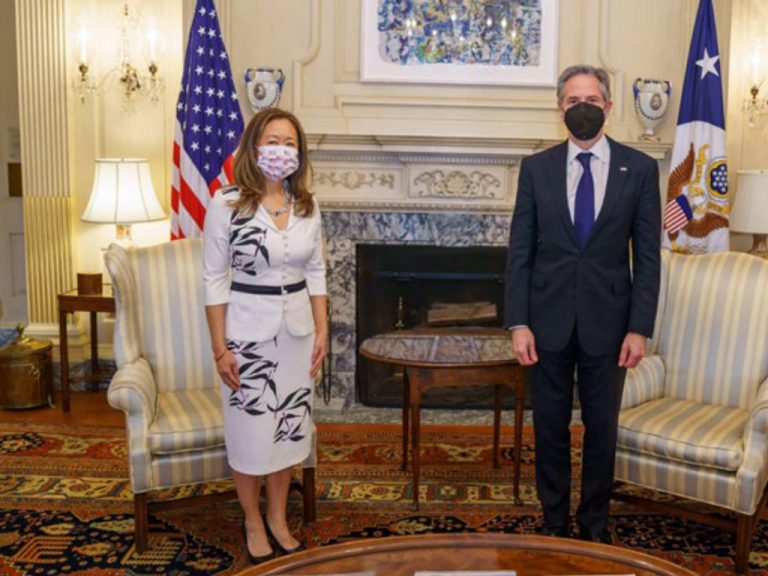
Julie J. Chung the new US Ambassador to Sri Lanka speaking at the meeting with US Secretary of State Anthony Blinks before leaving her country stated that it is a great honour to have the opportunity to visit Sri Lanka for diplomatic service.
Chung is a US national of South Korean descent with extensive diplomatic experience.
She told the US State Secretary that she hopes to further strengthen economic and friendly ties between the two countries and that she is looking forward to working with the Sri Lankan government as well as the civil society.
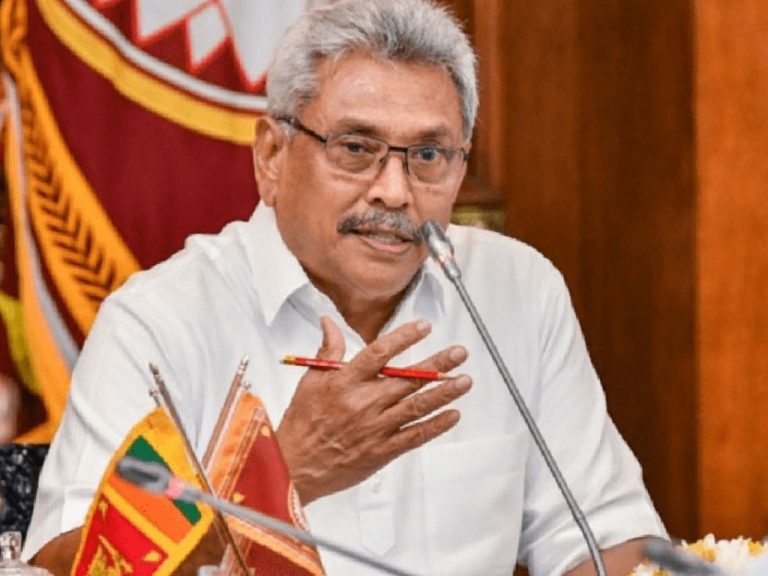
The Top 20 Companies in Sri Lanka are set to meet President Gotabaya Rajapaksa tomorrow (21).
Accordingly, the owners, chairmen and chief executive officers of these companies have been called in to join the meeting with the President, to directly address the problems and needs of the business community.
No government can avoid the business community and continue to administer the country in the event that the Private Sector is the spine of Sri Lanka’s economy. Whoever comes to power must join forces with this business community to contribute more effectively to boosting the domestic production.
No foundation to such allegiance was ever created during the two year tenure of P.B. Jayasundara as the President’s Secretary. Gamini Senarath, the incumbent President’s Secretary, on the other hand, has managed to knot the tie within a very short period of time upon his appointment, which should be appreciated without debate.
Cases, deaths, and hospitalizations have plummeted – but transmission remains high across the nation
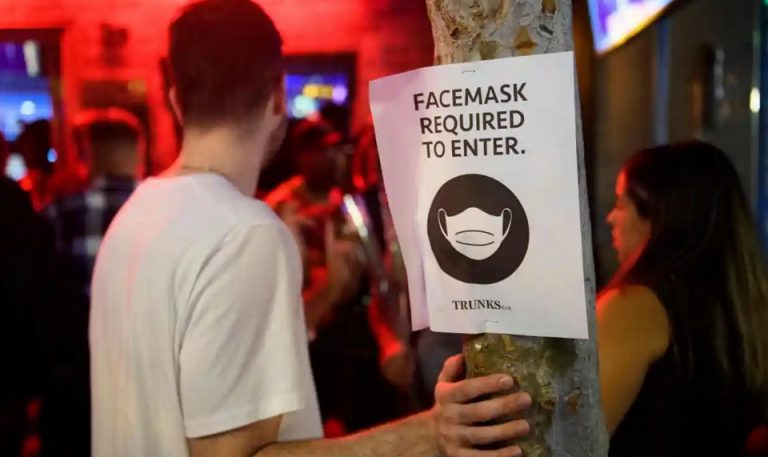
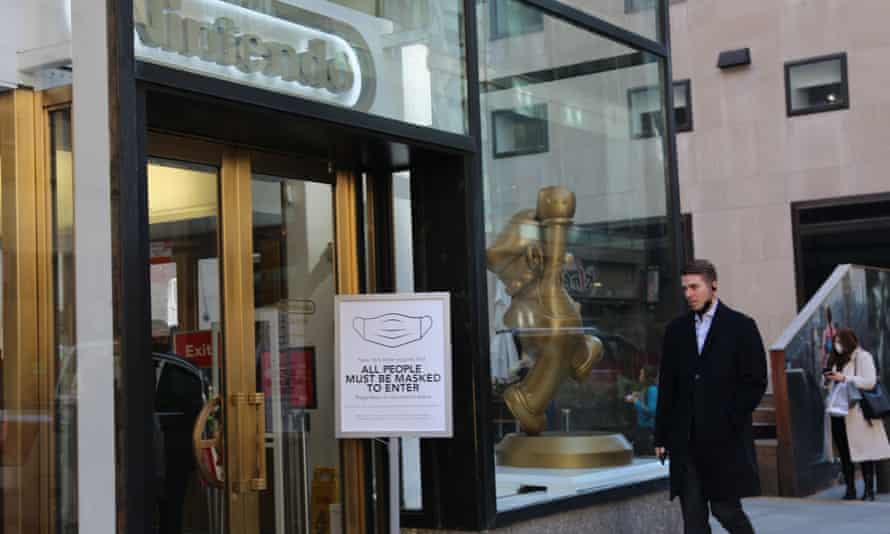
As some US companies begin asking people to return to the office and governors lift mask mandates, talk has emerged of life after the Covid-19 pandemic in America.
But infectious disease experts aren’t quite ready to declare that it’s safe for individuals, rather than governments and health officials, to determine whether precautions such as masking indoors are necessary.
“I think it’s probably reasonable not to get too cocky at this point,” said Jennifer Nuzzo, an epidemiologist at the Johns Hopkins Center for Health Security. “I welcome the decline in cases that we are seeing in the US and a number of other countries, and I think you can both celebrate the sunshine while also keeping an umbrella close by for the possibility that rain could occur.”
The numbers of Covid cases and hospitalizations in the United States have decreased by 67% and 38% over the last two weeks, according to data from the New York Times.
Amid that decline, Democratic governors in Massachusetts, Illinois, New York, Rhode Island, California, Connecticut, Delaware, New Jersey and Oregon have recently lifted at least some parts of the masking mandates.
California governor Gavin Newsom on Thursday announced a plan based on the idea that we are entering an endemic stage, meaning the virus is no longer a significant threat in some areas, rather than a pandemic, meaning a global outbreak.
That new approach includes a focus on countering misinformation and disinformation and mass testing to spot new variants and surges, according to the Associated Press.
US companies, most notably, Microsoft, have also announced plans to reopen their facilities and asked employees to return. And Amazon, where many people already worked in person, announced that it would not require fully vaccinated employees to wear masks, according to the Wall Street Journal.
“While the world has changed, our dedication to the safety and wellbeing of our employees has remained constant,” Microsoft said in a blogpost about the reopening. “As we navigate this new phase of work, we’ll continue to take a data-driven approach to decision making that follows the guidance of public health authorities.”
But Justin Lessler, an epidemiology professor at the University of North Carolina, says that while the numbers of Covid cases, deaths and hospitalizations have recently plummeted, the fact that the Omicron spike was so much higher than previous waves has misled people into thinking that they no longer need to wear masks or avoid mass gatherings. The US daily average of cases and hospitalizations on 16 February were about 124,000 and 81,000, according to the Times.
Before removing precautions, Lessler said he would like to see Covid levels like late June 2021 – before the Delta wave – when the daily averages of new cases and hospitalizations were about 12,000 and 16,000.
Modeling shows the US could achieve that around late March, he said.
“In most of the country, cases, deaths and hospitalizations are still extremely high, and I certainly hope that’s not the new normal, and I don’t believe it’s the new normal,” Lessler said. “I worry that the perception that we are already there is going to lead people to act in ways that is going to draw this out longer than it needs to be drawn out.”
William Schaffner, an infectious diseases expert at Vanderbilt University School of Medicine, also thinks that we cannot yet treat the virus as though it is endemic.Advertisement
“Some governors think we are almost there are already – they are dropping mask mandates – and my response is: good luck to you,” said Schaffner. “My fingers are crossed on your behalf.”
‘The option not to care is not an option, but how we try to address the virus can and should change with the data,’ said epidemiologist Jennifer Nuzzo. Photograph: Xinhua/REX/Shutterstock
Almost the entire country remains at what the Centers for Disease Control and Prevention defines as high transmission of the virus, meaning a seven-day daily average of more than 100 new Covid cases per 100,000 residents.
Anna Bershteyn, assistant professor in the department of population health at New York University, thinks more companies will ask employees to return once their surrounding county drops at least to a level of “substantial transmission,” meaning less than 100 new cases per 100,000 residents. Companies will also consider the vaccination levels of their workforce and the severity of a new variant, among other factors, Bershteyn said.
She recommends employers use a framework of “always measures,” such as increasing clean air exchanges in indoor spaces; and ensuring that workers are fully vaccinated and stay home when sick; “sometimes measures,” when case numbers are higher, such as mandating masks and proof of vaccination to be on the premises; and “rarely measures,” such as temporarily closing a business.
Also, “people can reduce their risk in the long term for Covid-19 by improving general health, so taking the opportunity when transmission is low to catch up on any health care that has been missed … staying on top of weight, exercise and diet; and recovering economic losses and educational losses; and really importantly, restoring some of the social connections and those activities that are really important to a person’s wellbeing,” said Bershteyn.
Nuzzo, the Johns Hopkins epidemiologist, also thinks that the country needs to end its binary thinking on precautions, “that we either care about the virus and are trying to do something about it – or we’re not,” she said.
“The option not to care is not an option, but how we try to address the virus can and should change with the data,” she said. “That may include shifting from mandatory measures to recommended measures … It may mean that we put masks at the front of the entrance to the coffee shop for people to take if they so choose, but we don’t have the poor barista have to yell at somebody and call the police if somebody is not wearing a mask.”
Nuzzo and other epidemiologists also do not take it as a given that a new variant won’t emerge that overcomes the population’s immunity against the virus.
“It’s not like you are going down on a rollercoaster and are just going to keep on cruising. We could see the cases go up again, and I think we have to be mentally and socially prepared that if we are experiencing another surge, we may have to dust off some measures that we got to take a break from,” she said.
Dr Celine Gounder, an infectious disease specialist and epidemiologist at New York University, also thinks the pandemic will be shaped by individuals’ risk tolerance and how well we protect demographics such as low-income populations and residents of long-term care facilities. That means, for example, ensuring that everyone at a nursing home is vaccinated and boosted.
“Instead of having top-down recommendations for everyone, we are entering a phase soon where what we need to be doing is arming people with the information and tools to protect themselves and their loved ones,” she said. “And as opposed to blanket recommendations for the whole population, we need to really focus our public health efforts on the most vulnerable.”
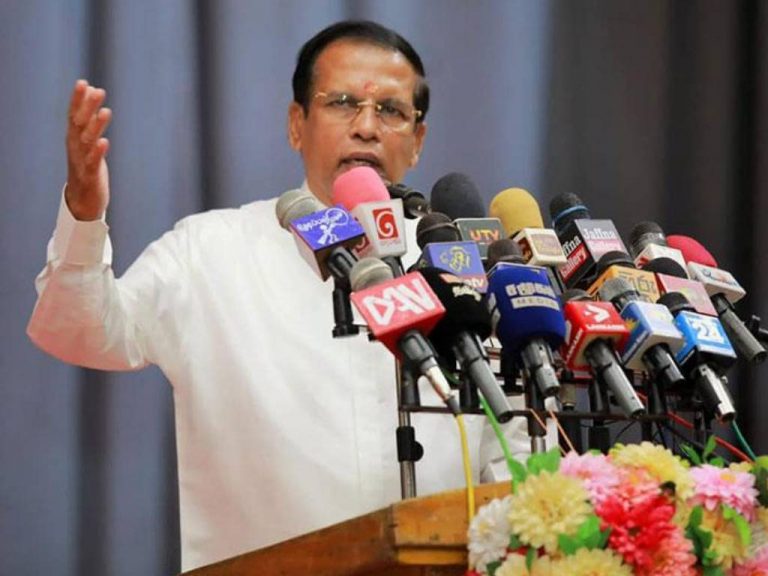
Sri Lanka Freedom Party (SLFP) as a key stakeholder of the government extends its maximum support for every conduct of goodwill of the government, said SLFP Chairman and former President MP Maithripala Sirisena, addressing the SLFP District Convention held at the Urban Council Cultural Hall in Vavuniya yesterday (19).
The former President emphasised that the SLFP, nevertheless, will not be hesitant to address the problems of the government openly.
Expressing his deep concern over the country’s current situation, Sirisena added that it is very regretful that people, especially those of agriculture, are suffering from great difficulties.
The former President reminded that in the past the Northern Province was known as the Sahal Neliya and that the people of the North are most affected by these problems.
An initiative has been launched to strengthen the SLFP aiming the upcoming elections, Sirisena went on, adding that the SLFP will be converted into a strong political force capable of finding solutions to all problems affecting the country and the people.
It is reported that the two power plants Sapugaskanda and Yugadanavi have been shut down due to lack of fuel.
Accordingly, it is stated that the power loss to the national grid today (20) is 370 MW. 270 MW from Yugadanavi power plant and 100 MW from Sapugaskanda A and B power plants.
The shortage will be covered by hydropower during the day but it is reported that it could disrupt the power supply during the night.