The Colombo High Court on Wednesday (June 26) postponed to October 10 the hearing of the case against former Central Bank Governor Ajith Nivard Cabraal and four others, who are accused of causing a financial loss of over Rs. 1.8 billion to the Sri Lankan government by investing public funds in Greek government bonds in 2012.
During the court proceedings, it was disclosed that the defense has filed three revision petitions before the Court of Appeal, challenging the rejection of preliminary objections in the case. These petitions are scheduled to be heard on September 19.
Citing the pending appellate court proceedings, the High Court judge ruled that it would be appropriate to resume the case after a decision is made by the Court of Appeal. The judge further emphasized that hearings would not be held merely for public display, underscoring the importance of procedural fairness and judicial integrity.
Accordingly, the next hearing at the Colombo High Court has been fixed for October 10.
As part of the ‘Clean Sri Lanka’ initiative, a new nationwide programme has been launched to raise public awarenessand improve attitudes toward road safety, with the goal of reducing the rising number of daily road accidents.
Two awareness events under the theme ‘Clean Steps – Safe Roads – Be United for Road Safety’ were held on Wednesday (June 26) at the Rabindranath Tagore Memorial Auditorium of the University of Ruhuna and Matara Beach Park.
In collaboration with the Sri Lanka Police, a road safety demonstration took place near Matara Beach Park at 8:00 a.m., drawing the participation of approximately 1,300 students from schools in the Matara educational zone.
The campaign is aimed at instilling road discipline among schoolchildren from an early age, nurturing their development into responsible and law-abiding citizens. It also seeks to strengthen school road safety clubs, while educating students on traffic laws, accident prevention, and responsible road use.
The programme reflects the Government’s broader effort to promote public safety and civic responsibility under the ‘Clean Sri Lanka’ umbrella, extending its reach beyond environmental concerns to include essential aspects of everyday life such as road safety.
United Nations High Commissioner for Human Rights Volker Türk has expressed full support for the path Sri Lanka is taking under the leadership of President Anura Kumara Dissanayake, particularly in the areas of national unity, reconciliation, and the protection of human rights.
The High Commissioner made these remarks during a meeting with President Dissanayake at the Presidential Secretariat on Wednesday (June 26), as part of his official visit to Sri Lanka.
Türk commended the ongoing political and social transformation in the country and noted the broad public confidence placed in the President and his administration by communities across both the North and South. He said his visit allowed him to gain a clear understanding of the changes currently underway and expressed optimism that the Sri Lankan people are beginning to look toward a brighter future.
One of the central topics of discussion was the issue of missing persons, with the High Commissioner emphasizing that families across all regions endure the same pain and uncertainty. He urged the Government to uphold the trust placed in it by these families and to deliver on long-delayed expectations.
Both parties agreed on the need to strengthen and restructure the institutional framework responsible for addressing the missing persons issue, noting that past political cultures had often hindered these mechanisms from fulfilling their mandate effectively.
President Dissanayake acknowledged the emotional and political weight of the issue, noting that his movement has personally experienced the trauma of disappearances. He reaffirmed his Government’s deep commitment to advancing reforms that promote national reconciliation and protect human rights.
The President also emphasized that restoring economic stability remains a top priority, stating that while the challenges are significant, his administration is determined to tackle them head-on. He called for continued international support, especially from institutions like the UN Human Rights Office, to help accurately present Sri Lanka’s reality to the world and improve its global standing.
The meeting was attended by several senior UN officials, including:
Marc-André Franche, UN Resident Coordinator in Sri Lanka
Rory Mungoven, Chief of the Asia-Pacific Section, OHCHR
Elaine Chan, OHCHR Desk Officer
Laila Nazarali, Senior Human Rights Adviser, UN Resident Coordinator’s Office
Azam Bakeer Markar, Development Coordination Officer
Anthony Headley, Public Information Officer, OHCHR
Representing the Sri Lankan Government were:
Justice and National Integration Minister Harshana Nanayakkara
Public Security and Parliamentary Affairs Minister Ananda Wijepala
Senior Additional Secretary to the President Roshan Gamage
And other senior officials.
The meeting underscores growing international recognition of Sri Lanka’s efforts to move toward reconciliation, reform, and renewed engagement with the global community.
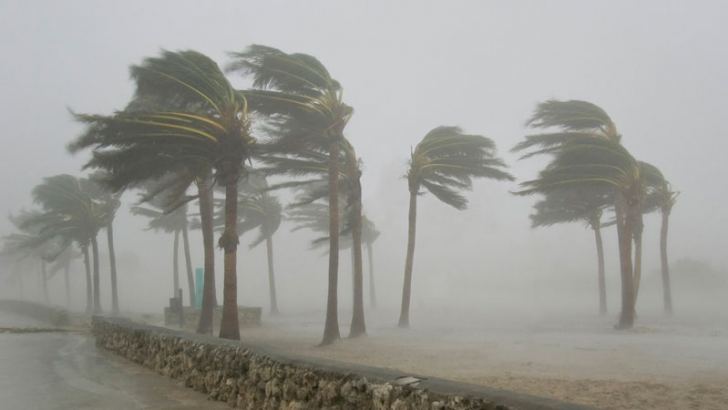
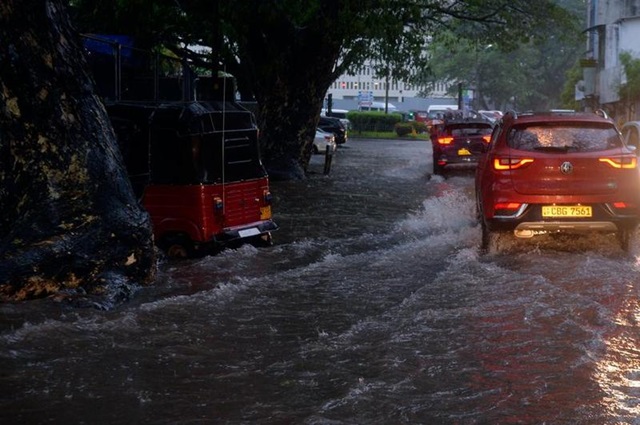
Showers will occur at times in the Western, Sabaragamuwa and North-western provinces and in Nuwara-Eliya, Kandy, Galle and Matara districts.
Fairly heavy falls about 50 mm are likely at some places in the Western and Sabaragamuwa provinces.
Showers or thundershowers may occur at a few places in the Uva and Eastern provinces during the afternoon or night.
Fairly strong winds of about (30-40) kmph can be expected at times over Western slopes of the central hills and in Northern, North-central and North-western provinces and in Trincomalee and Hambantota districts.
The general public is kindly requested to take adequate precautions to minimize damages caused by temporary localized strong winds and lightning during thundershowers.
June 26, Colombo (LNW):Three of Sri Lanka’s key international development partners—the World Bank, Asian Development Bank (ADB), and Japan International Cooperation Agency (JICA)—have jointly voiced concerns over proposed amendments to the 2024 Electricity Act.
In a letter addressed to Energy Minister Eng. Kumara Jayakody, the donor agencies warned that several provisions in the revised bill risk undermining principles of good governance, financial sustainability, and regulatory independence in the power sector.
The concerns, outlined by World Bank and IFC Country Manager Gevorg Sargsyan, ADB Country Director Takafumi Kadono, and JICA’s Sri Lanka Chief Representative Kenji Kuronuma, come at a crucial time as Sri Lanka seeks to modernize its power sector amidst growing investment needs.
The letter, also shared with members of Parliament’s Sectoral Oversight Committee and key government ministries, urges a rethink of specific clauses in the draft legislation that could compromise the effectiveness of planned reforms.
A major point of contention is the amendment to Section 17, which mandates permanent government ownership of several entities, including the National System Operator (NSO) and the proposed Generation and Distribution Companies.
While acknowledging the rationale behind maintaining public control of critical infrastructure, the donors caution that enshrining such ownership in law could deter private sector participation and strain public finances.
The donors are also concerned about the bundling of unrelated assets into the National Transmission Network Service Provider (NTNSP). The inclusion of LTL Holdings—which operates over 1 GW in power generation assets—and Sri Lanka Energies—owner of mini-hydro plants—under the NTNSP umbrella, risks mixing core transmission responsibilities with unrelated generation and manufacturing operations.
This, they argue, would blur the separation between transmission and generation functions, undermining efforts to reduce conflicts of interest and increase transparency in the sector.
The letter also questions the proposed merger of LECO with the Distribution Company. LECO, which operates independently of the Ceylon Electricity Board (CEB), has a track record of innovation and efficiency. Absorbing it wholesale into a newly formed distribution entity, without a clear legal and operational framework, could erode these gains and reintroduce inefficiencies.
Furthermore, the donor trio flagged a key change in tariff-setting authority. The revised bill shifts language from the regulator setting tariffs “in accordance with the national tariff policy” to doing so “in consultation with the Ministry of Finance.” Donors warn that this vague phrasing could lead to legal ambiguities over who ultimately holds decision-making power, potentially weakening regulatory independence.
The agencies emphasized that the proposed amendments, if enacted without due consideration, could jeopardize Sri Lanka’s energy reform goals and violate terms agreed under World Bank and ADB funding arrangements. More broadly, they warn the changes may diminish investor confidence in the country’s energy sector—at a time when attracting capital is crucial.
The letter concludes with a strong appeal to realign the amendments with the core intent of the Electricity Act: promoting good governance, competition, transparent regulation, and long-term financial health of the power sector.
June 26, Colombo (LNW): In a significant move aimed at overhauling Sri Lanka’s tourism sector, the government is preparing to establish a powerful National Tourism Council (NTC), which is expected to unify and streamline the country’s fragmented tourism governance system.
A policy paper outlining the proposal was submitted to the Cabinet last week, and pending approval, the Council will commence operations. Until then, a newly formed Presidential Tourism Unit has been tasked with performing its functions on an interim basis.
Deputy Tourism Minister Prof. Ruwan Ranasinghe described the proposed Council as the apex body that will oversee the existing tourism institutions in Sri Lanka.
Under this new structure, key organisations such as the Sri Lanka Tourism Development Authority (SLTDA), Sri Lanka Tourism Promotion Bureau (SLTPB), and the Sri Lanka Convention Bureau (SLCB) will be brought under the purview of the Council.
However, the Sri Lanka Institute of Tourism and Hotel Management (SLITHM), which focuses on training and human resources development, will continue to operate as an autonomous entity.
Prof. Ranasinghe highlighted that overlapping mandates, institutional silos, and prolonged bureaucratic delays have for years hindered the growth and development of tourism in Sri Lanka. These inefficiencies have delayed critical infrastructure projects and undermined investor confidence.
He stated that the establishment of the National Tourism Council would eliminate long-standing bottlenecks while ensuring greater coherence, accountability, and coordination in planning and executing tourism sector initiatives.
The announcement follows a major development earlier this month when President Anura Kumara Dissanayake introduced a new tourism integration unit under the Presidential Secretariat on June 6.
This move aims to synchronise various sectors of the tourism trade to create a unified strategy and robust framework capable of achieving Sri Lanka’s ambitious tourism goals. One of the primary objectives is to transform Sri Lanka into a premier year-round travel destination, reducing dependence on seasonal tourist flows.
During a high-level meeting at the Presidential Secretariat, the President met with prominent stakeholders, including hoteliers, tour operators, and private investors, to discuss methods to increase tourist arrivals during traditionally slow periods. The discussion focused on the need for a cohesive strategy to ensure sustainable and inclusive growth in the tourism industry.
The proposed National Tourism Council comes at a time when tourism accounts for nearly five percent of Sri Lanka’s GDP, yet the industry continues to struggle due to poor coordination among institutions, insufficient infrastructure, and a lack of targeted promotion during off-seasons.
While the new Council promises greater efficiency, its effectiveness will depend on competent leadership, inclusive stakeholder engagement, and insulation from political interference. If implemented with integrity and vision, it could mark a turning point in making Sri Lanka a truly competitive and sustainable global tourism destination.
June 26, Colombo (LNW):Sri Lanka’s tea exports in volumes and values have increased in May, resulting in a solid growth during the first five months, despite the ongoing geopolitical volatility and economic uncertainty.
As the global tea trade continues to navigate in ambiguity, Sri Lanka’s tea industry appears to be holding steady with total export volumes in May reaching 21.87 million kilos, marking a year-on-year (YoY) increase of 2.42 million kilos compared to the 19.45 million kilos registered in May 2024.
Forbes & Walker Research said the performance reflects a resilient rebound across most product segments, although bulk tea exports lagged behind.
The average Free on Board (FOB) price for May rose to Rs. 1,804.31 per kilo, up Rs. 32.07 from the same period last year. In Dollar terms, the gain was a modest $ 0.12 YoY, but indicative of sustained international demand despite global economic headwinds.
In the cumulative period from January to May, exports totalled 103.28 million kilos, a notable increase of 5.12 million kilos from the 98.16 million kilos shipped in the same period last year. This upward trend was seen across all categories, except for bulk tea, which continues to face price and logistical pressures.
Despite the growth in volume, Forbes & Walker Research said the average FOB value during the first five months dropped slightly in Rupee terms by Rs. 15.87 to Rs. 1,756.46 compared to Rs. 1,772.33 in 2024.
In contrast, the same period from January to May 2025 saw an increase of $ 0.15 per kilo in Dollar terms, highlighting a currency effect that could be playing in Sri Lanka’s favour.
Cumulatively, all categories except bulk tea and packeted tea registered gains in Rupee-denominated FOB values, while in Dollar terms gains were recorded across the board.
Forbes & Walker Research said Iraq emerged as the top importer of Ceylon Tea in the first five months, buying 14.47 million kilos, an 18% increase from12.29 million kilos a year ago.
Libya followed with a dramatic surge in purchases, importing 9.42 million kilos, up 324% YoY, whilst Russia slipped to the third place with 9.12 million kilos marking a decline of 15% from 10.67 million kilos in the corresponding period of 2024.
The UAE with 7.20 million kilos saw a 30% YoY decrease and was placed in fourth position followed by Iran at fifth place who has recorded 5.87 million kilos, an 18% YoY increase surpassing Türkiye at 5.78 million kilos with an 18% YoY decrease.
Chile secured the seventh place with 4.74 million kilos edging over China’s 4.22 million kilos, Saudi Arabia at 3.56 million kilos and Germany at tenth position with 3.27 million kilos for the year in progress.
June 26, Colombo (LNW): In a renewed push to deepen economic engagement between Sri Lanka and the United Kingdom, the Sri Lanka–UK Chamber of Commerce (SLUKCC) has stepped up its efforts to attract trade, tourism, and investment for the benefit of Sri Lanka.
Through strategic collaborations, diaspora engagement, and high-profile promotional initiatives, the Chamber is playing a pivotal role in positioning Sri Lanka as a premier destination for British investors and tourists alike.
As part of this ongoing initiative, the Board of Directors of SLUKCC paid a courtesy visit to the newly appointed High Commissioner of Sri Lanka to the UK, Nimal Senadheera, on 19 June 2025 at the Sri Lankan High Commission in London.
The Chamber delegation, led by President Eranga Pathirage and General Secretary Charles Rohan de Alwis, congratulated the High Commissioner on his appointment and discussed avenues for advancing bilateral economic cooperation.
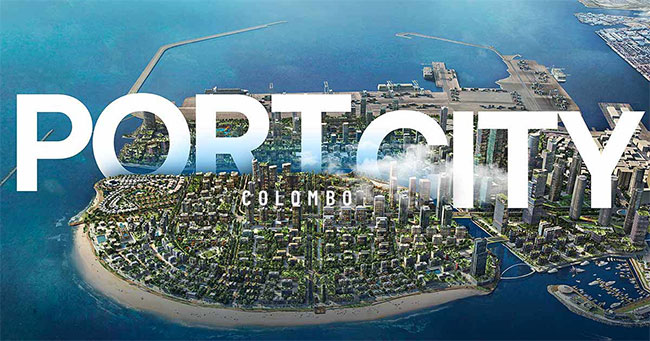
The discussions underscored the importance of revitalizing trade, attracting UK-based investors, and tapping into high-end tourism markets. Special emphasis was placed on promoting the Colombo Port City as a lucrative investment zone and reshaping the perception of Sri Lanka from a low-cost destination to a premium travel experience.
Other key topics included Sri Lanka’s recent labour law reforms aimed at creating a more business-friendly environment, and how the UK-based Sri Lankan diaspora can be leveraged as a bridge for economic collaboration. Both parties also explored potential partnerships in forthcoming flagship trade events such as “Disrupt Asia” in September 2025 and “Sri Lanka Expo” scheduled for June 2026.
High Commissioner Senadheera welcomed the Chamber’s proactive engagement and reaffirmed the High Commission’s commitment to supporting joint economic initiatives. He acknowledged the SLUKCC’s contribution to fostering sustainable and mutually beneficial partnerships and encouraged the Chamber to fast-track efforts in promoting Sri Lanka’s strengths to UK businesses and investors.
Looking ahead, SLUKCC is preparing to organize targeted tourism promotion campaigns across the UK, including initiatives to position Sri Lankan food and beverages as a luxury culinary offering in the British market. These efforts align with broader national strategies to diversify exports and elevate Sri Lanka’s global image.
The SLUKCC continues to be a vital link between the UK and Sri Lanka, playing a catalytic role in attracting foreign direct investment, fostering innovation, and expanding market access for Sri Lankan goods and services. The recent meeting with the High Commissioner reflects a shared commitment to transforming Sri Lanka’s economic future through dynamic international partnerships.
June 26, Colombo (LNW): Sri Lanka’s export performance has continued its upward trajectory during the opening five months of 2025, reaching a cumulative value of US$ 6.93 billion.
This marks a healthy 7.14 per cent increase compared to the corresponding period in 2024, underscoring a sustained recovery and growth momentum across both goods and services sectors, according to figures released by the nation’s export authority.
The month of May 2025 alone saw export revenues touch US$ 1.39 billion, reflecting a year-on-year improvement of 6.35 per cent.
This positive development is attributed to the island’s ongoing efforts to diversify its export markets, improve product value chains, and enhance its overall global competitiveness.
Goods exports for May, based on preliminary data from customs authorities, reached US$ 1.03 billion, recording a modest 1.7 per cent rise from May 2024. Over the January to May period, merchandise exports amounted to US$ 5.34 billion—representing a 5.46 per cent increase when compared to the same period last year.
On the services front, Sri Lanka has shown even stronger performance. Export earnings from services in May were estimated at US$ 358.14 million. Over the five-month period, services exports have surged by 13.2 per cent, bringing the cumulative total to approximately US$ 1.59 billion.
This reflects the growing prominence of Sri Lanka’s knowledge and digital economy, including IT, business process outsourcing, and related professional services, as significant contributors to the country’s export landscape.
The tea industry, a traditional stronghold of Sri Lanka’s export portfolio, also showed encouraging signs of recovery. Tea accounted for 12.8 per cent of total merchandise exports in May 2025, with earnings rising 14.58 per cent year-on-year to reach US$ 131.81 million.
This growth was especially driven by surging demand in key Middle Eastern markets. Notably, shipments to Libya soared by 236.84 per cent, with exports to Iran and Iraq jumping by 123.31 per cent and 53.74 per cent, respectively.
The Diamonds, Gems & Jewellery segment also experienced an upward trend, with May’s export value estimated at US$ 31.4 million—a 5.53 per cent increase compared to the same month last year.
However, not all sectors performed uniformly. Apparel and textile exports, which traditionally dominate the goods export segment, declined slightly by 0.38 per cent, reaching US$ 388.81 million in May. Similarly, the rubber sector reported a downturn, with a 9.33 per cent fall in export revenue to US$ 73.6 million. Seafood exports faced the sharpest decline, plummeting by 22.11 per cent to US$ 13.56 million in the same month.
June 26, Colombo (LNW): Three of Sri Lanka’s most prominent development partners in the energy sector—the Asian Development Bank (ADB), the Japan International Cooperation Agency (JICA), and the World Bank—have formally raised concerns regarding key provisions in the proposed amendments to the Electricity Act of 2024.
The issues, they caution, could compromise critical reforms aimed at ensuring transparency, efficiency, and long-term sustainability in the country’s electricity sector.
In a detailed letter addressed to Energy Minister Eng. Kumara Jayakody, the institutions expressed appreciation for the government’s sustained dialogue and cooperation on power sector reforms. However, they flagged specific aspects of the draft legislation, which was recently published in the Government Gazette and is now before Parliament for consideration, as potentially detrimental to the original reform agenda.
At the heart of their concern is the risk that certain amendments could stall private sector participation, reintroduce inefficiencies, and erode the independence of key institutions meant to oversee pricing and regulation. The lenders stress that their observations are offered constructively and in support of building a resilient and investor-friendly energy system.
One major point of contention is a provision stipulating permanent state ownership of key energy entities, including the proposed Generation and Distribution Companies. While the lenders acknowledged the logic in retaining full state control over some entities such as the National System Operator (NSO) and the Pension Liabilities Company, they warned that embedding permanent government ownership in legislation would limit flexibility, deter private capital, and burden the Treasury in a sector with high capital demands.
Another concern relates to the proposed structure of the National Transmission Network Service Provider (NTNSP). The draft law includes companies such as LTL Holdings and Sri Lanka Energies under the NTNSP. These firms operate not just in transmission, but also in power generation, equipment manufacturing, and other engineering services—raising fears that consolidating these mixed operations under a single transmission authority would blur functional boundaries and dilute reform efforts aimed at unbundling the sector to remove conflicts of interest.
The preliminary transfer of the Lanka Electricity Company (LECO) to the newly created Distribution Company also raised red flags. The lenders noted that LECO has historically operated as a relatively efficient and autonomous distribution firm. Folding it into a larger entity without a proper assessment of commercial and legal implications could reverse some of the progress made in improving service delivery and efficiency.
Additionally, the amendment regarding tariff setting authority was singled out as problematic. The revised wording shifts the requirement from the regulator acting “in accordance with” a national tariff policy to acting “in consultation with” the Ministry of Finance—language which the lenders argue introduces ambiguity over decision-making power and opens the door to undue political influence. They warn that this change could lead to confusion over who holds final responsibility for tariff decisions, potentially sparking legal disputes and undermining the regulator’s independence.
The institutions underscored that the proposed changes, if enacted without revision, could undermine the commitments Sri Lanka has made under its agreements with both ADB and the World Bank, particularly in relation to improving governance, enabling competitive procurement, and establishing a sustainable pricing framework. They also cautioned that these moves might send the wrong signals to investors at a time when the country is seeking to rebuild economic confidence.
In concluding their letter, signed jointly by the heads of each agency’s Sri Lanka office, the development partners urged the government to reconsider and revise the contested clauses in a manner consistent with the broader aims of the Electricity Act—namely, delivering reliable, affordable electricity through efficient governance and sound financial management.