Home Blog Page 258

Export Sector demonstrates steady growth amid global shifts

0

By: Isuru Parakrama

June 26, Colombo (LNW): Sri Lanka’s export performance has continued its upward trajectory during the opening five months of 2025, reaching a cumulative value of US$ 6.93 billion.

This marks a healthy 7.14 per cent increase compared to the corresponding period in 2024, underscoring a sustained recovery and growth momentum across both goods and services sectors, according to figures released by the nation’s export authority.

The month of May 2025 alone saw export revenues touch US$ 1.39 billion, reflecting a year-on-year improvement of 6.35 per cent.

This positive development is attributed to the island’s ongoing efforts to diversify its export markets, improve product value chains, and enhance its overall global competitiveness.

Goods exports for May, based on preliminary data from customs authorities, reached US$ 1.03 billion, recording a modest 1.7 per cent rise from May 2024. Over the January to May period, merchandise exports amounted to US$ 5.34 billion—representing a 5.46 per cent increase when compared to the same period last year.

On the services front, Sri Lanka has shown even stronger performance. Export earnings from services in May were estimated at US$ 358.14 million. Over the five-month period, services exports have surged by 13.2 per cent, bringing the cumulative total to approximately US$ 1.59 billion.

This reflects the growing prominence of Sri Lanka’s knowledge and digital economy, including IT, business process outsourcing, and related professional services, as significant contributors to the country’s export landscape.

The tea industry, a traditional stronghold of Sri Lanka’s export portfolio, also showed encouraging signs of recovery. Tea accounted for 12.8 per cent of total merchandise exports in May 2025, with earnings rising 14.58 per cent year-on-year to reach US$ 131.81 million.

This growth was especially driven by surging demand in key Middle Eastern markets. Notably, shipments to Libya soared by 236.84 per cent, with exports to Iran and Iraq jumping by 123.31 per cent and 53.74 per cent, respectively.

The Diamonds, Gems & Jewellery segment also experienced an upward trend, with May’s export value estimated at US$ 31.4 million—a 5.53 per cent increase compared to the same month last year.

However, not all sectors performed uniformly. Apparel and textile exports, which traditionally dominate the goods export segment, declined slightly by 0.38 per cent, reaching US$ 388.81 million in May. Similarly, the rubber sector reported a downturn, with a 9.33 per cent fall in export revenue to US$ 73.6 million. Seafood exports faced the sharpest decline, plummeting by 22.11 per cent to US$ 13.56 million in the same month.

Global lenders raise concerns over proposed changes to Sri Lanka’s Electricity Act

0

June 26, Colombo (LNW): Three of Sri Lanka’s most prominent development partners in the energy sector—the Asian Development Bank (ADB), the Japan International Cooperation Agency (JICA), and the World Bank—have formally raised concerns regarding key provisions in the proposed amendments to the Electricity Act of 2024.

The issues, they caution, could compromise critical reforms aimed at ensuring transparency, efficiency, and long-term sustainability in the country’s electricity sector.

In a detailed letter addressed to Energy Minister Eng. Kumara Jayakody, the institutions expressed appreciation for the government’s sustained dialogue and cooperation on power sector reforms. However, they flagged specific aspects of the draft legislation, which was recently published in the Government Gazette and is now before Parliament for consideration, as potentially detrimental to the original reform agenda.

At the heart of their concern is the risk that certain amendments could stall private sector participation, reintroduce inefficiencies, and erode the independence of key institutions meant to oversee pricing and regulation. The lenders stress that their observations are offered constructively and in support of building a resilient and investor-friendly energy system.

One major point of contention is a provision stipulating permanent state ownership of key energy entities, including the proposed Generation and Distribution Companies. While the lenders acknowledged the logic in retaining full state control over some entities such as the National System Operator (NSO) and the Pension Liabilities Company, they warned that embedding permanent government ownership in legislation would limit flexibility, deter private capital, and burden the Treasury in a sector with high capital demands.

Another concern relates to the proposed structure of the National Transmission Network Service Provider (NTNSP). The draft law includes companies such as LTL Holdings and Sri Lanka Energies under the NTNSP. These firms operate not just in transmission, but also in power generation, equipment manufacturing, and other engineering services—raising fears that consolidating these mixed operations under a single transmission authority would blur functional boundaries and dilute reform efforts aimed at unbundling the sector to remove conflicts of interest.

The preliminary transfer of the Lanka Electricity Company (LECO) to the newly created Distribution Company also raised red flags. The lenders noted that LECO has historically operated as a relatively efficient and autonomous distribution firm. Folding it into a larger entity without a proper assessment of commercial and legal implications could reverse some of the progress made in improving service delivery and efficiency.

Additionally, the amendment regarding tariff setting authority was singled out as problematic. The revised wording shifts the requirement from the regulator acting “in accordance with” a national tariff policy to acting “in consultation with” the Ministry of Finance—language which the lenders argue introduces ambiguity over decision-making power and opens the door to undue political influence. They warn that this change could lead to confusion over who holds final responsibility for tariff decisions, potentially sparking legal disputes and undermining the regulator’s independence.

The institutions underscored that the proposed changes, if enacted without revision, could undermine the commitments Sri Lanka has made under its agreements with both ADB and the World Bank, particularly in relation to improving governance, enabling competitive procurement, and establishing a sustainable pricing framework. They also cautioned that these moves might send the wrong signals to investors at a time when the country is seeking to rebuild economic confidence.

In concluding their letter, signed jointly by the heads of each agency’s Sri Lanka office, the development partners urged the government to reconsider and revise the contested clauses in a manner consistent with the broader aims of the Electricity Act—namely, delivering reliable, affordable electricity through efficient governance and sound financial management.

Major General Kapila Dolage appointed Chief of Staff of Sri Lanka Army

0

June 26, Colombo (LNW): Major General Kapila Dolage has officially taken up duties as the 67th Chief of Staff of the Sri Lanka Army, marking a significant milestone in a military career that spans more than three decades.

His appointment comes into effect from 26 June and reflects the Army’s confidence in his extensive experience, strategic insight, and longstanding service.

A senior officer of the Corps of Sri Lanka Engineers, Major General Dolage brings with him a wealth of operational and leadership expertise accumulated over 33 years in active service. He previously held the post of Commandant of the Sri Lanka Army Volunteer Force (SLAVF), to which he was appointed in February 2025, and concurrently serves as the Colonel Commandant of the Sri Lanka Army Medical Corps.

Educated at Sir James Peiris Maha Vidyalaya, Nanuoya and Royal College, Colombo, he began his military journey in January 1990 as part of the Cadet Intake 33. His early achievements set the tone for a distinguished path ahead—graduating from the Sri Lanka Military Academy with top honours, he was awarded both the prestigious ‘Sword of Honour’ and the ‘President’s Award’ as the best all-round officer cadet.

Commissioned into the Corps of Engineers in June 1991, Major General Dolage has held a variety of operational roles, ranging from commanding engineer regiments in the field to leading infantry brigades and divisions. His battlefield experience is complemented by key staff and instructional appointments both in Sri Lanka and overseas. Notably, he served as a senior staff officer with the United Nations Mission in Haiti, and has held influential training and operational roles at multiple levels within Army Headquarters.

In the realm of professional development, Major General Dolage has demonstrated a strong academic and strategic focus. He is a graduate of the Sri Lanka Army Command and Staff College and the Malaysian Armed Forces Staff College. His academic credentials also include a Master’s in Defence Studies from the University of Kelaniya, a postgraduate diploma from the University of Malaya, and a Master of Arts in Security Studies, with a focus on civil-military relations, from the Naval Postgraduate School in California.

Throughout his career, he has contributed extensively to institutional development, including formulating plans for career progression of personnel, strategic documentation, and crisis response initiatives. During the COVID-19 pandemic, he played a critical role in planning national-level interventions as Brigadier Planning at the National Operation Centre for Prevention of COVID-19 Outbreak. He was also instrumental in drafting the Army’s strategic development blueprint, titled Army Way Forward 2020–2025.

Currently, he chairs several high-level military committees, including the Army Defence Review 2030 and the Defence Services Defence Review 2030, while also serving as the chief editor for the upcoming historical volume on the Sri Lanka Army’s evolution from 1999 to 2024. His academic involvement continues through lecturing roles in international relations and strategic studies at various military institutions.

Major General Dolage’s exemplary service has been recognised through numerous honours, including the Uttama Seva Padakkama, awarded for distinguished conduct and unblemished service.

Former Health Minister and family indicted over alleged role in substandard drug scandal

0

June 26, Colombo (LNW): A former senior government minister in Sri Lanka, along with several members of his family and a number of senior officials, has been formally indicted before a special judicial panel in Colombo in connection with a far-reaching investigation into the alleged importation and distribution of substandard medical drugs.

Keheliya Rambukwella, who previously served as Minister of Health, was served indictments this week alongside his wife, Kusum Priyadarshini Epa, three daughters, and a son-in-law. The Commission to Investigate Allegations of Bribery or Corruption (CIABOC) filed a total of 43 charges against the group, stemming from separate proceedings under the Prevention of Money Laundering Act. All individuals involved had earlier been arrested and subsequently released on bail.

In a parallel development, the Attorney General filed a fresh indictment consisting of 13 charges against Rambukwella and 11 others, including high-ranking civil servants and private sector actors, before a three-member bench at the Colombo High Court Special Trial-at-Bar. The case is tied to the controversial procurement of Human Immunoglobulin vials during Sri Lanka’s deep economic crisis in 2022.

At the time, Sri Lanka’s public health system was under intense pressure due to a combination of financial constraints and alleged mismanagement. Authorities now allege that procurement procedures were deliberately altered to facilitate the importation of substandard medicines, falsely portraying a critical shortage to justify bypassing standard protocols.

Concerns over the quality of these medical imports intensified after three patients—treated in Kandy, Matale, and Colombo—reportedly experienced serious complications following the administration of Human Immunoglobulin, a plasma-derived product used to support immune-deficient patients. The Criminal Investigation Department (CID) initiated its inquiry after receiving multiple formal complaints.

Following a protracted investigation spanning nearly two years, CID investigators concluded their probe in June. The matter was previously heard at the Maligakanda Magistrate’s Court, where 12 individuals were named as suspects, including the supplier of the contested drugs, Sudath Janaka Fernando, and Janaka Chandragupta, a former Health Ministry Secretary. While most of the accused have been granted bail, the primary supplier remains in remand custody.

The indictments now place Rambukwella and others at the centre of a high-profile corruption and public health case that has attracted widespread national attention. Legal analysts expect proceedings before the Special Trial-at-Bar to be closely watched, given the political sensitivities and potential implications for pharmaceutical oversight in the country.

The trial will be heard before Justices Mahen Weeraman, Amali Ranaweera, and Pradeep Abeyratne. If convicted, the accused could face significant penalties, with broader consequences for public trust in health sector governance.

Former Minister Duminda Dissanayake remanded further over discovery of gold-plated rifle

0

June 26, Colombo (LNW): Former Minister Duminda Dissanayake remains in custody as investigations continue into the discovery of a gold-plated assault rifle found at a high-end residential complex in Colombo.

Dissanayake, who once held the portfolio of Agriculture, was ordered to be held in remand until July 07 following his appearance before the Mount Lavinia Magistrate’s Court earlier today (26).

The case has drawn considerable public and media attention due to the unusual nature of the weapon involved—a gold-plated T-56 assault rifle—raising questions about the former minister’s possible links to unauthorised possession of military-grade arms.

Dissanayake was initially apprehended on May 23 at a luxury residential development in Thimbirigasyaya. His arrest followed the earlier discovery of the opulent firearm at the Havelock City apartment complex in Wellawatte, a location frequented by affluent residents and occasionally, high-profile individuals.

Prior to the former minister’s arrest, two women—aged 40 and 68—were taken into custody in connection with the same incident. Their questioning reportedly led authorities to expand the scope of the investigation, which was subsequently transferred to the Terrorism Investigation Division (TID), indicating the seriousness with which the authorities are treating the case.

Whilst Dissanayake remains behind bars, a third individual arrested during the course of the probe has been granted bail, following a separate hearing. Details surrounding the suspect’s identity or role in the case have not been publicly disclosed.

Spike in respiratory illnesses across Sri Lanka as rainy season triggers viral surge

0

June 26, Colombo (LNW): Sri Lanka’s health sector is currently grappling with a marked increase in respiratory infections, as damp and unsettled weather patterns have created ideal conditions for the spread of various airborne viruses.

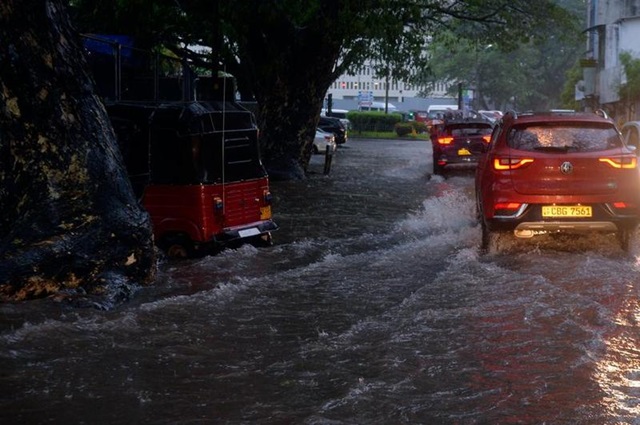
The seasonal rains, which have brought cooler temperatures and high humidity, appear to have intensified the transmission of respiratory ailments, placing added strain on healthcare services across the island.

Medical professionals are raising the alarm over the growing number of patients presenting with symptoms such as fever, cough, nasal congestion, and shortness of breath. Whilst many of these cases are mild, the volume of infections is significant, and health officials are cautioning the public not to underestimate the risks.

Dr Athula Liyanapathirana, Consultant Community Physician attached to the Ministry of Health’s Epidemiology Unit, has issued a public advisory urging extra caution, particularly among vulnerable demographics.

“Infants, older adults, expectant mothers, and those with chronic health conditions such as asthma, diabetes, or heart disease must take special care during this period,” he noted.

He further stressed the importance of seeking medical advice early, especially if symptoms persist or worsen. “Timely intervention can prevent complications. Breathing difficulties, chest discomfort, or prolonged high fever should never be ignored,” Dr Liyanapathirana said.

Hospitals have begun to report a steady uptick in admissions related to seasonal flu-like illnesses, prompting some facilities to review their emergency response protocols. Paediatric wards, in particular, are seeing higher numbers, with doctors attributing this to weakened immunity among children following extended periods of indoor activity and reduced exposure during previous lockdowns.

Public health officials are also advising residents to maintain good hygiene practices, such as regular hand washing, mask-wearing in crowded places, and adequate ventilation in indoor settings. In addition, schools and daycare centres have been encouraged to monitor children closely and promote awareness among parents and staff.

With forecasts predicting continued rainfall in the weeks ahead, the Ministry of Health has reiterated its commitment to surveillance and response. Regional medical officers have been tasked with reporting trends promptly, while campaigns are underway to educate the public on prevention and self-care.

‘Scan Daru Diriya’ C.W. Mackie PLC Empowers Farmer Families Through Education Support in Rideemaliyadda, Mahiyanganaya

C.W. Mackie PLC, the diversified business conglomerate in Sri Lanka and category leader for Scan Jumbo Peanuts, has initiated its second CSR initiative aimed at empowering the farming families who form the backbone of its supply chain. ‘Scan Daru Diriya’ focuses on enhancing the educational prospects of 100 children from 75 farmer families in Rideemaliyadda in Mahiyanganaya with the support of the Block Managers’ Office of the Sri Lanka Mahaweli Authority by providing essential school supplies. This initiative seeks to bolster the academic achievements and overall well-being of these children, whose parents are integral to Sri Lanka’s peanut farming industry.

Mr Mangala Perera, Director/Group Chief Operating Officer of C.W. Mackie PLC, reaffirmed the company’s commitment to sustainable development and agricultural empowerment. “At C.W. Mackie PLC, our vision extends beyond business success. We are committed to producing locally for domestic demand, enhancing competitiveness in the global market through exports, and fostering growth within the agricultural sector. We ensure that farmers receive the best prices, allowing us to uplift the entire farming community. As the market leader with Scan Jumbo Peanut, we focus on supporting Farmer Producer Organisations and furthering the education of farmer families. This initiative is part of our broader commitment to creating a lasting, positive impact on the agricultural sector and society as a whole.”

The CSR initiative aligns with C.W. Mackie PLC’s longstanding tradition of supporting the communities involved in their supply chain, reinforcing its role as a responsible corporate entity in Sri Lanka. The company has made significant investments in the agricultural sector, including commissioning high-tech snack manufacturing facilities in Horana. This state-of-the-art plant not only produces high-quality Jumbo Peanuts but also provides valuable employment opportunities for the local community by adding value to the national GDP.

With an impressive market share of over 70%, Scan Jumbo Peanuts is renowned for its quality, hygiene, and careful selection of large peanuts. Processed in a hygienic environment under the trusted Scan label, the peanuts are widely favoured by consumers of all ages across Sri Lanka, helping the brand maintain its market dominance.

C.W. Mackie PLC’s 124-year history is a testament to its resilience and innovation. Listed on the Colombo Stock Exchange, the company has diversified its operations across manufacturing, exporting, and importing, with the aim of improving the quality of life for its stakeholders. Its Scan Products Division, a key player in the FMCG sector, utilises hybrid vertical marketing and distribution channels to reach a wide array of consumers, from traditional and modern trade to the food service and institutional markets.

The company’s FMCG product portfolio includes beloved brands such as Sunquick, Scan Jumbo Peanuts, Scan Cassava Chips, Scan Branded Bottled Drinking Water, KVC products (processed fruit and vegetables), Kotagala Kahata, Delish, and Star Brand Essences and Colourings. These brands have won the hearts of Sri Lankan consumers and are market leaders in their respective categories.

With its Scan Daru Diriya programme, the company is making a profound and lasting impact on the next generation of farmer families, proving that corporate responsibility goes hand in hand with business success.

Image Captions

Image 1: Mr Mangala Perera, Director/Group COO, hands over essential school supplies to students

Image 2: Students who participated in the event

Sri Lankan terms make their mark in Oxford Dictionary’s latest edition

0

June 26, Colombo (LNW): A slice of Sri Lanka’s cultural identity has officially found its way into the global linguistic stage, as several uniquely Sri Lankan words have been incorporated into the Oxford English Dictionary’s (OED) June 2025 update.

The inclusion represents a growing international recognition of the island’s rich culinary traditions, music, and socio-cultural heritage.

One of the standout additions is the term asweddumize, a word deeply rooted in the country’s colonial-era agricultural history. Originally documented as far back as 1857, asweddumize refers to the process of converting forest or uncultivated land into irrigated paddy fields—a cornerstone of traditional land reform initiatives in Sri Lanka.

The word’s admission into the dictionary follows decades of lobbying by Sri Lankan academics, who have long argued for its historical and cultural significance to be acknowledged on a global platform.

Beyond agrarian terminology, the OED’s latest update also embraces the island’s vibrant food culture. Kottu roti, a beloved street food made from shredded flatbread stir-fried with vegetables, egg, and meat, has become a celebrated symbol of urban Sri Lankan life and now takes its place in the English lexicon.

Also making the list is vatalappam, a rich, spiced coconut custard dessert often served during festive occasions, particularly within the Muslim community.

A number of other words reflecting everyday Sri Lankan experiences have also been recognised. These include mellum—a simple yet nutritious dish of finely chopped leafy greens sautéed with coconut and spices; kiribath, or milk rice, which is a ceremonial food served during auspicious events; and avurudu, the traditional New Year celebrated jointly by the Sinhalese and Tamil communities in April.

Cultural expressions have not been overlooked either. The word baila, denoting an energetic form of dance music with Portuguese roots, and papare, the name for lively brass band performances often heard at local sporting events and public celebrations, are also among the new additions.

Linguists and cultural commentators have welcomed the update as a meaningful gesture of inclusivity that highlights Sri Lanka’s growing cultural footprint on the world stage. It also mirrors a broader trend in global lexicography: the recognition of regional and non-Western vernacular as essential contributors to the richness of modern English.

Tamil political groups urge visiting UN Rights Chief to prioritise justice and transparency in Sri Lanka

0

June 26, Colombo (LNW): A collective of Tamil political parties and civil society organisations in Sri Lanka have made a fresh appeal to the United Nations, urging a principled and results-oriented international response to long-standing grievances over wartime accountability and post-war reconciliation.

The call was made through a jointly signed letter handed to UN High Commissioner for Human Rights, Volker Türk, during his visit to the island’s Northern Province on Wednesday.

The letter, endorsed by key Tamil political formations—including the Illankai Tamil Arasu Katchi (ITAK), All Ceylon Tamil Congress, Tamil National People’s Front, and Democratic Tamil National Alliance—expressed deep frustration over the absence of meaningful progress on justice for victims of the country’s brutal civil war, which officially ended in 2009. Civil organisations representing war-affected communities also lent their support to the appeal.

In their communication, the Tamil representatives voiced concern that the Sri Lankan government may attempt to exploit the UN official’s visit as a means of burnishing its international image, rather than engaging in substantive reform.

“There is a very real fear that your presence will be used to lend legitimacy to a government that has repeatedly evaded its responsibility to deliver justice,” the letter stated, urging Mr Türk not to allow his engagement to be manipulated into a mere symbolic gesture.

This visit marks the first time in nine years that a sitting UN human rights chief has set foot in Sri Lanka, the last being Zeid Ra’ad Al Hussein in 2016. Mr Türk is in the country for a three-day visit, during which he is expected to meet government officials, civil society representatives, and victims’ families.

Since the end of the civil conflict in May 2009, Sri Lanka’s efforts to address war-era human rights violations have been consistently scrutinised by the international community. Despite a number of promises made in the years following the war’s conclusion, Tamil groups argue that little has been achieved in practice, particularly with respect to criminal accountability and institutional reform.

The United Nations Human Rights Council (UNHRC) has, since 2012, passed four separate resolutions urging Sri Lanka to ensure justice for grave human rights violations committed by both state forces and the Liberation Tigers of Tamil Eelam (LTTE). These resolutions have included calls for the establishment of a credible, internationally supervised judicial process to investigate and prosecute those responsible for wartime abuses.

International engagement with Sri Lanka’s post-war legacy was first heightened following the 2009 visit of then UN Secretary-General Ban Ki-moon, just days after the armed conflict concluded with the military defeat of the LTTE. His visit set in motion a decade and a half of diplomatic pressure, much of which remains unresolved.

With Mr Türk’s arrival renewing global focus on the country’s human rights record, Tamil leaders say there is now an opportunity—but also a risk. “Our communities have waited too long for truth and justice,” the letter noted. “We hope this visit marks not another missed opportunity, but a renewed commitment by the international system to ensure Sri Lanka does not escape accountability once again.”

Major reshuffle across Police and Prison Dept

0

June 26, Colombo (LNW): Over 50 senior officials have been reassigned to new postings, with changes set to take effect from July 02, 2025.

The extensive reshuffle impacts both the Police Service and the Department of Prisons, and is aimed at improving institutional efficiency and aligning roles with operational needs.

The Police Media Division has confirmed that 32 senior police personnel, among them nine Deputy Inspector Generals (DIGs) and 16 Senior Superintendents of Police (SSPs), have been transferred with immediate effect. These decisions have been sanctioned by the National Police Commission.

Amongst the prominent changes, DIG Nihal Thalduwa, who previously oversaw the Central Crimes Investigation Bureau (CCIB), has been assigned to head the Monaragala District. In a concurrent appointment, DIG J.R. Dias, presently serving as DIG (Staff), will now also assume responsibility for the CCIB, maintaining his current portfolio alongside the new charge.

Two Superintendents of Police and five Assistant Superintendents of Police are also being relocated under the new directives.

Simultaneously, the Department of Prisons has announced the transfer of 16 senior officials, including two Special Grade Superintendents, one Superintendent, eight Assistant Superintendents, and five Acting Superintendents.

These changes have been authorised by the Secretary to the Ministry of Justice and National Integration.