November 10, Colombo (LNW): Several directors of People’s Bank have reportedly been replaced following their efforts to raise concerns over possible irregularities in the construction of the bank’s new head office building.
The project, which was originally budgeted at Rs. 4.4 billion, is now expected to close at Rs. 9.4 billion. Opposition lawmaker Dr. Harsha de Silva recently brought the matter to the attention of Parliament, highlighting the significant cost escalation.
In response, depositors and stakeholders are calling for a comprehensive inquiry into the use of funds and the circumstances surrounding the project.
People’s Bank Director Forced Out

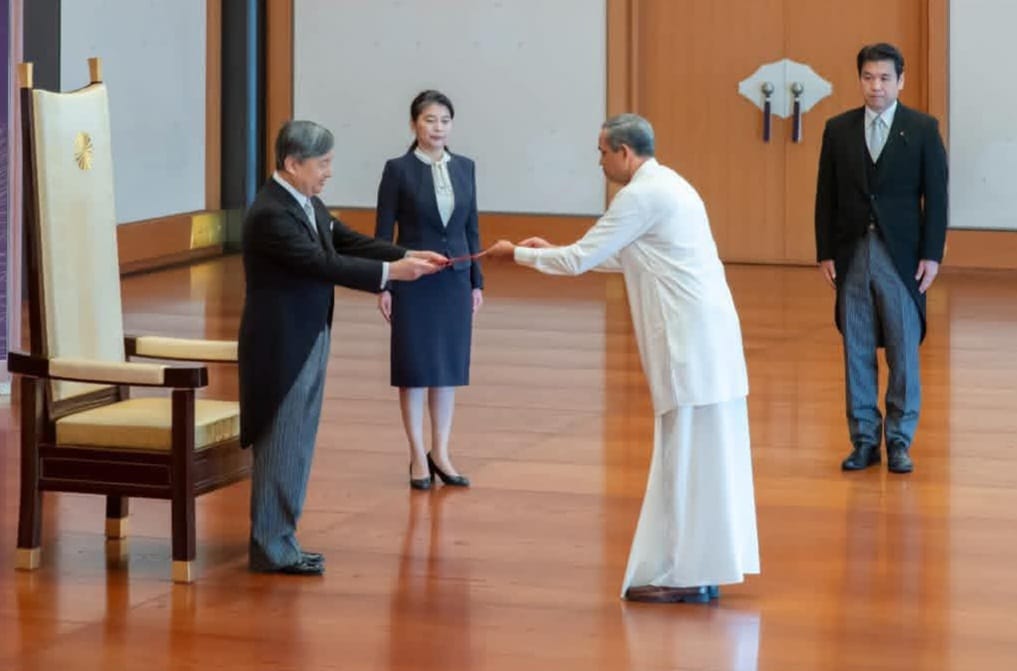
Ambassador Prof. Pivithuru Janak Kumarasinghe Presents Credentials to the Emperor of Japan
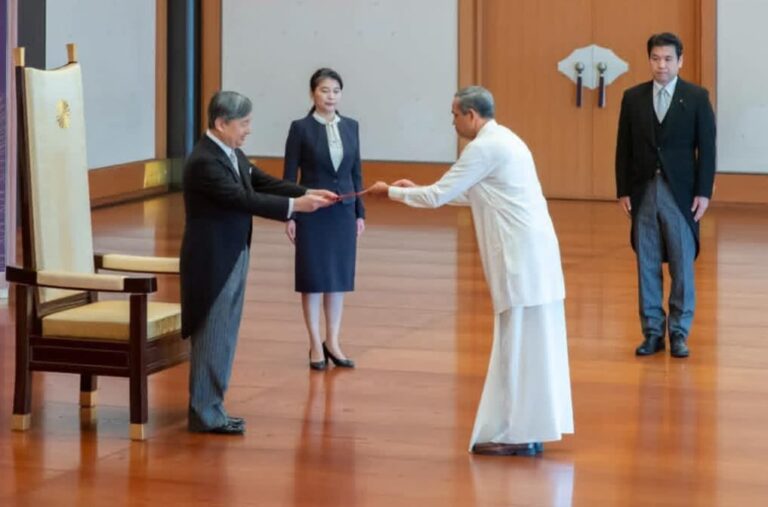
Newly appointed Ambassador of Sri Lanka to Japan Prof. Pivithuru Janak Kumarasinghe presented the Letters of Credence to His Majesty Naruhito at the Imperial Palace in Tokyo 31 October 2025. The Credentials Presentation Ceremony is one of the most solemn and formal ceremonies held by His Majesty the Emperor of Japan.
Escorted by the Master of Ceremonies of the Imperial Household Agency, Ambassador Prof. Kumarasinghe was horse-drawn carriage courtesy of His Majesty from the historic Tokyo Station to the Imperial Palace.
At the outset of the formal occasion, His Majesty the Emperor conveyed warm greetings and best wishes to President Anura Kumara Disanayaka and the Sri Lakan people which was warmly acknowledged by Ambassador Prof. Kumarasinghe. After the formal presentation of his credentials in the presence of the Honourable MATSUMOTO Yohei, Minister of Education, Culture, Sports, Science and Technology, representing the Prime Minister and the Government of Japan, Ambassador Prof. Kumarasinghe was afforded the opportunity to engage in an informal conversation with His Majesty Naruhito.
Ambassador Prof. Kumarasinghe becomes the nineteenth Ambassador of Sri Lanka to Japan. A distinguished academic, economist, and public policy advisor, he brings over 25 years of experience in teaching, research, and national capacity-building.
Ambassador Prof. Kumarasinghe holds a Ph.D. in Development Economics from Ritsumeikan Asia Pacific University (Japan), a Master’s Degree in Public Policy from the National Graduate Institute for Policy Studies (GRIPS), Japan, and a First Class Honours Degree in Public Administration from the University of Sri Jayewardenepura, Sri Lanka.
Prior to this appointment, Ambassador Prof. Kumarasinghe served as a senior academic at the University of Sri Jayewardenepura, where played a pivotal role in academic reform, research development, and public policy formulation. His research portfolio spans diverse topics including economic development, savings behavior, the role of SMEs, foreign remittances, and macroeconomic policy.
Ambassador Prof. Kumarasinghe has also served as a resource person to national ministries and institutions, including the Ministries of Education, Finance, and Defense, and held key administrative roles in the university sector, including Deputy Proctor, Director of Career Guidance, and Member of the University Governing Council.

UNHCR Seeks to Restart Voluntary Repatriation of Sri Lankan Refugees as Citizenship Debate Deepens in India
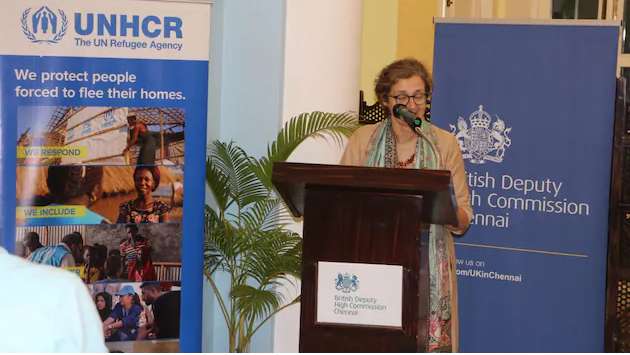
November 10, Colombo (LNW): The United Nations Refugee Agency (UNHCR) is holding discussions with its Colombo mission to resume the voluntary repatriation of Sri Lankan refugees living in India, following the suspension of the programme after the recent arrest of four returnees in Sri Lanka.
Speaking to NDTV, Areti Sienni, UNHCR’s Chief of Mission in India, described the arrests as “concerning” and said the agency was hopeful that the process could soon restart. She revealed that around 200 Sri Lankans returned home last year under the voluntary repatriation scheme, with about 50 more expressing interest in returning this year.
Sienni emphasised that the UNHCR continues to work alongside Indian authorities to secure long-term solutions for refugees — whether through repatriation, naturalisation, or third-country resettlement. India currently hosts over 80,000 Sri Lankan refugees, most of whom fled the island during its civil conflict and have since lived in Tamil Nadu, with some families spanning three generations.
Since the launch of the voluntary repatriation programme in 2002, more than 18,600 refugees have returned to Sri Lanka with UNHCR support. However, for many others born and raised in India, the lack of formal refugee legislation remains a major obstacle. Without citizenship, they continue to reside in designated refugee camps monitored by local authorities, facing restrictions on employment, education, and mobility.
While the younger generation has gained access to higher education, they often encounter barriers in entering professional fields such as medicine and public service, as employers are hesitant to recruit non-citizens. Many young refugees now consider India their permanent home and express little interest in returning to Sri Lanka.
Under Indian law, Sri Lankan refugees are not penalised for overstaying, but they are still legally classified as “illegal migrants” under the Citizenship Act. Moreover, the Citizenship Amendment Act — which fast-tracks naturalisation for non-Muslim migrants from Pakistan, Afghanistan, and Bangladesh — does not extend the same benefits to Sri Lankan nationals.
Amid this legal ambiguity, the Tamil Nadu government has introduced several measures to uplift refugee communities, including vocational training, financial assistance for women-led enterprises, and partnerships with industries to employ skilled youth, particularly in the IT sector.
Sienni acknowledged that the decision to grant citizenship ultimately rests with the Indian government, but praised Tamil Nadu’s initiatives and its collaboration with legal experts and civil society to help eligible refugees secure legal status. The UNHCR, she said, continues to offer technical and policy support to both central and state authorities to promote refugee inclusion.
“Citizenship is a powerful expression of belonging,” Sienni remarked. “When it becomes accessible, it marks the end of refugeehood and opens the door to full participation in a nation’s social and economic life.”
She commended the Indian and Tamil Nadu governments’ ongoing efforts, calling them “a valuable example for the international community” in promoting dignity, stability, and opportunity for long-term refugee populations.
Government Approves US$18 Million Overhaul for Sri Lanka Air Force MI-17 Helicopters
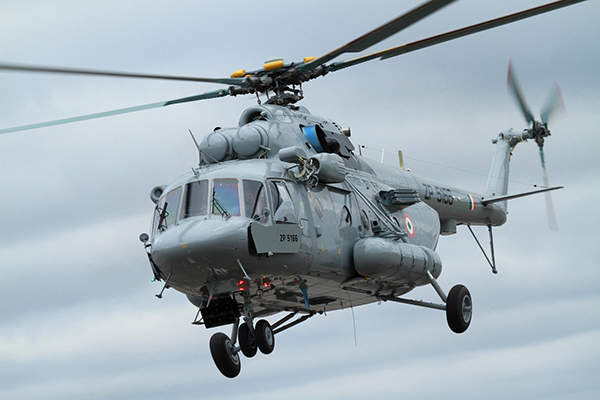
November 10, Colombo (LNW): The Cabinet has given the green light for an urgent refurbishment programme covering four MI-17 transport helicopters belonging to the Sri Lanka Air Force (SLAF), in a deal estimated to cost around US$18 million in total — approximately US$4.5 million per aircraft, a report by the Sunday Times disclosed.
The overhaul and service life extension, according to the report, will be carried out by Winsley Defence Group d.o.o. of Bosnia and Herzegovina, represented locally by Securatec Lanka (Pvt) Ltd. The company was selected as the lowest substantially responsive bidder following a lengthy evaluation process that began in 2023.
The budget allocation includes expenses for two-way transportation of the aircraft to the maintenance facility and comprehensive insurance coverage during the process. A full report detailing the tender and implementation timeline is expected to be tabled before the Cabinet next week.
Senior Air Force officials underscored the urgency of the project, noting that the MI-17s are critical to both domestic and international operations. Delays in the overhaul, they warned, could jeopardise vital missions such as flood relief, emergency response, and United Nations peacekeeping deployments involving SLAF contingents.
New “Road Fitness Certificate” to Become Mandatory for All Vehicles by 2028
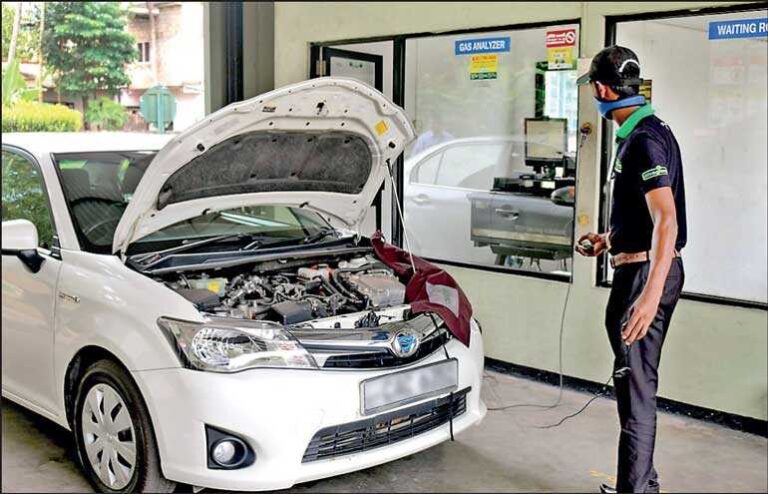
November 10, Colombo (LNW): The Department of Motor Traffic has unveiled plans to introduce a compulsory Road Fitness Certificate for every vehicle operating on Sri Lankan roads, extending the requirement beyond commercial fleets to include private cars and motorcycles.
Commissioner General of Motor Transport Kamal Amarasinghe said the new certification system would replace the current arrangement, under which only commercial vehicles are required to undergo roadworthiness checks.
The upcoming Road Fitness Certificate will merge the existing Emission and Fitness Certificates into a single document, simplifying the process for motorists while ensuring vehicles meet both environmental and mechanical safety standards.
Amarasinghe explained that the measure aligns Sri Lanka with international best practices, noting that similar systems are already mandatory in most developed countries to maintain safer, cleaner roads. “No vehicle should be allowed on the road unless it meets basic environmental and safety requirements,” he said.
The proposed programme, described as a large-scale and technically complex initiative, will require extensive groundwork before it can be rolled out. Preparatory activities are expected to begin in 2026, with the full implementation scheduled for 2028.
The Commissioner General also confirmed that the current vehicle emission certification system will continue to operate legally until December 31, 2027, ensuring a smooth transition to the new, integrated framework. The reform, he added, aims to improve road safety, reduce pollution, and strengthen regulatory efficiency across the country’s transport network.
Authorities Move to Stabilise Prices of Eggs, Chicken, and Pork Amid Market Volatility

November 10, Colombo (LNW): A high-level meeting was convened recently to discuss the sharp and irregular price changes affecting eggs, chicken, and pork, with officials and farmers agreeing on the need to balance producer income with consumer affordability.
The discussion brought together representatives of the All Ceylon Animal Production and Common Transporters Farmers’ Organisation, based in Dadugama, Ja-Ela, and the Director General of the Department of Animal Production and Health, Dr K. K. Sarath.
The farmers’ group, which plays a crucial role in distributing livestock products nationwide, outlined the mounting challenges in production and transport that have contributed to price instability.
Participants also raised concerns over the continuing impact of African swine fever on pig farms, warning that the disease has disrupted supply chains and pushed up costs in several regions. Stabilising prices for animal products, they stressed, would require better coordination between producers, transporters, and government agencies.
Dr Sarath assured that the Department would work closely with the relevant authorities to address these issues and implement practical measures to ensure the steady flow of livestock products to markets. He further emphasised the importance of safeguarding both farmers’ livelihoods and consumers’ access to affordable, quality food.
The meeting, attended by Farmers’ Organisation Chairman Kularajah Perera and other senior officials, concluded with a shared commitment to developing a coordinated strategy aimed at maintaining market stability in the country’s livestock sector.
Indian Intelligence Warns of Emerging Alliance Between Dawood Network and Former LTTE Operatives
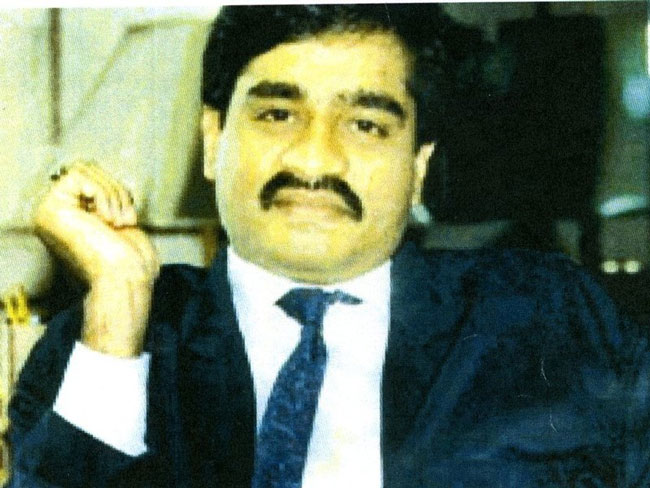
November 10, Colombo (LNW): Indian intelligence services have reportedly raised concerns over a developing partnership between the Dawood Ibrahim crime network and remnants of the defunct Liberation Tigers of Tamil Eelam (LTTE), according to a report by Indian broadcaster Diya TV.
The syndicate is believed to be using maritime routes linking southern India and Sri Lanka to re-establish its narcotics operations, following intensified law enforcement crackdowns in India’s western and northern regions.
For certain LTTE-linked figures, the collaboration is said to offer much-needed financial support and renewed access to smuggling channels, amid dwindling resources and fractured leadership since the militant organisation’s military defeat in 2009.
Security officials cited in the report have downplayed the likelihood of a full-scale resurgence of the LTTE’s separatist campaign but cautioned that its long-standing logistical networks and coastal expertise could still facilitate illicit movements across the Palk Strait.
Analysts further noted that the Dawood syndicate’s extensive funding and international connections, when paired with the LTTE’s local knowledge of maritime routes, could enhance the efficiency of regional trafficking operations.
Historically, LTTE operatives were accused of using drug trafficking and money laundering schemes to finance their insurgency, often channelling proceeds through diaspora-linked businesses overseas—a pattern intelligence agencies fear may resurface under this new arrangement.
Parliament Continues Debate on 2026 Budget with Vote Set for Nov 14

November 10, Colombo (LNW): The second day of parliamentary debate on the Second Reading of the 2026 Appropriation Bill is scheduled to begin today (10), as lawmakers continue to deliberate on the government’s financial plan for the coming year.
According to the Department of Communication of Parliament, the Second Reading debate will run over six days, with the vote expected to take place at 6 p.m. on Friday (14).
Following this, the Committee Stage discussions are set to span 17 sitting days, from November 15 until December 05, culminating in the Third Reading vote on the evening of December 05.
The budget sessions will be conducted daily throughout the debate period, excluding Sundays and public holidays, in line with standard parliamentary procedure.
As outlined in the 2026 Budget presented by the President, the government anticipates total revenue of Rs. 5,300 million against projected expenditure of Rs. 7,057 million, resulting in a budget deficit of Rs. 1,757 million — equivalent to approximately 5.1 per cent of the national GDP.
Prime Minister Proposes Age-Appropriate Sex Education to Safeguard Children
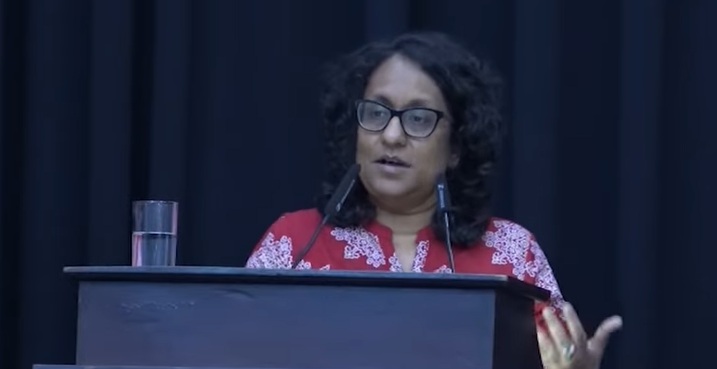
November 10, Colombo (LNW): Prime Minister Dr Harini Amarasuriya has called for the introduction of a structured, age-appropriate sex education programme in schools as part of wider education reforms aimed at protecting children from sexual abuse and misconduct.
Addressing a public awareness event in Kandy for representatives of the Kandy District, the Prime Minister stressed that the initiative would be designed and implemented with expert input from the health and child protection sectors.
Dr Amarasuriya explained that a textbook tailored for Grade 6 students has already been developed, reflecting the government’s intention to provide accurate, age-sensitive information. She noted that both the Ministry of Health and the Family Health Bureau have long advocated for sex education in schools, citing a worrying rise in incidents of child abuse and harassment across the country.
“The National Child Protection Authority has also highlighted the urgent need to equip children with knowledge on how to protect themselves,” she said, adding that inter-ministerial discussions are currently underway to finalise the framework.
While the government has yet to determine the precise age or grade at which the new lessons will be introduced, the Prime Minister noted that the content will be guided by medical and educational experts.
“As children grow and begin to experience physical and emotional changes, it is vital that they understand how to stay safe — and that this knowledge is shared in a responsible, age-appropriate way,” she emphasised.
Over 340,000 Students Set to Sit for 2025 A/L Exams Beginning Today

November 10, Colombo (LNW): The 2025 G.C.E. Advanced Level examination begins today (10), marking one of the most significant academic events in Sri Lanka’s education calendar.
A total of 340,525 students are scheduled to sit for the exams, which will take place at 2,362 centres across the country.
The Department of Examinations has urged all candidates to report to their respective examination venues well ahead of time to avoid delays.
Candidates have also been reminded to bring their admission cards and valid forms of identification, as entry to the examination halls will not be permitted without them.
Officials noted that comprehensive arrangements have been made to ensure the smooth conduct of the exams, including enhanced security measures and logistical support across all centres.