October 26, Colombo (LNW): Energy Minister Kumara Jayakodi has annulled the one-year service extension previously granted to Pubudu Niroshan, Director General of the Power Sector Reforms Secretariat.
The extension had been approved by Ministry Secretary Udayanga Hemapala but has now been rescinded by the Minister, who maintains that the authority to confirm such appointments rests solely with him.
Niroshan had initially been appointed to the post by President Anura Kumara Dissanayake for a one-year term, which concluded on October 15, 2025. Following the Ministry Secretary’s extension, his tenure was set to continue for an additional year.
The Minister’s intervention effectively terminates this extension, reflecting an apparent disagreement over procedural authority within the ministry.
Energy Minister Revokes Extension of Power Sector Director’s Tenure
Three Arrested Over Killing of Weligama Pradeshiya Sabha Chairman

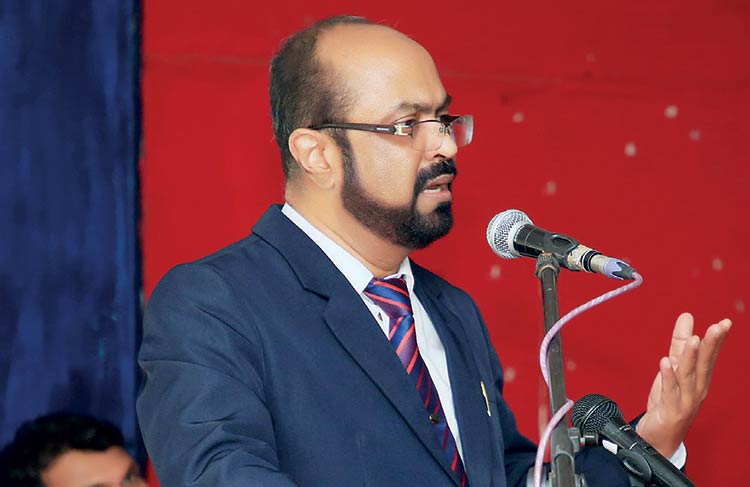
October 26, Colombo (LNW): The Criminal Investigation Department (CID) has taken three individuals into custody in connection with the fatal shooting of Weligama Pradeshiya Sabha Chairman, Lasantha Wickramasekara, widely known as “Midigama Lasa.”
The suspects — a woman and two men — were apprehended in the Kekirawa area during an ongoing investigation into the high-profile murder.
Wickramasekara, aged 38 and a resident of Midigama, was gunned down inside his office at the Weligama Pradeshiya Sabha on October 22. According to police reports, two men on a motorcycle arrived at the premises under the pretext of obtaining a signed document from the chairman. Once inside, they opened fire at close range before fleeing the scene.
The victim sustained severe gunshot injuries and was rushed to the Matara General Hospital, where he later succumbed to his wounds. Preliminary forensic findings confirm that a pistol had been used in the attack.
BOI Seeks Solutions to VAT Burden Affecting Export Supply Chain
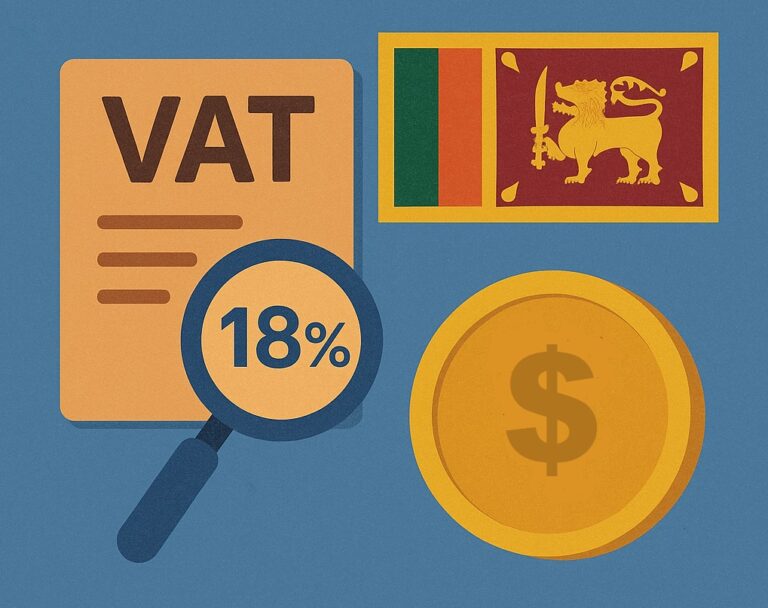
October 26, Colombo (LNW): Sri Lanka’s Board of Investment (BOI) is working closely with the government to resolve issues stemming from the imposition of value added tax (VAT) on locally manufactured inputs, which has discouraged domestic sourcing within export industries.
BOI Chairman Arjuna Herath confirmed that the agency is “actively engaged” in addressing the problem, which has become a pressing concern for sectors such as apparel and textiles.
The removal of the Simplified Value Added Tax (SVAT) system has been met with significant criticism from exporters, particularly those in the apparel sector. Under the previous SVAT framework, local producers could sell goods to exporters without charging VAT, thus avoiding cashflow disruptions and interest costs. The elimination of this system has created liquidity challenges for exporters, who must now pay VAT upfront and later wait for refunds.
Herath noted that the BOI has already submitted proposals to the Ministry of Finance as part of the forthcoming national budget to mitigate the negative impact of the tax change. Discussions have also taken place with the Inland Revenue Department to explore possible interim measures that could apply to firms operating within export processing zones.
“We are in dialogue with the authorities to find a workable solution—one that would allow deemed exporters to continue operating efficiently within the current VAT framework,” he said.
Sri Lanka’s apparel industry has invested heavily in backward integration to strengthen domestic production capacity. The Eravur Textile Zone, established to produce high-quality fabric locally, represents a major component of this strategy.
However, industry leaders warn that continued VAT-related cashflow pressure could force manufacturers to scale back these efforts, undermining the country’s competitive edge against regional rivals such as Vietnam and Taiwan—both of which maintain zero-rated VAT systems for sales to export firms.
In contrast to imported raw materials, which are exempt from VAT in Sri Lanka, locally sourced inputs are now taxed, placing domestic suppliers at a disadvantage. Analysts caution that this policy could drive local buying offices and support industries to relocate abroad, echoing the concerns voiced by exporters in recent months.
The impact has not been limited to the apparel sector. Tea exporters have reported that the removal of SVAT has increased their financing costs, with tea prices reportedly dropping by around Rs. 100 per kilogram shortly after the change, though some recovery is anticipated once VAT refunds are processed.
Economists note that such fiscal adjustments often follow balance of payments crises linked to monetary instability. Historically, Sri Lanka has responded to these crises by raising taxes, which in turn has led to calls for special tax concessions for export-oriented and foreign-invested enterprises.
Currently, Sri Lanka’s corporate tax rate stands at 30 percent—considerably higher than the 20 percent rate seen in many East Asian economies with more stable monetary frameworks.
Herath reiterated that the BOI remains committed to supporting the export sector and safeguarding local industry participation in global supply chains. “Our goal is to ensure that Sri Lanka remains a competitive and reliable destination for manufacturing and investment,” he said.
Minister Orders Police Inquiry into Death Threats Reported by MP Jagath Vithana
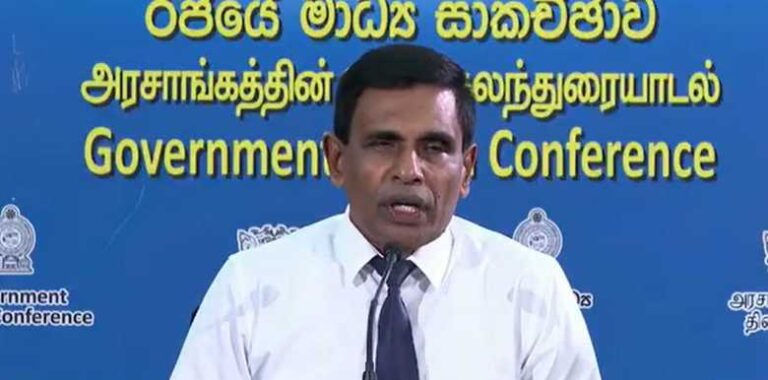
October 26, Colombo (LNW): Public Security Minister Ananda Wijepala has directed the Inspector General of Police (IGP) to initiate a full investigation into a security threat reported by Member of Parliament Jagath Vithana.
The instruction follows concerns raised by the MP during a recent parliamentary session, where he alleged that he had received death threats.
Minister Wijepala stated that the IGP has been asked to examine the situation thoroughly and take all necessary measures to ensure the safety of the parliamentarian. He emphasised that any threat made against a public representative is a serious matter and that the authorities will act swiftly to identify those responsible.
The issue came to light during a parliamentary debate held last Friday, when MP Vithana publicly disclosed that he had been threatened with death. His statement prompted immediate concern among fellow legislators, several of whom called for enhanced protection for elected officials.
Govt Pledges Greater Investment in School and National Sports Development
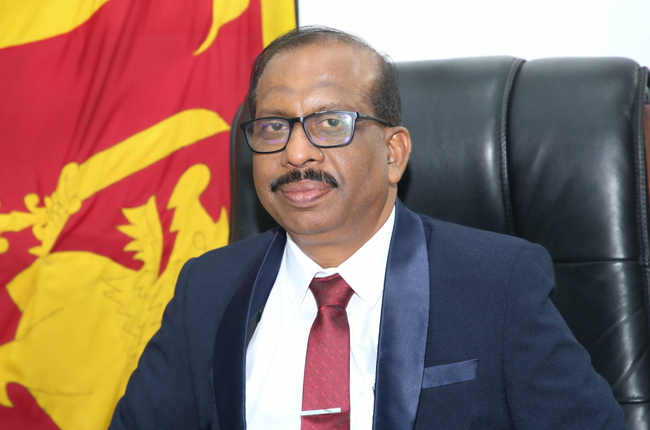
October 26, Colombo (LNW): Minister of Youth Affairs and Sports Sunil Kumara Gamage announced in Parliament on Friday (24) that Sri Lanka Cricket (SLC) allocates close to Rs. 1.5 billion annually towards the advancement and promotion of school-level cricket across the island.
Responding to a question raised by National People’s Power (NPP) MP Upul Kithsiri, the Minister highlighted that these funds are channelled through the School Cricket Association to support a wide range of initiatives — from upgrading school cricket infrastructure and providing modern training equipment, to organising tournaments that nurture emerging talent at grassroots level.
Minister Gamage further revealed that discussions are under way with the School Cricket Association to enhance cricket facilities in several districts, ensuring that young players in rural communities have better access to quality playing fields and coaching opportunities.
He noted that work has already commenced on constructing an international-standard cricket stadium in Jaffna, while another is planned for Biyagama. Several additional locations have been earmarked for future stadium projects, as part of a broader strategy to bring professional-level cricket closer to local communities.
Beyond cricket, the Minister outlined a series of government initiatives aimed at strengthening Sri Lanka’s overall sporting ecosystem. These include ongoing programmes to uplift athletics under the Mission Olympics 2028 initiative and the Kreeda Shakthi scheme, both designed to identify and nurture young athletes with international potential. Plans are also being finalised to introduce special allowances for athletics coaches, recognising their critical role in shaping the next generation of sports talent.
Minister Gamage reaffirmed the government’s commitment to transforming school and community-level sports into sustainable development platforms, emphasising that investment in youth and sports will remain a national priority in the coming years.
Navy Rescues Foreign Crew After Merchant Vessel Suffers Technical Failure in Southern Seas

October 26, Colombo (LNW): A group of 14 sailors have been safely rescued after their merchant vessel encountered a serious technical malfunction while navigating waters south of Sri Lanka.
The Sri Lanka Navy launched an emergency operation to assist the distressed ship, deploying its offshore patrol vessel SLNS Sayura to carry out the rescue.
The stricken vessel, identified as MV Integrity Star, reportedly suffered a mechanical breakdown roughly 100 nautical miles off the southern coast.
The incident prompted an immediate response from the Navy following a distress alert, with rescue teams working swiftly under challenging sea conditions to ensure the crew’s safety.
According to Navy officials, all 14 crew members—comprising nationals of India, Türkiye, and Azerbaijan—were successfully transferred aboard the naval vessel and are currently en route to Hambantota Harbour for further medical checks and logistical assistance.
Ministry Warns Against Unauthorised WhatsApp Groups Claiming Links to Education Reforms

October 26, Colombo (LNW): The Ministry of Education and Higher Education has raised concerns over the emergence of several WhatsApp groups allegedly operating under the banner “Education Council to be Formed through the New Education Reforms.”
These groups, which claim to bring together teachers from different educational zones, have been identified as unofficial and misleading.
In a public statement, the Ministry clarified that it has no connection whatsoever to these networks and that neither the Ministry of Education, the Ministry of Higher Education, nor the Vocational Education Department has authorised or endorsed their activities.
Officials stressed that any initiatives or communications related to national education reforms will only be issued through verified and official government channels.
Authorities further indicated that preliminary inquiries suggest these online groups may have been established with the intention of creating confusion among educators and tarnishing the credibility of the government’s education reform programme.
The Ministry expressed concern that misinformation circulated through such platforms could erode public confidence and disrupt genuine reform efforts aimed at improving the education system.
Teachers and education professionals have been urged to exercise caution when engaging with unofficial online platforms and to verify the authenticity of any messages or circulars before sharing them further.
Thousands Affected as Heavy Rainfall Continues to Batter Several Districts
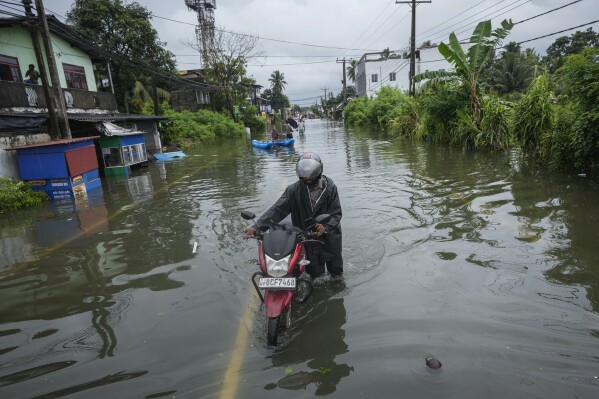
October 26, Colombo (LNW): Severe weather conditions that have persisted over the past few days have caused widespread disruption across much of the island, with 18 districts now reported to be affected.
The Disaster Management Centre (DMC) confirmed that nearly 30,000 people from over 7,000 families have suffered the consequences of the relentless downpours, which have triggered flooding, landslides, and property damage in multiple areas.
DMC Director Pradeep Kodippili noted that emergency teams have been mobilised to assist communities in the hardest-hit regions, providing temporary shelters, essential supplies, and relief assistance where necessary. Local authorities are said to be monitoring the situation closely as rainfall continues in several provinces.
Meanwhile, Dr Wasantha Senadeera, Senior Geologist at the National Building Research Organisation (NBRO), announced that the landslide warnings previously issued for 11 districts would remain in force due to persistent rain and increasingly unstable slopes. Residents living near hilly or elevated terrain have been urged to remain vigilant and to relocate to safer areas if early signs of ground movement are detected.
The Department of Irrigation has also cautioned that water levels in key rivers — including the Nilwala, Gin Ganga, Kalu Ganga, and Attanagalu Oya — are still alarmingly high following continuous rainfall. Officials have warned that further showers could cause these rivers to overflow, posing risks to nearby low-lying communities.
Authorities have called on the public to exercise caution, avoid unnecessary travel in flood-prone zones, and heed official updates as adverse weather conditions are expected to persist over the coming days.
Showers, thundershowers continue to persist: Fairly heavy falls exceeding 75 mm expected (Oct 26)

October 26, Colombo (LNW): The Department of Meteorology has forecast intermittent showers and thunderstorms across multiple regions of the island, with the Northern and North-Central Provinces, along with the Trincomalee and Batticaloa Districts, expected to experience particularly unsettled weather conditions.
According to the latest advisory, certain areas within these regions may record rainfall exceeding 75 millimetres, prompting officials to urge residents to remain alert for possible localised flooding and disruptions to daily activities.
In addition, the Western, Sabaragamuwa, Central, and North-Western Provinces are likely to see occasional showers throughout the day, though these are expected to be less intense than in the northern regions.
The department has also cautioned that strong gusts, ranging from 40 to 50 kilometres per hour, may affect the western slopes of the central hills and several coastal and inland provinces, including the Northern, North-Central, North-Western, Western, and Southern areas, as well as the Trincomalee District. These winds could cause minor structural damage and pose risks to outdoor activities and transport.
Authorities have advised the public to take necessary precautions against sudden bursts of strong winds and lightning strikes that could accompany thundershowers. Farmers, fishermen, and motorists, in particular, have been urged to exercise extra care over the coming days, as the weather may remain unstable.
Tariff Reforms Aim to Balance Protection and Fiscal Stability
By: Staff Writer
October 25, Colombo (LNW): Sri Lanka’s Committee on Public Finance (CoPF) has called for a comprehensive overhaul of the country’s tariff regime, even as it approved higher Special Commodity Levies (SCL) on key agricultural imports a move that underscores the continuing tension between protecting local farmers and maintaining fiscal discipline.
According to the Parliament Secretariat, the CoPF has approved an increase in the SCL on imported big onions and potatoes, effective 26 August 2025. The levy on big onions rose by Rs. 10 per kilogram from Rs. 40 to Rs. 50 while the levy on potatoes increased by Rs. 20, from Rs. 60 to Rs. 80. The revision aims to ensure fair farmgate prices during the 2025 Yala cultivation season and discourage cheap imports that undermine local producers.
Officials admitted that although the SCL was initially intended to be phased out, it continues to serve as a protective barrier for domestic agriculture. However, the CoPF cautioned that Sri Lanka’s tariff regime must evolve into a more transparent, predictable, and sustainable system, aligned with international trade norms.
The committee instructed the Ministry of Trade and the Ministry of Finance to harmonise existing legislation with the National Tariff Policy and fast-track the transition to a simplified four-band import duty structure. This reform, to be implemented between 2027 and 2030, envisions a gradual phase-out of para-tariffs such as SCL and CESS that have complicated the trade regime and created uncertainty for both importers and exporters. A comprehensive progress report is expected by March 2026.
Beyond tariff reform, the CoPF stressed the need to strengthen agricultural productivity to reduce long-term dependence on import restrictions. It recommended that the Department of Agriculture launch a national programme promoting high-yield cultivation kits for big onion farmers across all major growing regions within the next five years. The proposal includes establishing temperature-controlled storage facilities, implementing buy-back schemes, and introducing future contracts to minimise post-harvest losses and stabilise farmer income.
These measures, the committee argued, would help shift the focus from short-term tariff protection to long-term competitiveness, aligning with broader economic diversification goals.
In parallel, the CoPF also approved new regulatory measures under the Excise Ordinance to tighten enforcement and improve revenue collection from liquor manufacturers. Under the revised rules, manufacturers failing to pay duties within 30 days will face suspension of production, with sales and distribution halted after 90 days. The existing 3% monthly penalty on unpaid duties, the committee observed, has proven ineffective due to weak enforcement mechanisms.
Analysts note that these tariff and excise reforms represent a delicate balancing act between protecting domestic industries, maintaining revenue stability, and modernising Sri Lanka’s trade framework. If implemented effectively, the reforms could enhance investor confidence, boost agricultural efficiency, and reduce fiscal distortions crucial steps toward building a more sustainable and competitive post-crisis economy.