Showers or thundershowers will occur at times in Western, Sabaragamuwa and North-western provinces and in Galle, Matara, Kandy and Nuwara-Eliya districts.
A few showers may occur in Anuradhapura and Hambantota districts.
Strong winds about (40-50) kmph can be expected at times over Western slopes of the central hills, Northern and North-central provinces and in Hambantota and Trincomalee districts. Fairly strong winds about (30-40) kmph can be expected at times over other areas of island.
The general public is kindly requested to take adequate precautions to minimize damage caused by temporary localized strong winds and lightning during thundershowers.
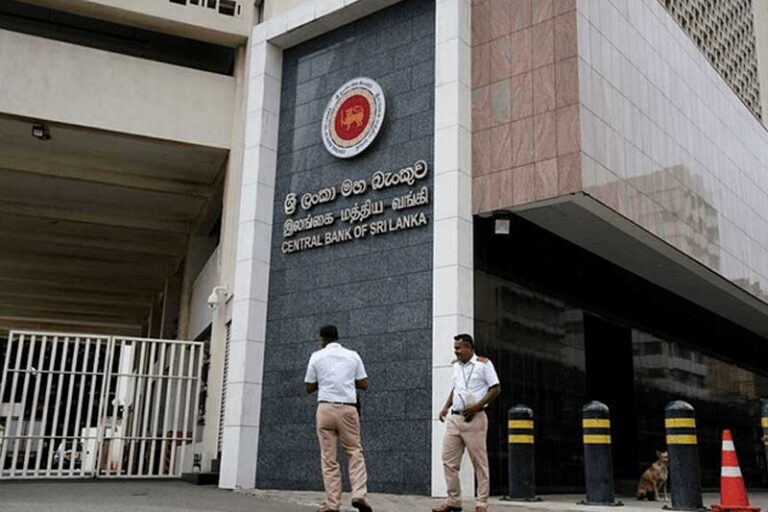
A shocking double standard has emerged in Sri Lanka’s financial oversight, raising urgent questions about the Central Bank of Sri Lanka’s (CBSL) regulatory integrity. When the Nations Trust Bank (NTB) suffered a treasury Forex loss of Rs. 800 million, the CBSL was swift and decisive. It immediately stepped in, directing the bank to remove Dilshan Weerasekara and Iftikar Ahamed from their positions. Yet, months after the staggering Rs. 13.2 billion fraud at the National Development Bank (NDB) was uncovered, the CBSL has remained largely silent. Not a single senior figure—director, top executive, external auditor, or CBSL supervisor—has faced any real action.
A Tale of Two Scandals
The discrepancy in responses could not be starker. The NTB case, smaller in scale, prompted immediate and forceful regulatory intervention. The NDB fraud, however, represents a systemic failure of epic proportions. A person responsible for the smaller incident has remained in high office. Dilshan Weerasekara, once removed from NTB, later served as the Chairman of the Colombo Stock Exchange (CSE) and is CEO of First Capital owned by the Schaffter Family . The family lost a son in a murder in 2023 which was never resolved . Similarly, Iftikar Ahamed is now the Managing Director of Softlogic Life Insurance PLC. In stark contrast, the board that presided over the Rs. 13.2 billion collapse at NDB—including figures like Kasturi Chellaraja, Sujeewa Mudalige, and Hasitha Premaratne—remains largely intact. Calls for their resignation have intensified, but the CBSL has yet to act.
A Breakdown in Governance
The fraud was not a subtle, one-time glitch. The bank’s audited 2025 accounts show a suspicious surge in receivables linked to these transactions, jumping to Rs. 12.2 billion from just Rs. 3.1 billion the previous year. Any functioning internal audit committee should have flagged this immediately, yet the warnings went unheeded, leaving the public to ask: where were the internal and external auditors, the board risk committees, and the CBSL’s supervisory department?
Even more alarming is the revelation that other banks such as Seylan and HNB did not report suspicious transactions to the CBSL’s Financial Intelligence Unit before the fraud was publicly disclosed. The CBSL’s apparent inaction on these early warnings is a glaring indictment of its supervisory framework.
Accountability in Name Only
Instead of decisive action, the CBSL has offered a weak defence. Governor Dr. Nandalal Weerasinghe has argued that the CBSL does not monitor individual transactions, stating that such oversight “is not the business of the CBSL”. This is a troubling attempt to distance the regulator from a scandal that occurred directly under its watch. The CBSL’s primary defence that the fraud was an internal matter and that public deposits are safe is a dangerously narrow view of its mandate.
As the country waits for a promised forensic audit, the message is clear: Accountability in Sri Lanka is a revolving door for the well-connected, but a cage only for the less influential. If the CBSL does not act now to remove the NDB board and hold all responsible parties to account, it will have permanently forfeited the public’s trust.
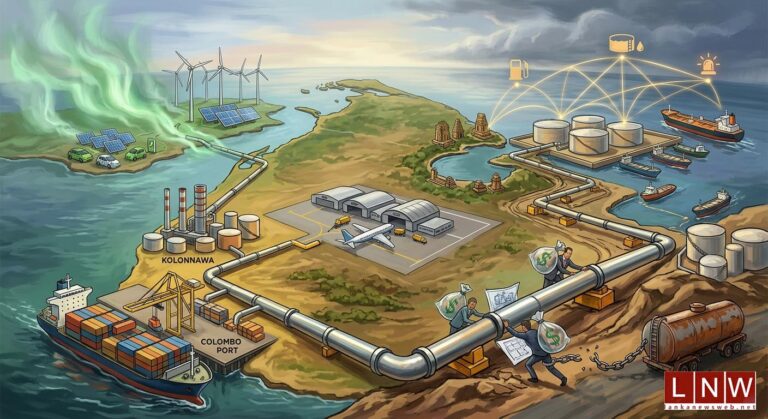
June 09, Colombo (LNW): Beyond the headlines surrounding billions of rupees in investment, Sri Lanka’s latest petroleum infrastructure programme represents a strategic attempt to redefine how fuel moves across the island and strengthen national energy security amid growing regional competition.
The proposed network upgrades extend well beyond simple pipeline replacements. Projects connecting Colombo Port to Kolonnawa, Muthurajawela to Katunayake Airport, and future developments in Trincomalee suggest a broader effort to create a modern fuel logistics system capable of supporting economic growth, aviation demand, and potential regional energy ambitions.
Particularly significant is the planned expansion of infrastructure around Trincomalee. Long regarded as one of South Asia’s most strategically located natural harbours, Trincomalee has attracted interest from multiple regional powers and investors seeking a foothold in the Indian Ocean energy trade. Any future pipeline and storage development in the area could elevate Sri Lanka’s role as a regional petroleum hub.
The aviation fuel pipeline to Katunayake is another project attracting attention. Currently, fuel transportation often relies heavily on road-based logistics, increasing traffic congestion, transport costs, and accident risks. Dedicated pipeline infrastructure could improve reliability for the aviation sector while reducing dependence on fuel tanker movements.
However significant concerns remain. Financing large-scale infrastructure during a period of fiscal consolidation presents challenges for a Government still recovering from sovereign debt distress. Although the investment is expected to deliver long-term benefits, public scrutiny over procurement transparency and project management is likely to intensify.
Another question involves future energy trends. Around the world, governments are investing heavily in renewable energy, electric mobility, and lower-carbon fuel systems. Critics argue that committing billions to petroleum infrastructure could risk locking Sri Lanka into fossil fuel dependency at a time when global energy markets are undergoing profound transformation.
Supporters counter that such arguments overlook present realities. Petroleum products continue to dominate transportation, aviation, shipping, and industrial operations in Sri Lanka. Even under optimistic energy-transition scenarios, liquid fuels are expected to remain essential for decades. Modernising infrastructure therefore addresses immediate operational needs while providing flexibility for future energy planning.
There is also a national security dimension. Modern pipelines and storage facilities can improve fuel reserves management, reduce vulnerability to supply disruptions, and strengthen emergency preparedness during economic crises or geopolitical shocks. Lessons from the 2022 fuel shortages remain fresh in public memory, reinforcing the importance of reliable distribution systems.
Ultimately, the success of the programme will depend not only on engineering excellence but also on transparency, environmental compliance, and efficient execution. If managed effectively, the investment could become one of Sri Lanka’s most consequential energy-sector reforms in decades. If not, it risks becoming another expensive infrastructure promise struggling to deliver its anticipated benefits.
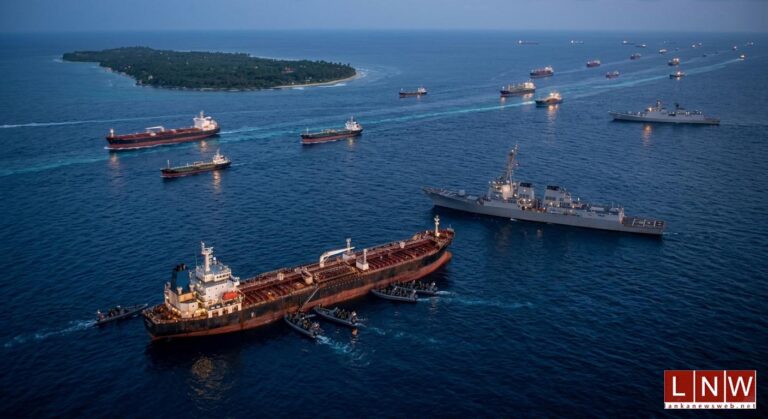
June 09, Colombo (LNW): The interception of the sanctioned tanker MT Davina by United States naval forces south of Sri Lanka represents far more than a routine maritime enforcement operation. It reflects a broader geopolitical contest unfolding across the Indian Ocean, where sanctions enforcement, energy security, and great-power competition increasingly intersect.
The vessel, identified by US authorities as a stateless tanker involved in transporting Iranian oil, was reportedly loitering in international waters when boarded by American forces. Such operations form part of Washington’s wider strategy to disrupt networks accused of generating revenue for Iran through covert oil exports despite extensive international sanctions.
Over the past several years, the global shipping industry has witnessed the emergence of a vast “shadow fleet” composed of aging tankers operating under opaque ownership structures, frequently changing names and flags, and manipulating vessel tracking systems. Analysts estimate that hundreds of tankers are now involved in transporting sanctioned oil from Iran, Russia, and Venezuela to buyers willing to circumvent restrictions.
Sri Lanka occupies a particularly sensitive position in this evolving maritime landscape. Located adjacent to critical sea lanes connecting the Middle East, Africa, and Asia, the island sits at the heart of one of the world’s most strategically important maritime regions. The waters south of Sri Lanka have become an attractive transit and waiting area for vessels seeking to avoid scrutiny while remaining close to major shipping routes.
The appearance of sanctioned vessels near Sri Lankan waters carries several geopolitical implications. First, it increases the visibility of US naval operations in the region, reinforcing Washington’s role as a security provider in the Indian Ocean. Second, it raises concerns among regional powers such as India, which closely monitors maritime activities around Sri Lanka due to its own strategic and security interests.
The incident may also influence broader discussions regarding maritime governance in the Indian Ocean. Existing international legal frameworks provide limited options for coastal states when suspicious vessels operate just beyond their territorial waters. Consequently, countries like Sri Lanka often depend on intelligence-sharing arrangements and cooperation with larger naval powers to monitor potentially risky activities.
Beyond geopolitics, the economic implications cannot be ignored. Sri Lanka relies heavily on secure maritime trade routes for imports, exports, and energy supplies. Any increase in illicit shipping activity, sanctions-related confrontations, or maritime incidents could undermine investor confidence and elevate risks for commercial shipping operators using nearby sea lanes.
Security experts warn that shadow fleet operations are becoming increasingly sophisticated, utilizing forged documentation, deceptive shipping practices, and complex financial arrangements spanning multiple jurisdictions. Such developments challenge traditional maritime law enforcement mechanisms and require greater international coordination.
The boarding of MT Davina therefore represents more than an isolated enforcement action. It highlights how global sanctions regimes, energy politics, and maritime security are converging in the waters surrounding Sri Lanka. As competition for influence in the Indian Ocean intensifies, Colombo will face mounting pressure to strengthen maritime surveillance capabilities while carefully balancing relations with major regional and global powers operating in its strategic neighborhood.
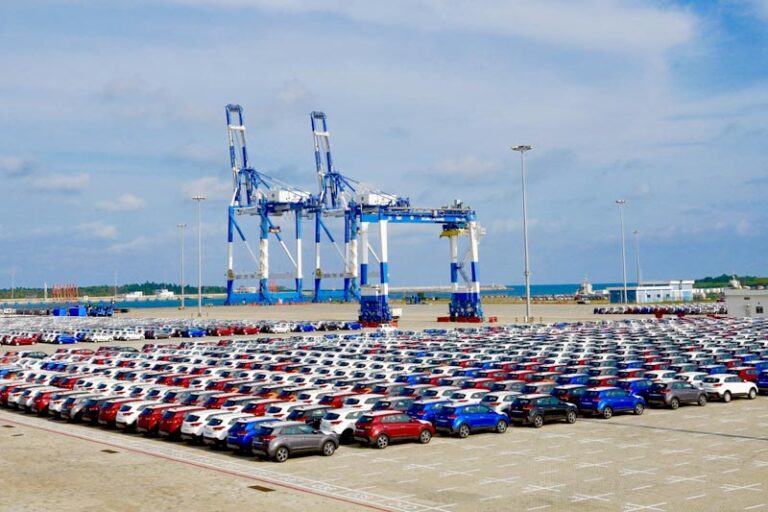
June 09, Colombo (LNW): Sri Lanka’s decision to reopen vehicle imports after years of restrictions has triggered a critical test of the country’s post-crisis economic recovery, reviving concerns over whether rising demand for imported vehicles could once again place pressure on precious foreign exchange reserves.
The debate has intensified following the government’s introduction of a temporary 50 percent surcharge on Customs Import Duty for several vehicle categories. While policymakers expected the measure to temper demand and protect reserves, the market’s initial reaction revealed lingering fears from the country’s recent economic crisis.
Industry sources reported a rush among importers and consumers to open Letters of Credit (LCs) immediately after import restrictions were lifted. The surge was driven not only by pent-up demand accumulated over nearly four years but also by concerns that authorities could reimpose import bans if reserve pressures resurfaced.
Those fears are rooted in Sri Lanka’s painful experience during the 2022 economic collapse, when severe foreign currency shortages forced the government to halt vehicle imports, restrict numerous other goods and ultimately suspend external debt repayments. For many consumers and businesses, the reopening represented a rare opportunity that could disappear if economic conditions deteriorated.
However, the initial buying frenzy appears to be losing momentum.
Market participants indicate that new LC openings have slowed significantly in recent weeks as consumers confront the reality of sharply higher prices. Industry estimates suggest that vehicle prices have increased by around 25 percent due to a combination of the temporary surcharge, exchange rate movements, Value Added Tax, luxury taxes and other import-related levies.
The slowdown may offer temporary relief to policymakers, but analysts warn that the true impact on foreign exchange reserves has yet to emerge.
Vehicle imports remain among the most dollar-intensive consumer expenditures in the economy. Every shipment requires substantial foreign currency payments to overseas manufacturers, dealers and suppliers. With thousands of vehicles expected to arrive in the coming months, authorities will soon gain a clearer picture of whether demand remains sustainable under higher pricing conditions.
The Central Bank has deliberately chosen a different strategy from the one employed during the crisis. Instead of imposing outright bans, policymakers are relying on market-based mechanisms, including a flexible exchange rate, reserve accumulation efforts, tighter import monitoring and improved banking sector liquidity to absorb the resulting pressure.
Supporters argue that restoring normal import activity is essential for rebuilding investor confidence and demonstrating that Sri Lanka has moved beyond emergency economic management. They contend that long-term growth cannot be achieved through perpetual restrictions on consumer and business activity.
Yet critics remain cautious. They point out that reserve growth continues to depend heavily on tourism earnings, worker remittances and export performance. Any slowdown in these sectors could quickly erode the country’s external buffers, particularly if vehicle import demand remains robust.
The government’s three-month surcharge has effectively become a live economic stress test. If higher costs successfully curb demand, reserve pressures may remain manageable. If not, policymakers could face difficult choices once again.
As the first shipments begin arriving next month, the vehicle market may provide the clearest indication yet of whether Sri Lanka’s economic recovery is resilient—or still vulnerable to old risks.
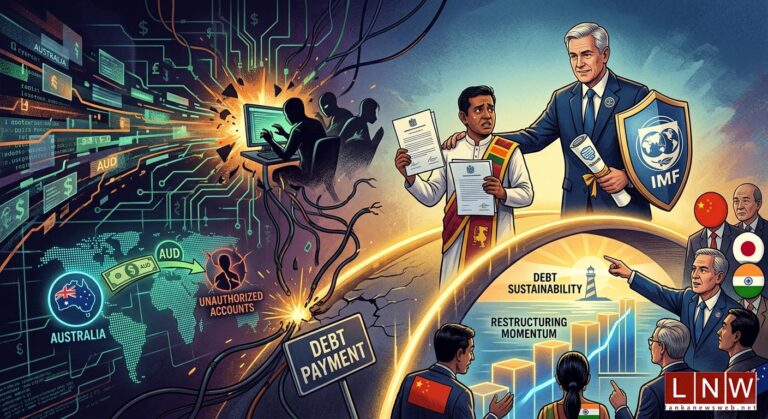
June 09, Colombo (LNW): A multimillion-dollar cybercrime targeting Sri Lanka’s debt payment system has emerged as one of the most closely watched financial security incidents since the country launched its historic debt restructuring programme, raising critical questions about cyber resilience in sovereign debt management.
The case centres on the disappearance of US$2.5 million earmarked for debt servicing obligations owed to Australia. Investigations indicate that cybercriminals manipulated payment instructions, causing funds to be transferred to unauthorised accounts before reaching the intended creditor.
Although the incident triggered a technical breach under Sri Lanka’s IMF programme, international lenders have largely accepted the government’s argument that the payment failure resulted from criminal interference rather than financial distress.
The IMF’s latest review confirms that Sri Lanka failed to observe the continuous performance criterion on new external payment arrears from November onward because of the cyberattack. Under normal circumstances, such a breach could jeopardise programme reviews and future disbursements.
However, the Fund concluded that the authorities had acted in good faith and had demonstrated a clear intention to make the payment. As a result, the IMF Executive Board granted a waiver of non-observance, recognising that the arrears emerged from extraordinary circumstances beyond the government’s control.
The arrears can only be formally cleared after parliamentary approval of a supplementary budget to accommodate the additional debt service payment. Until then, authorities are working closely with Export Finance Australia and debt restructuring advisers to determine the most appropriate accounting treatment for the stolen funds.
The incident has also prompted a broader reassessment of financial-sector cybersecurity safeguards. The IMF warned that cyberattacks on critical physical and digital infrastructure represent an increasing threat to economic stability. Such attacks can interrupt payment systems, disrupt financial markets, delay public services and encourage precautionary behaviour among investors and market participants.
To address these vulnerabilities, Sri Lanka has committed to implementing a comprehensive package of reforms. New debt payment Standard Operating Procedures developed with IMF technical assistance are scheduled for full implementation by June 2026. These procedures introduce multiple layers of verification and approval for payment instructions.
A major component of the reform effort is the launch of the Meridien Debt Management Information System. Scheduled to become fully operational by August, the platform will provide automated verification of account information, payment amounts and creditor details, significantly reducing opportunities for fraud and human error.
Despite the cyber setback, Sri Lanka’s debt restructuring programme continues to advance. Public Debt Management Office figures show external debt declining to US$37.47 billion by March 2026. China remains the country’s largest bilateral creditor with nearly US$5 billion in outstanding exposure, followed by Japan and India. Among multilateral lenders, the Asian Development Bank remains the largest creditor, followed by the World Bank and the IMF.
Economic analysts note that the IMF’s decision to grant a waiver sends an important signal to international investors that Sri Lanka’s restructuring momentum remains intact. The episode has highlighted cybersecurity weaknesses but has not derailed the country’s broader effort to restore debt sustainability, rebuild market confidence and normalise relations with external creditors after the sovereign debt crisis.
June 09, Colombo (LNW): Sri Lanka’s Treasury will come under unprecedented scrutiny today as Parliament’s Committee on Public Finance (CoPF) begins today Monday June 07 what is expected to be a decisive examination of the country’s most damaging public-sector cyber fraud in recent history.
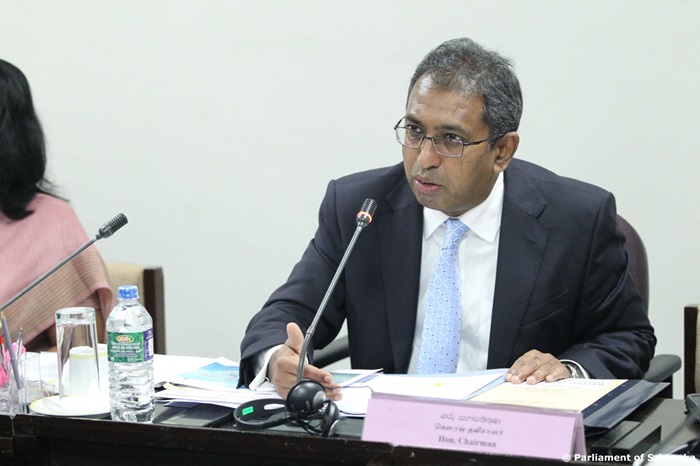
Finance Ministry Secretary Dr. Harshana Suriyapperuma and a team of senior Treasury officials have been summoned before the committee chaired by MP Dr. Harsha de Silva to explain how a sophisticated cybercrime operation succeeded in diverting USD 2.5 million from the External Resources Department (ERD).
At the centre of the hearing is a newly submitted 100-page Treasury report that lawmakers have spent days studying. Members of CoPF are expected to challenge Treasury officials on apparent inconsistencies, missing timelines, and unexplained administrative failures revealed in the document.
The case has become a major test of Treasury credibility, accountability, and operational efficiency.
Investigators have established that the fraud was carried out through a Business Email Compromise (BEC) attack. Cybercriminals allegedly infiltrated routine communications between the ERD and foreign creditors, subtly altering email domain details to redirect payments into fraudulent accounts.
The stolen funds formed part of a USD 22.9 million bilateral debt settlement intended for Export Finance Australia. Authorities discovered the theft only after Australian officials raised concerns regarding the non-receipt of funds.
One of the most troubling findings concerns an automated Treasury warning issued on October 28, 2025. The financial system reportedly detected an unauthorized domain-name alteration and generated an alert. Despite the warning, a chain involving 14 officials proceeded to manually authorize payments.
Parliamentarians are expected to demand answers regarding how ten separate transfers were processed between November 2025 and January 2026 despite clear system warnings.
Another key focus will be the January 1, 2026 transition of sovereign debt management responsibilities from the Central Bank to the newly created Public Debt Management Office (PDMO). Investigators believe cybercriminals exploited weaknesses created during the administrative handover, raising questions about preparedness and cybersecurity oversight.
The hearing unfolds as criminal investigations continue to intensify. The Criminal Investigation Department (CID) has already recorded statements from 42 individuals connected to payment approvals and related procedures. Computer servers linked to the ERD have also been submitted for forensic examination.
International assistance has further elevated the significance of the investigation, with both the FBI and Australian Federal Police reportedly assisting local authorities in tracing the digital trail behind the fraud.
Public anger has intensified after revelations that authorities have recovered only USD 200 from the stolen millions. Critics argue that the negligible recovery exposes serious shortcomings in financial safeguards and asset-recovery mechanisms.
By the end of today’s proceedings, CoPF is expected to determine whether the Treasury’s response has been adequate and whether sweeping institutional reforms are necessary to protect Sri Lanka’s debt management systems from future attacks. The committee’s recommendations could ultimately shape major legislative and administrative changes across the country’s financial governance framework.
June 09, Colombo (LNW): The government has defended the detention of former State Intelligence Service (SIS) Director General Major General Suresh Sallay under the Prevention of Terrorism Act (PTA), insisting that the move was carried out strictly within the framework of existing law.
Speaking on the matter, Deputy Minister of Public Security Sunil Watagala rejected allegations of political interference, maintaining that the detention was authorised under provisions of the PTA and followed established legal procedures.
The authorities acted in accordance with legislation currently in force, the Deputy Minister told Daily Mirror, stressing that the government had not exerted any influence over the process. He described the detention as a lawful application of statutory powers rather than an exceptional measure.
Watagala also reaffirmed the administration’s commitment to repealing the controversial PTA, a pledge made during previous political campaigns. However, he noted that until replacement legislation is introduced and enacted, law enforcement agencies must continue to operate under the legal mechanisms presently available.
The detention of Sallay has sparked widespread discussion across the political and legal landscape, with several opposition figures questioning the decision to invoke the PTA.
June 09, Colombo (LNW): The Free Lawyers Association has appealed to the authorities to provide immediate and specialised medical treatment to former State Intelligence Service (SIS) Director General Major General Suresh Sallay, while renewing calls for reforms to Sri Lanka’s Prevention of Terrorism Act (PTA), which it says permits prolonged detention without adequate judicial safeguards.
In a statement issued on Sunday, the organisation expressed concern over Sallay’s physical and psychological condition during his detention, describing the reported circumstances as troubling and warranting urgent intervention. The statement was jointly signed by the Association’s Convener, Maithri Gunaratne, and Chief Executive Officer, Rajith Keerthi Tennekoon.
According to information cited by the Association, Sallay has reportedly experienced a marked deterioration in health in recent weeks. Medical assessments are said to indicate significant weight loss, nutritional deficiencies, skin-related ailments, elevated blood sugar and cholesterol levels, and the worsening of longstanding migraine conditions.
The statement further referred to psychiatric evaluations which reportedly identified severe anxiety, depressive symptoms and indicators associated with post-traumatic stress disorder. Medical specialists are said to have warned that the condition requires immediate attention and comprehensive treatment, noting concerns regarding his mental wellbeing and vulnerability.
Although assessments reportedly found him medically fit to participate in legal proceedings, the Association stressed that this should not diminish the need for continued physical and psychological care in an appropriate therapeutic setting.
The organisation argued that the case highlights broader concerns surrounding the treatment of individuals held under the PTA. It noted that the legislation allows for extended periods of detention before charges are formally filed or judicial review takes place, creating conditions that may expose detainees to neglect or abuse.
The Association also questioned whether existing detention practices fully align with Sri Lanka’s international obligations relating to the prevention of torture and the protection of detainees, particularly as the country prepares for scrutiny from international monitoring bodies in the coming months.
Among its recommendations, the group called for independent medical evaluations for all PTA detainees, regular access to family members and legal representatives, and the prompt presentation of detainees before competent courts. It further urged authorities either to proceed with legally sustainable charges or release individuals who remain in custody without sufficient grounds.
The Association reiterated its longstanding position that the PTA requires substantial reform, arguing that provisions allowing lengthy detention without timely judicial oversight should be reviewed to strengthen accountability and safeguard fundamental rights.
The group also stated its willingness to engage with the Human Rights Commission of Sri Lanka, relevant state institutions and international observers to support efforts aimed at improving detention standards and preventing ill-treatment within custodial facilities.
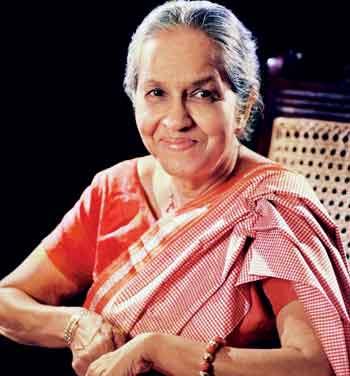
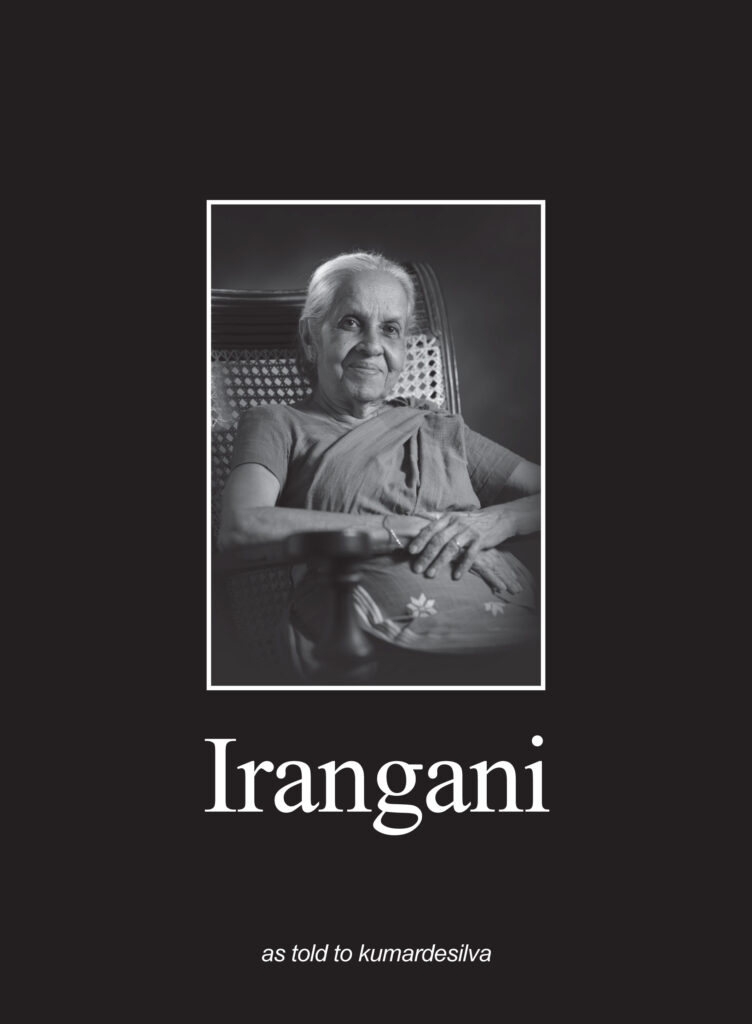
June 09, Colombo (LNW): Beloved and iconic artiste Iranganie Serasinghe celebrates her 99th birthday today (June 09), marking nearly a century of life and over seven decades of pioneering contribution to Sri Lankan cinema, theatre, and television.
Born Iranganie Roxanna Meedeniya in 1927, she remains one of Sri Lanka’s most respected and beloved actresses, recognised for her unparalleled talent, grace, and devotion to the arts.
Early Life and Family Background
Iranganie Serasinghe was born on June 09, 1927, in Mudungomuwa, Ruwanwella, Sri Lanka. She came from a distinguished family with deep political roots: her paternal grandfather was J. H. Meedeniya Adigar, who was elected unopposed to the State Council for Ruwanwella, and her uncles included renowned figures D. R. Wijewardena and Sir Francis Molamure. Her father, Joseph Hercules Meedeniya, served as Rate Mahatmaya of Ratnapura.
She attended Bishop’s College in Colombo and Girls’ High School in Kandy, where she played in several end-of-term plays and took a leading role in Bernard Shaw’s Pygmalion.
Educational Journey and Drama Training
Against her father’s wishes, Iranganie entered the University of Colombo in 1947 with support from her cousins. During her university years, she immersed herself in the Ceylon theatre scene under the guidance of Professor E. F. C. Ludowyk and became a proficient dancer through lessons from Chitrasena.
She became the first Sri Lankan actress to receive academic training in acting, pioneering a path for future performers:
Training Institution
Location
Duration
Royal Academy of Dramatic Art (RADA)
London
First student from Sri Lanka
Bristol Old Vic Theatre School
London
1 year
London School of Speech Training and Dramatic Art
London
2 years
She traveled to London with letters of recommendation from Ludowyk and received help from celebrated actresses Flora Robson and Sybil Thorndike during her training.
Theatre Career: From 1948 to Present
Serasinghe made her theatre debut in 1948 in Professor Cuthbject Amarasinghe’s production of The Second Mrs. Tanqueray at the University of Colombo, where she played the lead role. This was originally a Broadway production from 1893 starring Mrs Patrick Campbell.
Her theatrical career flourished at the newly opened Lionel Wendt Theatre (December 1953), where she opened with Maxim Gorky’s The Lower Depths, playing Nastya. She became particularly fond of Jean Anouilh’s Antigone, considering it alongside Lady Macbeth “one of the most formidable women in Western theatre”.
She transitioned from English theatre to Sinhala theatre, appearing in Henry Jayasena’s Apata Puthe Magak Nethe and Damma Jagoda’s Sinhala version of A Streetcar Named Desire, Ves Muhunu, and Porisadaya.
Cinematic Debut and Breakthrough
Serasinghe began her cinema career in 1960 with Lester James Peries’ “Be Safe or Be Sorry” for the Government Film Unit. Peries subsequently cast her in his debut feature film Rekava (1956) as a mother character named ‘Kathirinahamy’ (Kathrina).
Her debut performance in Rekava earned her the Deepashikha Award for Best Actress in 1956, marking the beginning of her legendary screen career. Rekava (“Line of Destiny”) has achieved iconic status in Sri Lankan cinema, premiering on December 28, 1956, at the Regal Cinema in Ceylon Theatre.
Iconic Film Roles
Throughout her career spanning dozens of films, Serasinghe became recognised for playing motherly figures in various films and television serials. Her most notable roles include:
Year
Film
Role
Significance
1960
Sandesaya
Female Spy
Early notable role
1969
Bakmaha Deege
Kumarihami
Peries collaboration
1981
Sagarayak Meda
—
Won Sarasaviya Award for Best Supporting Actress (1982)
1984
Indiana Jones and the Temple of Doom
Village Woman
International appearance
1984
Dadayama
Brothel owner
Rare depraved rich role
1990
Awaragira
Dingiri Menike
Notable character
2002
Sudu Sevanali
Poor old mother
Won Presidential Award for Best Supporting Actress (2000)
She also appeared in classics like Gamperaliya and Nidhanaya, cementing her status as a pioneering figure in Sri Lankan cinema.
Recent Films (2017–2025)
Her career continues into the present, with roles in:
Kalu Hima (2018) as Grandmother
The Wind Beneath Us (2018) as Grand Mother
Guththila (2023)
Minnu (2024)
Theja (2025)
Television Career
Serasinghe became a beloved presence on Sri Lankan television, particularly known for motherly and grandmotherly roles:
Year
Television Series
Role
1980s
Yashorawaya
Suduhamine
1990–1995
Doo Daruwo
Dulsey/Sudu Aachchi
2018
Thaththa
Prison officer’s stepmother
2020
Sihini
Rich bed-ridden old lady isolated by children
She became affectionately known as “the mother of all our mothers” in Sri Lankan television.
Awards and National Honours
Serasinghe’s contributions have been recognised with numerous prestigious awards:
Award
Year
Category
Deepashikha Award
1956
Best Actress (Rekava)
Sarasaviya Award
1982
Best Supporting Actress (Sagarayak Meda)
Presidential Award
2000
Best Supporting Actress (Sudu Sevanali)
Kala Keerthi
—
Sri Lankan Government honour
Sri Lankan of the Year
2017
Entertainment Distinguished Achievement (Ada Derana)
Best Actress Special Jury Award
2019
State Radio Awards
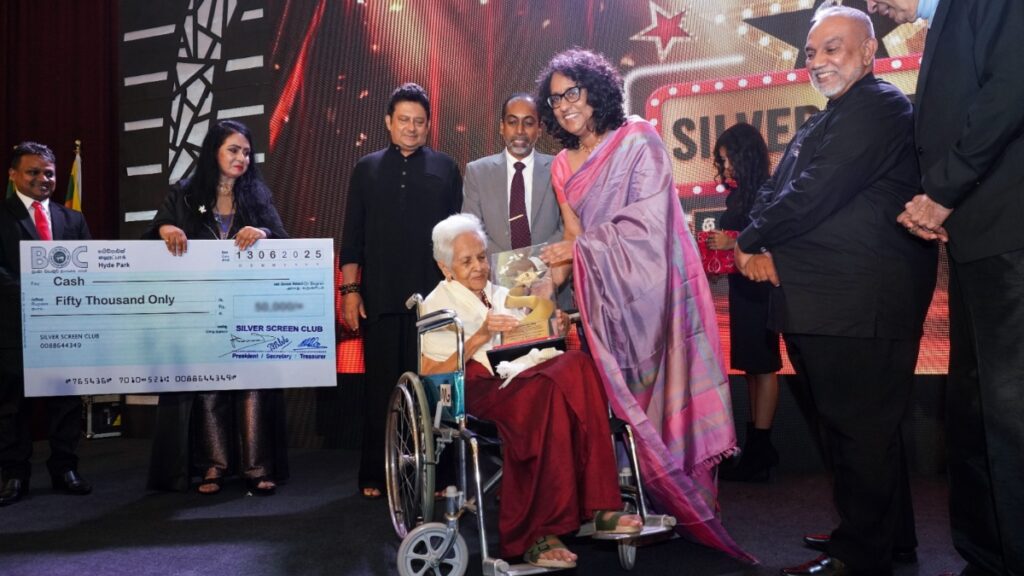
Lifetime Achievement Award
2021
21 artists honoured for invaluable contribution to Sinhala cinema
In January 2026, a commemorative stamp marking 100 years of Sri Lankan cinema featuring Iranganie Serasinghe’s image was unveiled at the National Film Corporation, described as a tribute to her invaluable contribution to the country’s cinematic heritage.
Personal Life
Marriages
First marriage: To a contemporary student at University of Colombo (divorced)
Second marriage: To Professor S. B. Dissanayake (a specialist dentist), which did not last long
Third marriage: To fellow actor Winston Serasinghe, during which she played English stage plays. There was a 17-year age gap between them. Winston appeared in Rekava and other productions with her
Children
Ravi Serasinghe (died by accident at age 31)
Ranjith Serasinghe (surviving son, still involved in films)
Family Connection
She is the aunt of former President Ranil Wickramasinghe
Environmental Advocacy
Beyond drama, Serasinghe became a committed environmental activist. Her early touches with nature led her to establish ‘Ruk Rekaganno’, a voluntary service organisation that takes the message of conservation to grassroots Sri Lanka. She remains a steadfast advocate for the environment and the arts.
Political Background
During her university years, Serasinghe was exposed to Marxist ideas and became a communist militant under Professor Ludowyk’s influence. Colvin R. De Silva repeatedly invited her to contest a seat from the Lanka Sama Samaja Party (LSSP), but she eventually let go of political activism, feeling the Marxist movement left no room for her to discover herself.
Her career has been “neither fully detached from, nor fully bonded to, the politics of activism”.
Legacy and Significance
Iranganie Serasinghe’s evolution as an actress was conditioned by free education and universal franchise in Ceylon. She emerged during a crucial juncture when English and Sinhala theatre began collaborating actively in the mid-to-late 1960s.
As Haig Karunaratne noted, she “was able to live in both worlds” while “searching for emancipation”. She embodied both suffering and stability for the lower-middle-class Sri Lankan milieu that became the focus of film and television directors.
Her real achievement lies in rejecting her colonial upper-class elite background without fully rejecting it, taking part in cultural and political changes in which she thrived. With a career spanning over seven decades, she has left an indelible mark on Sri Lankan cinema, theatre, and television, inspiring generations with her unparalleled talent.
Serasinghe alongside Harrison Ford, Kate Capshaw, Ke Huy Quan, Denawaka Hamine and Ruby de Mel in “Indiana Jones and the Temple of Doom” in 1984 | Photo: Internet
At 99 years old, she continues to be involved in films, a testament to how well she has endured.
Current Status
Today, as she celebrates her 99th birthday, Iranganie Serasinghe remains a true legend and timeless inspiration to Sri Lanka. She continues to embody the spirit of a true national treasure, with her contributions transcending the screen and stage.
The nation joins in honoring her life, her work, and the timeless legacy she has gifted to Sri Lankan arts and culture.