October 13, Colombo (LNW): Showers or thundershowers will occur at times in Western, Sabaragamuwa, Southern and Northwestern provinces and in Mannar district, the Department of Meteorology said in its daily weather forecast today (13).
Showers or thundershowers will occur in the other areas after 1.00 p.m.
Fairly heavy falls about 75 mm are likely at some places in Western, Sabaragamuwa, Central, Southern and Uva provinces.
Misty conditions can be expected at some places in Central, Sabaragamuwa, and Uva provinces during the morning, the Met. Department added.
The general public is kindly requested to take adequate precautions to minimise damages caused by temporary localised strong winds and lightning during thundershowers.
Fairly heavy falls about 75 mm expected in several areas (Oct 13)

State Counsel to Represent Remanded Officer in Mount Lavinia Courtroom Assault Case

October 12, Colombo (LNW): A State Counsel is expected to appear before the Mount Lavinia Magistrate’s Court tomorrow (13 October) on behalf of the police officer currently in remand custody over the alleged assault of a lawyer within the court premises, according to Inspector General of Police (IGP) Priyantha Weerasuriya.
The incident, which reportedly occurred on October 10 during an altercation involving the relocation of a vehicle belonging to the lawyer, has sparked widespread concern over the conduct of law enforcement officers, particularly within the confines of a judicial setting.
Speaking to the media, IGP Weerasuriya confirmed that the Police Special Investigation Unit (SIU) has been tasked with determining whether proper procedures were followed by police personnel during the incident. He emphasised that the investigation will be conducted impartially, without interference or bias.
The Attorney General has taken note of the situation and is offering legal guidance, and a State Counsel has been appointed to represent the officer and take the necessary legal steps in court, the IGP revealed.
In response to a directive from the Mount Lavinia Additional Magistrate, further investigations are underway, including a review of CCTV footage captured within the court premises on the day of the incident. The footage is expected to be central to the inquiry, helping to establish a clear account of the events.
The police officer accused in the matter was arrested following the complaint and was subsequently remanded until Monday (13 October), pending further judicial proceedings.
Government Fails to Deliver on 2025 Budget as Capital Spending Collapses

By: Staff Writer
October 12, Colombo (LNW): Sri Lanka’s 2025 budget implementation has come under sharp scrutiny following revelations by the World Bank that the government has failed to utilize even a quarter of its annual budget allocations during the first seven months of the year. The under-execution of capital expenditure, in particular, has raised serious concerns over the administration’s fiscal management and its ability to drive economic recovery through planned public investment.
According to the World Bank’s latest update, only 22.2 percent of the total budgeted expenditure was spent by the end of July 2025 marking a 19.8 percent decline compared to the same period last year. The sluggish performance is primarily attributed to the late passage of the Appropriation Act in March and the delayed restart of foreign-funded infrastructure and development projects following the debt restructuring process.
While the government has been quick to highlight its improved fiscal discipline, analysts argue that the slow pace of spending particularly on capital projects indicates administrative paralysis rather than prudence. Capital expenditure, which finances infrastructure, industrial development, and public sector modernization, has seen one of its lowest execution rates in recent years, leaving several planned projects either stalled or abandoned.
In contrast, government revenues surged by 26.5 percent year-on-year, mainly due to higher taxes on imports. The removal of the long-standing vehicle import ban in February 2025 contributed to this surge, as personal vehicle imports rose thirteenfold to USD 506.1 million by July, surpassing the total import value recorded during 2020–2024 combined. The revival of vehicle imports, along with stronger consumer goods demand, pushed the overall import bill up by 11.8 percent in the first seven months of 2025.
Meanwhile, primary expenditure (excluding interest payments) increased by 7.2 percent, driven by the government’s decision to resume public sector recruitment, implement the 2025 salary hikes, and expand welfare programs. These current expenditures have consumed much of the available fiscal space, leaving capital investment underfunded and under-executed.
Despite the rise in expenditure, the World Bank notes that the government’s primary balance surplus improved by 87.5 percent year-on-year, largely because the capital budget remained unspent. Economists, however, caution that such a surplus is misleading. “The fiscal surplus is not a reflection of sound management but of inaction,” a senior policy analyst said . “When you don’t execute development projects, you automatically spend less but that also means you generate fewer jobs and delay infrastructure-led growth.”
The under-utilization of capital allocations is likely to have ripple effects across multiple sectors, including transport, health, and education, which rely heavily on public investment. With Sri Lanka’s economic recovery still fragile, experts warn that failing to implement budgeted capital projects could undermine growth targets for 2025 and beyond.
As the government prepares for the 2026 budget cycle, calls are growing for greater transparency, accountability, and efficiency in public spending. The World Bank report makes it clear that while fiscal stability may appear to improve on paper, Sri Lanka cannot afford to achieve it by freezing capital investment the very engine needed to drive sustainable development and economic revival.
Private Sector Drives Sri Lanka’s Pharmaceutical Manufacturing Expansion

By: Staff Writer
October 12, Colombo (LNW): Sri Lanka’s pharmaceutical manufacturing industry is gaining momentum with growing private sector investment and advanced technology integration, positioning the country to reduce import dependency and enhance local drug production capacity.
Highlighting this progress, Health and Mass Media Minister Dr. Nalinda Jayatissa recently visited LAUGFS Life Sciences Ltd., a leading sterile pharmaceutical manufacturing facility located within the Koggala Export Processing Zone under the Board of Investment (BOI). The visit underscored the government’s encouragement of private sector participation in strengthening the national healthcare supply chain.
The facility, a subsidiary of LAUGFS Holdings Ltd., represents one of the most advanced sterile infusion therapy manufacturing plants in the region. It contributes to Sri Lanka’s growing network of over 25 pharmaceutical manufacturing factories currently operating under BOI and private ownership a significant step toward the government’s target of meeting 50 percent of the nation’s pharmaceutical demand through local production in the next few years.
During the inspection, Minister Jayatissa commended LAUGFS Life Sciences for pioneering Large Volume Parenteral (LVP) production using Euro Multiport and Form-Fill-Seal (FFS) technologies.
These systems ensure sterile, safe, and efficient production with minimal human handling, a major advancement in infusion therapy manufacturing. “This project is a commendable step forward for Sri Lanka’s healthcare sector. By investing in advanced pharmaceutical technologies, LAUGFS Life Sciences directly supports our goal of enhancing local production and saving valuable foreign exchange,” the Minister said.
Sri Lanka currently spends nearly USD 700 million annually on pharmaceutical imports. Industry experts note that local manufacturers like LAUGFS Life Sciences, State Pharmaceutical Manufacturing Corporation (SPMC), and several BOI-approved private ventures can help reduce import expenditure by as much as 30 to 40 percent within the next few years if production continues to expand.
LAUGFS Life Sciences CEO Dr. Rajiv Perera said the company’s advanced production lines will soon introduce infusion therapies on par with global standards. “With Euro Multiport and FFS technologies, we are ensuring the highest levels of quality and safety while delivering affordable solutions for both the public and private health sectors,” he noted.
Group CEO Dr. Ravi Edirisinghe added that LAUGFS’s investment in pharmaceutical manufacturing aligns with its broader mission to create sustainable, value-driven industries. “Through LAUGFS Life Sciences, we are not only contributing to the national healthcare agenda but also building Sri Lanka’s reputation as a regional hub for quality-driven pharmaceutical manufacturing,” he said.
The Health Minister emphasized that public-private partnerships are vital to building a resilient healthcare ecosystem. “Initiatives like this ensure patient safety, reduce reliance on imports, and strengthen national health security,” he remarked.
Industry analysts highlight that the expansion of domestic pharmaceutical production supported by over 15 new projects under construction and increased investment incentives will create thousands of skilled jobs, enhance export potential, and reinforce Sri Lanka’s standing in the South Asian medical manufacturing landscape.
With companies such as LAUGFS Life Sciences leading the way, Sri Lanka’s private sector is now playing a pivotal role in transforming the country into a self-sufficient, innovation-driven pharmaceutical producer, ensuring long-term health security and economic stability.
Policy Confusion Threatens Sri Lanka’s Digital Economy Ambitions

By: Staff Writer
October 12, Colombo (LNW): Sri Lanka’s much-touted ambition to build a $15 billion digital economy by 2030 risks remaining a distant dream due to inconsistent policies, sluggish implementation, and a lack of coherent global positioning, industry experts warn.
Speaking at the Chartered Accountants of Sri Lanka National Conference this week, Doerscircle Chief Operating Officer and Sarvodaya Fusion Board Member Yasas Vishuddhi Abeywickrama cautioned that the country’s digital economy will not achieve its full potential unless policymakers urgently rethink their export strategy, branding, and approach to global integration.
Over the past 15 years, Sri Lanka’s digital exports have expanded from $300 million in 2010 to nearly $2 billion in 2025, yet the country continues to fall short of its own targets. “We set a goal of $5 billion by 2022, then $3 billion by 2025, and now $5 billion again by 2030. The question is not that we failed to achieve it, but why we failed,” Abeywickrama said, reflecting the industry’s growing frustration over missed opportunities.
The Government’s latest Digital Economy Policy aims to generate $5 billion in digital exports, digitise public services, and create 200,000 tech professionals by 2030. But critics argue that such targets lack a realistic roadmap. “The professionals will come automatically if we grow exports and services. The real question is how we plan to get there,” Abeywickrama said.
A recurring concern among stakeholders is policy inconsistency, which continues to discourage digital entrepreneurs, freelancers, and investors. For example, while countries such as the UAE, Thailand, and Indonesia have introduced digital nomad visas and incentives to attract global tech workers, Sri Lanka’s proposal for such a scheme discussed as early as 2019 remains stalled.
Meanwhile, government agencies have sent mixed signals to freelancers providing digital services to overseas clients. Attempts to impose income taxes and foreign exchange restrictions on these earnings have caused confusion and deterred inflows, undermining a key segment of the digital economy. “Instead of empowering freelancers who bring in valuable foreign exchange, we are trapping them in red tape and tax uncertainty,” a senior IT industry source said
Abeywickrama highlighted that Sri Lanka remains largely invisible in the global digital services map. “If companies in the US or UK look for a cost-effective outsourcing destination, Sri Lanka doesn’t even make the top 20. We are known for tourism, not technology,” he said.
The industry’s branding strategy, he added, has also failed to evolve. The ‘Island of Ingenuity’ campaign launched in 2016 no longer reflects the sophistication of Sri Lanka’s current IT and BPM
Although Sri Lanka’s digital workforce is recognized for its high quality, the lack of scale remains a major bottleneck. “Companies looking to hire 2,000 IT or accounting professionals a year cannot find that capacity here. We have the talent, but not the numbers,” Abeywickrama observed.
He also urged the country to move beyond outsourcing and begin creating proprietary digital products and platforms, citing India’s Zoho and Ireland’s innovation-led policy model as successful examples. “When you create a good product, it sells itself — it travels globally,” he said.
Experts say that Sri Lanka must bridge the gap between education and industry needs, engage its diaspora to attract projects, and strengthen partnerships with global digital hubs such as India, Singapore, and the UAE.
“This is a market of 22 million people. To grow, we must connect with others. We have quality what we need now is visibility, consistency, and strategy,” Abeywickrama concluded.
Unless the government aligns its fiscal, trade, and digital policies with long-term goals rather than ad-hoc measures like taxing freelancers, Sri Lanka’s digital economy risks stagnating, leaving the nation’s most promising growth engine idling on the runway.
KKS Port and Jaffna Airport Expansion Seen as Crucial to Equitable National Recovery
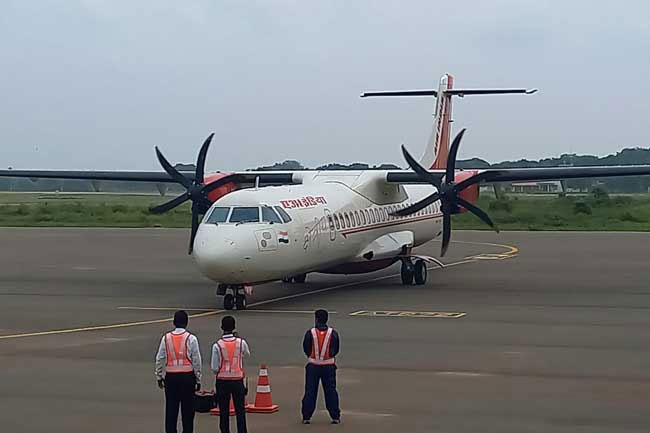
October 12, Colombo (LNW): A newly published report has warned that critical infrastructure projects in Sri Lanka’s Northern Province—specifically the development of Kankesanthurai (KKS) Port and the expansion of Jaffna Airport—must be insulated from political shifts if the country is to ensure a balanced post-crisis economic recovery.
The report, carried by the Jaffna Post, highlights that while recent Cabinet changes could accelerate long-delayed projects, any disruption in policy continuity may risk derailing progress. In the latest reshuffle, Bimal Rathnayake has taken over as Minister of Transport, Highways and Urban Development, and Anura Karunathilaka has been appointed Minister of Ports and Civil Aviation—portfolios directly linked to the northern projects.
With feasibility studies backed by a US$61 million Indian grant, KKS Port and Jaffna Airport are expected to play a transformative role in integrating the Northern Province—one of Sri Lanka’s most economically isolated regions—into national and regional trade networks.
The report projects that KKS Port, once operational, could handle monthly cargo volumes between 2,000 and 5,000 tonnes. It also notes that current ferry services between Nagapattinam and KKS already see between 1,200 and 2,000 passengers per month, a figure that could rise significantly with the resumption of daily services.
Strategically located near the Palk Strait, KKS Port could serve as a vital export gateway for northern industries such as fisheries, agriculture, dairy, and traditional Palmyra-based enterprises, enabling local producers to access Indian and broader South Asian markets more efficiently.
Meanwhile, the proposed expansion of Jaffna Airport holds similar promise. It could reduce travel time between Colombo and Jaffna from nearly ten hours by road to just one hour by air. More critically, an upgraded airport would function as a regional aviation hub, capable of attracting international airlines and supporting both inbound tourism and outbound trade, especially in time-sensitive goods like seafood and fresh produce.
The report underscores that the combined potential of KKS Port and Jaffna Airport could establish a northern economic corridor that complements Colombo’s commercial dominance rather than competes with it. This, it argues, would promote more inclusive national development and bridge the long-standing gap between the centre and the periphery.
However, it warns that for this vision to materialise, political will must be matched by consistency in implementation. Frequent changes in leadership, shifting bureaucratic priorities, or delays in budget allocations could undercut momentum at a critical juncture.
The Jaffna Post report concludes that Sri Lanka’s broader recovery from its economic crisis will be measured not just by macro-level indicators, but by how evenly growth and opportunity are distributed. In that regard, northern infrastructure development should be viewed not as a regional project, but as a national priority.
Drug Oversupply Amid Critical Shortages Highlights Deepening Crisis in Health Sector
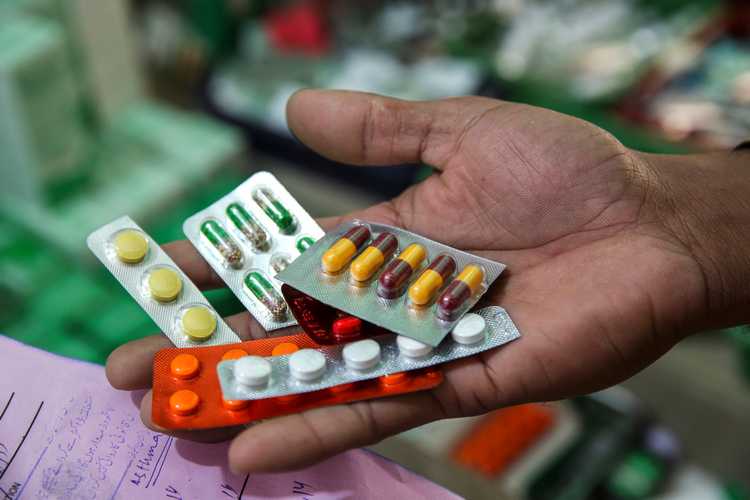
October 12, Colombo (LNW): Despite repeated assurances by the Ministry of Health and the State Pharmaceuticals Corporation (SPC) that Sri Lanka’s ongoing drug crisis will be fully resolved by 2026, the healthcare system is now facing an alarming paradox—an oversupply of certain medications alongside a continued shortage of essential drugs and surgical supplies in hospitals across the country.
This troubling development was revealed by Specialist Dr Chamal Sanjeewa, Chairman of the Medical and Civil Rights Doctors’ Trade Union Alliance, who described the situation as a “clear reflection of both administrative incompetence and political negligence” within the public health sector.
According to Dr Sanjeewa, nearly 100 pharmaceutical items—both essential and non-essential—are currently being stockpiled in several large state hospitals, with no clear mechanism in place for redistribution or utilisation. At the same time, vital medications such as IV Noradrenaline, Cefotaxime, Amikacin, Levofloxacin, and Clarithromycin remain in dangerously short supply. Surgical items, including suturing materials like prolene, nylon, and knee implants, are also critically low, severely hampering routine and emergency care.
The contradiction between surplus and shortage is not just a logistical failure—it represents a systemic collapse in planning, procurement, and oversight, Dr Sanjeewa pointed out. He attributed this failure to mismanagement by health officials dating back to the tenure of former Health Minister Keheliya Rambukwella, while also holding the current Health Ministry leadership and SPC accountable for failing to implement corrective measures.
Despite multiple cabinet directives aimed at resolving the crisis, none have yielded tangible results, he said. Instead, hospitals are now dependent on irregular emergency purchases at the regional level, which Dr Sanjeewa warned could lead to significant financial losses due to inflated pricing and lack of proper oversight.
He criticised the Ministry’s ongoing approval of decentralised procurement as a superficial measure to mask deeper administrative failures. He added that allowing ad hoc regional purchases for over a year has not solved the problem—it has only made it less visible. There is no central strategy, no competitive bidding, and no consistency in supplier engagement, Sanjeewa said.
Dr Sanjeewa further accused the SPC and the National Drug Regulatory Authority of operating in isolation, failing to engage constructively with suppliers or adhere to national procurement standards. He claimed that these bodies are functioning with a lack of transparency and accountability, exacerbating supply chain issues rather than resolving them.
The Alliance of Doctors and Civil Rights Trade Unions has raised serious concerns that procurement regulations may have been bypassed under the pretext of emergency cabinet approvals. Dr Sanjeewa indicated that the union is now preparing to initiate legal proceedings in relation to several alleged irregularities in the procurement and distribution process.
President to Distribute Housing Deeds to Hill Country Families as Part of Major Upliftment Project
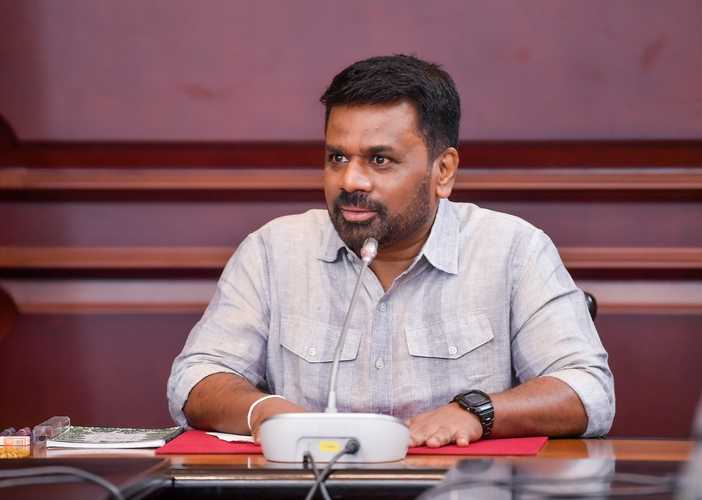
October 12, Colombo (LNW): A landmark ceremony will be held today (12) in Bandarawela, where President Anura Kumara Dissanayake is set to preside over the distribution of housing title deeds to members of the Malayagam community in Sri Lanka’s central hill country.
The event forms part of the fourth phase of a large-scale housing initiative targeting the estate sector and aims to address long-standing issues of landlessness and inadequate living conditions among plantation workers.
The initiative, carried out under the theme “A Comfortable Home, A Hygienic Life,” is a collaborative effort between the Governments of Sri Lanka and India to construct 10,000 permanent homes for families in the plantation sector. It represents one of the most ambitious efforts in recent years to uplift historically marginalised communities in the hill country.
During today’s ceremony, approximately 2,000 families are expected to receive formal ownership of their newly built homes. This milestone not only provides secure tenure to the recipients but also symbolises a broader push towards social equity and improved quality of life for estate workers.
Each housing unit is being constructed with joint financial support: the Indian Government has committed Rs. 3.2 million per house, while the Sri Lankan Government has increased its contribution to Rs. 4 million per unit, reflecting the project’s high priority within national development planning.
Progress on the initiative is well underway. Construction is ongoing for 1,300 homes whose foundation stones were laid in the previous year. In addition, work on another 4,700 houses is expected to be finalised by the end of next year. The final phase, involving the construction of the remaining 4,000 units, is scheduled for completion in 2027.
Sri Lanka Welcomes Gaza Peace Initiative, Reaffirms Support for Two-State Solution
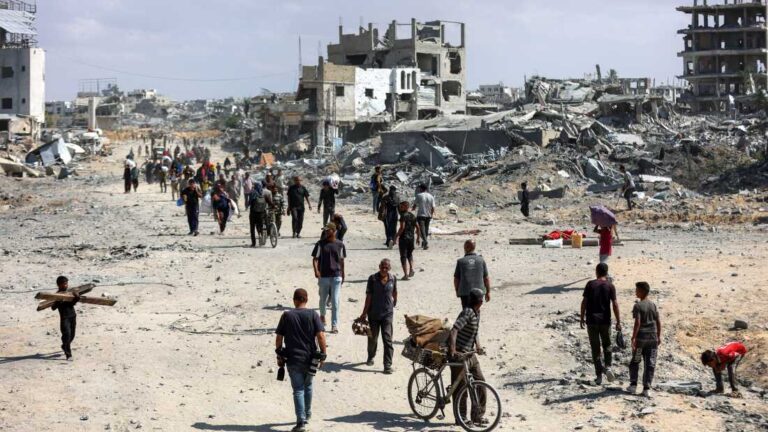
October 12, Colombo (LNW): Sri Lanka has expressed strong support for the initial phase of the newly reached agreement aimed at establishing peace in Gaza, describing it as a vital step toward lasting stability in the region.
In an official statement, the Ministry of Foreign Affairs underscored Sri Lanka’s deep understanding of the devastating impact of conflict, drawing from its own history of war and recovery. It noted that the country remains acutely aware of the human cost of prolonged violence and therefore values peace as a cornerstone of sustainable development and human dignity.
The government voiced optimism that the current agreement could serve as a foundation for a broader, long-term resolution to the crisis in Gaza. Acknowledging the complex dynamics at play, Sri Lanka commended the diplomatic efforts that made the breakthrough possible, particularly the leadership of the United States and the facilitative roles played by Qatar, Egypt, and Türkiye in bringing the parties to the negotiating table.
Reaffirming its consistent position on the Israel-Palestine conflict, Sri Lanka reiterated its unwavering support for the legitimate rights of the Palestinian people, including the right to self-determination and statehood. The statement called on all parties involved to pursue meaningful, good-faith dialogue aimed at a just and durable peace.
The Foreign Ministry also emphasised the importance of adhering to relevant United Nations resolutions, particularly those advocating for a two-state solution based on pre-1967 borders. It noted that any sustainable resolution must address the aspirations and security concerns of both Israelis and Palestinians, through a negotiated settlement that guarantees mutual recognition, coexistence, and respect for international law.
Sri Lanka and U.S. Delegation Explore Deeper Investment Ties in Strategic Dialogue with BOI
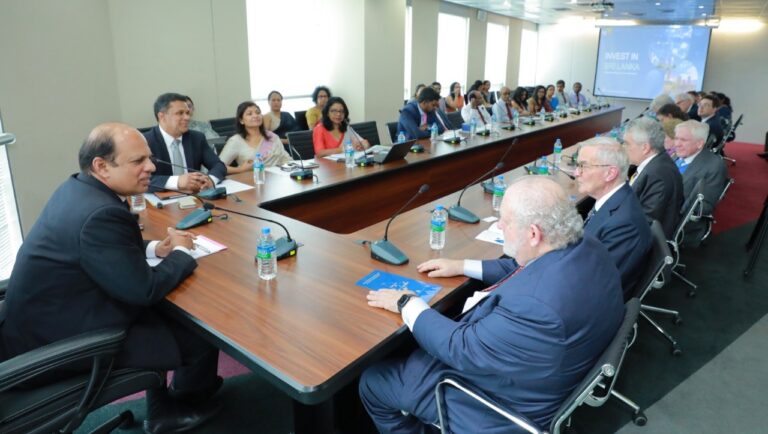
October 12, Colombo (LNW): A 23-member delegation from the United States, comprising prominent figures from major think tanks and private sector enterprises, met with Arjuna Herath, Chairman of Sri Lanka’s Board of Investment (BOI), during a courtesy visit aimed at strengthening economic cooperation and exploring new avenues for collaboration.
Led by Professor Walter Russell Mead of the Hudson Institute, the high-level group included senior representatives from leading U.S. policy institutions such as the American Enterprise Institute, along with executives from key sectors including technology, human capital development, and infrastructure.
The visit, seen as a significant gesture of goodwill and strategic interest, brought together top Sri Lankan officials and international stakeholders for a series of substantive discussions at the BOI headquarters.
Professor Mead noted that the delegation’s visit was part of a broader effort to better understand Sri Lanka’s evolving economic and geopolitical role. He described the team as a diverse mix of business leaders, investors, content creators, and policy experts who are actively exploring engagement opportunities in the region.
During the dialogue, BOI Chairman Herath provided a comprehensive overview of Sri Lanka’s reform agenda and investment potential. Emphasising the government’s market-oriented policies, Herath reaffirmed commitments to macroeconomic stability, transparent governance, and international cooperation.
“We are focused on creating an investor-friendly environment built on openness, rule of law, and long-term policy consistency,” he said. He also highlighted ongoing work with multilateral institutions, including the IMF, to strengthen fiscal management and accelerate structural reforms.
On foreign relations, Sri Lankan officials reiterated the nation’s steadfast adherence to a non-aligned foreign policy. “Sri Lanka maintains open and constructive relationships with all global partners, rooted in sovereignty and mutual respect,” officials stated. “Our ties with the United States are longstanding and continue to be shaped by shared democratic values and mutual aspirations for prosperity.”
The BOI used the occasion to showcase Sri Lanka’s strategic investment appeal. This included its position as a vital maritime and trade hub in the Indian Ocean, proximity to global shipping lanes, and access to large regional markets.
Other key assets highlighted were the country’s skilled, English-speaking workforce, rising technological capacity, and opportunities in sectors such as renewable energy, advanced manufacturing, pharmaceuticals, digital services, tourism, logistics, and real estate development.
Special focus was given to upcoming initiatives aimed at modernising the investment landscape—such as the creation of specialised economic zones, digitisation of regulatory processes, and reforms designed to streamline investor facilitation. These measures, officials said, are intended to create a predictable, transparent framework for long-term international investment.
In response, members of the U.S. delegation expressed keen interest in contributing to Sri Lanka’s economic recovery and future development. They stressed the importance of mutual knowledge-sharing, adoption of global best practices, and collaboration on technology transfer, workforce training, and infrastructure investment. The delegation noted that this kind of sustained engagement is essential to fostering growth that benefits both sides.
The meeting concluded on a positive note, with Sri Lankan officials extending their appreciation to the American delegation for their engagement and constructive dialogue.