October 06, Colombo (LNW): Authorities in Sri Lanka are currently conducting laboratory tests on a quantity of chemical substances recently uncovered in Kandana, which are suspected to be methamphetamine, commonly referred to as ‘Ice’.
The National Dangerous Drugs Control Board (NDDCB) has stated that the final test results are expected to be released within the week.
The seizure in Kandana follows a string of discoveries in recent weeks, believed to be part of a larger international drug network operating across several regions. Substances recovered from previous raids in Middeniya and Netolpitiya, both located in the Tangalle area, have already been confirmed through laboratory analysis as methamphetamine—one of the most potent and widely trafficked synthetic narcotics.
Additionally, the NDDCB confirmed that a separate substance found in the possession of a Moldovan national in Weligama has been positively identified as Mephedrone, a synthetic stimulant that poses serious health risks and is known for its high potential for abuse and addiction.
Mephedrone is classified among the newer generation of designer drugs, often linked to party scenes and recreational misuse, but increasingly appearing in organised trafficking operations.
These findings are part of an ongoing investigation with international dimensions. Sri Lankan authorities were alerted following intelligence obtained from several individuals arrested in Indonesia, identified as members of a transnational crime syndicate.
The information provided by these suspects led to the discovery of substantial quantities of suspicious chemicals at multiple locations across the island.
All samples recovered from the recent operations have been sent to the NDDCB’s forensic laboratories for detailed examination. Officials noted that such testing is crucial not only for criminal prosecution but also to identify the exact composition and origin of the drugs, which may help uncover broader trafficking routes and supply chains.
Chemical Analysis on Drugs Seized in Kandana to Be Released Soon
Postal Chief Flags Widespread Misconduct and Delays in National Mail Service
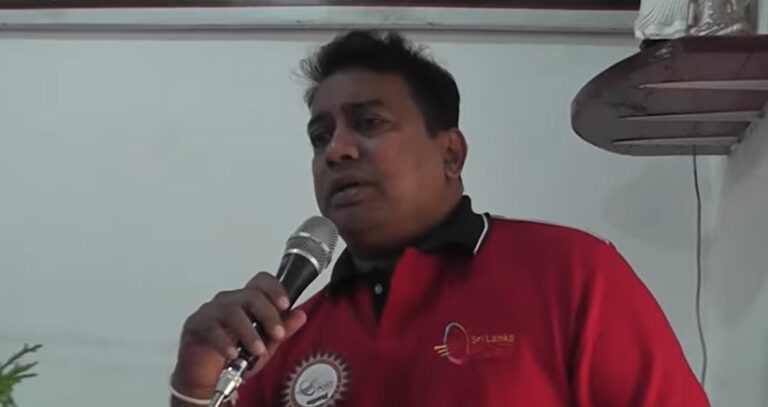
October 06, Colombo (LNW): The head of Sri Lanka’s postal service has voiced deep concern over ongoing irregularities and systemic inefficiencies within the department, pointing to a culture of misconduct that has undermined both public trust and operational standards.
Postmaster General Ruwan Sathkumara made the remarks during a World Post Day gathering held at the Haputale Post Office, where he addressed both employees and the public.
Speaking candidly, he acknowledged that his tenure has been marred by persistent internal challenges, many of which stem from fraudulent practices and administrative negligence.
Among the most alarming revelations was the misuse of overtime claims, which, according to Sathkumara, has cost the department millions of rupees.
“Overtime has been recorded and paid out without proper biometric verification,” he stated, referring to the fingerprint-based attendance system intended to ensure transparency. In many cases, records were manipulated or not maintained at all, enabling employees to secure payments without fulfilling the corresponding work hours.
He also highlighted abuse in relation to vehicle maintenance operations, where staff reportedly exaggerated the number of personnel involved and overstated the hours spent on routine servicing.
In addition to financial mismanagement, Sathkumara drew attention to unacceptable delays in the core function of mail delivery. He cited a recent incident in which a letter posted from Pilimathalawa to the Ministry of Higher Education in Colombo inexplicably took close to a month to arrive.
Boutique Hotels Hold Key to Sri Lanka’s Tourism Reinvention
By: Staff Writer
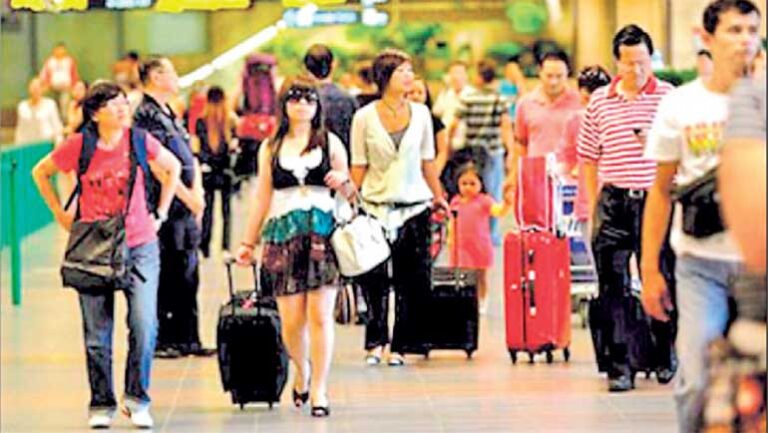
October 06, Colombo (LNW): Sri Lanka’s post-crisis tourism revival is beginning to find new direction through the rise of boutique hotels, small, design-focused properties that promise personalised experiences rooted in local culture and community. The recent SME Conclave Boutique Hotel Development Workshop, jointly organised by the Rotary Club of Colombo East and Boutiques in Sri Lanka, offered a revealing glimpse into how this niche can help reposition the country’s tourism identity and generate high-value returns.
The event brought together boutique hotel operators, SME suppliers, and tourism innovators to explore strategies ranging from digital transformation and wellness tourism to financing and sustainability. Discussions centred on how smaller, independent establishments can compete in a market dominated by large hotel chains and international brands.
According to the Sri Lanka Tourism Development Authority (SLTDA), the country currently has over 4,500 registered accommodation establishments, though only 169 are officially classified as tourist hotels. Within this diverse mix, boutique hotels form a fast-emerging category a space that blends luxury and authenticity, catering to travellers seeking unique, place-based experiences. SLTDA data also shows 15 boutique hotels under construction, underscoring investor interest despite macroeconomic uncertainty.
Industry analysts estimate that Sri Lanka’s hospitality market will reach USD 702 million by 2030, up from USD 503 million in 2025, with independent and boutique hotels accounting for over 60 percent of market share. This shift reflects a broader global trend where travellers prefer personalised stays over standardized offerings, a change accelerated by post-pandemic preferences for wellness, privacy, and local engagement.
Speakers at the Colombo workshop highlighted that wellness integration and medical tourism could become major growth drivers. With rising global demand for health-conscious travel, boutique hotels are ideally positioned to offer retreats centred on rejuvenation and preventive care. Meanwhile, sessions on artificial intelligence and digital tools showcased how technology can transform guest engagement, streamline operations, and open new marketing channels for small operators that struggle to reach international audiences.
Yet challenges remain. Access to capital continues to be a major constraint, with many boutique hoteliers unable to secure long-term financing for upgrades or expansion. Digital adoption also lags, particularly among provincial properties lacking trained staff and marketing expertise. The workshop’s focus on AI-based tools and secure digital payment solutions was therefore timely, as cashless transactions and online visibility increasingly shape destination competitiveness.
Experts note that boutique hotels can deliver far more than just luxury. Their smaller scale and community linkages allow them to integrate local supply chains, promote regional crafts, and showcase Sri Lanka’s cultural diversity advantages that larger resorts often overlook. Strengthening these linkages could make boutique hotels a model for inclusive tourism, blending profitability with social sustainability.
However, to realise this potential, policymakers must recognise the sector’s strategic value. Tailored financing mechanisms, tax incentives, and targeted promotion campaigns could help boutique operators expand beyond niche status. Equally vital is sustained capacity building training owners and staff in marketing, digital transformation, and wellness standards that align with global expectations.
The Boutique Hotel Development Workshop was more than a networking event; it signalled an industry awakening. By empowering small operators with knowledge, tools, and partnerships, it highlighted how Sri Lanka’s boutique tourism can evolve from a scattered collection of ventures into a cohesive, high-value export segment. If nurtured through smart policy and sustained collaboration, boutique hotels could indeed become a defining force in Sri Lanka’s tourism renaissance — one that combines authenticity, innovation, and resilience.
Govt Balances Cultural Values and Tourism Strategy amid LGBTQ Debate
By: Staff Writer
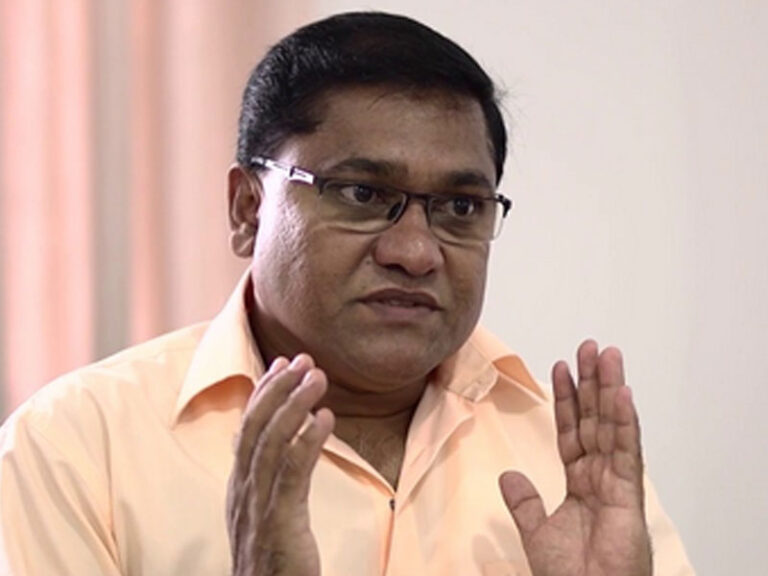
October 06, Colombo (LNW): Sri Lanka’s tourism industry, one of the key pillars of post-crisis economic recovery, is once again in the spotlight, this time over growing public debate surrounding the potential promotion of LGBTQ-oriented tourism. The discussion has sparked concern among religious and cultural leaders, even as the Government clarified that its tourism strategy remains rooted in national values, culture, and heritage.
Speaking at the International Tourism Leaders’ Summit (ITLS) held at the BMICH, Tourism Minister Vijitha Herath categorically stated that the Government has no plans to promote LGBTQ tourism as part of its policy framework. He emphasised that Sri Lanka’s tourism revival has been achieved by prioritising authenticity, heritage, and quality experiences, not by altering its moral or cultural foundations.
“Tourism is not just another industry; it reflects our civilisation and hospitality. We have achieved this remarkable recovery without compromising who we are,” Herath told delegates, including President Anura Kumara Dissanayake, diplomats, and industry stakeholders.
The Minister’s clarification followed expressions of concern from several religious leaders, including the Mahanayake Theras of the Malwatte and Asgiriya Chapters, who urged that tourism growth must align with the country’s cultural and spiritual traditions.
Herath assured that Sri Lanka welcomes all travellers without discrimination, but underscored that policy direction would focus on promoting value-driven, sustainable tourism that enhances the island’s reputation as a culturally rich destination.
The clarification comes as the sector records one of its strongest post-pandemic performances. According to Sri Lanka Tourism Development Authority (SLTDA) data, the country welcomed 158,971 visitors in September 2025, the highest monthly figure on record, pushing year-to-date arrivals to 1.72 million.
Tourism earnings for the first eight months of 2025 were estimated at USD 2.3 billion, marking a steady improvement from last year. With strong demand from India, the UK, Russia, China, Germany, and France, officials expect total annual revenue to exceed USD 3.2 billion.
The Government recently adjusted its annual target to 2.6 million visitors, reflecting a pragmatic focus on sustainable growth and higher-spending tourists.
At the ITLS, the private sector unveiled the “Ruhunu Ring”, a 300-kilometre thematic tourism circuit connecting Yala, Udawalawe, Sinharaja, Arugam Bay, Mirissa, Galle Fort, and Kataragama. The project — branded “Culturally Wild” aims to boost experiential tourism and raise daily visitor spending beyond the current USD 170–180.
Tourism Chairman Buddhika Hewawasam described it as “a defining step in diversifying Sri Lanka’s product offering,” while Herath reiterated that the nation’s cultural authenticity will remain its strongest global asset.
With tourism poised to become a multi-billion-dollar contributor once again, Sri Lanka is seeking to balance its economic aspirations with a renewed respect for cultural identity, a delicate equilibrium the industry now strives to maintain.
IMF Playbook Still Drives Sri Lanka Treasury as Recovery Claims Falter
By: Staff Writer
October 06, Colombo (LNW): Sri Lanka’s Treasury Secretary Dr. Harshana Suriyapperuma yesterday sought to reassure the public that the nation’s economic recovery is “on track,” crediting fiscal discipline and reform progress. Yet behind the confident rhetoric lies a familiar pattern a policy framework still tightly bound to IMF prescriptions and former President Ranil Wickremesinghe’s austerity-driven economic model, which continues to dictate fiscal priorities.
Addressing the Annual Conference on Public Sector Reforms for Economic Revival, Dr. Suriyapperuma argued that Sri Lanka is “in a better place” due to financial discipline. However, analysts point out that this optimism glosses over a deeper truth: much of the “discipline” stems from externally mandated constraints under the Extended Fund Facility (EFF), leaving limited space for homegrown reform or growth-oriented fiscal strategy.
Central Bank data show the budget deficit dropped by 54.9% year-on-year in the first eight months of 2025, to Rs. 411 billion, largely reflecting reduced capital expenditure and import restrictions rather than improved productivity or fiscal innovation. Meanwhile, total public debt climbed to Rs. 29.6 trillion, underscoring that austerity alone has not contained the debt burden.
The Treasury chief’s portrayal of renewed investor confidence and expanding business sentiment appears overstated. Despite modest gains, foreign direct investment remains below pre-crisis levels, while domestic enterprises face high borrowing costs and tax burdens. Many economists view the upbeat narrative as an attempt to put a brave face on what remains a fragile and externally steered recovery.
The IMF’s own assessments underscore those vulnerabilities. Under the recent debt restructuring deal, macro-linked Bonds could add between $150–270 million annually to debt servicing from 2028–2038, even if GDP slows effectively locking the country into higher payments once performance thresholds are triggered. Far from freeing Sri Lanka, this structure may deepen long-term dependency.
Dr. Suriyapperuma’s emphasis on digitalisation, legislative reform, and independent board appointments reprises long-standing reform themes promoted since Wickremesinghe’s 2023 stabilization roadmap. Yet implementation gaps persist, with governance reforms largely cosmetic and key structural issues such as loss-making state enterprises, tax evasion, and low export competitiveness still unaddressed.
While the Treasury talks of a “modern Sri Lanka,” the underlying fiscal approach remains narrowly technocratic, prioritising IMF compliance over developmental vision. The real test lies not in deficit reduction, but in whether Sri Lanka can escape policy dependence and design a self-sustaining growth model.
For now, the Treasury’s optimism rings hollow — more a continuation of IMF orthodoxy than a roadmap for national renewal.
Sri Lankan-Developed Nutraceutical Poised to Boost Exports and Offer Hope in Cancer Care

October 06, Colombo (LNW): A homegrown nutraceutical product, designed to target cancer stem cells, is gaining both domestic acclaim and international interest, with export revenues projected to reach approximately two million US dollars by the year 2027.
The development represents a promising intersection between modern science and natural therapeutics in Sri Lanka’s ongoing contribution to global health innovation.
The formulation, first introduced to the local market three years ago, has since cultivated a strong user base. Early adopters have reported notable improvements in overall wellbeing, prompting growing confidence in its potential to support those undergoing cancer treatment.
Although the product is not classified as a pharmaceutical drug, its formulation has been carefully designed to act as a complementary therapy in oncology care.
According to Professor Sameera R. Samarakoon of the Institute of Biochemistry, Molecular Biology and Biotechnology at the University of Colombo, the primary objective was to create a scientifically grounded supplement that offers support beyond conventional treatment.
“Cancer is addressed through a variety of interventions—ranging from surgery and chemotherapy to radiotherapy, targeted agents, and immunotherapy,” he stated. “Our aim was to develop a compound that addresses cancer stem cells, which are often implicated in relapse and treatment resistance, while enhancing quality of life.”
He added that the nutraceutical may also reduce the harsh side effects associated with mainstream therapies. “Many patients undergoing treatment suffer from toxicity-related complications. If we can ease that burden with a safe, adjunctive supplement, we’re not only treating the illness but also improving the journey through it.”
A consumer survey conducted by the University of Kelaniya in the previous year, involving more than 300 individuals, revealed a 93 percent satisfaction rate with the product—an encouraging indicator of its real-world impact.
Respondents reported perceived benefits such as improved energy levels, appetite regulation, and general resilience during ongoing cancer therapies.
The development process has been collaborative and interdisciplinary. Current preclinical and clinical trials are being conducted in conjunction with several academic institutions, including the University of Ruhuna and the Faculty of Indigenous Medicine at the University of Colombo. These partnerships seek to deepen scientific understanding of the compound’s bioactivity and safety profile.
Professor Samarakoon also confirmed that discussions are underway with international research bodies to undertake further validation studies. The intention is to build a robust portfolio of evidence that meets global standards and paves the way for international recognition and regulatory acceptance.
“This is not about replacing conventional treatments, but about offering patients and healthcare providers an additional, evidence-informed option,” he remarked. “With continued research and strategic global collaboration, we believe this Sri Lankan innovation could gain a place in the wider spectrum of integrative oncology.”
President Champions Inclusive Housing at National World Habitat Day Observance
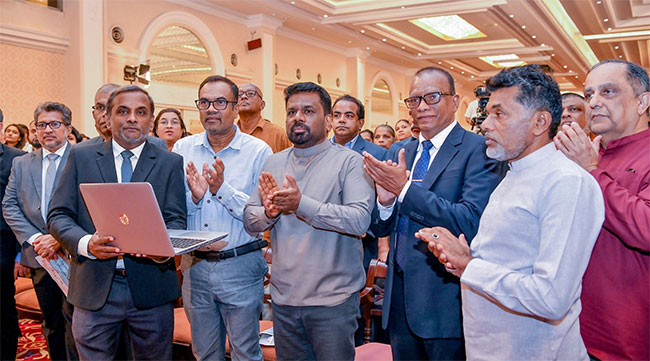
October 06, Colombo (LNW): A national ceremony commemorating World Habitat Day took place yesterday (05) at Temple Trees, with the event presided over by President Anura Kumara Dissanayake.
The occasion served not only as a reflection on the global significance of housing and urban development but also as a platform to reaffirm the Sri Lankan government’s commitment to ensuring secure, dignified living conditions for all its citizens.
This year’s national theme, “A Place to Belong – A Beautiful Life”, echoed the core message of the United Nations’ World Habitat Day, which encourages sustainable urbanisation and equal access to shelter.
In recognition of this initiative, the week leading up to the main event – from October 01 to 05 – was designated as Habitat Week, during which a variety of awareness campaigns, educational programmes, and community outreach activities were held across the country.
As part of ongoing efforts to bridge the housing gap among low-income communities, the National Housing Development Authority has launched a large-scale programme aimed at providing homes to families unable to construct their own.
During the ceremony, 1,000 newly built houses were ceremonially handed over to selected beneficiaries via a digital platform, enabling real-time engagement with recipients located in various parts of the island.
Further highlighting the government’s multi-pronged housing strategy, the event included a symbolic handover of the Ambatale Water Supply Project to President Dissanayake. This vital infrastructure initiative is set to be realised with assistance from the Government of India and support from the Coalition for Disaster Resilient Infrastructure (CDRI), coordinated through the UN-Habitat Sri Lanka Office.
Efforts to regularise land ownership also featured prominently. As part of a national drive to issue long-overdue land titles, a total of 357 land deeds were presented in a symbolic gesture to beneficiaries. Simultaneously, a financial support programme offering grants of one million rupees each to 1,000 families lacking the means to build homes saw 157 of those cheques ceremonially handed over during the event.
In addition to policy announcements and symbolic gestures, the ceremony embraced community and creativity. Young artists from across the country were celebrated for their participation in a nationwide art competition themed around housing and belonging.
The President personally handed out awards to the winners, recognising the importance of artistic expression in national dialogue. He also toured an accompanying exhibition showcasing student artwork and innovative housing design concepts, organised to inspire public engagement in urban development.
Urban Development, Construction and Housing Minister Anura Karunathilaka addressed the gathering, underscoring the government’s holistic approach to addressing the nation’s housing challenges. He stated that beyond mere infrastructure, the administration is committed to promoting thoughtful, inclusive housing policies that respond to the needs of present and future generations.
He also stressed the importance of fostering public discourse on sustainable urban living, ensuring that housing remains not just a basic need, but a fundamental right.
The official message from United Nations Secretary-General António Guterres was shared at the event by Harshini Halangoda, Programme Manager for UN-Habitat in Sri Lanka, reinforcing global solidarity in the pursuit of adequate shelter for all.
The ceremony drew participation from a broad cross-section of stakeholders, including senior government officials, local authorities, and international representatives. Notable attendees included Minister of Labour and Deputy Minister of Economic Development Anil Jayantha Fernando; Deputy Minister of Housing T. B. Sarath; Western Province Governor Haniff Yusuf; Colombo Mayor Vraie Cally Balthazar; and Navya Singla, First Secretary (Political) at the High Commission of India. Senior presidential and ministerial officials, along with key figures from the Urban Development Authority, were also present.
Evening thunderstorms to make another comeback: Fairly heavy falls above 50 mm expected (Oct 06)

October 06, Colombo (LNW): Atmospheric conditions are favourable for thunderstorms in the evening, and therefore, general public is advised to take adequate precautions to minimise damages caused by strong winds and severe lightning during thundershowers, the Department of Meteorology warned in its daily weather forecast today (06).
Showers or thundershowers will occur at most places of the island after 1.00 p.m.
Fairly heavy falls above 50 mm are likely at some places in Northern, North-central, Eastern, Central and Uva provinces.
Showers may occur at a few places in Western and North-western provinces and in Galle and Matara districts in the morning too.
Marine Weather:
Condition of Rain:
Showers or thundershowers may occur at several places in the sea areas around the island.
Winds:
Winds will be south-westerly or variable and wind speed will be (25-35) kmph.
State of Sea:
The sea areas around the island can be slight to moderate.
Temporarily strong gusty winds and very rough seas can be expected during thundershowers.
Ex-President Mahinda Rajapaksa Reflects on Enduring Public Affection, Describes Bond as Deeply Personal
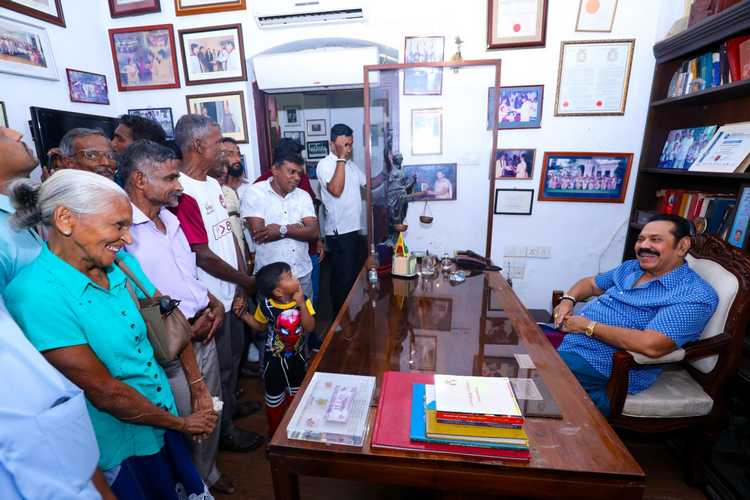
October 05, Colombo (LNW): Former President Mahinda Rajapaksa has expressed heartfelt gratitude for what he described as an enduring and sincere connection with the people, underscoring that the relationship is one built on trust, respect, and shared history—rather than political convenience or personal gain.
In a reflective note shared via his official Facebook account, Rajapaksa looked back on his decades in public life, highlighting the unwavering support he has received throughout his political journey. He emphasised that the affection shown to him over the years transcends typical political allegiance, calling it a “heartfelt bond” that has grown stronger even when tested.
“This is far more than a political alliance,” he wrote. “It is a connection forged through shared experience and mutual respect, one that has withstood the test of time. Often, attempts to weaken such ties only strengthen them further.”
He went on to describe his time among the people as the most rewarding aspect of his leadership, saying it brought him “the greatest joy” of his public service career. Concluding his message, Rajapaksa offered his sincere appreciation to the public, thanking them for what he called a profound and unbreakable bond.
Severe Lightning Alert Issued as Storm Conditions Loom Across Multiple Regions

October 05, Colombo (LNW): The Department of Meteorology has sounded an ‘Amber’ warning as unsettled weather conditions are expected to bring intense lightning activity across several areas of the country.
The alert, which signals a heightened risk to public safety, covers a wide geographical stretch and comes amid forecasts of heavy thundershowers.
According to the advisory, regions likely to experience severe lightning include the Northern, North Central, Eastern, Uva, and North Western provinces, along with the Matale district.
Meteorologists have cautioned that storms in these areas may be accompanied by sudden, gusty winds that could cause additional localised hazards.
In light of the forecast, residents in the affected zones are being urged to exercise heightened caution. The Department has advised the public to remain indoors during periods of thunder and lightning and to avoid activities that increase exposure, such as working in paddy fields, tea estates, or navigating open bodies of water.
Use of wired telephones and electrical devices that are plugged into the mains during storm conditions has also been discouraged, given the risk of lightning-induced surges. Those residing in vulnerable areas are further advised to remain alert for updates from local authorities and to be prepared for sudden changes in weather.