Understanding the Issues Surrounding VAT Refunds and Government Policy Implementation
Introduction
Exporters in many countries rely on government policies and tax incentives to remain competitive in the global marketplace. One such policy is the Simplified Value Added Tax (SVAT) system, which is designed to streamline VAT processes and ensure timely refunds for exporters. Recently, there has been significant pushback from exporters regarding the proposed abolishment of SVAT. The primary reasons for their concerns revolve around inefficiencies in the current VAT refund process and the perceived negative attitude of certain tax revenue officers toward government policy implementation. There are many SME Exporters who have not qualified under the present SVAT scheme, where they had to pay VAT on their purchases to Export and had to wait for many years to get their VAT refunds.
Removing SVAT would escalate & Aggravate this situation further due to the tying up of Enormous Capital and run the risk of eliminating the Exporters entirely from Export business.
Background: The Role of SVAT for Exporters
The SVAT system was introduced to simplify the VAT mechanism for exporters, aiming to reduce the administrative burden and expedite VAT refunds. This system is crucial for exporters, as VAT refunds represent significant working capital that can impact their cash flow and operational efficiency.
Exporters’ Main Concerns
1. Inefficiency in Processing current VAT Refunds
2. One of the central complaints from exporters is the longstanding inefficiency in processing VAT refunds.
Many exporters have reported that legitimate VAT refunds have been accumulating for years, with some refunds due as far back as 2023. Even after the tax authorities have analyzed and finalized the refund amounts, this process of transferring refunds to relevant exporters , often stalls due to delays in approval from certain officials in the finance department of the Inland Revenue Department. This bureaucratic bottleneck results in exporters not receiving their refunds in a timely manner, putting strain on their finances.
3. Attitude and Actions of Tax Revenue Officers:
4. Exporters have also expressed frustration with the attitude of some tax revenue officers, who are perceived as acting in a manner that jeopardizes government policy objectives. Instead of facilitating the refund process as intended by policy, some officers are seen as creating unnecessary obstacles or failing to approve the required fund transfers to exporters’ bank accounts. This has led to a lack of trust and confidence among exporters in the tax department’s ability to implement policy effectively. We believe that the Inland Revenue department shall work hand in hand with the policies of the government do enhance and increase the volumes of exports from Sri Lanka 2 receive valuable foreign exchange. This duality of certain officers in the Inland Revenue department has hampered the progress off the exporters, as a result large amount of capital has been tied up as VAT refunds within the department for many years. By abolishing the SVAT scheme, exporters think this situation might escalate and they will have to face a shortage of capital to do the business and in return they will lose global competitiveness. The government also needs to understand the cost of interest accruing to these large amounts of VAT refunds which have in return challenged the profitability of the exporters and as a result they will go out of business and in return country will suffer. Earning and finding buyers globally is not an easy task. This required many years of marketing and canvassing after spending good money to find an international buyer
5. This attitude of the certain Inland Revenue officers by holding into the VAT refunds had created doubts about corruption too. Which had resulted unpleasantness and no confidence from the exporters to the government policy of abolishing SVAT.
First and foremost, the government should urgently look into refunding all the legitimate VAT refunds to the relevant exporters before embarking on abolishing SVAT. Tax department and the treasury should work to develop confidence among the exporters that the government system of refunding is a smooth functioning by refunding all the backlog of VAT refunds to gain confidence of the exporters of this country. Presently the Amount tied up is massive with the abolishing of SVAT, could imagine the capital getting stuck as VAT refunds. This is the issue we need to address before just jumping to conclusions. 1st to create a fool proof process where a smooth refunding system within the tax authorities and to gain confidence among exporters before abolishing the SVAT scheme. Over to the policy planning officers to look into this process without agitating the current exporters who brings valuable foreign currency to Sri Lanka
Impact on Exporters
The accumulation of unpaid VAT refunds and the perceived lack of support from tax authorities have created an environment of uncertainty and poor confidence among exporters. Exporters depend on prompt VAT refunds to maintain liquidity and invest in growth. Delays and administrative hurdles can lead to cash flow problems, reduced competitiveness, and a reluctance to expand export operations.
Conclusion
The exporters, opposing the abolishment of the SVAT system, is rooted in practical concerns about the inefficiency of the current VAT refund process and the reluctance of some tax officials to implement government policies as intended. Before considering the removal of SVAT, it is crucial for the tax department to address the backlog of legitimate VAT refunds and restore exporters’ confidence in the system. Only then can policy changes be made without jeopardizing the export sector’s trust and financial stability.
The Exporters’ Concerns Over the Abolishment of SVAT

September Sees Steady Growth in Tourist Arrivals as Sri Lanka Nears 1.7 Million Visitors in 2025

September 28, Colombo (LNW): Sri Lanka continues to experience a resurgence in international tourism, with the latest figures indicating that 126,379 travellers arrived in the country during the month of September alone, according to data released by the Sri Lanka Tourism Development Authority (SLTDA).
This steady influx contributes to a total of 1,692,902 tourist arrivals for the year so far, marking a significant rebound for the island nation’s tourism sector as it works to regain momentum following recent global and domestic disruptions.
India remains the largest source of inbound visitors, with 37,179 Indian nationals having arrived in September—representing nearly 30 percent of that month’s total arrivals. The United Kingdom followed with 8,937 visitors, while Germany accounted for 7,799. Not far behind were Australia with 7,049 arrivals, and China with 7,226, reflecting a growing interest from East Asian markets.
On a broader scale, India has contributed 362,774 visitors to Sri Lanka in 2025 so far, reinforcing its position as the country’s most significant tourism partner. The United Kingdom holds second place with 160,078 arrivals, while Russia follows with 121,452, maintaining a strong presence in the post-pandemic travel landscape.
Election Commission to Launch Strategic Plan for 2026–2029 in November
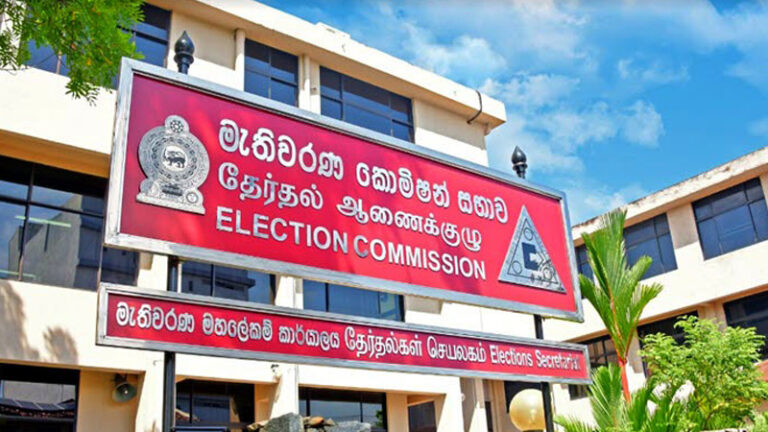
September 28, Colombo (LNW): The Election Commission has confirmed that its Strategic Plan for the 2026–2029 electoral cycle is set to be officially released in the first week of November.
According to Elections Commissioner General Saman Sri Ratnayake, the strategic document is currently nearing completion and is in its final stages of preparation.
The plan is expected to outline key reforms, operational priorities, and technological advancements aimed at strengthening electoral processes over the next four years.
In addition to the forthcoming strategic roadmap, Ratnayake revealed that preliminary work is already underway to draft new legislation concerning early elections.
These legal reforms are intended to provide greater flexibility and clarity in the event of unforeseen political developments or changes in electoral timelines.
Death Toll Rises to Eight in Tragic Cable Car Accident at Na Uyana Monastery
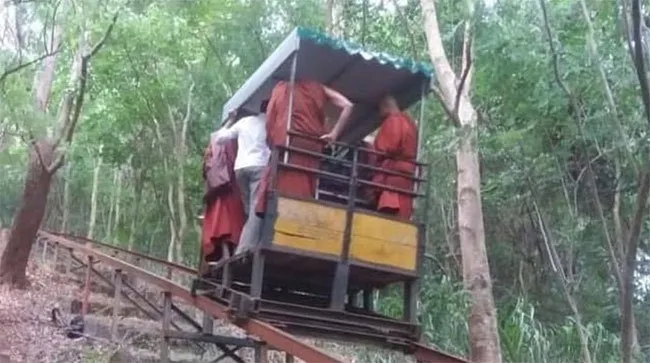
September 28, Colombo (LNW): The death toll from the devastating cable car accident at Na Uyana Āranya Senāsanaya in Melsiripura has risen to eight, following the passing of another monk who had been receiving treatment in the Intensive Care Unit at Kurunegala Base Hospital.
Hospital officials confirmed that despite efforts by medical staff, the monk succumbed to his injuries yesterday.
The tragedy unfolded on the night of Wednesday (24), when a cable car used by resident monks to navigate the hilly terrain of the monastery reportedly malfunctioned and collapsed.
At the time of the incident, 13 monks were inside the vehicle, returning to their meditation huts after attending a religious observance at the Pūjā Bhūmiya (offering ground).
Seven monks were confirmed dead shortly after the incident, and several others sustained injuries of varying severity. Amongst the passengers, two monks are reported to have narrowly escaped with minor injuries after leaping from the cable car moments before it fell.
Four others remain hospitalised, receiving treatment at the Kurunegala Teaching Hospital and the Polgahawela Divisional Hospital.
Police investigations suggest that a structural failure—specifically the breaking of a support cable—was the likely cause of the accident. The cable car was being used to transport the monks uphill when the malfunction occurred, leading to a sudden and fatal descent.
Of the deceased, three monks were foreign nationals. Their remains have been transferred to the Gokarella Divisional Hospital, while the bodies of the other victims are being kept at the Kurunegala Teaching Hospital.
The last rites for five of the monks were held yesterday at the Melsiripura–Pansiyagama Public Cemetery, drawing large crowds of mourners, including fellow clergy, devotees, and local residents, all united in grief over the tragic loss of life.
Foreign Investment in SL Gov Bonds Reaches Two-Year High Amid Global Bond Rally

In the latest reporting week, foreign investors made a net purchase of Rs. 334 million (approximately US$ 1.11 million), pushing the total net inflow over the past five weeks to Rs. 14.04 billion (around US$ 46.8 million). This marks the strongest foreign participation in the country’s bond market in two years, with total foreign holdings reaching Rs. 120.6 billion as of September 25—the highest level since December 2023.
The surge in demand coincides with a global appetite for government bonds. Citing figures from Reuters, international bond markets recorded a staggering US$ 22.96 billion in net inflows within a single week, the largest since at least 2022. Of this, US$ 10.01 billion was directed into short-term government bond funds, highlighting a shift towards safer assets amid ongoing global uncertainties.
Sri Lanka’s performance in this context is particularly notable given its economic challenges in recent years. Since 26th December last year, the country has attracted a cumulative Rs. 51.3 billion (approximately US$ 171 million) in foreign investment into rupee-denominated bonds.
Analysts attribute the recent inflows to the government’s continued implementation of deflationary policies, aimed at stabilising the currency and reducing import pressures. These measures appear to have improved investor confidence, even as the rupee has experienced slight depreciation following geopolitical developments earlier this year—most notably, after tariff declarations in April that triggered an Rs. 10.1 billion (US$ 32 million) outflow in just two weeks.
Despite this positive trend, Sri Lanka’s broader capital flow picture remains mixed. In 2024 alone, the country experienced foreign outflows amounting to Rs. 48.2 billion, although this is an improvement from 2023, when 78.1 billion rupees—around 66 per cent of all capital flight—was recorded from government securities in the first nine months.
With global investors continuing to seek out stable, higher-yielding government debt, Sri Lanka’s bond market may remain a beneficiary—provided macroeconomic stability is maintained and fiscal reforms continue on track.
Joint Police-Army Operation in Maradana Nets 30 Suspects
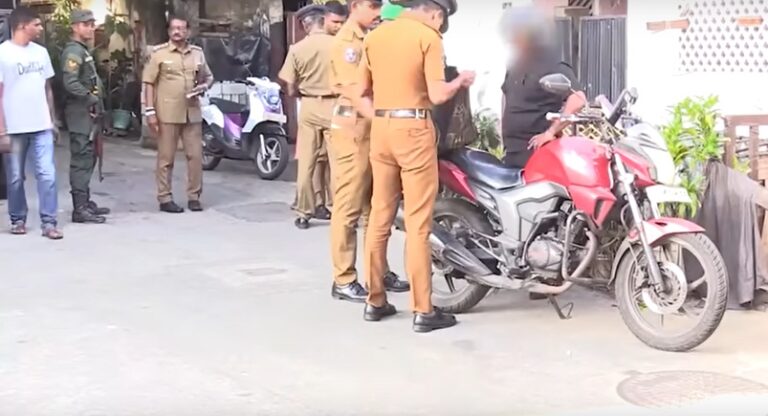
September 28, Colombo (LNW): A coordinated security operation was conducted in Maradana yesterday (27) evening, resulting in the arrest of 30 individuals linked to a range of criminal offences.
According to police, the targeted raid focused on multiple locations within the area and was carried out with the assistance of the Sri Lanka Army. The individuals taken into custody are believed to be connected to outstanding warrants and various forms of criminal activity.
Authorities stated that the operation aimed to curb organised crime, enhance public safety, and strengthen law enforcement visibility in high-risk zones.
Health Officials Urge Vigilance as Dengue Cases Surge Once Again During Rains
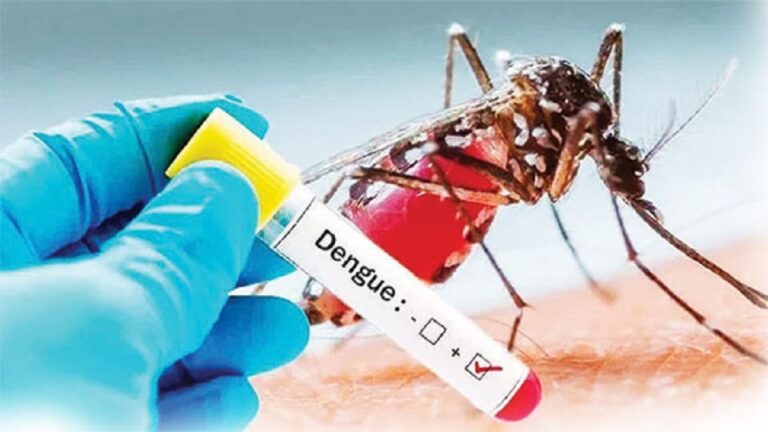
September 28, Colombo (LNW): Amidst ongoing monsoon rains, the National Dengue Control Unit has issued a renewed public appeal, urging communities across Sri Lanka to eliminate mosquito breeding sites without delay in order to curb the spread of dengue fever.
Public Medical Consultant Dr Prashila Samaraweera stressed the importance of proactive household and community action, warning that the disease could escalate further if preventive measures are not taken seriously. She identified Colombo, Gampaha, Jaffna, and Batticaloa as districts currently facing the highest risk.
So far this year, health authorities have recorded 38,702 cases of dengue across the country—a figure that continues to climb with the onset of wet weather. Tragically, 21 deaths linked to dengue-related complications have been confirmed.
Dr Samaraweera noted that many of these infections could have been prevented with routine removal of stagnant water in domestic and public environments. “Simple actions like clearing blocked gutters, covering water storage containers, and properly disposing of discarded items can make a significant difference,” she said.
The National Dengue Control Unit is working in coordination with local government bodies to intensify surveillance and public awareness campaigns in high-risk zones. However, officials emphasise that lasting success in reducing the spread of dengue depends largely on consistent community participation.
Health professionals continue to urge the public to seek early medical attention if symptoms such as high fever, severe headaches, muscle pain, or rashes occur—particularly in areas already flagged as vulnerable.
Over 450 Public Institutions Summoned for COPE Review
September 28, Colombo (LNW): A comprehensive review involving 457 public institutions has been scheduled for 2nd October, as announced by Dr Nishantha Samaraweera, Chair of the Committee on Public Enterprises (COPE).
According to Dr Samaraweera, all institutions falling under COPE’s oversight have been formally called to participate in the meeting, which is expected to address both systemic inefficiencies and financial accountability within the public sector.
The session will centre on identifying recurring concerns, including the potential mismanagement or misuse of public funds, lack of internal controls, and compliance issues.
Outdated Home Appliances Driving Up Electricity Bills, Energy Authority Warns

In a briefing held in Colombo, Director General Harsha Wickramasinghe emphasised that many domestic electrical items—particularly refrigerators and air conditioners—are responsible for unnecessarily high power usage, contributing significantly to inflated energy bills across the island.
Recent studies conducted by the Authority reveal that a large number of households, particularly in the Western Province, are still relying on electrical appliances that are well beyond their recommended lifespan. “We found that roughly one in every three refrigerators in this region is no longer fit for use in terms of energy efficiency,” Wickramasinghe stated. “These outdated units can consume over 100 extra units of electricity each month, placing a hidden but heavy financial strain on households.”
Air conditioners, especially those manufactured more than a decade ago or imported without adhering to modern efficiency standards, were also flagged as major culprits in energy wastage. With cooling appliances becoming more widespread due to rising temperatures and changing lifestyles, the cumulative impact on national electricity demand has become impossible to ignore.
Wickramasinghe noted that the government has already moved to curb the problem by placing restrictions on the importation of low-efficiency appliances. In a further step, he confirmed that new regulations governing the energy performance standards of air conditioners are set to come into effect before the end of the year.President AKD Opens Japan Visit with Cultural Diplomacy at Osaka Expo
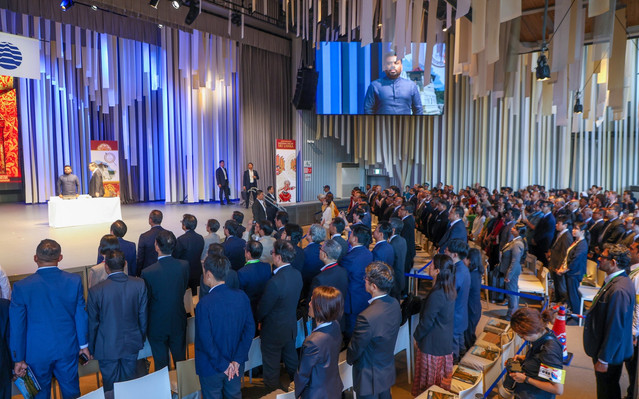
September 28, Colombo (LNW): President Anura Kumara Dissanayake commenced his official tour of Japan with his arrival at Kansai International Airport in Osaka early on September 27.
This marks a significant diplomatic engagement aimed at strengthening bilateral relations between Sri Lanka and Japan.
Shortly after his arrival, the President took part in the Sri Lanka Day festivities at the “EXPO 2025” in Osaka—an international event expected to draw millions of visitors over its course. His presence at the celebration served not only as a show of national pride but also as a statement of Sri Lanka’s intention to assert its cultural identity on the world stage.
The Sri Lanka Day event was organised in collaboration by the Sri Lanka Tourism Promotion Bureau and the Sri Lankan Embassy in Tokyo. It featured a rich display of traditional dance, music, and visual art, all designed to reflect the island nation’s unique cultural heritage. The performances drew a diverse and enthusiastic audience, comprising both local Japanese citizens and attendees from around the globe.
In addition to attending the cultural showcase, President Dissanayake toured the national pavilions of Sri Lanka and Japan at the expo grounds. His visit highlighted Sri Lanka’s broader participation in the international exhibition, which is centred around the themes of innovation, sustainability, and cultural exchange.
Speaking to those gathered at the event, President Dissanayake described “EXPO 2025” as a valuable opportunity for Sri Lanka to articulate its aspirations for the future—one rooted in its centuries-old civilisation while embracing technological progress and shared human values.
He also used the occasion to reflect on the enduring ties between Sri Lanka and Japan, noting the solidarity and goodwill that have defined the relationship over decades. Japan, he remarked, has consistently stood by Sri Lanka during both challenging and celebratory times, and remains a dependable ally in the region.
Full Speech:“Friendship is one of the most valuable bonds of humanity. It unites individuals, communities and cultures. It transcends boundaries and fosters human relationships. Moreover, it brings nations together through common goals to build a better world.
The “EXPO 2025” exhibition provides an opportunity to demonstrate this vision. On this occasion, which celebrates friendship and shared objectives, Sri Lanka has the opportunity to engage and collaborate with Japan and other nations. I consider it an honour to join you in celebrating Sri Lanka Day at the ‘EXPO 2025’ exhibition in the historic city of Osaka.
‘EXPO 2025’ offers a global platform for over 150 nations to showcase mutual friendship, coexistence, cultural diversity and the universal human values present in every society. Here, we present not only the richness of Sri Lanka’s heritage but also our clear vision of a sustainable, resilient and future-ready nation to the world.
By demonstrating our strengths and capabilities on international platforms like the Expo, we reaffirm our role as a responsible partner with foresight in the global community. Through our participation in the ‘EXPO 2025,’ Sri Lanka has a unique opportunity to show the world its commitment to decisive economic transformation, moving towards a modern, production-based economy. This includes clearly defined policies on technology, tourism, agriculture and the sustainable utilisation of our abundant marine resources.
The theme of ‘EXPO 2025’ is the creation of a future society. Its vision is to build a better life for future generations, especially for our children. In this era of global transformations, Sri Lanka stands at a critical moment in its economic journey. Having faced continuous challenges, we are now rebuilding a sustainable and inclusive economy, ensuring that the benefits of development are widely shared and that the prosperity generated improves the quality of life for every citizen.
‘EXPO 2025’ provides Sri Lanka with a global platform to share its vision for a bright future, grounded in culture, innovation and human values.
The friendship between Japan and Sri Lanka spans many decades. Recently, this relationship has grown even stronger. As a close partner, Japan offers support in difficult times and joins in celebrating successes. Many Sri Lankans now live in Japan, further strengthening collaboration based on trust and mutual understanding.
Despite the challenges we face today, the Sri Lanka pavilion at ‘EXPO 2025’ showcases our nation’s uniqueness, cultural pride and confidence in the future.
Today, I had the opportunity to visit ‘EXPO 2025.’ I extend my warmest wishes to the organising committee for the successful execution of this outstanding exhibition. I also express my gratitude for the invaluable support provided by the Government of Japan and the ‘EXPO 2025’ Association, which contributed to the success of the Sri Lanka pavilion and the Sri Lanka Day celebrations.
This event provides an opportunity to showcase Sri Lanka’s ancient cultural heritage, natural beauty and attractive tourist destinations, as well as world-renowned products such as Ceylon tea, gemstones and spices. It also reaffirms our commitment to building, A Thriving Nation , A Beautiful Life, based not only on material progress but also on human values.
I invite all of you to work together to create a world where every dream can be realised, opportunities are available to all and a nation can achieve excellence.”
Foreign Employment and Tourism Minister Vijitha Herath, Japan’s Ambassador to Sri Lanka Akio Isomata, Sri Lanka’s Ambassador in Japan Professor Pivithuru Janak Kumarasinghe and senior officials from the Japanese Ministry of Foreign Affairs also joined this occasion.