September 29, Colombo (LNW): The family of former national rugby player Wasim Thajudeen has called on the current administration to relaunch investigations into his controversial death, claiming that the truth has been deliberately obscured for over a decade.
The renewed plea comes amidst growing public frustration over unresolved high-profile cases, and hopes are now pinned on the Anura Kumara Dissanayake-led administration to break the longstanding deadlock.
Speaking to reporters, a close relative of Thajudeen recounted the events of May 2012, when authorities initially reported the athlete’s death as the result of a routine car accident. According to the relative, police at the time claimed Thajudeen had been speeding, under the influence of alcohol, and had died after inhaling smoke from a vehicle fire.
However, the family never accepted that version of events. “When I reached the site, I found him seated in the passenger seat. The vehicle wasn’t even seriously damaged. It made no sense—how could anyone have died in such a minor collision?” said the uncle, clearly emotional.
It wasn’t until several years later, under a different political administration, that doubts about the original account were officially acknowledged. A panel of seven court-appointed forensic specialists exhumed Thajudeen’s remains and determined that his death was neither accidental nor alcohol-related. Their findings pointed instead to a far more disturbing truth: the young sportsman had been subjected to torture and then set alight.
The revelation sparked public outcry at the time and briefly reignited hopes for accountability. Yet, despite the gravity of the forensic conclusions, no significant legal action followed. The trail went cold once again.
“Every government since then has made promises, but none have delivered,” said the uncle. “We are not seeking revenge—only justice. It’s been thirteen long years, and we still have no answers.”
He further questioned the motive behind the brutal killing, suggesting it may have been linked to Thajudeen’s high public profile as an athlete. “What was the reason? Was it envy, or something more sinister? He was just a young man with a passion for rugby. We deserve to know why this happened.”
Expressing cautious optimism, the family voiced hope that the current leadership would bring the case back into focus. “We still believe in the legal system. But if even this government turns a blind eye, then what hope is left—not just for us, but for any family seeking justice in this country?”
Calls for a fresh inquiry have found support amongst human rights advocates and civil society groups, who argue that impunity in such cases undermines public trust in the justice system. The Thajudeen case has long been viewed as emblematic of deeper institutional failures—where truth is often buried beneath political convenience and legal inertia.
Family of Late Rugby Player Thajudeen Urges Government to Reopen Long-Delayed Death Inquiry

SL Weighs Legal Action After Shipping Firm Rejects $1 Bn Compensation Order for X-Press Pearl Maritime Disaster
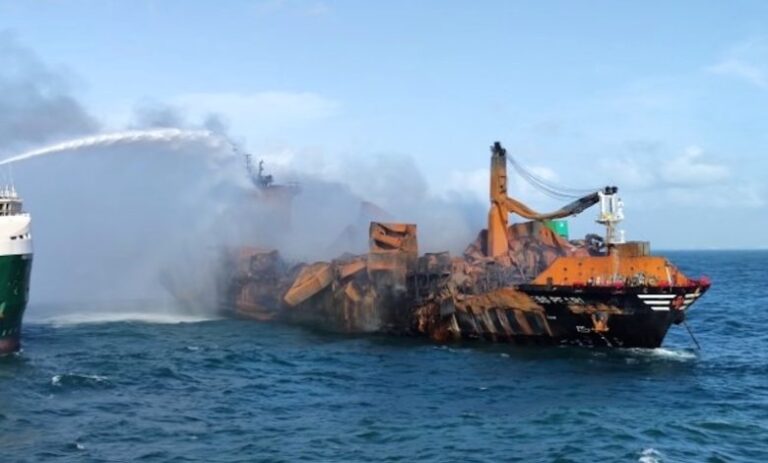
September 29, Colombo (LNW): The Sri Lankan government is exploring its legal options after a Singapore-based shipping company refused to comply with a Supreme Court directive ordering a billion-dollar compensation package for the devastating X-Press Pearl maritime incident.
The 2021 disaster, considered one of the country’s worst environmental catastrophes, left a long-lasting impact on marine life, coastal communities, and the national economy.
In July this year, Sri Lanka’s highest court issued a landmark ruling compelling several companies involved with the ill-fated X-Press Pearl vessel to collectively pay US $1 billion in damages. The payment schedule was structured in three instalments: US $250 million by September 2025, US $500 million within six months of the ruling, and the remaining US $250 million by the one-year mark.
Those named in the ruling include EOS Shipping Pte Ltd, Killiney Shipping Pte Ltd (the bareboat charterer), Sea Consortium Pte Ltd (the time charterer), and their local representatives, Sea Consortium Lanka (Pvt) Ltd.
However, in a controversial statement reported by international media, X-Press Feeders CEO Shmuel Yoskovitz warned that honouring the court’s ruling could set what he described as a “dangerous precedent” for the global shipping industry. The company has yet to make any payments and appears reluctant to accept legal liability in the manner stipulated by the Sri Lankan court.
Despite this, the firm has maintained that it remains open to discussions, claiming in a recent statement that it is still seeking “constructive engagement” with Sri Lankan authorities.
The government, in response, has sought advice from the Attorney General to determine the appropriate course of action. Minister of Environment Dr Dammika Patabendi told Daily Mirror that the administration is currently awaiting legal counsel on how best to enforce the Supreme Court’s judgment in light of the company’s refusal to comply.
The X-Press Pearl disaster, which occurred off the coast of Colombo, saw the vessel catch fire and sink while carrying tonnes of toxic chemicals and plastic pellets, triggering widespread ecological damage. The incident not only disrupted the livelihoods of thousands of coastal residents but also significantly harmed Sri Lanka’s fishing industry and tourism sector. Cleanup and recovery efforts remain ongoing, with some environmental consequences expected to persist for years.
New Botanical Museum Launched in Peradeniya as Premier Outlines Vision for Sustainable, Eco-Conscious Nation
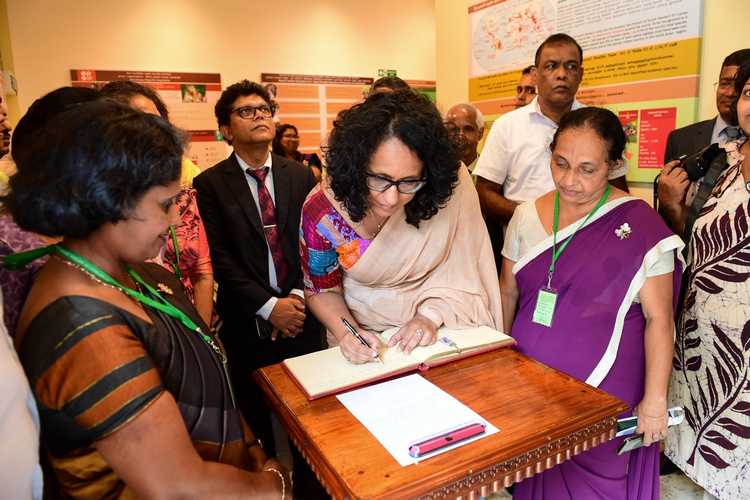
September 29, Colombo (LNW): A major step towards fostering environmental awareness and scientific education was taken on Sunday with the official opening of the Moon Memorial Museum at the Royal Botanic Gardens in Peradeniya.
The event was marked by a ceremonial gathering attended by dignitaries, officials, and members of the public, including Prime Minister Dr Harini Amarasuriya, who delivered a keynote address outlining the government’s broader environmental and educational ambitions.
The new museum, established in honour of Alexander Moon—the founder of the Royal Botanic Gardens—commemorates over two centuries of botanical heritage and scientific exploration. Open to the public daily from 9:00 a.m. to 3:00 p.m., the facility offers a wealth of knowledge about rare and native flora, economically significant crops, and the cultural history of plant use.
It has been designed to parallel international botanical institutions in both scope and educational purpose, serving as a hub for learning, conservation, and research.
In her address, Dr Amarasuriya described the museum as a symbol of the country’s commitment to ecological sustainability and environmental literacy. She emphasised the importance of building a future generation that not only understands but actively protects the natural world, stating that educational reform will play a central role in cultivating eco-conscious children and environmentally responsible schools.
The Prime Minister also took part in a symbolic tree planting ceremony, placing a Pini Beraliya sapling in the grounds of the Botanic Gardens—a gesture she described as a small but meaningful act of hope for the future.
She praised the museum’s potential to enrich both scientific understanding and the national tourism sector, asserting that it will draw global interest and deepen international appreciation for Sri Lanka’s biodiversity.
Speaking to a broader vision, Dr Amarasuriya noted that the path to true sustainability lies not only in new policies but in a cultural awakening—a transformation in how citizens relate to their environment, each other, and the world at large.
“To build a truly sustainable nation,” she said, “we need not only different leadership but also a different kind of citizen—free-thinking, compassionate, critical, and deeply respectful of nature and human dignity alike.”
She added that the government, led by the National People’s Power, is committed to creating the conditions necessary for this transformation. This includes embedding environmental education more deeply within schools and fostering a national identity that values biodiversity, climate awareness, and ecological stewardship.
Minister of Environment Dr Dammika Patabendi, who also addressed the gathering, announced forthcoming plans to expand the country’s network of botanical gardens beyond the five already in operation. He explained that future sites will be developed to reflect diverse climatic conditions across the island, ensuring that local ecosystems and plant life are preserved and studied more effectively.
The event drew a large and distinguished audience, including Deputy Minister of Environment Anton Jayakody, Deputy Minister of Health and Mass Media Hansaka Wijemuni, Environment Ministry Secretary K. R. Uduwawala, and Director General of the Botanic Gardens H. C. P. Jayaweera, along with members of Parliament and invited guests.
Western Province Sees Alarming Rise in Drug Use Among Schoolchildren
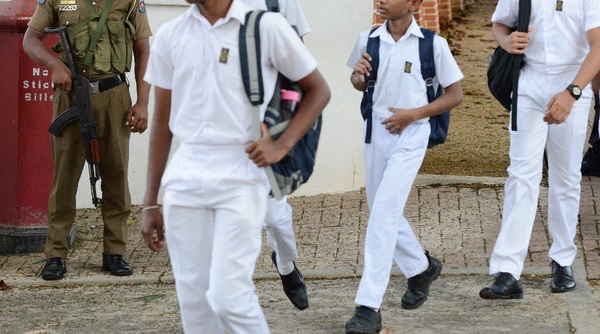
September 29, Colombo (LNW): A concerning rise in drug use among school-aged children has been reported in various parts of the country, with the Western Province emerging as the most severely affected, according to data from national authorities monitoring substance misuse.
The situation is said to be particularly acute in the Colombo District, where children from underprivileged communities are identified as being especially vulnerable to falling into drug habits.
Neighbourhoods such as Grandpass, Thotalanga, Slave Island, Keselwatte, Angulana, Panadura, Dehiwala, Mount Lavinia, and even Hikkaduwa are among the areas named as high-risk zones. These are communities often burdened with socio-economic difficulties, making them more susceptible to the social and environmental pressures that facilitate drug exposure.
The issue, however, is not confined to Colombo alone. Certain parts of the Kandy District have also been flagged as areas where schoolchildren are at notable risk. Other districts including Gampaha, Kalutara, Galle, Kurunegala, Anuradhapura, and Ratnapura have also drawn concern, signalling that this is a nationwide challenge with both urban and rural implications.
Officials have attributed the increase in school-age drug use to a mixture of factors. Peer pressure remains a dominant influence, but a broader lack of institutional support within schools has also come under scrutiny. It has been revealed that some school administrations, along with zonal education offices, are not enforcing existing drug prevention policies with the seriousness required.
This lack of oversight and accountability appears to have opened the door for drug use to gain a stronger foothold within school environments.
Equally troubling are the external circumstances many of these children face. Unstable family situations, neglect, exposure to substance use within the home or community, financial hardship, and poor nutrition have all been identified as contributing factors. These conditions often leave children emotionally vulnerable and without adequate guidance or protection.
In response to the deepening crisis, the National Dangerous Drugs Control Board (NDDCB) has announced a comprehensive and multi-pronged strategy aimed at prevention, rehabilitation, and long-term recovery.
Their approach is being implemented through six key intervention streams: schools, families, youth communities, workplaces, public environments, and media outreach. Each programme is designed to reflect international standards but adapted to local realities.
As part of their proactive strategy, the NDDCB is facilitating school-based screening and assessment tests. Children identified as drug users are not merely reprimanded but are channelled into a structured recovery process involving counselling, treatment, rehabilitation, and educational reintegration.
Specialised school counsellors have been trained to follow a three-tiered response model: initial counselling for low-risk individuals, referral of moderate to high-risk cases to NDDCB professionals, and finally, in cases of addiction, admission to a Youth Treatment Centre for full recovery and eventual return to either formal education or vocational training.
Meanwhile, law enforcement efforts are also ongoing. Between the start of the year and the end of August, 206 minors were taken into custody for drug-related offences. Of these, 39 have since been placed under probationary care.
The police have also apprehended three individuals accused of introducing drugs to children. In tandem with these actions, the Sri Lanka Police has rolled out over 15,000 awareness and prevention programmes in schools and related institutions since the beginning of the year.
Authorities Crack Down on Overpriced Rice Sales as Legal Actions Escalate

September 29, Colombo (LNW): The Consumer Affairs Authority (CAA) has taken action against over a hundred businesses accused of selling rice at prices exceeding the government-mandated ceiling.
Over the past fortnight, inspections were carried out at 105 retail outlets suspected of flouting pricing regulations, leading to a wave of legal proceedings now being set in motion.
Officials from the CAA confirmed that those found culpable will face stern legal consequences for their actions, warning that violations of price control measures will not be tolerated.
The regulatory body reiterated its commitment to ensuring food affordability for the public, especially with rice being a staple in the Sri Lankan diet.
Penalties for such infringements are significant. In the case of individual business owners, sanctions include fines ranging between Rs. 100,000 and Rs. 500,000. Offenders may also be subjected to custodial sentences of up to five months, or both, depending on the severity of the breach.
Private companies found guilty of engaging in similar malpractice face even steeper repercussions, with courts authorised to impose fines from Rs. 500,000 up to Rs. 5 million.
In more severe instances, such as wilfully hoarding rice stocks to manipulate market prices, the courts may additionally order the seizure of the withheld goods, alongside financial penalties and potential imprisonment.
Europe unveils the largest treasure ever found beneath the ocean—with nearly 45,000 tons extracted each year
By Richard Mills
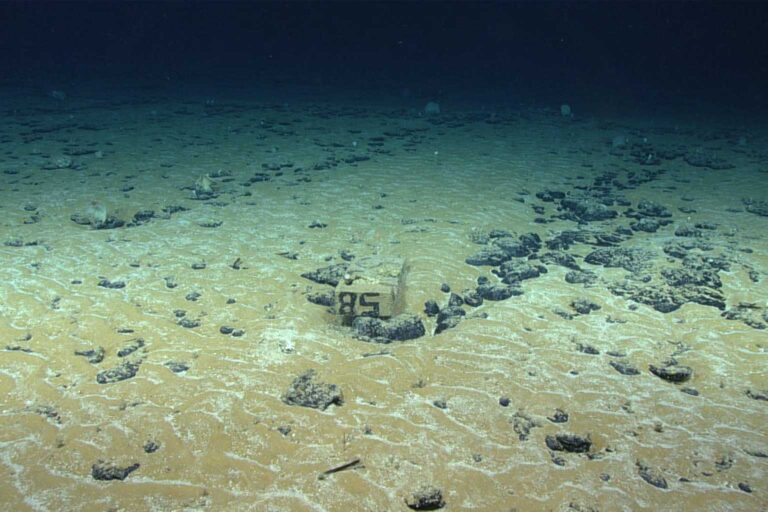
Europe has uncovered an enormous treasure beneath the waves, but it’s not the kind of treasure you might expect. Instead of gold or jewels, this bounty is a massive source of clean energy that could transform the continent’s future. Hidden beneath the surface of the North Sea lies the potential to produce nearly 45,000 tons of green hydrogen every year, marking a bold step forward in Europe’s struggle to tackle climate change and reduce reliance on fossil fuels.
This discovery isn’t just exciting because of its size, but because of what it represents—a promising path toward a greener, more sustainable planet.
A new era of clean energy from the ocean
Africa is tearing apart and giving birth to a new ocean — and it’s happening faster than anyone thought
China’s satellite shatters records with 2-watt laser beating Starlink from 22,000 miles away
The North Sea has long been known for its energy resources, particularly oil and natural gas. But today, it’s capturing attention for something entirely different. This body of water offers ideal conditions for building large-scale offshore wind farms, thanks to its strong and consistent winds and relatively shallow waters. These wind farms have the capacity to generate up to 300 gigawatts of electricity—a monumental amount that could power millions of homes and serve as the foundation for producing green hydrogen.
The magic happens through electrolysis, a process that uses electricity to split water molecules into hydrogen and oxygen. When the electricity powering this process comes from wind turbines, the result is hydrogen fuel that produces no carbon emissions. It’s a clean substitute that could revolutionize industries traditionally dependent on fossil fuels, including manufacturing, transportation, and home heating.
Innovations driving green hydrogen production
Some exciting technologies are pushing the boundaries of what’s possible with offshore energy. One standout is the Windcatcher system—a floating structure lined with multiple wind turbines acting like a giant wall that captures substantially more wind energy. This not only boosts power output but also lowers costs, making large-scale green hydrogen production more feasible.
If Europe fully harnesses this potential, it could produce almost 45,000 tons of green hydrogen annually. That’s enough clean fuel to help power countless industries and vehicles, cutting harmful emissions and advancing the continent’s energy transition.
Challenges on the road to scaling up
A paradox in the climate crisis: NASA satellites show Antarctica gaining ice despite global warming
Passengers with black, navy, or gray luggage warned by airline — what you need to know
While the promise of green hydrogen is huge, getting there won’t be easy. The journey from pilot projects to full-scale production is peppered with obstacles. One major hurdle is the high upfront cost of building necessary infrastructure, especially offshore. Additionally, bureaucratic red tape and a patchwork of regulations across different countries slow progress even further.
I’ve watched many energy projects struggle because different stakeholders had conflicting priorities or lacked clear coordination. Europe is no exception, with member states moving at varied speeds according to their own goals. This fragmentation makes it difficult to implement large projects quickly.
To turn green hydrogen into a key player in the fight against climate change, Europe must streamline rules, ramp up investment, and foster deeper cooperation. Fast, unified action is essential to unlock the full power of this oceanic resource in time.
Europe’s opportunity to lead on global energy transformation
If these challenges can be overcome, Europe is poised to become a world leader in green hydrogen production. Moving away from imported fossil fuels and embracing this clean energy source could significantly enhance energy security while creating a more sustainable economy.
It’s remarkable to think that the North Sea—which once symbolized Europe’s dependence on oil—could soon become a shining example of eco-friendly innovation. This renewable energy revolution wouldn’t just be about technology; it could revitalize industries and generate green jobs, all while lowering carbon footprints.
Hydrogen offers exciting possibilities, but making the most of it requires commitment and smart policymaking. Europe stands at a critical crossroads. Will this incredible resource beneath the waves be tapped to its fullest potential?
I remember the first time I learned about hydrogen’s versatility as a fuel; it blew my mind how many sectors could benefit. It made me realize that the future of energy might not be about finding new fuels but using what nature already provides in smarter ways.
What do you think? Can green hydrogen change the game for Europe and the world? Share your thoughts and join the conversation below—we’re all part of this energy story unfolding right now.
africaninspace.com
Several spells of showers to occur in select districts (Sep 29)

September 29, Colombo (LNW): Several spells of showers will occur in Western and Sabaragamuwa provinces and in Galle, Matara, Kandy and Nuwara-Eliya districts, the Department of Meteorology said in its daily weather forecast today (29).
A few showers may occur in North western province.
Showers or thundershowers are likely at a few places in Uva province and in Ampara district after 2.00 p.m.
Fairly strong winds of about (35-45) kmph can be expected at times over Western slopes of the central hills and in Northern, North-central, North-western, and Central provinces and in Trincomalee and Hambantota districts.
Marine Weather:
Condition of Rain:
Showers will occur at several places in the sea areas off the coast extending from Chilaw to Matara via Colombo and Galle.
Winds:
Winds will be south-westerly and wind speed will be (30-40) kmph.
Wind speed can increase up to (50-60) kmph at times in the sea areas off the coast extending from Matara to Pottuvil via Hambantota and from Chilaw to Kankasanthurai via Mannar.
Wind speed can increase up to 50 kmph at times in the sea areas off the coast extending from Kankasanthurai to Trincomalee.
State of Sea:
The sea areas off the coast extending from Matara to Pottuvil via Hambantota and from Chilaw to Kankasanthurai via Mannar will be rough at times.
The sea areas off the coast extending from Kankasanthurai to Trincomalee will be fairly rough at times.
Naval and fishing communities are requested to be vigilant in this regard.
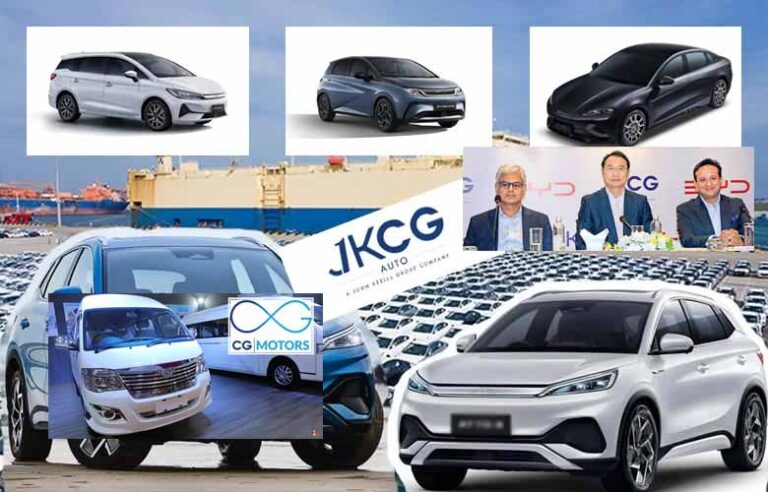
BYD Scandal & Cross-Border Tax Dodge: John Keels Took Nepalese Chaudhary’s Bait All Along?
By: A Special Correspondent
September 29, Colombo (LNW): Serious allegations have surfaced involving the importation of BYD electric vehicles into Sri Lanka, with claims that vehicle engine capacities were deliberately understated to avoid paying the full tax. The case remains ongoing in court.
The local importer of the vehicles in question is John Keells CG Auto (Pvt) Ltd, a joint venture between Sri Lanka’s conglomerate John Keells and Nepalese automotive firm CG Motors. CG Motors is a subsidiary of the Chaudhary Group, owned by Binod Chaudhary, Nepal’s wealthiest individual and its only dollar billionaire.
Dodging Duties by Adding a Seat?
CG Motors has also been embroiled in tax evasion controversies in Nepal. In a striking example reported by Nepalese media, the company allegedly manipulated vehicle classifications to drastically reduce import duties.
Under Nepalese law:
* A 14-seater microbus is taxed at 10 per cent.
* A 15-seater or larger minibus pays just 1 per cent duty.
On September 15, 2023, CG Motors imported 30 King Long XMQ 6520 (14-seater) microbuses from Xiamen King Long United Automotive Industry Co. Ltd., China, and paid the standard 10 per cent duty under HS Code 8702.40.30.
However, on April 04 2024, they imported 50 more microbuses of the same model, this time adding an extra seat and classifying them under HS Code 8702.40.20 as 15-seaters, thus paying only 1 per cent duty.
According to Nepal’s Motor Vehicles and Transport Management Act (1993), a minibus must meet specific technical criteria—seat dimensions, vehicle weight, and interior height, among others. The King Long XMQ 6520 reportedly does not satisfy these requirements, even with an extra (often folding) seat.
Investigations have uncovered that CG Motors may have committed tax fraud totalling over NPR 1.45 million, including customs duties, excise taxes, VAT, and road maintenance fees.
This is not the first such case involving CG Motors. The company had previously faced legal action over underreported specifications on KYC electric vans and was found guilty by Nepali courts, being ordered to repay the defrauded taxes.
From Kathmandu to Colombo: Is John Keells Involved?
The controversy has now reached Sri Lanka.
John Keells CG Auto (Pvt) Ltd and its Nepalese partner CG Motors are accused of understating the motor capacity of imported BYD electric vehicles—from 150 kW to 100 kW—thereby avoiding higher import duties. While Sri Lanka Customs initially accepted the declared 100 kW figure, the importer argued that the reduction was legitimate, citing firmware modifications by the manufacturer.
Sri Lanka Customs responded by appointing a technical expert committee to verify the true motor output. The committee’s report is still pending submission to court. In the meantime, the court allowed the release of around 1,500 BYD vehicles, secured against bank guarantees worth LKR 4.5 billion.
The tax differential between a 100 kW and 150 kW vehicle is approximately LKR 3 million. If even 1,000 vehicles were misclassified, this could mean a loss of LKR 3 billion to the state. Reports suggest that over 2,500 BYD ATTO 3 models alone have already been imported and sold in Sri Lanka, implying potential tax losses exceeding LKR 7.5 billion for that model alone.
Sources further indicate that other BYD models may also have been misdeclared in a similar manner, which could increase the scale of the tax fraud significantly.
Collusion or Deception?
What remains unclear is whether John Keells was deceived by CG Motors, or if the two entities knowingly collaborated to exploit legal loopholes and deprive the Sri Lankan state of billions in tax revenue.
Given CG Motors’ history of tax evasion in Nepal, it raises concerns that such schemes may now be expanding regionally—potentially turning Sri Lanka into a new hub for these practices.
If the allegations are true, this would not just be a matter of business ethics, but a major national issue. The loss of billions in tax revenue is especially troubling in a country grappling with poverty and economic recovery. The question now is whether powerful billionaires—both local and foreign—are being allowed to skirt the tax net, creating unfair monopolies at the public’s expense.
The unfolding investigation into John Keells CG Auto and CG Motors reveals what could be a multi-billion-rupee tax evasion scandal involving misclassified electric vehicle imports. While the courts are yet to deliver a final verdict, the stakes are high—not just in terms of financial loss, but also in terms of public trust, corporate accountability, and the integrity of regional trade practices.
Sri Lanka must now decide: Will it allow billionaires to bypass its tax system—or ensure justice is served, no matter how powerful the players involved?
Related Stories:
The Exporters’ Concerns Over the Abolishment of SVAT

Understanding the Issues Surrounding VAT Refunds and Government Policy Implementation
Introduction
Exporters in many countries rely on government policies and tax incentives to remain competitive in the global marketplace. One such policy is the Simplified Value Added Tax (SVAT) system, which is designed to streamline VAT processes and ensure timely refunds for exporters. Recently, there has been significant pushback from exporters regarding the proposed abolishment of SVAT. The primary reasons for their concerns revolve around inefficiencies in the current VAT refund process and the perceived negative attitude of certain tax revenue officers toward government policy implementation. There are many SME Exporters who have not qualified under the present SVAT scheme, where they had to pay VAT on their purchases to Export and had to wait for many years to get their VAT refunds.
Removing SVAT would escalate & Aggravate this situation further due to the tying up of Enormous Capital and run the risk of eliminating the Exporters entirely from Export business.
Background: The Role of SVAT for Exporters
The SVAT system was introduced to simplify the VAT mechanism for exporters, aiming to reduce the administrative burden and expedite VAT refunds. This system is crucial for exporters, as VAT refunds represent significant working capital that can impact their cash flow and operational efficiency.
Exporters’ Main Concerns
1. Inefficiency in Processing current VAT Refunds
2. One of the central complaints from exporters is the longstanding inefficiency in processing VAT refunds.
Many exporters have reported that legitimate VAT refunds have been accumulating for years, with some refunds due as far back as 2023. Even after the tax authorities have analyzed and finalized the refund amounts, this process of transferring refunds to relevant exporters , often stalls due to delays in approval from certain officials in the finance department of the Inland Revenue Department. This bureaucratic bottleneck results in exporters not receiving their refunds in a timely manner, putting strain on their finances.
3. Attitude and Actions of Tax Revenue Officers:
4. Exporters have also expressed frustration with the attitude of some tax revenue officers, who are perceived as acting in a manner that jeopardizes government policy objectives. Instead of facilitating the refund process as intended by policy, some officers are seen as creating unnecessary obstacles or failing to approve the required fund transfers to exporters’ bank accounts. This has led to a lack of trust and confidence among exporters in the tax department’s ability to implement policy effectively. We believe that the Inland Revenue department shall work hand in hand with the policies of the government do enhance and increase the volumes of exports from Sri Lanka 2 receive valuable foreign exchange. This duality of certain officers in the Inland Revenue department has hampered the progress off the exporters, as a result large amount of capital has been tied up as VAT refunds within the department for many years. By abolishing the SVAT scheme, exporters think this situation might escalate and they will have to face a shortage of capital to do the business and in return they will lose global competitiveness. The government also needs to understand the cost of interest accruing to these large amounts of VAT refunds which have in return challenged the profitability of the exporters and as a result they will go out of business and in return country will suffer. Earning and finding buyers globally is not an easy task. This required many years of marketing and canvassing after spending good money to find an international buyer
5. This attitude of the certain Inland Revenue officers by holding into the VAT refunds had created doubts about corruption too. Which had resulted unpleasantness and no confidence from the exporters to the government policy of abolishing SVAT.
First and foremost, the government should urgently look into refunding all the legitimate VAT refunds to the relevant exporters before embarking on abolishing SVAT. Tax department and the treasury should work to develop confidence among the exporters that the government system of refunding is a smooth functioning by refunding all the backlog of VAT refunds to gain confidence of the exporters of this country. Presently the Amount tied up is massive with the abolishing of SVAT, could imagine the capital getting stuck as VAT refunds. This is the issue we need to address before just jumping to conclusions. 1st to create a fool proof process where a smooth refunding system within the tax authorities and to gain confidence among exporters before abolishing the SVAT scheme. Over to the policy planning officers to look into this process without agitating the current exporters who brings valuable foreign currency to Sri Lanka
Impact on Exporters
The accumulation of unpaid VAT refunds and the perceived lack of support from tax authorities have created an environment of uncertainty and poor confidence among exporters. Exporters depend on prompt VAT refunds to maintain liquidity and invest in growth. Delays and administrative hurdles can lead to cash flow problems, reduced competitiveness, and a reluctance to expand export operations.
Conclusion
The exporters, opposing the abolishment of the SVAT system, is rooted in practical concerns about the inefficiency of the current VAT refund process and the reluctance of some tax officials to implement government policies as intended. Before considering the removal of SVAT, it is crucial for the tax department to address the backlog of legitimate VAT refunds and restore exporters’ confidence in the system. Only then can policy changes be made without jeopardizing the export sector’s trust and financial stability.
September Sees Steady Growth in Tourist Arrivals as Sri Lanka Nears 1.7 Million Visitors in 2025

September 28, Colombo (LNW): Sri Lanka continues to experience a resurgence in international tourism, with the latest figures indicating that 126,379 travellers arrived in the country during the month of September alone, according to data released by the Sri Lanka Tourism Development Authority (SLTDA).
This steady influx contributes to a total of 1,692,902 tourist arrivals for the year so far, marking a significant rebound for the island nation’s tourism sector as it works to regain momentum following recent global and domestic disruptions.
India remains the largest source of inbound visitors, with 37,179 Indian nationals having arrived in September—representing nearly 30 percent of that month’s total arrivals. The United Kingdom followed with 8,937 visitors, while Germany accounted for 7,799. Not far behind were Australia with 7,049 arrivals, and China with 7,226, reflecting a growing interest from East Asian markets.
On a broader scale, India has contributed 362,774 visitors to Sri Lanka in 2025 so far, reinforcing its position as the country’s most significant tourism partner. The United Kingdom holds second place with 160,078 arrivals, while Russia follows with 121,452, maintaining a strong presence in the post-pandemic travel landscape.