Home Blog Page 38

Wife of Suresh Sallay Calls for Urgent Probe, Says Former Intelligence Chief Has Begun ‘Fast Unto Death’

0

Major General (Retd.) Suresh Sallay has commenced a “fast unto death” while in the custody of the Criminal Investigation Department (CID), according to an urgent complaint submitted to the Inspector General of Police by his wife, Manori Sallay. The complaint calls for an immediate independent criminal investigation into alleged torture, cruel, inhuman and degrading treatment, denial of medical care, and abuse of authority during his detention.  

According to the complaint, Sallay informed family members during a visit on 6 June that he could no longer endure what he described as continuous mental torture, degrading treatment, and systemic unfairness while in custody. He reportedly stated that he remains confident that ongoing legal proceedings will ultimately establish his innocence and instructed his lawyers to continue legal action even in the event of his death.  

The complaint alleges that Sallay has been denied medication prescribed by the Judicial Medical Officer (JMO) and has not been provided with recommended dietary requirements. It further claims that he is being held in a small cell under harsh conditions, including continuous lighting, inadequate food, and restricted access to washroom facilities after 10.00 p.m.  

Manori Sallay also alleges that her husband was subjected to a humiliating strip search in the presence of other detainees and claims that CCTV footage from the detention facility could provide evidence regarding the alleged treatment. She has requested that authorities immediately secure and preserve all relevant surveillance recordings.  

The complaint states that Sallay has been held in CID custody for more than 100 days and has reportedly been questioned only on a limited number of occasions, raising concerns about the necessity of his continued detention. Family members who visited him on 6 June reportedly observed signs of physical deterioration, including parched lips, sunken eyes, visible weakness, and emotional distress.  

The complaint further alleges that CID representatives failed to attend a Human Rights Commission inquiry connected to a complaint lodged by Sallay’s wife. Manori Sallay has urged authorities to immediately launch an independent investigation, review detention and medical records, ensure access to medical treatment, and take steps to safeguard her husband’s health and safety while investigations are ongoing.  

Good Conscience Must Guide Both Judges and Doctors, Says Supreme Court Judge Dr. Sobhitha Rajakaruna at Colombo Retina Meeting 2026

0

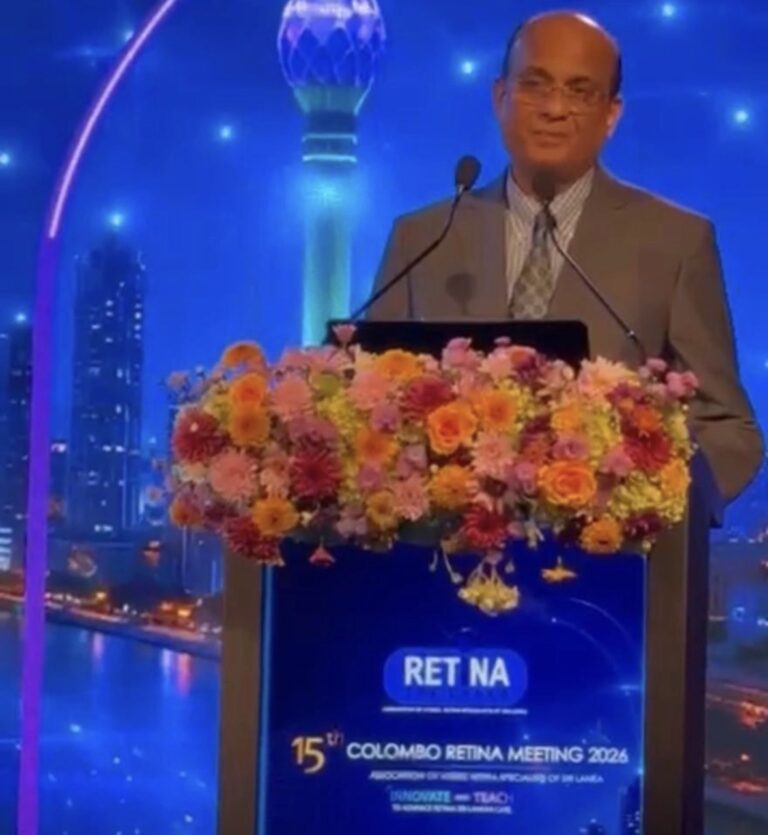
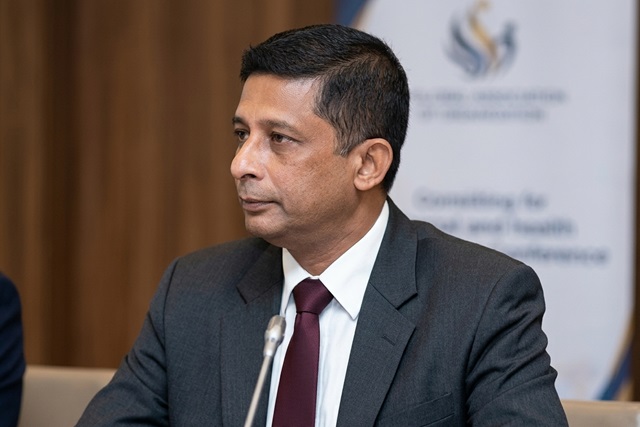
Speaking as the Chief Guest at the 15th Colombo Retina Meeting 2026 held at the Cinnamon Grand Hotel in Colombo, Supreme Court Judge Dr. Sobhitha Rajakaruna emphasized that both the legal and medical professions share a common responsibility in making decisions that profoundly impact human lives.

Addressing the Annual Scientific Meeting of the Association of Vitreo-Retina Specialists of Sri Lanka, he highlighted the importance of balancing professional expertise, intuition, ethics, and “good conscience” in decision-making, while praising retinal specialists for their contribution to preserving sight, dignity, and hope.

The Full Speech made by His Lordship Justice Dr. Sobhitha Rajakaruna, Judge of the Supreme Court, who was the Chief Guest at the 15thColombo Retina Meeting, 2026  –  the Annual Scientific Meeting of the Association of Vitreo-Retina Specialists of Sri Lanka.

4th June 2026 at the Cinnamon Grand Hotle, Colombo.

Distinguished President and Office Bearers of the Association of Vitreo-Retina Specialists of Sri Lanka,Guest of Honour Professor Andrzej Grzybowski,Respected members of the faculty, Distinguished international and local guests, ladies and gentlemen,

Good evening.

At the outset, permit me to express my sincere gratitude for the generous introduction accorded to me. I am deeply humbled by your kindness and hospitality.

It is indeed a privilege and an honour to be invited as the Chief Guest at the 15th Colombo Retina Meeting 2026, the Annual Scientific Meeting of the Association of Vitreo-Retina Specialists of Sri Lanka. I consider this invitation particularly meaningful because it comes from a body of eminent professionals who dedicate their lives to preserving and restoring one of the greatest gifts bestowed upon humanity, sight itself.

The theme selected for this year’s meeting — “Innovate and Educate to Advance Sri Lankan Retina Care” — is both timely and profound. Innovation without education is incomplete, and education without innovation risks stagnation. Together, they become the driving force of progress in every discipline, whether in medicine, science, law, or governance.

Ladies and Gentlemen,

Though I stand before you as a Judge and not as a medical professional, I have often reflected upon the striking similarities between the judicial profession and the medical profession, particularly in the realm of decision-making. If I may strike a personal note – my late father was also a great Medical Practitioner.

As Judges, we write judgments to uphold fairness, justice, and the Rule of Law. You, as Specialist Doctors and surgeons, diagnose illnesses, perform procedures, and treat patients to restore health and dignity to human life. In essence, both professions are entrusted with decisions that profoundly affect human lives.

A judicial decision may determine the liberty, property, reputation, or rights of an individual. Likewise, a medical decision may determine the quality of life, vision, survival, or well-being of a patient.

Therefore, the quality, accuracy, and fairness of those decisions become of paramount importance.

Indeed, I venture to say that Specialist Doctors, through their professional decisions, also contribute to the upholding of the Rule of Law. For the Rule of Law is not confined merely to courts and constitutions. It is ultimately about fairness, responsibility, ethics, and the protection of human dignity. Every carefully considered medical decision that is made honestly, ethically, and conscientiously strengthens the fabric of a just society.

Yet, in both our professions, there exists a common and unavoidable challenge — ‘divergence of opinion’.

In the legal sphere, different Judges may arrive at different conclusions on the same cause of action. Similarly, in medicine, Specialist Doctors may sometimes differ in diagnosis, prognosis, or treatment. Such divergence may create uncertainty and dilemmas, and unfortunately, it is often the ordinary litigants or patient who ultimately suffers the consequences.

One of the contributing factors for divergent judicial opinions is what scholars describe as the ‘judicial hunch’ or ‘judicial intuition’.

Judicial hunch reflects numerous human factors: what the judge had for breakfast, a Judge’s upbringing, education, language ability, experience, knowledge, intelligence, and even subconscious influences shaped by life itself.

An illuminating discussion on this subject appears in the article titled “Blinking on the Bench: How Judges Decide Cases” by Chris Guthrie, Jeffrey J. Rachlinski, and Andrew J. Wistrich. The authors question whether Judges decide cases merely through mechanical application of legal principles, as formalists suggest, or whether they rely significantly on instinctive impressions and intuition, as legal realists argue.

They observe that Judges, like all human beings, possess two cognitive systems — the intuitive and the deliberative. Although Judges strive to rely upon facts, evidence, and legal principles while suppressing personal bias and emotion, intuition inevitably plays a role in human decision-making.

The authors further note that intuitive judgments may sometimes be remarkably accurate, but they may also lead to errors and injustice if not tempered by careful deliberation.

Interestingly, they draw a parallel with medicine by referring to Dr. Jerome Groopman’s work, “How Doctors Think.” Dr. Groopman cautions that although first impressions and intuition can occasionally be correct, excessive reliance on intuition carries dangers. He argues that sound medical judgment requires a combination of initial perception and deliberate analytical reasoning.

The same principle applies to the law.

Thus, it appears that both Judges and Specialist Doctors stand upon common intellectual ground. In both professions, decision-making involves not merely technical knowledge, but also human cognition, intuition, analysis, experience, ethics, and conscience.

Modern neuroscience, too, has increasingly demonstrated how the human brain contributes to intuitive responses and subconscious reasoning. Whether in a courtroom or an operating theatre, the human mind continuously balances instinct with rational deliberation.

Ladies and Gentlemen,

In light of all this, one fundamental principle emerges with great clarity.

Whether one is a Judge interpreting the law or a Specialist Doctor treating a patient, the ultimate guide in decision-making must be nothing but ‘good conscience’.

To my mind, good conscience is the true foundation stone of the Rule of Law. It is equally the foundation stone of every accurate and fair medical decision.

Good conscience demands honesty.

Good conscience demands humility.

Good conscience demands intellectual integrity.

And above all, good conscience demands that we place human welfare above personal pride, convenience, or prejudice.

You simply cannot hide anything from your conscience, no matter how secretly you act. Your conscience bears witness to every word you utter, every step you take, and every action you perform, whether in the Judge’s chambers or in the operating theatre. And interestingly, recent research in Artificial Intelligence has revealed something strikingly similar; today, no matter how many times you delete something from a device, technology does not forget. It remembers what you tried to erase.

Technology may advance. Artificial intelligence may assist. Medical science and legal systems may evolve. Yet, no machine can replace the moral conscience of a human being committed to fairness and compassion.

As you gather here over the next few days to exchange knowledge, discuss innovations, and advance retinal care in Sri Lanka, I sincerely hope that your deliberations will continue to strengthen not only scientific excellence but also the humane and ethical foundations of your noble profession.

The gift of sight that you preserve and restore is not merely a biological function. It is the restoration of hope, independence, dignity, and human possibility.

For that, society owes all of you immense gratitude.

In conclusion, I once again congratulate the Association of Vitreo-Retina Specialists of Sri Lanka for organising this important scientific meeting and for its invaluable contribution to the advancement of ophthalmic care in our country.

I thank all the distinguished international and local faculty members for sharing their expertise and enriching the Sri Lankan ophthalmic community.

Finally, I extend my sincere appreciation to Dr. P. Sriharanathan, the President and all those responsible for inviting me & my wife and extending such warm hospitality. I must also place on record my special appreciation to the Vice President of the Association, Dr. Ayasmantha Peiris, a colleague from my alma mater, who coordinated with me.

I wish the 15th Colombo Retina Meeting 2026 every success.

Thank you.

Mattala Airport Bid Sparks Regional Power Struggle

0

Sri Lanka’s ambitious plan to revive the loss-making Mattala Rajapaksa International Airport has triggered intense interest from regional powers, setting the stage for a high-stakes contest involving India, China, and the United Arab Emirates (UAE). The government has unveiled a 30-year Build-Operate-Transfer (BOT) lease model aimed at transforming the underutilized airport into a commercially viable aviation and logistics hub.

The international tender, scheduled to close on June 9, 2026, is attracting significant attention due to Mattala’s strategic location near the Hambantota Port, a key Chinese-operated maritime facility leased for 99 years. Industry observers note that the airport project has evolved beyond a simple commercial transaction, carrying substantial geopolitical implications for the region.

Under the proposed BOT arrangement, prospective investors must meet stringent eligibility criteria, including a minimum net worth of US$50 million and at least five years of experience operating airports certified by the International Civil Aviation Organization (ICAO). Government officials expect to issue a formal Request for Proposals (RFP) by late July following the evaluation of Expressions of Interest (EOIs).

According to the Ministry of Ports and Civil Aviation, 47 parties have already expressed interest in the project. These include major state-owned and private-sector entities from India, China, and the Gulf region.

Indian stakeholders are reportedly evaluating the project from both commercial and strategic perspectives. Analysts suggest that securing a role in Mattala would provide New Delhi with a stronger presence in southern Sri Lanka, balancing China’s significant influence through the neighboring Hambantota Port. The move is also viewed as aligning with India’s broader regional engagement strategy while supporting the expansion of its growing aviation and logistics sectors.

China, meanwhile, remains deeply invested in the airport’s future. Mattala was originally constructed with a US$200 million Chinese loan, and state-backed Chinese firms are closely monitoring the tender process. Their interest is largely linked to safeguarding the wider economic and logistical ecosystem surrounding Hambantota, where China has invested billions of dollars.

The UAE has also emerged as a serious contender. With growing geopolitical uncertainties affecting global trade routes, Gulf-based aviation and logistics companies are exploring opportunities to develop Mattala into an alternative cargo, aircraft storage, and supply-chain hub. Recent diplomatic engagements between Sri Lankan officials and UAE representatives have further highlighted this interest.

Unlike previous attempts to attract investors solely for passenger operations, the government has restructured the project into two distinct investment tracks. The first covers airside operations, including airport management and aerodrome services, while the second focuses on landside commercial development. Investors may bid for either segment or both.

Authorities envision future developments including maintenance, repair and overhaul (MRO) facilities, cargo centers, flight training academies, aircraft manufacturing ventures, hospitality projects, and resort developments.

With Mattala currently generating annual losses estimated at nearly Rs. 3 billion, the government is under pressure to secure a capable private partner. Officials hope to finalize negotiations by the end of 2026, with the Cabinet-Appointed Negotiation Committee overseeing the selection process.

As bidding intensifies, Mattala Airport has become far more than an underperforming aviation asset it is rapidly emerging as a focal point in the strategic competition for influence in the Indian Ocean.

Banking Scandals Expose Gaps but System Remains Stable

0

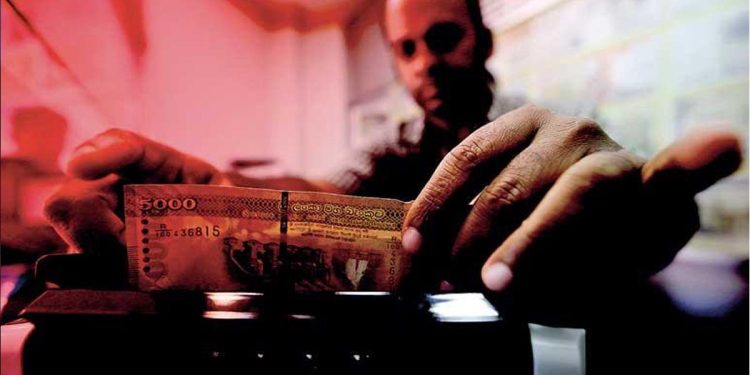
Two high-profile financial scandals a multi-million-dollar Treasury cyber theft and a massive internal fraud at National Development Bank (NDB)—have intensified scrutiny of Sri Lanka’s financial sector, raising questions about oversight, accountability and institutional safeguards. Yet Central Bank Governor Nandalal Weerasinghe insists that neither incident poses a threat to the country’s overall banking stability.

Addressing concerns during the presentation of the Annual Economic Review, the Governor sought to reassure the public that Sri Lanka’s financial system remains fundamentally sound despite the controversies.

The cases in question involve a US$2.5 million Treasury cyber heist and an alleged Rs.13.2 billion internal fraud at NDB. Both incidents generated widespread concern among depositors and policymakers, prompting calls for stronger regulatory controls and enhanced risk management systems.

According to Dr. Weerasinghe, the Central Bank’s role in government payment transactions is limited to executing approved instructions. Once payment details satisfy the technical verification requirements within the system, the Central Bank lacks the legal authority to alter, delay or independently verify the legitimacy of the transaction.

This explanation has sparked debate among financial analysts who argue that modern financial systems require stronger safeguards against increasingly sophisticated cyber and internal fraud threats. Critics contend that compliance with technical procedures alone may not be sufficient in an era of digital financial crime.

The Governor nevertheless maintained that the incidents were isolated cases rather than evidence of systemic weakness. In particular, he stressed that no depositor funds or customer accounts were affected by the alleged NDB fraud, despite the scale of the financial loss involved.

At the same time, he acknowledged that the case exposed serious weaknesses within the bank’s internal controls and operational procedures. Regulatory authorities are now awaiting the completion of forensic investigations before determining what corrective measures may be required.

The fallout from the NDB case triggered a broader industry response. Immediately after details of the fraud emerged, the Central Bank instructed all licensed banks to conduct internal reviews of their systems and controls. Institutions were specifically directed to investigate whether similar unauthorized transactions, accounting irregularities or internal fund diversions could be occurring undetected within their own operations.

The results of these sector-wide assessments have provided some reassurance. According to the Governor, no other bank reported evidence of comparable internal fraud schemes following the review process.

Nevertheless, the incidents have highlighted growing challenges facing financial institutions as digital banking operations become increasingly complex. Experts argue that stronger internal auditing systems, enhanced cybersecurity frameworks and more sophisticated fraud detection mechanisms will be essential to maintaining public confidence.

While regulators insist the financial system remains secure, the scandals have exposed vulnerabilities that cannot be ignored. The ultimate test for Sri Lanka’s banking sector will be whether these incidents lead to meaningful reforms capable of preventing similar breaches in the future.

BOI’s Digital Investment Drive Targets Billions in Foreign Capital

0

Sri Lanka is aggressively reshaping its investment landscape through a sweeping digital transformation strategy aimed at attracting billions of dollars in foreign capital. At the centre of this effort is the Board of Investment’s (BOI) newly launched “Ready to Invest” platform, a digital gateway that promises to remove long-standing bureaucratic obstacles that have historically discouraged international investors.

The online platform offers direct access to 30 fully structured investment projects spanning several high-growth sectors of the economy. Unlike traditional investment proposals that require extensive preliminary assessments, these projects come equipped with feasibility studies, predefined business scopes and pre-allocated land, enabling investors to move rapidly from evaluation to implementation.

Senior BOI officials describe the initiative as a major shift in Sri Lanka’s investment promotion strategy. By presenting ready-made opportunities backed by financial and technical assessments, authorities hope to reduce approval delays and enhance investor confidence at a time when regional competition for foreign capital is intensifying.

The launch coincides with broader reforms under the ongoing review and implementation of the Economic Transformation Act, which seeks to redefine the BOI’s mandate and streamline corporate approval processes. Officials say the reforms are intended to create a more efficient investment environment by reducing administrative bottlenecks and improving regulatory transparency.

The digital investment push comes as Sri Lanka attempts to build on signs of recovery following the economic crisis that severely impacted investor sentiment. Improved macroeconomic stability, structural reforms and stronger international confidence have contributed to a gradual resurgence in foreign direct investment (FDI).

Although a comprehensive mid-year report has yet to be released, official estimates indicate that Sri Lanka secured approximately US$226 million in committed investment projects during the first quarter of 2026, representing a 16 percent increase compared with the corresponding period last year. The government has set an ambitious target of attracting US$1.5 billion in foreign investment this year, placing significant pressure on authorities to accelerate project approvals and investor engagement.

Current investment flows are largely driven by a handful of countries. Singapore, India, France, the Netherlands and Luxembourg collectively account for the majority of foreign capital entering the country. Official figures suggest that these five nations represent the backbone of Sri Lanka’s estimated US$1.06 billion inbound investment portfolio.

Beyond the Ready to Invest platform, the BOI has introduced a series of digital tools designed to modernise investor services. An online application system now enables foreign companies to submit documentation, upload compliance certifications and monitor approval progress remotely. The BOI Online Services Portal further automates regulatory procedures, including fee verification, customs documentation and electronic gate-pass approvals.

Authorities have also introduced a Digital Land Bank featuring geospatial mapping technology, allowing investors to identify and reserve industrial, private and state-owned land without visiting Sri Lanka.

At the policy level, specialised approval mechanisms have been established for strategic sectors such as mining, mineral sands, data centres and technology startups. Reduced investment thresholds, in some cases as low as US$250,000, are also being used to attract smaller but innovative international firms.

While the digital overhaul signals a significant shift in Sri Lanka’s investment strategy, its ultimate success will depend on whether streamlined systems can translate investor interest into sustained capital inflows and long-term economic growth.

Sri Lanka’s Sugar Fight Undermined by Hidden Sweetener Loopholes

0

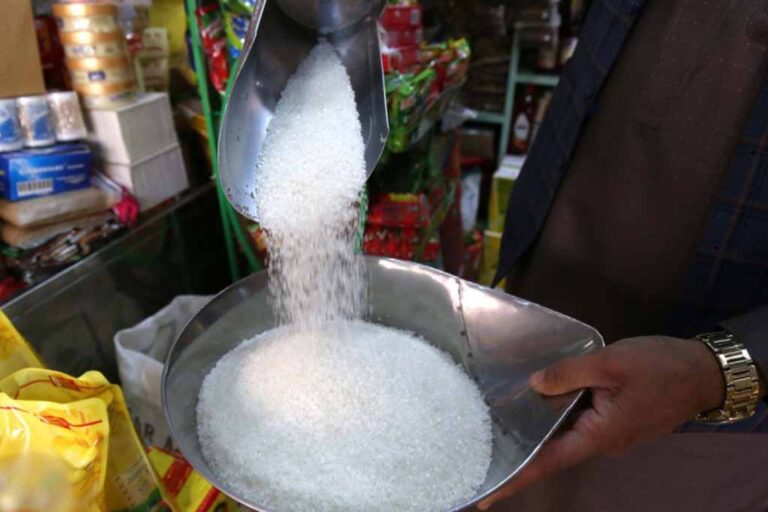
Sri Lanka’s much-publicized campaign to reduce sugar consumption and combat non-communicable diseases (NCDs) is facing growing scrutiny, as emerging evidence suggests that major policy gaps are weakening its intended public health impact.

The government’s twin strategy imposing taxes on sugar-sweetened beverages (SSBs) and introducing Traffic Light Labelling (TLL) has been widely praised as a progressive step toward healthier consumer choices. However, recent findings from the Institute of Policy Studies of Sri Lanka (IPS) reveal that significant regulatory blind spots and industry adaptations may be undermining the effectiveness of these measures.

On the surface, the Traffic Light Labelling system appears successful. Surveys indicate that nearly two-thirds of Sri Lankan consumers understand the colour-coded labels, while a 10 percent increase in beverage prices has been linked to a 15 percent decline in the demand for carbonated soft drinks. Yet researchers warn that these achievements conceal a much deeper problem.

According to available data, nearly 75 percent of sweetened beverages consumed across the country remain outside the current regulatory framework. Health Ministry sources point out that the poorest 40 percent of households obtain as much as 85 percent of their sweetened drinks from informal markets, loose-sugar beverage dispensers and milk-based products that are exempt from traffic-light labelling requirements.

As a result, low-income consumers continue to purchase inexpensive, high-sugar products that carry no warning labels, increasing their vulnerability to obesity, diabetes and other NCDs. Public health experts argue that the current system has unintentionally widened health inequalities rather than reducing them.

Even more concerning is the beverage industry’s growing reliance on non-sugar sweeteners (NSS) to avoid taxation. To escape the sugar tax imposed on excess sugar content, many manufacturers have quietly reformulated products using artificial sweeteners. Since the Traffic Light Labelling criteria assess only free sugar levels, these beverages often receive favourable “Green” or “Amber” ratings despite containing synthetic substitutes.

Independent assessments have found that around 70 percent of beverages carrying green labels and half of those displaying amber labels now contain non-sugar sweeteners. This has raised concerns among health professionals, particularly in light of warnings from the World Health Organization (WHO), which has highlighted potential links between long-term NSS consumption and increased risks of cardiovascular disease, diabetes and overall mortality.

Critics also point to the influence of industry lobbying. Historical policy revisions reportedly reduced sugar tax rates by approximately 40 percent, while aggressive promotional discounts continue to soften the financial burden on consumers. Together, these factors have weakened the deterrent effect originally intended by policymakers.

Tax specialists and health advocates are now urging the government to adopt a broader nutritional strategy. Recommendations include extending taxation to beverages containing artificial sweeteners, introducing volume-based taxes, and automatically adjusting tax thresholds to keep pace with inflation.

Without decisive reforms, experts warn that Sri Lanka risks replacing one public health crisis with another substituting excessive sugar consumption with growing dependence on synthetic sweeteners while failing to achieve its long-term health objectives

Rebuilding Sri Lanka Fund Receives Rs. 10 Billion in Donations for Cyclone Ditwah Relief

0

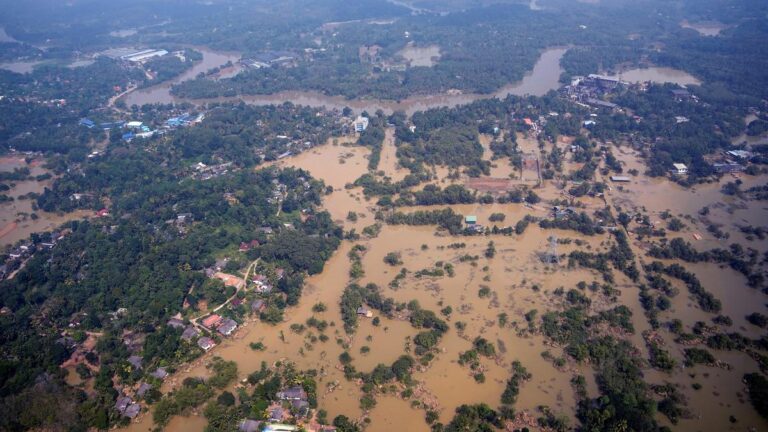
Labour Minister and Finance and Planning Deputy Minister Dr. Anil Jayantha Fernando says the ‘Rebuilding Sri Lanka’ Fund has received Rs. 10 billion in local and foreign donations for Cyclone Ditwah relief efforts, dismissing allegations regarding the management of the funds.

Speaking yesterday, Dr. Fernando said the donations are being securely maintained in Treasury-controlled bank accounts under the Deputy Secretary to the Treasury and have not yet been utilized.

“The Opposition should not mislead the public by spreading false information. The Government is responsible for every rupee in these accounts, and the funds will be used strictly for their intended relief purposes,” he said.

According to the Deputy Minister, the Rebuilding Sri Lanka programme was launched to support recovery from the devastating impact of Cyclone Ditwah and forms part of a broader Rs. 500 billion national recovery plan aimed at providing relief, rebuilding homes, restoring livelihoods, and rehabilitating damaged infrastructure.

He said the fund has received contributions from Sri Lankan expatriates, local businesses, and international donors, accumulating Rs. 10 billion to date.

Dr. Fernando noted that the Cabinet had approved the establishment of the Rebuilding Sri Lanka Fund as a statutory mechanism operating under the Presidential Secretariat. The fund is managed by a committee chaired by the Deputy Minister, while a Presidential Task Force led by Prime Minister Dr. Harini Amarasuriya oversees coordination and transparency in the distribution of assistance.

The recovery programme includes the construction of new homes for displaced families, compensation for partially damaged houses, stabilisation of landslide-prone areas, rehabilitation of agricultural land, and the restoration of roads, irrigation systems, and other public infrastructure.

He further stated that the Auditor General’s Department oversees the dedicated Treasury account and monitors all future expenditure related to the programme.

“The allegation that the Rebuilding Sri Lanka funds were misappropriated or unaudited is completely incorrect. The Auditor General’s Department has confirmed that not a single cent of the donated money has been spent. The funds remain fully secured in official Treasury accounts,” he said.

Dr. Fernando added that although Rs. 200 billion of the overall Rs. 500 billion relief allocation has been utilized for direct relief measures, the donated funds remain untouched. He assured that Parliament and relevant institutions will be provided with detailed reports on the future allocation and auditing of the funds.

“The Government remains committed to transparency and financial discipline and will clearly disclose how these funds are distributed and audited going forward,” he said.

Sri Lanka’s Official Reserves Rise to USD 6.87 Billion in May

0

Sri Lanka’s official reserve assets increased by 1.6% in May 2026, reaching USD 6.873 billion, according to the latest data released by the Central Bank of Sri Lanka (CBSL).

The reserves rose by USD 107 million from USD 6.766 billion recorded at the end of April 2026, indicating a continued improvement in the country’s external financial position.

The CBSL noted that the official reserve assets figure includes proceeds received under the swap arrangement with the People’s Bank of China (PBOC).

The increase in reserves comes amid ongoing efforts to strengthen Sri Lanka’s external sector and maintain adequate foreign exchange buffers as the country continues its economic recovery programme.

Govt. Targets Common Preschool Curriculum by 2027: PM Harini

0

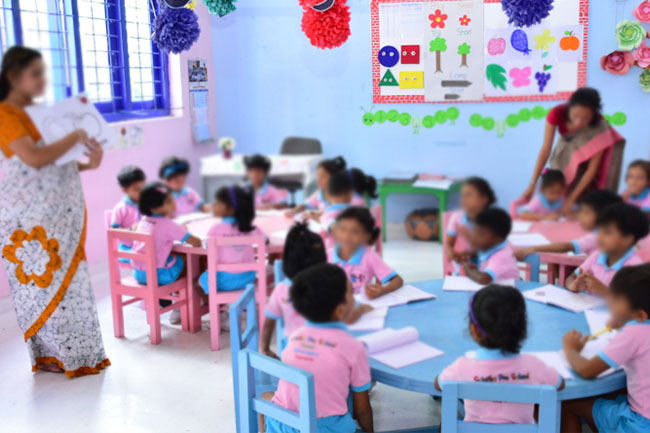
Prime Minister and Minister of Education, Higher Education and Vocational Education Dr. Harini Amarasuriya says the government is committed to strengthening early childhood education, describing preschool education as the most critical stage in shaping a child’s future learning journey.

She made these remarks while attending a certificate awarding ceremony for graduates of the 2023/2024 Preschool Teacher Training Diploma Programme at the North Western Provincial Council Auditorium in Kurunegala during an education inspection tour of the district, according to the Prime Minister’s Office.

The diploma ceremony was jointly organised by the Early Childhood Education Development Authority and the North Western Provincial Council. The North Western Preschool Teacher Training College, one of Sri Lanka’s leading state institutions for preschool teacher training, conducted the programme.

Addressing the newly qualified teachers, the Prime Minister said the government is working with the National Education Commission, the Ministry of Women and Child Affairs, and the Ministry of Education to establish policy frameworks, teacher training standards, and regulatory mechanisms to improve the quality and oversight of early childhood education across the country.

“We are planning to establish stability in early childhood education over the next few years. Through these efforts, we expect to introduce a common curriculum for preschools across the country by 2027,” she said.

Dr. Amarasuriya also noted that arrangements are being made to recommence preschool teacher training programmes this year and stressed the importance of proper supervision and monitoring of preschool education initiatives in all provinces.

Highlighting the purpose of preschool education, the Prime Minister said it should focus on preparing children for primary education by developing age-appropriate skills, including motor and social skills, rather than placing unnecessary academic pressure on young children.

“As parents and adults, it is our responsibility to create opportunities for children to develop knowledge and social skills in ways that are suitable for their age. Preschool teachers have a vital role in helping society understand the true objectives of early childhood education,” she said.

The event also included presentations outlining the government’s policy direction on early childhood development and education.

COPF Reviews 2026 Audit Programme, Raises Concerns Over Samurdhi Bank Audits and Cyber Security

0

Officials led by Auditor General Samudika Jayaratne briefed the Committee on Public Finance (COPF) on the progress of the National Audit Office’s Annual Programme for 2026 during a recent committee meeting.

According to a statement issued following the meeting, the Committee reviewed several key issues, including the auditing of Samurdhi Banks, cyber security-related audit capacity, and the financial administration of the “Rebuilding Sri Lanka” programme.

During discussions on Samurdhi Bank audits, officials informed the Committee that audits for the years 2023 and 2024 must be completed before the audit for 2025 can proceed. However, the procurement process required to outsource these audits to external parties has not yet been finalized.

While initial assessments suggested that around 300 officers would be needed to conduct the audits, Auditor General Jayaratne stated that recruiting 200 officers over the next one and a half years would be sufficient to meet the requirement.

Officials also highlighted the lack of a dedicated audit framework for Samurdhi Banks and related societies. In response, the COPF Chair recommended conducting a comprehensive study and submitting a proposed audit framework for the Committee’s consideration.

The Committee further reviewed matters relating to cyber security and the National Audit Office’s audit capabilities. Officials noted that the department currently lacks in-house information technology specialists, resulting in system audits being carried out by external auditors.

In addition, COPF examined the account maintained for the government’s “Rebuilding Sri Lanka” programme. Officials from the National Audit Office informed members that no statutory fund currently exists under the name “Rebuilding Sri Lanka” and that the programme is being operated through an account maintained by the Deputy Secretary to the Treasury.

They further confirmed that no payments have been made through the account to date, according to the statement.