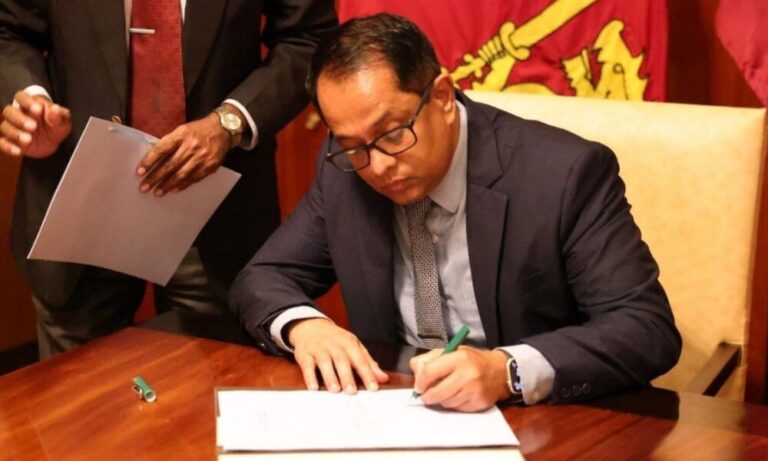
September 23, Colombo (LNW): Speaker Dr Jagath Wickramaratne has formally endorsed the National Audit (Amendment) Bill, enacting it as Act No. 19 of 2025.
Initially tabled before Parliament on July 08, the Bill underwent deliberation and revisions before receiving legislative approval on September 11.
The newly enacted law introduces several notable provisions aimed at strengthening institutional mechanisms for detecting and addressing financial misconduct within the public sector.
Among the most consequential updates is the expanded authority granted to the Auditor General. Under the new legislation, the Auditor General is now empowered to directly initiate complaints with law enforcement bodies in cases where audits reveal evidence of corruption, misappropriation, or other forms of financial malpractice.
National Audit Amendment Becomes Law, Expands Powers of Auditor General
Singapore Shipping Firm Rejects Billion-Dollar Payout Over Sri Lanka Maritime Disaster
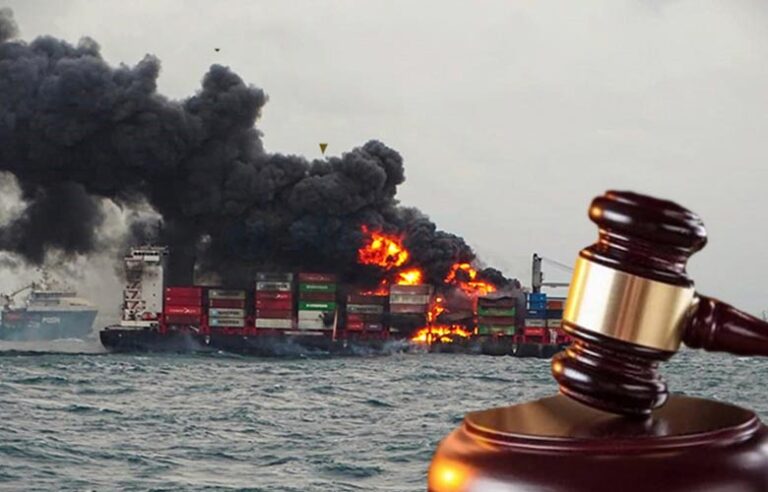
September 23, Colombo (LNW): A Singapore-based shipping company has publicly refused to comply with a Sri Lankan Supreme Court ruling ordering it to pay US$1 billion in environmental damages, following one of the most catastrophic maritime pollution incidents in the island nation’s history.
In a statement made during a recent interview, Shmuel Yoskovitz, the Chief Executive Officer of X-Press Feeders, strongly opposed the court’s decision, arguing that adhering to the judgement could have far-reaching repercussions for the global shipping industry.
He warned that complying with the ruling could “set a dangerous precedent” for international maritime operators, potentially exposing them to disproportionate liability in future incidents.
The dispute stems from the sinking of the MV X-Press Pearl, a cargo vessel owned by X-Press Feeders, which caught fire and sank off the coast of Colombo in June 2021. The blaze, which lasted for nearly two weeks, was reportedly triggered by a leak of nitric acid among its hazardous cargo.
At the time, the vessel was transporting 81 containers carrying dangerous materials, including corrosive substances, lead ingots, and hundreds of tonnes of plastic pellets.
The ship’s operators had allegedly been denied entry by multiple ports, including in Qatar and India, where they had sought permission to offload the leaking container before arriving in Sri Lankan waters. The refusal left the vessel adrift with its hazardous contents until the situation deteriorated, culminating in a major fire and eventual sinking just off Sri Lanka’s western coastline.
The environmental consequences were swift and severe. Massive quantities of plastic micro-pellets—commonly known as nurdles—were released into the sea, blanketing an 80-kilometre stretch of coastline. Marine ecosystems suffered significant disruption, and the country’s fishing industry was brought to a halt, with fishing bans imposed across large swathes of the coast for several months.
The clean-up effort has since become one of the most costly and logistically complex environmental operations Sri Lanka has ever undertaken.
In July this year, Sri Lanka’s highest court ordered X-Press Feeders to pay an initial sum of US$1 billion in compensation, with the first instalment of US$250 million due by Tuesday. The ruling was intended as part of a broader effort to ensure corporate accountability and environmental justice.
However, the shipping firm has now made it clear that it does not intend to honour the court’s decision. The company has not yet detailed what legal steps, if any, it will take to challenge the ruling, but its stance sets the stage for a possible international legal and diplomatic confrontation.
Veteran Sri Lankan Actor Nalin Pradeep Passes Away at 56
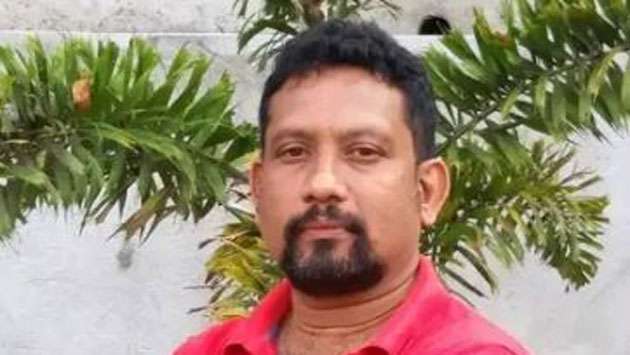
September 23, Colombo (LNW): Renowned Sri Lankan tele-drama actor Nalin Pradeep passed away early this morning at the age of 56 whilst undergoing treatment at the Apeksha Hospital in Maharagama, according to family sources.
A widely respected figure in Sri Lanka’s performing arts community, Nalin Pradeep carved out a distinguished career across theatre, cinema, and television, whilst also making his mark in the political arena.
Born on March 20, 1969 as Udawela Lekumlage Nalin Pradeep Udawela, he became a household name through a combination of artistic talent, social engagement, and a deep connection with audiences from all walks of life.
His entry into the world of cinema came in 1998 with Julietge Bhumikawa, a film directed by the late Jackson Anthony. From there, he built a successful career in film, appearing in a string of acclaimed productions such as Tharaka Mal, Parawarthana, and Asai Man Piyabanna.
His nuanced performances and ability to inhabit complex characters won him widespread appreciation from critics and viewers alike.
Equally prominent in the theatre world, Nalin Pradeep earned accolades for his roles in a range of stage productions that left an enduring impression on Sri Lanka’s cultural landscape. Among the most memorable were Kelani Palama, Juriya, Mee Harak, Mandela Mandela, Sewaneli Eda Minissu, New Hunuwataye Kathawa, and Suddek Oba Amathai—works that not only entertained but often held a mirror to society’s deepest issues.
On television, his presence was equally powerful. He brought life to a variety of roles in well-loved series such as Aparna, Batti, Akuru Maki Na, Diya Ginisilu, Api Apa Athara, Ehipillamak Yata, and Chakrandi, becoming a familiar and trusted figure in households across the nation.
CEB Employees’ Leave Suspended Indefinitely Amid Declaration of Essential Services
September 23, Colombo (LNW): All forms of leave granted to staff members of the Ceylon Electricity Board (CEB) have been suspended with immediate effect, following a directive issued by the utility’s General Manager.
This measure comes in the wake of a government decision to designate electricity-related services as essential to the functioning of the country.
The suspension follows a proclamation by President Anura Kumara Dissanayake, who on Sunday (21), issued an Extraordinary Gazette formally declaring all operations tied to the generation, transmission, and distribution of electricity as essential public services.
This legal directive extends to services provided not only by the CEB, but also by any government agency, local authority, state-owned enterprise, or co-operative society involved in the electricity supply chain.
The President’s decision was reportedly driven by concerns that ongoing or potential disruptions in the electricity sector could seriously hinder public life and national stability. The Gazette notification specifically cited the likelihood of interruptions or obstacles to these services, necessitating urgent preventive action.
By declaring electricity provision an essential service, the government now holds the authority to impose stricter regulations on the sector, including constraints on industrial action and worker absences.
Showers to continue in many districts: Fairly strong winds expected (Sep 23)

September 23, Colombo (LNW): Showers will occur at times in Western and Sabaragamuwa provinces and in Galle, Matara, Kandy and Nuwara-Eliya districts, the Department of Meteorology said in its daily weather forecast today (23).
A few showers may occur in North-western province.
Showers or thundershowers are likely at a few places in Uva province and in Ampara and Batticaloa districts after 2.00 p.m.
Fairly strong winds of about (30-40) kmph can be expected at times over Western slopes of the central hills and in Central, Northern, North-central and North-western provinces and in Trincomalee and Hambantota districts.
The general public is kindly requested to take adequate precautions to minimise damages caused by lightning and temporary localised strong winds during thundershowers.
Marine Weather:
Condition of Rain:
Showers are likely at a few places in the sea areas off the coast extending from Puttalam to Matara via Colombo and Galle.
Winds:
Winds will be south-westerly and wind speed will be (30-40) kmph.
Wind speed can increase up to (50-60) kmph at times in the sea areas off the coast extending from Galle to Pottuvil via Matara and Hambantota and from Chilaw to Kankasanthurai via Mannar.
Wind speed can increase up to 50 kmph at times in the sea areas off the coast extending from Chilaw to Galle via Colombo and from Kankasanthurai to Trincomalee.
State of Sea:
The sea areas off the coast extending from Galle to Pottuvil via Matara and Hambantota and from Chilaw to Kankasanthurai via Mannar will be rough at times.
The sea areas off the coast extending from Chilaw to Galle via Colombo and from Kankasanthurai to Trincomalee may be fairly rough at times.
The wave height may increase about (2.5 – 3.0) m in the sea areas off the coast extending from Negombo to Pottuvil via, Galle, Matara and Hambantota (this is not for land area).
Naval and fishing communities are requested to be vigilant in this regard.
Anura’s 1 year Performance: More Rhetoric than Relief
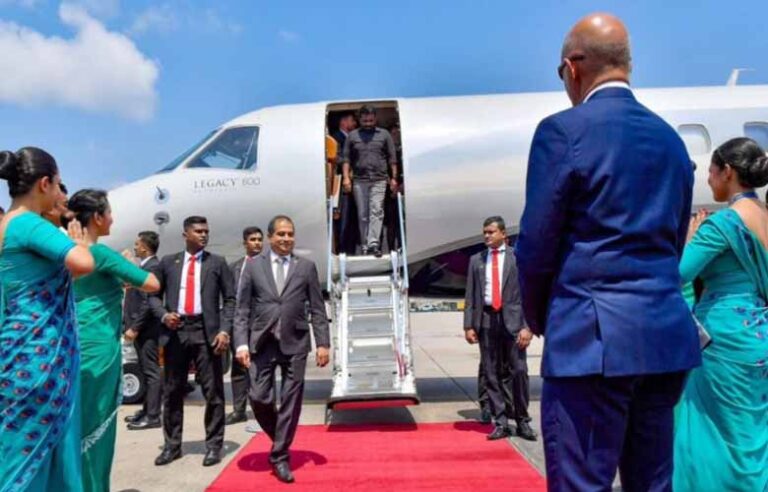
By Adolf
One year into Anura’s leadership, the gap between fiery rhetoric and tangible results is becoming impossible to ignore. The language of transformation has been loud, passionate, and relentless. But for ordinary citizens struggling to put food on the table, pay their bills, and secure their children’s future, little has changed. The promises of renewal and justice have been eclipsed by political theatre, selective interventions, and a tendency to substitute words for action.
The Illusion of Change
From the outset, Anura positioned himself as the voice of the people — an outsider ready to sweep away corruption, defend the marginalised, and reclaim dignity for the nation. Yet his performance has largely remained in the realm of performance. Symbolic speeches in Parliament, bold accusations, and sharp one-liners dominate the headlines. But when it comes to turning slogans into policies that ease the burden of everyday life, the record is thin.
Economic Struggles Unrelieved
For the working poor and the squeezed middle class, survival remains a daily battle. Food prices are high, utility bills are punishing, and opportunities for stable employment are scarce. Instead of structural reforms or practical measures to ease hardship, citizens are offered rhetoric about systemic change that never seems to materialise. The masses were promised relief from decades of mismanagement. What they have received instead is another round of political speeches, as though language alone could fill empty stomachs.
Selective Justice
Anura built his campaign on the promise of justice — that corrupt politicians and business cronies would finally be held accountable. But justice, when delivered selectively, loses its moral force. High-profile names are attacked loudly, while many others continue their business as usual. The public sees through this inconsistency. What was supposed to be a break from old practices increasingly looks like the same game in a different jersey, dressed up in the language of revolution.
Fear and Freedom in Question
Anura’s camp insists that fear has been banished and that people now live in freedom. Yet activists, journalists, and critics continue to feel pressure when they question his government’s choices. Dissent is tolerated only when it is convenient; otherwise, it is branded as obstruction or betrayal. True freedom is not measured by the volume of applause at rallies but by the safety of those who dare to disagree. By that standard, much remains unchanged.
Rhetoric vs. Reality in Reconciliation
One of Anura’s most repeated promises has been to heal ethnic divisions and build unity. But reconciliation requires more than slogans about equality. It demands policies, institutions, and investments that create real equity across communities. Minority groups remain sceptical, and with good reason: the soaring words of inclusivity have not translated into meaningful reforms. Unity cannot be declared into existence; it must be built, and that work has barely begun.
A Cult of Personality
Perhaps most troubling is the emerging tendency to frame Anura himself as the embodiment of hope — a humble leader close to the people, immune from the trappings of power. But placing faith in a single personality risks repeating the very cycles of unaccountable leadership the country has suffered for decades. Real change lies in systems and institutions, not in individuals who claim to stand above them.
Conclusion
Anura’s first year has been long on rhetoric and short on results. The masses, who pinned their hopes on relief, justice, and opportunity, are left disappointed. The speeches may inspire, but speeches do not feed families, create jobs, or heal communities. Unless rhetoric is quickly matched by real benefits for the people, Anura’s tenure may go down not as a turning point for the nation but as yet another lost opportunity, dressed up in revolutionary language and a political witch-hunt .
One Year On: UK-based Sri Lankans Celebrate People’s Government Anniversary with Unity and Pride
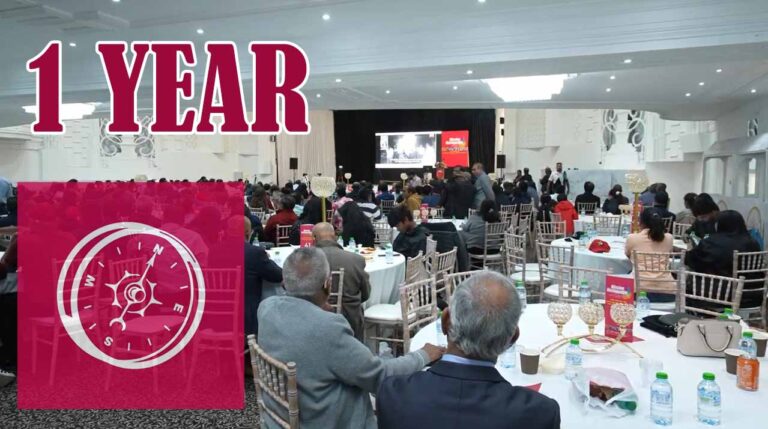
A historic gathering in London marks the first anniversary of Sri Lanka’s National People’s Power government
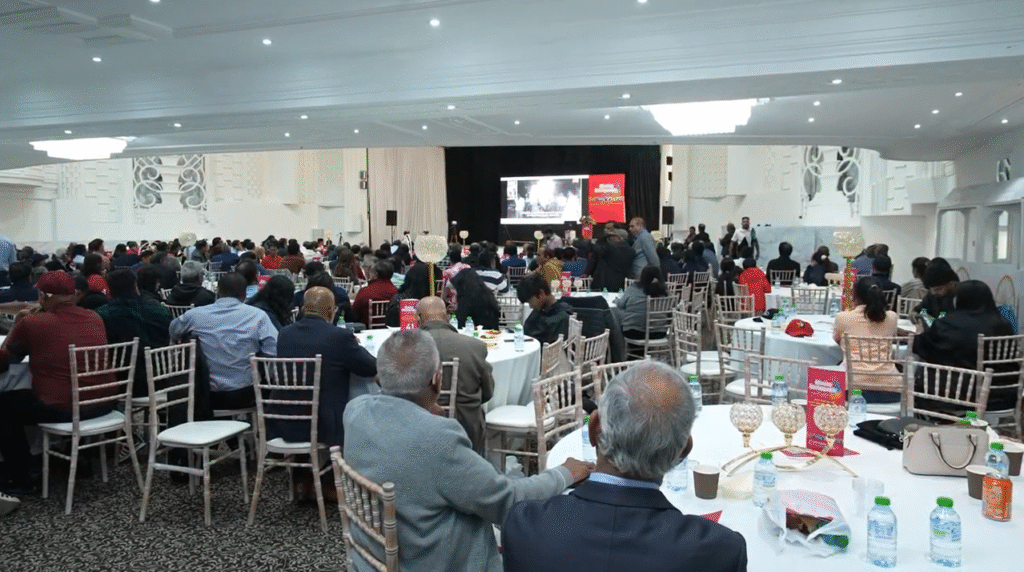
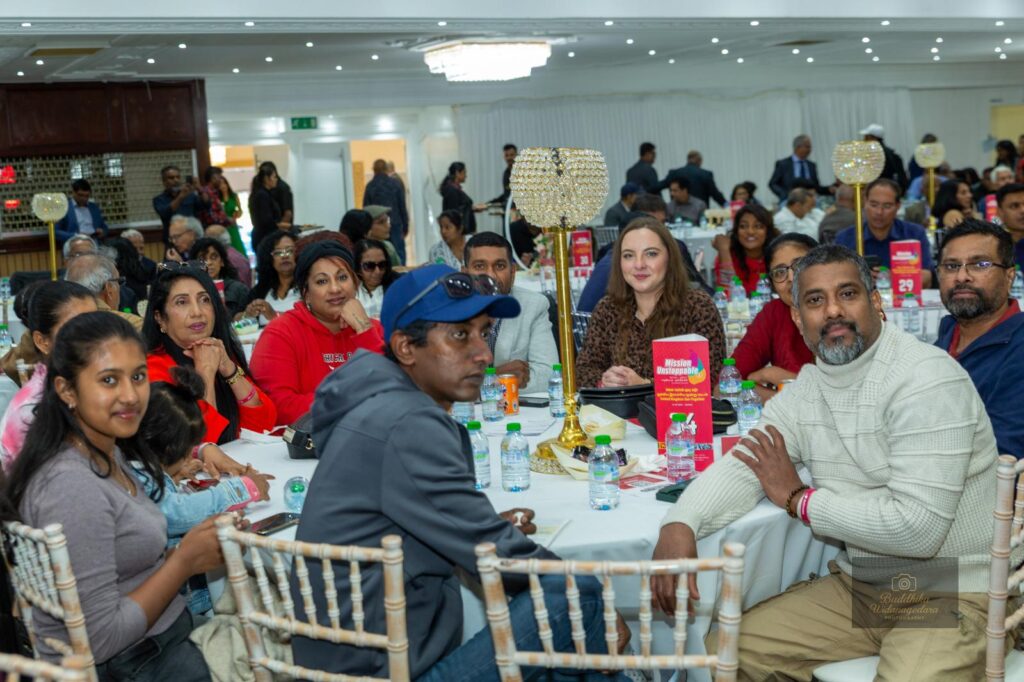
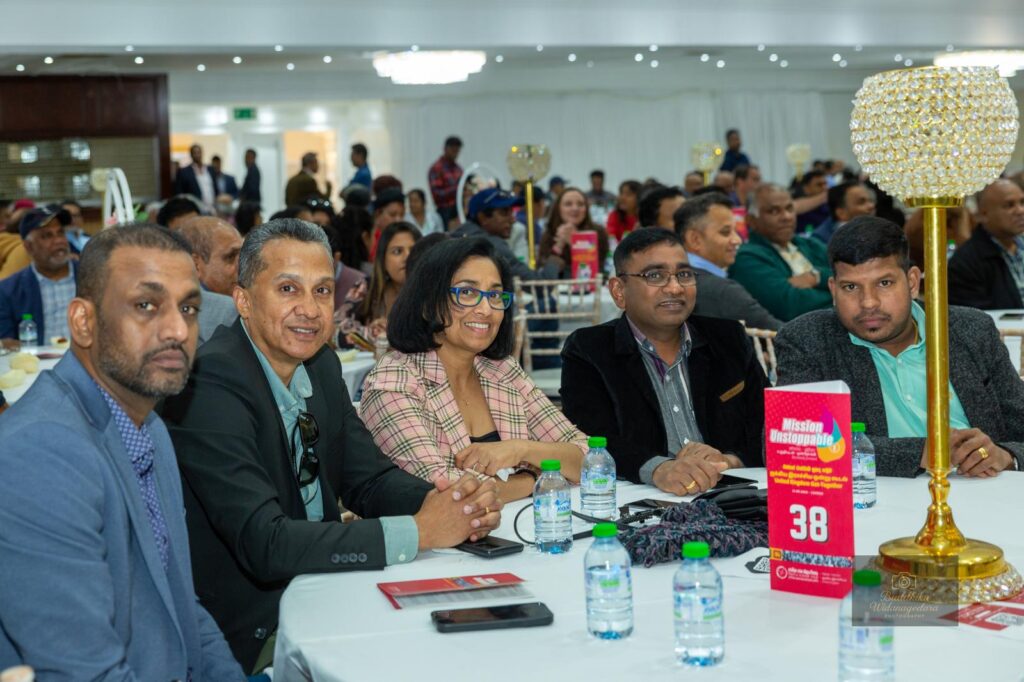
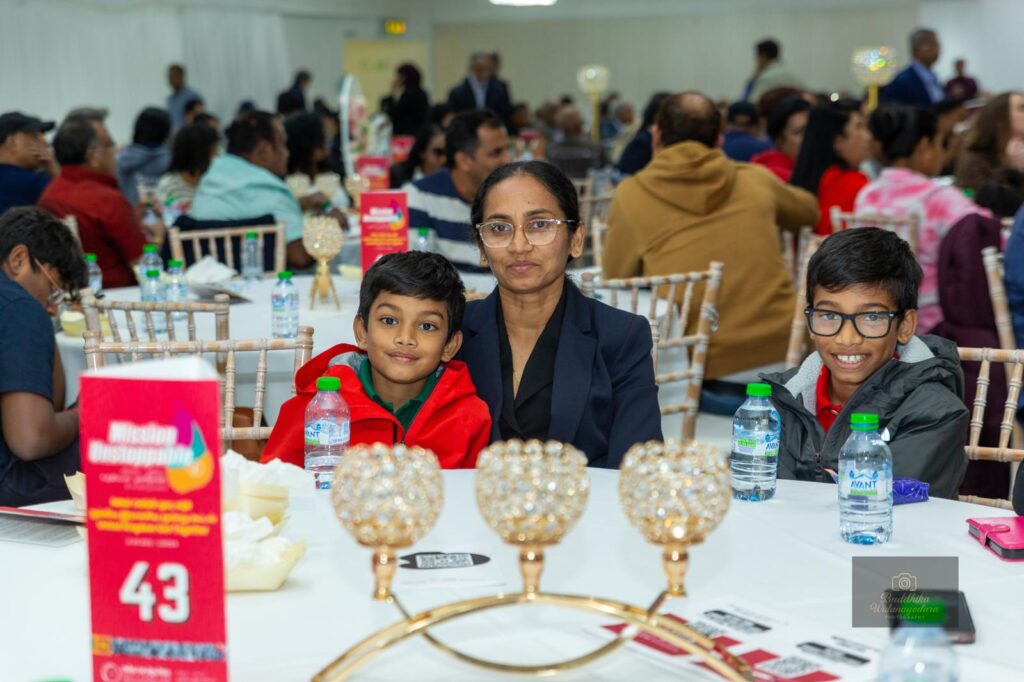
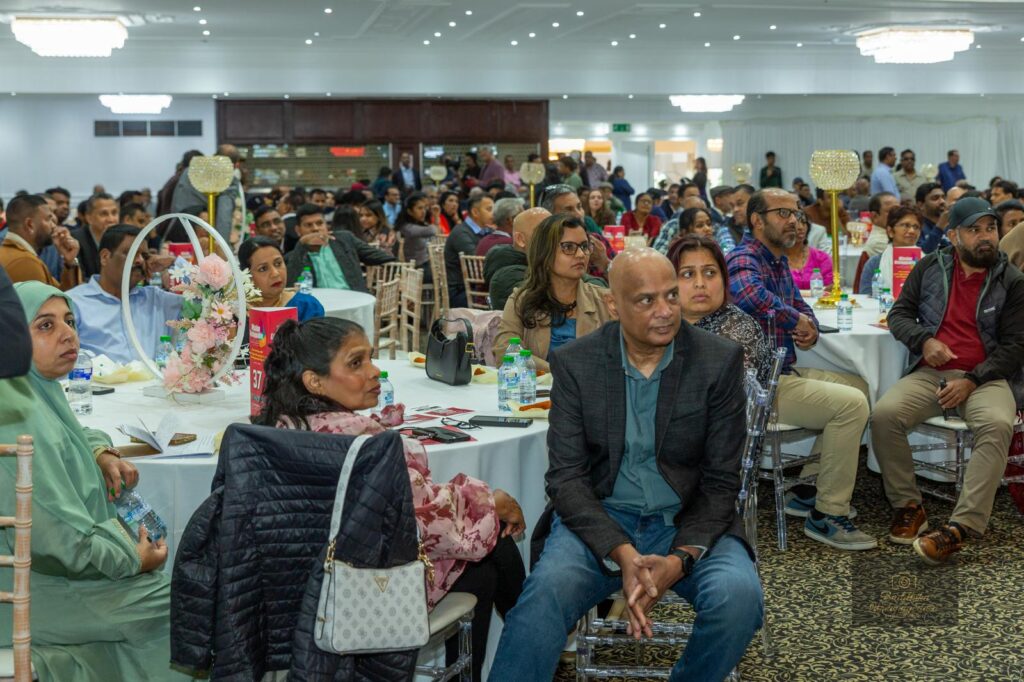
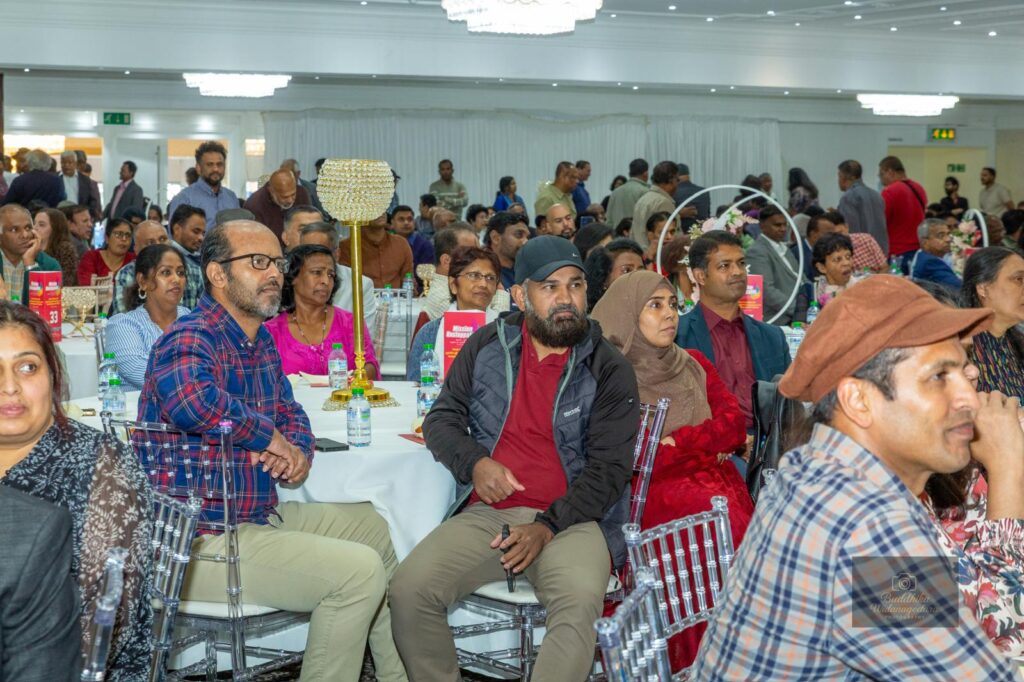
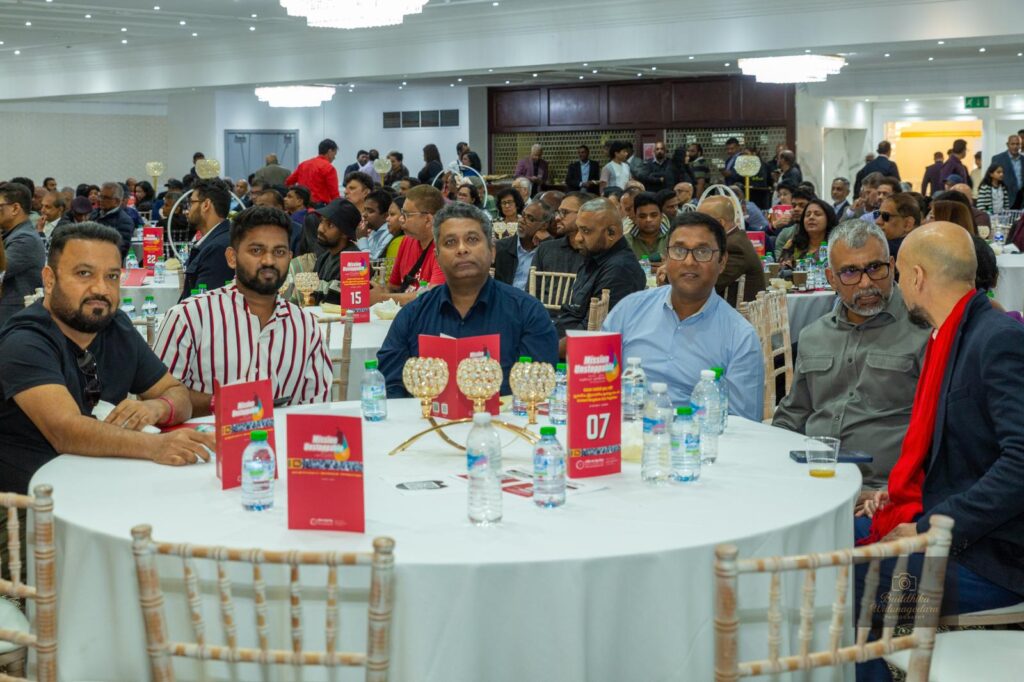
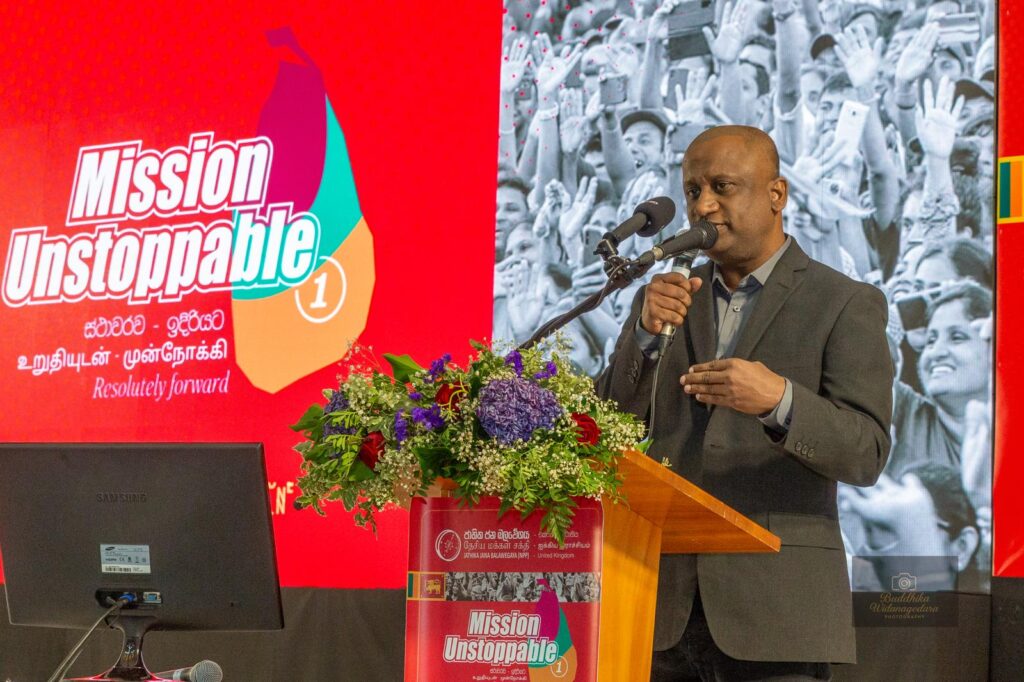
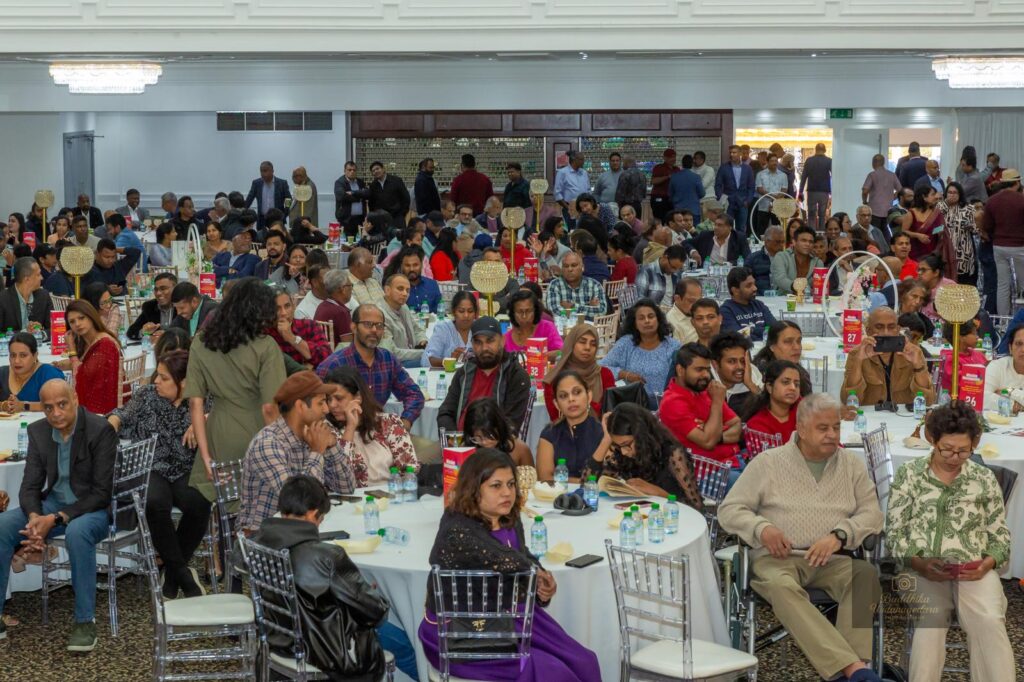
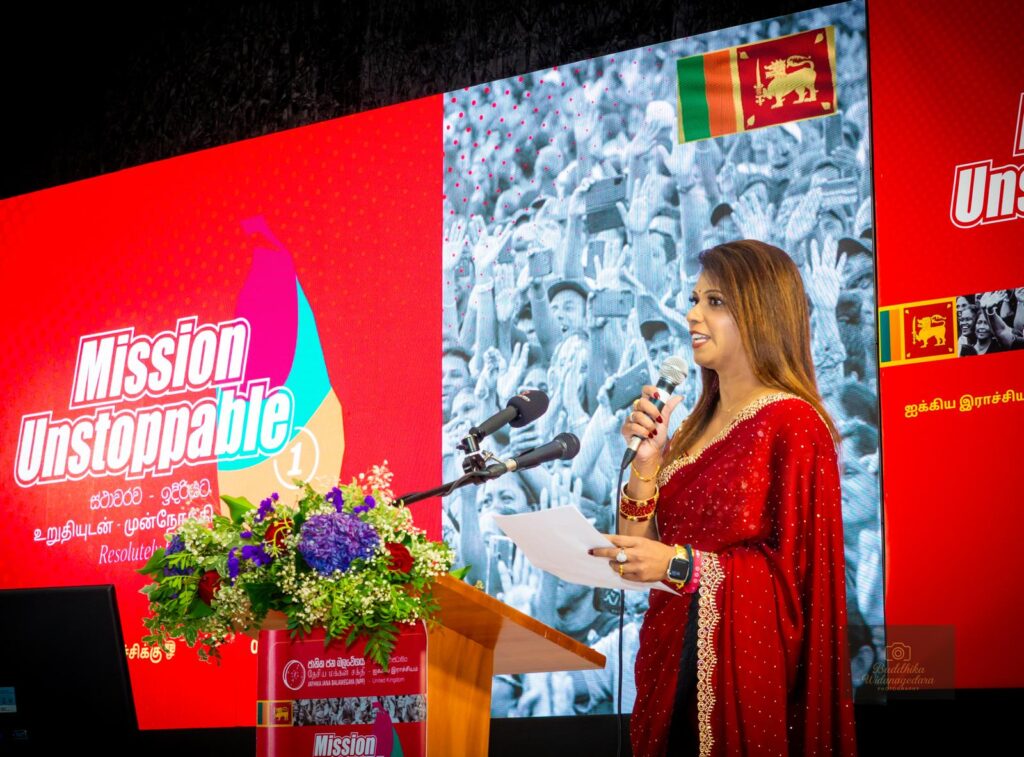
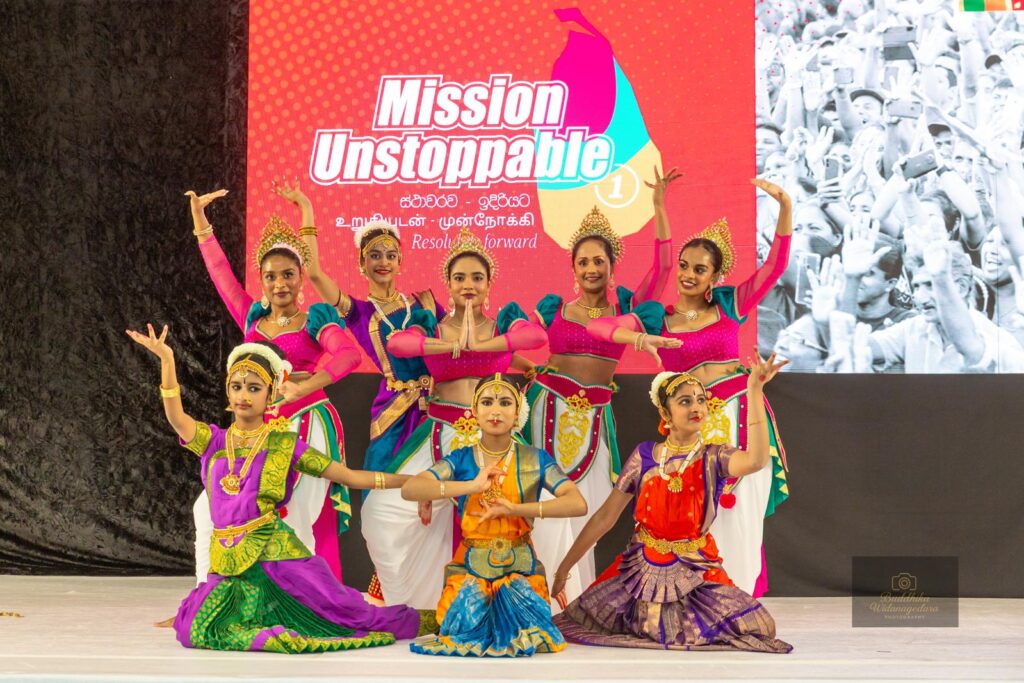
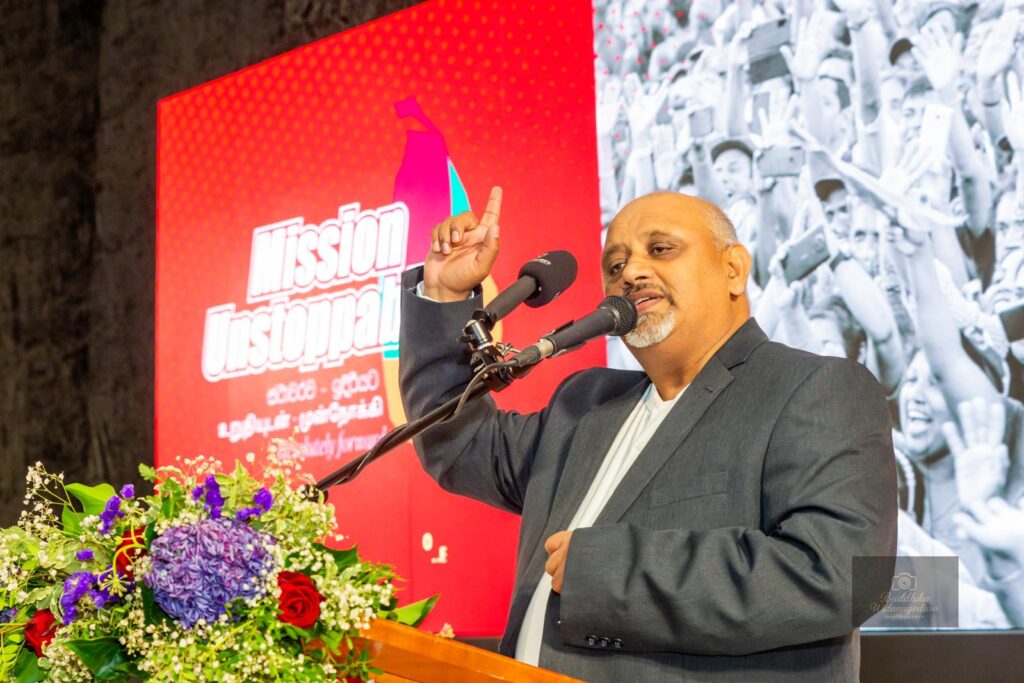
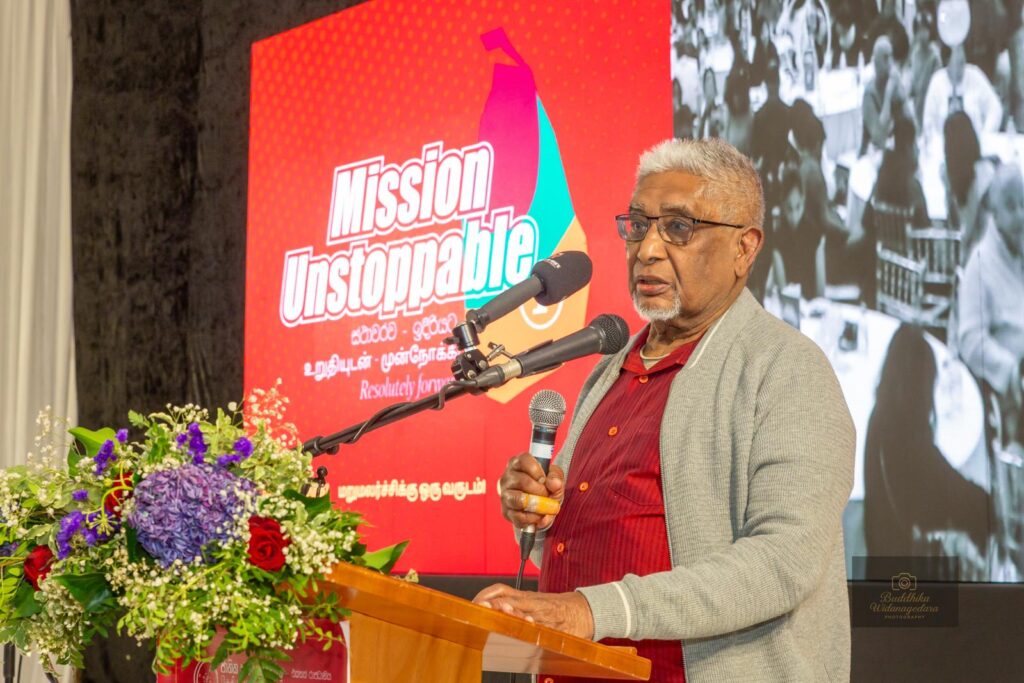
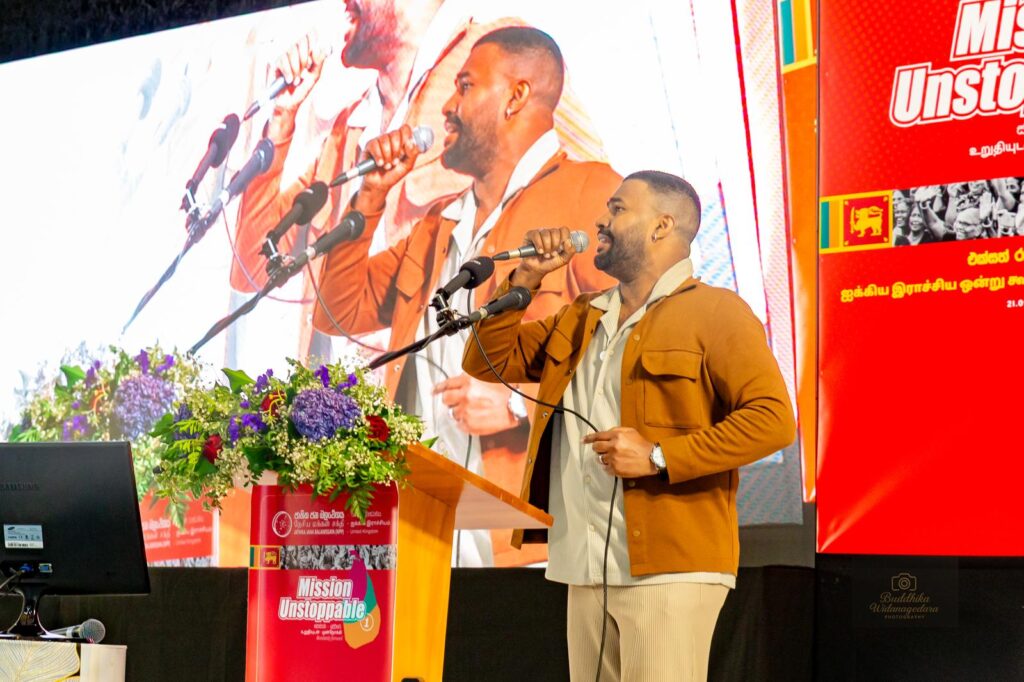
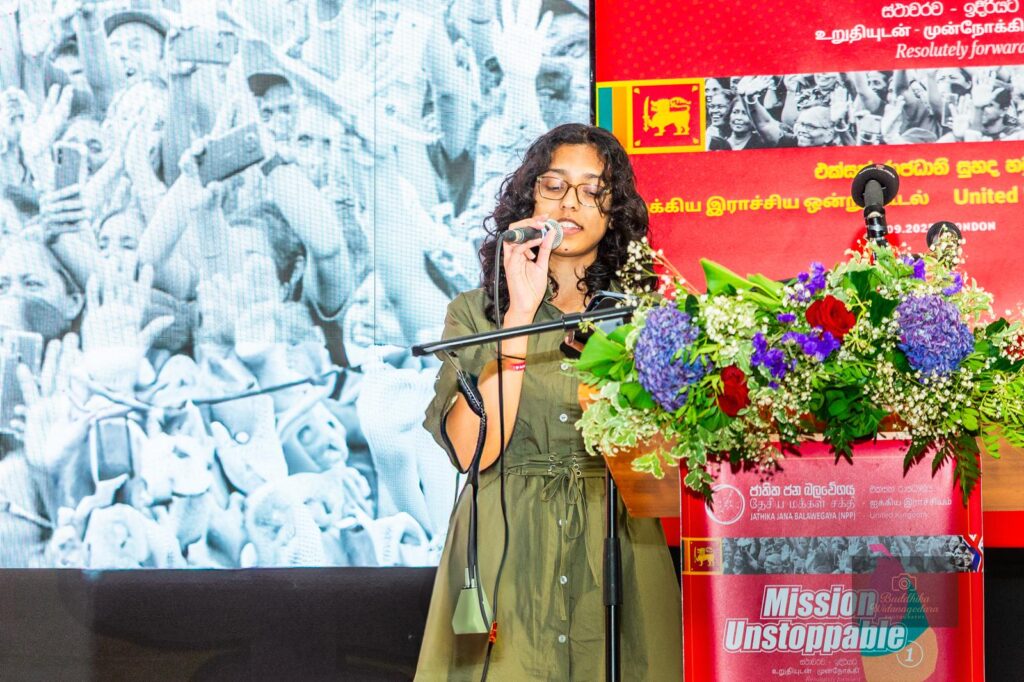
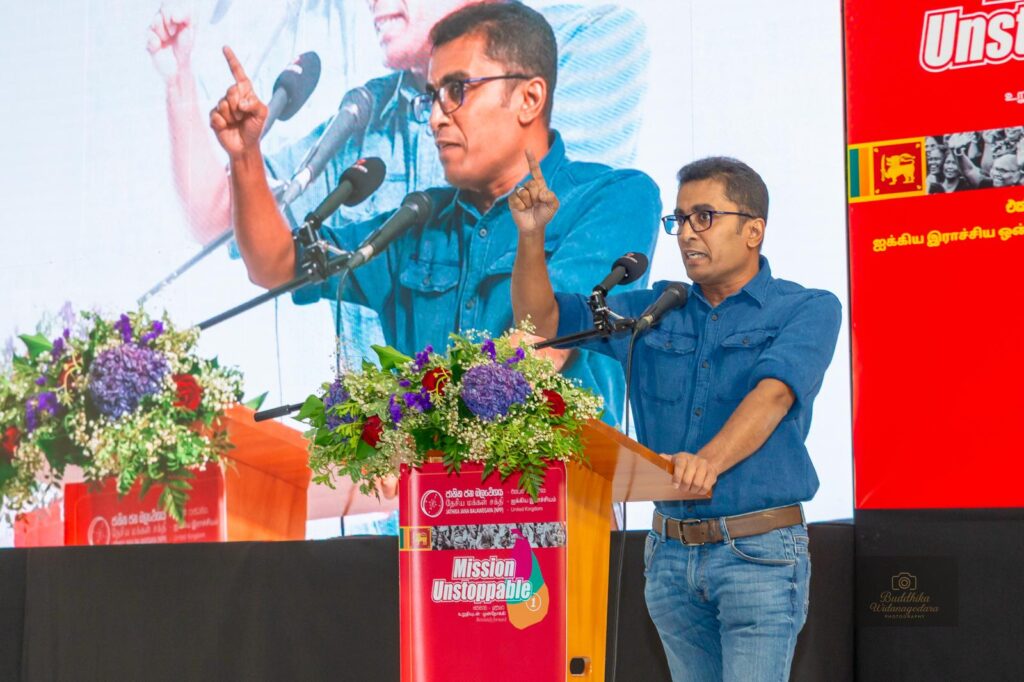
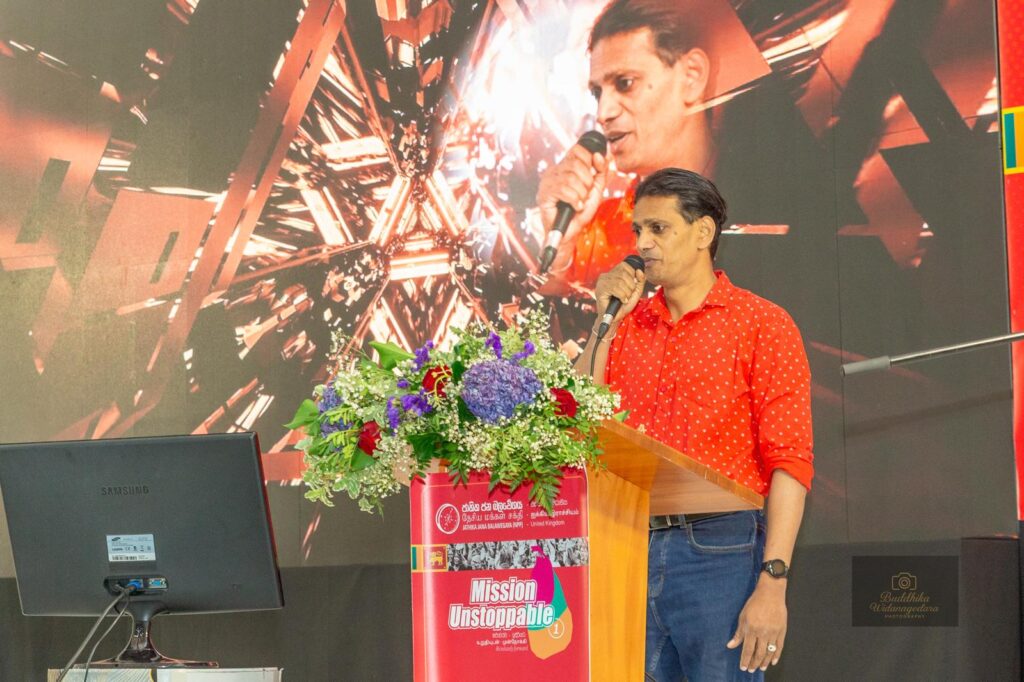
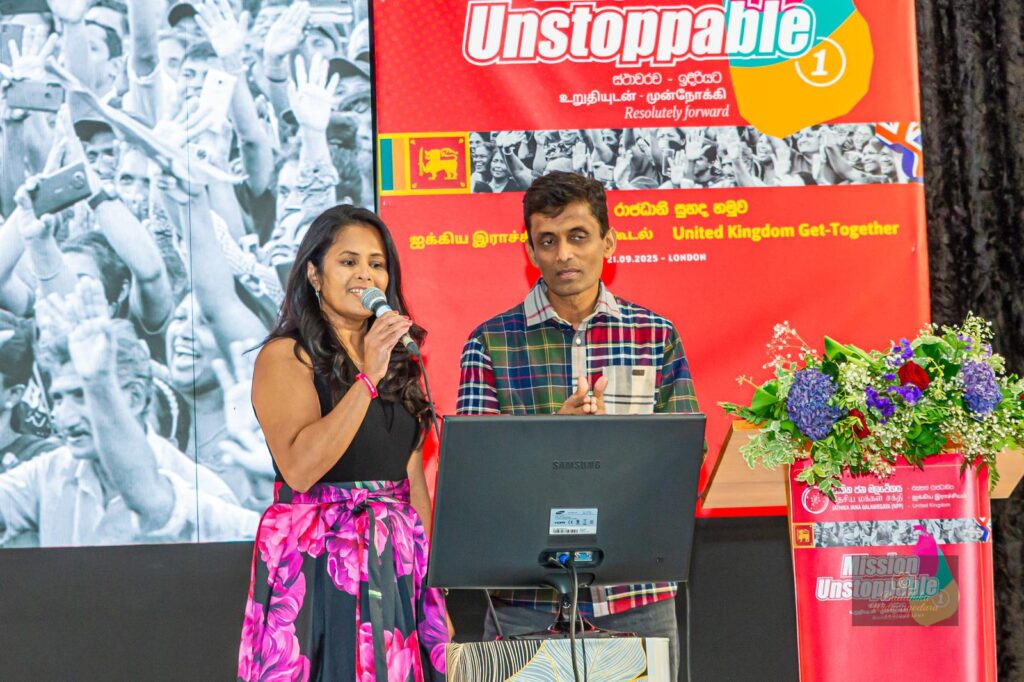
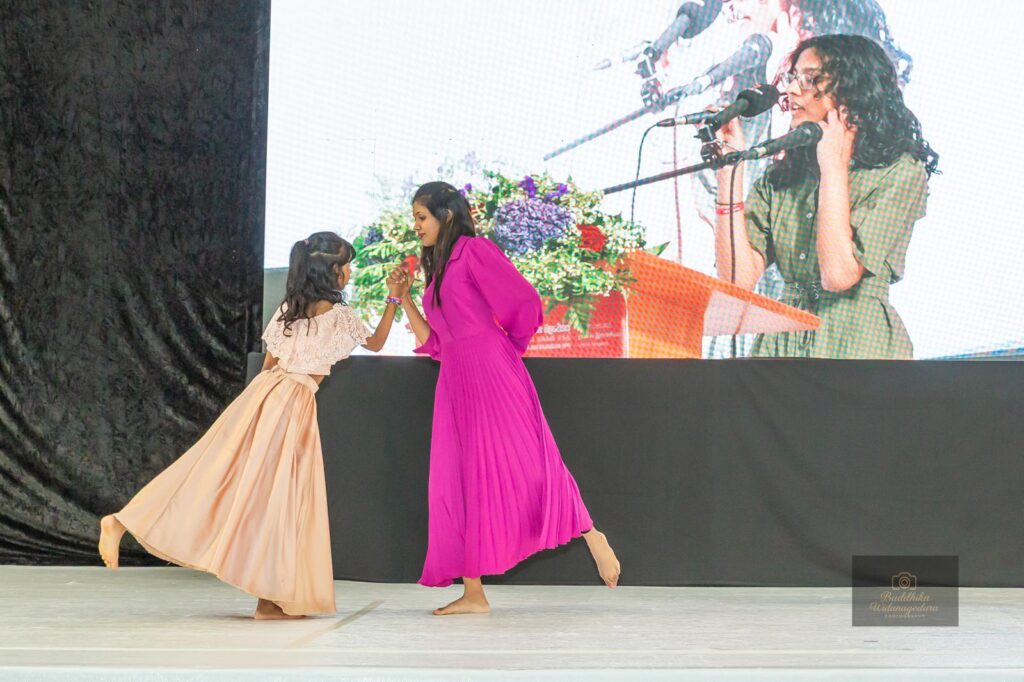
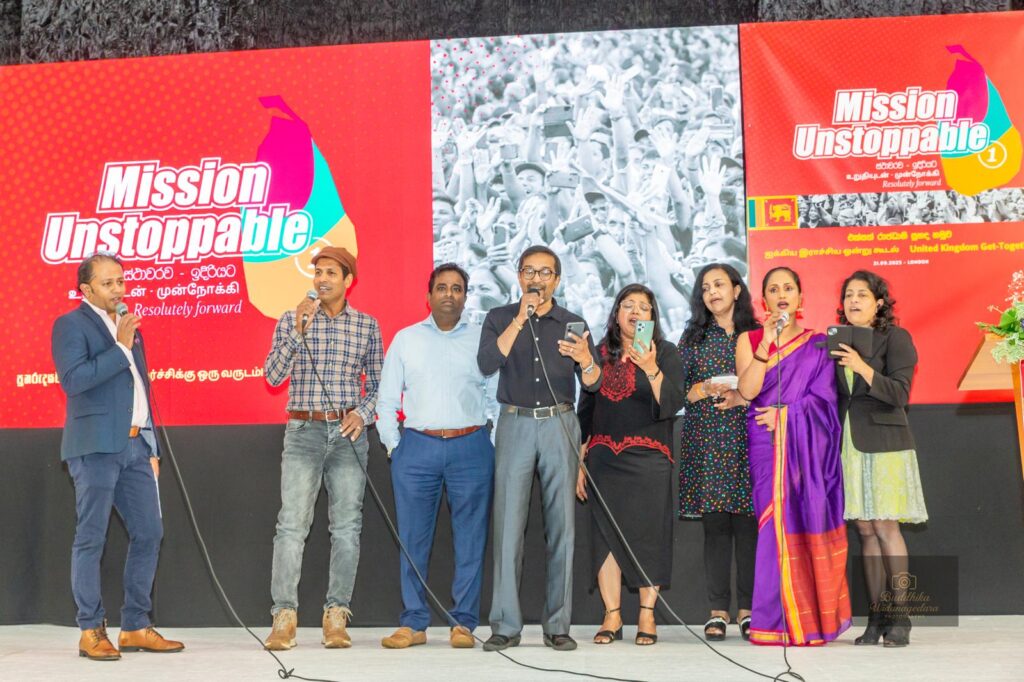
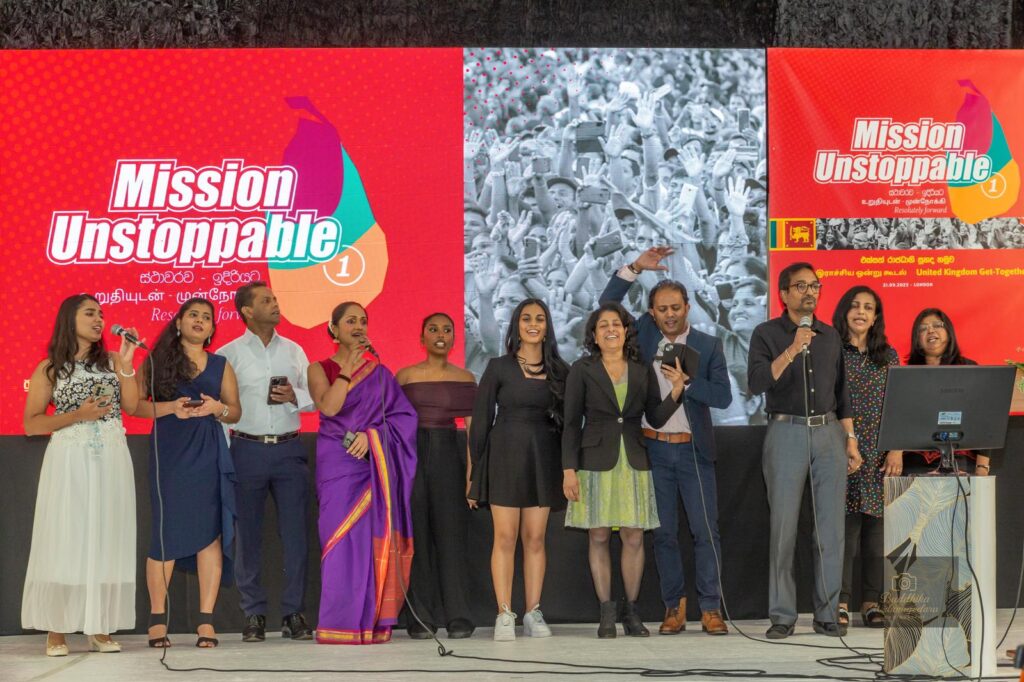
September 22, London (LNW): On 21 September, a diverse crowd of Sri Lankans from across the United Kingdom came together in jubilant celebration to mark the first anniversary of the National People’s Power (NPP) government.
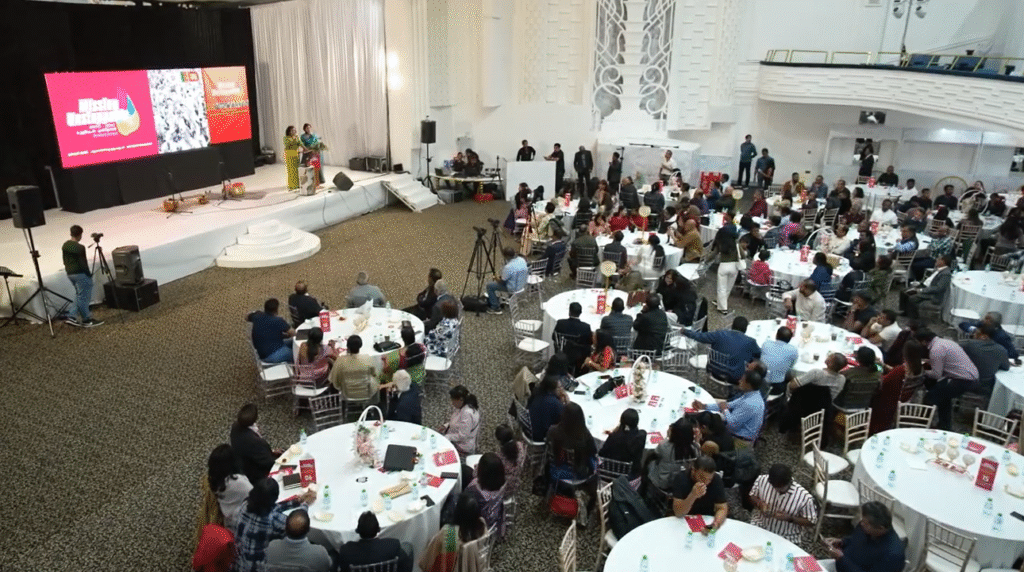
The event, which brought together Sinhalese, Tamil and Muslim communities, took place at the Crystal Grand Hall in Slough—a venue of particular significance, as it was the very hall where NPP presidential candidate Anura Kumara Dissanayake addressed the British Sri Lankan diaspora in 2024.
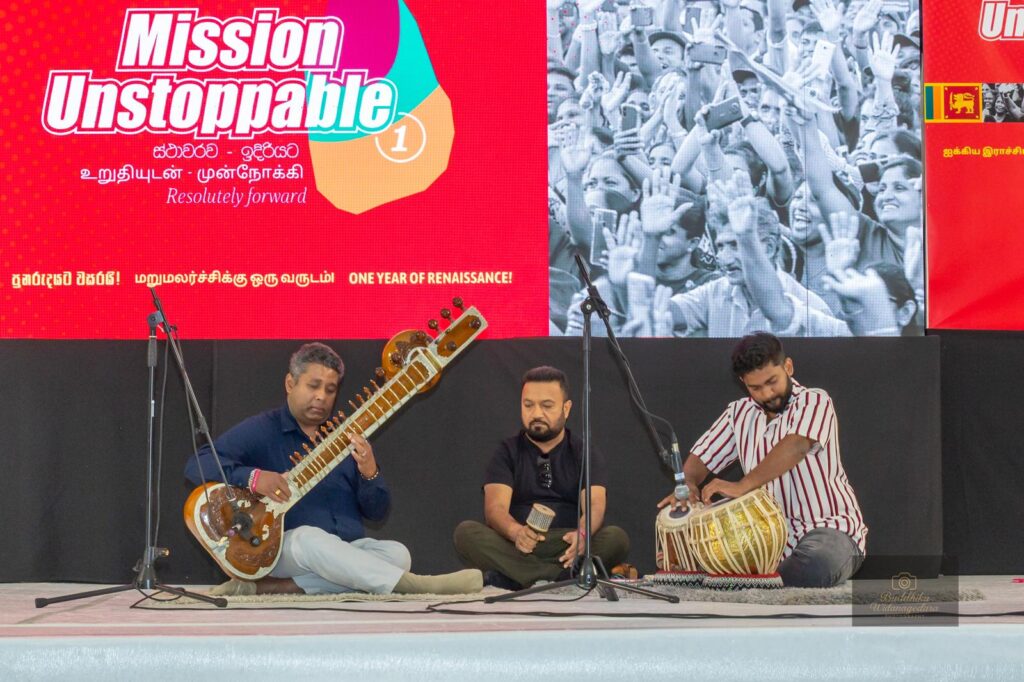
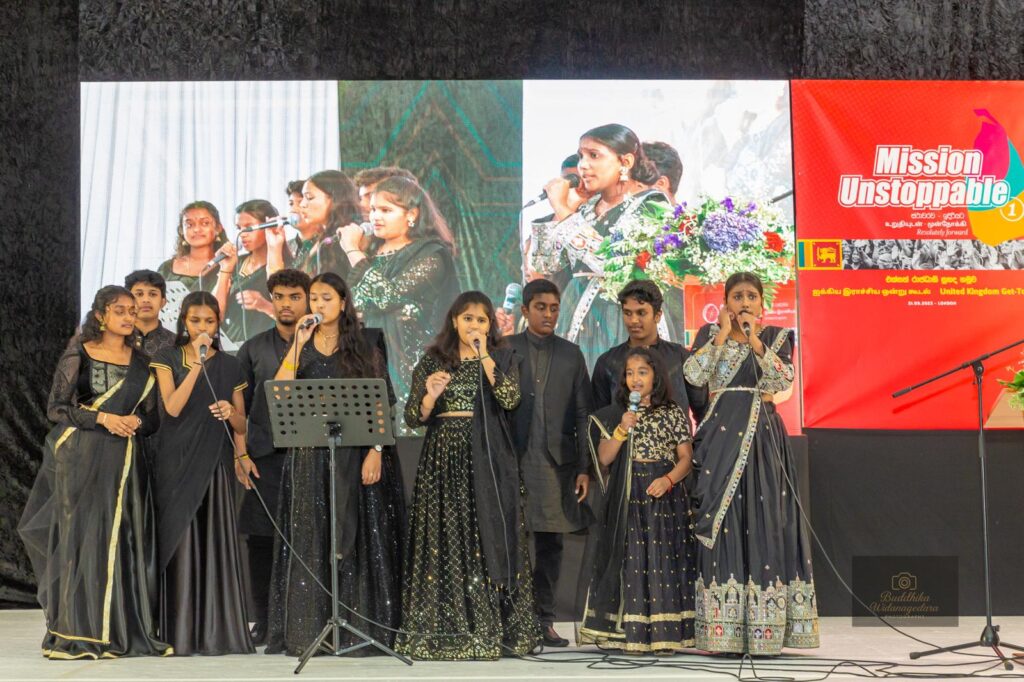
The gathering was notable not only for its size but also for its spirit of solidarity. It was the largest multi-ethnic congregation of Sri Lankans in the UK since Comrade Anura Kumara Dissanayake’s visit last year. The event combined vibrant cultural performances—including Sinhala and Tamil music and dance—with in-depth political discussion, reflecting the celebratory and reflective nature of the occasion.
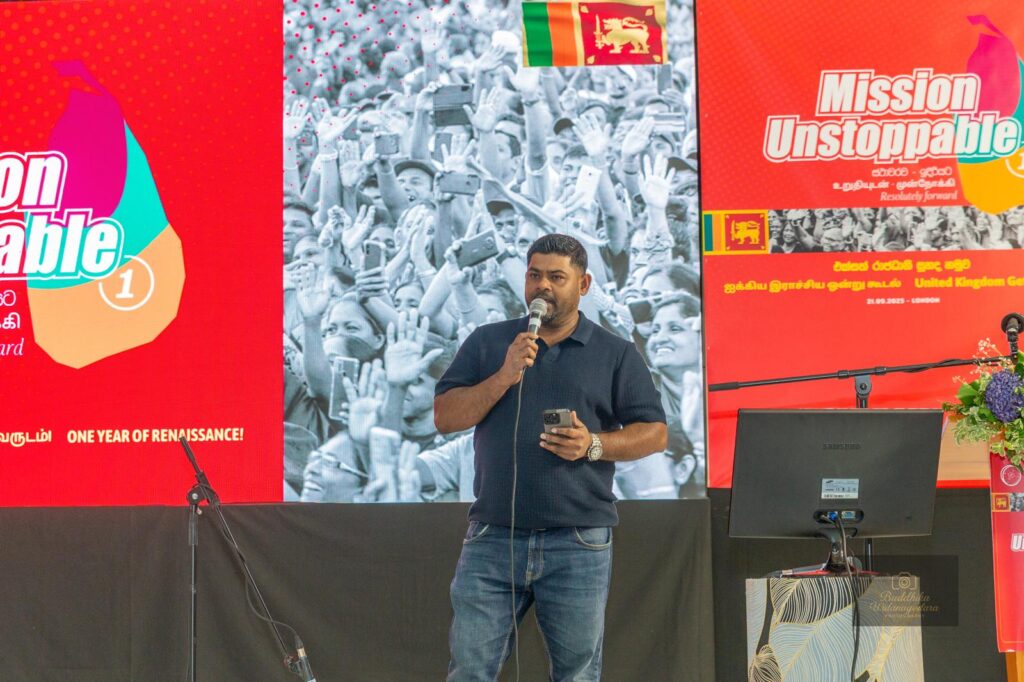
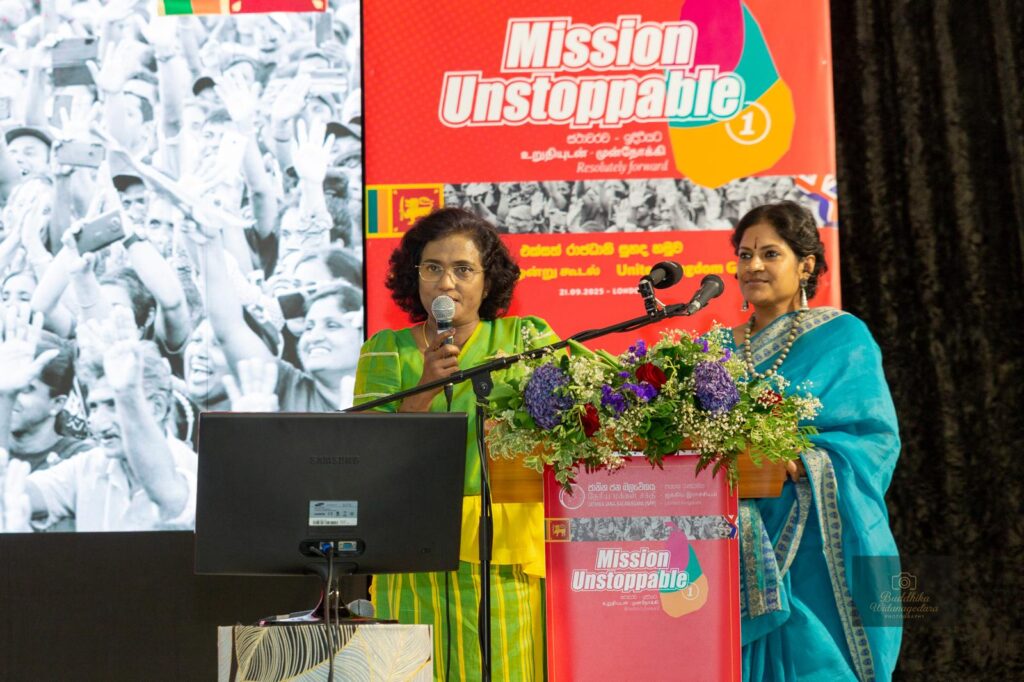
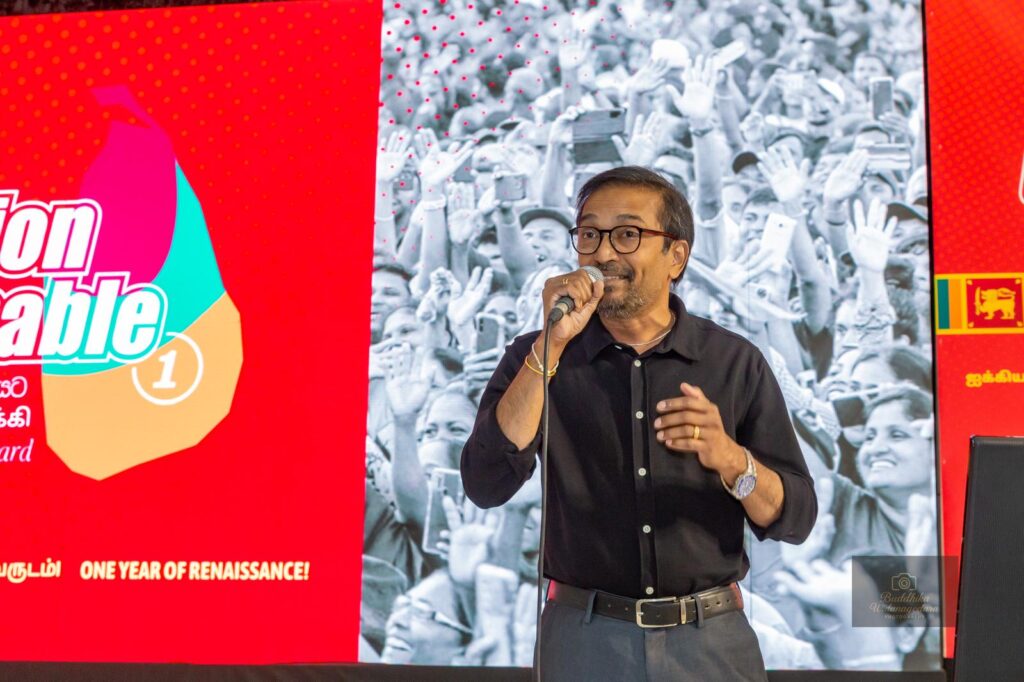
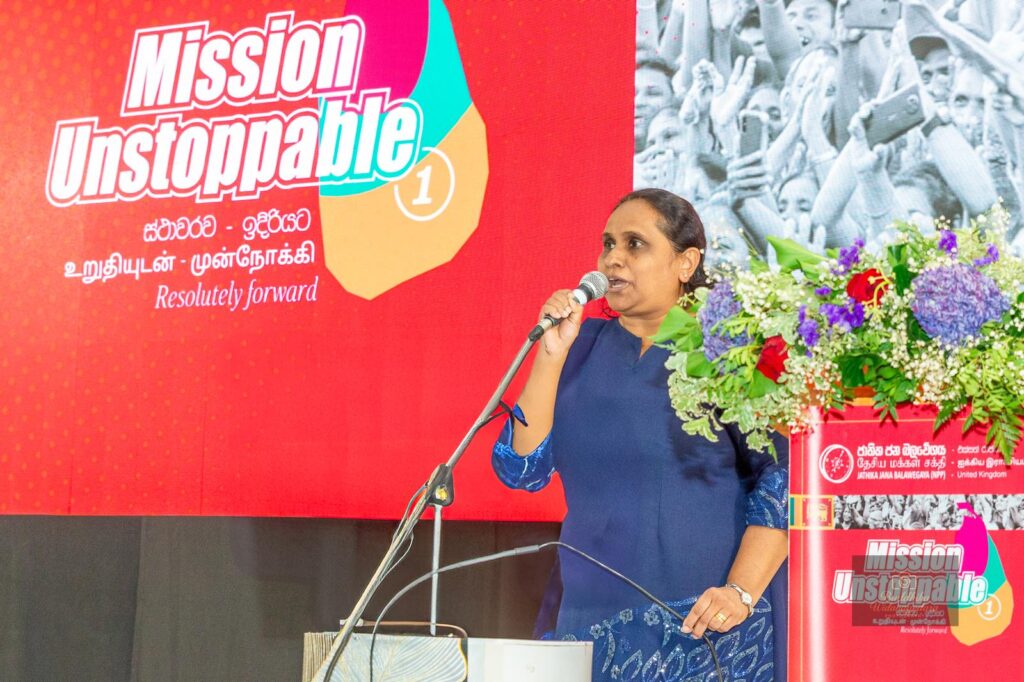
Dr Indunil Wijenayake, representing the UK branch of the NPP, welcomed attendees and emphasised the historic nature of the gathering, describing it as the largest celebration of a political party’s one-year anniversary in London to date.
“This unity among Sinhalese, Tamils and Muslims is a symbol of the political transformation taking root both in Sri Lanka and among its diaspora,” he said. Dr Wijenayake expressed confidence that as the NPP government continues to advance its progressive agenda, similar celebrations would unfold globally, uniting progressives in support of Sri Lanka’s democratic renewal.
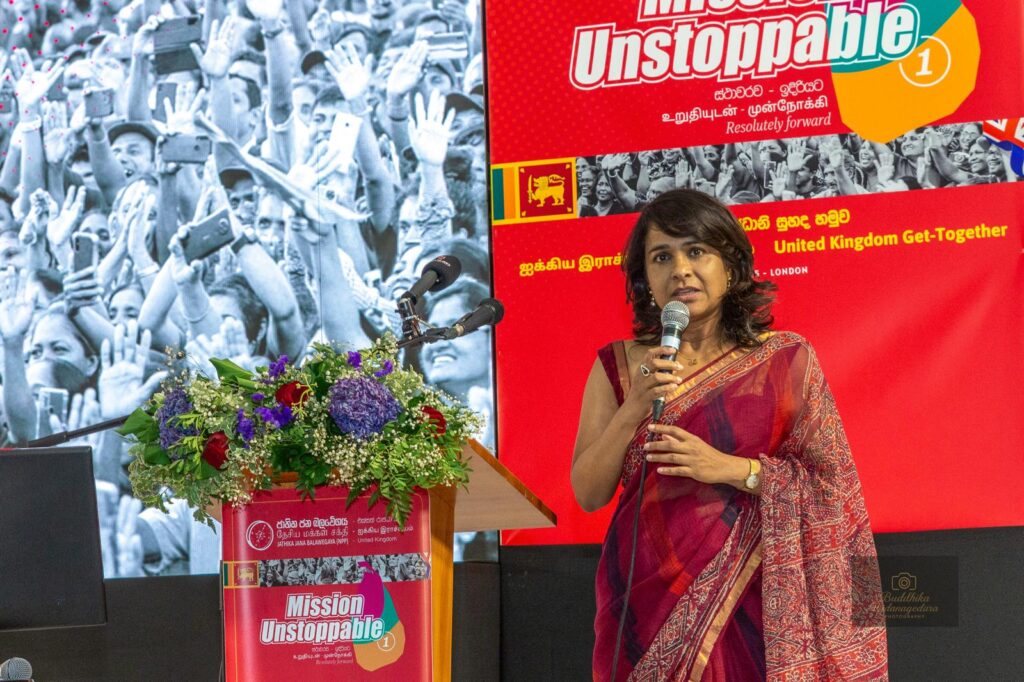
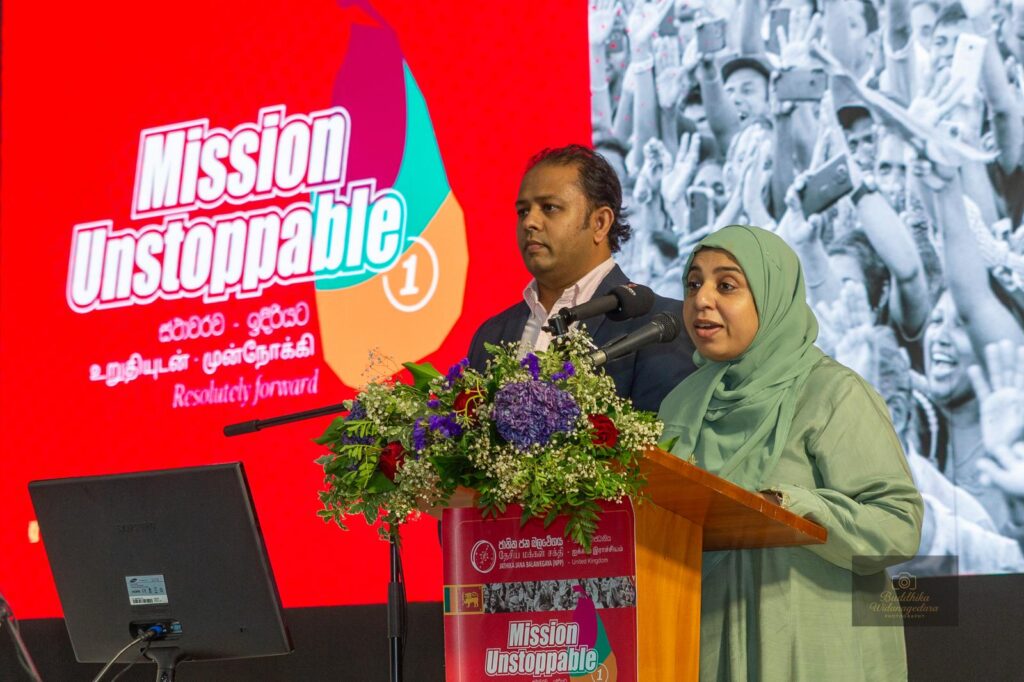
Speaking in Tamil, Ms Sudarshani Gunalan conveyed her optimism as a Tamil citizen regarding the current political direction. She noted that under the NPP government, Tamil and Muslim communities no longer felt like second-class citizens—a sentiment that was met with enthusiastic applause.
Further speeches were delivered by Thushara Dassanayake and executive member Mohamed Marzook, both representing the NPP’s UK branch, who praised the government’s achievements and reaffirmed their commitment to supporting its efforts from abroad.
Mr Darshana Hettiarachchi, the United Kingdom organiser for the Janatha Vimukthi Peramuna (JVP), addressed the audience with a stirring message of resilience: “No matter how desperately the corrupt forces that were rejected by the people try to undo the progress we made, Sri Lankans abroad will stand united with those at home. Sinhalese, Tamil and Muslim Sri Lankans around the world have joined hands for this cause—and we will not turn back.”
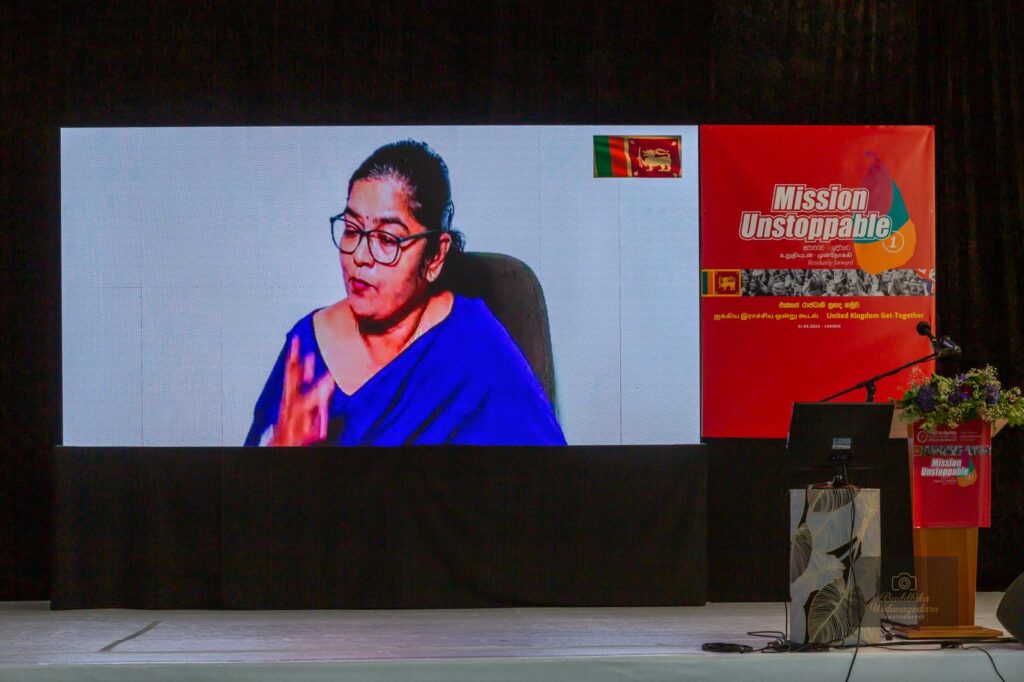
Adding a direct connection to the motherland, the Minister of Women and Child Affairs, Saroja Paulraj, addressed the gathering live via Zoom from Sri Lanka, delivering her remarks in both Sinhala and Tamil. She provided an overview of the government’s people-centric initiatives over the past year and expressed heartfelt thanks to the Sri Lankan community in the UK for their unwavering support and continued advocacy.
The event drew attendees from as far afield as Wales, Liverpool, Manchester, Leicester, York and Nottingham, underlining its national significance within the British Sri Lankan diaspora. A commemorative booklet detailing the government’s first-year journey was distributed to all participants, and a short video documentary further illustrated the milestones achieved.
The atmosphere throughout was one of camaraderie, hope and determination, as participants spoke passionately about their shared aspirations for Sri Lanka’s future. The event not only celebrated a political anniversary—it reaffirmed a united vision among Sri Lankans abroad for a just, inclusive and forward-looking nation.
Sri Lanka’s External Weakness forces Central Bank into Policy Dilemma
By: Staff Writer
September 22, Colombo (LNW): Sri Lanka’s external sector remains under strain as the Central Bank of Sri Lanka (CBSL) cautiously holds fire on interest rates in the run-up to the 2026 Budget. Despite subdued inflation and recent signs of growth, policymakers face the difficult task of balancing domestic stability with external vulnerabilities that continue to weigh heavily on the economy.
Consumer prices, which had been in deflation for nearly a year, finally turned positive in August 2025, rising 1.2% year-on-year. However, prices still slipped 0.4% month-on-month, underscoring fragile demand conditions. Fitch Consensus Research (FCR) expects inflation to average -0.9% in 2025 before edging up to 2.8% in 2026 well short of CBSL’s medium-term target of 5%.
In principle, this creates room for monetary easing to boost consumption and investment. Yet, the central bank has so far avoided rate cuts, mindful of the risks to external stability and the rupee.
Globally, the tide is turning toward looser monetary policy. The U.S. Federal Reserve, facing stagflation risks, lowered its benchmark rate to 4.00–4.25% in September, with further cuts expected. Other central banks are following suit, raising expectations that Sri Lanka might eventually align with global easing to avoid falling out of step. For now, however, CBSL’s restraint highlights the structural weaknesses in the country’s external accounts.
Sri Lanka’s external income picture tells a mixed story. Merchandise exports fell slightly in the first eight months of 2025, slipping to $8.7 billion from $9.1 billion a year earlier, as weaker global demand weighed on textiles and apparel the country’s leading export.
Tourism has been the bright spot, generating $2.6 billion between January and August 2025, up from $2.1 billion in the same period last year, while remittances also improved to $5.2 billion from $4.9 billion. Together, these inflows have helped ease some pressure, but they remain insufficient against the country’s heavy debt servicing needs and import bills.
Foreign reserves recovered to $6.1 billion by August 2025, compared with just $3.7 billion a year ago, boosted by IMF-backed inflows, debt restructuring agreements, and tighter import controls. Yet, these buffers remain fragile. Net government debt is projected at a daunting 101% of GDP this year, with interest payments alone swallowing 51% of government revenue three times the median for peer economies.
Global rating agencies have acknowledged Sri Lanka’s tentative progress by lifting it out of default. Fitch Ratings upgraded the sovereign to ‘CCC+’, S&P Global Ratings raised it to ‘CCC+/C’, and Moody’s shifted its grade to Caa1. These moves mark an important milestone, but the agencies continue to classify Sri Lanka within speculative grade, citing persistent fiscal fragility, governance concerns, and political risks. Investor confidence, they warned, will depend on whether the government can sustain IMF-backed fiscal and structural reforms in the years ahead.
Meanwhile, the economy has shown encouraging momentum, with GDP expanding by 4.9% in the second quarter of 2025 after two years of contraction. But sustaining this recovery requires more than tourism and remittances; the country needs to broaden its export base, improve competitiveness, and attract stable foreign investment.
As the government prepares the 2026 Budget, the CBSL’s cautious stance underlines the difficult trade-off it faces: stimulate growth through lower interest rates or prioritize external stability by maintaining discipline. For now, with external revenues still shaky and debt pressures mounting, stability appears to be winning out over stimulus.
Nearly 1,900 Lives Lost on Sri Lankan Roads in Just Nine Months: Police

September 22, Colombo (LNW): Sri Lanka has witnessed a sharp rise in road fatalities this year, with 1,897 deaths recorded over the past nine months alone, according to Senior Superintendent of Police Manoj Ranagala, Director of the Traffic Police Division.
In an interview with a local television channel, SSP Ranagala highlighted the increasingly troubling nature of road safety in the country, revealing that 1,781 road accidents have been officially reported so far this year.
The figures suggest a continuing upward trend, sparking renewed calls for stronger enforcement of traffic laws and greater public responsibility behind the wheel.
One of the most concerning developments, according to authorities, has been the surge in motorcycle-related accidents. So far in 2025, a total of 923 such incidents have been documented, resulting in the loss of 514 lives — a grim indicator of the vulnerabilities faced by two-wheeler riders, particularly in densely populated and high-traffic areas.
In response to the growing crisis, police have deployed 70 high-speed detection units across the island in an effort to deter dangerous driving and enforce speed limits more effectively. These devices are intended to strengthen surveillance and provide real-time data on traffic violations, especially on major highways and accident-prone routes.
SSP Ranagala emphasised that while enforcement is critical, lasting change must also come from behavioural shifts among road users. He urged drivers, motorcyclists, and pedestrians alike to exercise caution, follow traffic regulations, and adopt safer practices on the road.
Indian Naval Chief Visits Sri Lanka to Strengthen Maritime Partnership
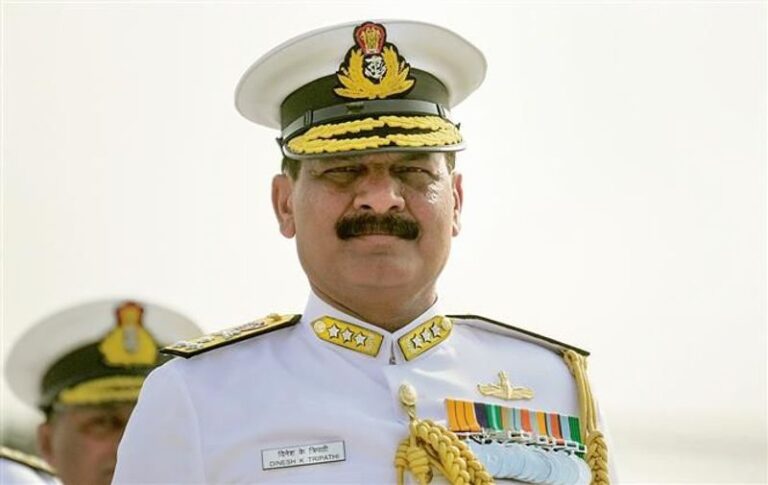
September 22, Colombo (LNW): Admiral Dinesh K Tripathi, Chief of the Naval Staff of India, has arrived in Sri Lanka on a four-day official visit, scheduled from September 22 to 25.
The visit, part of ongoing defence diplomacy between the two neighbours, reflects a renewed commitment to deepen cooperation in maritime security, training, and strategic collaboration.
According to a statement issued by Sri Lanka’s Ministry of Defence, Admiral Tripathi is expected to hold high-level meetings with Prime Minister Dr Harini Amarasuriya, Vice Admiral Kanchana Banagoda, and the heads of Sri Lanka’s armed forces.
Discussions will focus on enhancing operational synergy between the two countries’ navies, improving capacity-building frameworks, and identifying new areas for collaboration, particularly in the context of emerging maritime threats and regional challenges.
A key highlight of the visit includes Admiral Tripathi’s participation in the 12th Galle Dialogue, an annual international maritime conference hosted in Colombo. This year’s theme — “Maritime Outlook of the Indian Ocean under Changing Dynamics” — resonates strongly with the evolving security landscape in the region, where both India and Sri Lanka have shared strategic interests.
The Indian Navy and Sri Lanka Navy maintain a robust relationship, reinforced through bilateral engagements such as the Sri Lanka-India Naval Exercise (SLINEX), Passage Exercises, Annual Defence Dialogues, and staff-level talks. Regular cooperation in hydrography, professional exchanges, and training has further solidified the partnership.
Multilateral forums such as the Indian Ocean Naval Symposium, MILAN, the Goa Maritime Conclave, and the Colombo Security Conclave also serve as important platforms where the two navies collaborate in addressing transnational maritime concerns.
In a symbolic gesture of this enduring partnership, the Indian Navy’s stealth frigate INS Satpura arrived in Colombo on Sunday. The vessel was received by Sri Lanka Navy personnel with ceremonial honours, marking yet another milestone in the deepening of bilateral naval ties.
During its stay, INS Satpura’s crew will engage in a range of joint activities with their Sri Lankan counterparts, including professional dialogues, maritime rescue and protection drills, yoga sessions, and friendly sporting events. The ship’s Commanding Officer also held talks with Rear Admiral S.J. Kumara, Commander of the Western Naval Area, focusing on enhancing operational collaboration and joint readiness.
This visit falls under the broader framework of India’s ‘Neighbourhood First’ policy and the ‘MAHASAGAR’ initiative, both of which prioritise maritime security, economic growth, and regional stability through sustained cooperation with littoral states in the Indian Ocean Region.
With civilisational ties dating back over two millennia, India and Sri Lanka continue to strengthen a bilateral relationship built on trust, mutual respect, and a shared commitment to ensuring peace, safety, and prosperity across the Indian Ocean.