By: Staff Writer
September 21, Colombo (LNW): Sri Lanka’s battered economy appears to be entering a new phase of stability and growth, with international investors increasingly optimistic about its long-term prospects. After years of crisis and political turbulence, the country is now regaining momentum on the back of reforms, improved governance, and recovering investor confidence.
Asia Frontier Capital (AFC) Fund Manager Ruchir Desai, writing recently in International Banker, described Sri Lanka as one of the most compelling investment destinations in Asia. “With an outlook for stable growth, a universe of exceptionally well-run companies with good corporate governance, and valuations that are still below pre-crisis levels,
Sri Lanka remains a top country pick for our AFC Asia Frontier Fund,” he said. The country currently accounts for nearly 13% of AFC’s Asia Frontier Fund, making it the second-largest holding.
Economic data supports this cautious optimism. Sri Lanka’s GDP expanded by 5% in 2024 and by 4.9% in the first half of 2025, surpassing expectations.
Growth has been fueled by domestic consumption, renewed business and infrastructure investment, and a strong rebound in tourism. Visitor arrivals are expected to reach 2.5 million this year, exceeding pre-pandemic levels and underlining the sector’s importance to the recovery. Worker remittances have also surged as the rupee stabilized, strengthening household incomes and domestic demand.
Desai recalled that when he visited Colombo in late 2022, the country was at its lowest point in decades, with the stock market trading at a price-to-earnings ratio of just four times. Since then, the Central Bank’s decisive interventions steep rate hikes, a managed devaluation, and subsequent easing as inflation cooled combined with the IMF’s Extended Fund Facility program in 2023, have helped restore credibility to the economy.
The Colombo Stock Exchange has since surged nearly 200% in US dollar terms, and remains attractively valued compared to pre-crisis levels.
The 2024 elections, which brought Anura Kumara Dissanayake and the National People’s Power coalition to power, are seen as a political inflection point. Investor confidence was reflected in the CSE’s 34.5% surge in the final quarter of 2024, followed by a further 19% gain so far in 2025. For many analysts, the decisive mandate reduced political uncertainty and opened the way for deeper reforms.
Looking ahead, tourism and logistics stand out as key growth drivers. With its deep-sea terminals and strategic geographic location, the Port of Colombo is well-positioned to become a major South Asian logistics hub. Desai argued that policies to strengthen trade and logistics could deliver long-term dividends, while Sri Lanka’s proximity to India offers another opportunity. Just as Southeast Asian economies leveraged China’s rise in the 2000s, Sri Lanka could benefit from India’s rapid economic expansion, particularly in tourism and trade.
Global uncertaintiessuch as US trade policy shift pose risks, but Desai noted Sri Lanka’s limited exposure, with exports to the United States accounting for just 3% of GDP. Instead, he stressed that Sri Lanka’s recovery is driven largely by domestic reforms and resilience.
The key challenge now, he cautioned, is to ensure that policymakers do not become complacent in the face of renewed optimism. “The stage has now been set for Sri Lanka to achieve a period of stable growth,” he wrote, “but this requires disciplined execution of reforms to secure long-term benefits for companies, investors, and the country at large.”
Sri Lanka Set for Stable Growth as Investors Eye Post-Crisis Opportunities

Sinopec’s Hambantota Refinery Plan Tests Sri Lanka-India Balance
By: Staff Writer
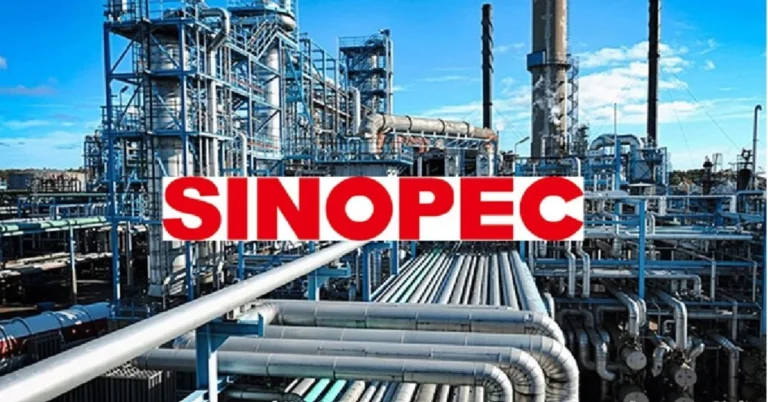
September 21, Colombo (LNW): Sri Lanka’s energy landscape is once again at the centre of geopolitical currents, as Chinese state-owned oil giant Sinopec prepares to invest $3.7 billion in a refinery at Hambantota, a project that promises major economic benefits but raises strategic anxieties particularly in New Delhi.
The Ceylon Petroleum Corporation (CPC) clarified this week that it would not be bound to purchase refined fuel products from Sinopec once the refinery begins operations.
CPC Managing Director Mayura Neththikumarage stressed that the government was merely considering allowing Sinopec to sell up to 40% of its refined output domestically. “There is no guaranteed commitment from CPC or any other player,” he said, noting that local purchases would depend entirely on competitive pricing through open tenders.
This stance highlights Colombo’s effort to present the refinery project as a commercial venture rather than a strategic concession.
Sinopec, headquartered in Beijing and the world’s largest oil refiner by capacity, has agreed to fast-track the Hambantota refinery with a daily processing capacity of 200,000 barrels four times the size of Sri Lanka’s existing Sapugaskanda facility.
Most of the production is expected to be exported, but even a 40% local allocation would reshape the island’s petroleum market, now dominated by CPC and Lanka IOC (LIOC), the subsidiary of India’s state-run oil major.
For Sri Lanka, the stakes are high. CPC still holds more than half of the retail fuel market and operates the sole refinery at Sapugaskanda, which processes 50,000 barrels daily.
It reported profits of Rs. 18 billion in the first half of 2025, showing resilience even under debt pressure. LIOC commands around 18–20% of the retail market and has expanded aggressively, particularly in lubricants and marine fuel. In recent years, new entrants such as Shell (through US-based RM Parks) have attempted to diversify the market, though Australian firm United Petroleum withdrew in 2024.
Against this competitive backdrop, Sinopec’s entry represents not only an economic opportunity but also a political balancing act. India has long been wary of China’s presence in Sri Lanka’s southern Hambantota region, already home to a Chinese-built and leased port. Energy infrastructure at the same location could heighten Indian concerns of a dual-use facility, blending commercial and strategic purposes.
The challenge for Sri Lanka’s National People’s Power (NPP)-led government is to manage these competing pressures.
On one hand, Hambantota’s refinery could boost foreign direct investment, create jobs, and reduce import dependency for refined fuel. On the other, it risks aggravating India, Sri Lanka’s largest neighbour and crucial economic partner, especially as New Delhi has supported Colombo with credit lines during its economic crisis.
Analysts suggest that the refinery’s implementation will depend on Colombo’s ability to keep it within a transparent commercial framework while offering assurances to India that its security concerns will not be undermined. “This is less about fuel supply and more about geopolitics,” one Colombo-based economist noted, arguing that Sri Lanka cannot afford to antagonize either China or India in the current climate.
Construction of the refinery is scheduled for completion within three years, with ongoing negotiations over the extent of domestic sales. Whether this ambitious project moves smoothly forward or stalls under geopolitical pressure will test the NPP government’s ability to balance economic recovery with regional sensitivities.
CEB Seeks Tariff Hike as IMF Demands Transparent Pricing Formula
By: Staff Writer
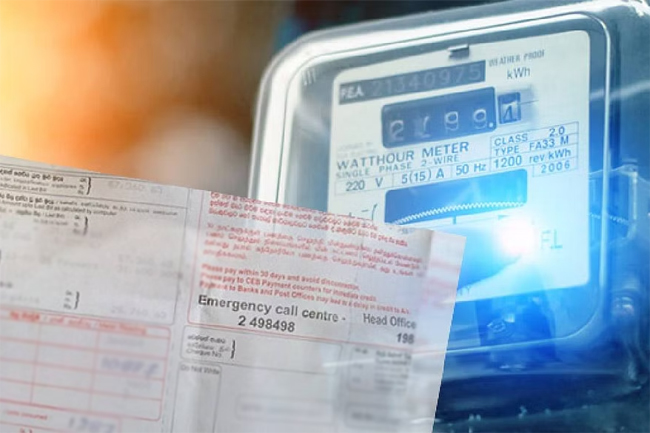
September 21, Colombo (LNW): Sri Lanka’s loss-making state power utility, the Ceylon Electricity Board (CEB), has requested yet another tariff hike an overall 6.8% increase for the October to December quarter citing surging energy and financing costs alongside long-standing debt tied to the controversial Uma Oya hydro project.
The proposal, submitted to the Public Utilities Commission of Sri Lanka (PUCSL), would mark the third tariff revision in 2025 and affect more than 7.2 million electricity users.
The CEB warns that without higher tariffs, it faces a Rs 7.7 billion deficit in the final quarter of the year. Its revenue forecast of Rs 112.3 billion falls well short of the Rs 125.3 billion needed to cover generation, capacity, transmission, distribution, and finance costs. Energy expenses alone are projected at Rs 68.4 billion, with the utility blaming rising demand.
Financial disclosures paint a bleak picture. For the first half of 2025, the CEB reported a group loss of Rs 9.5 billion, with revenue plummeting 38% year-on-year to Rs 201.5 billion.
Although lower interest rates have cut financing costs to Rs 7.78 billion, legacy debt continues to drain the utility. Loan repayments and interest payments account for more than Rs 6 billion this quarter alone, including capital repayments of Rs 4.3 billion and interest of Rs 1.7 billion.
A portion of the debt stems from a Rs 20 billion debenture issued in April 2021 at a 9.35% coupon rate far higher than government securities. Most of these funds, Rs 14 billion, were spent on paying private power producers, while another Rs 6 billion went to the Ceylon Petroleum Corporation. Debenture interest now adds another Rs 471 million to CEB’s costs.
The Uma Oya hydro project remains a costly burden. Financed partly by an Iranian loan during the Mahinda Rajapaksa era, the project has triggered payment obligations of USD 5 million (Rs 1.5 billion) due to delays.
The CEB admits that more than USD 19.3 million (Rs 5.8 billion) remains overdue to contractor Farab, with only partial payments made. In a Cabinet decision, the Ministry of Agriculture has been tasked with shouldering some of the debt repayment, raising concerns over fiscal transparency.
Adding to the controversy, the CEB’s cost forecasts have repeatedly proven unreliable. Its June estimates for power generation, finance costs, and distribution revenue are now off by billions, with the utility offering only the vague explanation of “a significant increase in all major cost items.” Errors in transmission revenue calculations flagged in previous submissions also remain unresolved, while fuel supply agreements for key plants have yet to be signed.
These developments unfold against the backdrop of an IMF technical team’s visit to Colombo, which reviewed electricity sector reforms under the Extended Fund Facility (EFF). The IMF has pressed for a formula-driven, cost-reflective tariff mechanism to eliminate ad-hoc hikes and shield consumers from inefficiencies. Its latest technical report emphasized that tariff discipline is essential for unlocking further external financing.
Analysts warn that consumers will once again shoulder the burden of decades of mismanagement. “The CEB is passing structural inefficiencies onto the public instead of fixing them,” one energy sector expert observed. “The IMF’s formula is meant to depoliticize tariffs, but unless governance improves, these hikes will only buy time.”
As unions resist restructuring and households brace for higher bills, the government is caught between public backlash and IMF demands. The October tariff proposal now stands as a test of whether Sri Lanka can finally confront its power sector’s entrenched flaws—or whether, as in the past, consumers will pay for the failures of the state.
Sri Lanka’s Innovation Hub Ambitions Threatened by Short of Funding

By: Staff Writer
September 21, Colombo (LNW): Sri Lanka’s startup ecosystem is showing signs of acceleration, but beneath the optimism lie persistent challenges that could stall its growth if urgent reforms are not implemented. The country, long praised for its strong ICT sector and high literacy rate, has recently begun attracting global attention, yet the numbers reveal that it remains far behind regional competitors in both funding and policy support.
According to global startup mapping platform StartupBlink, Sri Lanka’s ecosystem expanded by 47.2% in 2025, climbing to 68th place worldwide.
The island now hosts around 316 startups, but total venture funding raised this year is still modest at just over US$4 million. Tracxn, a global data provider, reported that only one significant equity round had closed by April 2025, valued at US$4.5 million.
This level of activity pales in comparison to neighboring ecosystems in Southeast Asia, where venture capital inflows often exceed 0.5% of GDP. In Sri Lanka, the figure is a fraction of thatbarely scratching 0.01%.
Industry experts argue that Sri Lanka should aim to scale venture investment to at least 0.1% of GDP, or about US$80 million annually, if it is to nurture startups capable of competing globally.
The government has acknowledged these gaps and announced the launch of a state-backed “Fund of Funds” to catalyze private capital inflows into local venture funds and early-stage companies. Yet questions remain about the pace of implementation and whether such measures can be rolled out quickly enough to match investor appetite.
Policymakers are also pledging to strip away bureaucratic red tape and create investor-friendly regulatory frameworks. The 2025 national budget introduced several digital economy initiatives, including a Digital Economic Authority, a data protection framework, and a national digital ID program, all aimed at building trust in Sri Lanka as a modern innovation hub.
Officials have set an ambitious target of generating US$15 billion in revenue through the digital economy by 2030, with ICT exports expected to contribute at least US$5 billion.
Despite these initiatives, critical gaps remain. Sri Lanka ranks 93rd out of 139 economies in the Global Innovation Index for 2025, with weaknesses in research capacity, institutional support, and business sophistication.
While the country has produced success stories such as Roar, InsureMe, and Mint Pay through programs like Venture Engine, the broader ecosystem struggles to convert academic research into commercial products. Inconsistent policy enforcement, high infrastructure costs, and a lack of reliable seed capital continue to deter both local and foreign investors.
The presence of over 35 global investors at events such as the Venture Engine Finale and Disrupt Asia underscores international interest in Sri Lanka’s entrepreneurial potential. Fintech pioneer Vijay Shekhar Sharma, founder of India’s Paytm, recently urged the island to seize this moment and transform into a regional digital leader.
But without bold government action to close funding gaps, expand infrastructure, and deliver regulatory clarity, much of this momentum risks dissipating.
Sri Lanka is therefore at a crossroads. With global investors watching closely and a pool of skilled professionals ready to innovate, the opportunity is clear. The question is whether the government can act decisively to create an environment where startups move from survival to global scale or whether the island will once again be overshadowed by its faster-moving neighbors.
Ella Bus Accident: Final Report To Be Submitted Tomorrow
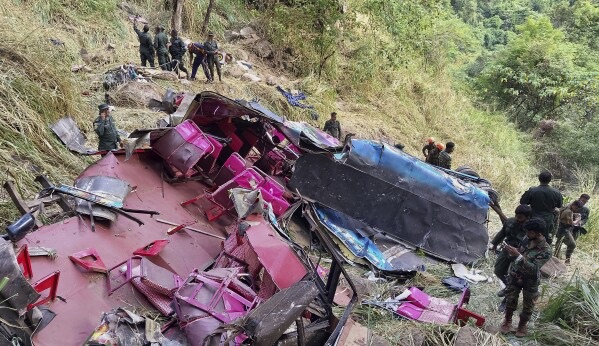
September 21, Colombo (LNW): The Department of Motor Traffic has concluded its investigation into the tragic bus crash on the Ella–Wellawaya road, which resulted in the loss of 16 lives earlier this month.
The department’s findings point to a combination of mechanical failure and human error as the primary causes of the fatal incident.
A five-member panel, tasked with examining the circumstances of the crash, determined that the bus involved had significant faults in its braking system—an issue which rendered the vehicle incapable of slowing down on a descent.
Investigators also noted that the driver, faced with a critical situation, was unable to regain control of the vehicle in time to prevent it from veering off the road and plunging into a ravine.
The full report is expected to be formally handed over to the Ministry of Transport and Highways tomorrow (22). The findings are likely to influence future regulatory reforms related to vehicle maintenance and public transport safety, especially on hilly and high-risk routes.
The accident occurred on September 04 near the 23rd kilometre post on the Ella–Wellawaya stretch, a winding mountainous road known for its sharp bends and steep inclines. The bus was transporting municipal workers from Tangalle and their family members on a group outing when the tragedy struck. Fifteen individuals lost their lives at the scene, while a sixteenth victim—a woman who had been hospitalised—succumbed to her injuries on September 12.
In the wake of the accident, the bus owner was taken into custody for alleged negligence in maintaining the vehicle. Authorities charged him under public safety laws but later granted bail pending further legal proceedings.
Inquiry Launched into Major Fire Incident at Pettah Electronics Store
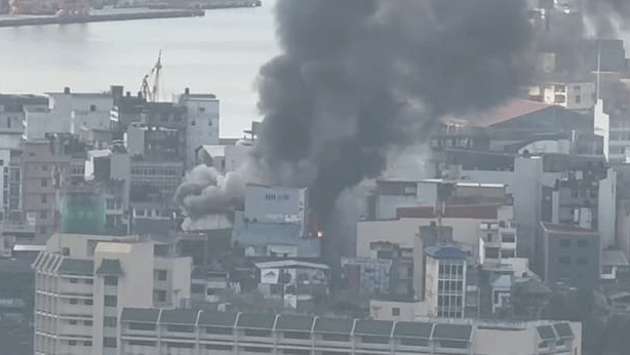
September 21, Colombo (LNW): An official investigation has been initiated into the large-scale fire that swept through an electrical goods store on 1st Cross Street in Pettah.
The inquiry will be led by Deputy Minister of Public Security Sunil Watagala.
The fire, which broke out in the heart of Colombo’s bustling commercial district yesterday afternoon, triggered an extensive emergency response lasting close to 12 hours. Firefighters battled towering flames and thick smoke as they worked to contain the blaze, which threatened to engulf neighbouring shops and warehouses in the densely packed marketplace.
Responding swiftly, the Colombo Municipal Council Fire Department was joined by personnel from both the Sri Lanka Air Force and Navy, reflecting the seriousness of the incident. Approximately 15 fire engines were dispatched to the scene, along with a Bell-212 helicopter from the Air Force that was used to assist from above by directing water onto the rooftop of the burning building.
Authorities have confirmed that the quick coordination between multiple agencies was crucial in preventing the fire from spreading further and causing even greater damage. Fortunately, there have been no reports of casualties so far, although a full assessment of structural damage and potential losses is still underway.
Deputy Minister Watagala stated that the appointed committee will examine several aspects of the incident, including the cause of the fire, the adequacy of fire safety measures in place at the premises, and the effectiveness of the emergency response.
The findings are expected to inform future regulatory action, particularly with regard to fire safety compliance in high-density commercial areas.
Religious and Aesthetic Education to Remain Integral Under Upcoming School Reforms
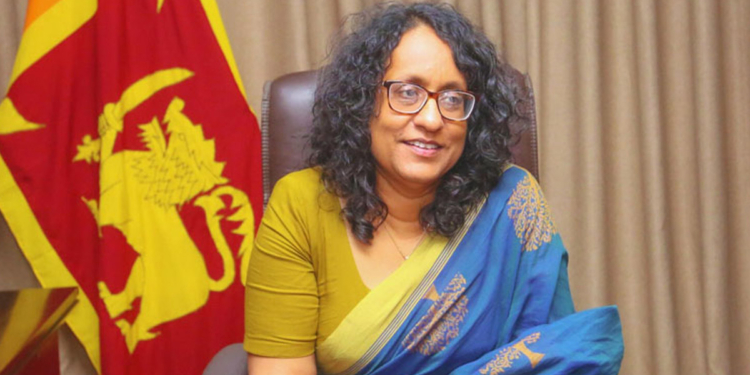
September 21, Colombo (LNW): Prime Minister Dr Harini Amarasuriya has firmly stated that the government has no plans to diminish the role of religious or aesthetic subjects within the national school curriculum, amid ongoing discussions about the structure of future education reforms.
Speaking in her capacity as Minister of Education during a meeting held at the ministry yesterday (20), Dr Amarasuriya addressed concerns raised by members of the Buddha Sasana Task Force regarding proposed changes to the Buddhism syllabus for students entering Grade 6 under the new 2026 curriculum framework.
The Prime Minister reassured attendees that religious instruction remains a vital part of holistic education and will not be sidelined. She emphasised that the upcoming reforms aim to strengthen, rather than dilute, students’ cultural and moral grounding.
In response to specific queries about the structure of religious studies in the new syllabus, officials from the Ministry’s Religion and Values Branch clarified that students will begin Grade 6 with an introductory unit offering a foundational understanding of all major religions. Following this, pupils will continue their religious education within their own faith tradition, as has been the longstanding practice.
The discussion also touched upon the existing shortage of qualified teachers in religious subjects, particularly Buddhism, across the country. Prime Minister Amarasuriya acknowledged the issue and confirmed that a national-level assessment is currently underway to gather accurate data on teacher availability in all provinces.
Based on this assessment, the ministry plans to implement a coordinated recruitment and placement strategy to ensure balanced distribution of educators where they are most needed.
Sri Lanka Sees Strong Surge in FDI Under NPP Administration
September 21, Colombo (LNW): Foreign investment in Sri Lanka has seen a marked upswing since President Anura Kumara Dissanayake took office, with total inflows surpassing one billion US dollars over the past year—a sign of renewed international confidence in the country’s economic trajectory.
Arjuna Herath, Chairman of the Board of Investment (BOI), confirmed that the nation has secured approximately US$ 1.048 billion in foreign direct investment (FDI) during this period.
According to Herath, the most substantial contributions have been channelled into strategic sectors including port infrastructure, tyre manufacturing, and tourism development—industries identified as key to long-term economic recovery and export diversification.
A particularly noteworthy trend has been the quality of investors entering the Sri Lankan market. Over 65 per cent of the total investment originated from globally recognised firms, reflecting a strong endorsement from established international players.
Herath highlighted that since the change in leadership, 152 foreign entities have committed capital to projects across various regions of the island, ranging from industrial zones to hospitality ventures.
In a forward-looking statement, Herath revealed that US$ 780 million in FDI has already been recorded in the first eight months of 2025 alone. With several major investment proposals currently under negotiation or in the pipeline, he expressed confidence that the country is well on track to exceed its annual target of one billion dollars before year’s end.
Massive Financial Irregularities Uncovered in Central Cultural Fund Operations
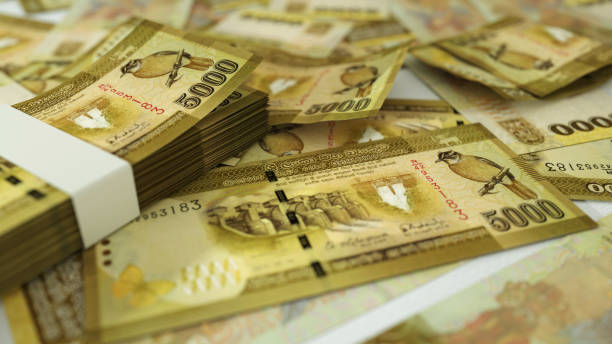
September 21, Colombo (LNW): Allegations have surfaced surrounding the unauthorised use of more than eight billion rupees from the Central Cultural Fund (CCF), sparking concerns over serious lapses in financial governance within one of Sri Lanka’s key heritage institutions.
A dedicated investigative committee has unearthed substantial evidence indicating that this vast sum of public money was expended without the formal approval of the Fund’s Board of Governors, Deputy Minister of Buddhasasana, Religious and Cultural Affairs Gamagedara Dissanayake revealed.
Speaking on the matter, the Minister expressed deep concern over the findings, noting that the committee’s interim observations already point to extensive mismanagement, potentially spanning several years. The final report, expected shortly, is anticipated to name individuals and outline the specific mechanisms through which the financial misconduct was carried out.
President AKD to Present Sri Lanka’s Vision at UN General Assembly in New York
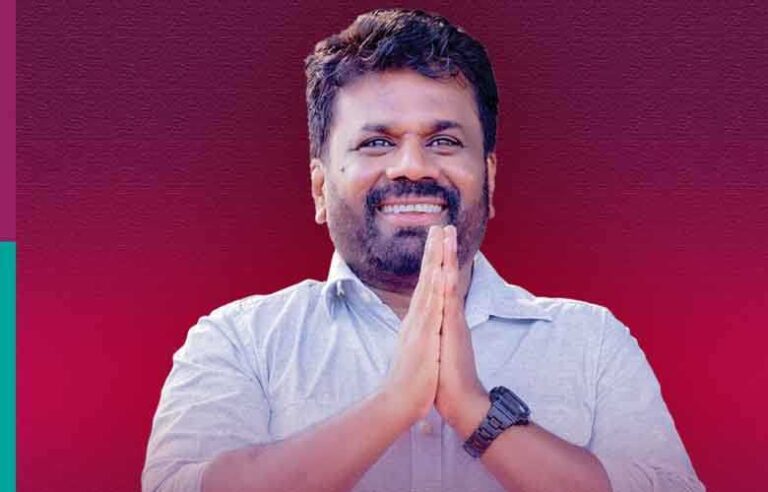
September 21, Colombo (LNW): President Anura Kumara Dissanayake is set to deliver his inaugural address at the United Nations General Assembly during its 79th session, taking place in New York later this month.
The Sri Lankan Head of State is scheduled to speak on Wednesday (24) during the afternoon segment of the General Debate, according to the latest list of speakers released by UN officials.
This marks President Dissanayake’s first appearance at the UN since assuming office, and is seen as a key opportunity for him to introduce Sri Lanka’s renewed global outlook to the international community. His speech is expected to lay out a comprehensive vision for the country’s path forward, touching on domestic reform efforts, strategies for economic recovery, and Sri Lanka’s stance on pressing international concerns.
Sources familiar with the planned address suggest that the President will underscore the importance of climate resilience, equitable development, and stronger multilateral partnerships. He is also anticipated to call for fairer international financial structures and more inclusive global dialogue, particularly from the perspective of developing nations navigating post-crisis recovery.
The annual General Debate, which runs from September 23 to 29, will bring together heads of state and government from across the globe. Leaders from major powers including the United States, China, India, Brazil, and the European Union are also expected to address the assembly under a theme designated by the current UNGA President, aimed at fostering global unity and action on shared challenges.