Home Blog Page 40

Restructured but Not Relieved: Sri Lanka’s Debt Trap Persists

0

Nearly four years after Sri Lanka suspended foreign debt repayments and triggered the country’s worst economic crisis in modern history, new debt figures suggest the nation remains deeply entangled in a financial trap that could threaten its fragile recovery.

The latest Public Debt Management Office report paints a mixed picture. On the surface, the Government points to successful debt restructuring agreements with international bondholders and bilateral creditors as evidence that the country has turned a corner. Yet beneath those achievements lies a stark reality: Sri Lanka’s public debt remains above Rs. 32 trillion, while debt servicing obligations continue to consume enormous financial resources.

The composition of the country’s debt reveals why concerns persist. External debt remains substantial at nearly $37.5 billion, with multilateral institutions accounting for the largest share, followed by commercial lenders and bilateral creditors. China remains Sri Lanka’s biggest bilateral lender, while institutions such as the Asian Development Bank, World Bank and International Monetary Fund continue to play major roles in the country’s financial landscape.

Although debt restructuring agreements have eased immediate repayment pressures, they have also marked the beginning of a new era of disciplined repayment. The Government has resumed servicing debts to several bilateral partners, a development welcomed by creditors but one that places additional strain on a still-recovering economy.

The first quarter of 2026 illustrates the scale of the challenge. Sri Lanka paid $530 million in external debt service alone, including repayments to bilateral lenders, multilateral agencies and commercial creditors. Combined with domestic debt obligations, total debt servicing reached more than $8 billion.

These payments come at a time when economic growth remains vulnerable to external shocks, inflationary pressures and global uncertainty. Every rupee allocated to debt repayment is a rupee unavailable for infrastructure upgrades, poverty alleviation programmes, public sector improvements or investment incentives needed to stimulate long-term growth.

The Government’s debt profile also highlights another structural weakness: dependence on domestic borrowing. Treasury Bonds and Treasury Bills continue to dominate financing operations, demonstrating that the State remains heavily reliant on local investors and financial institutions. While this strategy reduces exposure to external markets, it can also increase borrowing costs and constrain private sector access to capital.

Another warning sign emerges from the debt stock itself. While the dollar value of public debt declined marginally during the quarter, the rupee value increased. This divergence underscores Sri Lanka’s continuing exposure to currency fluctuations. Any significant weakening of the rupee could rapidly inflate debt levels and complicate fiscal management efforts.

For many Sri Lankans, the crisis is no longer measured by headlines about sovereign default but by the economic sacrifices required to meet debt obligations. Higher taxes, spending restraints and limited fiscal flexibility are likely to remain features of economic policy for years to come.

The restructuring process may have stabilised the immediate crisis, but the latest debt figures suggest Sri Lanka is far from financial freedom. Instead, the country faces the more difficult task of achieving sustainable growth while carrying the weight of a debt burden that continues to shape every major economic decision.
Fiscal Constraints Leave Welfare Safety Nets under Pressure

0

Sri Lanka’s welfare system is facing increasing strain as government officials concede that fiscal commitments made under the International Monetary Fund (IMF) programme have limited their capacity to allocate additional funding for social assistance, even as poverty remains alarmingly widespread.

The admission has reignited debate over whether the country’s economic recovery strategy is adequately protecting vulnerable communities from the lingering effects of the worst financial crisis in its modern history.

According to the Ministry of Rural Development, Social Security and Community Empowerment, demand for welfare support has intensified amid ongoing economic pressures. Yet government efforts to strengthen social protection programmes have been constrained by strict budgetary limits linked to IMF reforms aimed at restoring fiscal stability.

The Ministry insists that conditions on the ground are gradually improving. Officials point to a series of livelihood development projects, rural entrepreneurship schemes, and employment-generation initiatives designed to help disadvantaged families achieve long-term economic independence. These programmes, they argue, are contributing to a reduction in poverty levels across the country.

Nevertheless, independent assessments paint a more troubling picture. The World Bank continues to estimate that approximately one in every four Sri Lankans lives below the poverty line, indicating that economic hardships remain deeply entrenched despite signs of broader macroeconomic recovery.

This discrepancy between official claims and international assessments underscores a central challenge confronting policymakers. While economic reforms have helped stabilize public finances and rebuild confidence among international creditors, the social consequences of austerity measures remain a source of concern.

Fiscal consolidation typically requires governments to reduce expenditure, increase revenue collection, and limit budget deficits. In Sri Lanka’s case, these measures have become key conditions for securing continued support from international lenders. However, such restrictions can also limit the State’s ability to expand welfare programmes precisely when vulnerable populations require greater assistance.

The issue has become particularly significant as households continue to grapple with elevated living costs. Although inflation has moderated compared with the peak crisis period, many families still face difficulties affording basic necessities. Welfare programmes and targeted social assistance therefore remain critical lifelines for thousands of citizens.

Government officials have confirmed that discussions are underway with the IMF to obtain greater flexibility for measures benefiting low-income groups. Whether these negotiations result in additional social spending could prove crucial for communities struggling to recover from years of economic hardship.

Analysts argue that sustainable recovery cannot be measured solely through fiscal indicators, debt restructuring progress, or improvements in government revenue. The true test lies in whether economic reforms translate into tangible improvements in living standards for ordinary citizens.

As Sri Lanka navigates its recovery path, the growing tension between fiscal discipline and social protection continues to define the experience of many vulnerable communities. Without stronger welfare safeguards, critics warn that economic stabilization may come at a significant human cost, leaving the poorest segments of society exposed to prolonged hardship and insecurity.

Unsafe Food Causes 866 Million Illnesses and 1.5 Million Deaths Annually: WHO

0

Unsafe food causes an estimated 866 million illnesses and 1.5 million deaths worldwide each year, with young children bearing a disproportionately high share of the burden, according to a new report released by the World Health Organization (WHO).

The WHO said children under the age of five are nearly three times more likely to fall ill from contaminated food than older children and adults. Although they account for only 9 percent of the global population, children in this age group represent almost one-third of all foodborne disease cases.

According to the report, many of these illnesses and deaths could be prevented through improved access to clean water, better sanitation and hygiene practices, safer food handling procedures, and stronger healthcare systems.

“Food safety is not an abstract issue – it touches every meal, every family, every day,” WHO Director-General Dr. Tedros Adhanom Ghebreyesus said.

The report found that biological hazards such as bacteria, viruses, and parasites are responsible for the majority of foodborne illnesses worldwide. However, chemical contamination accounts for a significantly higher proportion of deaths.

WHO estimates show that chemical hazards were linked to 73 percent of food-related deaths in 2021. Inorganic arsenic and lead alone were associated with more than one million deaths, largely due to their contribution to cardiovascular diseases and cancer.

The agency also highlighted the substantial economic cost of unsafe food. Foodborne diseases are estimated to have caused around US$ 310 billion in lost productivity globally in 2021. When adjusted for differences in purchasing power and cost of living, the economic impact rises to approximately US$ 647 billion.

The WHO called for stronger global efforts to improve food safety standards and reduce the health and economic burden caused by contaminated food.

Debt Burden Falls to 95% of GDP as Repayment Capacity Improves: CBSL Governor

0

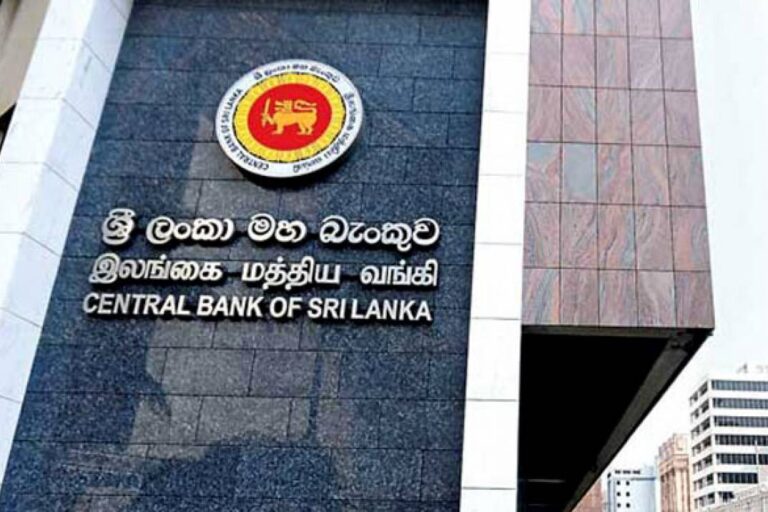
Central Bank Governor Dr. Nandalal Weerasinghe says Sri Lanka’s ability to repay both domestic and foreign debt has improved significantly due to recent positive economic developments and strengthened debt management.

Speaking on the country’s economic outlook, Dr. Weerasinghe noted that Sri Lanka’s debt burden has declined from 105 percent to 95 percent of Gross Domestic Product (GDP), reflecting progress made through fiscal reforms and public debt restructuring efforts.

The Governor stated that the Extended Fund Facility (EFF) programme secured from the International Monetary Fund (IMF) is scheduled to conclude next year. However, he said it is still too early to determine whether the Government will seek a new financial arrangement with the IMF after the current programme ends.

Dr. Weerasinghe also pointed out that Sri Lanka has regained access to international financing opportunities and that growing confidence in the country’s debt sustainability has strengthened its standing among foreign investors and financial markets.

He emphasized that borrowing for productive investments and asset creation is more beneficial than avoiding loans altogether, provided that funds are used responsibly.

According to the Governor, it is the responsibility of policymakers to maximize the effective use of both domestic and foreign financing to support infrastructure development and economic growth, while ensuring strong safeguards against corruption, waste, and excessive borrowing costs.

He added that maintaining prudent debt management and strengthening economic fundamentals remain essential to sustaining the country’s recovery and long-term financial stability.

Harsha de Silva Warns Falling Confidence Could Add Pressure on Rupee

0

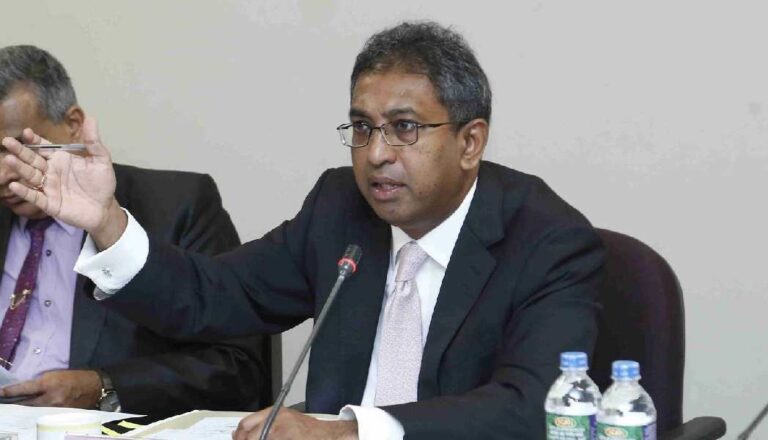
Opposition MP Dr. Harsha de Silva has raised concerns over the recent depreciation of the Sri Lankan Rupee, warning that weakening confidence in the government’s economic management could place further pressure on the currency.

Commenting on the current economic situation, de Silva noted that the US Dollar had climbed to around Rs. 342, while exchange rates in the unofficial market were reportedly exceeding Rs. 345.

He argued that confidence plays a crucial role in determining currency market movements and claimed that confidence in the government’s ability to manage the value of the rupee was gradually eroding.

According to de Silva, recent policy measures, including interest rate increases, had only provided temporary support before the rupee resumed its downward trend.

He also highlighted growing demand for foreign currency as importers begin settling Letters of Credit (LCs) that were opened prior to the introduction of new import restrictions.

The opposition MP further claimed that some Sri Lankans working overseas were delaying the remittance of foreign earnings in anticipation of further rupee depreciation, while certain exporters were also holding back export proceeds for similar reasons.

De Silva warned that such developments could intensify pressure on the local currency, stressing that maintaining market confidence remains a key factor in ensuring exchange rate stability.

Sri Lanka Voices Concern Over Attack on Kuwait Airport That Injured Three Nationals

0

Sri Lanka has expressed deep concern over the recent attack on civilian infrastructure at Kuwait International Airport, which resulted in injuries to three Sri Lankan nationals.

In a statement, the Ministry of Foreign Affairs, Foreign Employment and Tourism said the Government remains closely attentive to developments and emphasized that the safety, well-being, and security of Sri Lankan citizens living and working in the region remain a top priority.

The Ministry noted that more than one million Sri Lankans reside and work across the Middle East and reiterated the Government’s commitment to safeguarding their interests during periods of regional instability.

Sri Lanka also called on all parties involved to exercise maximum restraint and avoid actions that could further escalate tensions.

Reaffirming the country’s long-standing support for peace and diplomacy, the Ministry stated that Sri Lanka remains committed to supporting international efforts aimed at maintaining regional stability, ensuring civilian protection, and promoting peaceful resolutions to conflicts.

Rumesh Tharanga Sets National Record with Historic 92.62m Throw at Rome Diamond League

0

Sri Lanka’s Rumesh Tharanga produced a historic performance at the Rome Diamond League, setting a new national record in the men’s javelin throw with a remarkable effort of 92.62 metres.

The outstanding throw by the 23-year-old athlete not only shattered the Sri Lankan national record but also elevated him to second place on Asia’s all-time javelin rankings.

Tharanga’s achievement further secured him a place among the sport’s elite, moving him to eighth position on the all-time world rankings for the men’s javelin throw.

The performance is regarded as one of the greatest achievements in Sri Lankan athletics history and marks a significant milestone for the country on the international stage.

His record-breaking throw at one of the world’s premier athletics events highlights Sri Lanka’s growing presence in global track and field competition and cements Tharanga’s status as one of Asia’s leading javelin athletes.

WEATHER FORECAST FOR 05 JUNE 2026

0

Showers or thundershowers will occur at times in Western, Sabaragamuwa and North-western provinces and in Galle, Matara, Kandy and Nuwara-Eliya districts.

Heavy falls about 100 mm are likely at some places in Western and Sabaragamuwa provinces and in Galle, Matara, Kandy and Nuwara-Eliya districts.

A few showers will occur in Anuradhapura district.

Strong winds about (40-50) kmph can be expected at times over Western slopes of the central hills, Northern and North-central provinces and in Hambantota and Trincomalee districts. Fairly strong winds about (30-40) kmph can be expected at times over other areas of island.

The general public is kindly requested to take adequate precautions to minimize damage caused by temporary localized strong winds and lightning during thundershowers.

New Patrol Vessel Boosts Sri Lanka’s Maritime Defence Capabilities

0

By: Isuru Parakrama

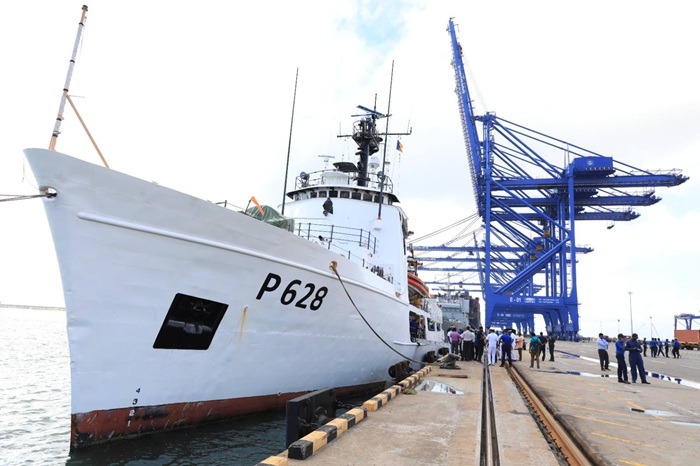
June 04, Colombo (LNW): A patrol vessel provided by the United States has arrived in Colombo, marking a significant addition to Sri Lanka’s maritime security resources and strengthening cooperation between the two countries in the field of defence and regional security.

Deputy Minister of Ports and Civil Aviation Janitha Ruwan Kodithuwakku confirmed that the vessel, designated P628, reached the Port of Colombo this week and is set to become part of the Sri Lanka Navy’s operational fleet following its official commissioning.

The vessel is expected to enhance the Navy’s ability to monitor territorial waters, conduct coastal surveillance operations and respond more effectively to maritime challenges, including illegal fishing, smuggling, human trafficking and other transnational threats. Officials believe the addition will further improve the country’s capacity to safeguard its maritime boundaries and support search-and-rescue missions.

A formal handover ceremony is scheduled to take place at the East Container Terminal of the Port of Colombo under the patronage of President Anura Kumara Dissanayake. Senior government representatives, naval officers and diplomatic officials are expected to attend the event, which will symbolise the deepening partnership between Sri Lanka and the United States in maritime security cooperation.

Government Unveils Ambitious Plan to Accelerate Public Sector Digital Transformation

0

By: Isuru Parakrama

June 04, Colombo (LNW): The government has begun rolling out a comprehensive initiative aimed at modernising the public sector and advancing the country’s transition towards a fully-fledged digital economy, with a strong emphasis on upgrading the technological capabilities of state employees.

The programme was reviewed during a high-level meeting attended by Deputy Minister of Digital Economy Eranga Weeraratne and Deputy Minister of Provincial Councils and Local Government Ruwan Senarath, alongside officials involved in public sector reform and digital development.

The initiative seeks to streamline government operations by embracing modern technologies, improving service delivery standards and reducing administrative delays that often affect citizens and businesses. Authorities believe that greater digital integration across state institutions will help create a more responsive and efficient public service.

A major component of the programme focuses on strengthening digital literacy among public officials at all levels. Particular attention will be given to encouraging the adoption of new technologies among senior administrators, while also expanding awareness of cyber threats, data protection and safe online practices.

To support these efforts, plans are being developed to launch a nationwide digital learning platform capable of reaching a large number of public servants. Training will be delivered through a combination of structured online courses and short mobile-friendly lessons designed to make learning more accessible and convenient.

Officials are also considering linking digital competency training to career progression within the public service. Under the proposal, completion of designated courses could become a factor in annual performance assessments and future promotions.

The programme will further utilise existing infrastructure, including office-based facilities and school computer laboratories, to conduct training sessions outside regular working hours. Innovative learning methods, including interactive and gamified content, are expected to be introduced, while participants who successfully complete courses will receive digitally verified certificates.

The long-term strategy is built around three key pillars: enhancing the skills of the current workforce, establishing digital qualifications as a requirement for future public sector recruitment, and aligning educational curricula with the demands of an increasingly technology-driven economy.

As part of the initial implementation phase, government employees are expected to undergo introductory cybersecurity training and receive practical instruction on the effective use of official digital communication platforms, collaborative work tools and electronic service systems.