November 25, Colombo (LNW): Sri Lanka’s Cabinet has green-lighted a plan enabling Sri Lankan nationals living in Italy to obtain locally recognised driving licences, marking a significant step towards improving services for the island nation’s overseas community.
The initiative was put forward yesterday (24) by Minister of Transport, Highways, Ports and Civil Aviation Bimal Rathnayake. He confirmed that the proposal secured Cabinet backing immediately, reflecting what he described as a “clear and urgent need” voiced by expatriates.
Officials in Colombo will now notify the Sri Lankan Ambassador in Rome, paving the way for a formal agreement with the Italian authorities responsible for issuing driving permits. Government sources suggest that both sides are aiming to finalise a Memorandum of Understanding within the next couple of months, streamlining the administrative process and ensuring that applicants face fewer bureaucratic hurdles.
According to the Minister, the move follows years of appeals from Sri Lankans in Italy, many of whom have struggled with the complexities of securing valid documentation despite long-term residency. He added that the new arrangement is part of a broader effort to strengthen support services for citizens living abroad.
Sri Lankan Government Moves to Ease Licence Access for Citizens in Italy
Prevailing showery conditions expect enhancement: Heavy falls above 100 mm may occur (Nov 25)
November 25, Colombo (LNW): Due to the low-level atmospheric disturbance in the vicinity of Sri Lanka, an enhancement of the prevailing showery conditions is expected over the Northern, North-central, Eastern and Uva provinces during the next few days from today, the Department of Meteorology said in its daily weather forecast today (25).
Cloudy skies can be expected over most parts of the island
Showers or thundershowers will occur at times in Northern, North-central, Eastern and Uva provinces and in Hambantota and Matale districts.
Showers or thundershowers will occur in the other areas of the island after 1.00 p.m.
Heavy falls above 100 mm are likely at some places in Eastern, North-central, Uva and Southern provinces. Fairly heavy falls above 75 mm are likely at some places in the other areas of the island.
Fairly strong winds of about 40 kmph can be expected at times over Northern province and in Trincomalee district.
The general public is kindly requested to take adequate precautions to minimise damages caused by temporary localised strong winds and lightning during thundershowers.
Marine Weather:
The low-pressure area over the South Andaman Sea is developing gradually and likely to move west-northwestwards.
Condition of Rain:
Showers or thundershowers will occur at several places in the sea areas around the island.
Winds:
Winds will be North-easterly or Variable in direction and speed will be (25-35) kmph.
Wind speed can increase up to (50-55) kmph at times in the sea areas off the coast extending from Batticaloa to Colombo via Trincomalee, Kankasanthurai, Mannar and Puttalam.
State of Sea:
The sea areas off the coast extending from Batticaloa to Colombo via Trincomalee, Kankasanthurai, Mannar and Puttalam will be rough at times.
The other sea areas around the island may be fairly rough.
Temporarily strong gusty winds and very rough seas can be expected during thundershowers.
China’s New Blueprint Deepens Sri Lanka Ties amid Global Tensions
By: Staff Writer
November 24, Colombo (LNW): China’s Fourth Plenary Session of the 20th Communist Party Central Committee has unveiled a sweeping development blueprint estimated to reshape Beijing’s global economic posture—and Sri Lanka is once again at the centre of its outreach strategy.
At a news briefing in Colombo, China’s Ambassador highlighted the new 15th Five-Year Plan as a roadmap for high-quality growth, technological supremacy, green transition and improved living standards, while signalling a renewed push to strengthen development cooperation with strategic partners such as Sri Lanka.
Beijing’s message came with a clear geopolitical backdrop: competition with the United States is intensifying, global supply chains are reorganising, and China is seeking to secure greater influence across the Indo-Pacific. For Sri Lanka, which is emerging from an economic meltdown and still navigating a complex debt restructuring, China’s development agenda offers both opportunities and potential risks.
The Chinese envoy underscored China’s strong performance under the previous 14th Five-Year Plan annual growth averaging 5.5%, GDP expected to surpass USD 19 trillion by 2025, and nearly 30% contribution to global economic expansion. With more than 500,000 high-tech firms and rapid gains in renewable energy and innovation, Beijing believes its development trajectory can anchor the economic recovery of partner nations.
Given Sri Lanka’s need for investment, technology transfer, and export diversification, China’s offer appears attractive. Colombo’s acute infrastructure financing gaps, energy transition needs, and digitalisation ambitions align neatly with Beijing’s stated priorities. Projects in logistics, renewable power, manufacturing zones, and digital trade are likely to be aggressively promoted under the new cooperation framework.
However, the geopolitical implications are unavoidable. China’s increased engagement may deepen scrutiny from India, the U.S., Japan and the EU nations already concerned about Beijing’s strategic footprint in Sri Lanka’s ports and infrastructure under the Belt and Road Initiative. The introduction of a more expansive Chinese development model may revive debates about debt diplomacy, strategic dependence, and transparency of major projects.
Domestically, expanded Chinese involvement could reshape the political economy. More Chinese investment may accelerate growth, but it could also trigger backlash from local industries, unions, and communities worried about labour displacement, land use and environmental impact. Given Sri Lanka’s fragile economic landscape, the government will face pressure to balance foreign inflows with national interest safeguards.
Internationally, Sri Lanka risks becoming further entangled in great-power rivalry. Beijing’s new development blueprint signals that China intends to consolidate influence in the Indian Ocean, and Colombo struggling to stabilise its economy is particularly vulnerable to external pressure.
China’s promise to support Sri Lanka’s recovery is significant, but the long-term repercussions will depend on how Colombo manages economic necessity against geopolitical exposure. As China accelerates its global blueprint, Sri Lanka must carefully navigate between partnership and dependence—an increasingly difficult tightrope in a fractured world.
Sri Lanka’s Economy Strains as Experts Urge Policy Shift
By: Staff Writer
November 24, Colombo (LNW): Sri Lanka’s economic recovery remains fragile despite pockets of improvement, with new expert commentary warning that policy missteps especially on interest rates risk prolonging the country’s crisis. Three years after the 2022 sovereign default, the country is still grappling with deep structural vulnerabilities, slow growth, and continuing social distress, even as official indicators point to stabilising external balances.
Sri Lanka continues to face its most severe economic downturn since independence in 1948. The fiscal tightening and austerity measures introduced as part of the IMF programme have helped reduce inflation and rebuild reserves, but they have also pushed large sections of the population into hardship.
Poverty has surged to 24.5% in 2024, more than double the 2019 level of 11.3%, while malnutrition, youth unemployment and rising school dropout rates suggest long-term, intergenerational consequences. Real per capita GDP is not expected to regain its 2018 levels until at least 2026, underscoring the slow pace of recovery.
The central tension within the economy today stems from contradictory conditions: sharply reduced inflation alongside some of the highest real interest rates in the region. According to the Central Bank of Sri Lanka’s August 2025 Monetary Policy Report, headline inflation has stayed below the 5% target for three consecutive quarters, moving only slightly above zero in the third quarter after dipping into negative territory earlier in the year. Yet the benchmark interest rate remains elevated at 7.75%.
This policy stance is now drawing major criticism. Professor Arjun Jayadev, Director at the Center for the Study of the Indian Economy at Azim Premji University, argues that maintaining such high real interest rates—despite low inflation and weak employment is “fiscal self-harm, not prudence.” He notes that Sri Lanka’s employment-to-population ratio has fallen by four percentage points since 2017, a clear sign that the economy is operating far below its potential.
Jayadev further warns that high interest rates threaten the country’s debt sustainability. With debt levels near 100% of GDP, even small increases in interest costs can widen the debt burden. Drawing a comparison to Greece’s post-2010 experience, he highlights how austerity can backfire when economic contraction outpaces debt reduction pushing economies deeper into crisis rather than stabilising them.
He also points out that Sri Lanka’s inflation is driven largely by food prices—which account for 35% of household expenditure—and are influenced more by global markets and supply disruptions than by domestic demand. This weakens the argument for keeping interest rates high to manage inflation.
Importantly, Sri Lanka’s external position has strengthened. The central bank projects a current-account surplus in 2025, official reserves have surpassed USD 6 billion, the rupee has been stable since the 2022 devaluation, and money markets show excess liquidity conditions that typically support monetary easing rather than tight policy.
Jayadev argues that maintaining a 7.75% policy rate benefits external actors at the expense of domestic recovery and warns that if tight monetary policy triggers another downturn, even foreign creditors stand to lose. With the economy returning to 4.9% growth in the second quarter of 2025, he believes the window for policy correction is open.
“Economies escape debt traps through growth, not endless austerity,” he stresses calling on the central bank to cut interest rates and support a more balanced, growth-oriented recovery.
Maldives–Sri Lanka Talks Set to Reset Economic Partnership
By: Staff Writer
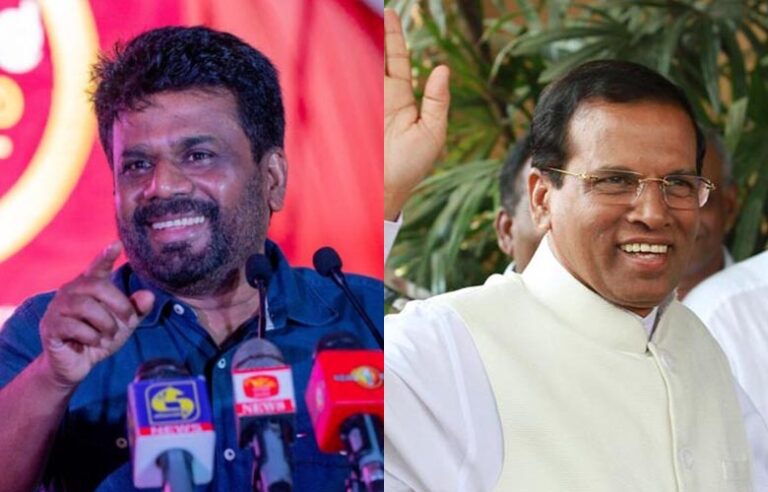
November 24, Colombo (LNW): Maldives President Mohamed Muizzu is scheduled to arrive in Colombo in the second week of December on an official invitation extended by President Anura Kumara Dissanayake, in a visit that is expected to significantly reshape economic cooperation, investment flows, and regional political alignment between the two Indian Ocean neighbours.
According to diplomatic sources, at least six memoranda of understanding (MoUs) covering trade, investment promotion, tourism collaboration, and information sharing are set to be signed during the three-day visit.
The visit comes just four months after President Dissanayake travelled to Malé and signed two important agreements: a Mutual Legal Assistance Treaty and a diplomatic training MoU between the Maldivian Foreign Service Institute (FOSIM) and Sri Lanka’s Bandaranaike International Diplomatic Training Institute (BIDTI).
This renewed exchange of high-level visits after several years of geopolitical turbulence in Malé signals a deliberate effort to stabilise and expand bilateral ties.
Sri Lanka and the Maldives have long maintained a cordial but understated relationship grounded in shared membership in the Commonwealth, SAARC, and the Indian Ocean Rim Association. Economic engagement, however, has historically remained modest.
Annual trade averages around USD 40 million, dominated by Sri Lankan exports of apparel, ceramics, processed food, and construction materials. The Maldives, heavily reliant on imports, represents a niche but stable market for Sri Lankan manufacturers.
Tourism and health travel form another critical pillar. While Sri Lankan tourists frequently visit Maldivian resorts, thousands of Maldivians travel to Colombo each year for medical treatment, education, shopping, and business. Strengthening these sectors through new MoUs could boost revenue for Sri Lankan hospitals, education institutions, airlines, and SMEs if implemented effectively.
However, analysts note that the real strategic significance of Muizzu’s visit lies in economic diplomacy and investment. With the Maldives aggressively seeking foreign capital for infrastructure and housing projects, Sri Lankan construction companies, energy firms, and logistics operators could position themselves to capture new contracts.
Conversely, Sri Lanka, now stabilising after years of economic crisis, hopes to attract Maldivian investors to its hospitality, real estate, and port-related ventures.
Politically, the visit is being closely watched given President Muizzu’s 2023 election campaign, which emphasised an “India-Out” stance and a renewed tilt towards China’s Belt and Road Initiative.
Since taking office, some of the anti-India rhetoric has softened, but the Maldives’ shifting geopolitical alignment still affects regional dynamics. Strengthening ties with Sri Lankatraditionally a neutral and pragmatic partne offers Malé a way to diversify its diplomatic footprint and reduce overdependence on any single major power.
For Sri Lanka, reinforcing relations with the Maldives is equally important. Colombo seeks to project stability and economic recovery, and deeper engagement with a wealthy tourism-driven neighbour can support foreign exchange inflows, create investment confidence, and enhance its role as a regional hub for education, healthcare, and aviation.
As both countries confront economic uncertainty and geopolitical competition in the Indian Ocean, President Muizzu’s December visit has the potential to transform a historically quiet partnership into a more strategic and mutually beneficial alliance if the promised MoUs translate into tangible results.
Audit Exposes Massive Revenue Leakages at Sri Lanka Customs
By: Staff Writer
November 24, Colombo (LNW): Sri Lanka Customs tasked with ensuring efficient import and export operations while securing government revenue has been found to be mired in administrative lapses, opaque financial practices, and weak internal controls, according to 2024 National Audit Office report released in 2025.
The report focuses on Customs’ complex network of internal funds, including the Reward Fund, Management & Compensation Fund, and the Overtime & Cargo Examination Fund, along with several sub-funds. While these were intended to support operational efficiency, auditors discovered minimal oversight and policy guidance, creating incentives for personal gain over national interest.
One alarming finding relates to penalty sharing: only 30% of net penalties reach the Consolidated Fund, often less than the customs duty owed. Between 2012 and 2023, Rs. 14.53 billion reached the Treasury, while Rs. 24.22 billion was paid to officers and informants.
Reward practices also fail legal requirements: for 35 years, payouts were made without Finance Minister approval, and routine operational detections were categorized as “offence detections” to justify bonuses. Attendance tracking remains outdated, relying on handwritten registers despite 2017 biometric mandates, while 90% of overtime payments go to officers, leaving only 10% for the state.
Major penalties between 2017 and 2023 were arbitrarily reduced, causing revenue losses of Rs. 181.5 million. The report highlights systemic weaknesses that undermine the integrity of one of the country’s most important revenue-generating institutions. The NAO stresses the need for immediate reforms to prevent further financial leakage
BYD Hosts Media Tour in China Amid Local EV Controversy
November 24, Colombo (LNW): Sri Lankan journalists from leading newspapers and prominent social media influencers were recently invited on an extensive tour of BYD’s operations in China, sources disclosed.
Insiders suggest that BYD is planning to organise a second delegation once the current group returns to Sri Lanka.
The initiative appears aimed at providing first-hand insight into the company’s operations and innovations, following recent debates over electric vehicle imports managed by BYD’s local distributor, John Keells.
Observers note that such tours are increasingly being used by corporations to engage directly with media and social platforms, potentially shaping public perception in response to controversies surrounding import practices and product quality.
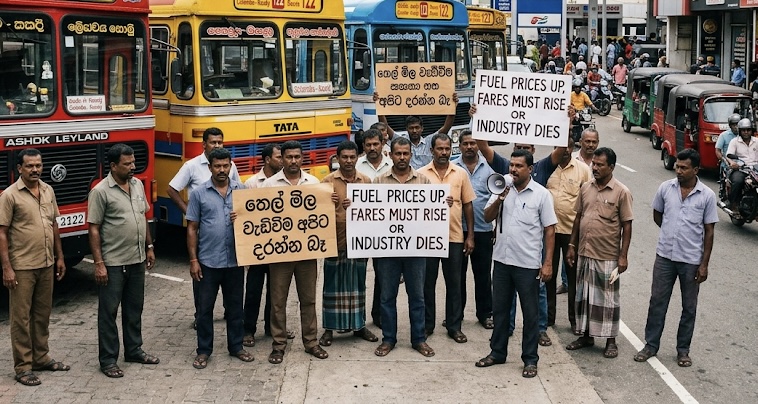
CPC Reviews Global Oil Surge as Sri Lanka Prepares for Next Fuel Price Adjustment
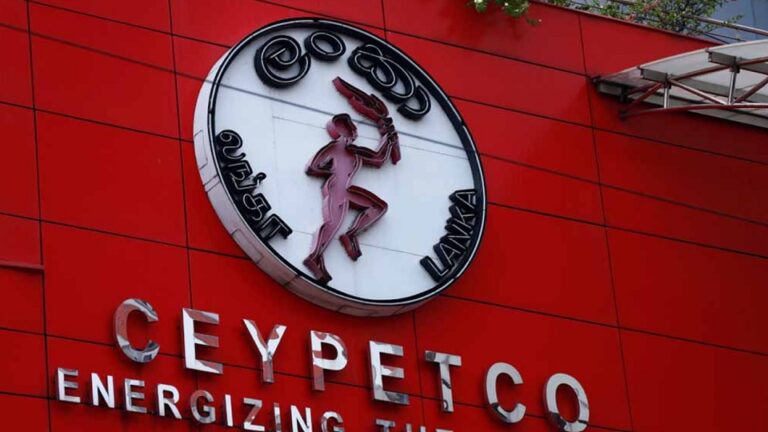
November 24, Colombo (LNW): The Ceylon Petroleum Corporation is closely analysing the sharp rise in international oil prices, as global market volatility continues to mount, Daily Mirror reported citing a senior company source.
During its routine evaluation of refined fuel prices, the state energy supplier has observed a steady climb in crude and product rates throughout the first three weeks of November. Industry regulators attribute this trend to a combination of seasonal demand and geopolitical strain.
According to CPC analysts, the onset of winter in major consumer regions has pushed energy consumption upward, while increasingly strict sanctions on Russia—one of the world’s key oil exporters—have further tightened supply. The official, who declined to be named, noted that restrictions imposed on more than 100 vessels carrying Russian fuel have intensified pressure on shipping routes and contributed to the global price uptick.
Even so, rumours of fresh negotiations between Moscow and Kyiv prompted a small dip in prices around November 22, offering brief relief to jittery markets by easing concerns about extended supply disruptions.
Sri Lanka typically imports two to three consignments of fuel each month, and the CPC is now reviewing the latest data before finalising its next domestic price update. The corporation continues to apply a cost-reflective pricing formula to ensure that local pump rates mirror shifting conditions in the international energy market.
Lack of Support Leaves Vulnerable Young Women Drifting into Sex Trade, Group Warns
November 24, Colombo (LNW): A Sri Lankan social welfare organisation has raised alarm over the growing number of young women leaving state-run probation and child detention centres who find themselves with so few options that they end up turning to sex work soon after they turn 18.
According to H. A. Lakshman, Executive Director of the Praja Shakthi Development Foundation, many of these girls arrive at such institutions after suffering severe neglect, harassment, or sexual abuse, while others are placed there simply because they have no parents or stable home environment.
Once released, he said, they are left to fend for themselves with little training, no financial cushion, and almost no guidance.
Lakshman added that the absence of structured vocational support means many struggle even to secure basic employment. Faced with immediate economic pressure, some turn to sex work as the only readily available source of income.
Others, upon returning to unsafe environments, encounter further exploitation, making it even harder for them to break away from the cycle.
He stressed that the foundation does not compel these young women to abandon their current means of survival but stands ready to work with the government on any initiative that provides safer, more dignified opportunities.
Approximately 10,000 female sex workers are currently registered with the organisation, many of whom entered the trade shortly after leaving state care.
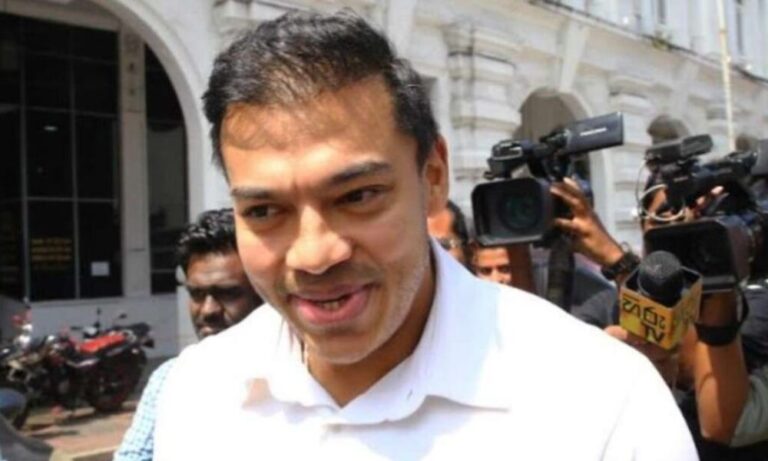
Deputy Minister of Women and Child Affairs Namal Sudarshana acknowledged that precise figures are difficult to track but admitted that girls leaving detention at 18 often do so without guardians, mentors, or community support.
He noted that the government is considering extending their stay in such centres until the age of 20 or 21, giving them more time to access stability and training.
Planned programmes include vocational instruction in areas such as baking, beauty therapy, and courses leading to NVQ qualifications—efforts aimed at helping these young women step into the workforce with genuine skills rather than desperation.
Thousands Facing Years-Long Wait for Heart Operations at Colombo National Hospital
November 24, Colombo (LNW): Almost 5,000 people awaiting cardiac procedures at Colombo National Hospital are facing delays so severe that some may wait as long as four years before undergoing life-saving surgery, according to Dr Chamal Sanjeewa, head of the Doctors’ Trade Union Alliance for Medical and Civil Rights.
Drawing on figures released through the Right to Information Act, Dr Sanjeewa said the hospital’s cardiac units are overwhelmed, with individual waiting lists running into the hundreds—and in one ward, well over two thousand. The length of the queues, he warned, places already vulnerable patients at considerable risk.
Many of those waiting come from families with modest means and have no realistic alternative to state care, as private-sector heart surgery typically costs upwards of Rs. 2 million. “For a significant number, the danger is not just the delay but the possibility they may never reach the operating theatre in time,” he cautioned.
Dr Sanjeewa also criticised the government’s budget priorities, noting the absence of targeted assistance from the President’s Fund for patients in urgent need of cardiac interventions. He urged authorities to provide immediate relief and to treat the growing surgical backlog as a national health emergency.
Although the government has announced plans for a 16-storey cardiac complex at the Colombo National Hospital, only Rs. 200 million has been earmarked for the project—an amount Dr Sanjeewa said falls far short of what is required to make a meaningful impact on the crisis.