August 14, Colombo (LNW): A scheduled 10-hour interruption to the water supply will affect several areas across the Gampaha District today (14), according to a statement issued by the National Water Supply and Drainage Board (NWSDB).
The supply cut, which will be in effect from 10:00 a.m. to 8:00 p.m., will impact the following locations: Nittambuwa, Kandahena, Mapagolla, Kongasdeniya, Pinnagollawatta, Kolawatta, Gorakadeniya, Ranpokunagama, Ranpokunagama Housing Scheme, Urapola, Dikkanda, Meevitigammana, Maimbula, Mathalana, Haggalla, Alawala, Kalalpitiya, and Ellamulla.
The NWSDB cited essential maintenance work as the reason for the temporary suspension and extended its apologies to residents for any inconvenience caused.
Consumers in the affected areas are advised to store an adequate supply of water in advance and to use available resources sparingly during the disruption.
Water Supply Disruption in Gampaha District Scheduled for Today
Priyantha Weerasooriya assumes duties as Sri Lanka’s new IGP
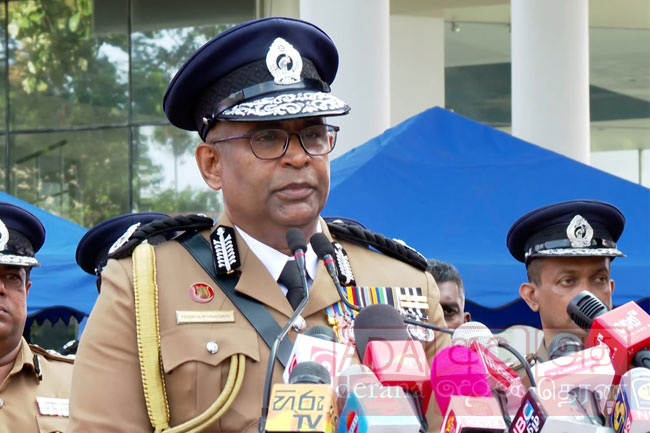
August 14, Colombo (LNW)): Sri Lanka has appointed Priyantha Weerasooriya, a seasoned legal and law enforcement professional, as its 37th Inspector General of Police (IGP), marking a significant milestone in the history of the country’s police service.
The official assumption of duties took place at Police Headquarters in Colombo 02, where he addressed senior officers and dignitaries shortly after taking charge.
In his inaugural remarks, IGP Weerasooriya underscored his commitment to restoring the dignity, credibility, and professionalism of the police institution. Drawing inspiration from philosophical principles, including the concept of the “Eight Worldly Winds”—a Buddhist teaching on impermanence and balance—he signalled a leadership style guided by composure, fairness, and ethical clarity.
Weerasooriya expressed his intention to transform the police service into a disciplined and trusted force, noting that he expects unwavering commitment and high standards from every officer under his command.
He described his new role not as a position of privilege, but one of deep responsibility, and conveyed gratitude to all those involved in entrusting him with the nation’s highest policing post.
His appointment was officially confirmed on August 13 by President Anura Kumara Dissanayake, following the Constitutional Council’s approval a day earlier. The formal letter of appointment was presented by Presidential Secretary Dr. Nandika Sanath Kumanayake.
The vacancy arose after the parliamentary removal of former IGP Deshabandu Tennakoon, paving the way for a new chapter in police leadership.
Mahinda Samarasinghe Tipped for Senior Government Role Following Diplomatic Triumph in Washington
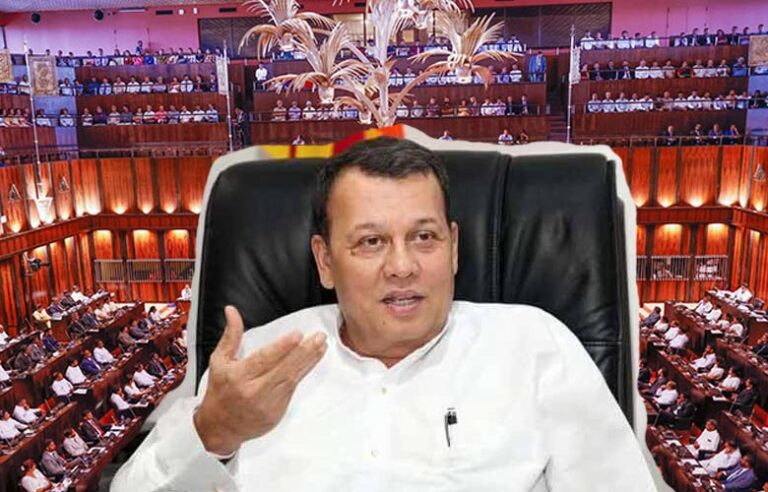
August 14, Colombo (LNW): High-level political discussions are reportedly in progress regarding the potential reappointment of Mahinda Samarasinghe, currently serving as Sri Lanka’s ambassador to the United States, to a prominent position within the government.
Insiders suggest that Samarasinghe’s instrumental role in mitigating a major economic threat posed by punitive trade tariffs introduced by former US President Donald Trump has sparked renewed interest in bringing the seasoned diplomat and former minister back into the country’s political fold.
At the height of a trade dispute, the United States initially announced a hefty 44% tariff on Sri Lankan exports—a move that sent shockwaves through Colombo due to the potentially devastating impact on the island nation’s export-driven economy.
Through a series of complex negotiations involving Sri Lankan envoys in Washington, the proposed tariff was first reduced to 30% and eventually brought down to 20%, softening the economic blow significantly.
According to political sources familiar with the matter, Samarasinghe played a pivotal role in these negotiations, leveraging his diplomatic acumen and longstanding international relationships to secure a more favourable outcome for Sri Lanka.
Given his track record, serious consideration is reportedly being given to appointing Samarasinghe to Parliament via the national list, a move that would open the door to him assuming a key role within the current administration. Discussions remain ongoing, and it is understood that several senior figures within the government are backing the proposal.
Interestingly, reports also suggest that international intelligence agencies have taken note of these developments, closely observing the political manoeuvring around Samarasinghe’s possible re-entry into frontline politics—a sign of the broader geopolitical implications his return might hold.
Spells of Showers Expected in Several Provinces; Strong Winds in Parts of Sri Lanka (Aug 14)

Colombo (LNW): Several spells of showers will occur in the Western, Sabaragamuwa and North-western provinces and in Kandy, Nuwara-Eliya, Galle and Matara districts.
Showers or thundershowers may occur at a few places in Uva province and in Ampara and Batticaloa districts after 2.00 p.m.
Fairly strong winds of about (30-40) kmph can be expected at times over Western slopes of the central hills and in Northern, North-central, North-western and Southern provinces and in Trincomalee district.
Department of Meteorology
Defence Ministry Warns of Cybercrime Job Scam Targeting Sri Lankans Abroad
The Ministry of Defence has issued a warning about a large-scale recruitment racket luring Sri Lankans and other foreign nationals into forced labour at cybercrime centres in East Asia.
According to the Ministry, an estimated 50,000 people from various countries — including Sri Lanka — have been deceived with fake offers of information technology jobs. At least five such cybercrime hubs have been identified, using social media advertisements to target job seekers.
In recent weeks, eleven Sri Lankans have reportedly fallen victim to the scam and are being coerced into illegal operations. The scheme also targets Sri Lankans working in Dubai, promising fraudulent IT positions in Thailand, Myanmar, Cambodia, and Laos.
The National Task Force Against Trafficking in Persons has urged the public to remain vigilant, use only legal channels for overseas employment, and report any suspicious offers to authorities without delay.
Govt to Open Underutilised State Lands for Private and SME Investments

The government will invite private sector participation, including investments from Small and Medium-sized Enterprises (SMEs), to develop underutilised lands owned by state institutions into economically viable projects.
Cabinet spokesman and Mass Media Minister Dr. Nalinda Jayatissa, speaking at the weekly Cabinet press briefing yesterday (12), said the programme will cover properties managed by the Land Reform Commission, Divisional Plantation Companies, National Livestock Development Board, Sri Lanka State Plantations Corporation, and Janatha Estates Development Board.
Proposed under the 2025 budget, the initiative aims to attract investments in sectors such as plantation and agriculture, plantation-based tourism, livestock development, hydropower and solar power generation, industrial production, freshwater fisheries, and other innovative economic activities linked to plantations.
Vietnam’s ROX Group Explores Renewable Energy Investments in Sri Lanka
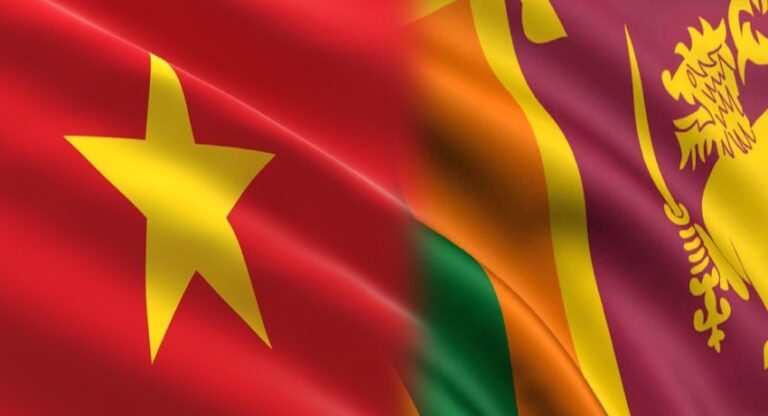
A high-level delegation from ROX Group, one of Vietnam’s leading conglomerates, met with Power and Energy Minister Eng. Kumara Jayakody yesterday (12) to discuss potential investments in Sri Lanka’s energy sector. The delegation was led by Mr. Tran Anh Tuan, Chairman of the Advisory Board of ROX Group and Chairman of the Maritime Commercial Joint Stock Bank (MSB).
The visit builds on agreements and ties established during President Anura Kumara Dissanayake’s recent official visit to Vietnam. The delegation expressed strong interest in renewable energy, particularly large-scale solar and wind power projects.
Minister Jayakody highlighted that Sri Lanka, supported by strong public backing, has accelerated initiatives to modernize and expand the power sector, creating a favourable climate for foreign investors.
As part of their visit, the ROX Group team will tour the Northern and Eastern Provinces to identify sites with high potential for renewable energy projects.
The company also shared its experience in developing energy ventures in the UK, other European countries, Mongolia, and Kyrgyzstan.
No Satellite Registered Under Sri Lanka’s Name in ITU Records – Minister Jayatissa
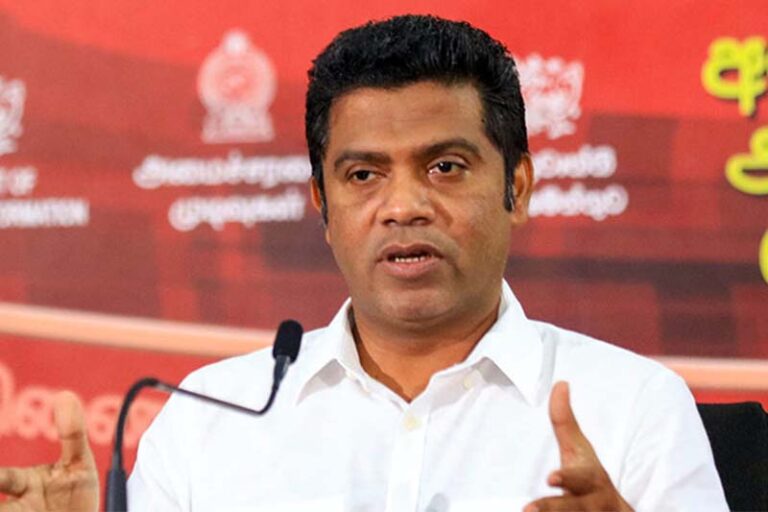
Mass Media Minister Dr. Nalinda Jayatissa revealed that Sri Lanka currently has no satellite registered under its name in the records of the International Telecommunication Union (ITU), the UN agency responsible for coordinating global information and communication technologies.
Addressing the Cabinet Press Briefing yesterday (12), Dr. Jayatissa explained that the ITU’s satellite registration process involves three stages: submission of technical details, coordination with other member states to avoid interference, and final notification of the satellite’s parameters for registration and international recognition — a process that typically takes three to seven years.
He noted that Sri Lanka’s Telecommunications Regulatory Commission holds two geostationary orbital positions at 121.5°E and 50°E. While these slots are reserved for Sri Lanka, other countries, including Afghanistan, Kyrgyzstan, Moldova, Nepal, Tajikistan, and Romania, may also operate there without causing interference.
Dr. Jayatissa further stated that while satellites under the name “ChinaSat” occupy the 87.5°E orbital slot, there are no satellites registered as “SupremeSat One” or “ChinaSat 12” in any of Sri Lanka’s allocated positions.
SupremeSat had signed an agreement with the Board of Investment on May 23, 2012, and declared assets worth Rs. 12 billion related to a satellite in its 2013–14 financial statements, which were later removed in 2014–15. Audit reports also showed no recorded revenue from satellite operations.
In 2016, the company informed the BOI that, under an agreement with China Great Wall Industry Corporation, the assets tied to the satellite were removed. However, ITU checks found no record of “SupremeSat One” or its reported new name, “ChinaSat 12,” under Sri Lanka’s registrations.
Cabinet Approves Recruitment of 62,000 to Modernise Public Service — President Outlines Vision for Youth Leadership
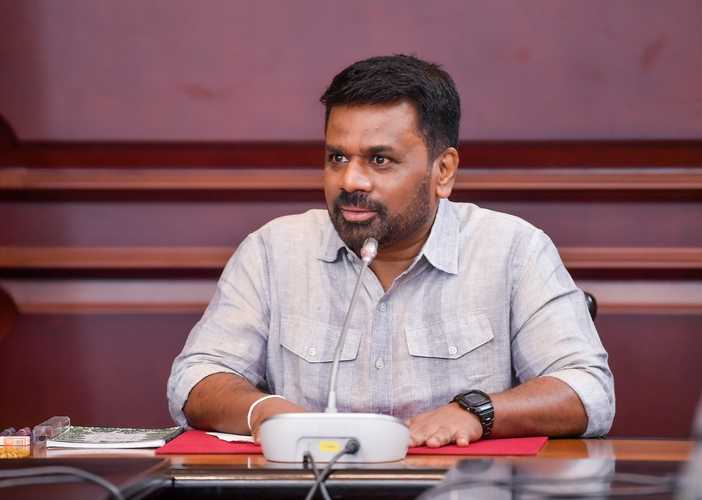
President Anura Kumara Dissanayake announced that Cabinet approval has been granted to recruit nearly 62,000 individuals into the public service as part of efforts to modernise a government he described as “largely stagnant.”
Speaking at the “Youth Club” National Youth Conference at the Sugathadasa Indoor Stadium in Colombo yesterday (12), the President emphasised that addressing unemployment requires more than government recruitment alone. He called for an open economy driven by government-led processes that create sustainable job opportunities, noting that plans are already in place to achieve this goal.
President Dissanayake said the country’s youth movement has undergone a transformation from being a political pawn to becoming a platform for cultivating competent leaders. He underscored the government’s commitment to empowering young people to shape their own future, rather than simply maintaining political power structures.
“We have no intention of clinging to these positions indefinitely,” he said, pledging to pass political leadership to a new generation equipped with ability, integrity, and conscience. He stressed that future leaders must be capable of rapidly adapting to the fast-growing body of global knowledge while also demonstrating compassion and empathy.
The President revealed that a programme will be launched through the youth movement to prepare young men and women to become leaders and active stakeholders in Sri Lanka’s development path.
This year’s National Youth Conference was held after a 32-year gap, drawing more than 6,000 participants from across the island. Leading up to the event, “Youth Clubs” were formed at regional level, with newly appointed officers formally introduced at the national gathering.
The event was attended by Youth Affairs and Sports Minister Sunil Kumara Gamage, Deputy Ministers Eranga Gunasekara and Sugath Thilakaratne, Members of Parliament, ambassadors, senior officials, and National Youth Services Council Chairman Supun Wijerathna.
Sri Lanka Eyes Floating Solar Power to Boost Green Energy Goals

Sri Lanka has taken a step towards diversifying its renewable energy mix by approving a proposal to hire a consultancy firm to explore the feasibility of floating solar power projects, Cabinet Spokesman and Minister of Health and Media Nalinda Jayatissa announced. The move aims to accelerate the island nation’s goal of achieving 70 percent renewable energy by 2030 and complete carbon neutrality by 2050.
The initiative is part of the government’s Renewable Energy Resources Development Plan 2026–2030, which has identified several reservoirs suitable for generating an estimated 3,000 megawatts (MW) of electricity from floating solar installations. This estimate is based on using about 10 percent of the surface area of selected water bodies.
Minister Jayatissa noted that limited land availability has become a significant barrier to large-scale solar development, prompting the government to consider alternatives. “When you try to build solar panels on land, there is an issue of space because of limited land space. So, as an alternative, the government has focused on floating solar power panels,” he said.
Under the plan, potential sites will be selected only after pre-feasibility and feasibility studies, along with comprehensive environmental impact assessments. Tests are already underway in some water bodies, and findings from these pilots will inform future expansion.
Floating solar technology, while promising, presents both opportunities and challenges. Globally, such systems have been deployed in countries like China, India, and Japan, taking advantage of reduced land requirements, lower water evaporation rates, and potentially higher energy efficiency due to the cooling effect of water.
In Sri Lanka, pilot attempts have been made on a small scale, particularly on reservoirs under the Ceylon Electricity Board (CEB) and irrigation schemes, but large-scale commercial deployment has yet to take off.
Key challenges include high initial capital costs and the need for robust battery storage systems to manage power fluctuations. The cost of energy storage remains a critical concern, as it can significantly impact the economic viability of these projects.
Cabinet approval paves the way for the procurement process to invite proposals from recognized firms to conduct technical and environmental studies. The consultancy work will determine the most suitable reservoirs, assess potential output, and address technical hurdles such as anchoring systems, maintenance in aquatic environments, and grid integration.
If implemented effectively, floating solar could become a cornerstone of Sri Lanka’s clean energy transition, complementing existing hydropower assets and reducing dependency on fossil fuels. The initiative also aligns with the country’s broader environmental goals, including plans for flora spatial mapping and participation in carbon credit trading.
However, experts caution that success will depend on transparent procurement, strong technical partnerships, and careful balancing of ecological and community concerns—especially in areas where reservoirs support fisheries and irrigation.
With feasibility work now set to begin, Sri Lanka’s push for floating solar could mark a turning point in its renewable energy journey, offering both climate and energy security benefits in the years ahead.