Home Blog Page 432

Rs. 2.1 Billion Loss in Milch Cow Import Deal: Deputy Minister Vows Legal Action

0

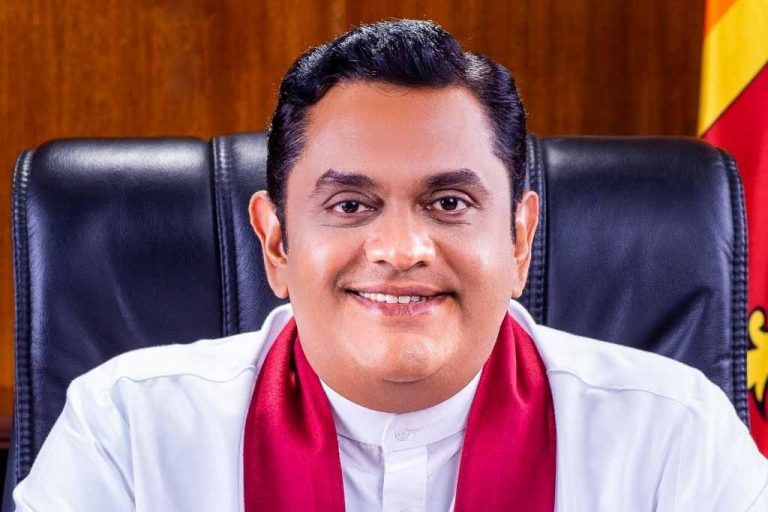
Colombo, June 20 — Housing Deputy Minister T. B. Sarath revealed in Parliament yesterday that the controversial milch cow import project carried out during the Mahinda Rajapaksa administration has resulted in a staggering loss of Rs. 2,100 million to the state.

Speaking during the parliamentary session, the Deputy Minister stated that the financial damage incurred through this project — which spanned from 2014 to 2020 — is now irreversible. “This is a blatant destruction of public funds. The country is going bankrupt because of these kinds of decisions,” he said.

He further emphasized that all those involved in the alleged misconduct will be held accountable:

“Anyone involved in theft will be arrested in the future. We will punish everyone who stole this public money.”

Deputy Minister Sarath assured the House that legal action will be taken against those responsible, reaffirming the Government’s commitment to ensuring justice and restoring public trust in state governance.

The milch cow import project, launched under the promise of revitalising the dairy industry, has long been criticised for poor planning, questionable procurement processes, and high mortality rates among the imported cattle. Investigations into the matter have been called for by several sectors over the past years, with this latest disclosure reigniting demands for accountability.

President’s Fund Services Go Fully Digital Nationwide from Tomorrow

0

In a landmark move aimed at improving public access and transparency, all services provided by the President’s Fund will be available through a new online platform starting tomorrow (June 21).

The initiative follows the successful launch of digital applications for medical assistance via Divisional Secretariats across the island, which began on February 7. Building on that success, the online system is now being expanded to cover all services offered by the Fund.

Through this digital platform, citizens can apply online at any Divisional Secretariat in the country for a range of support services, including:

  • Poverty alleviation assistance
  • Educational scholarships and recognition for academic excellence
  • Aid for individuals with special needs
  • Relief for children affected by human-elephant conflict
  • Recognition of national service or individual contributions to the country
  • Emergency and disaster relief assistance

This marks the first time in its 47-year history that the President’s Fund services will be available nationwide through a digital medium. Previously, access to many of these services was largely restricted to the Colombo office.

The digital transformation was implemented under the guidance of the Board of Governors of the President’s Fund, chaired by the President, and is expected to broaden accessstreamline operations, and curb misuse by ensuring a more transparent and accountable process.

Officials say the change will allow more equitable distribution of aid and simplify the process for those in rural and underserved areas who previously faced logistical barriers to accessing assistance.

India–Sri Lanka Tourism Conclave 2025 Paves Way for Northern Province Tourism Boom

0

The Consulate General of India in Jaffna hosted the Tourism Conclave 2025 at the Thiruvalluvar Cultural Centre, spotlighting the untapped tourism potential of Sri Lanka’s Northern Province. The hybrid-format event brought together leading stakeholders from India and Sri Lanka to foster stronger regional tourism ties and build a collaborative cross-border tourism ecosystem.

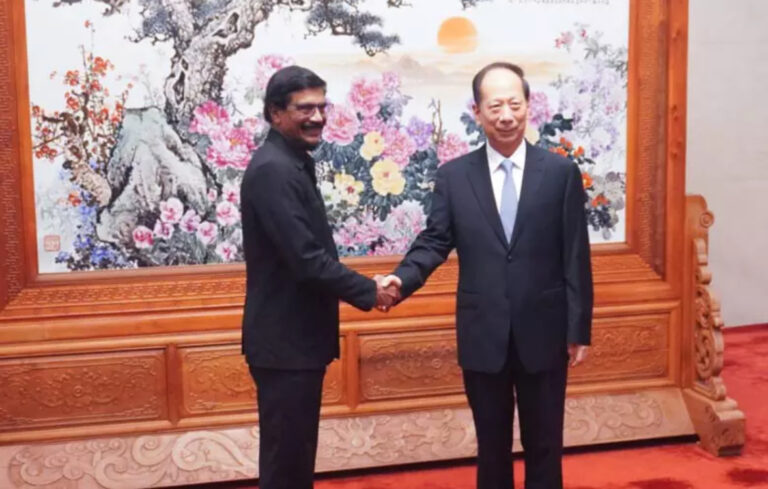
Inaugurating the conclave, Consul General Shri Sai Murali highlighted the cultural, geographic, and historical proximity between the two nations, calling tourism a “natural bridge” in the bilateral relationship. He emphasized that connectivity is the foundation of tourism, pointing to the revived Nagapattinam–Kankesanthurai ferry and enhanced flight services between Chennai, Jaffna, and Trichy as key enablers.

“India remains steadfast in its commitment to supporting Sri Lanka’s tourism revival,” the Consul General stated, urging travel operators and tourism boards to co-create a sustainable and thriving tourism network.

Northern Province Tourism Bureau Chairman A. Pathinathan, speaking on the region’s strategic location and Indian tourist influx, especially from Tamil Nadu, Kerala, Puducherry, Karnataka, Andhra Pradesh, and Telangana, said the conclave was vital in building mutual understanding and facilitating cooperation among tourism stakeholders. He stressed that the growing number of Indian tourists are visiting not only for religious pilgrimage but also for leisure, commerce, and cultural exploration.

“This is a critical moment to elevate the Northern Province into a fully-fledged tourism hub,” Pathinathan noted. He identified Delft Island and the Northern coastline as prime areas for development, with initiatives already underway to boost infrastructure and accessibility.

The conclave featured presentations from a Nagapattinam delegation and tourism officials from six Indian States and Union Territories, who shared insights on collaborative tourism strategies. Key industry figures, including Sirharan Balan (Chairman, South India Chamber of Commerce – Tourism), T. Devaki (Chairperson, Travel Agents Association of India – Southern Region), and K. Pandian (Chairperson, Indian Association of Tour Operators – Tamil Nadu and Puducherry), spoke on emerging travel trends and inbound tourism promotion.

Tourism experts at the event described Jaffna as a hidden tropical gem, rich in cultural, historical, and natural assets. With landmarks like Jaffna FortNallur Kandaswamy Kovil, and Casuarina Beach, the region offers a compelling blend of heritage and coastal beauty. Stakeholders agreed that with the right investment and cross-border cooperation, Sri Lanka’s Northern Province could become a premier destination for South Asian tourism.

PM Emphasises Innovation to Drive Economic Transformation at ADB Serendipity Programme

0

Prime Minister Dr. Harini Amarasuriya participated in the Asian Development Bank’s (ADB)Serendipity Knowledge Programme (SKOP)” on the theme Innovation for Economic Transformation, held in Colombo yesterday.

The SKOP initiative is part of ADB’s broader effort to foster knowledge-sharing on key development issues in Sri Lanka, while encouraging long-term collaboration between the Government, global experts, and stakeholders to strengthen the country’s national innovation ecosystem.

Addressing the forum, Prime Minister Amarasuriya stressed that innovation is essential for overcoming Sri Lanka’s ongoing economic challenges and escaping the middle-income trap. She reiterated the Government’s commitment to creating supportive policy frameworks that facilitate collaboration with the private sector and promote innovation at all levels of the value chain.

“Although Sri Lanka has a solid foundation for innovation, there exists a significant disconnect,” she noted, highlighting Sri Lanka’s current ranking of 89th out of 113 countries in the Global Innovation Index 2024. The Prime Minister pointed to chronic underinvestment in higher education and research, with gross expenditure on research and development (R&D) at just 0.1% of GDP.

“Our Government is determined to reverse this trend,” she said. “We will increase funding for R&D and invest strategically in higher education, ensuring Sri Lanka can build a truly innovation-driven economy.”

The event was also attended by ADB Sri Lanka Resident Mission Country Director Takafumi KadonoPrime Minister’s Secretary G. Pradeep Saputhanthri, and Secretary to the Ministry of Higher Education, Education and Vocational Training Nalaka Kaluwewe, along with university faculty members and other officials.

No Risk of Oil Shortage Despite Regional Tensions – Energy Minister

0

Energy Minister Kumara Jayakody assured the public that there is no risk of a petroleum shortage in the coming months, despite rumours triggered by escalating tensions in the Middle East.

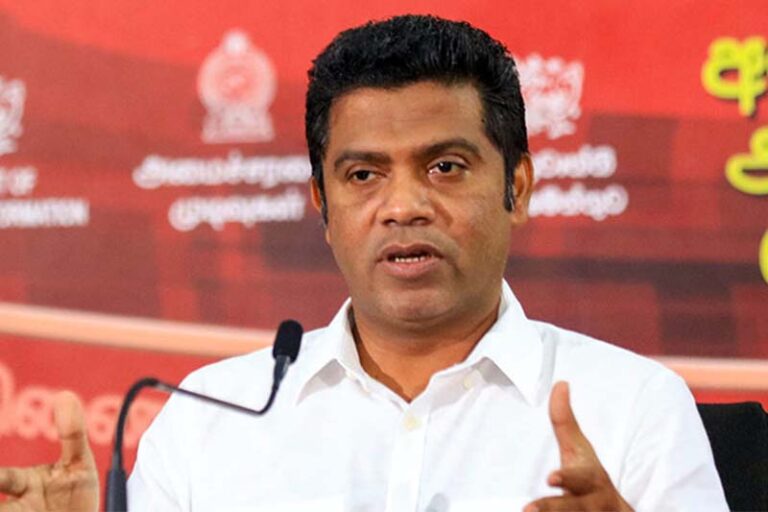
Speaking at a press conference held at the Government Information Department in Narahenpita, Minister Jayakody confirmed that the Ceylon Petroleum Corporation (CPC) has completed its procurement process and signed agreements securing oil supplies until December. Current reserves are sufficient to meet national demand for at least two and a half months, he said.

“The supply of crude oil for the Sapugaskanda Refinery is fully confirmed until the end of the year. Therefore, the public should not fear an oil crisis,” the Minister stated.

He further clarified that Sri Lanka does not rely on oil imports from countries currently involved in the Middle East conflict, and that the majority of purchases are from suppliers outside the conflict zone.

Addressing potential price hikes, Minister Jayakody explained that fuel prices are reviewed at the beginning of each month, based on global oil prices. “Our aim is always to provide fuel to the public at the lowest possible cost. Price changes are driven solely by international market trends and essential local factors like transportation and distribution,” he said.

The Minister emphasised that the Government does not seek profit from fuel distribution and often operates on minimal or zero profit margins through the CPC to ease the burden on the public.

Meanwhile, the CPC issued a warning that selling fuel in bottles or cans is illegal, and cautioned the public against stockpiling oil unnecessarily, which could lead to logistical challenges. Oil distributors have been instructed accordingly.

The press conference was also attended by senior officials of the Ceylon Petroleum Corporation.

Several spells of showers will occur in the Western, Sabaragamuwa and North-western provinces 

0

Several spells of showers will occur in the Western, Sabaragamuwa and North-western provinces and in Nuwara-Eliya, Kandy, Galle and Matara districts. Showers or thundershowers may occur at a few places in the Uva province and in Ampara and Batticaloa districts during the afternoon or night.

Fairly strong winds of about (30-40) kmph can be expected at times over Western slopes of the central hills and in Northern, North-central, Southern and North-western provinces and in Trincomalee district.

The general public is kindly requested to take adequate precautions to minimize damages caused by temporary localized strong winds and lightning during thundershowers.

Government Revives LNG Terminal Tender for 2028 Launch

0

By: Staff Writer
June 19, Colombo (LNW): Sri Lanka is moving forward with a long-delayed tender to build a liquefied natural gas (LNG) terminal, reviving a key energy project aimed at reducing generation costs and transitioning to cleaner fuels, Power and Energy Minister Kumara Jayakody told Parliament.

The tender, originally issued in 2021 for a Floating Storage and Regasification Unit (FSRU) under a Build-Own-Operate (BOO) model, was previously derailed by policy shifts and administrative changes. Now, the government has reactivated both the Cabinet-appointed negotiation and project committees to finalize the deal with the selected bidder. LNG supply is expected to commence in 2028.

The project is closely linked to the 300MW Sobadhanavi Combined Cycle Power Plant in Kerawalapitiya, which is designed to operate on LNG. The plant, anticipated to be completed within 18 months, will be the largest privately-owned power producer in the country. The government views LNG as a transitional energy source as it pushes toward greater reliance on renewables, despite it being more expensive than coal.

After a seven-year gap, Sri Lanka resumed cooperation with India’s Petronet LNG Limited, signing a memorandum of understanding (MoU) via state-run LTL Holdings. The partnership aims to lower energy costs, support cleaner fuel adoption, and develop a domestic LNG market, Energy Minister Kanchana Wijesekera confirmed.

Petronet had earlier partnered with Japanese firms Mitsubishi and Sojitz to build a US$250 million LNG import terminal with a capacity of around 2.7 million tonnes per annum. The plan, approved by the Public Utilities Commission of Sri Lanka (PUCSL), was to support LNG-fired power generation on a BOOT (Build-Own-Operate-Transfer) basis. The Asian Development Bank later funded expert consultancy for project development.

However, in 2022, Sri Lanka canceled its agreement with Petronet over delays, controversially awarding the tender to the Engro Consortium of China and Pakistan. This triggered diplomatic friction with India. A year later, in August 2023, the government reversed course and reinstated Petronet. As of mid-2024, the deal is nearing finalization, with Petronet likely to receive exclusive rights to supply LNG to Sri Lanka.

Energy cost comparisons presented in Parliament underscored the urgency of this shift. Hydropower, which once supported a 100% renewable grid, now costs just Rs.1.00 to Rs.12.69 per unit due to depreciation of assets. In contrast, coal costs Rs.20.80 per unit, other thermal sources range from Rs.45.52 to Rs.174.27, and diesel remains heavily taxed. Solar energy is priced between Rs.27.26 and Rs.35.50, while wind power stands at Rs.12.27.

The previously proposed New Fortress Energy deal under the Rajapaksa administration was mired in controversy. Critics, including CEB unions, opposed its ‘take-or-pay’ clause which forced long-term LNG purchases regardless of cost competitiveness. In contrast, the current BOO model allows fuel procurement at prevailing market prices, similar to how coal is sourced.

Officials note that LNG also offers future versatility beyond electricity, including powering public transport systems, as seen in other countries.

Sri Lanka Footwear Sector Eyes US $700Mn despite Labor, Smuggling Hurdles

0

By: Staff Writer
June 19, Colombo (LNW): Sri Lanka’s Footwear and Leather Product Industry is set to record a robust growth, driven by increasing exports, consumerism, urbanisation, and a shift towards high quality goods.

The footwear industry is to rake in US$710.97 million in revenues in 2025 and will expand, though it is being undermined by smuggling and needs investment, according to official projections.

Luxury leather goods market is anticipated to be worth $41.88 million, as the industry is known for producing an assortment of items, including footwear, handbags, and other leather goods, with the majority of producers supplying to international brands.

Collaboration between the government and industry is crucial for building a strong local supply chain and addressing issues like energy prices and currency volatility, former President of Sri Lanka Footwear and Leather Products Manufacturers Association and Chairman/ MD of P.G.Martin Industries Pvt Ltd P.G.D. Nimalasiri said

The industry needs to invest in AI and workforce up skilling to stay competitive and adapt to global trends, he said adding that man power shortage has become one of the issues facing leather product sector.

Manufacturers must be in a position to sustain worldwide quality standards and adapt to changing consumer patterns addressing the challenges of raw material prices, competition, and quality standards to sustain its growth momentum.

Among the major issues in the Sri Lankan leather production industry is a lack of unskilled laborers.

Although the government and almost everyone complain that there is high national unemployment, it is very difficult to find unskilled workers, he pointed out noting that their demand is not being met by adequate supply.

“Instead of employing more people we have adopted an effective policy whereby we give our employees additional work, which they can do at home, and thereby en­hance their remuneration” he said.

The company is continuing a humanitarian mission setting a notable precedent since 2016 .by joining hands with the Prisons Department to bring hope, skill, and a chance for redemption to currently around 40 inmates at Welikada Prison, Colombo, he disclosed.

The aim was to help these inmates learn a craft, a skill that could serve them beyond their prison days, he said adding that they have been provided with a 6-month-long training by senior craftsmen and technicians of the company for them to learn the art of manufacturing.

He said “They will become skilled craftsmen, each capable of creating products from start to finish. But: they weren’t just gaining knowledge; they were earning their way toward rehabilitation”.

After completion of their training, they will be receiving a monthly remuneration. It wasn’t charity; it was a reward for their hard work and commitment, he revealed.

Rupee Remains Steady as Bond Yields Edge Up and Markets Dip

0

By: _Isuru Parakrama_

June 19, Colombo (LNW):
The Sri Lankan rupee happens to have maintained relative stability against the US dollar on Thursday (19), opening at 300.50/70 in the spot currency market, nearly unchanged from the previous day’s close of 300.40/60, according to currency traders.

Despite the steadiness in the exchange rate, financial markets saw upward pressure on sovereign bond yields, especially across mid- to long-term maturities, indicating shifts in investor sentiment and inflation expectations.

Government securities showed a modest rise in yields, suggesting a cautious mood among market participants. A bond maturing on 15 December 2026 was quoted at 8.15 to 8.25 per cent, marking a slight uptick from the earlier range of 8.14 to 8.20 per cent.

Meanwhile, the yield on the 15 September 2027 bond inched upward, quoted at 8.50 to 8.60 per cent.

Longer-dated securities also reflected the rising yield trend. The 15 October 2028 bond remained steady at 8.90 to 9.00 percent, whilst the 15 December 2029 bond saw a more notable climb to 9.62 to 9.67 percent, compared to the previous 9.52 to 9.56 per cent range.

The 15 March 2031 issue moved up to 10.05 to 10.20 per cent, indicating heightened risk premiums on longer maturities.

The 15 December 2032 bond closed at 10.35 to 10.40 per cent, modestly up from Wednesday’s 10.31 to 10.38 per cent quotes.

Analysts attribute the rise in yields to ongoing fiscal and monetary adjustments, as well as broader concerns about global interest rate trends and domestic refinancing challenges.

In equities, the Colombo Stock Exchange (CSE) saw a downward trend, reflecting subdued investor confidence and cautious positioning. Whilst the rupee’s firmness suggests a measure of external sector stability—likely supported by remittance flows, tourism revenue, and improved trade balances—the simultaneous rise in bond yields underscores underlying apprehensions about inflationary pressures and debt sustainability.

Insiders told LNW that market observers are also keeping a close watch on the Central Bank’s monetary policy signals and potential fiscal developments that could influence investor appetite for rupee-denominated assets.

Amid these dynamics, financial stakeholders are navigating a complex terrain shaped by both domestic reform efforts and global financial volatility.

Fashion Bug Among Sri Lanka’s Most Loved Corporate Brands Recognised by LMD

June 19, Colombo (LNW): Fashion Bug has been recognised as one of Sri Lanka’s Top 50 Most Loved Corporate Brands and has also been named among the Most Loved Clothing Store Brands in LMD’s Brands Annual 2025.

The recognitions are based on a survey conducted by PepperCube Consultants on behalf of LMD. The study aimed to identify the brands that resonate most with LMD’s readers, utilising detailed research and data analysis.

The survey featured a balanced demographic, with 52% female and 48% male respondents. Participants were drawn from key regions, including the Western, Southern, Central, North-Western, and Northern Provinces.

Expressing his gratitude, Fashion Bug’s Director, Mr Shabier Subian, remarked, “We are grateful to be acknowledged among Sri Lanka’s Top 50 Most Loved Corporate Brands and as one of the Most Loved Clothing Store Brands in LMD’s Brands Annual 2025. These achievements reflect the trust of our customers, the support of our partners, and the dedication of our team.”

The brand was also recognised in the LMD Customer Excellence Survey 2024 as the leader in two key categories: ‘Clothing & Accessories’ and ‘Online Stores (Clothing)’ for the second consecutive year.

Founded in 1994 with a team of seven, Fashion Bug has evolved into a prominent name in Sri Lanka’s retail industry, operating 14 outlets nationwide and employing over a thousand individuals. Today, the brand proudly showcases locally designed and crafted collections while seamlessly incorporating global trends to align with its customers’ preferences.

Image Caption:

Mr Shabier Subian, Director of Fashion Bug