By: Ovindi Vishmika
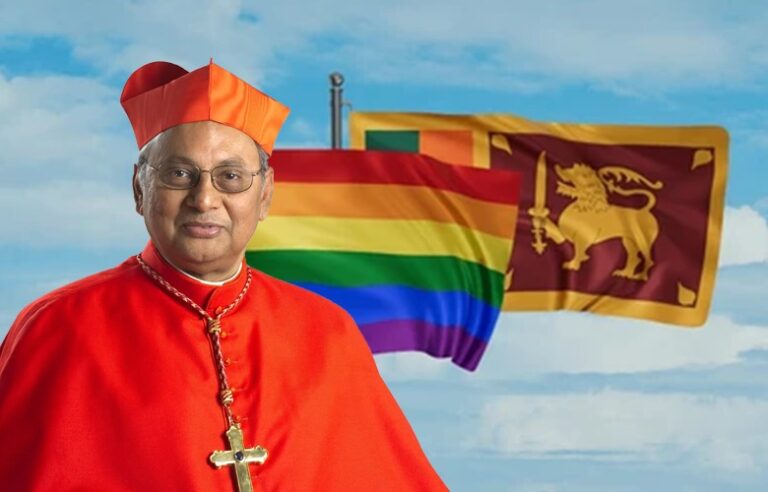
August 15, Colombo (LNW): Archbishop of Colombo, His Eminence Cardinal Malcolm Ranjith, has once again directed public attention toward sexual and gender minorities—this time alleging that foreign-funded actors are “promoting homosexuality” in Sri Lanka, enabling “gender changes for minors,” and seeking to amend marriage laws to include same-sex unions.
These claims are not only factually inaccurate and legally unsound, but they are also a troubling diversion from the profound crises Sri Lanka is already facing economic collapse, political instability, social unrest, and unresolved religious tensions, including the still-raw wounds of the 2019 Easter Sunday terrorist attacks. At a time when national leadership, moral authority, and unity are urgently required, the Cardinal’s choice to focus disproportionately on vilifying a vulnerable minority raises questions about priorities and responsibility.
Factual Misrepresentations
Two of the Cardinal’s central claims collapse under scrutiny.
First, Sri Lanka’s LGBTQ+ activists are not demanding marriage equality. Their primary legal demand is the decriminalisation of consensual same-sex relations between adults, achieved through repealing colonial-era Penal Code Sections 365 and 365A. This is not speculation,the position has been consistent for decades and was recently vindicated by the Supreme Court in Special Determination No. 13/2023, which held that decriminalisation is entirely consistent with the Constitution and does not threaten national security, public morality, or social order.
Second, minors are not eligible for legal gender change under the Gender Recognition Certificate (GRC) process. Established via Ministry of Health Circular No. 01-34/2016 and Registrar-General’s Circular No. 06/2016, the GRC process applies only to individuals aged 18 or older, following assessment by a licensed consultant psychiatrist. It does not require surgery, and it is an administrative procedure to align legal documents with gender identity—not a “programme to change children’s gender.”
By misrepresenting these facts, the Cardinal’s rhetoric fuels public misunderstanding, generates fear, and undermines informed policy debate.
Legal Inconsistencies
Article 12(1) of the Constitution guarantees that “all persons are equal before the law and are entitled to the equal protection of the law.” Article 12(2) prohibits discrimination on arbitrary grounds. While sexual orientation is not explicitly listed, Sri Lanka’s obligations under the ICCPR Act No. 56 of 2007 extend these protections to sexual and gender minorities.
The Supreme Court has made clear that consensual same-sex intimacy between adults is constitutionally protected and that speculative claims about moral decline or threats to children are “fanciful” and “palpably false.” Public statements portraying LGBTQ+ citizens as a societal danger, particularly from figures of influence, contradict this jurisprudence and risk encouraging discrimination in both public and private spheres.
A Dangerous Rhetoric in a Volatile Context
Section 3 of the ICCPR Act prohibits advocacy of hatred that constitutes incitement to discrimination, hostility, or violence. In recent months, extremist groups such as Mawwarunge Peramuna have engaged in targeted anti-LGBTQ+ campaigns, distributing defamatory material in schools and equating LGBTQ+ identities with paedophilia—conduct that potentially violates the Education Ordinance and child protection laws.
When religious leaders echo themes promoted by these groups such as framing LGBTQ+ existence as a “threat to ordinary life” it risks legitimising and amplifying extremist narratives, giving moral cover to unlawful hate campaigns.
Neglecting Sri Lanka’s Real Crises
Perhaps the most troubling aspect of the Cardinal’s remarks is their timing and focus. Sri Lanka is grappling with a convergence of urgent and deeply consequential challenges: severe economic hardship that has driven millions into poverty; political instability that has eroded public trust in governance; escalating inter-religious and communal tensions requiring measured and unifying leadership; and unresolved justice for the victims of the 2019 Easter Sunday bombings—an atrocity that lies squarely within the Cardinal’s own moral and pastoral responsibility.
Yet, instead of channelling his considerable influence toward advocating for justice for the Easter victims, alleviating poverty, or promoting reconciliation, the Cardinal has chosen to focus on vilifying LGBTQ+ citizens—a group whose existence poses no demonstrable threat to national security, public order, or the moral fabric of the country.
This is not only a misallocation of moral capital; it is a dangerous distraction. It shifts the public conversation away from systemic failures and urgent reforms and redirects it toward a fabricated moral panic. In doing so, it risks degrading public morality far more than any private, consensual relationship ever could.
Morality, Law, and Constitutional Duty
The Supreme Court’s analysis in Special Determination No. 13/2023 is unambiguous: “public morality” cannot justify criminalisation or exclusion where such measures infringe on dignity, privacy, or equality. The Court emphasised that human dignity—the foundation of all rights—requires that individuals be free to express their identity without fear of criminal sanction or public vilification.
The GRC process for adults and the move to decriminalise same-sex intimacy are both consistent with this constitutional vision. Misrepresenting them as foreign-imposed threats is not only legally baseless but socially reckless.
Law Over Prejudice
Religious leaders are entitled to their beliefs. But in a constitutional democracy, when those beliefs are expressed in ways that are factually false, legally inconsistent, and socially inflammatory, they cross a line. The law of Sri Lanka protects the rights of all citizens including LGBTQ+ persons. The Supreme Court has spoken clearly; the Constitution demands equality; the ICCPR Act prohibits incitement.
In a time of economic despair, political fragility, and religious tension, the real danger to society is not LGBTQ+ visibility,it is the legitimisation of prejudice at the expense of truth and justice. To ignore this reality is to erode both morality and the rule of law. Silence from institutions in the face of such rhetoric is not neutrality; it is complicity.
In moments of crisis, leadership demands clarity, courage, and compassion,not the amplification of fear.
Cardinal’s False LGBTQ+ Claims Ignore Sri Lanka’s Real Crises, Legal Experts Say
UNP’s Strong Protest to Indian High Commission?
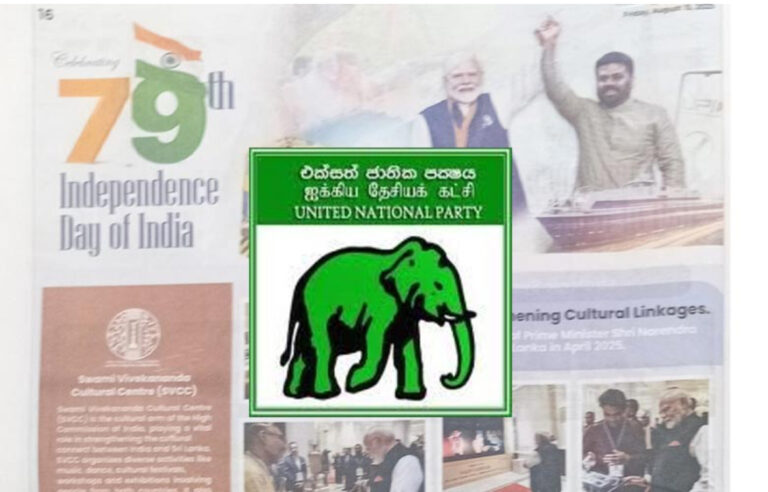
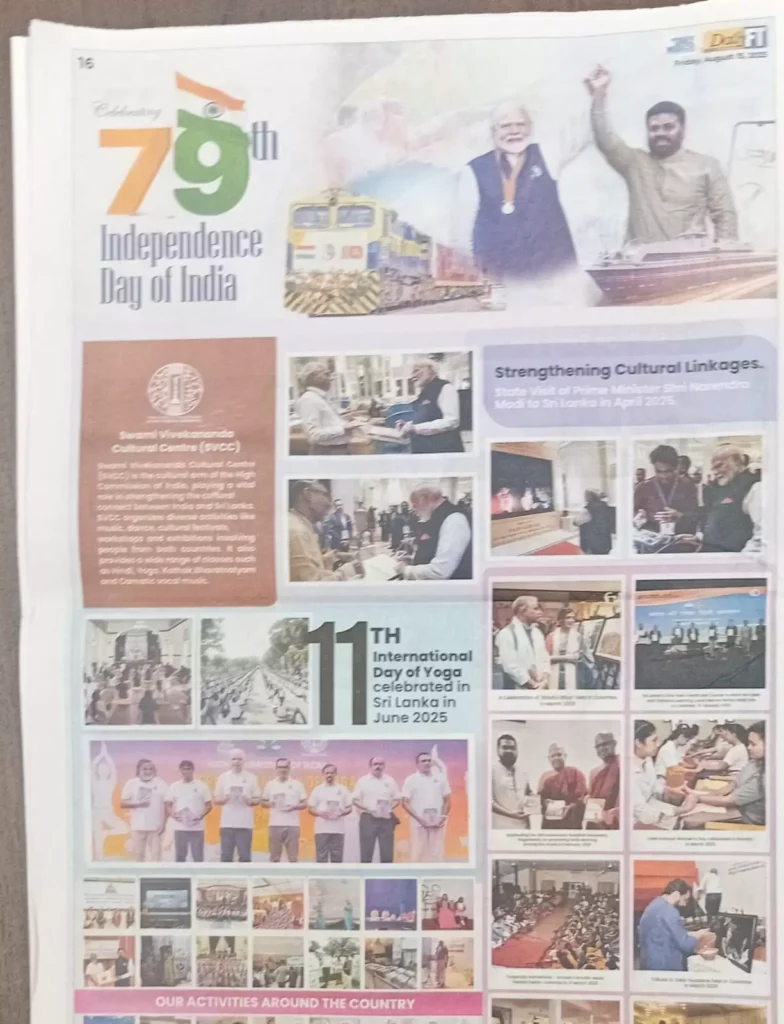
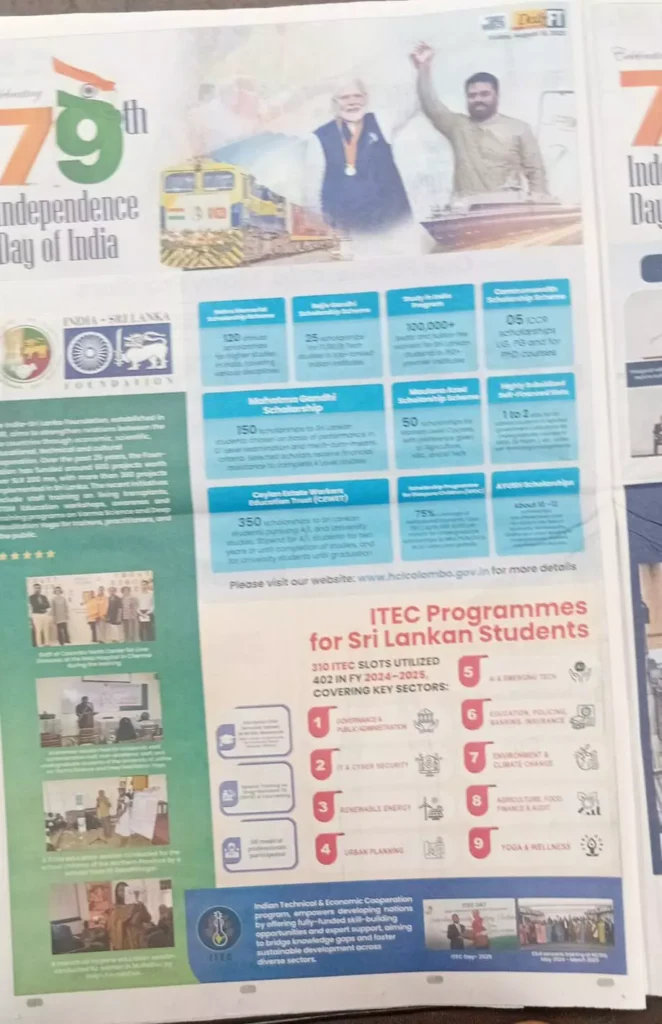
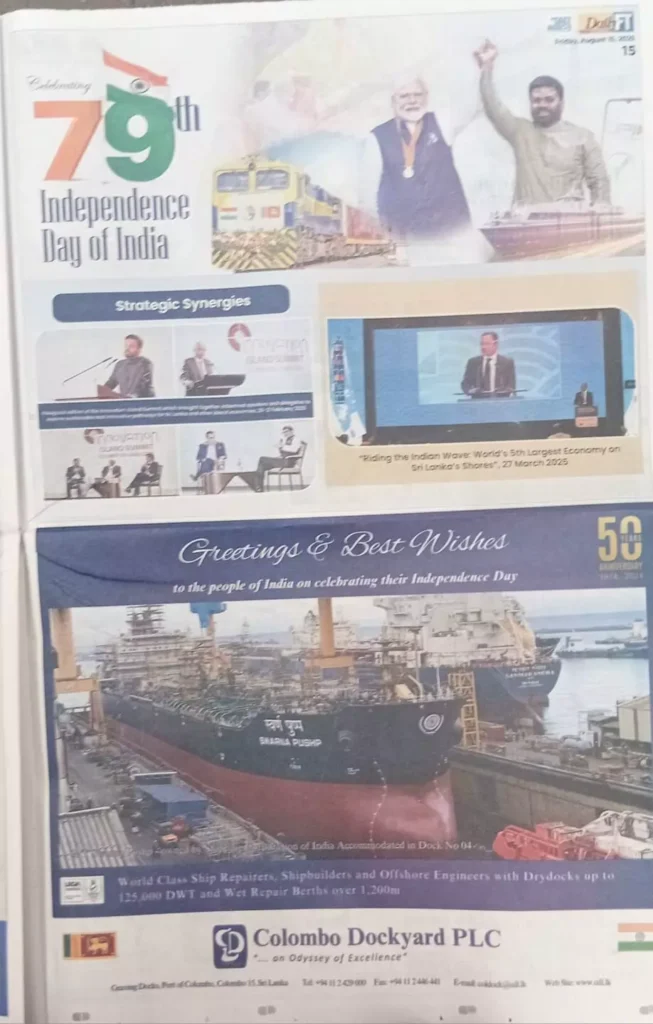
Reports indicate that senior officials of the United National Party (UNP) have raised serious concerns regarding the newspaper supplements published in Sri Lanka to mark India’s 79th Independence Day.
The matter was discussed at a high-level meeting attended by former state diplomats, focusing on the supplement prepared by the Indian High Commission in Colombo and distributed to local print media institutions. The discussion particularly examined the selection and placement of photographs in the supplement.
According to sources, former diplomats present at the meeting noted that every page of the supplement carried photographs featuring the Indian Prime Minister and the Sri Lankan President together – an arrangement considered unusual for such publications. Attention was also drawn to the absence of any photograph or note featuring former Executive President Ranil Wickremesinghe.
It is further reported that the UNP has already conveyed its strong displeasure regarding the supplement, published under the supervision of the Indian High Commission, to the High Commission’s office in Colombo.
Former State Minister Lohan Ratwatte Passes Away at 57
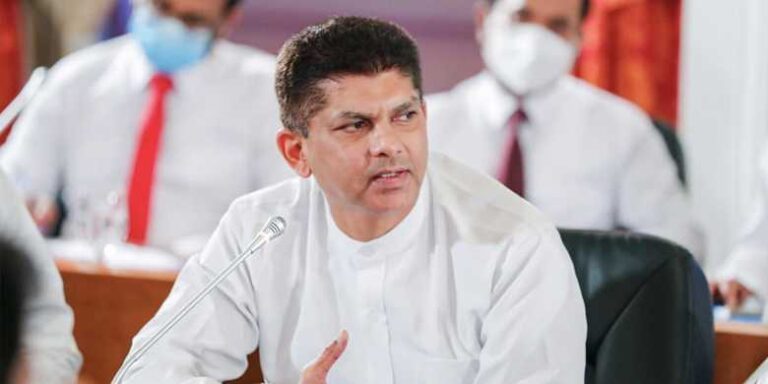
Former State Minister Lohan Ratwatte has passed away at the age of 57.
According to reports, he was receiving treatment at a private hospital in Colombo due to an illness when he passed away.
India Marks 79th Independence Day with Theme ‘Naya Bharat’
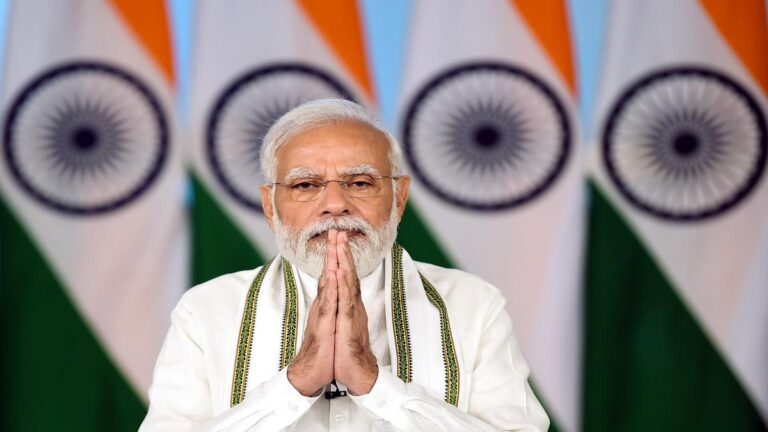
India celebrates its 79th Independence Day today, with Prime Minister Narendra Modi leading the national ceremony from the historic Red Fort in New Delhi. The Prime Minister will hoist the National Flag and deliver his address to the nation from the monument’s ramparts.
This year’s celebrations are themed Naya Bharat, reflecting the country’s progress towards the Government’s vision of Viksit Bharat by 2047. The event will also highlight the success of Operation Sindoor, with special tributes during the festivities.
Around 5,000 special guests, including the Indian contingent for the Special Olympics 2025, international sports champions, and gold medalists from the Khelo India Para Games, have been invited to witness the ceremony at the Red Fort.
For the first time, nationwide evening band performances will be held to promote patriotic fervor and celebrate Operation Sindoor. Military and paramilitary bands from the Army, Navy, Air Force, and other forces will perform at over 140 prominent locations across India.
FACETS 2026: Sri Lanka’s Gem Showcase Returns with a Dazzling New Chapter

Sri Lanka’s premier gem and jewellery exhibition, FACETS 2026, will return for its 32nd edition from 3 to 5 January 2026, unveiling a bold transformation at its new venue — The Forum, Cinnamon Life – City of Dreams. Organised by the Sri Lanka Gem & Jewellery Association (SLGJA), the event promises to blend the nation’s centuries-old gemstone heritage with modern innovation and sustainability.
Renowned globally as the “Island of Gems”, Sri Lanka has produced some of the world’s most prized sapphires, including seven of history’s ten most celebrated stones. SLGJA President Akram Cassim recalled how the inaugural FACETS in 1991, held at the Hilton Colombo with just 50 booths, has grown into the flagship platform of the local gem industry — a bridge between tradition and contemporary design.
This year’s exhibition will span two floors, offering an immersive “Mine to Market” journey, from master gem-cutting demonstrations to displays of rare varieties like the famed Padparadscha sapphire. The showcase will also highlight Sri Lanka’s sustainable mining practices, which ensure environmental preservation and community welfare.
FACETS 2026 Chairman Armil Sammoon described the industry as a “living heritage”, connecting miners, cutters, designers, exporters, and customers in a shared story of craftsmanship and authenticity. He noted that Sri Lanka remains one of the few nations where sapphires are both mined and masterfully crafted locally, making them highly sought after by luxury brands worldwide.
Beyond its role as a trade fair, FACETS has served as a launchpad for entrepreneurs who have gone on to exhibit in Bangkok, Hong Kong, Geneva, and Las Vegas. The 2026 edition will feature over 100 exhibitors, targeted buyer delegations, and special events including Sapphire Night, a Power Breakfast for Women of Influence, and High Tea Fashion Shows. Visitors can also experience interactive zones with virtual reality mine tours and displays of both historical and modern gem-cutting tools.
Hosting the event for the first time, Cinnamon Life CEO Sanjiv Hulugalle emphasised that the partnership goes beyond venue provision. Designed by the late architect Bill Bensley with sapphire-inspired elements, Cinnamon Life aims to deliver a multi-sensory experience that deepens international visitors’ connection to Sri Lankan craftsmanship and heritage.
As Sri Lanka seeks to strengthen its position in the global gem market, FACETS 2026 is poised to showcase not only the country’s extraordinary gemstones, but also its leadership in ethical, innovative, and world-class jewellery design.
CRIB Reports Record Growth, Expands Access to Credit for MSMEs

The Credit Information Bureau of Sri Lanka (CRIB) has reported robust growth in 2024, unveiling a series of initiatives aimed at widening financial inclusion and modernising credit services. The developments were outlined at the Bureau’s Annual General Meeting (AGM) held under the theme “Data in Action, Change in Motion.”
Presided over by CRIB Chairman and Central Bank of Sri Lanka (CBSL) Deputy Governor J.P.R. Karunaratne, the meeting brought together representatives from all 64 shareholder financial institutions, underscoring the sector’s unified commitment to advancing Sri Lanka’s credit ecosystem.
The year under review saw the CRIB deliver a record 8.9 million credit reports, marking a 41% increase from 2023’s 6.3 million. The Bureau now holds 14.8 million active credit records, with 81% of Sri Lanka’s adult population—equivalent to 7.01 million individuals—featured in its database.
Director/General Manager Pushpike Jayasundera highlighted CRIB’s transformation from a traditional credit reporting body into a data-driven engine for financial empowerment. The credit database has expanded to over 17 million records, incorporating information from gold loans, margin trading, factoring, and even non-traditional sources such as utilities and telecom providers.
“Data, when harnessed responsibly, is one of Sri Lanka’s most valuable national assets,” Jayasundera noted. “Our mission is to use this asset to unlock greater financial inclusion, foster responsible lending, and build a resilient credit ecosystem.”
A major milestone in 2024 was securing regulatory clearance for the Secured Transactions Registry in partnership with the Finance Ministry and the CBSL.
This move will allow Micro, Small and Medium-sized Enterprises (MSMEs) and individuals to obtain credit by offering movable assets as collateral—a significant boost for businesses with limited fixed asset ownership. The Bureau also introduced advanced credit scoring models to better serve SMEs and revival lending efforts.
Public engagement surged, with self-inquiry reports—marketed as MyReport—recording a 176% increase, reflecting greater credit awareness and financial literacy among citizens.
On the technology front, CRIB strengthened its infrastructure through real-time integration with the Department for Registration of Persons, pursued ISO 8000 certification, and prepared for compliance with the upcoming Data Protection Act. These measures reinforce CRIB’s commitment to data accuracy, security, and governance.
Looking ahead, the Bureau plans to launch a mobile application enabling users to access their credit profiles, receive real-time alerts, and exercise greater control over their financial data. Officials said these initiatives will drive transparency, efficiency, and inclusion, supporting Sri Lanka’s journey toward a data-driven economy.
The AGM was attended by stakeholders including the Monetary Board of the CBSL, licensed commercial and specialised banks, finance companies, leasing establishments, and other lending institutions
US Tariffs Hit Sri Lanka’s Exports Hard – Apparel, Rubber Face Steep Declines

The United States’ latest tariff hike has pushed its effective tariff rate to 17.3% — the highest since 1935 — making high trade barriers the new normal. While a 20% tariff rate offers Sri Lanka marginal relief compared to previous reciprocal rates, the overall impact remains severe, with the US maintaining high duties on key Sri Lankan exports.
According to estimates, nearly a quarter of Sri Lanka’s total exports will now face at least a 20-percentage-point tariff increase. This will raise the country’s trade-weighted effective tariff rate to 29.9%, up from just 10.2% in April 2025. Sri Lanka’s top US-bound products — wearing apparel and rubber goods — will be hit hardest, facing average tariffs of 36.8% and 20.2% respectively.
Economic modelling shows the fallout could be steep. Under the 20% tariff scenario, apparel exports to the US are projected to fall by 12.1% — or USD 221 million — compared to 2024 forecasts. The rubber sector could fare worse, with exports plunging by 42%. Across all industries, the estimated export loss amounts to USD 634 million.
The impact will ripple through labour markets, disproportionately affecting unskilled workers in apparel manufacturing, most of whom are women. Model-based projections indicate the sector could shed about 15,900 jobs.
Some exporters initially viewed the 20% tariff more favourably after comparing rates faced by competitors like Vietnam and Bangladesh. However, economists warn that higher consumer prices in the US may depress overall demand, as happened during the US-China tariff war in 2018, when most costs were borne by American consumers and importers.
While a portion of lost US market share could be redirected to Europe and the UK — slightly boosting apparel and rubber exports there — this would not fully offset the damage. The situation underscores the need for fresh trade negotiations.
Analysts say that if Sri Lanka could secure a 15% reciprocal tariff rate, the net loss to GDP could be erased, with a small 0.038% economic expansion possible, driven by apparel gains and reduced rubber sector losses. Such a deal could involve removing para-tariffs like CESS and PAL for US imports.
The removal of para-tariffs, however, carries mixed consequences. Imports of US soybean residuals — a key animal feed ingredient — could rise by 39.8%, potentially benefiting livestock and household nutrition. But cheaper meat and dairy imports from the US, projected to surge by over 60%, could erode domestic production and value addition.
Economic simulations suggest that para-tariff removal would only yield a net positive effect if the US reciprocal tariff rate is reduced to 10–15%. Without such concessions, Sri Lanka risks absorbing the economic shock without adequate compensation from trade gains.
Construction of Mannar Wind Power Plants Temporarily Suspended

The government has decided to temporarily suspend construction of two wind power plants and another energy project in Mannar, despite tenders being called and contracts awarded. The decision was taken during a discussion chaired by President Anura Kumara Dissanayake at the Presidential Secretariat on Wednesday, focusing on the nation’s energy requirements and the projects’ economic significance.
The projects in question include a 20 MW plant already under construction and a proposed 50 MW plant. Officials agreed to develop a framework to address issues raised by local communities regarding the wind power developments.
President Dissanayake stressed that energy is a national resource belonging to all citizens, and its cost impacts household bills, industrial production, foreign investment, and the wider economy. He reiterated the government’s readiness to discuss the projects’ effects on livelihoods and address public concerns, while warning that prolonged delays could result in missed economic opportunities and hinder investor confidence.
Sri Lanka’s Embassy in Ethiopia Highlights Global Insights from UNFSS+4 Summit
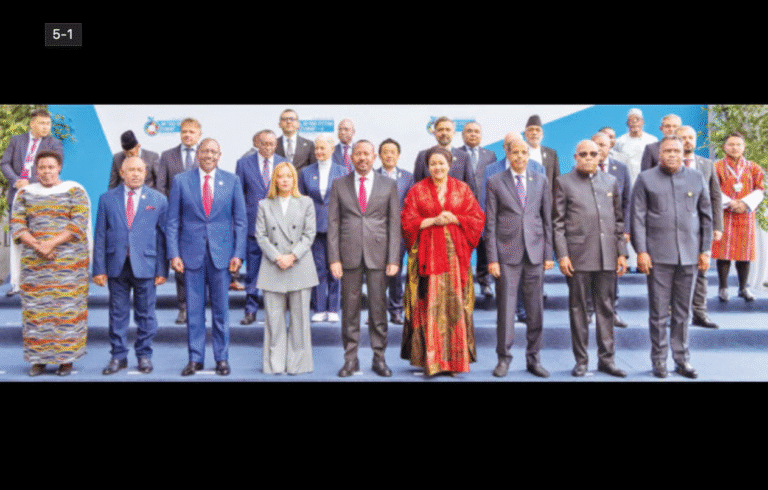
The Sri Lanka Embassy in Ethiopia, which also serves as the Permanent Observer Mission to the African Union and the UN Economic Commission for Africa, participated in the Second United Nations Food Systems Summit Stocktaking Moment (UNFSS+4) held at the UNECA Headquarters in Addis Ababa. The 2025 summit brought together over 3,000 global participants to review progress and renew commitments towards transforming food systems.
The Embassy prepared a comprehensive report capturing key statements, discussions, and recommendations from the summit, identifying their relevance to Sri Lanka’s national priorities under the “A Thriving Nation – A Beautiful Life” policy framework. Highlighted initiatives include school meal programmes, rice fortification, fertilizer supply strengthening, irrigation development, climate-smart agriculture, women’s empowerment, youth involvement in agribusiness, and digital innovation in agriculture and fisheries.
The Embassy noted that summit insights could guide targeted public and private sector investments in priority areas such as sustainable aquaculture, smallholder agribusiness, high-yield seed production, and smart agriculture technologies.
Emphasising UN Secretary-General António Guterres’ call to action—“The future of food is the future of humanity”—the Embassy underscored the importance of inclusive, resilient, and sustainable food systems to achieve the Sustainable Development Goals by 2030. The outcomes of UNFSS+4 will feed into key global events, including the World Social Summit, UNFCCC COP30, and the 2027 SDG Summit.
Sri Lanka Customs Launches Digital Tracking System for Declarations and Cargo
Sri Lanka Customs has launched the Customs Document Notification System (CDNS), a web-based service aimed at improving transparency, accessibility, and efficiency in the clearance process.
The platform allows Consignees and Declarants to track the real-time status of Customs declarations and cargo movements, providing greater visibility and accountability. Officials say the initiative is designed to empower stakeholders, enhance compliance through direct feedback, and ensure timely updates.
The launch marks the completion of Phase 1 of the Automated Risk Management System Project, part of Customs’ broader digital transformation. The CDNS, developed by Creative Web Technologies — selected through a competitive bid among eight local software developers — sets a new benchmark for trade facilitation in Sri Lanka.
Customs officials emphasised that CDNS is not merely a tracking tool but a transparency-focused platform to foster proactive engagement and strengthen trust between Customs and the trading community.