Home Blog Page 443

Ceylon Electricity Board Eyes Further Electricity Tariff Hike amid Soaring Deficits

0

By: Staff Writer

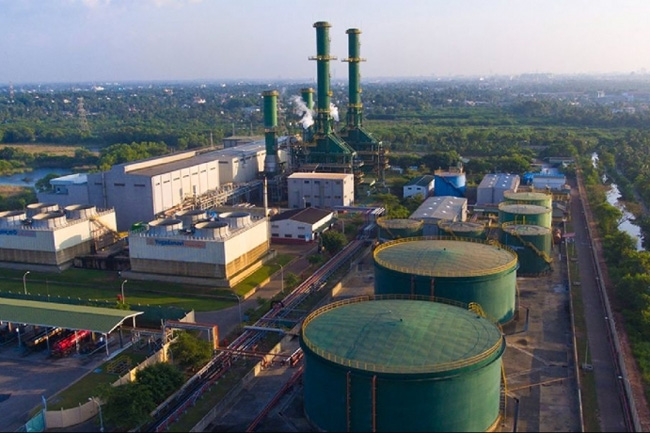
June 15, Colombo (LNW): The International Monetary Fund (IMF) has expressed concern over Sri Lanka’s electricity tariff structure, highlighting it as a critical component in the country’s ongoing economic reform program. As part of the prerequisites for its $344 million funding tranche, the IMF is urging the government to adopt cost-reflective electricity pricing to support fiscal stability and facilitate debt restructuring.

According to IMF Communications Director Julie Kozack, the organization is currently assessing two key actions taken by the Public Utilities Commission of Sri Lanka (PUCSL): a 15% electricity tariff increase and the publication of revised bulk supply transaction account guidelines. These moves are among the structural benchmarks required for the IMF’s next disbursement.

At the heart of the issue is the Ceylon Electricity Board’s (CEB) deteriorating financial position. Official filings reveal a looming revenue shortfall of Rs 42.2 billion in early 2025. Despite a 15% tariff hike already approved for June 2024, internal projections show this measure is insufficient to bridge the deficit, prompting the CEB to request an additional 18.3% increase in tariffs for 2025.

Data shows that for the June–December 2024 period, CEB’s total approved cost stands at Rs 279.2 billion, while revenue under the current tariff regime is estimated at just Rs 234.4 billion. Even after accounting for Rs 11.9 billion in excess revenue from bulk supply transactions, the deficit remains at Rs 32.9 billion. The gap is expected to widen further in the first quarter of 2025, with an additional Rs 8.3 billion shortfall.

A major controversy surrounds the CEB’s handling of a Rs 38 billion clawback aimed at offsetting its excessive profits in the first half of 2024 — later revised to Rs 41 billion by PUCSL. In its latest filing, the CEB is attempting to recoup Rs 18.5 billion of this clawback by charging consumers again, effectively reversing the earlier adjustment. Simultaneously, the utility is proposing another Rs 11.8 billion clawback for the second half of 2025, creating confusion over the logic of its pricing mechanisms.

When the reversed clawback is excluded — as it contradicts tariff guidelines — the projected revenue deficit drops from Rs 42.2 billion to Rs 23.7 billion, indicating that only a 10% tariff hike would be justifiable under current cost assumptions.

Energy sector officials argue that the current tariffs are inadequate to cover rising costs in power generation, transmission, and distribution. Core cost drivers include Rs 201.6 billion for energy and capacity, Rs 63.5 billion for transmission and distribution, and Rs 14.1 billion in finance charges. These are being compounded by escalating global energy prices and loan servicing obligations.

While another tariff increase could stabilize the CEB’s finances, it is likely to trigger backlash from industrial users and households already grappling with inflation and high input costs. Experts warn that without phased and transparent pricing reforms, the utility’s sustainability — and the broader energy sector’s stability — remain at risk.

Ahmedabad air disaster: India orders urgent checks on Dreamliners

0

By: Isuru Parakrama

June 15, Colombo (LNW): India’s civil aviation authorities have launched a comprehensive inspection drive across the country’s fleet of Boeing 787 aircraft in the wake of a catastrophic crash that killed 270 people earlier this week, Reuters reported.

The incident, which involved an Air India Dreamliner en route to London’s Gatwick Airport, is being described as one of the most devastating aviation disasters in recent memory.

The aircraft, which had just taken off, reportedly experienced a sudden loss in altitude before crashing into a group of buildings and erupting into flames.

The wreckage was scattered across a section of Ahmedabad, where the plane struck the hostel complex of a local medical college, resulting in mass casualties. Only one person on board survived.

Ram Mohan Naidu, India’s Minister for Civil Aviation, confirmed that all Boeing 787 aircraft operated by Indian carriers are undergoing immediate safety inspections. These checks, which include engine diagnostics and performance tests, are focused on Dreamliners equipped with GEnx engines.

According to officials, eight aircraft have already been examined, and inspections on the remaining jets are being expedited.

Air India, which operates 33 Boeing 787 aircraft, and IndiGo, with a single Dreamliner, have both been instructed to prioritise safety reviews. Though no blanket grounding has been enforced, Indian regulators have not ruled out that possibility should the investigations uncover systemic concerns.

The airline has acknowledged the regulatory directive and said it is in the process of completing additional technical checks, particularly focusing on take-off performance, engine behaviour, and fuel systems. The carrier has warned of potential delays on some long-haul flights due to extended turnaround times resulting from the checks.

Early reports suggest investigators are scrutinising several technical aspects of the aircraft’s operation, including whether the landing gear had fully retracted, the positioning of wing flaps during ascent, and anomalies in engine thrust. A special government committee has been tasked with producing a detailed report within three months.

Meanwhile, recovery operations have been ongoing at the crash site, with emergency teams having now removed large sections of the aircraft from impacted buildings. Among the most heart-breaking scenes has been at Ahmedabad Civil Hospital, where families of the deceased have gathered, desperate for news and closure.

Forensic specialists are working round the clock, matching dental records and conducting DNA profiling to identify the severely charred remains of the victims.

Out of the 242 individuals on board, 270 fatalities have been confirmed, a discrepancy arising from the number of people killed on the ground when the aircraft struck the hostel building. Medical teams are particularly affected, as several of the dead were associated with the medical college targeted by the crash.

Survivors from the institution have spoken of deep emotional trauma, with one unnamed doctor noting the mental toll the tragedy has taken on those tasked with identifying friends and colleagues.

In an effort to support grieving families, Air India has announced interim financial relief. Each bereaved family is to receive ₹2.5 million (£23,000), in addition to the previously pledged ₹10 million in assistance from the Tata Group, the airline’s parent company. A formal process to return personal belongings and remains to next of kin has now begun.

Grief-stricken families have expressed frustration over the pace of identification procedures. Rafiq Abdul Hafiz Memon, who lost four loved ones, pleaded for clarity on when he could recover their bodies. Another father, mourning his son, expressed anguish over the long wait required for DNA confirmation.

At the heart of the investigation lies growing scrutiny over aircraft maintenance and safety oversight. As India’s aviation sector rapidly expands, observers have pointed to the urgent need for stronger regulatory frameworks to keep pace with fleet growth and increased air traffic.

Boeing has yet to comment extensively on the incident, though industry analysts expect that the findings of India’s inquiry will have global ramifications, particularly if technical faults linked to the aircraft model are confirmed.

Sri Lanka welcomes nearly 44k tourists in 1H of June: Annual arrivals surpass 1 mn

0

June 15, Colombo (LNW): Sri Lanka has continued to witness steady growth in tourist arrivals this year, with almost 44,000 international visitors having entered the country in the first half of June alone.

Figures released by the Sri Lanka Tourism Development Authority (SLTDA) indicate that 43,962 travellers arrived during this two-week period, adding momentum to what appears to be a robust recovery for the island’s tourism sector.

India remains the leading contributor to inbound tourism, accounting for 12,362 arrivals in June so far—approximately 28.1 per cent of the total. This figure not only highlights the enduring importance of Sri Lanka’s neighbour as a tourism partner but also reflects the broader trend of regional travel resurgence following years of pandemic-related disruption.

Other significant source markets include the United Kingdom with 3,740 arrivals, followed by Bangladesh (2,717), Germany (2,439), and China (2,403), indicating a diverse range of traveller interest from both within Asia and across Europe.

These figures underscore the country’s ongoing appeal as a multi-faceted destination catering to beachgoers, cultural tourists, and nature enthusiasts alike.

The cumulative number of foreign visitors to Sri Lanka for the year 2025 now stands at 1,073,765—a notable achievement considering the global headwinds still affecting the travel industry, including inflationary pressures, fluctuating fuel costs, and geopolitical tensions in key markets.

India again tops the list of countries sending the highest number of visitors to Sri Lanka this year, with 216,422 Indian nationals recorded as having entered the country so far. Russia follows with 111,285 visitors, reflecting a continued interest in Sri Lanka among Russian travellers, particularly during their colder months. The United Kingdom ranks third, contributing 100,014 tourists so far in 2025.

Officials have also indicated an increased focus on improving visitor experience, ranging from streamlined visa services to enhanced security and cleanliness at major tourist hotspots. Stakeholders in the tourism sector are optimistic that this year could surpass previous recovery benchmarks, further cementing the industry’s role as a crucial pillar of the national economy.

IMF’s Gita Gopinath begins landmark visit to Sri Lanka amid economic reform drive

0

June 15, Colombo (LNW): Dr Gita Gopinath, currently serving as the First Deputy Managing Director of the International Monetary Fund (IMF), has arrived in Sri Lanka for a high-profile two-day visit, marking a pivotal moment in the island’s ongoing engagement with the international lender.

Her arrival in Colombo signals an important development in the country’s economic recovery trajectory, particularly as this is the first time since 2005 that a top IMF official of her rank has undertaken an official visit to Sri Lanka.

Dr Gopinath, who is one of the most prominent economists in the global financial landscape, is expected to engage with a wide cross-section of local stakeholders, from government representatives to members of civil society and the business community.

Upon her arrival, Dr Gopinath expressed her anticipation for meaningful discussions with Sri Lankan officials and non-state actors, noting her interest in exploring both the hurdles and prospects that lie ahead for the country and the broader region. She emphasised the IMF’s readiness to support Sri Lanka’s reform agenda at a time when the nation finds itself at a crucial inflection point.

During her visit, Dr Gopinath will serve as the guest of honour at a high-level conference titled Sri Lanka’s Road to Recovery: Debt and Governance. The event, scheduled to take place tomorrow, is being co-organised by the Ministry of Finance, the Central Bank of Sri Lanka, and the IMF.

The conference seeks to examine the country’s reform journey at the halfway stage of the IMF-supported economic recovery programme, with particular focus on lessons drawn from the stabilisation of macroeconomic fundamentals, the progress of debt restructuring, and governance reforms that have been rolled out over the past year.

The discussions are expected to be far-reaching and reflective, with participants invited to evaluate not just what has been achieved, but also to openly deliberate on what remains to be done to restore investor confidence, stabilise the financial system, and reinforce public institutions.

In addition to her keynote appearance at the conference, Dr Gopinath will participate in a series of closed-door meetings with senior Sri Lankan officials. These bilateral discussions will centre on Sri Lanka’s continued adherence to IMF-supported policies, progress towards meeting reform benchmarks, and the institution’s longer-term engagement with the country.

The talks are likely to include discussions on fiscal consolidation, monetary policy independence, and the strengthening of anti-corruption frameworks—areas which remain under close IMF observation.

The visit comes at a time when Sri Lanka is still navigating a fragile path out of one of its worst economic crises in recent history. Following its default on foreign debt in 2022, the country entered into a programme with the IMF aimed at stabilising its economy, restoring public trust, and paving the way for sustainable growth.

Alarming rise in heart disease among young adults, warns cardiologist

0

By: Isuru Parakrama

June 15, Colombo (LNW): Heart disease is increasingly affecting young adults aged between 20 and 40, Dr Gotabaya Ranasinghe, Consultant Cardiologist at the Colombo National Hospital, disclosed during a recent interview with Hiru TV.

He discussed the growing concern surrounding sudden cardiac-related deaths amongst youth and the lifestyle factors contributing to the trend.

Q: Sudden deaths amongst young people are being reported frequently. Many appear healthy one day and are gone the next, often due to a heart attack. What is the real situation?

A: “The pattern is clear – more and more individuals between the ages of 20 and 40 are suffering heart attacks. This number is increasing by the day. Out of ten patients presenting for treatment, at least four or five are under the age of 40. It’s become a serious concern.”

Q: How do these sudden deaths occur so quickly?

A: “Many individuals die within the first hour of experiencing a heart attack. This is particularly common amongst young people. It’s important to explore why this is happening. It’s not merely about cholesterol levels. Our lifestyle has shifted dramatically – from a natural rhythm to a largely artificial one. The way we sleep, the food we consume, and the stress we endure all play a role. Physical activity has drastically declined. Many spend seven to eight hours seated at desks, immersed in work on computers or mobile phones. This ‘digital overdose’ has significantly reduced our mobility.

“Additionally, we’ve moved away from traditional, home-cooked meals to processed foods. For instance, instead of cooking chicken, we eat it in the form of sausages. Instead of boiling potatoes, we consume them as fried crisps. These processed foods contain multiple components that can adversely affect heart health. They damage coronary arteries, and once that happens, even without high cholesterol, blockages can form. When blood flow is disrupted, clots develop, leading to a heart attack.”

Q: Some people claim that Covid-19 vaccines have contributed to these heart conditions. What is your view on this?

A: “The emergence of Covid-19 led to the development of vaccines, which undoubtedly saved lives. Whilst it’s possible that some may experience side effects, I do not believe the vaccine is the primary cause of the current trend in heart attacks. I’ve observed this pattern developing over the past 15 to 20 years – well before Covid ever appeared. So it’s incorrect to attribute this solely to the vaccine.”

Q: What is your most essential piece of advice for young people?

A: “Prioritise your health. Whether you’re focused on business, education, or chasing financial success, remember that your health underpins it all. Be mindful of your diet – your best food is always what is prepared at home. Be cautious with oils and drastically cut down on sugar. If you smoke, reduce or quit. If you attend the gym, rely on natural sources of protein and avoid synthetic supplements. Also, keep an eye on waist circumference – ideally, less than 35 inches for men and less than 32 inches for women.”

Q: What is the simplest way for young people to protect their heart health?

A: “Young adults should undergo regular medical check-ups. It’s crucial to monitor metabolic health. Ensure that fasting blood sugar remains below 100 and get a full lipid profile done. Whilst cholesterol is important, it’s not the central issue. Ultimately, maintaining a life that aligns with a natural rhythm is key. Don’t try to fight nature. Live in harmony with it as much as possible.”

Sri Lankan Embassy issues urgent guidance for workers in Israel amid ongoing conflict

0

June 15, Colombo (LNW): Sri Lankans currently residing in the country on holiday while employed in Israel have been urged to take immediate action in light of the ongoing unrest in the region, according to a special advisory issued by the Sri Lankan diplomatic mission in Tel Aviv.

With air travel severely disrupted due to the escalating hostilities and closure of airports in Israel, returning to the country as scheduled has become increasingly uncertain. The Sri Lankan Embassy has warned that individuals who are unable to re-enter Israel before their visa validity lapses may face restrictions on future travel, potentially barring them from returning to their places of employment.

Ambassador Nimal Bandara, speaking from Tel Aviv, stressed that it is imperative for all affected Sri Lankan nationals to notify the embassy without delay if their return is likely to be postponed. He explained that efforts are already underway to engage with Israeli authorities to explore the possibility of extending the re-entry visa period for affected individuals.

However, he underscored that the embassy needs to receive accurate information from citizens currently in Sri Lanka in order to advocate effectively on their behalf.

To facilitate the process, Sri Lankans who are temporarily in Sri Lanka but employed in Israel have been asked to send their personal details via WhatsApp to one of the following numbers: 071-844 7305, 071-683 3513, or 071-974 2095.

The embassy has specifically requested that these details be submitted by the end of today, 15 June, to ensure timely coordination.

In a related development, the Sri Lankan Embassy has confirmed that a Sri Lankan woman residing in the coastal city of Bat Yam sustained minor injuries during overnight attacks carried out by Iran. The incident, which occurred in the early hours of the morning, involved the shattering of glass windows, resulting in a cut to the woman’s right hand. She was promptly attended to, and her injuries have been described as non-critical. Ambassador Bandara noted that her condition is stable and that she is receiving appropriate care.

Escalating conflagration between Iran and Israel stokes fears of broader Middle Eastern war

0

By: Isuru Parakrama

June 15, World (LNW): A renewed exchange of hostilities between Iran and Israel has plunged the Middle East into heightened uncertainty, with both nations carrying out strikes against one another overnight, in a bid to escalate a conflict that now threatens to draw in wider regional and international actors.

The latest flare-up comes in the wake of an Israeli airstrike on Iran’s prized South Pars gas field—the largest of its kind globally—prompting Tehran to halt a portion of production after fire damage was reported. This marked a shift in Israel’s targeting strategy, which had previously spared key energy infrastructure.

Tehran, angered by what it has labelled acts of aggression, responded by scrapping scheduled nuclear negotiations in Oman. The talks, previously touted by the United States as a last diplomatic path to halt the growing confrontation, were abruptly cancelled by Iranian officials, who cited the futility of dialogue under bombardment.

Meanwhile, Israeli Prime Minister Benjamin Netanyahu warned that the current attacks were merely a prelude to more forceful action, suggesting that Iran had yet to witness the full extent of Israel’s retaliatory capacity. As of Sunday morning, Israeli authorities confirmed renewed missile launches from Iran, whilst Israel intensified its military response by striking multiple targets in and around Tehran, including an oil refinery and a facility affiliated with the defence ministry.

In a chilling turn, air-raid sirens rang out across major Israeli cities including Tel Aviv and Jerusalem, as residents sought shelter amid the barrage. Footage showed interceptor systems firing overhead, whilst explosions echoed in densely populated areas. In the northern town of Tamra, a missile strike near a residential property resulted in the deaths of three women and injuries to several others, according to emergency services.

Iran’s elite Revolutionary Guards claimed responsibility for a coordinated attack targeting Israeli energy installations and jet fuel production infrastructure. The force issued a stern warning, pledging more expansive and destructive action should hostilities persist.

The humanitarian toll has deepened alarm. Iranian authorities have reported over 130 fatalities since the campaign began, including dozens of civilians killed when a high-rise building in Tehran collapsed following a missile strike. Amongst the dead were 29 children, Iranian state media confirmed. Israel, too, has suffered casualties, with several deaths attributed to Iranian strikes on Friday night.

The strategic implications are dire. A senior Iranian military official hinted at Tehran’s potential consideration of closing the Strait of Hormuz, a critical chokepoint for global oil shipments. Oil prices had already surged by nearly 9% last week amid fears of disrupted exports.

Complicating the crisis is the precarious state of Iran’s regional allies. With Hamas in Gaza and Hezbollah in Lebanon weakened by successive conflicts, Tehran’s usual channels for asymmetric response are currently impaired. Nonetheless, Iranian officials have warned that any attempt by foreign militaries to intercept its missile volleys will prompt attacks on their bases within the region.

Washington, which has traditionally been Israel’s staunchest backer, issued a muted statement through former President Donald Trump, urging Iran to de-escalate but warning of harsher consequences if it continued on its present course. Trump stopped short of pledging direct intervention, reflecting Washington’s cautious posture amid a rapidly evolving crisis.

Human rights observers in Israel, including B’Tselem, criticised the government’s approach, accusing it of bypassing diplomatic options and igniting a war that now endangers millions. Activists have urged both sides to resume dialogue and prioritise humanitarian considerations over strategic escalation.

President AKD concludes state visit to Germany strengthening ties between nations

0

June 15, Colombo (LNW): President Anura Kumara Dissanayake has concluded a significant diplomatic mission to the Federal Republic of Germany, marking his first official state visit to the European nation.

The visit, which took place from June 11, focused on advancing economic collaboration, enhancing political engagement, and showcasing Sri Lanka’s evolving development agenda.

The President’s tour followed an invitation extended by German President Frank-Walter Steinmeier, who welcomed him with full ceremonial honours at Bellevue Palace in Berlin.

Their bilateral discussions revolved around mutual aspirations for closer ties, particularly in emerging sectors such as vocational education, sustainable tourism, and economic diversification.

In his meetings, President Dissanayake briefed German officials on the progress Sri Lanka has made towards economic stabilisation, political reform, and reconciliation. He expressed the nation’s commitment to creating a more robust and transparent economic environment conducive to international investment.

Notably, vocational training emerged as a priority theme, with both sides recognising the potential of skills development to support long-term economic recovery.

The President also held key talks with prominent members of the German government, including Foreign Minister Dr Johann Wadephul and Federal Minister for Economic Cooperation and Development Reem Alabali-Radovan.

These engagements provided a platform to discuss trade cooperation, bilateral assistance programmes, and Germany’s long-standing support for Sri Lanka’s development efforts. Particular appreciation was shown for landmark German-funded projects such as the Friendship Maternity Hospital in Galle and the Technical Training Institute in Kilinochchi.

President Dissanayake further explored avenues for collaboration in tourism by meeting representatives of Germany’s outbound tourism sector. He outlined Sri Lanka’s vision for a sustainable and resilient tourism industry, emphasising the government’s intent to strengthen workforce capacity, encourage responsible tourism investment, and ensure that growth in the sector aligns with the island’s ecological and cultural priorities.

Economic diplomacy was a cornerstone of the visit. At a business roundtable co-organised by the Sri Lankan Embassy in Berlin, the German Chamber of Commerce and Industry (DIHK), and the German Asia-Pacific Business Association (OAV), President Dissanayake addressed an audience of corporate leaders and investors. He outlined Sri Lanka’s commitment to regulatory reform, economic openness, and regional connectivity, encouraging German businesses to explore new opportunities in the island nation.

While in Berlin, Sri Lanka’s Foreign Minister Vijitha Herath met with Dr Thomas Steffen, State Secretary of the German Federal Ministry for Economic Affairs and Energy. The discussions centred on Sri Lanka’s improved political stability and steps taken to attract foreign direct investment, reaffirming both countries’ shared interest in deeper economic cooperation.

Accompanying the President were senior government officials including Ambassador Varuni Muthukumarana, Director General for Europe and North America Sugeeshwara Gunaratna, and Board of Investment Chairman Arjuna Herath. Their presence underscored the administration’s intent to present a cohesive and forward-thinking development strategy to international partners.

Ahmedabad air disaster: Casualty count rises, marking deadliest in a decade

0

June 15, World (LNW): The death toll from the catastrophic air crash in Ahmedabad has climbed to 279, marking the worst aviation tragedy in over ten years.

The Boeing 787 aircraft, operated by Air India and bound for London’s Gatwick Airport, went down just moments after take-off on Thursday afternoon, unleashing devastation across a residential area close to the airport.

Authorities reported that hospitals in the city received hundreds of remains, as emergency crews continued the grim task of recovering bodies and identifying victims. The figure now includes dozens who were not on board the flight but perished on the ground when the aircraft crashed and exploded in the neighbourhood below.

The ill-fated Flight 171 was carrying 230 passengers—among them nationals of India, the United Kingdom, Portugal and Canada—along with 12 crew members. Civil aviation officials said a distress call was sent less than a minute into the flight, and the plane plummeted shortly after, scattering debris and flames through homes and buildings in its path.

Scenes of heartbreak have emerged as relatives mourn the sudden loss of loved ones. Anil Patel, who had been reunited with his son and daughter-in-law for the first time in two years, recounted the last joyful moments before the tragedy. “It was wonderful,” he said, choking on emotion. “And now, there is nothing.”

Amid the devastation, one faint glimmer of hope emerged—a passenger seated at the front of the plane was pulled from the wreckage alive. The survivor, whose identity is being protected, was described by family members as being in shock but stable. “We still can’t comprehend how he made it out,” said Vishwash Kumar Ramesh, a British national of Indian origin, in a television interview.

The scale of the destruction extended beyond the passengers and crew. Officials have confirmed that at least 38 individuals on the ground were also killed in the inferno that followed the impact. Rescue teams have described the scene as “indescribably harrowing,” with extensive damage to homes and vehicles in the vicinity.

As the nation grapples with grief, questions are already being raised about how such a tragedy could unfold so soon after take-off, in daylight, and in a heavily populated area. An investigation by Indian aviation authorities is underway, with assistance from international experts expected in the coming days.

Memorial services are being planned across India and abroad for the victims, as citizens mourn one of the most tragic chapters in the country’s aviation history.

Heavy falls about 100 mm expected in multiple provinces across island (June 15)

0

June 15, Colombo (LNW): Showers will occur at times in Western, Sabaragamuwa, Central, Southern and North-western provinces, the Department of Meteorology said in its daily weather forecast today (15).

Heavy falls about 100 mm are likely at some places in the Western, Sabaragamuwa and North-western provinces and in Nuwara-Eliya, Kandy, Galle and Matara districts.

Several spells of showers will occur in the Northern province and in Anuradhapura district.

Showers or thundershowers may occur at a few places in Uva province and in Ampara and Batticaloa districts during the afternoon or night.

Strong winds of about (50-60) kmph can be expected at times over Western slopes of the central hills and in Northern, North-central, Sabaragamuwa, North-western and Southern provinces and in Trincomalee district.

The general public is kindly requested to take adequate precautions to minimise damages caused by temporary localised strong winds.

Marine Weather:

Condition of Rain:
Showers will occur at several places in the sea areas off the coast extending from Puttalam to Hambantota via Colombo and Galle.

Winds:
Winds will be south-westerly.

wind speed will be (35-45) kmph and can increase up to (60-70) kmph at times in the sea areas off the coast extending from Puttalam to Mullaittivu via Kankasanthurai and Mannar and from Hambantota to Pottuvil.

Wind speed will be (30-40) kmph in the other sea areas around the island.

Wind speed can increase up to (50-55) kmph at times in the sea areas extending from Puttalam to Hambantota via Colombo and Galle and from Mullaitivu to Vakarai via Trincomalee.

State of Sea:
The sea areas off the coast extending from Chilaw to Kankasanthurai via Puttalam to Mullaittivu via Kankasanthurai and Mannar and from Hambantota to Pottuvil will be very rough at times.
Naval and fishing communities are advised not to venture into these sea areas, until further notice.

The sea areas extending from Puttalam to Hambantota via Colombo and Galle and from Mullaitivu to Vakarai via Trincomalee will be rough at times.

The wave height may increase (about 2.0 – 2.5 m) in the sea areas off the coast extending from Mannar to Pottuvil via Puttalam, Colombo, Galle and Hambantota (this is not for land area).

Naval and fishing communities are requested to be vigilant in this regard.