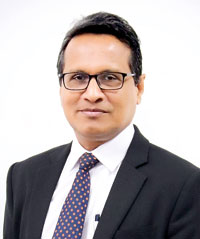
July 20, Colombo (LNW): Senior legal figure Viraj Dayaratne has been named as the new head of the Criminal Division within the Attorney General’s Department, a key position in Sri Lanka’s legal system tasked with overseeing the prosecution of criminal cases across the country.
This appointment comes in the wake of Justice Rohantha Abeysooriya’s elevation to the judiciary as President of the Court of Appeal, creating a vacancy at the helm of the department’s criminal arm. Abeysooriya’s promotion reflects a broader reshuffling within the upper echelons of the legal and judicial services.
Dayaratne brings with him a wealth of experience, having previously held the role of Acting Attorney General, during which time he handled several high-profile legal matters and gained recognition for his measured approach and legal acumen.
His return to a leadership role within the department signals a continuity of experience and a commitment to maintaining prosecutorial standards amid evolving legal challenges.
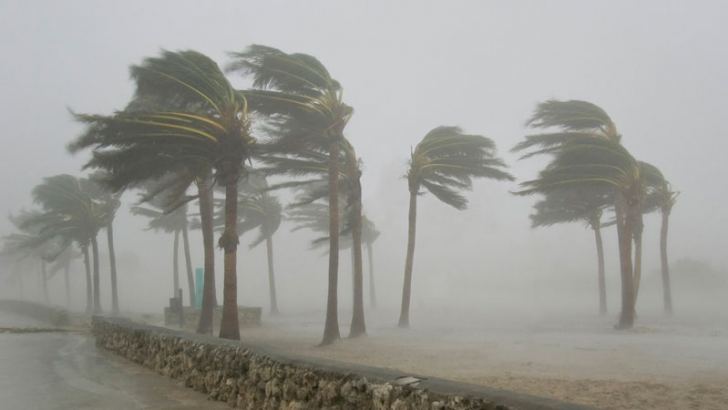
July 20, Colombo (LNW): The Meteorological Department has issued a high-level alert for coastal regions stretching from Puttalam to Pottuvil, encompassing Colombo, Galle, and Hambantota, warning of hazardous sea conditions and powerful winds over the next 24 hours.
According to the advisory, gale-force winds gusting between 60 and 70 kilometres per hour are expected to sweep across these maritime zones, significantly disrupting sea conditions. Swells in the affected areas may rise between 2.5 and 3.0 metres, increasing the risk of coastal inundation and making navigation perilous for small and medium-sized vessels.
The Department has raised the warning level to ‘Red’, its most serious classification, indicating an urgent threat to marine safety. Inshore surges are also likely along the southern and western coasts, with rough to very rough seas predicted across the region.
Mariners, including fishing vessels and commercial craft, are being firmly advised to avoid entering the sea in these areas. This precaution applies particularly to those operating from ports and harbours situated along the vulnerable stretch between Puttalam and Pottuvil. The warning is expected to remain in effect for at least the next day, though the situation is being closely monitored.
In addition to the core warning zone, those engaged in seafaring activities from Puttalam towards Trincomalee via Mannar and Kankesanthurai are also urged to exercise heightened caution.
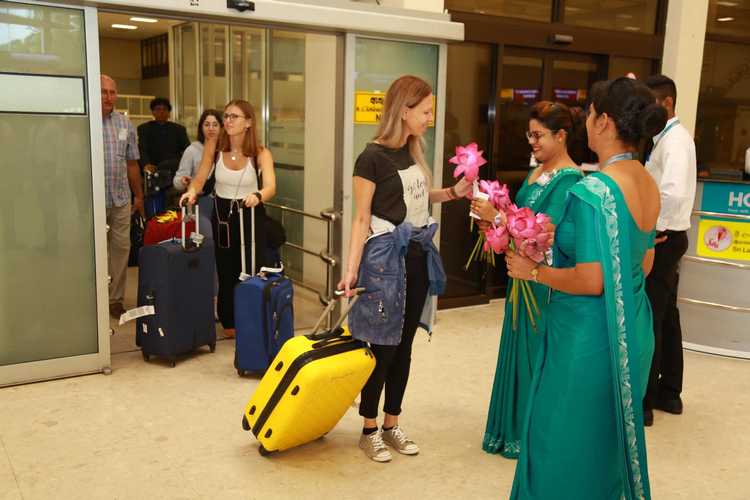
July 20, Colombo (LNW): A landmark Japanese-funded transit hotel project at Bandaranaike International Airport is taking shape, promising to boost Sri Lanka’s position as a regional air travel hub. The USD 30 million Colombo International Airport Hotel, a 153-room four-star facility, is spearheaded by Dr. Ruwan Perera in collaboration with Japanese investor group “Little Japan.”
The hotel is set to open by the end of 2025 and will be Sri Lanka’s first purpose-built transit hotel, aligning with international hospitality standards. Positioned within the airport premises, it aims to offer high-end accommodation and services to transit passengers, enhancing travel convenience while promoting economic and cultural links between Japan and Sri Lanka.
Japanese Ambassador Akio Isomata, who recently toured the construction site, underscored the project’s importance as more than just a hospitality initiative. He described it as a symbolic bridge strengthening people-to-people ties between the two nations. “This hotel represents our shared vision for mutual growth through tourism, business, and cultural exchange,” he stated.
Dr. Perera, a Sri Lankan academic and former Sony executive with global patents and multiple accolades, plays a key role in driving Japanese-Sri Lankan collaboration. Having studied in Japan and the United States, Perera brings international experience and national commitment to the venture. His initiative, Little Japan, has so far channelled over USD 40 million in Japanese investment into Sri Lanka, focusing on both infrastructure and community development.
The airport hotel project stands out as his flagship effort, reflecting his broader vision of integrating Japanese standards of quality and hospitality into Sri Lankan tourism. “This hotel is designed to uplift our hospitality sector and support the transformation of Colombo International Airport into a regional hub,” Perera said during the ambassador’s visit.
The Japanese investor delegation expressed strong support for the venture, noting its alignment with Japan’s long-standing focus on sustainable infrastructure and international engagement in Sri Lanka. The hotel is expected to be a key driver for tourism development, attracting more travellers to use Colombo as a transit point while also showcasing Japanese architectural design and service excellence.
As construction progresses, the project is increasingly seen as a milestone in bilateral cooperation—setting a precedent for future Japanese investments and reinforcing Japan’s role in Sri Lanka’s economic resurgence. With its opening slated for late 2025, the Colombo International Airport Hotel is poised to become a defining feature of the country’s travel and tourism landscape, and a lasting symbol of Sri Lanka–Japan friendship.
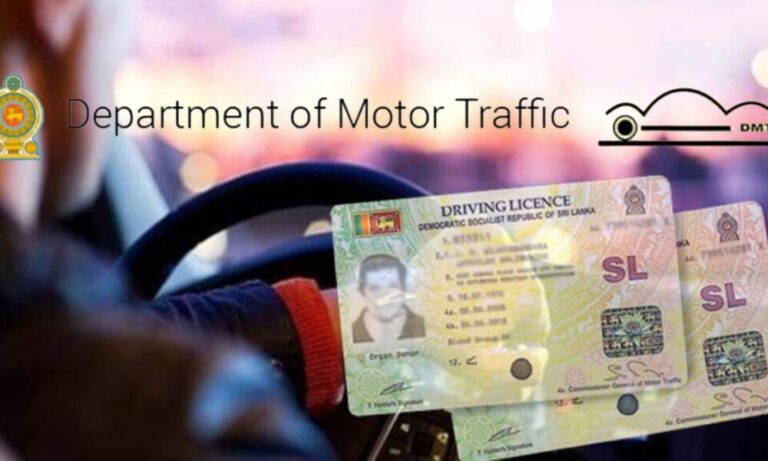
July 20, Colombo (LNW): Sri Lanka’s long-standing efforts to digitise its driving licence system have gained renewed momentum, as the Department of Motor Traffic (DMT) takes concrete steps to launch a new internationally recognised digital driving licence. The initiative, previously stalled due to legal, technical, and institutional challenges, is now being restructured with a clear roadmap and the support of key government stakeholders.
Motor Traffic Commissioner General Kamal Amarasiri announced that discussions are ongoing to sign the Vienna Convention on Road Traffic, a critical step toward making the proposed digital driving licence valid in nearly 100 foreign countries. The Vienna Convention, to which Sri Lanka is not yet a signatory, facilitates mutual recognition of driving licences among member states, thereby granting Sri Lankan licence holders the right to drive abroad without additional permits or conversions.
Amarasiri revealed that the DMT, in collaboration with the Ministry of Foreign Affairs, Ministry of Transport, and other relevant bodies, has already held multiple rounds of consultations. A comprehensive action plan developed by the Ministry of Transport has now been submitted to the DMT, marking the transition from preliminary discussions to implementation.
The proposed digital licence is expected to align with global standards in terms of format, security features, and data accessibility. It will replace the current plastic card system with a digitally stored and verifiable licence, possibly integrated into a broader e-governance platform. This transition aims not only to modernise domestic traffic management but also to facilitate smoother travel and relocation experiences for Sri Lankan citizens working or residing abroad.
Past attempts to introduce a digital driving licence faced delays, largely due to gaps in legal frameworks, insufficient technological infrastructure, and lack of inter-agency coordination. However, the current initiative appears to be taking a more structured and legally grounded approach. The Commissioner General emphasised that all technical, legal, and procedural prerequisites—including system readiness, data protection compliance, and public communication strategies—will be addressed within a short timeframe.
The next phase involves obtaining approval from the Cabinet and Parliament, followed by endorsements from the Attorney General’s Department, the Ministry of Foreign Affairs, and the Legal Draftsman’s Department. Only then can Sri Lanka proceed with signing the Vienna Convention and begin issuing internationally accepted digital driving licences.
While the timeline remains tentative, authorities are optimistic that the digital driving licence will be a transformative step toward modernising public services and enhancing global mobility for Sri Lankan drivers. The initiative reflects the government’s broader digitalisation agenda, aimed at improving efficiency, transparency, and international integration.
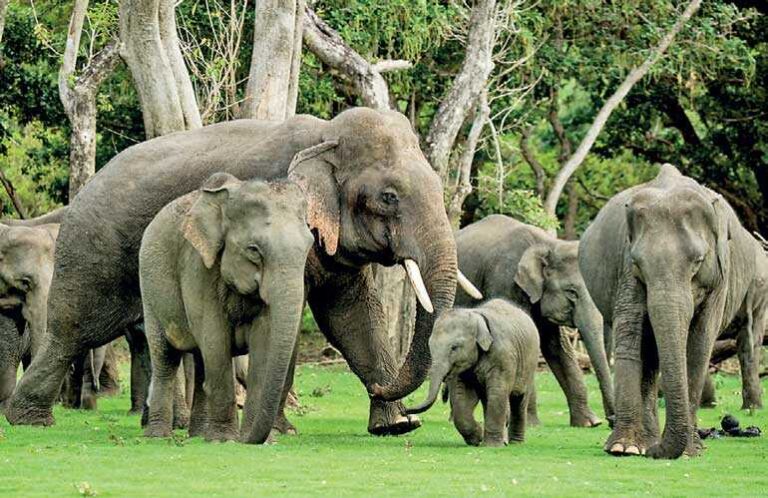
July 20, Colombo (LNW): The Ministry of Environment has initiated a comprehensive investigation into the alarming number of wild elephant deaths reported beyond the boundaries of designated forest reserves.
The inquiry, which is set to proceed in collaboration with the Criminal Investigation Department (CID), reflects growing concern over threats to Sri Lanka’s elephant population in areas where they are most vulnerable.
Minister Dhammika Patabendi stated that a worrying pattern has emerged, with the majority of recent fatalities involving elephants found outside the official boundaries of protected wildlife zones.
These regions, often closer to human settlements and agricultural land, have become hotspots for human-elephant conflict, illegal activities, and environmental degradation.
The CID is expected to assist wildlife officers in gathering forensic evidence, interviewing witnesses, and uncovering any patterns of criminality tied to the deaths.
Authorities have also pledged to work with local communities to raise awareness and implement preventative measures aimed at minimising the conflict between humans and elephants.
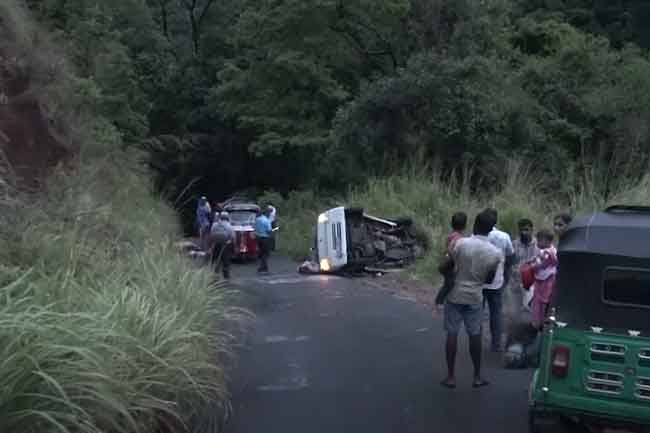
July 20, Colombo (LNW): A devastating accident in the remote village of Meemure has left five people dead and several others injured after a van plunged down a steep slope in the Karambaketiya area of Ududumbara.
The incident occurred yesterday (19) evening when a group travelling from Kadawatha to Meemure met with tragedy after their vehicle veered off a narrow mountain road and overturned down a deep precipice. Initial reports confirmed the deaths of three individuals at the scene—two of whom were women—while three others were rushed to the Udadumbara and Teldeniya Hospitals with injuries, including a five-year-old child.
Sadly, two of the injured later succumbed to their wounds while undergoing treatment, bringing the total death toll to five. Among the deceased was one of the women who had been at the wheel when the vehicle lost control.
The Udadumbara Police have launched a full investigation to determine the circumstances leading to the fatal incident, including whether mechanical failure or driver error played a role.
July 20, Colombo (LNW): In a bid to position Sri Lanka as a vibrant destination for international filmmaking and cultural exchange, Minister of Foreign Affairs, Foreign Employment and Tourism, Vijitha Herath, held a high-profile meeting with Indian actor and producer Ravi Mohan, alongside singer and performer Keneesha Francis, at the National Film Corporation headquarters yesterday.
The discussions explored opportunities to expand Sri Lanka’s film tourism footprint by encouraging global film producers to consider the island nation as a cinematic backdrop. Minister Herath expressed the government’s renewed commitment to supporting the creative economy through targeted policy reform and strategic international partnerships.
Chairman of the National Film Corporation, Sudath Mahadivulwewa, who also took part in the dialogue, emphasised the need for practical incentives and institutional support to attract major productions. He noted that collaboration with global industry figures like Mohan and Francis could open up new avenues for local talent, training, and investment.
The meeting also touched on how music, performance, and storytelling can serve as bridges between communities, deepening people-to-people ties while creating tangible tourism benefits. Stakeholders discussed establishing film-friendly zones, simplifying permitting processes, and launching co-production agreements as part of the effort to revitalise the local entertainment sector.
July 20, Colombo (LNW): The Ministry of Public Administration has announced that all provincial secretaries from across the country will be summoned to Colombo in the coming week for a high-level review and planning session.
Professor Chandana Abeyratne, Minister for Public Administration, Provincial Councils, and Local Government, stated that the gathering will serve as both a retrospective analysis of the past six months and a forward-looking dialogue on the priorities for provincial governance.
According to the Minister, the meeting will cover a wide range of issues including service delivery at the local level, institutional bottlenecks, budget utilisation, and strategies to enhance responsiveness to public needs.
Particular attention will be paid to aligning regional plans with the broader national policy framework, especially in light of ongoing administrative reforms and economic recovery efforts.
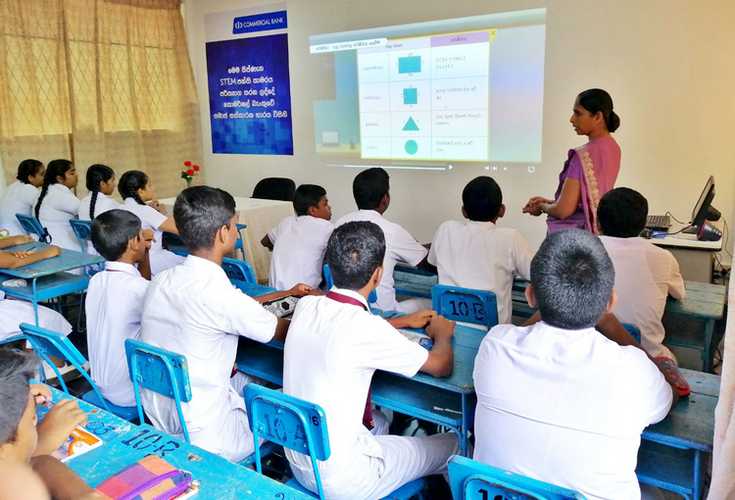
July 20, Colombo (LNW): Prime Minister Dr Harini Amarasuriya, who also oversees the ministries of Education, Higher Education, and Vocational Training, has reaffirmed the government’s commitment to implementing a wide-ranging transformation of Sri Lanka’s education system.
Speaking at a regional educational forum in Galle yesterday (19), Dr Amarasuriya outlined key objectives of the reform, including the critical need to reduce classroom sizes and overhaul teacher training.
Addressing an audience of provincial education officials at the Dakshinapaya Auditorium, the Prime Minister stressed that overcrowded classrooms—often accommodating up to 60 pupils—stand in direct opposition to any effort to deliver meaningful learning experiences. The government is now aiming to bring class sizes down to a more manageable 25 to 30 students per room.
She also made it clear that the education reform initiative is far more comprehensive than a simple curriculum revision. “We are not just tinkering with textbooks,” she said. “This is a holistic transformation that addresses the professionalism of teachers, the structure of educational administration, and the upgrading of school infrastructure to ensure equitable, high-quality learning opportunities for every child.”
Dr Amarasuriya acknowledged that the road ahead will be demanding and met with both support and scepticism. “This reform effort predates our coming to power. It is rooted in extensive dialogue with educators, policy experts, and community voices. Some will challenge it constructively, whilst others may choose to politicise the process. But we are clear: education reform is a national necessity, not a partisan project.”
One area of concern she highlighted is the stagnation of teacher training curricula, which she revealed had not been updated in over 16 years. “That must change,” she stated. “From August onwards, we will begin training those responsible for teacher education, ensuring that the next generation of teachers receives instruction that is relevant, modern, and rooted in best practice.”
The Prime Minister also spoke about the importance of dignity and choice in education, particularly for students pursuing non-academic paths. In support of this, Deputy Minister of Vocational Education, Mr Nalin Hewage, announced that vocational training institutions will be structurally integrated into the broader education framework.
“We are moving away from the outdated notion that vocational education is a fallback for underachievers,” he said. “Instead, we’re creating pathways for students to pursue skill-based learning based on their strengths and interests from an early stage.”
The event was attended by a broad spectrum of education stakeholders, including Southern Province Governor Bandula Harischandra, MP Nihal Galappaththi, Ministry of Education Secretary Mr Nalaka Kaluwawa, Chief Secretary of the Southern Province Mr Sumith Alahakoon, as well as representatives from the Department of Examinations, National Institute of Education, and provincial education authorities.
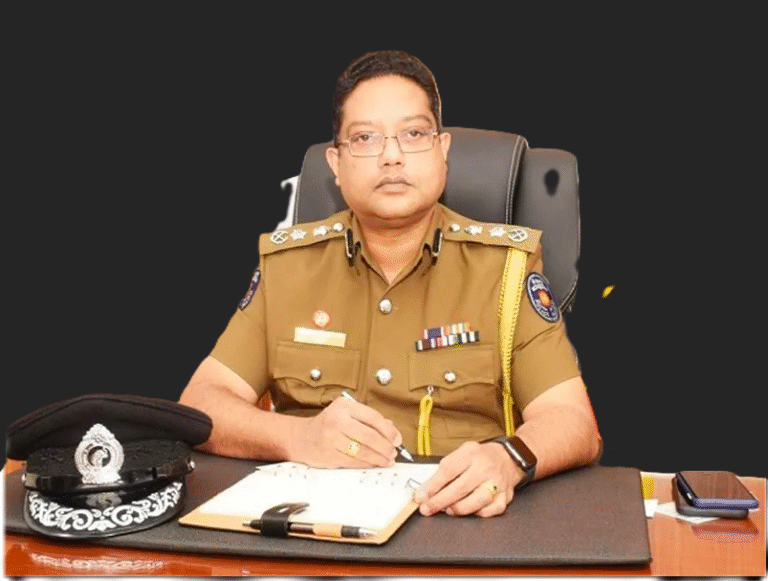
July 20, Colombo (LNW): Senior Deputy Inspector General Nilantha Jayawardena has been dismissed from the force after being found culpable in connection with grave lapses leading up to the 2019 Easter Sunday terror attacks.
Jayawardena, the former head of the State Intelligence Service (SIS), has been formally removed from the Sri Lanka Police by the National Police Commission (NPC).
The move follows an extensive disciplinary probe into his conduct during the critical period preceding one of the country’s deadliest terrorist incidents.
He had initially been placed on compulsory leave in July 2024, amid growing public and institutional pressure to hold senior security officials accountable for their roles in the intelligence failures linked to the attacks.
A tribunal comprising three members was appointed to conduct a detailed disciplinary inquiry, the findings of which were formally presented to the NPC on July 04, 2025.
The inquiry concluded that Jayawardena was guilty on all counts of misconduct as outlined in the official charge sheet, though the precise details of the charges remain confidential.
After reviewing the tribunal’s report, the NPC convened on July 17, 2025 and reached a unanimous decision to dismiss Jayawardena from police service with immediate effect. The Commission stated that the gravity of the offences left no room for leniency, particularly given the national and international repercussions of the Easter Sunday bombings, which claimed hundreds of lives and injured many more.