By: Staff Writer
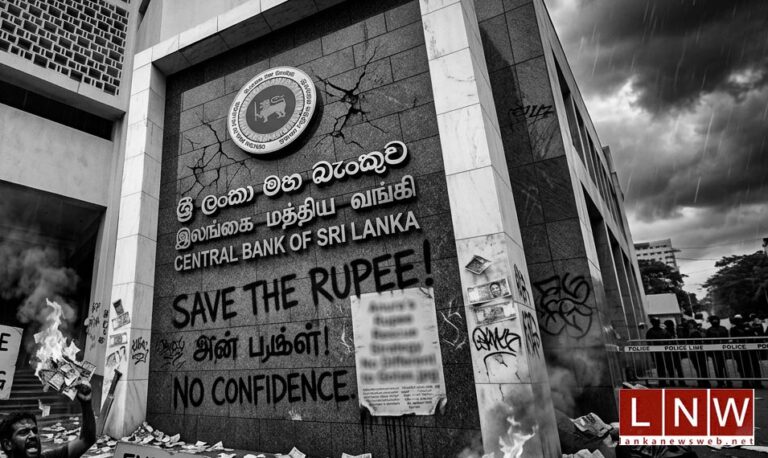
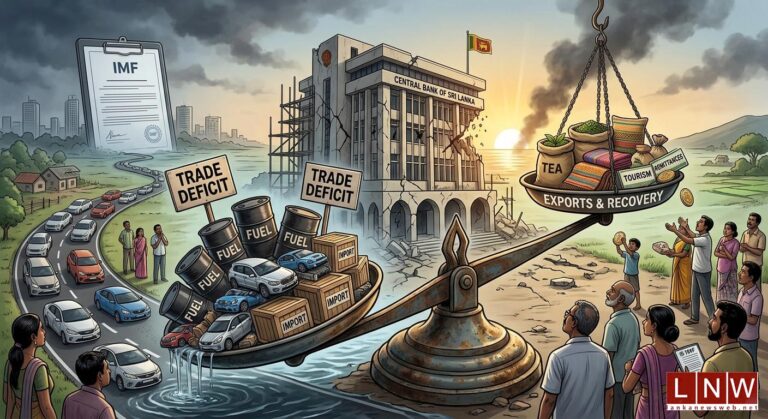
November 20, Colombo (LNW): Sri Lanka is navigating a fragile recovery from its sovereign-default crisis, but deep-rooted vulnerabilities and emerging policy inconsistencies under the NPP government continue to cast doubt over long-term stability. By the end of 2024, Sri Lanka’s total public debt had climbed to nearly US$108 billion, including over US$40 billion in external debt. By 2025, the country faced an annual repayment requirement of more than US$3 billion, including restructured international sovereign bonds and bilateral obligations.
Although the country has made substantial progress, debt restructuring remains only partially complete. The IMF’s fourth review of Sri Lanka’s Extended Fund Facility, concluded in July 2025, confirmed that the external debt restructuring process is “nearly complete,” enabling the release of a new tranche of funding. However, analysts note that debt treatment has covered only part of the government’s total liabilities, leaving a significant portion of domestic debt and its associated risks untouched.
The Central Bank projects that under a successful restructuring baseline, Sri Lanka’s debt-servicing burden could fall to around 22 percent of GDP by 2026, with external repayments contained below 5 percent of GDP. However, under a scenario without comprehensive treatment, total debt-servicing could balloon to nearly 38 percent of GDP. This illustrates the country’s precarious dependence on continued creditor cooperation and steadfast reform implementation.
Despite the President’s budget-speech assurance that Sri Lanka can service its debts in the present financial environment, concerns remain. The NPP government faces growing criticism over policy inconsistency, particularly amid cabinet disagreements and politically driven decisions that risk undermining investor confidence. Some fear that populist policy choices may derail fiscal consolidation just as the country begins to stabilise.
The government’s goal of achieving full debt-servicing capability by 2028 hinges on strict adherence to IMF-aligned reforms, increased revenue collection, and strong governance. Any deviation whether due to political pressure or economic shock could jeopardise progress made so far.
As Sri Lanka inches toward the final stages of its debt restructuring, the path ahead remains narrow. The country has achieved meaningful milestones, but its recovery depends on policy coherence, disciplined execution, and maintaining public and investor confidence. Without these, Sri Lanka risks slipping back into a renewed cycle of instability
Sri Lanka’s Debt Tightrope: Restructuring Nears End, but Risks Rise
Sri Lanka Sets Sights on Record-Breaking Tourist Arrivals
November 20, Colombo (LNW): Sri Lanka is aiming for a landmark achievement in its tourism sector, with Foreign Affairs Minister Vijitha Herath projecting 2.4 to 2.5 million visitor arrivals by the end of the year.
The country recently celebrated its two-millionth tourist, marking a significant milestone for the industry.
Addressing a tourism collaboration event in Colombo, Minister Herath emphasised India’s position as the largest source of visitors, highlighting strong cultural connections, shared heritage, and seamless air links between the two nations. “Sri Lanka and India are natural travel partners,” he remarked.
Looking ahead, the country is targeting 4 million international arrivals and USD 8 billion in tourism revenue by 2030. The strategy prioritises sustainable practices, broader market engagement, enhanced connectivity, and digital innovation, in line with global initiatives such as the RIAM Declaration on the Future of Tourism, which encourages the integration of AI and technology into tourism planning.
Recent visa exemptions for Indian travellers, along with focused marketing campaigns, have contributed to a noticeable rise in arrivals. Sri Lanka is promoting a diverse range of experiences including city excursions, beach holidays, heritage trails, MICE tourism, destination weddings, whale watching, cricket tourism, and religious circuits such as Buddhist pilgrimage routes and Ramayana trails.
Minister Herath also encouraged Indian filmmakers and investors to explore opportunities in hospitality, events, and film production, reinforcing the longstanding and growing partnership between the two countries in tourism and cultural collaboration.
New Hotline Issued for Reporting Corruption and Drug Offences in Western Province
November 20, Colombo (LNW): The Sri Lanka Police have announced a dedicated contact number for members of the public wishing to report corruption or drug-related offences in the Western Province.
Earlier, Senior DIG Sanjeewa Dharmaratne’s number had been made available for this purpose in September 2025. Following his transfer to an administrative post, SDIG Sanjeewa Medawatte has now taken over as the Senior Officer in Charge of the Western Province.
Residents can reach SDIG Medawatte directly at 071-8592621 to lodge complaints related to bribery, corruption, or illegal drug activity, with the police emphasising that all reports will be treated seriously and investigated promptly.
Health Officials Sound Alarm Over Growing Misuse of Antibiotics
November 20, Colombo (LNW): Public health experts have issued a fresh warning about the careless use of antibiotics, cautioning that such behaviour is accelerating antimicrobial resistance and undermining the effectiveness of treatments that were once routine.
Speaking at a media briefing, Dr Priyantha Atapattu of the National Centre for Antimicrobial Resistance stressed that the misuse and overuse of antibiotics has been a persistent concern for clinicians.
He noted that although these medicines are designed to combat infections caused by bacteria, viruses, fungi and parasites, they should only be used when properly prescribed and carefully monitored.
Dr Atapattu emphasised that identifying the precise cause of an illness is essential before beginning any course of treatment. When people self-medicate—often using the wrong drug, taking incorrect doses or resorting to antibiotics for conditions that do not require them—they inadvertently contribute to a wider, more dangerous trend.
This growing resistance, known as antimicrobial resistance (AMR), develops when disease-causing organisms adapt and become impervious to standard medicines. As a result, infections that were once easily treatable may become prolonged, complicated or even fatal. Dr Atapattu pointed out that although hundreds of antibiotics have been developed since the discovery of penicillin in 1928, fewer than 200 remain reliably effective today.
He added that AMR was linked to an estimated 1.27 million deaths worldwide in 2019, with some analyses suggesting the toll could be closer to 5 million. Without swift and sustained action, annual global fatalities could reach 10 million by the middle of the century.
The consequences of unnecessary antibiotic use, he warned, include failed treatments, long-term health complications, disability and death. In light of the growing threat, health authorities have urged the public not to demand antibiotics unless prescribed by a qualified medical professional, while pharmacists have been reminded of their responsibility to dispense such medicines only upon valid prescriptions.
Sapugaskanda Refinery Expansion Set to Commence Under BOT Model
November 20, Colombo (LNW): The long-awaited development of the Sapugaskanda oil refinery is expected to get underway shortly, Minister of Power and Energy Kumara Jayakody informed Parliament today (20).
The project is to be carried out under a build–operate–transfer arrangement, marking a significant step in the government’s efforts to modernise the country’s energy infrastructure.
According to the Minister, the process of selecting the project’s controlling entity is now in its final stages, with officials reviewing the remaining proposals before a decision is made.
He added that approximately Rs. 171 million has already been allocated for the feasibility assessment, which examined technical requirements, financial viability and long-term operational considerations.
Jayakody noted that once operational, the upgraded refinery is expected to enhance domestic fuel-processing capacity, reduce reliance on imports and pave the way for greater energy security.
Sri Lanka and EU Delegation Hold Talks on Governance Reforms and Future Cooperation
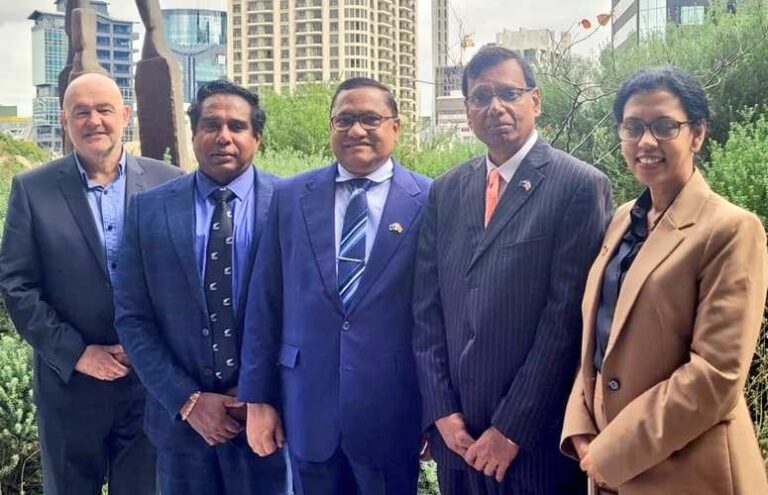
November 20, Colombo (LNW): Deputy Minister of Foreign Affairs and Foreign Employment Arun Hemachandra has engaged in wide-ranging discussions with Șerban-Dimitrie Sturdza, Chair of the European Parliament’s Delegation for Relations with the Countries of South Asia (DSAS), along with several accompanying members of the delegation.
According to the Ministry of Foreign Affairs, the meeting placed particular emphasis on Sri Lanka’s ongoing reforms aimed at widening political inclusion and ensuring stronger representation for minority communities. Hemachandra outlined recent steps taken under the government’s broader reform framework, emphasising that Colombo intends to sustain progress on matters of participatory governance and institutional renewal.
The Deputy Minister also reiterated Sri Lanka’s commitment to upholding key European Union standards, particularly in the fields of democratic practice, human rights protections, public transparency and accountability, and the continued strengthening of the rule of law. He noted that these priorities are integral not only to Sri Lanka’s international partnerships but also to its long-term national development goals.
Delegation members, for their part, conveyed their willingness to work more closely with Sri Lankan authorities in the coming months. Both sides signalled a shared interest in enhancing cooperation across political, economic and social fronts, with an eye to supporting the country’s pursuit of national cohesion, stability and sustainable growth.
Expert Calls for Rethink on Tobacco Control as New Figures Show Potential for Massive Health Savings
November 20, Colombo (LNW): Sri Lanka could stand to save an estimated GBP 8.2 billion over the next three decades if it embraces a structured Tobacco Harm Reduction (THR) strategy, according to a specialist in tobacco regulation.
At current exchange rates, this projected saving amounts to roughly Rs. 3.32 trillion—funds that could significantly ease the burden on the national health system.
Dr Rohan Sequeira, Founder-Director of the Society of Medically Harm Reduced Alternatives (SOMHRA) and a well-known cardio-endocrine consultant, noted that the country currently spends around GBP 400 million each year treating illnesses linked to tobacco use.
With about 22 per cent of adults still using tobacco in some form, he warned that Sri Lanka continues to face a pressing public health challenge.
Speaking at South Asia’s inaugural “Quit Like Sweden” Anti-Tobacco Roundtable held in Colombo, Dr Sequeira highlighted Sweden’s notable success in reducing smoking-related disease through harm-reduction policies rather than outright prohibition.
The QLS initiative, which supported the event, encourages governments to adopt practical, evidence-led approaches rather than relying solely on traditional bans.
Dr Sequeira also drew attention to Sri Lanka’s high incidence of oral cancers—among the highest in South Asia—with roughly 3,000 new cases recorded each year, particularly among men. Without effective intervention, he cautioned that these numbers could double by 2044.
He argued that blanket bans on tobacco are rarely effective, often driving consumers towards illicit markets where products are unregulated and potentially more unsafe. Instead, he urged policymakers to expand regulated access to reduced-risk alternatives for adult users, while simultaneously tightening controls to ensure minors cannot obtain e-cigarettes or other nicotine devices, which are currently easy to purchase both online and in shops.
In outlining a way forward, Dr Sequeira proposed several measures, including pilot THR programmes in districts with the highest disease burden, the formation of a multi-party advisory panel on THR policy, a detailed regulatory impact assessment, and a long-term communication strategy to educate the public.
He emphasised that it is the smoke and bacterial contamination in conventional products that pose the gravest risks, not nicotine itself.
He added that Sri Lanka must design approaches suited to its own social and cultural context, as policies that prove successful overseas cannot simply be replicated without adaptation. Present tobacco use patterns in the country remain diverse, with betel quid mixed with tobacco accounting for the largest proportion at 42 per cent, followed by cigarettes (28 per cent), beedi (18 per cent), and other smokeless products (12 per cent).
Sri Lankan Envoy Strengthens Economic Links During Malmö Visit
November 20, Colombo (LNW): Sri Lanka’s Ambassador to Sweden, Kapila Fonseka, has completed a productive tour of Malmö, the bustling economic heart of the Skåne region, with the visit aimed squarely at deepening commercial ties and widening avenues for investment between the two countries.
Throughout his stay, the Ambassador held a series of discussions with municipal officials, leading business figures, and representatives from key industries, underscoring Sri Lanka’s ambition to tap into Malmö’s reputation for innovation, sustainability, and emerging technologies. The city’s energetic business landscape, he noted, offers fertile ground for new partnerships across multiple sectors.
A business forum arranged by the Sri Lanka–Sweden Business Council gathered a range of Swedish entrepreneurs and travel industry specialists. Ambassador Fonseka, alongside the Council’s Secretary General Leif Ohlson, highlighted Sri Lanka’s appeal as a year-round tourism destination and drew attention to investment prospects in ICT, advanced manufacturing, and tech-enabled services. Participants reportedly showed strong interest in potential joint ventures and collaborative initiatives.
Strengthening regional investment channels was a notable feature of the visit. Talks with Invest in Skåne’s CEO Micael Gyorel and Senior Investment Advisor Jeton Jasharaj explored plans to expand trade flows and encourage Swedish firms to explore opportunities on the island. A tour of Medeon Science Park, a key hub for life sciences innovation, opened further dialogue on research partnerships, with CEO Malin Bornschein offering insights into areas where Sweden and Sri Lanka could work more closely.
The Ambassador also exchanged views with Per Tryding, Vice President of the Chamber of Commerce and Industry of Southern Sweden, focusing on ways to reinforce long-term economic cooperation. Leif Ohlson accompanied the envoy during these engagements, helping facilitate discussions with local business networks.
A visit to Dabico FMT—an established manufacturer of passenger boarding and docking systems—added a practical dimension to the tour. CEO Prarthana Kaluarachchi expressed enthusiasm about exploring operational expansion in Sri Lanka, particularly in support of aviation and maritime infrastructure.
Ambassador Fonseka reiterated that Sri Lanka’s improving economic climate, skilled labour base, and policy stability make the country an increasingly attractive partner for Swedish enterprises. He emphasised that both nations stand to benefit from collaborative ventures grounded in innovation and sustainability.
The visit concluded on a celebratory note as the Ambassador attended the World Maritime University’s graduation ceremony in Malmö, where he met WMU President Prof. Maximo Q. Mejia Jr. and congratulated two Sri Lankan graduates on their achievements.
Rise in Teen Smoking Sparks Fresh Health Concerns
November 20, Colombo (LNW): A noticeable surge in cigarette use among school-aged children has been observed in recent years, according to Specialist Respiratory Physician Dr Duminda Yasaratne of the Peradeniya Teaching Hospital.
Speaking at a media forum convened by the Health Promotion Bureau, he warned that many youngsters are now picking up their first cigarette as early as 14 or 15, often out of curiosity or peer pressure.
Dr Yasaratne cautioned that taking up the habit at such a formative age dramatically heightens the risk of long-term lung problems, noting that early exposure can predispose teenagers to chronic respiratory conditions later in life.
He added that health professionals are increasingly troubled by the normalisation of smoking within certain youth circles, calling for more targeted awareness campaigns in schools and stronger community involvement to counter the trend.
Government Introduces Sharp Overhaul of Licence Fees for Foreign Drivers
November 20, Colombo (LNW): The Sri Lankan government has announced a sweeping revision of the charges applied to driving licences issued to foreign nationals, marking one of the most significant adjustments to the fee structure in recent years.
The updated rates were formalised through a newly issued gazette by Minister of Transport, Highways and Urban Development Bimal Rathnayake.
Under the revised scheme, the cost of a short-term one-month licence for visitors has leapt from the earlier Rs. 2,000 to Rs. 15,000 — a change officials say reflects the need to modernise administrative processes and ensure parity with international standards.
Longer-term permits have also seen substantial increases: licences valid for up to two months will now cost Rs. 21,000, while those extending to six months have been priced at Rs. 30,000. A twelve-month temporary permit for a foreign national will now set applicants back Rs. 45,000.
Renewals and replacements will come with uniform charges too, with both procedures fixed at Rs. 15,000. Ministry sources indicate that these revisions are intended to streamline processing while discouraging misuse of temporary credentials.
In a parallel move, Sri Lankans returning with foreign-issued driving licences will face a considerably higher fee for the issuance of a local licence — an increase from Rs. 3,300 to Rs. 30,000.
Foreign nationals seeking to convert an overseas licence into a Sri Lankan one will encounter an even steeper adjustment, with the charge rising from Rs. 15,000 to Rs. 60,000.