Home Blog Page 486

Government urged to bring in Procurement Law to Tackle Medicine Crisis

0

By: Staff Writer

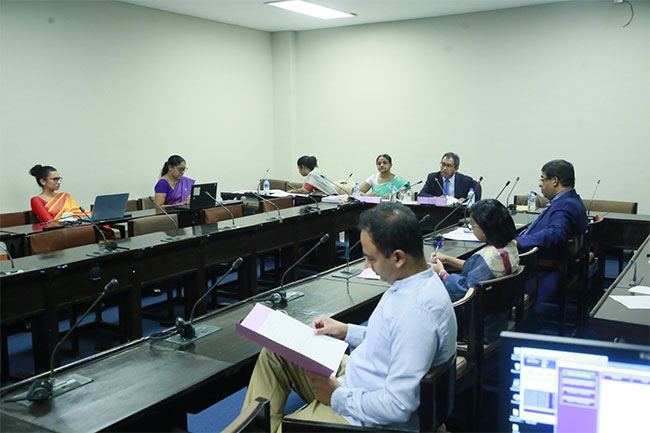
January 20, Colombo (LNW): Amidst allegations against Sri Lanka health ministry official corruption and irregularities in the procurement of medicines, the Government has been urged to establish a comprehensive procurement law aimed at improving accountability, efficiency, quality and competitiveness of public procurement.

A standard framework for purchasing goods and services also ensures efficient operation of SOEs across different sectors of the economy and ensures that large-scale infrastructure projects are managed effectively and that public resources are used to achieve the greatest possible benefit for society.

For the healthcare system, efficient and transparent procurement is vital to ensuring equitable, cost-effective, and high-quality healthcare services for millions of Sri Lankans who depend on the public healthcare infrastructure.

A procurement law which codifies these will establish clear processes that will help reduce corruption, increase competition, and ensure accountability and transparency which will optimise the use of public funds and strengthen the overall healthcare system.

In recent times, the country’s healthcare system has been burdened by a shortage of essential medicines. Among various contributing factors, the current procurement processes have played a significant role in delaying the arrival of consignments. Advocata, Institute, Independent Policy Think Tank opined.  

While medicine shortages have been an ongoing issue since the economic crisis, the delays in approval timelines and coordination problems within the healthcare system are unacceptable.

According to Swastha, the Ministry of Health’s (MOH) medical supplies information system, there is a current shortage of 300 essential medicines required to treat critical ailments.

It is crucial to address ongoing procurement challenges, as these persistent issues will only exacerbate the current shortages at the cost of Sri Lankan lives, Advocata added.

The shortage of certain essential medicines can also be attributed to issues with the quality of drugs being imported into the country, highlighting the importance of competitive bidding in the procurement process.

 Authorities evaluating tenders have cancelled those that included suppliers offering substandard medicines, yet they have failed to reissue tenders or invite bids to import these critical supplies.

A competitive bidding process, when implemented correctly, involves setting clear quality standards and requirements, which encourages suppliers to provide high-quality products.

Additionally, competitive bidding can help eliminate monopolies created by preferential drug registration practices, ensuring a more level playing field that promotes fairness and reduces the risk of a few suppliers dominating the procurement process.

Medical authorities have emphasised the urgent need for a systematic approach to addressing the national medicine supply crisis highlighting the importance of streamlining procurement, improving transparency, and ensuring effective coordination among stakeholders to prevent supply disruptions.

While the current procurement guidelines, which were recently published, ensure adherence to best practices, the necessary laws and regulations that mandate these processes in public sector procurement are yet to be established.

A well-defined procurement law would create a clear legal framework for public procurement, providing a strong foundation for enforcing standards and principles.

This would make it easier to hold violators accountable, as non-compliance with such laws and regulations would lead to legal consequences or even international sanctions.

Import Tax Cuts under Sri Lanka-Singapore FTA Suspended

0

By: Staff Writer

January 20, Colombo (LNW): The suspension of import tax reductions under the 2018 Free Trade Agreement (FTA) with Singapore has raised significant concerns about Sri Lanka’s trade and economic policies. 

Initially, the FTA aimed to reduce the Port and Airport Levy (PAL) on imports from Singapore over five years, providing Sri Lankan consumers with access to more affordable goods.

However, the agreement has been stalled since the Gotabaya Rajapaksa administration, and recent parliamentary proceedings indicate ongoing resistance to its implementation.

According to Harsha de Silva, Chairman of the Parliamentary Committee on Public Finance, the process of reducing PAL resumed in 2022 but faced opposition from government ministers. De Silva highlighted that, as chairman, he disagreed with the decision to delay implementation.

Instead, government officials insisted on reviewing the FTA in line with their broader policy objectives. This resistance underscores the broader challenges Sri Lanka faces in embracing free trade policies.

Critics argue that rising taxes on imports, including PAL, CESS, and other duties, have shielded domestic producers from competition while enabling them to overcharge consumers.

This protectionist approach, which has grown over the past two decades, has been described as a “grand alliance between crony capitalists and the political establishment.” 

By maintaining high import tariffs, local businesses benefit at the expense of Sri Lankan citizens, who face inflated prices and limited access to high-quality imported goods.

Historically, Sri Lanka once stood alongside countries like Singapore and Dubai as a free-trading nation. 

However, the establishment of the Central Bank in 1951 marked a turning point, leading to monetary expansion policies that caused foreign exchange shortages and necessitated restrictive trade controls.

Over time, Sri Lanka became trapped in a cycle of protectionist policies that limited economic growth and trade freedom.In stark contrast, Singapore abandoned protectionist policies in 1965 following its separation from Malaysia.

Faced with the loss of the Malaysian common market, Singapore’s economic architects, led by Goh Keng Swee and advised by experts like I.F. Tang, eliminated import taxes entirely. 

This bold decision transformed Singapore into a global free trade hub and ensured its economic stability by maintaining a strong currency through its currency board system.

Vietnam offers another example of the benefits of embracing free trade. Beginning in the 1990s, the communist nation adopted an export-oriented trade model, signing agreements such as the U.S.-Vietnam Bilateral Trade Agreement (BTA). 

These reforms led to sweeping legal and economic changes that boosted Vietnam’s economic growth.

Unlike nationalist economies, Vietnam’s leadership ensured central bank control to prevent excessive money printing, avoiding the forex crises that typically accompany trade restrictions.

 In Sri Lanka, however, trade freedoms have been repeatedly denied under the guise of protecting foreign exchange reserves. Import substitution policies have stifled growth, while monetary instability has exacerbated economic challenges.

Analysts point out that without significant policy reforms, including the reduction of import taxes and the embrace of free trade principles, Sri Lanka risks further economic stagnation.

The stalled FTA with Singapore symbolizes these broader issues. Its successful implementation could bring numerous benefits, including access to high-quality goods at competitive prices, enhanced economic cooperation, and greater trade integration with a global economic powerhouse like Singapore.

 However, resistance from vested interests and the lack of political will continue to hinder progress.A shift toward free trade policies, as demonstrated by Singapore and Vietnam, would require bold leadership and a commitment to prioritizing consumer welfare over entrenched protectionist interests. For Sri Lanka, this could represent a crucial step toward restoring economic stability, fostering growth, and improving the quality of life for its citizens.

ADB and UNDP Collaborate to Boost Anti-Corruption Initiatives in Sri Lanka

0

By: Staff Writer

January 20, Colombo (LNW): The Asian Development Bank (ADB) and the United Nations Development Programme (UNDP) have teamed up to bolster anti-corruption initiatives in Sri Lanka through a partnership with the Commission to Investigate Allegations of Bribery and Corruption (CIABOC).

This collaboration aims to advance transparency, accountability, and good governance in Sri Lanka, marking a significant step in the country’s ongoing efforts to combat corruption.

The agreement between ADB, UNDP, and CIABOC was officially launched at a ceremony attended by key stakeholders, including Mr. Takafumi Kadono, ADB’s Country Director for Sri Lanka, Ms. Azusa Kubota, UNDP’s Resident Representative, and Justice W.M.N.P. Iddawala, Chairman of CIABOC.

The initiative’s primary focus is the operationalization of a phased E-Asset Declaration System, part of the country’s new anti-corruption law enacted in 2023. 

This system will simplify the process of submitting and verifying asset and liability declarations, allowing for greater transparency and easier identification of potential conflicts of interest.

Through this system, both the government and the public will benefit from more efficient and reliable reporting mechanisms. 

The collaborative approach between ADB, UNDP, and CIABOC reflects a shared vision for a more accountable and corruption-free Sri Lanka.

At the event, ADB Country Director Takafumi Kadono stressed the importance of strong partnerships in addressing corruption.

 He noted that the successful implementation of anti-corruption efforts requires unwavering political will, along with collaboration from all stakeholders involved in Sri Lanka’s recovery and long-term development.

“The initiative we take today with UNDP is a hopeful sign of a collaborative and innovative effort to thrust Sri Lanka towards growth and shared prosperity,” Kadono said.

 His comments highlighted the critical role of collective action in tackling systemic corruption and reinforcing good governance.

UNDP Resident Representative Azusa Kubota also emphasized the significance of the partnership. She highlighted UNDP’s technical expertise in fostering good governance and anti-corruption practices, which complements ADB’s financial acumen and CIABOC’s leadership in advancing national anti-corruption policies.

 Kubota remarked that the agreement represents a crucial milestone in the fight against corruption in Sri Lanka.

 By combining their strengths, the three organizations aim to create a robust framework for achieving greater transparency and accountability in both the public and private sectors.

Justice W.M.N.P. Iddawala, Chairman of CIABOC, underscored the Sri Lankan government’s commitment to fighting corruption as part of its responsibilities under the United Nations Convention Against Corruption (UNCAC). 

Iddawala emphasized that CIABOC plays a pivotal role in the enforcement of anti-corruption laws and policies.

The project launch, he said, reflects the government’s steadfast commitment to transparency, integrity, and accountability. “CIABOC remains at the forefront of Sri Lanka’s anti-corruption efforts,” he noted, ensuring the effective implementation of laws and initiatives that safeguard public trust and uphold ethical standards.

The partnership’s objectives extend beyond the development of the E-Asset Declaration System. 

The project will also focus on integrating anti-corruption measures into service delivery sectors, enhancing the institutional capacity of government agencies, civil society organizations, and the private sector to prevent and address corruption.

By leveraging technology and innovation, the initiative aims to foster a culture of integrity and transparency across Sri Lanka’s governance structures.

Through this partnership, ADB, UNDP, and CIABOC aim to establish a lasting impact on Sri Lanka’s anti-corruption framework. 

Their collective efforts are set to strengthen the nation’s ability to combat corruption, improve governance, and ultimately contribute to the creation of a more just, transparent, and sustainable society. This initiative sets a strong precedent for future collaborations that will support Sri Lanka’s journey towards a corruption-free future and continued development.

Urgent Action Needed to Unlock Kalpitiya Islands Tourism Potential

0

By: Staff Writer

January 20, Colombo (LNW): The Sri Lanka Tourism Development Authority (SLTDA) is facing mounting pressure to address the significant delays in developing the Kalpitiya Islands as a major tourist destination. 

Despite agreements signed with investors, most of which expired by September 2024, no tangible progress has been made. 

This has led to growing calls for the government to intervene decisively and facilitate the much-needed development.

In 2010 and 2012, the SLTDA secured a total of 2,056.73 acres across 12 islands in Kalpitiya as free grants for tourism development. 

However, by 2022, only 668.69 acres on 10 islands had been leased to seven companies.

Despite the signing of agreements, none of these companies initiated development activities by the close of the 2022/2023 period, as confirmed by an audit report. 

Even more concerning, the SLTDA failed to collect lease payments amounting to approximately Rs. 93 million from these companies between 2018 and 2024.

Several challenges have contributed to the stagnation of the Kalpitiya development project. Delays in obtaining approvals for water bungalows, disputes with local fishing communities, the limited size of the islands, and the lack of infrastructure have all hindered progress.

 In May 2023, SLTDA signed an additional four lease agreements, but these have also struggled to move forward due to ongoing infrastructure issues and delays in securing necessary approvals.

A critical issue lies in the absence of basic infrastructure, which has significantly impeded progress. 

Despite the Kalpitiya Master Plan outlining essential infrastructure requirements such as jetties, water supply systems, centralized power plants, waste treatment facilities, and waterfront amenities, none of these have been implemented.

This lack of infrastructure has created considerable operational challenges for investors, further delaying the region’s development into a viable tourist destination.

Moreover, the development of Kalpitiya town and two additional islands, Palliyawatta and Muthuwal, covering 1,915.96 acres, remains incomplete. 

A separate plan for the development of eight islands spanning 1,845.48 acres has also stalled, with no progress to report. 

The failure to execute these proposals has prevented the realization of Kalpitiya’s full potential.

The audit findings also shed light on significant financial inefficiencies. Funds allocated for the Kalpitiya Island Resort project, which was intended to boost the region’s hotel capacity, were largely left unutilized.

 Between 2020 and 2022, Rs. 17.6 million was allocated for resort development, yet no tangible progress had been made by November 2022.

Given these setbacks, the audit report urges SLTDA to attract more capable investors, streamline approval processes, and address infrastructure gaps to accelerate project development. 

Additionally, it calls for a more clearly defined timeline within the master plan, to ensure accountability and track progress effectively.

Kalpitiya holds immense potential to become a key tourist destination, offering unique opportunities for sustainable tourism and economic growth. 

However, this potential can only be realized through immediate action to overcome the existing hurdles. 

By revitalizing the stalled projects and providing the necessary infrastructure and support, Sri Lanka can unlock the full economic benefits of this strategic initiative.

Protectionist Policies Backfire: Tile Importers in Tax Crossfire

0

By: Staff Writer

January 20, Colombo (LNW): Sri Lanka’s tile and sanitary ware importers, already battered by the COVID-19 pandemic and the economic crisis, are now grappling with an even harsher blow—hefty import taxes under the guise of protecting domestic manufacturers. Stakeholders warn this could spell disaster for both businesses and consumers.

The latest proposal includes the introduction of anti-dumping duties, on top of existing taxes, pushing consumer prices to unsustainable levels.

According to Sri Lanka Customs, the effective tax rate on imports could soar to an astonishing 133 percent of the actual value, making essential items like bath ware, floor tiles, and wall tiles prohibitively expensive.

While the government claims these measures protect domestic industries, critics argue the real winners are two dominant local manufacturers who have reaped massive profits during the import ban.

These policies have left consumers and young couples—already struggling to build homes—paying the price. Taxes on tiles have surged from 94% pre-pandemic to 113%, and the planned duties of 133 percent could create a near-monopoly akin to the infamous “sugar and rice mafias.”

A Market in Crisis

The Tile and Sanitary Ware Importers Association warns that these protectionist policies stifle competition, reduce variety, and exacerbate supply chain issues.

They argue the local manufacturers fail to meet the demand or provide the diverse options required by the market, particularly for premium projects like luxury hotels, which rely on branded imports to justify their high rates.

Customs data reveals that while local manufacturers dominate the market (producing 45% of tiles), the remaining 55% must be imported—at exorbitant taxes.

The sanitary ware market, which imports around 20,000 pieces monthly, is similarly burdened with taxes averaging 113% of CIF (cost, insurance, freight) value. Despite these challenges, importers contribute significantly to the economy, supporting over 2,000 distributors and nearly 100,000 direct and indirect jobs.

Economic Implications

The Condominium Developers Association of Sri Lanka (CDASL) has voiced concerns about the broader economic fallout of these measures.

They argue that monopolistic practices and excessive taxation not only drive up construction costs but also hinder housing affordability and accessibility.

With affordable housing a key driver of inclusive growth, these policies risk further destabilizing the industry.

The CDASL and the Importers Association have called for:

An 18% tariff reduction on tiles and sanitary ware to lower construction costs and stimulate growth.

A five-year policy to attract foreign investment in property and real estate.

Reforms to customs valuation to curb under-invoicing and stabilize prices.

A Balanced Approach Needed

Critics urge policymakers to adopt a balanced strategy that safeguards consumer interests while supporting domestic industries. Protectionism, without addressing the monopolistic tendencies of local manufacturers, risks eroding market fairness and public trust.

The time has come for the government to reconsider its approach—one that ensures fair competition, encourages innovation, and makes the dream of homeownership a reality for Sri Lanka’s citizens.

UK tea delegation visits Sri Lanka to explore business opportunities and strengthen trade ties

0

January 20, Colombo (LNW): A distinguished delegation of tea industry professionals from the United Kingdom has arrived in Sri Lanka this week with the goal of strengthening trade relations and exploring new business opportunities with the country’s renowned specialty tea producers.

The visit, part of the UK Government-funded Trade Partnerships (UKTP) programme, is designed to foster connections between UK tea buyers and Sri Lankan tea producers across the island’s low, mid, and upcountry regions.

The mission, which includes 12 UK-based tea companies, aims to delve into the distinct and varied flavours of Sri Lankan tea, influenced by the island’s diverse climatic conditions.

The delegation will have the opportunity to witness firsthand the artisanal techniques used in harvesting and processing premium teas, while also gaining an understanding of the environmental, ethical, and social practices that guide local tea production.

Jarmila Sarda, Programme Manager for the UKTP, highlighted the significance of the mission, saying, “This trade mission provides a unique platform for UK buyers to engage directly with Sri Lanka’s high-quality tea producers. By fostering these valuable connections, we hope to strengthen the trade ties between our two nations and support the sustainable growth of the tea sectors in both the UK and Sri Lanka.

To facilitate networking and knowledge exchange, the British High Commission in Colombo will host a tea reception, bringing together UK buyers and key Sri Lankan stakeholders, including the Ceylon Artisanal Tea Association (CATA).

This event will provide a space for open dialogue, where ideas can be shared, and potential partnerships can be explored.

British High Commissioner to Sri Lanka, Andrew Patrick, expressed his enthusiasm for the visit, stating, “It is a pleasure to welcome this delegation of UK tea buyers to Sri Lanka, which is a testament to our shared passion for exceptional, specialty tea. Over the course of this mission, I hope that new and fruitful partnerships will be established, further strengthening the trade ties between the UK and Sri Lanka.

This trade mission forms part of the UKTP programme’s broader efforts to enhance trade relations between the UK and developing countries, with a particular focus on sectors like tea that are of vital economic importance.

The UKTP works to unlock trade potential in priority industries by facilitating connections and promoting sustainable growth.

Through this mission, the programme seeks to bridge markets, build enduring partnerships, and drive long-term economic development within Sri Lanka’s tea industry.

The UKTP programme is managed by the International Trade Centre and funded by the Foreign, Commonwealth and Development Office of the United Kingdom. Its overarching aim is to increase trade from developing nations to the UK and the European Union by maximising the benefits of economic partnership agreements, such as the UK’s Developing Countries Trading Scheme.

CID launches investigation into alleged e-ticket racket for Up-Country trains

0

January 20, Colombo (LNW): The Criminal Investigation Department (CID) has informed the Colombo Magistrate’s Court today (20) that it has commenced an investigation into an alleged widespread scam involving the illegal sale of e-tickets for up-country train routes, including the popular Ella line.

The investigation was triggered by a formal complaint lodged by the Department of Railways, which raised concerns about the growing issue of ticket manipulation.

According to reports, certain groups have been exploiting online ticketing systems to purchase large quantities of available train tickets through questionable methods, only to resell them to unsuspecting tourists at inflated prices near railway stations.

The CID’s Computer Crime Investigation Unit has taken charge of the probe and is actively looking into the matter.

In a statement presented to the court, the CID outlined that their efforts will focus on uncovering the details of how these fraudulent transactions are taking place, and they assured the court that further findings will be submitted in due course.

The illegal practice has reportedly caused significant disruption, particularly affecting tourists who rely on the convenience of purchasing tickets for the scenic train routes in Sri Lanka’s central highlands.

As the investigation progresses, authorities are hopeful that they will be able to dismantle the network behind the scam and put an end to the unlawful profiteering from these vital transport services.

With the up-country train routes, such as the journey to Ella, being major attractions for both locals and international visitors, the case highlights growing concerns over the integrity of online ticketing systems and the need for tighter controls to prevent such abuses.

The CID has pledged to continue its efforts to ensure justice and protect the public from such exploitative practices.

Swift resolution to passport crisis amidst ongoing delays

0

January 20, Colombo (LNW): As the passport crisis in Sri Lanka deepens, President Anura Kumara Dissanayake has instructed the Attorney General to fast-track the legal proceedings related to the controversial e-passport tender, which was awarded under the previous administration.

The directive aims to resolve the ongoing issues surrounding the passport supply and to ensure the timely availability of travel documents for citizens, according to a report by Daily Mirror.

Last July, the former government announced that Thales, in partnership with local firm Just in Time Technologies (JITT), had been awarded a substantial contract to supply Sri Lanka with 750,000 machine-readable passports and an additional five million e-passports with biometric chips, in line with the latest International Civil Aviation Organisation (ICAO) standards.

However, the contract faced legal challenges when Epic Lanka, a previous supplier and unsuccessful bidder, filed a petition with the Court of Appeal. This led to a temporary halt on the government-approved contract.

In the midst of a change in government, the court eventually allowed the purchase of the 750,000 machine-readable passports from Thales, but the issue surrounding the e-passports remains unresolved.

Public Security Minister Ananda Wijepala confirmed that the President had urged the Attorney General to expedite the court’s review process, which would help the government find a permanent solution to the passport shortage.

The Minister told Daily Mirror that this is a national issue that requires swift attention, underlining the urgency of the matter. However, he acknowledged that even under normal circumstances, it would take at least a year for Sri Lanka to be fully prepared to issue e-passports to its citizens.

In the meantime, the Attorney General has advised the government to proceed with other necessary steps for the e-passport programme while awaiting the outcome of the court case.

Despite these efforts, the preparation for the new passports will still take time, forcing the government to implement interim measures.

To address the immediate shortage of passports, the government has decided to procure 500,000 copies of the ‘P’ series passport as a temporary solution.

The Public Security Ministry held discussions on the matter yesterday and decided to move forward with an open tender to secure the required number of passports.

The 750,000 passports from the previous order are expected to cover the first half of the year, but with growing demand, additional measures are essential.

Army deployed to clean paddy storage facilities across SL

0

January 20, Colombo (LNW): In a move aimed at improving the country’s agricultural infrastructure, the Sri Lankan government has announced the deployment of the army to undertake the cleaning and restoration of paddy storage facilities nationwide.

This initiative, which is part of the broader “Clean Sri Lanka” programme, is being carried out under the supervision of the Defence Secretary and Army Commander.

The cleaning efforts are integral to the government’s plan to procure the current season’s paddy harvest, which will be stored in the 209 paddy storage facilities managed by the Paddy Marketing Board.

These storage facilities, however, have suffered from years of neglect, with many of them and the surrounding areas left in a state of disrepair.

As a result, they have become unsuitable for use, posing a challenge to the government’s effort to purchase and store the paddy effectively.

The army’s intervention aims to address this issue, ensuring that the storage facilities are properly cleaned and restored in time for the paddy harvest.

The operation is expected to be completed by January 27, allowing the facilities to be put to use for the storage of the newly harvested crop.

The government’s efforts to maintain the integrity of these facilities will hopefully help stabilise the local rice market and reduce post-harvest losses.

Six killed in gun violence across Sri Lanka this year: Police

0

January 20, Colombo (LNW): Sri Lanka Police have confirmed that six individuals have lost their lives in a series of eight shootings that have taken place so far in the current year.

The Police Spokesperson’s Office has stated that four of the victims are believed to be involved in organised crime, suggesting a possible connection to underworld activity.

In addition to those who have died, five others have been injured in these incidents of gun violence. The shootings have sparked concern across the nation as they highlight the ongoing issues with crime and lawlessness in certain areas.

A particularly tragic incident occurred yesterday afternoon in Galaha, where a 24-year-old man was shot and killed in what authorities are treating as yet another targeted attack.

The motive behind the shooting remains under investigation, though it is suspected that it may be linked to criminal factions operating in the region.

Whilst the police continue their investigations into these violent incidents, the rise in gun-related deaths has prompted calls for greater security measures and more effective action against organised crime.

Law enforcement agencies are under increasing pressure to address the underlying causes of this violence and to ensure the safety of citizens.

The authorities have pledged to ramp up efforts to tackle such crimes and bring the perpetrators to justice.