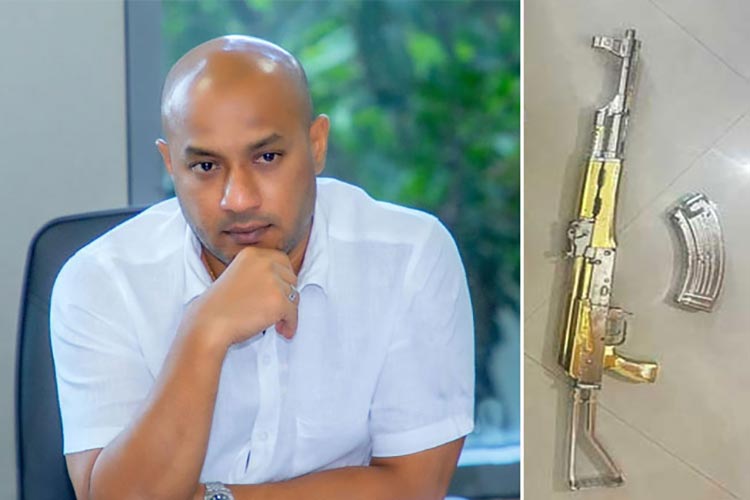
July 14, Colombo (LNW): Former Cabinet Minister Duminda Dissanayake, who was recently taken into custody following the discovery of a gold-plated T-56 assault rifle at a residential complex in Havelock Town, Colombo, has been released on bail under stringent conditions.
The arrest, which drew significant media attention due to the high-profile nature of the individual involved and the unusual nature of the weapon, came after law enforcement authorities uncovered the firearm during a raid at an upscale apartment.
Following his arrest, Dissanayake was remanded pending further inquiries. Following bail, he was subject to a set of strict conditions aimed at ensuring his cooperation with the ongoing investigation.
July 14, Colombo (LNW): Showers will occur at times in the Western and Sabaragamuwa provinces and in Nuwara-Eliya, Kandy, Galle and Matara districts, the Department of Meteorology said in its daily weather forecast today (14).
Several spells of showers may occur in the North-western province.
Showers or thundershowers may occur at a few places in Uva and Eastern provinces during the afternoon or night.
Strong winds of about (40-50) kmph can be expected at times over Western slopes of the central hills and in Western, Sabaragamuwa, Southern, North-western and North-central provinces.
The general public is kindly requested to take adequate precautions to minimise damages caused by temporary localised strong winds and lightning during thundershowers.
Marine Weather:
Condition of Rain: Showers will occur at several places in the sea areas off the coast extending from Colombo to Matara via Galle.
Winds: Winds will be Westerly to South-westerly and wind speed will be (30-40) kmph.
Wind speed can increase up to (50-60) kmph at times in the sea areas off the coast extending from Chilaw to Mannar via Puttalam and from Galle to Pottuvil via Hambantota.
Wind speed can increase up to 50 kmph at times in the sea areas off the coast extending from Chilaw to Galle via Colombo and from Manna to Vakarai via Kankasanthurai and Trincomalee.
State of Sea: The sea areas off the coast extending from Chilaw to Mannar via Puttalam and from Galle to Pottuvil via Hambantota will be rough or very rough at times.
The sea areas off the coast extending from Chilaw to Galle via Colombo and from Manna to Vakarai via Kankasanthurai and Trincomalee may be fairly rough to rough at times.
The wave height (about 2.5 – 3.0 m) may increase in the sea areas off the coast extending from Puttalam to Pottuvil via Colombo, Galle and Hambantota. Therefore, there is a possibility that nearshore sea areas extending from Puttalam to Pottuvil via Colombo, Galle and Hambantota, may experience surges due to sea waves.
Naval and fishing communities are requested to be vigilant in this regard.
July 14, Colombo (LNW): A luxury casino slated to open within Colombo’s high-profile “City of Dreams” complex has drawn national attention—not just for its glitz and glamour, but also due to a growing political storm over its licensing and taxation.
The upcoming launch has captivated public interest for two major reasons. Firstly, international film icon and Bollywood megastar Shah Rukh Khan aka “King Khan” is expected to grace the opening ceremony, marking his first visit to Sri Lanka in two decades. His presence has sparked significant excitement, with fans and media outlets abuzz in anticipation of the event.
Secondly, and far more critically, the casino’s legitimacy has come under scrutiny following revelations about its licensing and possible preferential tax treatment. Political observers and legal experts have raised concerns about how approval was granted for the establishment—despite a prior ban introduced in 2015.
During his presidency, Maithripala Sirisena moved to halt the development of casinos under certain major investment projects, cancelling previously granted approvals to several companies, including Waterfront Properties, Lake Leisure Holdings, and Queensbury Leisure Limited.
His administration’s decision was formally documented in a cabinet paper that barred the operation of casinos at the “City of Dreams” site.
However, nearly a decade later, the green light appears to have been given once more—this time to a single entity. The questions now being raised are: who reversed the earlier decision, on what grounds, and through what mechanism was this approval reissued?
Whilst it is our strong belief that there should be no fundamental objection to regulated casino operations—especially given their potential to boost tourism and foreign exchange earnings—concerns have emerged over alleged irregularities surrounding taxation. According to multiple sources, the casino linked to this project may have received substantial tax concessions in contravention of Sri Lanka’s existing legal framework.
Under current laws, enterprises involved in gambling, alcohol, and tobacco are subject to high taxation, with corporate income tax for such sectors standing at 45 per cent. These industries are also ineligible for investment-related tax incentives. Yet, speculation is rife that the casino operator, which is backed by Hong Kong-based Melco Resorts & Entertainment Ltd., may have been granted a questionable exemption from this tax burden.
If these reports are accurate, it would raise serious questions about regulatory oversight, transparency, and the possible misuse of discretion in granting concessions outside legal provisions. Political sources suggest that legal action is being considered by various stakeholders to challenge the move and demand accountability.
Further developments are expected in the coming weeks…
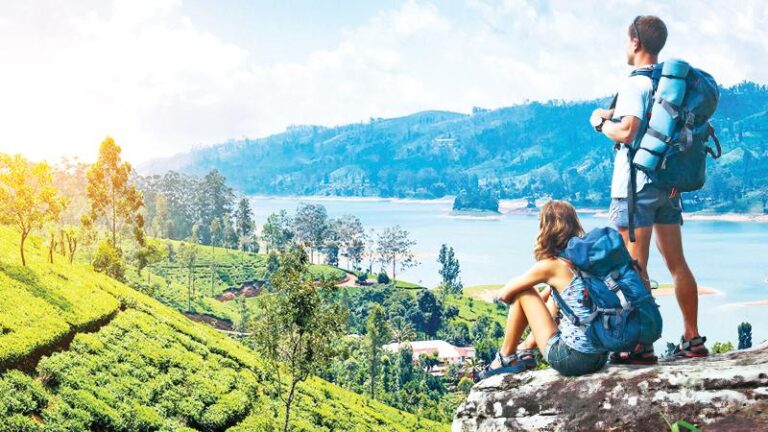
July 13, Colombo (LNW): Sri Lanka’s tourism sector has surpassed 1.2 million arrivals in 2025, marking a 15% increase year-on-year. However, industry analysts warn that current growth levels are falling short of the ambitious annual target of 3 million visitors and $5 billion in tourism revenue.
According to data released by the Sri Lanka Tourism Development Authority (SLTDA), a total of 1,216,344 tourists arrived in the country by July 8. During the first eight days of July alone, Sri Lanka welcomed 48,300 tourists. While this contributes to the growing total, it represents a slight decline compared to the same period last year, when 50,141 arrivals were recorded.
Average daily arrivals during this early July period have dropped to 6,038, compared to 6,268 in 2024. The modest dip signals a slowdown in momentum at the start of a critical summer travel season.
To meet the monthly target of 277,195 arrivals set for July, Sri Lanka must now attract 228,895 additional tourists in just 23 days—requiring an average of nearly 9,956 daily arrivals, a 65% jump from current trends. While the Kandy Esala Perahera festival is expected to provide a seasonal boost, analysts suggest it may not be enough to bridge the growing gap.
India remains the top contributor to Sri Lanka’s tourism numbers, sending 10,153 visitors during the first eight days of July and totaling 252,147 arrivals year-to-date. Russia and the United Kingdom follow closely with 112,939 and 112,762 arrivals respectively. The UK also contributed 4,860 visitors in early July. Australia (3,310), China (3,181), and France (2,335) round out the top source markets during this period.
Despite the promising year-to-date figures, experts caution that Sri Lanka must average approximately 297,000 monthly arrivals through December to meet its 3 million goal. This is significantly above the year’s best monthly performance so far—252,761 arrivals in January.
Tourism industry stakeholders are increasingly concerned about the lack of sustained global promotional efforts and the country’s overreliance on a few key markets. While Sri Lanka’s tourism recovery since the crisis has been notable, insiders stress that without immediate, strategic interventions and a coordinated global marketing push, the 2025 targets may be out of reach.
Policymakers now face growing pressure to act quickly, converting global interest into actual visits and ensuring steady tourist inflows during the crucial second half of the year.
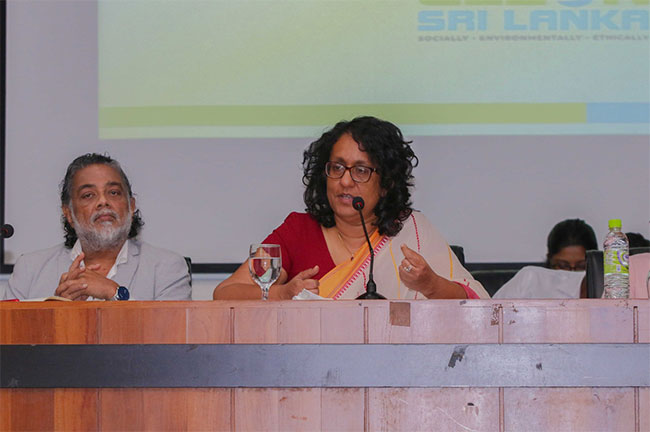
July 13, Colombo (LNW): Prime Minister Dr Harini Amarasuriya has emphasised the importance of broad-based support for the government’s upcoming overhaul of the national education system, stating that successful reform requires the active involvement of educators, administrators, and parents alike.
Speaking at the launch of a new series of awareness sessions focused on education reform, Dr Amarasuriya underlined that the existing model is no longer adequate for the needs of a modern society. She pointed to longstanding structural issues—such as unfilled teaching and leadership positions, outdated infrastructure, and gaps in educational administration—that must be tackled head-on in order to achieve meaningful change.
“Transforming education cannot be approached as a standalone initiative,” the Prime Minister remarked. “It must be part of a wider effort to ensure that every child, regardless of location or background, has access to quality learning and a supportive school environment.”
The inaugural session of the reform awareness series took place at the North Central Provincial Council and was attended by education officials across provincial, zonal, and divisional levels. These sessions aim to prepare stakeholders for the sweeping changes planned for implementation in 2026.
Dr Amarasuriya stressed the importance of building consensus and promoting shared responsibility. She noted that while policy changes are essential, the success of reforms ultimately hinges on the daily commitment of those on the ground—teachers in classrooms, principals managing schools, and parents guiding their children’s learning.
With educational reform positioned as a national priority, the government is expected to roll out a series of regionally focused discussions and workshops, ensuring that input from local communities is reflected in both planning and execution.
The Prime Minister concluded by reaffirming the government’s determination to make the country’s education system more equitable, resilient, and future-ready.
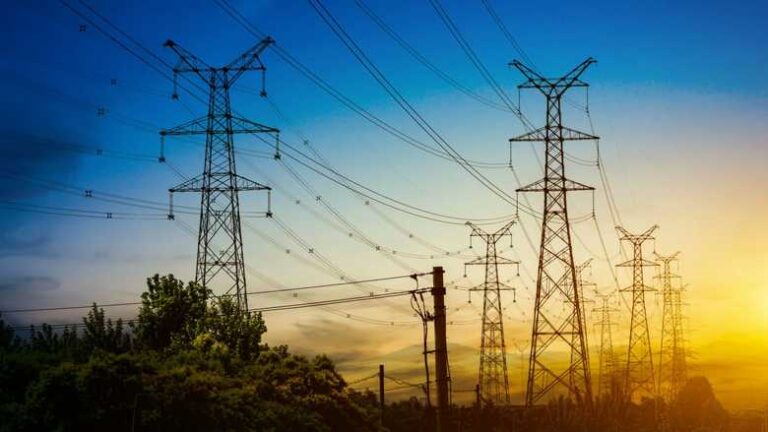
July 13, Colombo (LNW): A recent power purchase agreement (PPA) between the Ceylon Electricity Board (CEB) and Sahasdhanavi Limited—a fully-owned subsidiary of LTL Holdings—has ignited fierce debate, with critics warning it could result in an annual public loss of up to Rs. 73 billion.
Signed in April 2025, the PPA commits the CEB to purchasing electricity from a proposed 350MW combined-cycle power plant at a tariff of Rs. 37 per kilowatt-hour (kWh)—a rate more than twice the CEB’s benchmark cost of Rs. 16–17/kWh for similar technology. In addition, the CEB will pay a fixed annual capacity charge of Rs. 15 billion, regardless of whether the plant is fully operational.
Energy analysts and civil society organizations, including the Electricity Consumers’ Association (ECA), have slammed the deal for violating the country’s least-cost generation principle, warning that it places an undue financial burden on taxpayers and electricity consumers. With the plant expected to operate at high capacity, overpayments on energy alone are projected to exceed Rs. 50 billion annually.
ECA General Secretary Sanjeewa Dhammika has raised serious allegations of conflict of interest, pointing out that the agreement was signed during the tenure of former CEB Chairperson Dr. Tilak Siyambalapitiya, who simultaneously held the post of Chairperson at Sahasdhanavi’s parent company, LTL Holdings.
“This is a blatant violation of the Anti-Corruption Act No. 9 of 2023,” Dhammika said. “Dr. Siyambalapitiya approved a deal to purchase electricity from a company he was also heading. That’s a clear conflict of interest. He should have recused himself.”
Adding to the controversy, Dhammika questioned the actual fuel source of the plant. “Although the deal was presented as an LNG-based power project, Sri Lanka currently lacks infrastructure for LNG import or storage. It’s running on diesel, not LNG, and that could continue for at least five more years. This benefits only those profiting from diesel dependency.”
The ECA has filed a formal complaint with the Commission to Investigate Allegations of Bribery or Corruption, seeking an inquiry into the matter.
In response, Dr. Siyambalapitiya, who recently stepped down from his post at the CEB, defended the agreement, stating that the power plant is part of Sri Lanka’s Long-Term Generation Expansion Plan, endorsed by the CEB, the Public Utilities Commission of Sri Lanka (PUCSL), and the Government.
He emphasized that the procurement process began in 2022 and was conducted through a competitive bidding process managed by a Cabinet-appointed committee. “The contract was awarded in 2023 after thorough scrutiny and approvals from the Attorney General’s Department, the PUCSL, and other regulatory agencies,” he said.
On the conflict of interest allegations, Dr. Siyambalapitiya clarified, “The CEB Chairperson also serves ex officio as the Chairperson of LTL Holdings. This is publicly known and disclosed to all relevant authorities. The procurement and signing processes are handled within the framework of governmental procedure, with full transparency and legal compliance.”
He added that the 350MW combined-cycle plant is a critical infrastructure project aimed at ensuring energy reliability, especially during low solar and wind output. The plant, which uses regasified liquefied natural gas (R-LNG), is scheduled to operate on open-cycle mode within 30 months, and switch to combined-cycle mode 12 months later.
According to the CEB, the project will eventually reduce dependency on diesel and cut fuel costs by about 50% by 2028, when similar plants are expected to fully transition to R-LNG, improving both cost-efficiency and environmental impact.
Despite the CEB’s assurances, concerns about financial prudence and governance remain, with watchdogs calling for an independent review of the agreement. The issue continues to stir debate over energy policy, transparency, and the need for reform in Sri Lanka’s state-owned utilities.
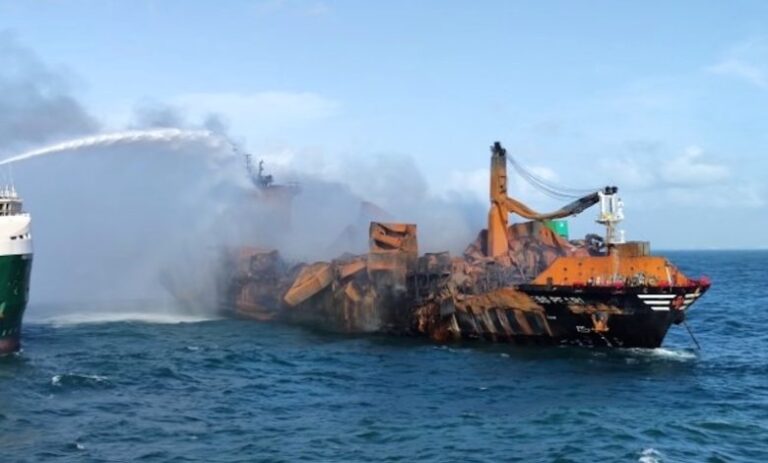
July 13, Colombo (LNW): The government is set to appoint a special committee within the next month to investigate alleged corruption and irregularities surrounding the legal proceedings linked to the X-Press Pearl maritime disaster, which caused one of the worst environmental crises in Sri Lanka’s history. This move was announced by Environment Minister Dhammika Patabendige.
The proposed committee will delve into the legal aftermath of the 2021 disaster, scrutinizing agreements made by the government and the effectiveness of compensation claims lodged on behalf of affected communities and the environment. It will also evaluate the controversial decision to permit the vessel’s entry into the Port of Colombo shortly before the incident.
The Singapore-flagged container ship X-Press Pearl caught fire and sank off the coast of Negombo on May 20, 2021, while carrying a cargo of hazardous chemicals including nitric acid and plastic pellets. The disaster caused widespread damage to marine ecosystems, polluted coastal waters, and devastated local fishing communities.
In its wake, thousands of complaints have been made regarding the government’s management of legal procedures and recovery of damages. Compensation efforts have been criticized for being inadequate. While the ship’s insurer has disbursed over Rs. 3,068 million for the fishing sector, only Rs. 1,463 million has been distributed so far across three rounds. A fourth round involving Rs. 1,605 million is expected soon, according to the Ministry of Fisheries.
However, environmental groups and legal experts argue that the insurance payout falls significantly short of the actual damages suffered. Legal action is still ongoing in Singapore and Australia, where Sri Lanka continues to push for a larger settlement.
In addition to economic losses, the ecological toll has been profound. Over 200 dead sea turtles were found along Sri Lanka’s coastline in the months following the incident. While some officials initially pointed to seasonal patterns during the ‘warakan’ monsoon period, investigations by the Department of Wildlife Conservation (DWC) confirmed that the deaths were directly linked to the toxic pollutants released from the burning and sinking vessel. Post-mortem reports showed traumatic brain injuries and other signs consistent with chemical exposure.
Former Coast Conservation Minister Nalaka Godahewa had initially downplayed the turtle deaths, citing the need to compare seasonal mortality statistics. However, expert findings have strongly implicated the maritime disaster.
The long-term environmental consequences remain a pressing concern. The incident led to the destruction of coral reefs, contamination of fishing areas, and significant marine biodiversity loss. More than 20,000 fishing families suffered livelihood disruptions, bringing renewed attention to the need for stronger maritime disaster preparedness and enforcement of environmental safeguards.
Environmentalists and maritime experts argue that Sri Lanka’s current legal and regulatory frameworks were ill-equipped to handle a disaster of this magnitude. The upcoming special committee is expected to recommend reforms to prevent similar disasters in the future and ensure transparency and accountability in legal proceedings.
With pressure mounting from civil society, legal circles, and affected communities, the government’s latest move may mark a crucial step toward justice and environmental restoration—if followed through with transparency and decisive action.
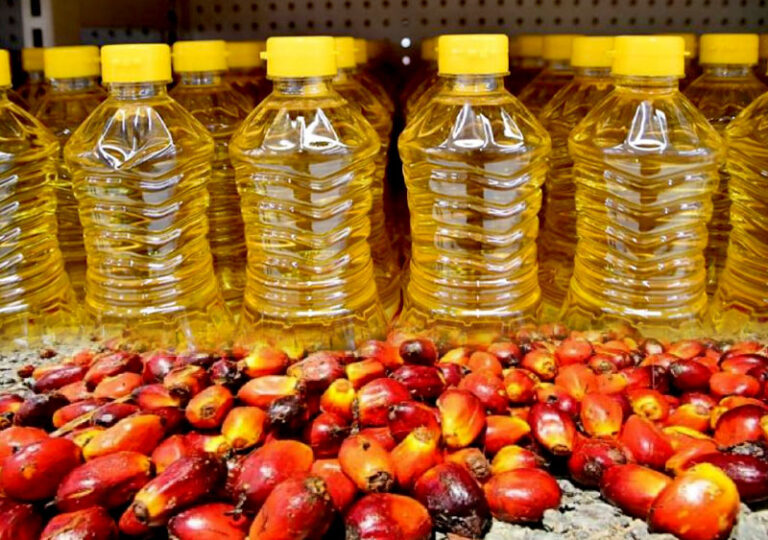
July 13, Colombo (LNW): Sri Lanka’s palm oil based industry, once a promising foreign exchange earner under the Indo-Sri Lanka Free Trade Agreement (ISFTA), continues to suffer heavy losses due to lingering policy confusion and bureaucratic red tape stemming from the crude palm oil (CPO) imports ban imposed by the Gotabaya Rajapaksa regime in 2021–2022.
At the heart of the issue is the continued restriction on crude palm oil imports, which has disrupted the operations of a BOI-approved companies that manufactures and exports hydrogenated palm oil, bakery shortening, margarine, and specialty fats.
Policy flip-flops and bureaucratic delays derail hydrogenated palm oil and bakery shortening exports under ISFTA costing country valuable foreign exchange earnings.
These products exported at zero duty under the ISFTA with Sri Lanka entitled to export up to 250,000 tonnes annually, bringing in around US$32 million in value-added foreign earnings.
Therefore it has become an urgent need for the government to take a policy decision to remove the Former President Gotabya Rajapaksa’s ban on major raw material for manufacturing Palm based products as local companies in the industry are still facing Palm Oil fiasco.
A reputed BOI registered company operating since 20O4, which holds a valid export quota of over 100,000 MT, recently placed an import order for 1,000 mt of Malaysian crude palm oil along with another 4000mt of palm based oil to meet growing demand from Indian clients.
This, follows favorable adjustments to India’s import duty re structure in 2024. The shipment, aboard the vessel MT Sheng Hang 002, arrived at the Colombo Port on May 19, 2025.
However, due to bureaucratic indecision and outdated policy interpretation, the cargo has been denied clearance.
The company first submitted its approval request to the BOI on April 29, 2025, with BOI recommending approval to the Controller of Import and Export Control by May 2, and further clearance sought from the Secretary, Ministry of Finance on May 15.
Despite these steps and follow-ups on May 7, 21, and 22, no directive was issued to Customs for release this parcel
The company has already brought this matter to the notice of deputy finance minister and the Indian high commission in Sri Lanka to prevent the reoccurrence of such incidents damaging the best trade practice image of Sri Lanka
This delay has incurred US$145,000 in vessel demurrage and an additional US$100,000 in re-shipment costs to India, leading to a total loss of around US$300,000 for the company.
The vessel was eventually to leave Colombo without offloading, severely damaging the firm’s reputation with international suppliers and jeopardizing future trade relationships—thereby undercutting valuable foreign exchange inflows.
Ironically, this same company had been granted special import permissions and issued a license during the ban period of 2021–2022, based on recommendations from both the BOI and Finance Ministry
These exceptions were granted by a committee comprising Secretary to the Finance Ministry, Controller Import and Export Department, DG .Trade and Investments, and Controller of Customs in recognition of the use of this raw material for manufacturing 100 percent export-oriented value added products
The current impasse, therefore, reflects not a lack of precedent but a failure in policy clarity and administrative action.
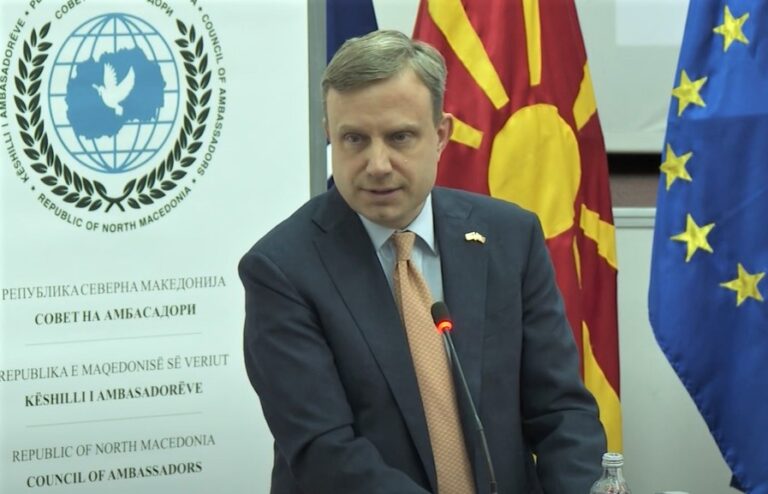
July 13, Colombo (LNW): Eric Meyer, a seasoned American diplomat, has been nominated to serve as the next Ambassador of the United States to Sri Lanka.
The nomination, announced by the White House, marks the latest diplomatic appointment by President Donald Trump, who has formally submitted Meyer’s name to the U.S. Senate for confirmation.
Meyer, a native of California and a long-serving member of the Senior Foreign Service, currently leads regional policy efforts as the Senior Bureau Official in the Bureau of South and Central Asian Affairs.
In this capacity, he plays a central role in steering U.S. foreign policy across a diverse and strategically significant region that includes countries such as India, Pakistan, Bangladesh, and Sri Lanka, among others.
Over the course of his diplomatic career, Meyer has held several high-profile overseas assignments. His recent postings include acting as the Chargé d’Affaires at the U.S. Embassy in Norway, and earlier, holding the same role while also serving as Deputy Chief of Mission in North Macedonia.
His tenure in Almaty, Kazakhstan, as the U.S. Consul General, saw him managing a broad range of diplomatic and interagency efforts in a key Central Asian post.
Within the State Department in Washington, Meyer has served in senior advisory roles where he was tasked with shaping regional strategy and ensuring cohesive policy execution across South and Central Asia.
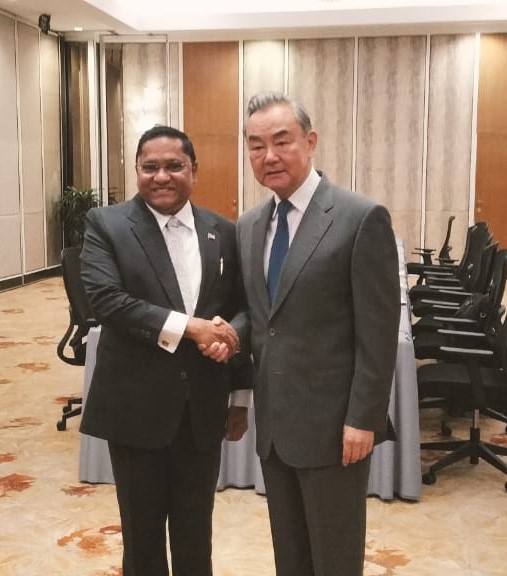
July 13, Colombo (LNW): Foreign Minister Vijitha Herath held bilateral talks with his Chinese counterpart, H.E. Wang Yi, during a diplomatic gathering on the sidelines of the ASEAN Foreign Ministers’ Meetings in Kuala Lumpur yesterday (12).
The meeting served to further consolidate the longstanding and multifaceted partnership between Sri Lanka and China, built over decades of mutual trust and strategic collaboration.
Minister Herath expressed Sri Lanka’s sincere gratitude for China’s continued support, particularly during times of national difficulty. He acknowledged Beijing’s steadfast backing in defending Sri Lanka’s sovereignty and territorial integrity, as well as its role in helping the island nation navigate recent economic headwinds.
He highlighted that China’s consistent cooperation has not only assisted in stabilising Sri Lanka’s internal affairs but has also significantly advanced infrastructure, trade connectivity, and development across key sectors.
From large-scale investments to capacity-building projects, the bilateral relationship has been instrumental in Sri Lanka’s growth trajectory.
Reaffirming Sri Lanka’s adherence to the one-China policy, Minister Herath noted the importance of aligning ongoing collaboration with the shared strategic vision established by the leaders of both nations. He pointed in particular to flagship Belt and Road Initiative (BRI) projects—such as the Colombo Port City and Hambantota Port—as cornerstones of future economic expansion and regional integration.
The discussions also explored potential partnerships in future-oriented sectors, including renewable energy, digital technology, agriculture, and maritime industries. Minister Herath welcomed China’s interest in broadening the scope of engagement to encompass innovation and sustainability, noting the potential benefits for both nations.
As the meeting concluded, both sides reaffirmed their mutual commitment to fostering a resilient and forward-looking partnership, underpinned by respect for national sovereignty and a shared vision for regional peace and prosperity.