Home Blog Page 497

South Coast of Sri Lanka Shines as the Ultimate Winter Getaway

0

By: Staff Writer

January 14, Colombo (LNW): In a dazzling spotlight on Sri Lanka’s allure, Vogue has named the island’s south coast as the must-visit destination this winter, capturing the hearts of wanderers with its unspoiled beaches, vibrant wildlife, tranquil tea estates and immersive cultural experiences.

This achievement was significant following Sri Lanka’s tourism industry kick-off 2025 with nearly 70,944 arrivals in the first nine days of the year reflecting strong start

This surge reflects a growing momentum for the sector, boosted by an influx of Russian tourists who led the charge in early 2025. The latest data released by the Sri Lanka Tourism Development Authority (SLTDA) shows that daily arrivals have also improved during the same window last year – reflecting a noteworthy progress in footfall.

Through a vivid feature titled ‘Waves to Wildlife, Tea to Tranquility: Sri Lanka’s south coast is this winter’s hottest destination’ penned by Christine Chitnis, the international lifestyle magazine portrays the southern stretch as the ultimate haven for those seeking warmth, adventure and serenity during the colder months.

The feature published on 8 January, unfolds a sensory journey through Sri Lanka’s diverse landscapes and its enduring spirit of resilience. Chitnis, a renowned photographer and travel journalist explores the south coast’s myriad of natural offerings, where luxury and adventure harmoniously converge.

“Sri Lanka’s landscapes are vast and varied, welcoming and wild. This island nation of 22 million is a place where leopards slip like a whisper through the undergrowth, blue whales breach offshore, tea estates paint the hill region a lush green, and ancient Buddhist and Hindu temples whisper stories of centuries past.

In the coastal towns, surfers line the golden sand beaches and tuk-tuks zip along twisting roads, their horns blending with the rhythmic clink of fishmongers’ knives and the sizzle of hoppers frying in street stalls.

Plates heaped with rice and aromatic curries showcase the island’s culinary riches, while orange king coconuts are cracked open and offered as a sweet, refreshing balm to the humid heat,” she described.

Controversy Surrounds the Legality of the New Bribery Commission DG’s Appointment

0

By: Staff Writer

January 14, Colombo (LNW): The recent appointment of former High Court Judge Ranga Dissanayake as the Director General (DG) of the Commission to Investigate Allegations of Bribery or Corruption (CIABOC) by President Anura Kumara Dissanayake, based on recommendations from the Constitutional Council, has sparked significant debate within Sri Lanka’s legal community.

Legal professionals have raised concerns about the legality of this appointment under the provisions of the Anti-Corruption Act No. 09 of 2023. According to legal activist and attorney Namal Rajapaksa, the Act clearly specifies the qualifications required for the position of DG.

Legal Provisions and Concerns

Section 17 of the Anti-Corruption Act outlines the qualifications for the DG role, emphasizing the necessity for a minimum of 15 years of experience in handling criminal prosecutions and extensive legal expertise.

Furthermore, Section 19(A) mandates that the appointee must be a legal professional with proven experience in managing criminal cases. Rajapaksa contends that the inclusion of these provisions in the Act was aimed at addressing the inefficiencies of past CIABOC leadership in managing high-profile corruption cases.

Ranga Dissanayake, while widely regarded as a competent and honest High Court judge, lacks the required 15 years of experience in managing criminal prosecutions. Rajapaksa asserts that this makes the appointment non-compliant with the law.

Counterarguments in Favor of the Appointment

Dr. Prathiba Mahanamahewa, a legal analyst and former commissioner of the Human Rights Commission of Sri Lanka, refuted these claims. He argued that Dissanayake’s extensive judicial career, including his tenure as a Magistrate and later as a High Court Judge, provides him with substantial experience and knowledge of criminal law and case management.

Magistrates, he noted, handle a significant volume of criminal cases, which equips them with expertise in this domain.

Mahanamahewa also highlighted that the DG operates with the support of a legal team within CIABOC, suggesting that Dissanayake’s appointment does not violate the law.

Implications and Potential Legal Challenges

Despite these arguments, Rajapaksa maintains that the appointment is legally contentious and could be challenged in court.

He pointed to a precedent involving former DG Kanishka Wijerathna, whose appointment as DG while serving as a High Court Judge was deemed unlawful due to non-compliance with the qualifications outlined in the law. Wijerathna subsequently resigned, citing these legal concerns.

Rajapaksa warned that similar challenges could arise regarding Dissanayake’s appointment, potentially undermining the validity of indictments signed by the DG. He cited ongoing legal disputes, such as the Greek Bond case involving former Central Bank Governor Ajith Nivard Cabraal, where the validity of indictments signed by the previous DG has already been contested.

 Future Implications

If legal challenges against Dissanayake’s appointment succeed, it could cast doubt on the legitimacy of cases initiated under his tenure. This includes the risk of indictments being invalidated, potentially leading to the dismissal of critical corruption cases.

The debate underscores the importance of adhering to legal frameworks in appointing officials to key institutions tasked with upholding integrity and accountability in Sri Lanka.

Digital Payments Strengthen for a Resilient Financial System in Sri Lanka

0

By: Staff Writer

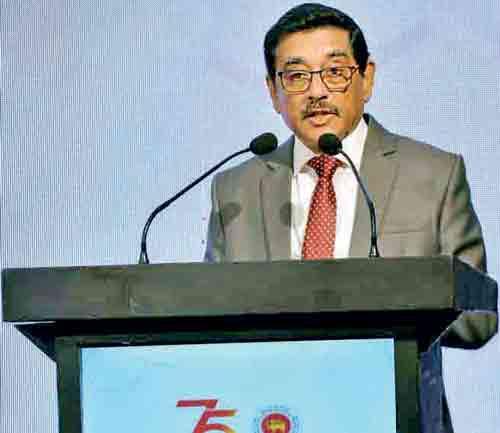
January 14, Colombo (LNW): Maintaining a stable and efficient payment system is essential for ensuring a robust financial system. To this end, the Central Bank of Sri Lanka has launched a comprehensive three-year plan to modernize the country’s payment landscape, with a focus on enhancing legislation, infrastructure, and public trust in digital payments, Central Bank Governor Nandalala Weerasinghe said.   

Key elements of the plan include revising the Payment and Settlement Systems Act and updating subsidiary regulations, such as the Guidelines on Minimum Compliance Standards for Payment-Related Mobile Applications, by 2025 to accommodate the rapid growth of retail digital payments, he disclosed. .

In 2024, the Central Bank implemented a new Real-Time Gross Settlement (RTGS) system compliant with ISO 20022 standards, which will soon extend to cross-border transactions.

 Efforts are underway to expand the Common Electronic Fund Transfer Switch (CEFTS), targeting broader access, especially for government payments.

Additionally, the Government Digital Payment Platform (GDPP) will be operationalized in 2025, enabling real-time payments to government institutions without digitalized databases, CB Governor disclosed. . .

The Central Bank also aims to strengthen the access regime for interbank payment systems and adjust the licensing framework for payment services. From January 2025, the Merchant Discount Rate (MDR) for LANKAQR has been restored to 1%, incentivizing financial institutions and FinTechs to encourage wider adoption.

Recognizing the risks associated with digital payments, the Central Bank has prioritized safeguarding public trust by monitoring fraud patterns and enhancing security.

 A circular to protect customer accounts from unauthorized access via payment apps will take effect in March 2025. Additionally, nationwide awareness campaigns will educate the public on digital payment services, their benefits, and associated security measures to mitigate fraud and scams.

These initiatives are set to strengthen Sri Lanka’s payment ecosystem, promoting innovation, security, and trust in digital transactions while driving the country’s financial modernization.

Strengthening Financial Consumer Protection is one of the key priorities as the Central Bank aims to foster a more transparent and consumer-centric sustainable financial system.

A series of strategic initiatives are planned for 2025 and beyond in this regardin order to enhance the trust of financial consumers in the financial system.

The scope of market conduct supervision is expected to be broadened by increasing the frequency and depth of on-site examinations of market conduct.This aims to ensure greater compliance with Financial Consumer Protection

Regulations and to address emerging financial consumer risks. In order to address critical financial consumer risks and dissatisfaction and to set clear guidelines to prevent unfair practices and ensure compliance, Directions focusing on issues such as fees and charges, penalties, and the imposition of interest on future obligations are to be issued.

Sri Lanka’s External and Financial Sector Show Resilience in 2024

0

By: Staff Writer

January 14, Colombo (LNW): Sri Lanka’s external sector maintained its positive momentum in 2024, marking two consecutive years of current account surpluses—a rare achievement in the country’s recent history, the Central Bank announced. 

The Balance of Payments position strengthened further, with the Central Bank purchasing over $2.8 billion in foreign exchange from the domestic market, the highest-ever annual net purchase.

Consequently, gross official reserves rose to $6.1 billion by the end of 2024, up from $4.4 billion in 2023.

The Central Bank adhered to its flexible exchange rate policy, complemented by the Flexible Inflation Targeting (FIT) framework, which contributed to the Sri Lankan rupee appreciating and stabilizing throughout the year.

These developments were driven by improved market sentiment and steady net forex inflows.The financial sector demonstrated enhanced resilience and stability in 2024 as the lingering effects of the economic crisis subsided.

The banking sector reported growth in gross loans and receivables, alongside a declining non-performing loan (NPL) ratio, indicating reduced default risks. Liquidity Coverage Ratios (LCRs) consistently exceeded regulatory minimums, and the Return on Equity (ROE) and Capital Adequacy Ratio (CAR) also showed marked improvements.

Similarly, finance companies recorded recovery in loans, advances, and profitability, while financial markets operated with low stress due to better macroeconomic conditions and investor confidence.

The Central Bank advanced its regulatory and governance frameworks to ensure financial stability. The Banking (Amendment) Act and related directives addressed areas such as large exposures, corporate governance, liquidity ratios, and related party transactions.

A Bank Recapitalisation Strategy was also developed to restructure and recapitalize nine large domestic banks, enhancing their stability and resilience. Additionally, the Depositor-wise Data Collection System was introduced to improve compensation efficiency under the Sri Lanka Deposit Insurance Scheme (SLDIS), ensuring streamlined depositor information management.

In 2024, the Central Bank achieved significant milestones in strengthening the resolution framework under the Banking (Special Provisions) Act (BSPA). This included the formulation of resolution policies and directives to licensed banks for effective resolution planning, contributing to a more robust financial sector.

Overall, 2024 marked a year of resilience and progress for Sri Lanka’s external and financial sectors, with significant strides in stability, regulatory reform, and economic recovery.

Nelum Yaya Foundation launches new year’s social service programme in Mahiyangana

0

January 14, Colombo (LNW): On Duruthu Poya Day (January 13), the Nelum Yaya Foundation kicked off its annual social service initiative, bringing much-needed support to children in the Mahiyangana Education Zone.

Sponsored by Finnland Holdings Group, the programme provided school shoes, bags, and educational kits to 50 children from low-income families attending some of the region’s most underprivileged schools.

This year’s project was organised by the founder of the ‘Suwethi Daruwan’ initiative, Principal Priyantha Bandara, who has been a dedicated advocate for improving educational opportunities for disadvantaged children.

Bandara expressed his hopes to expand the programme significantly, with plans to support 1,000 schoolchildren next week.

For the past four years, the Nelum Yaya Foundation has been actively involved in providing educational assistance to children facing numerous challenges.

The foundation is deeply committed to promoting quality education for these young learners, particularly those living in difficult circumstances.

Through their initiatives, they aim to reduce the barriers to education and ensure that children across Sri Lanka have access to the tools they need to succeed.

At the Nelum Yaya Foundation, the focus remains on easing the hardships faced by children who pursue their studies despite facing adversity.

The foundation welcomes contributions and invites anyone interested in supporting the cause to join their efforts by reaching out via email at [email protected].

Together, the foundation believes they can bring smiles to the faces of these children, whose educational journeys are now made a little easier thanks to this compassionate initiative.

Today and tomorrow, they continue to spread their love and support to those in need.

Media Partner: LNW

Govt vows to ensure safety of health workers amid pharmaceutical sector challenges

0

January 14, Colombo (LNW): The government has assured that it will take all necessary steps to safeguard the well-being of health workers who are actively engaged in managing issues within the pharmaceutical industry.

Health Minister Nalinda Jayatissa made this commitment during a surprise inspection at the State Pharmaceuticals Corporation (SPC), where he assessed the current situation within the sector and engaged with key officials.

During his visit, he held comprehensive discussions with officials about the entire pharmaceutical supply chain, including procurement processes and the distribution of essential medicines.

The minister took a keen interest in understanding the logistical challenges and bottlenecks that are currently impacting the timely availability of drugs.

In addition to addressing these operational concerns, Minister Jayatissa expressed a particular focus on the safety and working conditions of the employees involved in the pharmaceutical sector.

He acknowledged the difficult circumstances faced by workers, especially in light of the recent challenges confronting the industry.

We are fully committed to ensuring that health workers, who are at the frontline of these crucial operations, are protected from any form of harm,” the Minister stated.

The visit provided an opportunity for the Minister to assess how the government can better support the pharmaceutical workforce, ensuring they have the necessary resources and protection to carry out their vital roles.

Dr. Jayatissa reiterated the government’s determination to strengthen the pharmaceutical supply chain while safeguarding the health and safety of those who work tirelessly to ensure the public has access to necessary medicines.

Public Security Ministry announces measures to expedite passport issuance

0

January 14, Colombo (LNW): The Ministry of Public Security has confirmed that efforts are underway to significantly accelerate the passport issuance process, with plans to issue up to 2,500 passports per day.

This move comes as part of a broader initiative to address the growing demand for passports and streamline the application procedure.

Minister Ananda Wijepala explained that the previous daily output of 1,100 passports was insufficient to meet the increasing needs of citizens.

We have now put measures in place to increase the daily issuance of passports to 2,500. This is a significant boost to ensure that citizens are not facing unnecessary delays,” the Minister stated.

Responding to concerns raised by the public regarding long waiting periods, particularly for those who have been waiting for up to three months, Minister Wijepala assured that provisions had been made for urgent cases.

For individuals who need to travel abroad at short notice, we have introduced a special channel for expedited passport processing. This will allow those in urgent need to receive their passports without delay,” he added.

He further explained that applications submitted through this expedited channel would be reviewed by a dedicated committee, which would prioritise these cases and take all necessary steps to ensure that passports are issued as swiftly as possible.

We are committed to ensuring that no one is left waiting when they urgently need to travel,” the Minister emphasised.

This new initiative is expected to alleviate the passport backlog and offer a more efficient service to the public, particularly for those with pressing travel needs.

SLBFE Chief explains measures to restore lost job opportunities in Israel’s Agricultural Sector

0

January 14, Colombo (LNW): Sri Lanka Bureau of Foreign Employment (SLBFE) Chairman Koshala Wickremasinghe has revealed that the country lost access to 10,000 job opportunities in the Israeli agricultural sector due to the actions of unqualified individuals sent under the previous government.

These individuals, who were placed in jobs without meeting the necessary requirements, violated their work agreements by abandoning their posts and seeking alternative employment, resulting in Israeli authorities revoking the job quota.

Wickremasinghe made these remarks in a special media briefing where he discussed the recent introduction of a physical fitness test for Sri Lankan workers hoping to secure agricultural positions in Israel.

He outlined the challenges Sri Lanka faced due to political interference in the past, where unfit workers were pushed into jobs without due process.

For two years, approximately 5,000 people have been waiting for employment in Israel, after being promised jobs by politicians who also took money from them. These individuals were often brought to the Bureau in buses and vehicles, under pressure from political figures, without following proper procedures,” Wickremasinghe explained.

He stressed that such practices undermined the integrity of Sri Lanka’s job market, leading to the loss of employment opportunities abroad.

In response to this, the current administration has implemented necessary reforms to rectify the situation and ensure that only qualified and fit individuals are sent abroad for work.

Historically, Israel had granted Sri Lanka a job quota of around 10,000 agricultural positions.

However, only 2,000 workers were successfully dispatched to Israel. Unfortunately, many of these workers were not physically prepared for the demanding nature of agricultural work and vacated their positions without notice, prompting Israel to cancel the job quota altogether.

Following extensive discussions with Israeli authorities, they have indicated a willingness to reconsider the job quota, provided that only physically fit and qualified workers are sent. In collaboration with the Sri Lankan Army and health authorities, we have developed a health and fitness programme that meets Israel’s stringent requirements. Over the past month and a half, we have made efforts to ensure potential workers understand and meet these health criteria,” said Wickremasinghe.

The SLBFE Chairman highlighted that many individuals had already invested money and effort to qualify for these positions, despite facing considerable hardships.

To ensure these workers are fit for the job, the Bureau introduced a series of medical and physical tests, including ECG screenings and a two-kilometre run that must be completed within 10 to 12 minutes.

Wickremasinghe addressed concerns raised by some job aspirants who found the physical examination too challenging, as well as the media’s portrayal of these complaints.

Whilst some individuals have voiced their discontent with the physical fitness requirements, it is crucial to understand that Israel expects a certain level of strength and endurance from agricultural workers. Without meeting these standards, there is a real risk that Israel will once again cancel the job quota,” he warned.

The SLBFE Chairman reiterated the importance of sending only properly qualified and fit workers to Israel, stressing that doing so would not only restore the agricultural job opportunities but also pave the way for more Sri Lankans to secure similar positions in the future.

It is our responsibility to ensure that the right people are sent for these jobs, and through these physical fitness activities, we hope to regain these vital employment opportunities for our citizens,” Wickremasinghe concluded.

Aluth Sahal Mangalyaya celebrated at Temple of Tooth Relic with traditional rituals

0

January 14, Colombo (LNW): The annual Aluth Sahal Mangalyaya, or New Rice Festival, took place yesterday morning at the holy Temple of Tooth Relic, with ancient rituals marking the occasion.

This significant festival, which forms part of the four major religious celebrations held at the Temple of Tooth Relic each year, honours the first harvest of rice, a tradition dating back to the time of ancient kings.

The event was conducted under the guidance of the venerable Thera of Thewawa, the Chief Incumbent of Mahiyangana Rajamaha Viharaya, Ven. Urulawatte Dhammarakkhita Thera.

Also present at the ceremony was Diyawadana Nilame, Pradeep Nilanga Dela, who took part in the sacred rituals.

The New Rice Festival, held on the full moon day of January each year, is a key highlight of the religious calendar. During the festival, the first harvest of rice from the fields owned by the Dalada Maligawa is brought to the temple and offered to the sacred Tooth Relic as an act of devotion and thanksgiving.

This custom is believed to symbolise gratitude for the abundance of nature and the blessings bestowed upon the people by the divine.

The celebration of the New Rice Festival has been a cherished tradition for centuries, marking the beginning of the annual cycle of major religious festivals in Kandy.

These four grand festivals—starting with the New Rice Festival—are a cornerstone of Sri Lanka’s cultural and religious heritage.

Following the New Rice Festival, the other prominent celebrations include the Sinhala and Tamil New Year Festival, the Esala Perahera, and the Kartika Festival, each rich in ritual and devotion.

As part of the day’s rituals, a special Buddha pooja was conducted, during which fresh rice was offered to the Sacred Tooth Relic. This sacred ceremony, guided by the Thera of Thewawa and supported by the Diyawadana Nilame, was a moment of spiritual significance for all involved, reaffirming the deep cultural and religious connection to the harvest and to the temple’s sacred traditions.

Ex-Agriculture Director blames political interference for red raw rice shortage

0

January 13, Colombo (LNW): Former Director of Agriculture, K.B. Gunaratne, has laid the blame for the current shortage of red raw rice squarely on the shoulders of a politician from the Southern Province, who was responsible for agriculture during the previous regime.

A series of politically motivated decisions made over the past six years have led to a severe lack of this essential staple, according to Gunaratne.

In a recent briefing in Kandy, Gunaratne explained that the crisis surrounding red raw rice was directly caused by the arbitrary actions of those in political power, which sidelined the needs of farmers in favour of fulfilling political agendas.

For the past six years, the Agriculture Department was not serving the interests of the farmers but instead was working to fulfil the wishes of politicians,” he said.

Gunaratne further detailed how the people of the Southern Province, who traditionally consume red raw rice more than any other group in the country, were severely impacted by these decisions.

At one point, there was an overwhelming demand for red raw rice, not only in the Southern Province but across the entire country,” he remarked, pointing out that the farmers had responded by cultivating the AT 362 rice variety in significant quantities.

As a result, there was a large surplus of red raw rice, and farmers were even storing it,” he added.

However, according to Gunaratne, the situation took a turn for the worse when the government, under political pressure, distributed 20 kilogrammes of this surplus rice to families nationwide for free.

What the political authorities did was to distribute large quantities of red raw rice to the people without considering the long-term effects. This is one of the key reasons we are now facing such a scarcity,” he said.

Following this, he claimed, the same authorities then advised farmers to shift their focus to cultivating Keeri Samba rice instead of red raw rice, further exacerbating the problem.

This is the real story behind the shortage of red raw rice,” Gunaratne asserted.

The former director also lamented the lack of red raw rice available for one of the most significant festivals for the Tamil community, Thai Pongal, a time when the rice is traditionally used to prepare milk rice offerings to the gods.

At this moment, there is no red raw milk rice to offer during the Thai Pongal festival. This situation is deeply troubling,” he said.

Looking ahead, Gunaratne warned that the ongoing shortage of red raw rice could persist well into next year, potentially lasting until August or September.

Currently, the government is attempting to halt rice imports, but even if they bring in 100,000 metric tons, it will only be enough for around 10 to 11 days of consumption,” he explained.

He also cautioned that if the government fails to implement a comprehensive strategy to address the rice shortage, prices will continue to rise.

If nothing is done, the price of Nadu rice could reach Rs. 330 to Rs. 350 per kilogramme, while Samba rice could climb to Rs. 380 to Rs. 400. Keeri Samba will also become more expensive, with prices potentially soaring past Rs. 450 per kilogramme,” Gunaratne predicted. “In addition, red raw rice may become completely unavailable.