January 14, Colombo (LNW): The Telecommunication Regulatory Commission of Sri Lanka (TRCSL) has clarified that no mobile service provider has been granted permission to raise the prices of their phone packages.
In response to recent media reports, including those circulating on social platforms, the Commission has firmly denied any changes to the cost of mobile services.
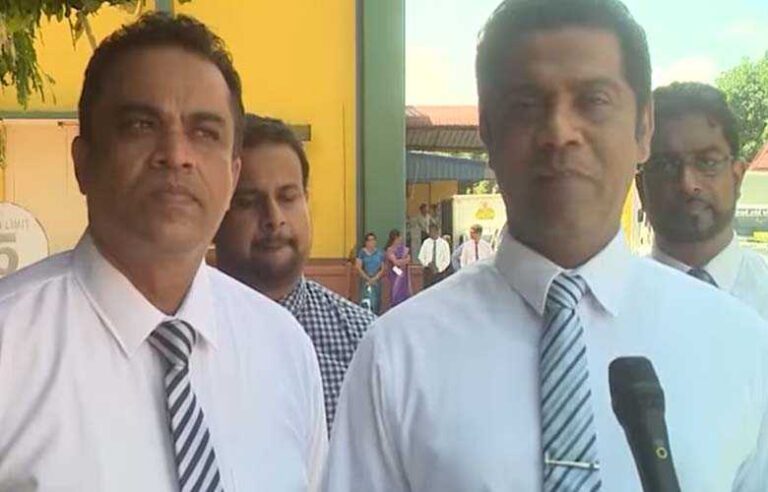
Indrajith Handapangoda, Director of the TRCSL, explained that should any mobile operator attempt to implement an unauthorised price hike, the Commission would take immediate and decisive action, including the potential revocation of licences.
“If any such price adjustments occur, the Commission will not hesitate to revoke the licences of the companies involved and take legal steps in accordance with the TRCSL Act,” Handapangoda warned.
He further urged all consumers to report any instances where they experience an increase in the price of mobile packages.
“We encourage the public to come forward and provide us with details of any price hikes they may encounter. This will help us investigate and ensure that companies are adhering to the regulations,” the TRCSL Director stated.
Addressing the widespread misinformation, he assured that there was no substance to the claims being shared through various media channels.
After conducting inquiries with all registered mobile service providers, the Commission has received written confirmation from each company stating that no price increases have been implemented.
Handapangoda also cautioned the public not to fall for misleading information. “We strongly advise consumers not to be misled by false claims circulating in the media. These are baseless rumours with no factual basis,” he emphasised.
In response to the media outlets involved in spreading these unverified reports, Handapangoda confirmed that the Commission is taking steps to pursue legal action within the existing framework against journalists and media organisations responsible for disseminating falsehoods.
January 14, Colombo (LNW): In her message for Thai Pongal, Prime Minister Harini Amarasuriya underscored the deep significance of the festival in fostering gratitude, particularly towards nature, and highlighted its role in reinforcing the vital connection between humanity and the environment.
The Prime Minister described Thai Pongal as a time of reflection, where people come together to offer thanks to nature, especially the Sun God, for providing the essential energy that sustains agricultural activities throughout the year.
“This festival is an expression of gratitude for the vital role nature plays, particularly the Sun, which nourishes our crops and powers the cycle of sowing and harvest,” she stated in her message.
She further emphasised the deep interdependence between humanity and the natural world, stressing that it is only by recognising nature’s contributions that society can truly progress.
“We are, in essence, creations of nature. Our progress and well-being are inextricably linked to the environment around us. It is a basic human instinct to acknowledge and give thanks for the blessings nature bestows upon us,” the Prime Minister added.
With Sri Lanka currently grappling with significant challenges on multiple fronts, Prime Minister Amarasuriya pointed out that the country has a critical responsibility to embrace renewal in both attitude and action. She called for substantial structural and policy changes that recognise the importance of sustainability and respect for nature.
“At this crucial juncture, we must focus on transformative changes, not just in policies but also in our collective mindset. Acknowledging and respecting nature is key to this process of renewal,” she remarked.
Concluding her message, the Prime Minister extended her warmest wishes to the Tamil community in Sri Lanka and across the globe.
“To all those celebrating Thai Pongal, I offer my heartfelt greetings. May this joyous festival bring happiness, prosperity, and fulfilment to all,” she concluded.
Full Message:
“The Thai Pongal festival, celebrated annually by the Hindu community in January, embodies the noble values of appreciation and gratitude. This festival serves to express gratitude to nature, particularly to the Sun God, for providing the energy essential for agricultural activities from sowing to harvest.
As creations of nature, we cannot progress without acknowledging its role in our lives. It is a fundamental human quality to be grateful for the blessings we receive from nature. Sri Lanka stands at a critical juncture, with the significant responsibility of steering the nation toward a period of renewal.
This requires structural, policy, and attitudinal changes. The government has undertaken this important process and is committed to transformative change. Acknowladge and repect nature is an important aspect of the transformation we are searching.
I warmly greet all Tamil people in Sri Lanka and worldwide who are celebrating Thai Pongal. May this festival bring joy and fulfillment to all.”
January 14, Colombo (LNW): As President Anura Kumara Dissanayake embarks on a State Visit to China at the invitation of President Xi Jinping, five acting ministers have been appointed to manage key ministries in his absence.
The temporary appointments were announced by the President’s Media Division (PMD) and are designed to ensure the smooth continuation of government operations during the president’s official trip.
The acting ministers will take charge of several critical ministries directly overseen by the President, including the Ministry of Digital Economy, the Ministry of Defence, and the Ministry of Finance, Planning, and Economic Development. Additionally, responsibilities for the Ministry of Foreign Affairs, Foreign Employment, and Tourism, alongside the Ministry of Transport, Highways, Ports and Civil Aviation, have also been temporarily delegated to other ministers.
The individuals appointed to these roles are as follows:
Acting Minister of Digital Economy: Eranga Weeraratne, currently serving as the Deputy Minister of Digital Economy.
Acting Minister of Defence: Aruna Jayasekera, Deputy Minister of Defence, who will assume the responsibilities of this vital portfolio.
Acting Minister of Finance, Planning and Economic Development: Dr. Anil Jayantha Fernando, Minister of Labour and Deputy Minister of Economic Development, who will oversee financial and economic matters during this period.
Acting Minister of Foreign Affairs, Foreign Employment and Tourism: Arun Hemachandra, Deputy Minister of Foreign Employment, tasked with managing foreign relations and tourism matters.
Acting Minister of Transport, Highways, Ports and Civil Aviation: Dr. Prasanna Kumara Gunasena, Deputy Minister of Transport and Highways, who will take on the critical role of overseeing transport infrastructure and aviation affairs.
January 14, Colombo (LNW): In his message for Thai Pongal, President Anura Kumara Dissanayake has emphasised the festival’s profound cultural and spiritual importance, connecting it to Sri Lanka’s broader vision for environmental and societal rejuvenation.
Thai Pongal, celebrated primarily by the Tamil and Hindu communities around the world, marks a significant occasion to honour the forces of nature that contribute to the harvest.
“This festival is a time of thanksgiving, dedicated to the Sun, Earth, rain, and the cattle that play a vital role in ensuring a plentiful yield,” President Dissanayake stated, highlighting the agricultural origins of the celebration and its deep respect for the natural world.
He went on to explain that the festival is not only a recognition of nature’s contributions but also a symbol of renewal and coexistence.
“Beyond its agricultural roots, Thai Pongal represents a deeper spirit of renewal, and stands as a reminder of the need for harmony and peaceful coexistence within our communities,” the President observed.
The President also drew a parallel between the values inherent in Thai Pongal and Sri Lanka’s ongoing “Clean Sri Lanka” initiative. This national endeavour, which seeks to promote environmental sustainability and ethical progress, aligns closely with the themes of unity and rejuvenation celebrated during the festival.
“As our nation embraces the ‘Clean Sri Lanka’ initiative, it is clear that the values of Thai Pongal—renewal, gratitude, and harmony—are at the heart of this transformative effort,” he added.
In concluding his message, President Dissanayake called for collective action towards creating a sustainable and prosperous future for all Sri Lankans.
“I urge everyone to come together, united in purpose and dedication, to ensure that our nation thrives in peace and harmony. Let this Thai Pongal inspire us all to work towards a brighter, more optimistic future for generations to come.”
Full Statement:
“The Thai Pongal festival, also known as the “Harvest Festival,” is observed with profound reverence by Tamil and Hindu communities worldwide. This significant occasion is dedicated to expressing gratitude to the Sun, the Earth, rain, and cattle for their indispensable contributions to a bountiful harvest.
This festival is celebrated on the first day of the month of “Thai” according to the Tamil calendar. The festival marks the commencement of the Sun’s northward journey, referred to as “Uttarayana.” Beyond its agricultural significance, Thai Pongal embodies the spirit of renewal and symbolizes the values of harmony and coexistence within human society, both internally and externally.
This celebration signifies not only a pivotal shift in direction but also underscores the importance of harmonious coexistence—both within society and with the environment. At a time when Sri Lanka has embarked on the transformative “Clean Sri Lanka” initiative, aimed at fostering ecological and ethical progress, the values symbolized by Thai Pongal align profoundly with the objectives of this initiative, reflecting the inseparable bond between humanity and nature.
Thai Pongal serves as a source of cultural rejuvenation, instilling renewed hope and inspiration in our collective lives. As we embrace the New Year with renewed vigor and aspirations for a “beautiful life,” we are presented with a significant opportunity to collaborate toward building an environmentally conscious and culturally enriched society.
By prioritizing sustainable development and championing lasting peace and unity, we reaffirm our commitment to leading with integrity, resilience, and an unwavering dedication to fulfilling our responsibilities to the nation and its people.
I invite everyone to come together with a shared sense of purpose and commitment to ensure the prosperity and well-being of our nation, cherishing the joy and happiness that enrich the lives of all Sri Lankans. May this Thai Pongal celebration be a blessing and a guiding light, inspiring hope and optimism for a brighter future.
I extend my heartfelt wishes to all Sri Lankans and Hindu devotees around the world for a prosperous and joyous Thai Pongal, filled with gratitude, harmony, and abundance!”
January 14, Colombo (LNW): Showers or thundershowers will occur at times in Northern, Eastern, North-central, Uva and Southern provinces and in Matale and Nuwara-Eliya districts, the Department of Meteorology said in its daily weather forecast today (14).
Fairly heavy showers about 75mm can be expected at some places in Eastern and Uva provinces and in Matale and Nuwara-Eliya districts.
Showers or thundershowers will occur at several places elsewhere during the afternoon or Night.
Fairly strong winds of (30-40) kmph can be expected at times over Northern, Eastern, North-central and North-western provinces and in Matara and Hambantota districts.
Misty conditions can be expected at some places in Western, Sabaragamuwa and Central provinces and in Galle, Matara and Badulla districts during the morning.
The general public is kindly requested to take adequate precautions to minimise damages caused by temporary localised strong winds and lightning during thundershowers.
Marine Weather:
Condition of Rain:
Showers or thundershowers will occur at several places in the sea areas extending from Kankasanthurai to Galle via Trincomalee, Batticaloa and Hambantota. Showers or thundershowers will occur at several places in the other sea areas around the island during the afternoon or Night.
Winds:
Winds will be north-easterly and speed will be (30-40) kmph. Wind speed can increase up to (50-60) kmph at times in the sea areas off the coast extending from Colombo to Kankasanthurai via Puttalam and Mannar. Wind speed can increase up to (45- 50) kmph at times in the other sea areas around the island.
State of Sea:
The sea areas off the coasts extending from Colombo to Kankasanthurai via Puttalam and Mannar will be rough at times. Other sea areas around the island may be fairly rough at times. Temporarily strong gusty winds and very rough seas can be expected during thundershowers.
January 13, Colombo (LNW): The Alcohol and Drug Information Centre (ADIC) revealed that a 20% excise tax increase on alcohol last year led to a staggering reduction of 8.3 million litres in alcohol consumption while boosting government revenue by Rs. 11.6 billion.
Welcoming the latest hike on alcohol and tobacco taxes, ADIC Executive Director Sampath de Seram said the move is a significant step toward reducing public health risks.
He noted that such measures align with recommendations from the World Health Organization (WHO) to discourage harmful habits like excessive drinking and smoking.
“The latest step is helpful in both ways,” de Seram said, explaining that higher taxes not only reduce consumption but also provide a significant boost to state revenue.
According to ADIC, cigarette sales also saw a sharp decline last year, with volumes dropping by 521.5 million units. Despite this, tax revenue from cigarettes rose by Rs. 7.7 billion, demonstrating the dual benefits of excise tax increases.
However, de Seram urged that such measures be implemented scientifically, factoring in inflation and other economic variables to ensure long-term effectiveness.
Alcohol tax increases in Sri Lanka have been shown to reduce alcohol consumption and increase government revenue:
A 20% increase in alcohol excise tax in Sri Lanka led to an 8.3 million liter reduction in alcohol consumption. A survey found that 64% of participants saw a decrease in alcohol consumption during celebrations in 2024.
Alcohol tax increases generate additional excise tax revenue for the government. For example, a 20% increase in alcohol excise tax generated an additional LKR 1.8 billion in revenue.
Alcohol tax increases can reduce alcohol-related harm and improve public health. Alcohol-related harm is a significant burden on Sri Lanka’s health system.
Alcohol tax increases can have a progressive effect because economically disadvantaged groups are more likely to reduce their consumption when prices increase.
Taxation is a well-recognized policy tool in preventing alcohol harm. In 2023, Sri Lanka increased alcohol taxation rates in order to increase government revenue and reduce costs due to alcohol harm. In 2024, the Alcohol and Drug Information Center (ADIC) of Sri Lanka carried out a survey to investigate the impact of the policy change on alcohol consumption and harm.
ADIC carried out this survey during the Sinhala and Tamil New Year celebrations in 2024, the period when alcohol consumption is typically the highest in the country.
The survey used a sample size of 415 individuals from across all nine provinces. 46.2% of the participants were female and 53.7% were male.
According to the survey results, 64% of the participants stated that they saw a clear decrease in alcohol consumption during celebrations in 2024.
Respondents report lower alcohol consumption in their communities 64% of survey respondents stated that they saw a clear decrease in alcohol consumption during New Year celebrations in 2024.Only 26% believed that there was no change in the alcohol consumption in the country. 10% stated that they witnessed an increase in alcohol consumption during the festive period in 2024.
January 13, Colombo (LNW): Pensioners in Sri Lanka are facing significant challenges in claiming refunds for the Withholding Tax (WHT) deducted from their bank deposit interest. While the government has implemented a refund mechanism, several difficulties hinder the smooth processing and relief for retirees:
Complex Documentation and Process: Pensioners must gather various documents, such as bank statements, to prove that WHT has been deducted. Banks usually provide an annual summary, but the process of filing a tax return and applying for a refund can be daunting, particularly for those not well-versed in tax procedures.
Reports indicate that with the increase in the Withholding Tax on deposits held in banks, a significant amount of deposits has been withdrawn from the banks.
It is noted that a portion of these funds is being redirected towards investments in the Colombo Stock Exchange and other ventures, with depositors feeling anxious.This situation has also contributed to the rise in the Colombo Stock Exchange.
As a result of the withdrawal of fixed deposits from banks, a crisis regarding liquidity in the banking and non bank financial sector is currently unfolding.
This crisis is affecting not only banks but also several other major companies.
Delays and Administrative Bottlenecks: Many pensioners face frustration due to delays in processing their refunds. Mistakes in documentation or system glitches can further complicate the process, leading to additional stress for retirees who are already financially vulnerable.
Increased Administrative Burden: Both the pensioners and the government must deal with an administrative load. Filing tax returns, verifying WHT deductions, and processing refunds can be time-consuming and cumbersome, particularly if many pensioners are involved. This can create bottlenecks and delays in disbursement.
Financial Stress Due to Uncertainty: The lack of clarity regarding the exact timeline and process for receiving refunds can cause financial strain for pensioners. Many retirees rely on their bank deposit interest for daily living expenses, and any delay in refunding WHT can disrupt their financial stability.
Risk of Fraud: The refund process could potentially be vulnerable to fraud if not carefully monitored. Pensioners may find themselves at risk of being misled or manipulated due to their limited understanding of tax laws and refund procedures.
Lack of Understanding of Tax Mechanisms: Many pensioners may not fully understand how WHT applies to their interest income, leading to confusion and financial stress. The complexity of tax systems and the specific rules for retirees can contribute to a lack of awareness and frustration with the system.
Given these challenges, the government is under pressure to ensure that the refund mechanism is streamlined, transparent, and user-friendly to prevent further hardship for retirees.
January 13, Colombo (LNW): The Colombo Port is facing severe congestion as container volumes have surged dramatically, exposing critical shortcomings in infrastructure and Customs operations.
According to Additional Director General of Sri Lanka Customs, Seevali Arukgoda, the daily volume of containers passing through the port has increased significantly, rising from an average of 800–1,200 containers to over 1,500, with peak days seeing as many as 3,000 containers.
This unprecedented increase has overwhelmed existing systems, prompting urgent intervention by the government.
In response to the crisis, President Anura Kumara Dissanayake held discussions with stakeholders, resulting in Sri Lanka Customs agreeing to operate continuously, 24 hours a day, seven days a week, to clear the backlog of import containers.
A statement from the President’s office confirmed that Customs officers would work around the clock to expedite the clearance process.
Additionally, President Dissanayake emphasized the need for both public and private sector stakeholders to collaborate in addressing the crisis and implementing solutions to prevent future delays.
Delays caused by regulatory agencies such as the Sri Lanka Standards Institution (SLSI), the Department of Food Commissioner, and the Plant Quarantine Division were highlighted as major contributors to the congestion.
Staff shortages in these institutions were identified as a key factor, significantly slowing down the clearance process.
The President directed the relevant authorities to fill these vacancies immediately and improve welfare allowances for officers, ensuring that these institutions can function more efficiently.
To further alleviate congestion, a 5-acre plot of land in the Bloemendhal area was allocated for storing containers pending investigation.
Two acres of this land will be made available by January 31, with the remaining three acres ready by February 28.
This initiative is expected to provide much-needed space to accommodate the overflow of containers, easing the pressure on the port terminals.
Another measure to reduce congestion involves redirecting idle container trucks, which have been contributing to traffic within the terminals, to a designated parking area in Peliyagoda. This decision is expected to free up space within the port and improve the flow of operations.
Importers have also agreed to comply with stricter regulations to avoid delays. Food-related products must now be accompanied by mandatory certificates issued by accredited foreign laboratories, following proper testing.
Violations of these requirements will result in legal action in accordance with government regulations. Wharf clerks and other private service providers have been instructed to work 24/7 to ensure the efficient clearance of containers.
During the discussions, President Dissanayake stressed the importance of implementing short-term, medium-term, and long-term plans for the development of the port sector.
He urged all stakeholders, including the port, Customs, and private service providers, to work as a unified team to resolve the crisis. Ports Minister Bimal Ratnayake added that the expedited clearance measures would remain in effect until June 30, underscoring the need for sustained cooperation.
This comprehensive approach aims not only to resolve the immediate congestion but also to create a foundation for long-term improvements in port operations.
By addressing systemic inefficiencies and enhancing collaboration between the public and private sectors, the government is working to transform Colombo Port into a more efficient and resilient hub for trade.
January 13, Colombo (LNW): Sri Lanka’s new government has decided to reactivate a previously suspended liquefied natural gas (LNG) agreement with US-based New Fortress Energy, marking a significant step toward reducing energy costs and transitioning to cleaner fuels. This decision reflects the government’s effort to modernize its energy infrastructure while balancing relationships with global partners, including India and China, despite controversies surrounding past LNG procurement processes.
The government views LNG as a transitional energy source that complements its renewable energy goals while ensuring affordable and reliable power for citizens. Energy Minister Kumara Jayakody announced plans to revive a tender for an LNG terminal to support two major combined-cycle power plants, which currently rely on costly liquid fuels.
Speaking in parliament, Jayakody highlighted the importance of LNG in reducing energy expenses and supporting the shift to cleaner energy, although he acknowledged coal remains the cheapest thermal option. Despite this, Sri Lanka has pledged not to expand coal-based energy projects.
Renewable Energy Expansion and LNG’s Role
Sri Lanka is striving to enhance its renewable energy capacity, particularly through solar and wind projects. However, these energy sources are intermittent and require backup to maintain supply reliability. LNG is positioned as a crucial transitional fuel to bridge the gap between liquid fuels and the country’s expanding renewable energy portfolio.
Controversies and Policy Revisions
In 2023, an open international tender awarded a China-Pakistan consortium, led by Engro, the contract to supply LNG and develop a pipeline network aimed at significantly reducing power production costs. However, this initiative was suspended in 2024 when the government, under a new energy policy, halted key LNG projects.
These included plans for a floating storage and regasification unit (FSRU) off Kerawalapitiya, an offshore and onshore LNG transmission pipeline network, and an onshore receiving facility.The suspension created an opportunity for India’s Petronet LNG Ltd. to enter the market.
India’s Petronet LNG Entry
India’s largest LNG supplier, Petronet LNG Ltd., is set to begin supplying Sri Lanka with LNG in 2025. Initially, Petronet will deliver 850 tonnes of LNG daily using containers, eventually transitioning to a floating LNG receipt facility at Colombo Port.
According to CEO Akshay Kumar Singh, Petronet plans to source LNG from Qatar, Australia, and other suppliers, with shipments originating from its terminals in Gujarat and Kerala. This initiative aligns with Sri Lanka’s goal of diversifying energy partnerships while reducing costs.
US-Based New Fortress Energy’s Resurgence
New Fortress Energy (NFE), a US-based energy developer, has resumed its plans for LNG infrastructure in Sri Lanka after the Supreme Court dismissed opposition petitions in 2022. NFE originally signed an agreement in 2021 to develop an LNG terminal off Colombo’s coast and supply LNG to major power plants.
Under the agreement, NFE secured gas supply rights for the Kerawalapitiya Power Complex, which includes the operational 310 MW Yugadanavi Power Plant and the 350 MW Sobadanavi Power Plant, expected to begin operations in 2023.
NFE plans to supply an initial volume of 1.2 million gallons of LNG per day, significantly advancing Sri Lanka’s energy modernization efforts. Wes Edens, CEO of NFE, emphasized the project’s importance, stating it delivers cleaner, reliable, and affordable energy, while supporting sustainable development and economic growth.
Balancing Global Partnerships
Sri Lanka’s energy strategy highlights the country’s balancing act among major global players: the US, India, and China. While China’s earlier bid encountered setbacks, India’s Petronet LNG is now positioned to play a central role in Sri Lanka’s energy transition. Meanwhile, New Fortress Energy remains committed to advancing its LNG projects.LNG is seen as a transitional fuel bridging the gap to renewable energy by addressing supply reliability issues. However, Sri Lanka faces the challenge of navigating complex international partnerships while meeting domestic energy needs. Balancing these priorities will require careful policymaking as the nation seeks to achieve energy sustainability and affordability.
January 13, Colombo (LNW): In celebration of the upcoming Thai Pongal Festival on 14 January, the Department of Prisons has made special provisions for Hindu prisoners, allowing them to receive visits from their families during this important religious occasion.
To mark the festival, which is significant in the Hindu calendar, inmates who observe the traditions of Thai Pongal will be granted the opportunity to spend time with their loved ones.
The arrangements for these visitations will be implemented at prisons across the country, ensuring that Hindu prisoners are able to partake in the festive spirit with their families.
Visitors are kindly requested to bring food only for the respective inmate they are visiting, ensuring that the distribution of provisions remains manageable and in line with security protocols.
These food items will be provided in a manner consistent with prison regulations, and the Department has emphasised the importance of adhering to established guidelines for these special visits.
The visitations will be conducted in compliance with the health guidelines currently in place, ensuring both the safety of the inmates and their visitors during the ongoing pandemic.
Additionally, all arrangements will be made in strict accordance with the rules governing the operation of the prisons, so as to maintain order while facilitating the festive observance.