March 19, Colombo (LNW): A pivotal diplomatic mission is currently underway across the Indian Ocean as Sergio Gor, the United States Special Envoy for South and Central Asia, commenced a multi-day tour of Sri Lanka and the Maldives this Thursday. According to American officials in Colombo, the visit, which concludes on 24 March, serves as a cornerstone for deepening regional security and economic integration.
In Sri Lanka, Mr Gor is scheduled for a series of high-level consultations with government frontbenchers. These discussions are intended to solidify the long-standing partnership between Washington and Colombo, with a specific focus on maritime stability. By prioritising the protection of essential shipping routes and the modernisation of port security, the mission aims to ensure that the Indo-Pacific remains a transparent and lucrative corridor for international trade. Beyond security, the delegation is expected to pitch fresh frameworks for bilateral commerce that promise to stimulate growth for both American and Sri Lankan enterprises.
Following the proceedings in Colombo, the Special Envoy will travel to the Maldives to engage with senior leadership. This leg of the journey holds significant symbolic weight as it marks six decades of formal diplomatic relations between the two nations. While there, Mr Gor will explore avenues for American investment in the Maldives’ burgeoning infrastructure sector and seek to expand existing security protocols. This strategic push highlights the United States’ commitment to supporting the economic sovereignty of island nations while fostering a stable, prosperous maritime environment.
Washington bolsters Indian Ocean ties as high-ranking diplomat lands in Colombo
Fuel QR Code Glitches Set for Swift Resolution as Demand Surges
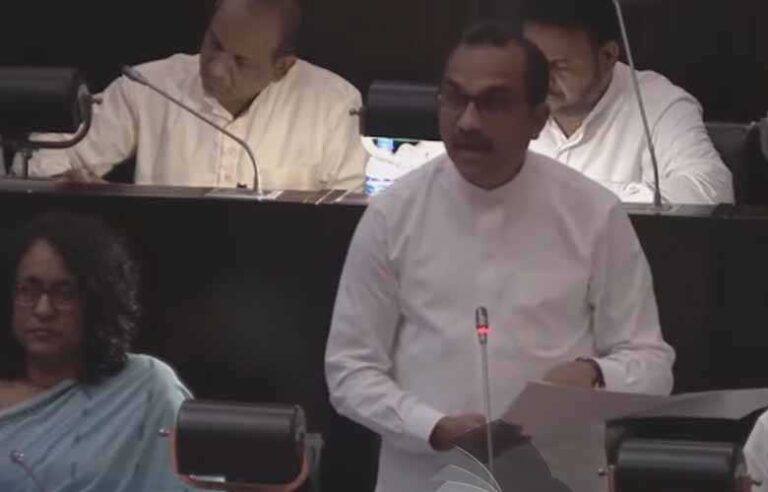
March 19, Colombo (LNW): Transport Minister Bimal Rathnayake has assured Parliament that technical difficulties surrounding the fuel QR code system will be largely resolved by today, with a complete return to normalcy anticipated by tomorrow.
Addressing lawmakers, the Minister observed an unusual spike in fuel usage across several districts, with consumption in some areas nearly doubling typical levels. He suggested that this surge has placed added strain on both distribution networks and fuel station storage capacities.
Rathnayake explained that the majority of QR code access issues have arisen due to mismatched records—particularly among motorists using older vehicles registered under newly acquired phone numbers, as well as newer vehicles tied to outdated contact details. He indicated that corrective measures are already underway to rectify these discrepancies within hours.
In contrast, those whose vehicle and contact details are consistently matched—either both old or both new—have reportedly experienced no disruptions.
Providing further context, the Minister noted that the QR system initially recorded around seven million users in 2023, with projections indicating a modest rise to approximately 7.2 million this year. At present, about 5.5 million users are actively registered. He also revealed that authorities recently purged nearly 2.7 million obsolete entries from the database in a rapid clean-up operation lasting just two days, aimed at improving system efficiency.
Meanwhile, certain filling stations have reported sales volumes reaching up to two-and-a-half times their usual levels. Rathnayake cautioned that such demand could create temporary logistical challenges but urged the public to remain calm, stressing that supplies remain sufficient.
He added that while the QR system is capable of independently managing fuel distribution, the temporary introduction of an “odd-even” system has helped ease congestion and prevent excessive demand.
The Minister also clarified that motorists without number plates are not excluded from accessing fuel. They may present alternative documentation—such as a revenue licence, emission test certificate, vehicle registration book, or insurance papers—to verify their vehicle details.
Looking ahead, Rathnayake confirmed that once stability is restored, authorities will begin cracking down on any misuse or fraudulent practices linked to fuel distribution, ensuring stricter compliance moving forward.
MP Alleges Illegal Charge for Fuel Without QR Code in Colombo
By: Puli
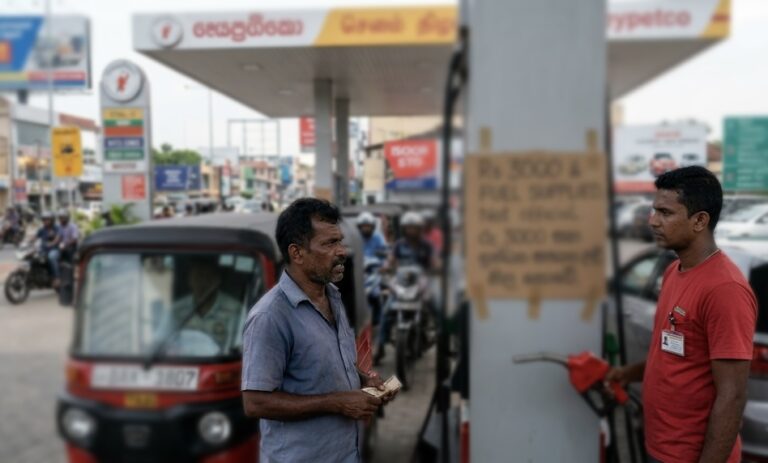
March 19, LNW (Colombo): A fuel station in Thimbirigasyaya has reportedly demanded Rs. 3,000 from a motorist to issue fuel without a valid QR code, G. D. Sooriyabandara told Parliament.
Raising the issue, the MP highlighted concerns over possible misuse and irregularities at certain filling stations, particularly involving the QR-based fuel distribution system introduced to manage supply and prevent shortages.
Responding to the allegation, Bimal Rathnayake acknowledged that such incidents could occur in isolated cases but assured that corrective measures are being implemented. He emphasized that ongoing efforts to resolve technical and operational issues related to the QR code system would help eliminate such practices from now on.
The Minister further noted that authorities are strengthening monitoring mechanisms and encouraging the public to report any irregular activities at fuel stations. He warned that strict action would be taken against those found violating regulations.
The QR-based fuel distribution system, introduced during the fuel crisis, was designed to ensure fair access and prevent hoarding. However, recent complaints suggest that loopholes may still be exploited by a minority of operators.
Officials have urged motorists to adhere to the system and avoid engaging in unauthorized transactions, while also assuring that improvements are being made to enhance transparency and efficiency.
Fuel Prices Likely to Rise Again Amid Global Cost Pressures
By: Puli
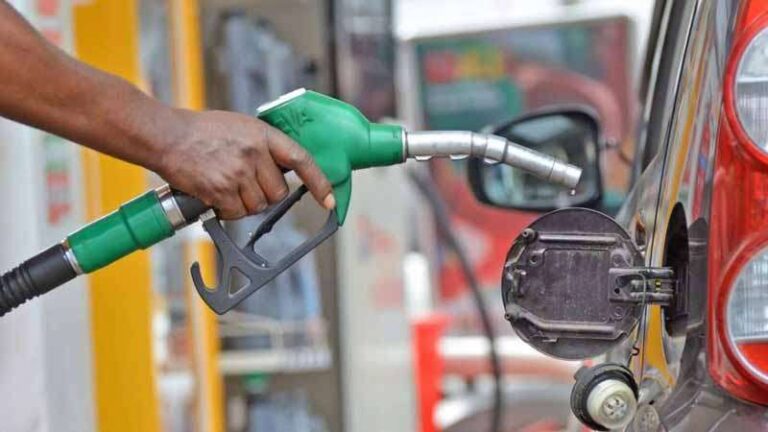
March 19, LNW (Colombo): Fuel prices in Sri Lanka are expected to increase again by the end of this month or in early April, according to informed sources at the Ceylon Petroleum Corporation.
Officials indicate that the upcoming hike could exceed the most recent price revision, mainly due to higher import duties linked to the ongoing crisis in the Middle East. In addition to global oil price fluctuations, increased shipping costs and rising insurance premiums are also expected to push prices upward.
Sources estimate that the adjustment could range between 5 and 10 percent.
The Ceylon Petroleum Corporation last revised fuel prices on March 10 in response to escalating global fuel costs amid regional tensions.
Under the current pricing structure, Auto Diesel is priced at Rs. 303 per litre, Super Diesel at Rs. 353, Petrol 92 Octane at Rs. 317, Petrol 95 Octane at Rs. 365, and Kerosene at Rs. 195.
Sri Lanka, Qatar Leaders Urge Calm as Middle East Tensions Raise Global Concerns

By: Puli
March 19, LNW (Colombo): Amid rising tensions in the Middle East, Anura Kumara Dissanayake held a telephone discussion with Tamim bin Hamad Al Thani to review the evolving situation and its global implications, according to the President’s Media Division.
During the conversation, President Dissanayake inquired about the safety and well-being of nearly 150,000 Sri Lankans residing in Qatar, expressing solidarity with the Qatari people. The Emir assured that all residents, including Sri Lankan nationals, remain safe and secure under current conditions.
The two leaders also discussed broader challenges linked to the crisis, including possible disruptions to global supply chains and energy markets. Particular attention was drawn to risks surrounding key maritime routes such as the Strait of Hormuz.
President Dissanayake emphasized the need for strong international coordination to minimize economic fallout, especially for developing countries like Sri Lanka, which are vulnerable to rising energy costs.
Reaffirming Qatar’s position as a reliable energy supplier, the Emir pledged continued stability in energy exports despite ongoing challenges.
Both leaders voiced concern over the wider impact on regional and global stability and stressed the urgent need to ease tensions, avoid further military escalation, and prioritize diplomatic dialogue.
President Dissanayake reiterated Sri Lanka’s firm support for peaceful engagement as the only sustainable path toward long-term stability.
Island-Wide Showers Expected with Heavy Rain in Some Areas – (March 19)

LNW (Colombo): Showers or thundershowers will occur at most places of the island after 1.00 pm.
Fairly heavy showers above 50 mm can be expected at some places in Central, Sabaragamuwa and Uva provinces and in Ampara district.
Showers may occur in the Northern and Eastern provinces during the morning too.
Misty conditions can be expected at some places in Central, Sabaragamuwa and Western provinces and in Galle and Matara districts during the early hours of the morning.
The general public is kindly requested to take adequate precautions to minimize damages caused by temporary localized strong winds and lightning during thundershowers.
Importance of a credible Leader of the Opposition
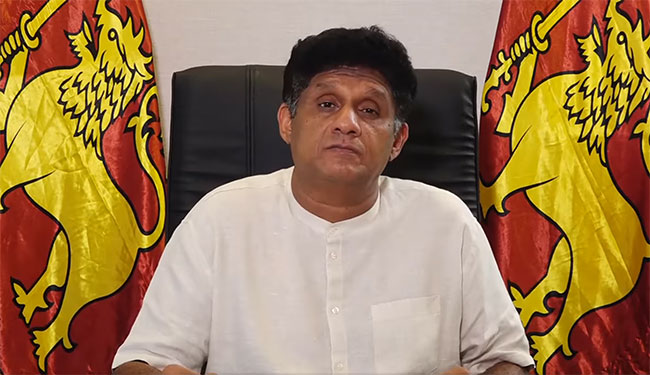
In any functioning democracy, the office of the Leader of the Opposition occupies a position of immense responsibility. It is not merely a ceremonial title granted to the head of the largest party outside Government but an institutional pillar that sustains democratic accountability. The Opposition Leader must act as the Government-in-waiting, providing scrutiny, presenting alternative policy visions, and ensuring that those in power are held accountable. When this office is weakened by incompetence or lack of credibility, the consequences extend far beyond individual political reputations and affect the health of the entire democratic system.
Hardly anyone who has met Sajith Premadasa has left with the impression that the man is an intellectual. That may sound harsh, but it is a sentiment long shared privately among individuals who have interacted with him closely, including diplomats and political observers. For years, such concerns remained largely confined to private conversations. However, recent utterances by him suggest that these intellectual shortcomings are increasingly entering the public domain and becoming a liability not only to him but to the fragile democratic system.
As the country faced a delicate diplomatic challenge on the international stage with the sinking of an Iranian vessel just beyond our territorial waters, creating a complicated situation that required the delicate balance between humanitarian assistance amidst significant geopolitical pressure, the national political leadership, both Government and Opposition, had to demonstrate maturity, restraint, and a clear understanding of international relations.
Yet the contribution from the Leader of the Opposition to this sensitive discussion in parliament was to demand that the Government disclose the type of submarine involved and the specific torpedo used in the attack. Such a demand betrayed a startling lack of understanding of basic diplomatic and security realities and the limitations of our own military which is known to even a school child. This unhinged display of juvenile political behaviour might have been amusing under different circumstances. But it is far from humorous when it comes from the individual who occupies one of the most important offices in a parliamentary democracy.
The Leader of the Opposition is meant to serve as the alternative leader of a Government in waiting. The office exists to ensure that governments are constantly challenged by credible leadership capable of presenting coherent alternatives. Without such pressure, governments inevitably grow complacent, as witnessed in the past. Failures to build a compelling national alternative allowed the Rajapaksa autocracy to thrive.
Today, there is a real danger of repeating the same mistake. Sajith Premadasa’s political career has been marked by repeated electoral defeats and a series of public statements that frequently border on the absurd. These episodes raise legitimate questions about his ability to embody the role of a national leader in waiting. Leadership of the opposition requires intellectual seriousness, strategic thinking, and the ability to inspire confidence both domestically and internationally. It is increasingly evident that Premadasa struggles to meet those standards.
For the sake of Sri Lanka’s democracy, this reality cannot be ignored. The office of Leader of the Opposition must be more than a platform for political theatrics or rhetorical missteps. It must be an institution capable of presenting the electorate with a credible alternative Government.
DAILY FT
Gulf War Turmoil Triggers Sudden Drop In Tourist Arrivals

Sri Lanka’s fragile tourism recovery is facing renewed uncertainty as the escalating Gulf conflict begins to disrupt travel flows, with early signs pointing to a sharp decline in arrivals and earnings. Industry stakeholders warn that the impact is already visible, particularly due to the country’s heavy reliance on Middle Eastern transit hubs.
According to the Sri Lanka Inbound Tour Operators Association, nearly 30% of tourists arriving in Sri Lanka depend on connections through Middle Eastern airports. With airspace disruptions, flight cancellations, and rising aviation fuel costs linked to tensions around the Strait of Hormuz, this dependency has become a critical vulnerability.
Tourism officials confirm the downturn. Ruwan Ranasinghe stated that arrivals via the Middle East have dropped by 25–30% in recent weeks. This decline is not limited to Gulf-origin travellers; it also affects European tourists who rely heavily on transit routes through hubs like Dubai and Doha.
The result is a ripple effect across the tourism value chain. Hotels, tour operators, and transport providers are already reporting cancellations, particularly for March bookings. Industry estimates suggest that even a short-term 20–30% drop in arrivals could translate into millions of dollars in lost revenue, given that Sri Lanka typically earns over $150–200 million monthly from tourism during peak periods.
However, the crisis extends beyond immediate cancellations. Rising global oil prices—now exceeding $100 per barrel are pushing up airfares, making long-haul travel more expensive and potentially dampening global travel demand. This could slow Sri Lanka’s tourism growth trajectory well into late 2026.
In response, industry leaders are urging a rapid strategic shift. Strengthening direct connectivity with regional markets such as India, China, and Australia is seen as a critical step to offset losses from disrupted long-haul routes. There are also calls for temporary incentives to attract airlines from non-conflict regions, including reduced airport charges and fuel concessions.
The Government has moved to cushion operational challenges by proposing a dedicated fuel access system for tourism operators, building on mechanisms used during the Sri Lankan economic crisis 2022–2023. This aims to ensure uninterrupted services despite global supply pressures.
However, analysts warn that speed is crucial. Competing destinations in Asia are likely to capitalise on the disruption by aggressively targeting the same pool of travellers.
While Sri Lanka’s tourism sector has proven resilient in the past, its dependence on external transit routes leaves it exposed. Unless swift diversification measures are implemented, the current geopolitical shock could significantly derail the industry’s recovery momentum.
Broken Data and Scams Undermine Sri Lanka Fuel Rationing
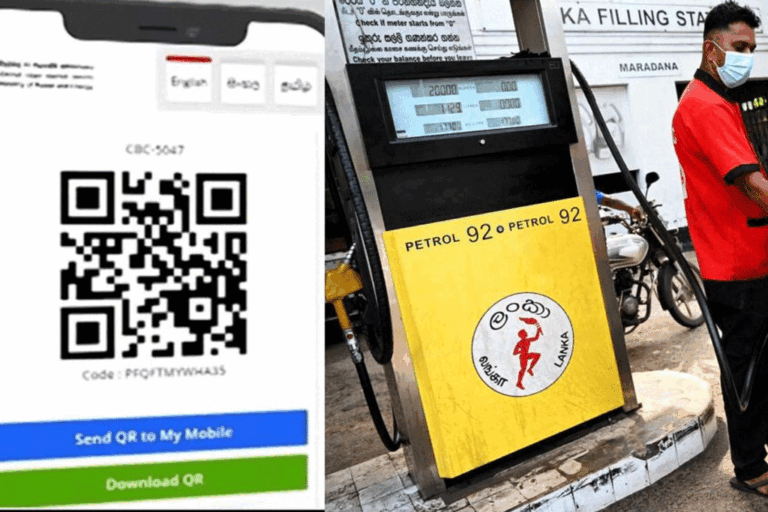
The reintroduction of Sri Lanka’s QR-based fuel rationing system has revealed a deeper structural problem: not just technical glitches, but a fragile digital infrastructure vulnerable to misuse, inefficiency, and public distrust.
Initially launched during the Sri Lankan economic crisis 2022–2023, the National Fuel Pass was praised for bringing order to chaotic fuel queues. Today, however, its revival is marred by systemic weaknesses that threaten its effectiveness.
At the core of the problem lies poor data management. Many motorists report that their National Identity Card numbers remain linked to outdated vehicle records, preventing them from registering newly acquired vehicles. In some cases, the system assigns incorrect fuel quotas altogether—clear evidence that backend databases have not been properly cleaned or updated.
This is compounded by accessibility failures. Users frequently encounter messages stating that the system is “temporarily unavailable,” while attempts to seek help via official channels often go unanswered. The result is a digital bottleneck that mirrors the physical queues forming at fuel stations.
Adding to the crisis is the rise of fraudulent platforms. Scammers have begun replicating the official fuel pass website, tricking users into submitting sensitive personal information. According to warnings from the Ceylon Petroleum Corporation, these fake systems can generate invalid QR codes, effectively locking genuine users out of the fuel supply chain.
Meanwhile, external pressures continue to mount. Global oil prices have surged by over 40% amid geopolitical tensions, increasing the cost of imports and reinforcing the need for strict fuel management. However, a rationing system that cannot reliably identify users risks undermining its own purpose.
To restore confidence and functionality, immediate reforms are essential. Authorities should deploy a secure, single verified platform with two-factor authentication to prevent fraud. A nationwide data-cleansing initiative must be undertaken, integrating records from vehicle registration authorities, telecom providers, and national ID databases.
Additionally, offline solutions are crucial. Fuel stations should be equipped with the ability to verify identity documents and issue temporary quotas, ensuring that technical failures do not translate into denied access.
Public communication must also improve. Clear guidelines, real-time system status updates, and awareness campaigns about fake websites can significantly reduce confusion and vulnerability.
Ultimately, the success of the fuel QR system depends not just on policy, but on execution. Without fixing its digital backbone, Sri Lanka risks turning a necessary control mechanism into another layer of crisis.
Export Crisis Deepens As Gulf Conflict Hits Tea Trade

Sri Lanka’s tea export sector is facing mounting logistical and market challenges as the Gulf conflict disrupts trade flows, raising questions about the accuracy of official reassurances. Comments by Mangala Wijesinghe highlight the widening scope of the crisis, extending beyond tea to broader export systems.
A key vulnerability lies in Sri Lanka’s reliance on the Middle East, which accounts for roughly 35–52% of tea demand depending on the measure used. In 2025, exports of tea to the region were valued at approximately $550–$600 million, forming a critical pillar of the country’s total tea export earnings.
Wijesinghe pointed out that disruptions are not limited to demand but also affect logistics infrastructure. Dubai, a major transit hub for Sri Lankan exports, has been impacted by regional instability, including tensions involving the Islamic Revolutionary Guard Corps. This has complicated shipment flows and increased reliance on alternative, often costlier, routes.
While some exports particularly perishable goodshave shifted to air freight, this is not a viable large-scale solution for tea due to cost constraints. Instead, exporters are forced to absorb rising shipping expenses and navigate unpredictable delivery timelines.
The Tea Board’s assertion that losses cannot yet be estimated contrasts with broader trade data. Given Sri Lanka’s average monthly tea export revenue of around $100–110 million, even partial disruptions could lead to weekly losses in the range of $8–12 million. This suggests that the widely reported figures, though debated, are not implausible.
Furthermore, inconsistencies emerge in official statistics. Claims that 52% of exports go to the Middle East align with historical trends, but the simultaneous assertion that the region accounts for only 35% of demand indicates a lack of clarity in measurement—whether by volume, value, or market segmentation.
There are also early warning signs within the auction system. While overall demand has held steady, price declines in Iran-focused tea grades and increased unsold quantities reflect weakening buyer participation. These indicators often precede broader market downturns.
The situation underscores a deeper structural issue: Sri Lanka’s heavy dependence on a narrow set of export markets and shipping routes. With both the Strait of Hormuz and Suez Canal under threat, the industry faces a dual shock demand-side contraction and supply-chain disruption.
Ultimately, while officials urge caution in interpreting loss figures, the available data points to a significant and growing impact. Without diversification of markets and logistics strategies, Sri Lanka’s tea industry may face prolonged instability in the months ahead.