Home Blog Page 500

Govt moves to regulate paddy purchases and ensure stable rice supply

0

January 12, Colombo (LNW): Deputy Minister for Trade, Commerce, and Food Security R.M. Jayawardena, has announced that all mill owners and traders involved in purchasing paddy during the upcoming Maha season must register with the government’s Paddy Marketing Board.

This initiative is part of a wider effort to streamline the country’s rice supply chain and ensure there is no shortage of the staple food.

Speaking at a recent event, Jayawardena explained that the registration requirement is crucial for creating a comprehensive data system that tracks the quantities of paddy entering the market.

This will also help the government in curbing any potential attempts to hoard rice stocks, which could otherwise lead to artificially inflated prices or shortages in the market.

By maintaining accurate records, the authorities will be better equipped to manage rice production and distribution across the nation.

The Deputy Minister further emphasised that the government’s paddy purchasing programme is designed to guarantee a steady and reliable supply of rice.

The move comes as part of ongoing efforts to safeguard the nation’s food security, especially in the face of fluctuations in domestic production and unpredictable weather conditions that could affect harvests.

In a related development, Jayawardena also revealed that the government is considering the introduction of a fixed price for both paddy and rice, which will be announced soon.

This is expected to stabilise prices for consumers while ensuring that farmers and mill owners receive fair compensation for their produce.

Showery trend’s dramatic comeback: Heavy showers above 50mm expected

0

January 12, Colombo (LNW): Showers or thundershowers will occur at times in Northern, North-central, Eastern, Uva and Central provinces, with fairly heavy showers above 50 mm being expected at some places in Eastern, Uva and Central provinces and in Polonnaruwa district, the Department of Meteorology said in its daily weather forecast today (12).

Showers or thundershowers will occur in the North-western province and in Colombo and Gampaha districts in the morning.

Showers or thundershowers will occur at several places elsewhere during the afternoon or night.

Fairly strong winds of (30-40) kmph can be expected at times over Northern, Eastern, North-central and North-western provinces.

Misty conditions can be expected at some places in Sabaragamuwa and Central provinces during the morning.

The general public is kindly requested to take adequate precautions to minimise damages caused by temporary localised strong winds and lightning during thundershowers.

Marine Weather:

Condition of Rain:
Showers or thundershowers will occur at times in the sea areas extending   Colombo to Kankasanthurai via, Puttalam and Mannar. Showers or thundershowers will occur at several places in the other sea areas around the island.
Winds:
Winds will be north-easterly and speed will be (30-40) kmph. Wind speed can increase up to        (50-60) kmph at times in the sea areas off the coast extending from Colombo to Kankasanthurai via Puttalam. Wind speed can increase up to 50 kmph at times in theother sea areas around the island.
State of Sea:
The sea areas off the coasts extending from Colombo to Kankasanthurai via and Puttalam will be rough at times. Other sea areas around the island may be fairly rough at times. Temporarily strong gusty winds and very rough seas can be expected during thundershowers.

Four New Supreme Court Judges to Be Sworn In Today

0

Four new judges are set to be appointed to the Supreme Court to fill existing vacancies. Court of Appeal Judges Sobitha Rajapakura, Menaka Wijesundara, Sampath Abeykoon, and Sampath Wijeratne are scheduled to take their oaths before President Anura Kumara Dissanayake at the Presidential Secretariat this morning (January 12).

A notable aspect of these appointments is the adherence to judicial seniority, with no political interference or external influence affecting the selection process. The appointments strictly followed the seniority of the Court of Appeal judges, marking a departure from past practices.

Previously, Supreme Court appointments were often influenced by political affiliations, disregarding the seniority of the Court of Appeal and prioritizing candidates from the Attorney General’s Department. This shift signifies a commitment to a merit-based and transparent judicial appointment process.

Sri Lanka Seeks Public Input for National Artificial Intelligence Policy

0

The government has initiated the process of gathering public opinions to shape a national policy on artificial intelligence (AI).

Deputy Minister of Digital Economy, Eranga Weeraratne, announced that the deadline for submissions is March 14.

A dedicated committee, tasked with formulating the policy, will compile the final draft based on the insights and suggestions received during this consultation phase.

This move highlights Sri Lanka’s commitment to fostering a structured and inclusive approach toward AI development and its integration into the digital economy.

Sri Lanka Tourism Achieves Record-Breaking Numbers in December 2024

0

Sri Lanka marked a significant milestone in its tourism recovery, recording the highest monthly tourist arrivals for 2024 in December, with 248,592 visitors.

For the entire year, 2,053,465 tourists visited the island, reflecting a 38% increase compared to 2023. The Central Bank of Sri Lanka (CBSL) reported tourism earnings of USD 3,168.6 million, representing a 53.2% growth year-over-year.

The 2024 figures nearly reached pre-pandemic and pre-Easter attack levels, with 2.3 million tourists recorded in 2018.

The upward trend has continued into 2025, with 70,944 tourists arriving in the first nine days of January, indicating a promising start to the year for the tourism sector.

This growth underscores Sri Lanka’s recovery as a preferred destination, bolstered by increased global confidence and strategic promotional efforts.

Government Increases Duty on Liquor, Prices Expected to Rise

0

The Ministry of Finance announced an increase in duties on all types of liquor, effective from midnight today (January 10).

According to media reports, the price of liquor is expected to increase by 5% to 6% as a result of the tax hike. However, the revised retail prices for liquor products have yet to be officially released.

This adjustment is part of the government’s ongoing efforts to boost revenue and manage economic challenges. Further updates are expected once the new prices are officially announced.

Govt Outlines Medium-Term Fiscal Strategy for Revenue Growth

0

The Sri Lankan government has developed a fiscal strategy aimed at controlling public spending and increasing revenue collection to ensure economic stability.

The plan focuses on reducing recurrent expenditure from 14.2% of GDP in 2021 to 12.3% by 2025. Key measures to achieve this include freezing non-essential spending on assets such as vehicles and buildings.

Additionally, the government is working to digitalize its key systems, including the introduction of e-procurement and the e-National Identity Card, which are expected to improve efficiency and reduce wasteful spending.

To boost revenue, which was approximately 9.5% of GDP in 2021, the government aims to raise it to 14.2% of GDP by 2025.

This will be driven by economic growth and an expanded tax base. The strategy involves comprehensive reforms to tax policy and administration. Some of the key changes include consolidating taxes by increasing the PAL rate, removing the NBT rate, and simplifying the tax system by reducing the number of taxes such as PAYE and WHT.

To enhance the efficiency of tax collection, the government has established the Large Taxpayers Unit (LTU) at the Inland Revenue Department (IRD) and introduced risk-based audits. Further improvements are being made to the Revenue Administration Management Information System (RAMIS) to better manage tax data and collection.

In 2024, Sri Lanka saw significant progress in its revenue collection efforts, with a 32.2% increase year-on-year, reaching Rs. 3,650 billion by November. Taxes on goods and services were the largest contributor, totaling Rs. 1,974.5 billion.

Government expenditure, on the other hand, increased only slightly by 1.9%, amounting to Rs. 4,881.9 billion by November, which is 70.9% of the annual target.

 A reduction in interest payments, due to lower yields on government securities, contributed to the limited increase in spending.

The government’s primary balance showed a surplus of Rs. 927.8 billion, a 180% improvement from the previous year, though the overall budget deficit remained at Rs. 1,217.3 billion. Net borrowing for the year totaled Rs. 1,713.4 billion, below the estimated Rs. 2,333.4 billion.

In line with these fiscal efforts, the government has also presented the 2025 appropriation bill to parliament. The bill outlines a borrowing cap of Rs. 4,400 billion, with a focus on current spending of Rs. 4,218 billion and capital expenditure of Rs. 4,616 billion.

Notable allocations include Rs. 220 billion for the Sri Lanka Army, up from Rs. 214 billion, and Rs. 169 billion for the Ministry of Health’s operational activities, with an additional Rs. 213 billion for its developmental projects.

The fiscal strategy is aimed at stabilizing the Sri Lankan economy and enhancing fiscal sustainability over the medium term. By rationalizing recurrent expenditure and implementing revenue reforms, the government hopes to create a more efficient and sustainable economic framework.

The Sri Lankan government has developed a fiscal strategy aimed at controlling public spending and increasing revenue collection to ensure economic stability.

The plan focuses on reducing recurrent expenditure from 14.2% of GDP in 2021 to 12.3% by 2025. Key measures to achieve this include freezing non-essential spending on assets such as vehicles and buildings.

Additionally, the government is working to digitalize its key systems, including the introduction of e-procurement and the e-National Identity Card, which are expected to improve efficiency and reduce wasteful spending.

To boost revenue, which was approximately 9.5% of GDP in 2021, the government aims to raise it to 14.2% of GDP by 2025.

This will be driven by economic growth and an expanded tax base. The strategy involves comprehensive reforms to tax policy and administration. Some of the key changes include consolidating taxes by increasing the PAL rate, removing the NBT rate, and simplifying the tax system by reducing the number of taxes such as PAYE and WHT.

To enhance the efficiency of tax collection, the government has established the Large Taxpayers Unit (LTU) at the Inland Revenue Department (IRD) and introduced risk-based audits. Further improvements are being made to the Revenue Administration Management Information System (RAMIS) to better manage tax data and collection.

In 2024, Sri Lanka saw significant progress in its revenue collection efforts, with a 32.2% increase year-on-year, reaching Rs. 3,650 billion by November. Taxes on goods and services were the largest contributor, totaling Rs. 1,974.5 billion.

Government expenditure, on the other hand, increased only slightly by 1.9%, amounting to Rs. 4,881.9 billion by November, which is 70.9% of the annual target.

 A reduction in interest payments, due to lower yields on government securities, contributed to the limited increase in spending.

The government’s primary balance showed a surplus of Rs. 927.8 billion, a 180% improvement from the previous year, though the overall budget deficit remained at Rs. 1,217.3 billion. Net borrowing for the year totaled Rs. 1,713.4 billion, below the estimated Rs. 2,333.4 billion.

In line with these fiscal efforts, the government has also presented the 2025 appropriation bill to parliament. The bill outlines a borrowing cap of Rs. 4,400 billion, with a focus on current spending of Rs. 4,218 billion and capital expenditure of Rs. 4,616 billion.

Notable allocations include Rs. 220 billion for the Sri Lanka Army, up from Rs. 214 billion, and Rs. 169 billion for the Ministry of Health’s operational activities, with an additional Rs. 213 billion for its developmental projects.

The fiscal strategy is aimed at stabilizing the Sri Lankan economy and enhancing fiscal sustainability over the medium term. By rationalizing recurrent expenditure and implementing revenue reforms, the government hopes to create a more efficient and sustainable economic framework.

Fusion Apparel to meet Global Demand for Performance-Driven Garments

0

In response to the growing global demand for performance-driven, technology-enhanced apparel, Fusion Apparel Ltd. has launched a new investment project, partnering with Brandix Group.

 This $1.06 million initiative, approved by the Board of Investment (BOI), focuses on introducing cutting-edge glue-bonding technology into the manufacturing process.

The goal is to meet the rising need for high-quality, durable, and comfortable garments, including performance wear, outerwear, and intimates, that align with evolving consumer preferences.

Fusion Apparel, a key player in the Sri Lankan apparel industry, has recognized the growing trend for advanced manufacturing techniques that go beyond traditional garment production methods.

With glue-bonding technology, garments are created without traditional stitching, providing seamless finishes and enhanced durability. This innovation offers a unique solution to meet the increasing demand for lightweight, friction-free, and functional apparel.

The partnership with Brandix, a leader in the apparel industry for over four decades, aims to revolutionize manufacturing practices.

The $10 million total project investment will not only meet the demands of international brands but also provide significant opportunities for the local workforce, with 100 new jobs created.

Furthermore, the project supports Sri Lanka’s positioning as a hub for Industry 4.0 and future-ready technology.

By leveraging specialized adhesives, glue-bonding enhances garment performance, making it ideal for activewear and intimates.

This process improves production efficiency, scalability, and product quality, while also addressing the growing consumer interest in sustainable, eco-friendly products.

Fusion Apparel’s commitment to using sustainable raw materials and energy-efficient production methods further aligns with global sustainability goals.

Ultimately, this venture represents a major step toward advancing Sri Lanka’s apparel industry, enhancing its competitiveness on the global stage while reinforcing its commitment to sustainability and innovation.

The new technology always enables Brandix’s vision for its ESG framework. As a result, it facilitates the advancement of sustainable leadership, with Fusion Apparel becoming part of the sustainable supply chain. Certain raw materials used in this process are either fully or partially sustainable.

 Additionally, achieving overall energy efficiency during manufacturing leads to energy savings, indirectly supporting sustainability goals.

 Fusion Apparel’s core value provides a sustainable competitive advantage for the country, solidifying its reputation as a comprehensive solutions provider for customer-centric design thinking.

Furthermore, Sri Lanka is positioning itself as a nation with technology-savvy human capital, capable of serving Industry 4.0 and being future-ready.

Sri Lanka’s Economy Rebounds with 5 percent Growth in 2024

0

The Central Bank of Sri Lanka (CBSL) has announced that the country’s economy achieved a significant recovery in 2024, recording a 5% growth—the highest annual growth rate since 2017.

This growth, driven by strong performances across key sectors, marks a rebound from the economic challenges of recent years.

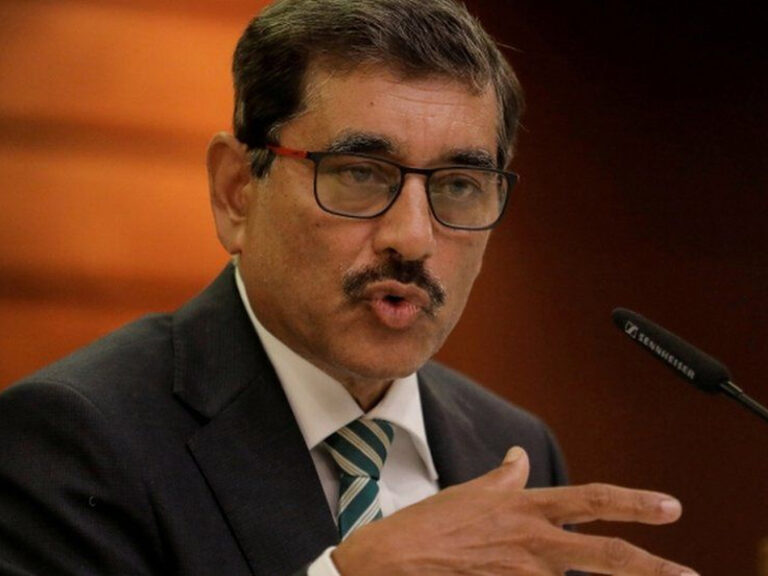
CBSL Governor Dr. Nandalal Weerasinghe highlighted the factors contributing to this recovery during the presentation of the CBSL’s Policy Agenda for 2025 and Beyond.

Following a strong recovery in the latter half of 2023, the economy benefitted from accommodative monetary policies, a low-inflation environment, and improved business confidence.

The 5.2% growth in the first three quarters of 2024 was sustained by expansions in the industrial and service sectors, which continued to drive momentum through the final quarter.

Dr. Weerasinghe noted that the growth dispels concerns over demand-related deflation, attributing the price declines instead to supply-side adjustments and administrative price controls. The overall stability in macroeconomic and financial sectors, achieved through decisive reforms, has created a foundation for resilience and sustained growth.

Key reforms included progress in public debt restructuring, successful collaboration with the International Monetary Fund (IMF) under the Extended Fund Facility (EFF), and regulatory enhancements to stabilize the financial sector.

Improved foreign exchange inflows and fiscal performance also strengthened external buffers, while inflation adjustments allowed for a continuation of eased monetary policy. The CBSL emphasized its commitment to supporting vulnerable groups through targeted fiscal measures.

“These achievements reflect the perseverance and sacrifices of all stakeholders, including the general public,” said Dr. Weerasinghe, adding that restored investor confidence has set the stage for long-term economic transformation.

Looking forward, CBSL’s agenda focuses on fostering sustained growth through structural reforms, enhancing productivity, and driving innovation.

While Sri Lanka’s recovery has outpaced other countries in similar crises, Dr. Weerasinghe stressed the importance of maintaining the current momentum. Sustained economic stability depends on the country’s commitment to reform and efforts to build buffers against future shocks.

The CBSL aims to continue safeguarding domestic price stability and financial system resilience while facilitating economic growth. Policies supporting sustainable finance, financial inclusion, and public debt management remain central to the bank’s future strategies.

 Dr. Weerasinghe concluded by emphasizing the need to accelerate growth while preserving stability, as this would enhance the country’s debt-carrying capacity and unlock its long-term economic potential.

Sri Lanka Launches First Hindi Certificate Course via Open and Distance Learning

0

In a historic move to promote Hindi education in Sri Lanka, the country’s first Certificate Course in Hindi through open and distance learning was launched yesterday. The inauguration coincided with the Bharat-Sri Lanka Hindi Sammelan, organized by the Swami Vivekananda Cultural Centre (SVCC), Colombo, as part of the 50th-anniversary celebrations of World Hindi Day.

This certificate course, a collaborative effort between the Open University of Sri Lanka and the SVCC, aims to make Hindi education accessible across the nation via the University’s Study Centers. The program addresses the rising demand for Hindi as a global language, marking a significant milestone in academic cooperation between India and Sri Lanka.

Inauguration Ceremony

The course was officially launched by:

  • Santosh Jha, High Commissioner of India to Sri Lanka
  • Dr. Madhura Seneviratne, Deputy Minister of Education and Higher Education of Sri Lanka
  • Prof. Kapila Seneviratne, Chairman of the University Grants Commission Sri Lanka
  • Prof. P. M. C. Thilakarathne, Vice-Chancellor of the Open University of Sri Lanka

Speaking at the event, Deputy Minister Dr. Madhura Seneviratne highlighted Hindi as a “communication bridge”between the two nations. He also acknowledged the influence of Indian music and cinema in popularizing the language globally.

Bharat-Sri Lanka Hindi Sammelan

The Hindi Sammelan featured participation from over 400 scholars, educators, and students from India, Sri Lanka, and Nepal. Highlights included:

  • Three plenary sessions with 25 distinguished speakers.
  • A poetry recital celebrating Hindi’s cultural richness.
  • Cultural performances reflecting shared heritage.
  • An open forum discussing the role of Hindi in modern education.

The event concluded with the screening of the Bollywood movie English Vinglish, marking the finale of the Indian Film Fest 2025.

World Hindi Day and Hindi’s Growth in Sri Lanka

World Hindi Day, observed annually on January 10, celebrates the global recognition of Hindi, first spoken at the United Nations General Assembly in 1949. In Sri Lanka, Hindi is taught in 88 schools and nine public universities, underscoring its growing appeal.

The launch of the Hindi certificate course represents a significant step in fostering linguistic and cultural exchanges, strengthening ties between India and Sri Lanka while expanding educational opportunities for Sri Lankans.