Home Blog Page 536

Low-pressure area over Southeast Bay of Bengal to intensify further (Dec 16)

0

By: Isuru Parakrama

December 16, Colombo (LNW): A low-pressure area likely to form over southeast Bay of Bengal during the next 24 hours is is likely to intensify further and move west-northwestwards towards the Tamil Nadu coast, close to North of Sri Lanka during the subsequent two days, the Department of Meteorology warned in its daily weather forecast today (16).

Cloudy skies can be expected over most parts of the island.

Showers or thundershowers will occur at times in Northern, Eastern, North-central, Uva and North-western provinces and in Matale and Nuwaraeliya districts. Showers or thundershowers may occur at several places elsewhere during the evening or night.

Heavy showers about 100mm are likely at some places in Northern, Eastern, North-central and Uva provinces and in Matale district.

A few showers are likely over the western coastal areas during the morning too.

Fairly strong winds of about 40 kmph can be expected at times over Northern, North-central and North-western provinces and in Matale and Trincomalee districts.

Misty conditions can be expected in Central, Sabaragamuwa and Southern provinces during the morning.

The general public is kindly requested to take adequate precautions minimise damages caused by temporary localised strong winds and lightning during thundershowers.

Marine Weather:

Naval and fishing communities, engaging activities over Bay of Bengal are requested to be attentive to the future forecasts and bulletins issued by the Department of Meteorology in this regard.
Condition of Rain:
Showers or thundershowers will occur at times in the sea areas extending from Kankasanthurai to Hambantota via Trincomalee. Showers or thundershowers may occur at several places in the other sea areas around the island.
Winds:
Winds will be North-easterly in the sea areas off the costs extending from Pottuvil to Galle via Trincomalee, Kankasanthurai, Puttalam and Colombo. Wind speed will be (30-40)kmph and it will increase up to 50 kmph at times in these sea areas. Winds will be variable in direction in the other sea areas around the island and wind speed will be (25-35) kmph.
State of Sea:
The sea areas off the coast extending from Pottuvil to Galle via Trincomalee, Kankasanthurai Puttalam and Colombo will be fairly rough at times. The other sea areas around the island will be moderate. Temporarily strong gusty winds and very rough seas can be expected during thundershowers.

Sri Lanka Original Narrative Summary: 16/12

0

  1. During his three-day visit to India, President Anura Kumara Dissanayake met key officials, including Finance Minister Nirmala Sitharaman, External Affairs Minister Dr. S. Jaishankar, and National Security Advisor Ajit Doval: Discussions focused on boosting Indo-Sri Lankan economic cooperation, expanding investment, enhancing tourism, modernising agriculture, and strengthening regional security: Sri Lankan officials also participated in the meetings.
  2. SJB MP Nalin Bandara says the stepping down of Asoka Ranwala from his position as the Speaker of Parliament following false claims of possessing a doctorate is not enough, stressing that he should be stepping down from his position as an MP as well: He added that the Opposition no longer feels credibility from the government’s end in appointing a speaker representing the Janatha Vimukthi Peramuna (JVP): He criticised the government for misleading the public by making such false claims.
  3. Former Speaker Chamal Rajapaksa stated that a doctorate or educational certificate is not necessary to become Speaker of Parliament, emphasising that anyone elected to Parliament can assume the role: He noted that the issue would arise only if former Speaker Ashoka Ranwala had falsely claimed to have a doctorate: Rajapaksa praised Ranwala for resigning amid the controversy, calling it “not a big issue”.
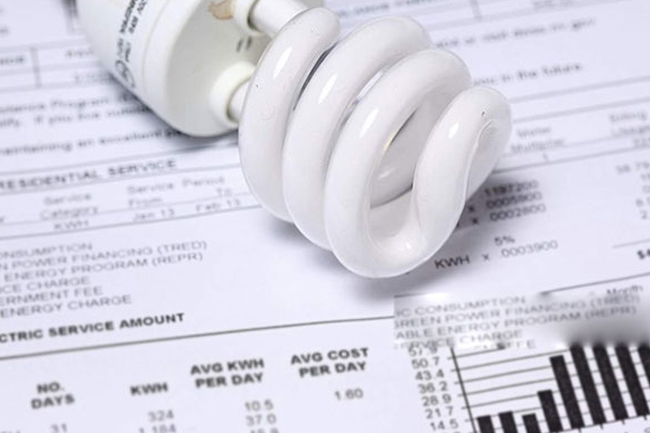
  4. The Public Utilities Commission (PUCSL) announced that public consultations on the proposed electricity tariff revision for January to June 2025 will begin on December 17 and continue until January 8: The public can submit comments via email or WhatsApp: After consultations, the Commission will review the proposal and publish a draft for further feedback.
  5. The Sri Lanka Export Credit Insurance Corporation (SLECIC) is facing a crisis amid corruption scandals and leadership failures, as it marks its 46th anniversary: A forensic audit is underway, revealing financial mismanagement, unethical practices, and corruption over the past 12 years: Suspended General Manager, irregular recruitment, unauthorised discounts to large corporates, and destruction of crucial audit documents have exposed deep-rooted issues: Probes suggest systemic corruption persists despite efforts for reform, raising concerns about the corporation’s future in supporting Sri Lanka’s export sector: Staff and whistleblowers urge an immediate audit to restore SLECIC’s integrity.
  6. The Consumer Affairs Authority (CAA) has identified over 300 traders violating rice price control regulations during recent raids since December 10: CAA Director of Information Asela Bandara announced that these traders will face legal action, with proceedings beginning from December 15: The operations aim to enforce compliance with rice pricing regulations.
  7. The All Ceylon Egg Traders’ Association has announced a significant reduction in egg prices for the festive season, with retail prices ranging from Rs. 30 to 35: Regular eggs under 50 grams will cost Rs. 30-32, while larger eggs will be priced at Rs. 33-35: This follows increased egg production, leading to a market surplus and stabilised prices, after prices reached Rs. 65-70 last year.
  8. The United Nations has pledged support for Sri Lanka’s development, focusing on peace, unity, and sustainable progress: UN Resident Representative Marc-André Franche made this commitment during a meeting with Sri Lanka’s Minister of Health, Dr. Nalinda Jayatissa yesterday (15): The UN’s support aims to contribute to the country’s overall development goals.
  9. The Department of Railway has launched an investigation into a collision at Beliatta Railway Station on December 15, involving the ‘Rajarata Rajina’ and ‘Sagarika’ trains: The collision occurred when the ‘Rajarata Rajina’ engine collided with the stationary ‘Sagarika’ train, causing significant damage: As a result, the ‘Sagarika’ train will not operate on December 16, and the ‘Rajarata Rajina’ service has been delayed.
  10. The government has introduced a new requirement for all local and foreign NGOs, including those registered under the Companies Act, to re-register with the National Secretariat for NGOs: This directive, under the Volunteer Social Service Organisations Act, aims to centralise registration and enhance oversight of NGOs operating in Sri Lanka: NGOs must comply with the new regulations by re-registering with the Secretariat.

FACETS Sri Lanka 2025 to Showcase the Nation’s Gem and Jewellery Hub

0

By: Staff Writer

December 15, Colombo (LNW): The 31st FACETS Gem and Jewellery Show, organised by the Sri Lanka Gem and Jewellery Association (SLGJA) – in partnership with the National Gem and Jewellery Authority (NGJA), will open its doors between 4 and 6 January 2025 at the Cinnamon Grand, Colombo.

Kicking off the New Year, FACETS 2025 has become a highly anticipated event within the industry, bringing together prominent gemstone and jewellery traders, manufacturers, lapidaries and collectors from around the world.

Over the years, FACETS has been a vibrant celebration of Sri Lanka’s long history and reputation as a pre-eminent source country, home to more than 75 varieties of coloured gemstones.

Highlighting local jewellers and traders, the show looks to bring Sri Lankan craftsmanship to the spotlight with its unique blend of rich tradition and innovative modernity.

FACETS Sri Lanka 2025 will be host to entrepreneurs from industry hot spots such as Ratnapura, Elahara, Beruwela, Ehiliyagoda, Galle, Pelmadulla, Kahawatta and Colombo, who are all excited to display the stunning gems and jewellery the country has to offer.

Acting as a platform for industry leaders to collaborate and connect with professionals from around the world, FACETS hopes to contribute to driving the industry towards its goal of achieving $ 1 billion in exports.

The event will not only highlight the brilliance of Sri Lankan sapphires and coloured gemstones but will act as a window into Sri Lanka’s diverse culture and shared heritage. FACETS 2025 will truly be an opportunity to cement Sri Lanka’s status a global gem and jewellery hub, as well as stimulate innovation and international collaboration throughout the gemstone and tourism industries.

 This year’s event is set to offer visitors unparalleled opportunities for networking and collaboration. Key events of FACETS Sri Lanka 2025 include the elegant Sapphire Night, a celebration of the iconic Ceylon Sapphire, and the Women’s Power Breakfast, dedicated to inspiring and celebrating women leaders in the industry. Other unique experiences offered include a Mine Tour, providing insight into the local mine to market process, and a visit to Port City Colombo.

 Exclusive events such as the VIP Golf Tournament will add further touches of prestige to the event. Meanwhile, the Story Corner, taking after last year’s Sustainability Pavilion, will offer a more in-depth journey into the trade’s responsible practices and the communities that shape the industry.

As FACETS Sri Lanka enters its 31st year, the upcoming exhibition is sure to be an immersive and insightful experience for its visitors. By far the most highly anticipated event for the Sri Lankan industry, there is no doubt that the show will bring together visitors from across the globe to celebrate and honour the beauty, diversity and unmatched quality of Sri Lanka’s treasures.

Australia continues to strengthen its multifaceted relationship with Sri Lanka

0

By: Staff Writer

December 15, Colombo (LNW): Australia continues to strengthen its multifaceted relationship with Sri Lanka through development cooperation, trade, and investment.

 As Sri Lanka grapples with an ongoing economic crisis, Australia has committed an additional $25 million in humanitarian assistance, bringing its total aid to $75 million.

This support, delivered through UN agencies, will address critical needs such as food, healthcare, nutrition, access to safe water, and protection for vulnerable groups, including women and children. This is in addition to $23 million in ongoing development assistance for the 2022-2023 period.

Education and training also play a key role in Australia’s development program, with scholarships offered through the Australia Awards initiative. The program aligns with broader efforts to promote economic reform, improve employment opportunities, and support livelihoods for disadvantaged Sri Lankans.

Beyond humanitarian aid, Australia is focused on fostering trade and investment relations with Sri Lanka. Australian High Commissioner Paul Stephens recently met with Export Development Board (EDB) Chairman Mangala Wijesinghe to explore avenues for strengthening bilateral trade. Over the past 75 years, ties between the two nations have grown significantly, encompassing trade, investment, tourism, culture, and sports.

Australia is Sri Lanka’s 11th largest export destination, accounting for $226.51 million in exports in 2023, while Sri Lanka imports $185.89 million worth of goods from Australia, resulting in a $40 million trade surplus for Sri Lanka. Key Sri Lankan exports include apparel, tea, rubber products, and edible preparations, while imports from Australia primarily consist of lentils, cereals, meat products, dairy, and pharmaceuticals.

To enhance trade, both countries rely on the Australia-Sri Lanka Trade and Investment Framework Arrangement (TIFA), which guides economic collaboration. TIFA’s action plan emphasizes critical areas such as easing agricultural export quarantine processes, promoting investment opportunities, and facilitating market access for small and medium enterprises (SMEs). Other focus areas include attracting high-end tourists and fostering digital technology adoption.

Wijesinghe highlighted the Sri Lankan government’s commitment to simplifying Foreign Direct Investment (FDI) approvals to attract investors. He also stressed the importance of aligning with global manufacturing trends and integrating into international supply chains. Enhancing trade relations with Australia is seen as a pivotal step in achieving these goals.

Meanwhile, Australia has expressed interest in investing in Sri Lanka’s mineral sector and export-led manufacturing. Joint ventures aimed at value-adding Australian agricultural commodities for export under preferential trade agreements have been proposed. Both sides agreed to explore these opportunities further.

The EDB has identified key sectors for export growth to Australia, including apparel, tea, rubber, fish, and paper products. The goal is to capitalize on these opportunities by engaging proactively with businesses, resolving trade challenges, and transferring modern technologies to boost competitiveness.

 The bilateral discussion involved senior representatives, including Australian Deputy High Commissioner Lalita Kapur and Austrade officials, underscoring both nations’ commitment to a stronger economic partnership.

 By fostering collaboration, both Australia and Sri Lanka aim to unlock new opportunities and create a more conducive environment for trade and investment.

New Government Vows to Reform Sri Lanka’s Bloated Public Sector

0

By: Staff Writer

December 15, Colombo (LNW): In his policy statement at the inauguration of the 10th Parliament, President Anura Kumara Dissanayake pledged to overhaul Sri Lanka’s public sector to enhance efficiency and satisfaction among citizens and employees.

He emphasized that the overwhelming support from public servants in the 2024 election signaled a mandate for reform.Sri Lanka’s public sector, one of the largest in Asia, has long been a financial strain on the economy.

Previous administrations, including that of President Ranil Wickremesinghe, proposed measures such as voluntary retirement schemes to reduce the workforce amid fiscal constraints.

 Between 2020 and 2022, the public service shrank from 1.528 million to 1.393 million employees due to layoffs, retirements, and the introduction of a scheme allowing workers to take extended leave for overseas employment

 Over 2,000 employees have already opted for this five-year leave program to pursue foreign job opportunities.

Despite these measures, Sri Lanka’s public sector still consumes a significant portion of government revenue. In 2023, Rs. 701 billion was allocated for public sector salaries, following a 2022 expenditure of Rs. 956 billion.

A report by the Manpower and Employment Ministry revealed that during the COVID-19 pandemic, only 50% of the workforce was essential, indicating that drastic downsizing could enhance efficiency. The report suggested cutting up to 850,000 jobs to streamline operations, but such measures risk exacerbating poverty and unemployment.

To address this challenge, the government has indefinitely suspended new recruitments and reduced the retirement age from 65 to 60. However, concrete plans for further workforce reductions remain unclear

 Analysts note that the previous government failed to make progress in re-skilling the public sector workforce, leaving room for significant reforms under the current administration.

President Dissanayake acknowledged the widespread dissatisfaction with state services among both citizens and employees. “

We face a dual challenge: an unsatisfied public and a discontented workforce. Our responsibility is to establish a public service that meets the needs of both,” he stated. The President highlighted the critical role of a competent public sector in implementing political and economic reforms, emphasizing the need for a people-centered approach.

Dissanayake’s reform agenda aims to rebuild trust in state services while addressing inefficiencies. He argued that a well-structured and responsive public sector is essential for achieving national progress.

The President reaffirmed his commitment to creating a public service that prioritizes the welfare of citizens and the professional fulfillment of its employees, noting that the strong electoral mandate reflects public support for these changes.

 While the President’s vision for a transformed public sector is ambitious, critics point out the lack of concrete plans for restructuring or rightsizing.

As the government grapples with fiscal challenges and public expectations, Dissanayake’s ability to deliver meaningful reforms will be critical in shaping Sri Lanka’s economic future.

SLECIC Faces Crisis amid Corruption Scandals and Leadership Failures

0

By: Staff Writer

December 15, Colombo (LNW): As the Sri Lanka Export Credit Insurance Corporation (SLECIC) marks its 46th anniversary, it faces significant challenges under its new management, tasked with addressing years of irregularities and corruption. The institution, once a key player in supporting the country’s export sector, has been marred by financial mismanagement and unethical practices over the past 12 years.

A forensic audit, initiated by the Committee on Public Enterprises (COPE) of the previous parliament, is currently underway to probe financial misappropriations at SLECIC.

 Preliminary findings have led to the suspension of the General Manager (GM), who has been accused of various irregularities, including the questionable payment of a large insurance claim exceeding Rs. 400 million to a single exporter, violating standard procedures. According to parliamentary sources, the audit has uncovered multiple instances of financial misconduct.

SLECIC’s role is to assist exporters by covering their risks and financing operations through pre- and post-shipment guarantees.

However, the recent investigation has exposed significant internal issues, including allegations of irregular recruitment, lack of proper underwriting, unfair treatment of staff, and a steady decline in the corporation’s performance.

In response to these findings, COPE has directed the Ministry of Finance to appoint an independent committee to examine the financial irregularities and submit a comprehensive report.

Further investigations have unearthed additional cases of corruption, including an employee in the marketing division who unauthorizedly approved the shipment of goods to a different country than stipulated in the insurance policy.

This led to a default by the buyer and a Rs. 30 million claim by the exporter. The case revealed potential collusion between the exporter and SLECIC staff. Despite efforts to discipline the employee involved, a change in government leadership allowed the individual to return to his position without an inquiry, after being convinced by corrupt officials.

Moreover, another alarming case involved the Assistant General Manager, who, despite a history of poor integrity, was promoted to Deputy General Manager (DGM).

Upon his promotion, he reportedly destroyed crucial documents related to the forensic audit, only to be caught by the acting GM appointed by the Ministry of Finance.

This incident, along with the dismissal of the forensic audit report, suggests that corruption continues to run deep within the organization.

Whistleblowers claim that these officials are also granting unauthorized discounts to large corporates without the knowledge of the board, further damaging the corporation’s integrity.

In addition to these issues, concerns have been raised about the corporation’s failure to adequately promote the Small and Medium Enterprises (SMEs) sector.

Instead of supporting these vital businesses, some SLECIC officials have been accused of prioritizing large corporations and pocketing commissions by offering unauthorized discounts, which ultimately lead to inflated claims.

The ongoing investigations and the apparent cover-up of corrupt activities have raised alarms. The corporation, established in 1978 to promote Sri Lanka’s exports, has been derelict in its duties, with the new government’s intervention appearing ineffective in addressing the systemic corruption.

Despite the change in leadership and the initiation of inquiries, many corrupt practices persist, undermining the corporation’s ability to serve the national interest.

Staff members and concerned individuals have called for an immediate audit and a thorough investigation into the current leadership’s actions, urging the government to take decisive steps to restore the integrity of the SLECIC and ensure that it can fulfill its original mission of supporting Sri Lanka’s export sector.

Sri Lanka’s Broken Market, Rising Costs, and Global Lessons in Food Security

0

By: Staff Writer

December 15, Colombo (LNW): Sri Lanka faces a mounting crisis in its rice sector, driven by high taxes, supply chain inefficiencies, and government intervention.

Currently, rice imports are taxed at approximately $222 per ton, a figure significantly higher than international export prices, particularly for South Asian rice grades.

This policy has inflated domestic rice prices, contributing to food insecurity and economic strain on Sri Lankan families.

Government Regulations and Market Realities

Despite setting maximum prices for both local and imported rice, the government has struggled to enforce these limits. A December 2024 gazette notification by the Consumer Affairs

Authority (CAA) capped retail prices: are Local white and red raw rice: Rs. 220/kg, Local Nadu rice: Rs. 230/kg, imported raw rice: Rs. 210/kg, Imported Nadu and Samba rice: Rs. 220 and Rs. 230/kg, respectively

However, rice prices in the market often exceed these regulated rates, as supply shortages persist. Stakeholders accuse millers of hoarding rice, further exacerbating the issue.

The Decline of Marandagahamula: Sri Lanka’s Largest Rice Market

Marandagahamula, once the country’s largest rice trading hub, has experienced a sharp decline. This market, sustained primarily by small-scale millers who process paddy from regions like Anuradhapura and Hambantota, no longer hosts the major traders who once defined its operations. Villagers now describe it as a market on the brink of collapse.

Import Challenges and Policy Shortcomings

In an attempt to curb domestic shortages, Sri Lanka temporarily relaxed its rice import licensing until December 20, 2024. However, the hefty import tax of $220 per ton—nearly a 50% duty—remains a significant barrier.

Compounding this issue, Sri Lanka Customs recently flagged defective shipments, including tampered labels and infestations, which resulted in the re-export or confiscation of nearly 75,000 kilograms of rice.

To address the crisis, private importers began bringing in rice on December 4, primarily from India. By mid-December, approximately 2,300 metric tons of rice had cleared customs. Yet, even these measures appear insufficient to stabilize the market.

Economic Nationalism: The Impact on Families

High taxes on essential cereals like rice and maize have had a cascading effect on food affordability.

For instance, taxes on maize—except for the nutritional supplement Thriposha—have made proteins like chicken and eggs some of the most expensive in the world.

Similarly, taxes on grains like green gram have further limited access to protein-rich diets, exacerbating malnutrition, particularly among children.

This approach to economic nationalism, rooted in protecting politically powerful agricultural lobbies, has drawn sharp criticism. The government’s reluctance to eliminate cereal taxes even during the 2022 economic crisis highlights its prioritization of political interests over food security.

A Historical Perspective on Food Taxes

The rice crisis in Sri Lanka echoes historical lessons, such as Karl Marx’s condemnation of protective tariffs on grains.

Marx, an advocate of free trade despite his critiques of capitalism, argued that such taxes exploit the poor by inflating food prices. His sentiment resonates in Sri Lanka today, where high taxes on rice, maize, and potatoes disproportionately impact the most vulnerable populations.

The Path Forward

While the relaxation of import licensing is a step forward, the persistence of high taxes undermines efforts to alleviate food insecurity.

 Without comprehensive reforms to reduce import taxes and address supply chain inefficiencies, Sri Lanka’s rice crisis will likely continue, deepening the struggles of its poorest citizens and threatening long-term economic stability.

Customs orders re-export of sub-standard rice shipment

0

December 15, Colombo (LNW): Sri Lanka Customs has instructed the re-export of a sub-standard batch of rice recently imported into the country.

The shipment, which consisted of 75,000 kilograms of rice, was found to be of inferior quality and not in compliance with the required standards.

Customs spokesperson Seevali Arukgoda confirmed that the fault lay with the company responsible for the rice shipment, and the company will be required to refund the payment for the consignment.

Despite the discovery of the sub-standard stock, Arukgoda reassured that the importer would not be blacklisted, though they would be held accountable for the poor quality of the goods.

The rice, brought in by private importers, arrived in three containers at the Port of Colombo.

Upon inspection, it was found that in one of the containers, stickers had been applied over the production and expiry dates on the rice packages, altering the original dates.

In addition, the Food Control Unit of the Ministry of Health reported that insects were discovered in the rice found in the other two containers, further compounding the quality concerns.

Arukgoda also provided an update on the overall rice supply situation, noting that approximately 6,500 metric tons of rice imported into Sri Lanka have already been successfully distributed to meet market demand.

President AKD leaves for India

0

December 15, Colombo (LNW): President Anura Kumara Dissanayake has departed for India today (15) for a three-day state visit, confirmed the President’s Media Division (PMD).

The visit, which will conclude on December 17, marks a significant diplomatic engagement between Sri Lanka and India.

During his time in India, President Dissanayake is expected to hold high-level talks with key Indian leaders, including President Smt. Droupadi Murmu and Prime Minister Narendra Modi.

These discussions will focus on a wide array of bilateral issues that are of importance to both nations, with the aim of strengthening ties and enhancing cooperation across various sectors.

Opposition plans to propose new Speaker in Parliament next week

0

December 15, Colombo (LNW): The opposition will propose a new candidate for the position of Speaker in Parliament during the upcoming session on Tuesday (17), Opposition Member of Parliament (MP) Nalin Bandara said.

Speaking at a press briefing in Colombo today, MP Bandara expressed his concerns over the current state of governance and recent developments within the Parliament.

He emphasised the need for a Speaker who truly represents the opposition, rather than one with dubious credentials.

“We intend to present a candidate who is genuinely aligned with the opposition’s values and interests, someone who can uphold the principles of democracy and fairness,” Bandara stated.

Although no specific names have been proposed yet, he confirmed that a meeting would be held tomorrow to finalise the nomination.

Bandara also took the opportunity to sharply criticise the government, accusing it of misleading the nation and mishandling key issues.

“The government promised to clean up Parliament, but instead, they’ve compromised the integrity of our educational qualifications and the overall governance of the country,” he said.

He pointed to the rise of individuals with questionable qualifications occupying prominent positions, calling on the Bar Association of Sri Lanka to launch an investigation into the matter.

“We have seen specialists being reduced to ordinary doctors, and we have already filed complaints with the Medical Council regarding this issue,” he added.

Additionally, Bandara raised alarm over the plight of the farming community, particularly the ongoing issue of unpaid fertiliser subsidies, which he warned could lead to a rice shortage by 2025.

“The government’s failure to address these critical concerns will have serious consequences for the agricultural sector and the country’s food security,” he said.

He also accused Minister Namal Karunaratne of being complacent, adding that the minister had been “asleep” while these issues have spiralled out of control.

In a call for greater accountability, Bandara stated that merely resigning from the Speaker’s position was not enough.

“The current Speaker should not only step down from his position but also resign from his role as an MP to show genuine accountability,” he concluded.