June 05, Colombo (LNW): Sri Lanka has launched the National Credit Guarantee Institution Ltd (NCGIL) to transform small and medium enterprise (SME) financing by enabling cashflow-based lending without the need for traditional collateral.
Established under the Asian Development Bank’s (ADB) Enhancing Small and Medium-Sized Enterprises Financing Project, NCGIL was created with a $50 million ADB loan. It provides participating lenders with a 67% credit guarantee on SME loans, significantly reducing their exposure to risk and encouraging broader lending.
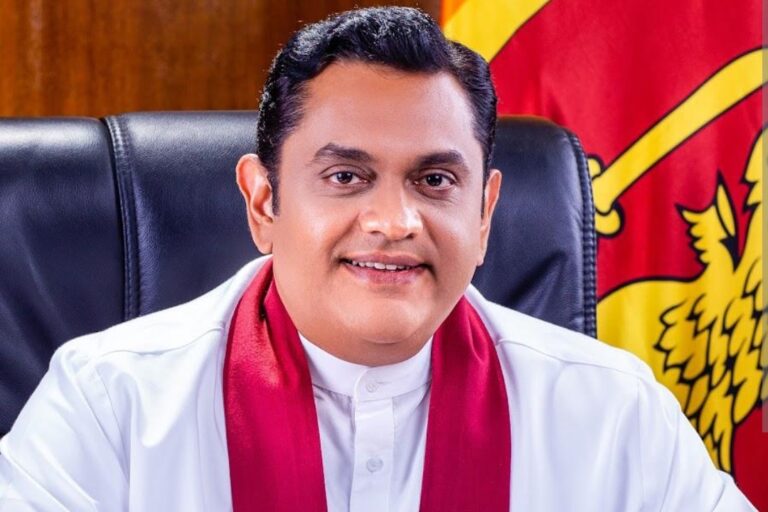
Deputy Finance Minister Harshana Suriyapperuma said the initiative empowers banks to evaluate businesses based on viability and cashflow, rather than fixed assets. “It’s important for banks to understand risk profiles and support SMEs, which are crucial to economic growth,” he said.
He noted that while SMEs are often seen as high-risk due to their limited resilience to economic shocks, NCGIL offers them a new pathway to access finance, especially in the absence of collateral.
The Central Bank of Sri Lanka played a key role in the initiative, aligning it with broader financial reforms. Governor. Nandalal Weerasinghe highlighted that NCGIL supports both financial inclusion and systemic stability. He emphasized that lending decisions often depend on banks’ risk appetite, which can exclude underserved sectors. “Some parts of the economy have easier access to credit, while others don’t—mainly due to perceived risk,” he said.
Weerasinghe added that this gap is being addressed through complementary reforms such as enhanced credit information systems and the introduction of modern bankruptcy laws, which would allow struggling businesses to transition to new ownership more efficiently.
ADB’s Country Director for Sri Lanka, Takafumi Kadono, said the institution has not only provided capital but also supported the governance structure and sustainability model of NCGIL. He pointed out that the initiative is particularly significant for women entrepreneurs, who have historically faced greater challenges in securing loans due to lack of collateral.
Kadono added, “This lack of collateral has long been a major obstacle for SMEs. ADB’s support goes beyond funding—it aims to strengthen banking systems, improve lending practices, and promote inclusive financing.”
To ensure long-term success, the Central Bank is also promoting financial literacy across regions, aiming to equip entrepreneurs with the knowledge and skills needed to navigate the formal financial system.
The creation of NCGIL is expected to strengthen Sri Lanka’s financial ecosystem and unlock growth potential in the SME sector, which represents a key driver of employment and innovation in the country.
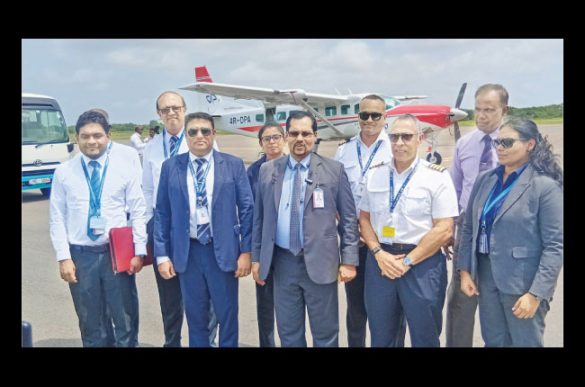
June 05, Colombo (LNW): David Peiris Aviation (DP Aviation) has initiated its first trial flight service from Colombo international airport in Ratmalana to the Jaffna International Airport in Palaly.
This move is part of a broader Government vision to expand local aviation infrastructure and improve regional connectivity. The trial flight, which took place on Monday (2) under the supervision of officials from the Civil Aviation Authority of Sri Lanka (CAASL), successfully landed at the Jaffna International Airport at 1.05 p.m..
According to the CAASL’s Department Head, this marks the revival of Colombo – Jaffna air services after a two-year hiatus. “Our goal is to develop strong domestic flight operations across the country. Today’s qualification flight, conducted by DP Aviation, met all regulatory and safety standards,” he said.
The Colombo – Jaffna service, currently in its trial phase, is expected to transition into a regular commercial service soon. DP Aviation has confirmed plans to operate flights three days a week.
Each flight will accommodate 11 passengers with a baggage allowance of seven kilogrammes per person. The total travel time for a one-way journey is nearly 1 hour and 10 minutes, with a round-trip fare set at Rs 68,000.
Discussions are also underway to extend services from Colombo to Jaffna via BIA in Katunayake. The necessary preparations at Katunayake are nearing completion and CAASL has expressed readiness to approve the route upon formal application from the airline.
DP Aviation also revealed its long-term goal of offering international connectivity via Jaffna. This would enable passengers to travel abroad from the Northern region, potentially transforming Jaffna into a new hub for international travel in the future.
The captain of the test flight confirmed that all operational requirements had been met and expressed the airline’s commitment to enhancing regional connectivity. “We are ready to expand our services further and will soon submit applications to operate from Katunayake as well,” he added.
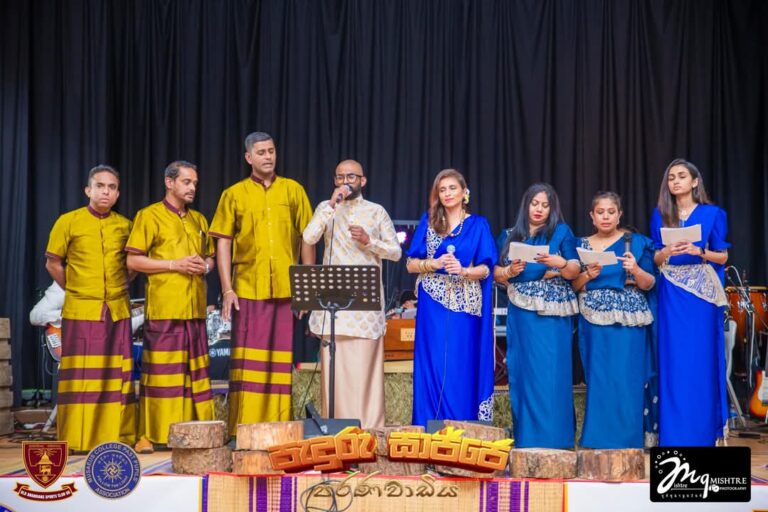
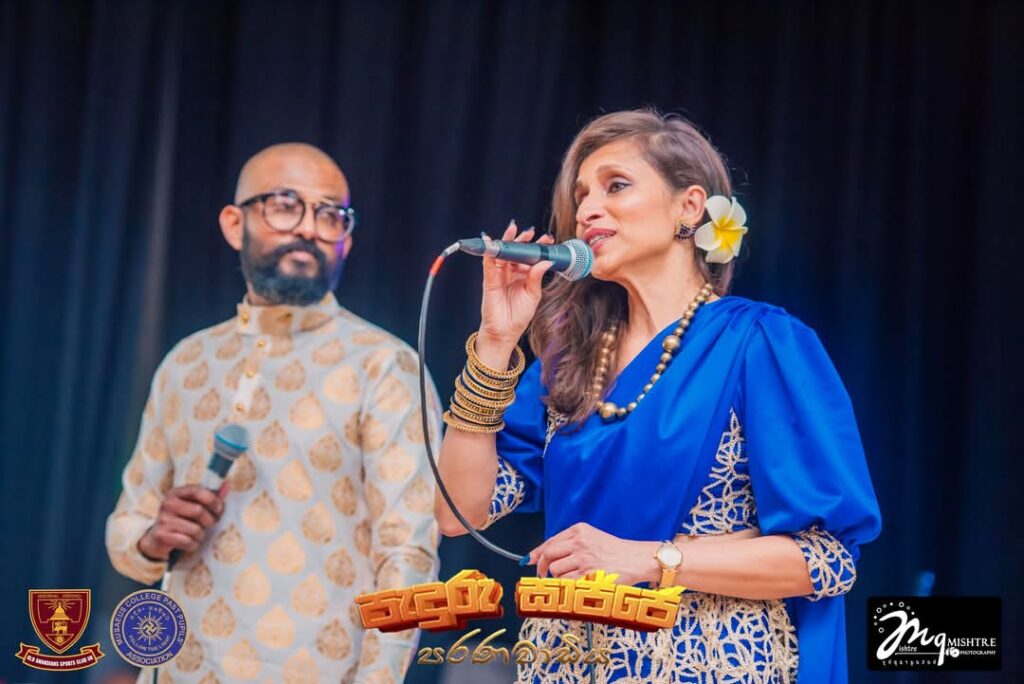
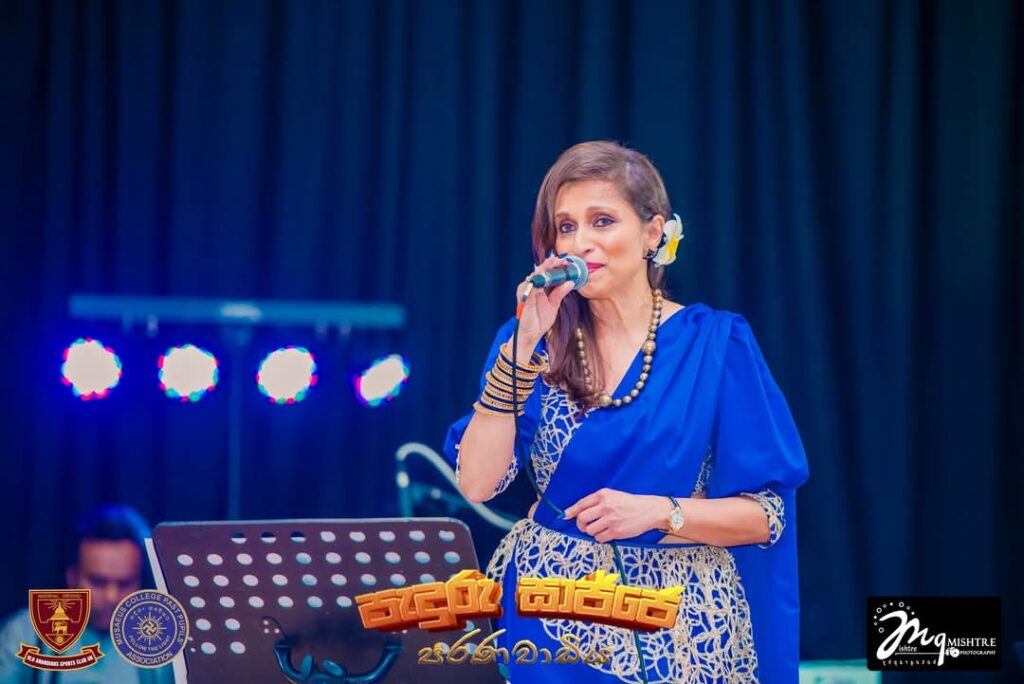
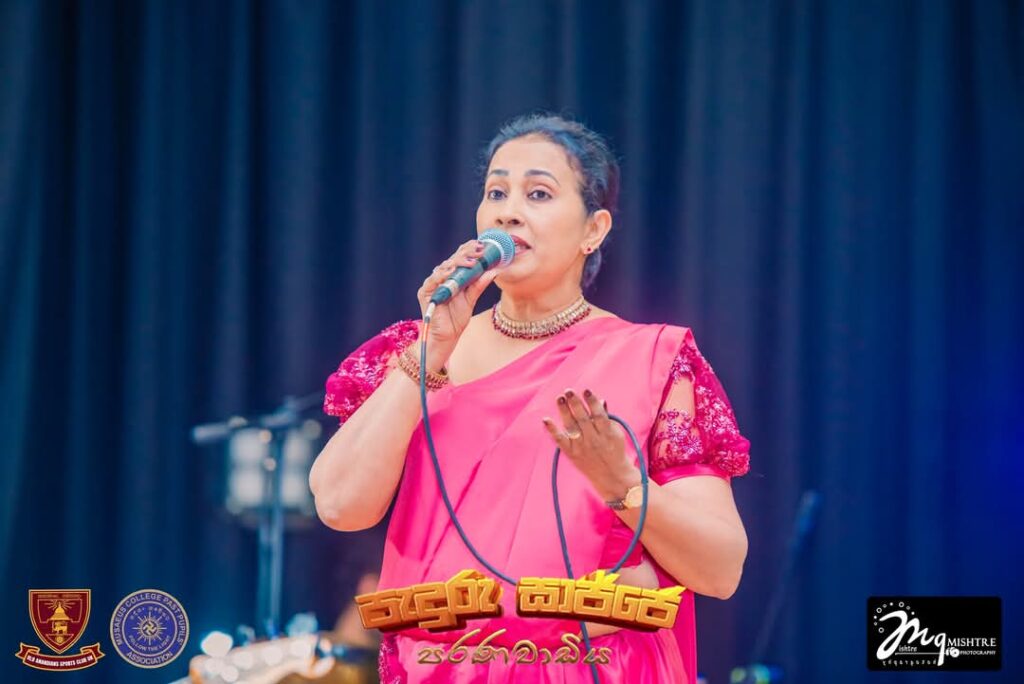
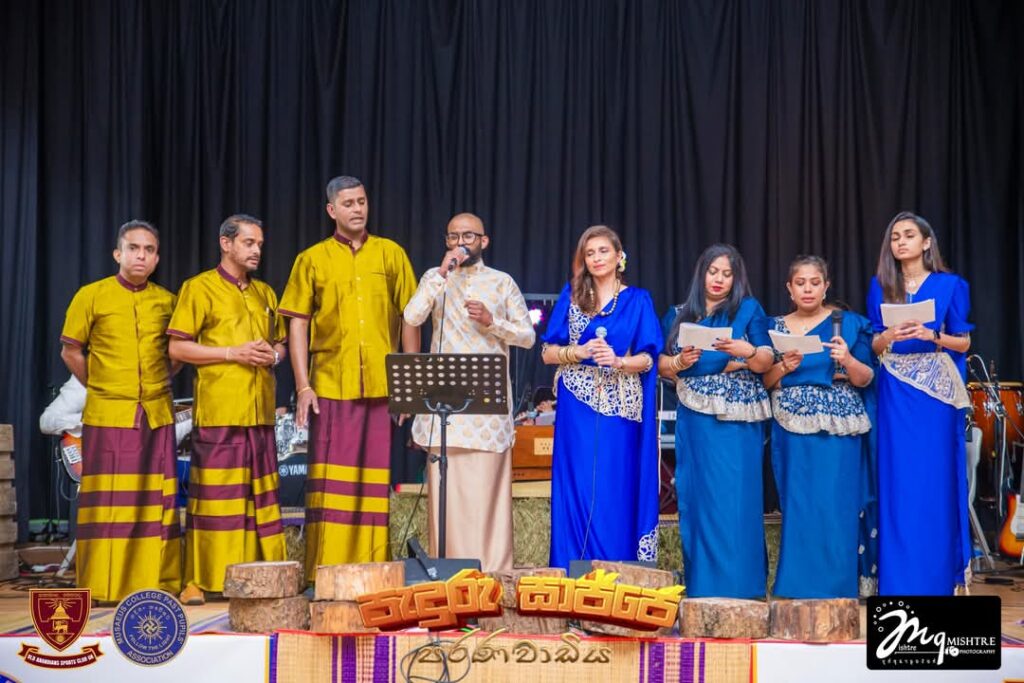
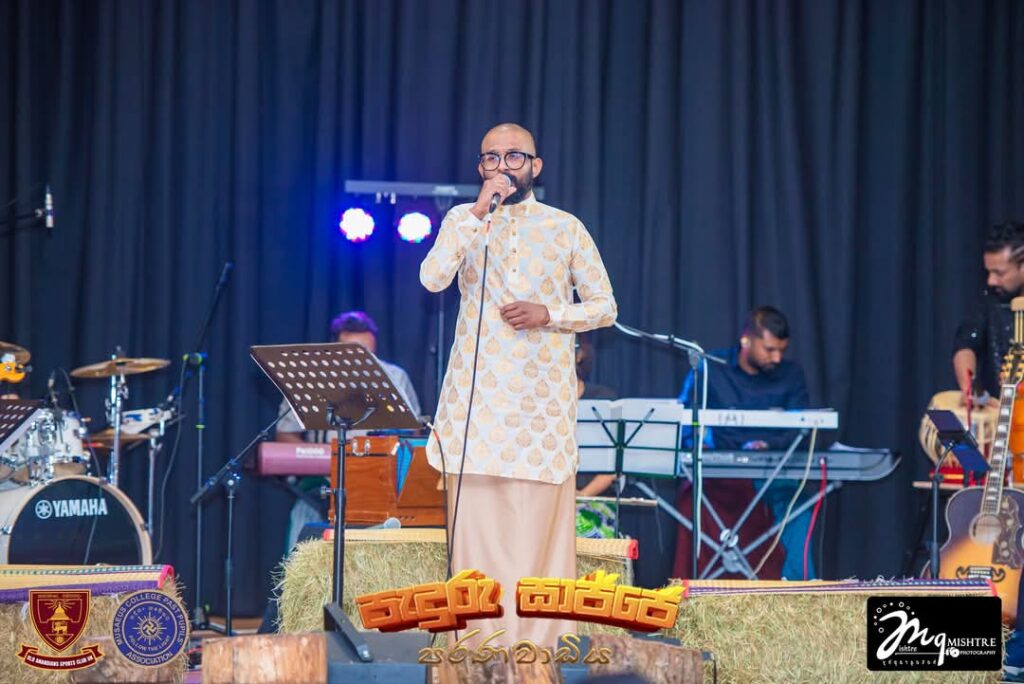
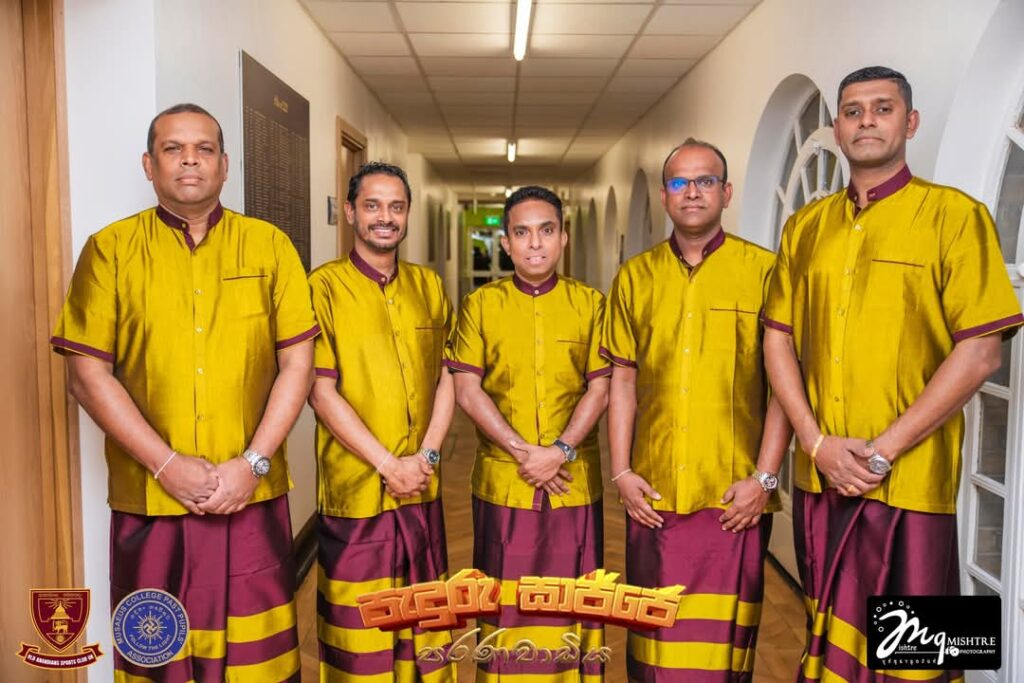
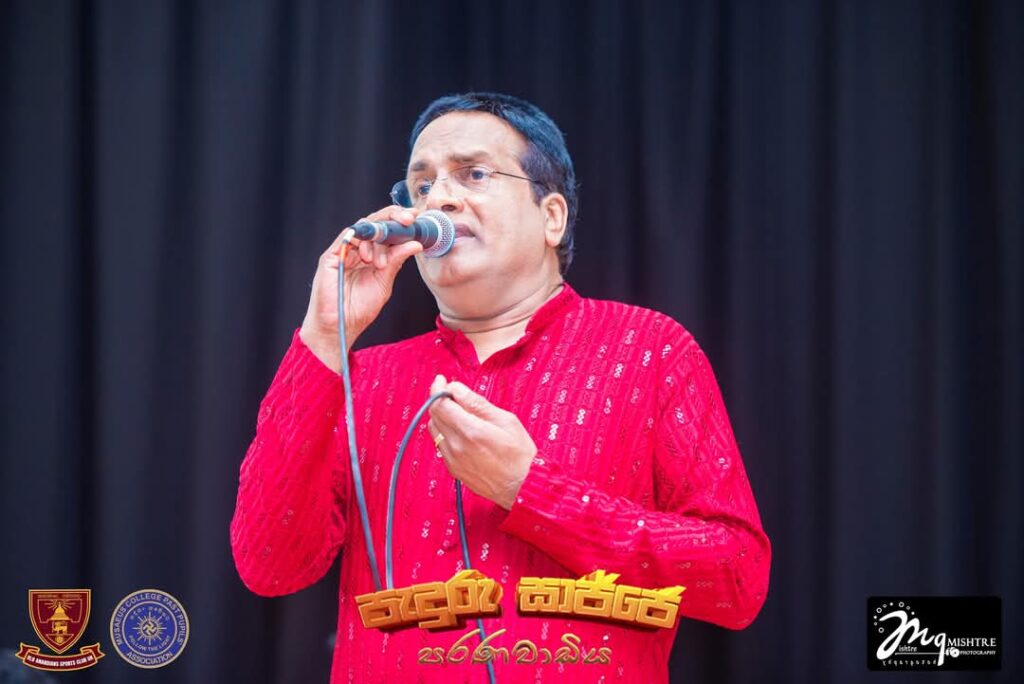
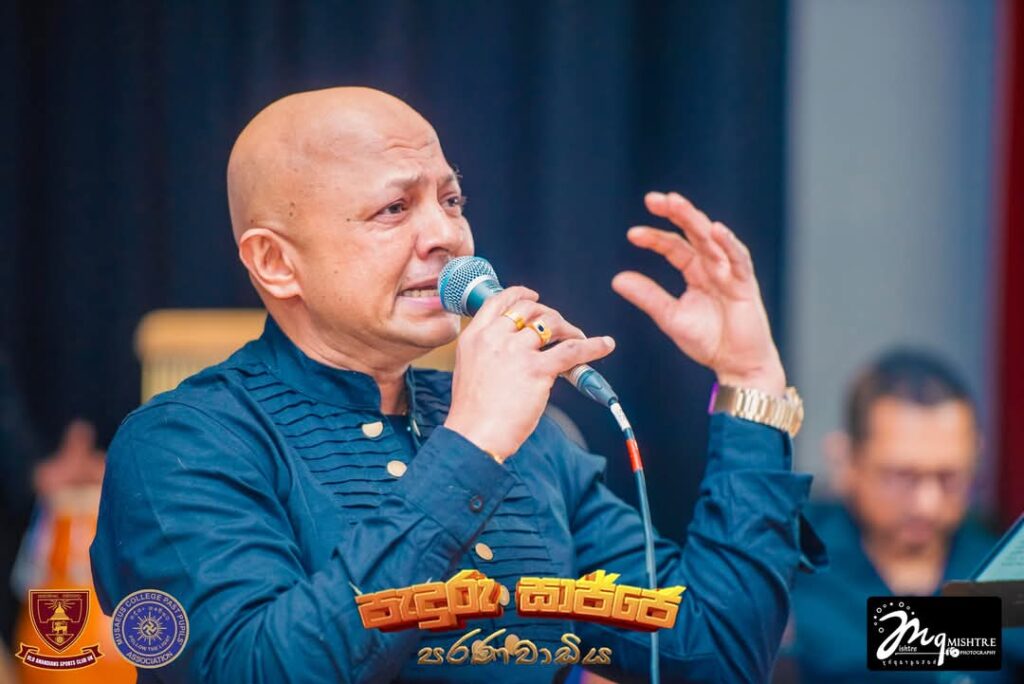
A joint venture organized by the Association of Old Anandians Sports club in UK, and the Musaeus College Old Girls’ Association in UK titled: “PARANA WAADIYA”; a melodious Music Concert was held recently in Wembley, a large suburb in the London Borough of Brent, north-west London, with the participation of a massive assembly of Sri Lankans residing in the UK.
Extremely popular Artists of the current Sri Lankan concert arena, namely: Dumal Warnakulasuriya, an old Anandian as well as famed Sri Lankan Actor and Singer Madhumadhawa Aravinda, Visharad Weerasiri Malwatta, Visharad Anusha Malwatta, Music Visharad Danusha Samanmalee Ratnayake enlightened the said audience with their splendid and spectacular singing performances.
Moreover, Sri Lankans residing in the UK, who have mastered the Art of Music and Dance too contributed by and large to the said event, with their monumental performances in Singing and Dancing. The music of the event was conducted by the Viraaga Orchestra led by Vimarsha Jayasighe.
The Chairman of the Old Anandian’s Sports club, Mr. Chinthaka Gunawardena: and the Chairperson of the Musaeus College Old Girls’ Association Attorney Mrs. Chamila Udagedara; stated that their consecutive organisations are planning on conducting high standard, top-notch music events of the nature, on an yearly basis in the future, for Sri Lankans residing in the UK.
June 05, Colombo (LNW): The government has signalled its readiness to impose a Maximum Retail Price (MRP) on salt in the coming days, should unjustified price increases persist in the local market.
The warning comes amid growing concern that certain importers and wholesale traders are exploiting the current shortfall in domestic salt supply to drive up prices.
Trade Minister Wasantha Samarasinghe addressing journalists at a media briefing expressed firm disapproval of profiteering efforts within the import sector. He clarified that the recent decision to permit salt imports was intended solely as a temporary measure to ease a supply shortage and was never meant to serve as an opportunity for commercial gain at the public’s expense.
Minister Samarasinghe pointed out that the cost of a kilogram of imported salt stands at approximately Rs. 77, even after factoring in a hefty 40% government tax.
“Even if one rounds it up to Rs. 80, it is still possible for wholesalers to earn a decent profit,” he said. “Margins of Rs. 10, Rs. 20 or even Rs. 30 may be justifiable under certain conditions — but anything beyond that would be considered exploitative.”
He went on to issue a direct warning to those attempting to manipulate market dynamics. “If there is any sign of price rigging or attempts to engineer an artificial shortage to inflate prices, the government will not hesitate to enforce a price ceiling without further notice,” the Minister said.
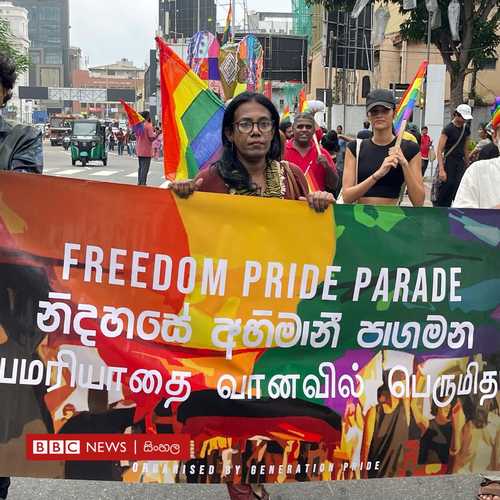
June 05, Colombo (LNW): In an era where global narratives are increasingly tainted by division, the importance of LGBTQIA+ Pride has never been more critical. As anti-queer rhetoric surges—fuelled by political agendas, influential figures, and institutional decisions—the celebration of Pride stands as a defiant beacon of resilience, solidarity, and hope.
In Sri Lanka, a nation grappling with its own complex history of identity and equality, Pride is not just a month-long festivity but a vital movement for human dignity that resonates across all communities.
The roots of Pride, born from the Stonewall Riots of 1969, remind us of its revolutionary origins, whilst the interconnectedness of all forms of discrimination underscores why this fight belongs to everyone, not just those who identify as queer.
The Stonewall Riots, sparked on June 28, 1969 in New York City, marked a turning point for LGBTQIA+ rights. When police raided the Stonewall Inn, a haven for queer individuals, the community—led by trans women of colour like Marsha P. Johnson—fought back against systemic oppression.
This uprising birthed the modern Pride movement, transforming grief and anger into a global call for equality. In Sri Lanka, where colonial-era laws like Section 365/365A of the Penal Code still criminalise same-sex relationships, the spirit of Stonewall echoes in local activism. Organisations and collectives combatting these relics of oppression advocate for decriminalisation and societal acceptance, making Pride a symbol of resistance against both legal and cultural barriers.
Today, the urgency of Pride is amplified by a global resurgence of anti-queer sentiment. The Trump administration’s policies, including bans on transgender military service and rollbacks on healthcare protections, have emboldened discriminatory rhetoric worldwide. In Sri Lanka, such global narratives resonate, as conservative voices often cite Western backlash to justify local prejudice. Similarly, Elon Musk’s vocal critiques of “woke” culture have weaponised the term, framing queer visibility as a threat to societal norms.
This rhetoric, amplified on platforms like “X” (previously Twitter), risks normalising hostility towards marginalised groups, including Sri Lanka’s queer community, who already navigate a precarious existence under legal and social scrutiny.
The election of Pope Leo XIV introduces further complexity. Unlike his predecessor, Pope Francis, who famously said, “If a person is gay and seeks God and has good will, who am I to judge?” Leo XIV has expressed opposition to same-sex unions, aligning with conservative factions. This shift, though nuanced, sends ripples to countries like Sri Lanka, where the Catholic Church wields significant influence. Needless to metion that it risks reinforcing traditionalist views that clash with the lived realities of queer Sri Lankans, who face familial rejection and societal stigma.
Meanwhile, the UK Supreme Court’s recent rulings, which have been perceived as legal eradication of transgender identities, further fuel global narratives that erode gender diversity. In Sri Lanka, where transgender individuals face harassment despite promising legislations for medial and legal transitions, such decisions embolden local resistance to inclusive policies.
Pride’s importance lies in its intersectional core. Discrimination does not exist in isolation—homophobia, transphobia, biphobia, and intersex-phobia are intertwined with racism, nationalism, sexism, misogyny, xenophobia, patriarchy, and religious extremism. Kimberlé Crenshaw’s framework of intersectionality illuminates how these oppressions overlap, particularly for queer Sri Lankans of Tamil, Muslim, or Burgher descent, who face compounded prejudice due to ethnicity, religion, or class. For instance, a queer Tamil individual may endure not only homophobia but also ethnic discrimination rooted in Sri Lanka’s post-war tensions. Similarly, patriarchal norms that dictate rigid gender roles amplify the marginalisation of queer women and non-binary individuals, who challenge traditional expectations of femininity and family.
Remember – you do not have to be queer to champion Pride. The fight for LGBTQIA+ rights is a fight for universal human dignity. In Sri Lanka, where communal harmony is fragile, supporting queer rights strengthens the broader struggle against all forms of exclusion.
The 2019 Easter Sunday bombings highlighted the dangers of religious extremism, which often fuels anti-queer sentiment alongside xenophobia. By standing with the queer community, allies challenge the same divisive forces that perpetuate racism or sexism. Pride events in Colombo, though small and often met with resistance, foster spaces where diverse identities—Sinhala, Tamil, Muslim, queer, straight—can unite in shared humanity.
Sri Lanka’s history underscores this interconnectedness. The decriminalisation of homosexuality in India in 2018, following years of activism against Section 377, inspired hope amongst Sri Lankan activists, showing how regional progress can ripple outward.
Yet, challenges remain: the lack of anti-discrimination laws, limited healthcare access for transgender individuals, and societal stigma rooted in colonial and patriarchal legacies. Pride in Sri Lanka is not just a celebration but a call to action—to dismantle systems that oppress not only queer people but anyone deemed “other.”
With the anti-queer rhetoric growing, Pride’s role as a defiant act of visibility becomes paramount. It is a reminder that love, identity, and existence are not crimes. In Sri Lanka, where queer individuals risk arrest, violence, or ostracism, Pride is a lifeline—a space to reclaim joy and demand justice.
This is indeed a call for allies to amplify voices, for policymakers to reform outdated laws, and for communities to reject division. Every right is interconnected; every act of solidarity strengthens the fabric of equality. In a world that seeks to silence, Pride shouts: we are here, we are valid, and we will not be erased.
June 05, Colombo (LNW): The country’s official commemoration of World Environment Day commenced this morning in Kegalle, with Nidahas Mawatha transformed into the focal point for environmental awareness activities.
The event forms part of a broader nationwide initiative designed to strengthen ecological consciousness and promote sustainable practices across various sectors.
President Anura Kumara Dissanayake is expected to participate in the proceedings, which align with the government’s declaration of a dedicated Environment Week.
This initiative seeks to deepen public engagement with environmental issues whilst encouraging institutions at every level to incorporate sustainable development into their operations.
World Environment Day, observed annually on the 5th of June under the stewardship of the United Nations Environment Programme (UNEP), is the most widely recognised global platform for environmental awareness.
Since its inception in 1973, the event has mobilised millions worldwide. This year, the global celebration is being hosted by the Republic of Korea, which has placed particular emphasis on nature-based solutions and regional cooperation in tackling ecological challenges.
In parallel to the central ceremony in Kegalle, other regions have launched community-based programmes that combine environmental stewardship with social empowerment.
One such initiative, introduced in Habaraduwa on Tuesday, focuses on the protection and upkeep of coastal areas adjacent to tourism infrastructure. At a gathering held at the local Divisional Secretariat, a new effort was unveiled to designate local residents as custodians of specific beach zones near hotels and resorts.
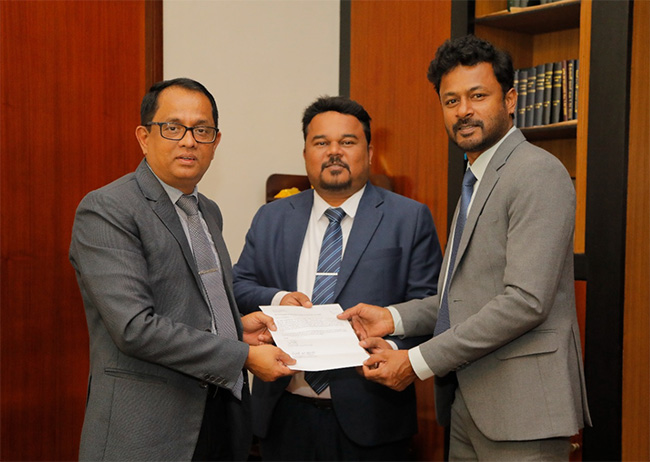
A formal agreement was signed between the Marine Environment Protection Authority (MEPA) and a number of participating tourism establishments, marking a shift towards shared responsibility between government, industry, and community.
Each appointed caretaker will be charged with maintaining cleanliness and preserving the natural charm of their assigned coastal segment. In return, they will receive a modest stipend as acknowledgement of their public service.
This beach conservation effort falls under the “Clean Sri Lanka” programme, operating this year under the theme “Beautiful Coastline, Attractive Tourist Destination”. The campaign seeks to align environmental care with the economic imperatives of the tourism sector, reinforcing the idea that sustainable landscapes are essential for long-term prosperity.
In his wider environmental agenda, President Dissanayake has consistently emphasised the role of local participation and inter-agency collaboration. He has also signalled support for more decentralised environmental governance, encouraging grassroots solutions that reflect regional priorities and cultural contexts.
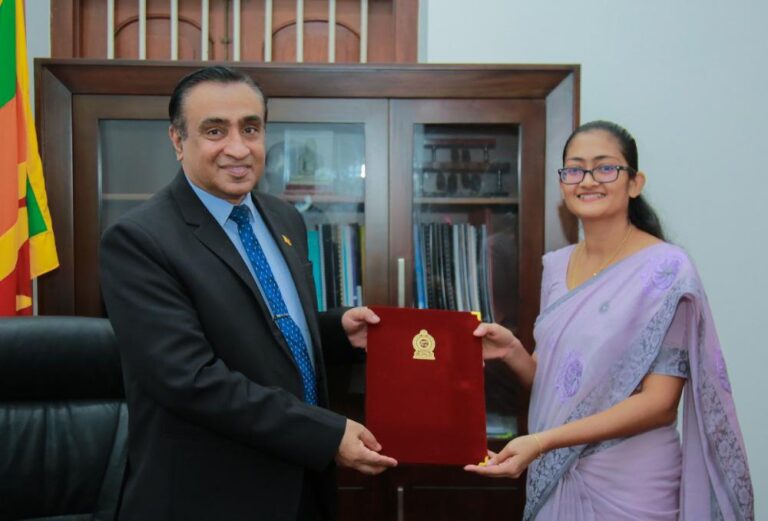
June 05, Colombo (LNW): Sri Lanka’s Ministry of Education, Higher Education, and Vocational Education has officially entered into a Memorandum of Understanding (MoU) with the National University of Singapore (NUS), one of Asia’s leading institutions of higher learning, in what can be described as a strategic move to enhance global educational collaborations.
The MoU was formally signed in Sri Lanka by Nalaka Kaluwewa, Secretary to the Ministry of Education, at the Ministry’s offices. This follows the earlier signing of the document in Singapore on 5th May 2025 by Professor Thean Voon Yew, Vice Chancellor of NUS.
The document was subsequently transmitted through the Sri Lankan High Commission in Singapore for finalisation, cementing the agreement.
Initial discussions regarding this partnership began earlier in the year, in February, and the framework of the agreement was finalised by April. With Cabinet approval granted on 28th April, the deal was officially confirmed, paving the way for future collaborations.
The partnership outlines a comprehensive plan for academic cooperation between Sri Lanka and NUS, with a focus on creating opportunities for both students and faculty. Key components of the MoU include the provision of doctoral scholarships for Sri Lankan students to study at NUS, along with opportunities for faculty members to visit and engage in academic exchange programmes.
Additionally, the agreement sets the stage for the development of joint research projects in key fields, as well as collaborative scientific activities aimed at advancing innovation and knowledge-sharing.
The two institutions also plan to introduce undergraduate fellowship programmes, enabling students from Sri Lanka to gain exposure to NUS’s world-class education system.
The collaboration is expected to facilitate the sharing of academic resources and best practices, further strengthening the quality of higher education in Sri Lanka.
The Ministry of Education expressed its enthusiasm for this landmark partnership, highlighting its importance in the broader context of Sri Lanka’s vision for educational development.
Further talks are scheduled between the two parties in the coming months to iron out the logistical and operational details of the agreement, ensuring that the initiatives outlined in the MoU are successfully implemented.
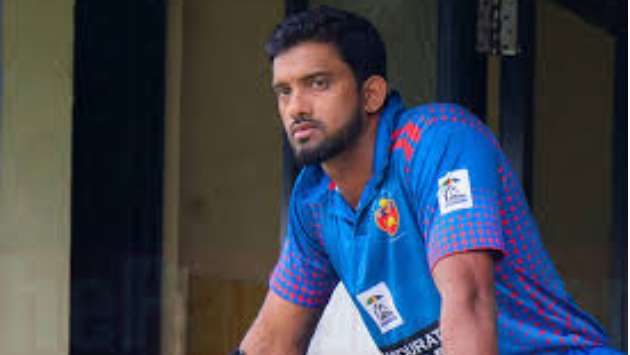
June 05, Colombo (LNW): A former national cricketer is set to face legal proceedings at the Hambantota High Court after the Attorney General formally filed an indictment against him, marking a significant development in Sri Lanka’s ongoing efforts to combat corruption in sport.
Sachindra Madushanka Senanayake, once a rising figure in Sri Lankan cricket, stands accused of attempting to manipulate a professional match by targeting another player with illicit approaches during a domestic tournament in late 2020.
The case centres on events that allegedly unfolded during a high-profile competition hosted in Hambantota, where Senanayake is said to have tried to influence the integrity of the matches through covert means.
According to the case details, he allegedly made contact with Tharindu Hasanka Ratnayake, who had secured a place in the Colombo Kings squad during the inaugural Lanka Premier League (LPL). Senanayake reportedly proposed an offer to the player with the intent of swaying his conduct on the field. Crucially, he is also accused of urging Ratnayake not to disclose the incident to officials from the International Cricket Council’s Anti-Corruption Unit — a serious violation under local and international sports governance protocols.
These charges fall under Section 5(a) of Sri Lanka’s Prevention of Offences Relating to Sports Act No. 24 of 2019, legislation enacted to protect the credibility of sporting competition and ensure the highest ethical standards among athletes and associated personnel.
This is the first time a Sri Lankan cricketer has been formally indicted under this specific Act in a High Court, signifying a landmark moment in the nation’s anti-corruption framework within sport.
Investigations into Senanayake’s alleged conduct also unearthed claims that he made similar approaches to two other players competing in the same tournament.
These contacts, reportedly made via phone from abroad, further complicated the case and raised questions about whether a broader attempt to compromise the tournament was in play.
Senanayake had previously been granted bail in relation to those allegations.
June 05, Colombo (LNW): Former State Minister Shasheendra Rajapaksa has appeared before the Commission to Investigate Allegations of Bribery or Corruption (CIABOC) to provide testimony regarding the controversial fertiliser importation process that occurred during his time in office.
Rajapaksa’s statement was taken as part of an ongoing investigation into potential irregularities and misconduct related to the fertiliser deals, which have drawn significant public and political attention.
The inquiry into the fertiliser imports, which took place while Rajapaksa held his government position, has been the subject of scrutiny amid claims of improper dealings, including concerns over the quality and cost of the fertiliser brought into the country.
Following his appearance, Rajapaksa addressed the media, stating that he had fully cooperated with the commission’s investigation by submitting all relevant documents and providing comprehensive information to ensure that the probe could proceed with full clarity.
June 05, Colombo (LNW): A proposal was officially presented to Speaker Dr. Jagath Wickramaratne at the Parliament House yesterday (04), aiming to establish a dedicated Parliamentary Caucus for Arts and Cultural Affairs.
The initiative, led by MPs from the Ruling Party National People’s Power (NPP), Jagath Manuwarna and Ruwan Mapalagama, seeks to enhance the representation and advocacy of arts and culture within legislative discussions.
The submission, which was made in the presence of parliamentary officials, outlines the need for a specialised platform that would prioritise the development, preservation, and promotion of the country’s rich cultural heritage.
In the proposal, Manuwarna and Mapalagama emphasised the critical role that arts and culture play in shaping national identity, fostering social cohesion, and contributing to the economy through tourism and related industries.
According to the Department of Communications of Parliament, this proposal will now be presented to the Committee on Parliamentary Business at its upcoming session.
The committee will review the details of the proposal and determine the next steps, which could include drafting the necessary resolutions to establish the caucus officially.