June 05, Colombo (LNW): Supplementary medical professionals across the nation are preparing to strike today (05), in protest against the Ministry of Health’s failure to address their long-standing grievances.
The walkout, scheduled to begin at 8:00 AM, has been called by the Joint Council for Professions Supplementary to Medicine (JCPSM), a collective representing a wide range of medical support staff.
According to Chanaka Dharmawickrama, General Secretary of the JCPSM, the strike is a direct result of the Ministry’s continued neglect of key issues affecting their members. These include unresolved concerns regarding promotions, career progression, and better working conditions within hospitals.
Whilst the strike is set to affect most healthcare facilities, it has been confirmed that certain specialised institutions, including the Cancer Hospital, Maternity and Children’s Hospitals, Kidney Hospitals, and the Central Blood Bank (CBB), will remain operational. These hospitals have reportedly reached separate agreements with the health ministry to ensure continuity of care during the industrial action.
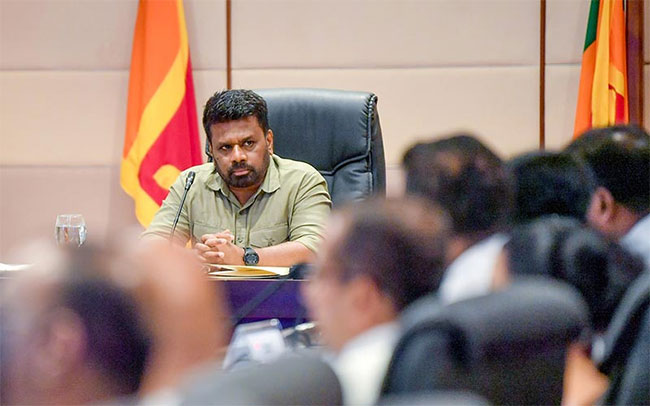
June 05, Colombo (LNW): President Anura Kumara Dissanayake has called for a reimagining of Sri Lanka’s development strategy, insisting that financial success on its own does not equate to meaningful national progress.
Speaking during a policy consultation at the Ministry of Finance yesterday (04), the President pressed the need for parallel advancement in social equity, institutional integrity, and political accountability.
During the high-level meeting attended by senior Treasury officials, the President shared his vision of a development model grounded not just in economic indicators, but in collective societal transformation.
Drawing from global examples, he pointed to the long-term national strategies of countries like China, South Korea, and Vietnam—nations that achieved rapid economic modernisation through decades of deliberate, people-centred planning.
He urged those present to consider development as a shared national responsibility rather than a task assigned solely to government agencies or politicians. “Transformation must come from within institutions, amongst citizens, and from political leadership. It cannot be driven through coercion or narrow interest,” he remarked.
President Dissanayake made it clear that his administration would avoid the pitfalls of past governments by resisting ad hoc decision-making. Instead, he signalled a commitment to governance through dialogue, welcoming contributions from civil servants, technical experts, and other stakeholders.
He acknowledged that many initiatives in Sri Lanka had failed due to short-sighted political interference that undermined evidence-based policy.
The discussion turned toward the urgent need to overhaul key public institutions, aligning them with the state’s long-term policy priorities. The President instructed officials to initiate reforms without delay, especially in state bodies that play critical roles in infrastructure, education, public finance, and national planning.
Whilst supporting greater efficiency, he reaffirmed the state’s responsibility to retain oversight of strategic sectors that underpin national security and public welfare.
In assessing the external environment, President Dissanayake cautioned that Sri Lanka must brace for challenges that extend beyond its borders. He cited the implications of the International Monetary Fund’s Extended Fund Facility programme, changes to international tariff regimes—particularly in the United States—and the scheduled expiration of GSP+ trade concessions in 2027.
These, he noted, could significantly affect trade, investment, and fiscal flexibility in the coming years.
Amongst those present at the dialogue were Dr Anil Jayantha Fernando, Minister of Labour and Deputy Minister of Economic Development, Deputy Minister of Finance and Planning Harshana Suriyapperuma, and Finance Ministry Secretary Mahinda Siriwardana. The discussion concluded with a call to action, urging the Treasury to prepare both policy frameworks and institutional blueprints to initiate the next wave of public sector transformation.
June 05, Colombo (LNW): Several spells of showers will occur in Western, Sabaragamuwa, Central and North-western provinces and in Galle and Matara districts, the Department of Meteorology said in its daily weather forecast today (05).
Showers or thundershowers may occur at a few places in Uva and Eastern provinces and in Polonnaruwa district during the afternoon or night.
Fairly strong winds of about (30-40) kmph can be expected at times over Western slopes of the central hills and in Northern, North-central, North-western and Southern provinces and in and Trincomalee district.
The general public is kindly requested to take adequate precautions to minimise damages caused by temporary localised strong winds and lightning during thundershowers
Marine Weather:
Condition of Rain: Showers will occur at a few places in the sea areas off the coast extending from Puttalam to Hambantota via Colombo and Galle. Manly fair weather will prevail over the other sea areas around the island.
Winds:
Winds will be south-westerly. wind speed will be (30-40) kmph and can increase up to 50 kmph at times in the sea areas off the coast extending from Chilaw to Kankasanthurai via Puttalam and Mannar and from Galle to Pottuvil via Hambantota. Wind speed will be (20-30) kmph in the other sea areas around the island. Wind speed can increase up to 45 kmph in the sea areas extending from Chilaw to Galle via Colombo and from Kankasanthurai to Trincomalee via Mullaittivu.
State of Sea:
The sea areas off the coast extending from Chilaw to Kankasanthurai via Puttalam and Mannar and from Galle to Pottuvil via Hambantota will be rough at times. The sea areas extending from Chilaw to Galle via Colombo and from Kankasanthurai to Trincomalee via Mullaittivu will be fairly rough at times.
Temporarily strong wind gust and very rough seas can be expected during thundershowers.
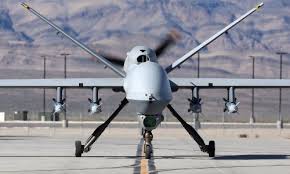
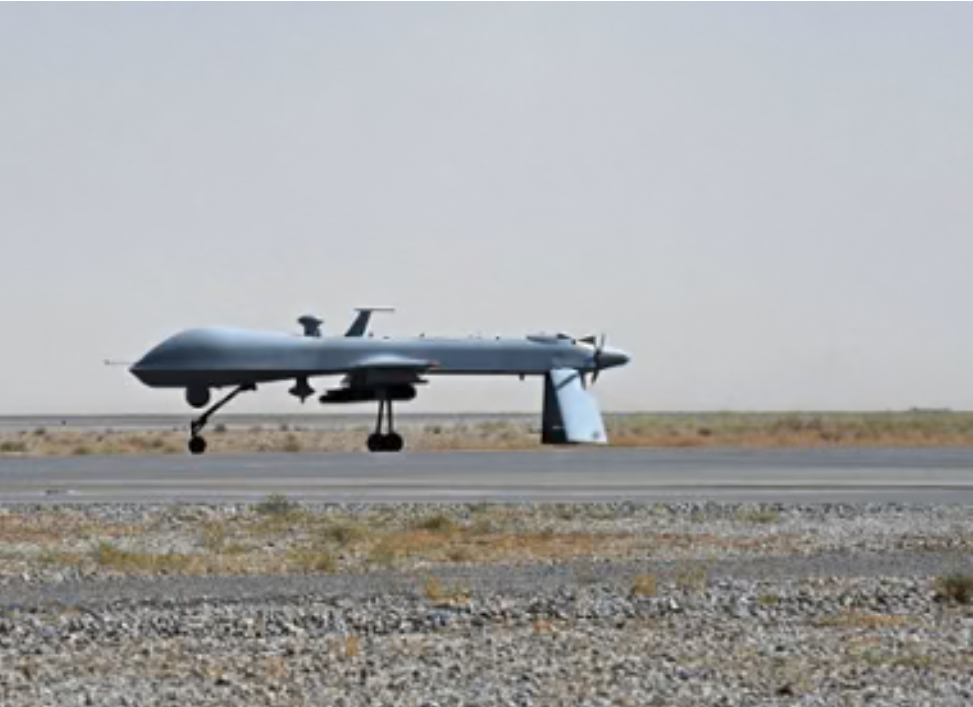
The recent audacious drone attacks by Ukraine, striking multiple Russian strategic aircraft at airbases deep within Russia, serve as a stark and undeniable testament to a profound shift in modern warfare. These incidents, occurring hundreds of kilometres behind enemy lines, are not isolated events but rather powerful indicators of an evolving landscape where unmanned aerial vehicles (UAVs), or drones, are redefining military doctrine, strategy, and indeed, national security itself. For small island nations like Sri Lanka, with unique geographical vulnerabilities and a complex history of internal conflict, understanding and adapting to this paradigm shift is not merely a strategic imperative but a matter of existential importance.
Technology in the Battlefield
As a military professional, I have witnessed firsthand the transformative power of technology on the battlefield. However, the advent and rapid proliferation of drone technology represent a leap akin to the introduction of gunpowder or the airplane. The Ukrainian strikes, in particular, highlight several critical aspects: the increasing range and precision of drones, their ability to bypass traditional air defences, and the relatively low cost yet high strategic impact of such operations. These attacks underscore that no target, no matter how deeply entrenched or seemingly secure, is immune to the reach of determined adversaries employing drone technology.
Paradigm Shift of Air Warfare
The “discovery” of drone technology, more accurately its maturation and widespread application, has fundamentally altered the calculus of air warfare. Traditionally, air superiority was the preserve of nations with substantial investments in manned fighter jets, advanced radar systems, and highly trained pilots. Drones, however, democratise air power. They offer significant advantages:
Reduced Risk to Personnel: Operators control drones remotely, eliminating the risk of pilot casualties.
Cost-Effectiveness: Drones are significantly cheaper to procure, operate, and maintain compared to manned aircraft, making them accessible to a wider range of state and non-state actors.
Persistence and Loitering Capability: Drones can remain airborne for extended periods, providing persistent surveillance, reconnaissance, and even strike capabilities.
Precision and Targeting: Modern drones, equipped with advanced sensors and precision-guided munitions, can execute highly accurate strikes with minimal collateral damage.
Swarm Tactics: The ability to deploy multiple drones simultaneously, often with autonomous or semi-autonomous capabilities, presents a formidable challenge to existing air defence systems, overwhelming them through sheer numbers.
This shift has created a new operational environment where air power is no longer solely the domain of traditional air forces but can be projected by entities with far fewer resources.
Asymmetric Warfare and Drone Technology
Drone technology is a natural fit for asymmetric warfare, where weaker actors seek to exploit the vulnerabilities of stronger, technologically superior adversaries. Non-state actors and insurgent groups can leverage readily available commercial drones, often modified for nefarious purposes, to achieve disproportionate effects. These drones can be used for:
Intelligence Gathering: Covert surveillance of military installations, critical infrastructure, and VIP movements.
Targeted Strikes: Delivery of small explosive payloads, incendiary devices, or even chemical/biological agents.
Psychological Warfare: Creating panic and disrupting daily life through disruptive overflights or minor incidents.
Harassment and Sabotage: Disrupting operations at airports, ports, or power plants.
The low cost and ease of acquisition of commercial drones mean that the barrier to entry for conducting air-based attacks has been dramatically lowered. This presents a significant challenge for conventional military forces accustomed to facing clearly defined, state-backed threats.
Potential Terrorism Revival and Drone Tech Threats
Sri Lanka has a painful history of grappling with terrorism. The lessons learned from decades of conflict underscore the ingenuity and adaptability of non-state actors. The re-emergence of terrorist groups, or the rise of new ones, utilising drone technology, poses a grave threat. Drones could be employed in various ways:
Attacks on Military Bases: Small, explosive-laden drones could target aircraft on the tarmac, fuel depots, or command and control centres, causing significant damage and psychological impact.
Assassinations: Drones could be used for precision strikes against high-value military or political targets.
Attacks on Critical Infrastructure: Power grids, telecommunications networks, oil refineries, and water treatment plants are all vulnerable to drone-borne sabotage, leading to widespread disruption and economic paralysis.
Disrupting Public Gatherings: Drones could be used to drop leaflets, disseminate propaganda, or even deploy small quantities of harmful substances during public events, creating mass panic.
Drug Trafficking and Smuggling: Drones can facilitate the illicit movement of narcotics and other contraband across borders, further exacerbating security challenges.
The relative ease of acquiring and modifying commercial drones for these purposes makes this a highly plausible future scenario that demands proactive planning and preparedness.
Proposals to Counter such Threats
Addressing the multifaceted drone threat requires a comprehensive, multi-pronged approach that integrates technological solutions, policy adjustments, and enhanced human capabilities.
Develop and Deploy Counter-Drone Systems: Invest in a layered defence system incorporating:
Detection: Advanced radar, acoustic sensors, and RF signal detection systems to identify and classify drones.
Identification: Electro-optical and infrared cameras for visual confirmation.
Interdiction: Jamming systems to disrupt control signals, spoofing technologies to redirect or land drones, and kinetic solutions like net-firing drones, drone guns, or even specialised laser systems for high-value targets.
Establish No-Fly Zones and Restricted Airspace: Clearly define and enforce airspace restrictions around critical infrastructure, military installations, and sensitive areas.
Public Awareness Campaigns: Educate the public on drone regulations, the potential dangers of illicit drone use, and how to report suspicious activity.
Enhanced Law Enforcement Capabilities:Train law enforcement agencies to identify, track, and intercept illicit drones and to investigate drone-related incidents.
Is Drone Technology a Threat to National Security of Sri Lanka in the Present and Future?
Undoubtedly, yes. Sri Lanka’s unique geopolitical position, its reliance on a thriving tourism industry, and its vital maritime trade routes make it particularly susceptible to drone-related threats. Also, the threat is not static; it will evolve. As drone technology advances, so too will the capabilities of those seeking to exploit it. We can anticipate:
Increased Autonomy and Swarming: Drones operating with greater autonomy, reducing reliance on human control and enabling sophisticated swarm attacks that are incredibly difficult to defend against.
Miniaturisation and Stealth: Smaller, harder-to-detect drones, potentially with stealth capabilities, making them even more challenging to counter.
Advanced Payloads: The development of more potent and diverse payloads, including sophisticated explosives, chemical/biological agents, or even electromagnetic pulse (EMP) devices.
AI Integration: Drones powered by artificial intelligence, capable of independent decision-making and target identification, further complicate defensive measures.
Sri Lanka must not only react to current threats but proactively anticipate future challenges by investing in research and development and staying abreast of global technological advancements in both drone capabilities and countermeasures.
Vulnerability of Critical Infrastructure
Sri Lanka’s critical infrastructure, vital for its economic stability and societal well-being, is particularly vulnerable. This includes:
Energy Sector: Power plants, transmission lines, and oil storage facilities are susceptible to drone-borne attacks that could cripple national power grids and fuel supply.
Transportation Hubs: Airports, seaports, and major road/rail networks are vital arteries for trade and tourism. Drone disruptions could lead to significant economic losses and operational paralysis.
Communication Networks: Cell towers, data centres, and underwater cables are essential for national communication and digital infrastructure. Attacks could severely impact connectivity and information flow.
Water Supply Systems: Dams, reservoirs, and water treatment plants are critical for public health. Drone attacks could contaminate water sources or disrupt the supply.
Tourism Industry: Iconic tourist sites, hotels, and resorts are high-profile targets. Drone attacks could severely damage Sri Lanka’s image as a safe destination, impacting a crucial revenue stream.
Protecting these assets requires a multi-layered security approach, integrating drone detection and interdiction systems with existing physical security measures.
Technological Advancements and Countermeasures
The arms race between drone technology and countermeasures is continuous. Sri Lanka must actively pursue and adapt the latest counter-drone technologies:
Directed Energy Weapons (DEW): Lasers and high-powered microwave systems offer the potential for silent, precise, and cost-effective neutralisation of drones, especially in swarms.
Artificial Intelligence and Machine Learning: AI can enhance detection systems by rapidly analysing large datasets, identifying anomalous drone behaviour, and even predicting potential attack vectors.
Cyber Warfare Capabilities: Developing the ability to hack into and take control of hostile drones, or to disrupt their command and control systems.
Hard-Kill Solutions: Specialised interceptor drones, anti-drone missiles, and even advanced small arms ammunition designed to bring down UAVs.
Integration with Air Defence Systems:Seamlessly integrating drone detection and neutralisation capabilities into existing national air defence networks for a holistic approach.
The Policy and Legal Framework
For Sri Lanka to effectively manage the drone threat, a clear and comprehensive policy and legal framework is indispensable. This framework must address:
Regulation of Civilian Drones: Strict registration requirements, licensing for operators, clear no-fly zones, and penalties for violations.
Military and Security Forces’ Use of Drones: Establishing clear rules of engagement, ethical guidelines, and accountability mechanisms for the use of armed and surveillance drones.
International Law: Navigating the complexities of international humanitarian law and the law of armed conflict concerning drone operations, especially in cross-border scenarios.
Data Privacy and Surveillance: Balancing national security needs with the protection of citizens’ privacy in an era of ubiquitous drone surveillance.
Cybersecurity Legislation: Laws to address the cyber vulnerabilities of drone systems and to prosecute malicious cyber activities related to drones.
Regular review and updates to this framework will be necessary to keep pace with technological advancements and evolving threats.
Regional Cooperation to Ensure National Security of Sri Lanka
Given the transnational nature of drone threats, regional cooperation is not merely beneficial but essential. Sri Lanka should actively engage with its regional partners in the Indian Ocean Rim and beyond to:
Share Intelligence: Establish mechanisms for real-time intelligence sharing on drone-related threats, best practices in counter-drone strategies, and emerging technologies.
Joint Training and Exercises: Conduct joint exercises to test interoperability, refine tactics, and build collective capacity in counter-drone operations.
Technology Exchange: Explore opportunities for collaborative research and development of counter-drone technologies.
Capacity Building: Assist less-resourced nations in the region to develop their own counter-drone capabilities, recognising that a weak link in the chain can compromise regional security.
Harmonise Regulations: Work towards regional harmonisation of drone regulations to prevent illicit drone activities from exploiting loopholes in national laws.
Maritime Domain Awareness: Collaborate on enhancing maritime domain awareness, particularly in monitoring sea lanes for suspicious drone-related activities.
Recommendations
Based on the evolving landscape of drone warfare and its specific implications for Sri Lanka, I put forth the following recommendations:
Establish a National Drone Threat Assessment and Response Centre: A dedicated inter-agency body comprising military, intelligence, law enforcement, and civilian aviation experts to continuously monitor, assess, and coordinate responses to drone threats.
Prioritise Investment in Counter-Drone Technologies: Allocate significant resources to acquire and develop a layered counter-drone defence system, focusing on detection, identification, and multi-domain interdiction capabilities, including directed energy weapons and AI-driven solutions.
Enhance ISR Capabilities with a Drone-Centric Focus: Invest in advanced ISR platforms and data analytics tools specifically designed to detect, track, and analyse drone activities, ensuring robust intelligence gathering against this emerging threat.
Strengthen Legal and Regulatory Frameworks: Urgently review and update existing laws and regulations pertaining to drone ownership, operation, and the use of counter-drone measures, ensuring they are comprehensive, enforceable, and aligned with international standards.
Intensify Training and Capacity Building:Conduct specialised training programmes for military personnel, law enforcement, and critical infrastructure operators on drone threat identification, response protocols, and the operation of counter-drone systems.
Foster Public-Private Partnerships:Collaborate with local and international private sector entities specialising in drone technology and cybersecurity to leverage their expertise and accelerate the development and deployment of counter-drone solutions.
Drive Regional Cooperation: Actively champion and participate in regional initiatives focused on intelligence sharing, joint training, and technology exchange to build a collective security framework against drone threats in the Indian Ocean region.
Promote Research and Development:Establish incentives and allocate funds for local research and development into drone technology and countermeasures, fostering an indigenous capability to adapt to future challenges.
Conduct Regular Vulnerability Assessments: Periodically assess the vulnerability of all critical national infrastructure to drone attacks and implement necessary protective measures.
Integrate Counter-Drone Strategy into National Security Policy: Elevate the drone threat to a core component of Sri Lanka’s national security strategy, ensuring that all defence and security planning fully accounts for this evolving challenge.
Conclusion
The drone is no longer a futuristic concept; it is a present reality that has dramatically altered the dynamics of warfare. For Sri Lanka, a nation suffered enough due to terrorism, which has had a significant impact on its economy and growth, ignoring this transformation would be an unforgivable oversight. By proactively investing in technology, policy, and partnerships, we can safeguard our national security, protect our critical assets, and ensure that Sri Lanka remains resilient in the face of this unseen, yet potent, threat. The time for decisive action is now.
The writer is an Infantry officer who served the Sri Lanka Army for over 36 years, a former Security Forces Commander of the Wanni Region and Eastern Province, and he holds a PhD in economics. He can be reached at:[email protected]
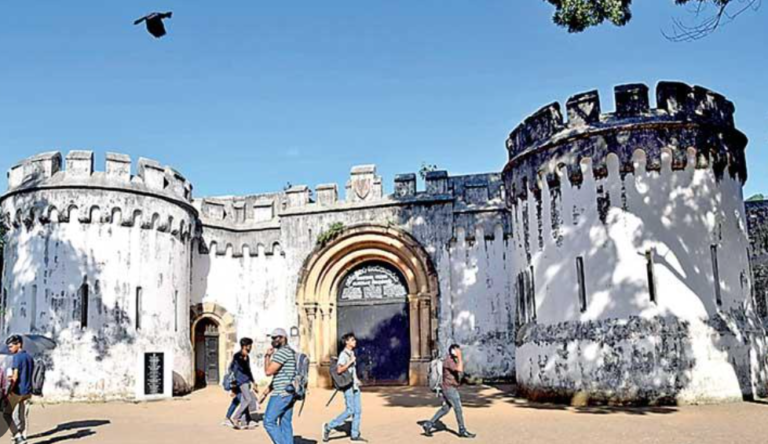
The Sri Lankan government, under the Marxist JVP-led National People’s Power (NPP) administration, is moving forward with plans to transform the historic Bogambara Prison in Kandy into a tourism development site.
Minister Nalinda Jayatissa recently announced that Expressions of Interest (EOIs) will soon be invited for the project, which envisions converting the site into a hub for tourism, cultural, and entertainment activities.
Located in the heart of Kandy, Bogambara Prison is a protected heritage site under the World Heritage Conservation Act.
The prison complex, one of Sri Lanka’s oldest, was previously renovated by the Urban Development Authority (UDA), enhancing its potential as a tourist attraction.
According to Minister Jayatissa, the government aims to lease the site for 50 years, inviting tourism investors to submit proposals that align with both commercial viability and heritage preservation.
However, the plan to lease the property rather than sell it outright reflects the complex status of Bogambara as a heritage site.
While some officials, including former Minister of Urban Development Prasanna Ranatunga, had proposed transferring the property to the Dalada Maligawa (Temple of the Tooth Relic) at cost recovery, the current administration appears focused on maximizing its commercial and cultural value through a long-term lease arrangement.
Ranatunga, during a parliamentary advisory committee session, had stressed the need to either recover the public funds spent on renovations or hand the site over for an appropriate investment initiative.
The proposal to transfer the site to the Dalada Maligawa aimed to preserve its cultural and religious value, but it has now given way to the government’s broader economic development goals under the NPP’s vision.
From a viability perspective, converting Bogambara Prison into a tourism site presents several advantages. Its location in the cultural capital of Kandy, close proximity to major attractions such as the Dalada Maligawa, and its architectural uniqueness offer strong appeal to both domestic and international tourists.
Furthermore, the government’s intention to attract proposals that demonstrate financial, environmental, and social potential indicates a desire for responsible and sustainable development.
However, potential investors must navigate challenges tied to heritage regulations and community sensitivities. The prison’s historical significance and symbolic value mean that any development must strike a careful balance between commercialization and preservation.
In conclusion, leasing the Bogambara Prison for tourism development appears to be a viable strategy, provided that it respects the site’s heritage status and garners community support. By leveraging private investment through a structured and regulated process, the government could unlock the site’s potential while ensuring long-term cultural and economic value for Kandy.
In a controversial move that signals both reform and potential redundancy, the Sri Lankan government has announced plans to establish a new Public-Private Partnership (PPP) unit—despite the continued existence of the National Agency for Public-Private Partnership (NAPPP) under the Ministry of Finance.
This decision has stirred public debate, particularly due to the NAPPP’s history and its founding leadership under Thilan Wijesinghe.
The agency was established with significant backing from international donors, including a US$25 million commitment from the World Bank and technical assistance from the Public-Private Infrastructure Advisory Facility (PPIAF).
These institutions supported the development of Sri Lanka’s PPP policy framework and helped lay the foundation for a structured, transparent approach to private sector engagement in infrastructure development.
Government sources claim the proposed new unit will either function independently or be embedded within sector-specific ministries such as transport or energy.
The rationale, officials say, is to enhance sectoral expertise, fast-track project execution, and decentralize decision-making by empowering line ministries.
“This is not necessarily a rejection of the existing PPP framework, but rather an evolution,” said a senior official close to the plan. “We need a more agile, sector-focused approach if we are to attract serious investment and deliver timely results.”
However, critics argue that this move risks institutional overlap and inefficiency unless the government clearly defines the respective roles of the new unit and the existing NAPPP.
“Creating parallel systems could result in bureaucratic confusion rather than improved governance,” warned one infrastructure expert.
Policy analysts acknowledge that while the NAPPP helped launch a pipeline of PPP projects across sectors such as energy, transport, and social services, its effectiveness was hampered by institutional bottlenecks, limited sector-specific expertise, and delays in project implementation.
The agency was disbanded under the previous administration but received renewed backing in the 2022 interim budget, which allocated Rs. 250 million (about US$691,000) for its re-establishment.
Beyond domestic objectives, the establishment of a new PPP unit appears influenced by international financial institutions, which have repeatedly called for improved governance, fiduciary controls, and transparency in PPP initiatives.
Donors like the World Bank and Asian Development Bank have emphasized the need for independent oversight, better project vetting, and enhanced stakeholder engagement.
Civil society organizations, too, have long voiced concerns over the opaque nature of previous PPP deals.
The government claims the new unit will place greater emphasis on transparency, risk management, and public consultation—measures seen as essential for regaining public trust in infrastructure programs.
Yet the question remains: can Sri Lanka afford to duplicate institutions in its fragile economic state, or will this reform bring the much-needed structural efficiency?
he coming months will be critical in determining whether this shift will catalyze improved private investment and infrastructure delivery—or merely add another layer to an already complicated system
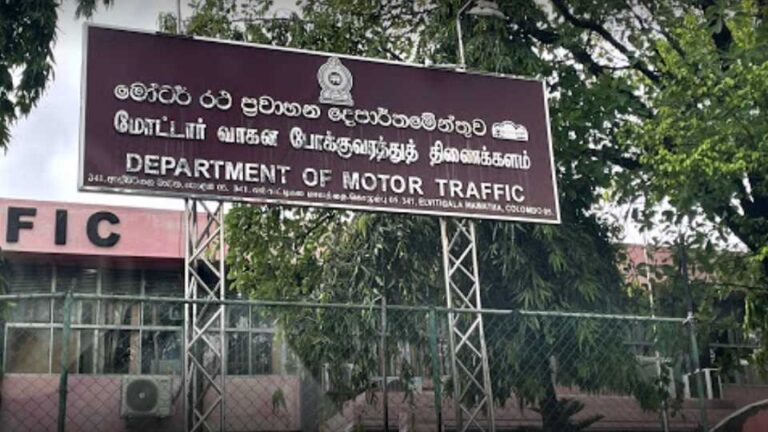
The Sri Lanka Department of Motor Traffic (DMT) is grappling with a serious shortage of vehicle number plates and persistent disruptions in its outdated vehicle registration system, resulting in major inconveniences for vehicle owners and delays in essential services.
As of May 15, 2025, the Commissioner General of Motor Traffic confirmed a nationwide shortage of number plates, just months after the department had claimed the issue was resolved in late 2024.
The root cause appears to be a breakdown in procurement processes—specifically, the expiration of a supply contract without securing a replacement.
In response, the department has authorized temporary measures, allowing new vehicle owners to display handwritten registration numbers based on letters issued by the DMT since April 28.
Simultaneously, the DMT’s vehicle registration and transfer system, developed in 1996, continues to face frequent crashes due to its inability to cope with growing volumes of data and frequent human errors.
The most recent crash, which occurred last week, brought all DMT operations to a halt for over 24 hours, leaving new vehicle buyers frustrated as delays in receiving registration certificates and number plates grew worse.
Commissioner General Kamal Amarasinghe acknowledged the system’s limitations, noting that the existing software is outdated and incapable of meeting current demands.
He stressed the urgent need for a fully digitized and integrated registration platform, which would allow seamless interaction between DMT and other departments, such as those handling insurance and driving licenses.
The outdated system is also linked to other serious issues. Reports have emerged of fraudulent issuance of registration certificates using blank, unassigned numbers, as well as the registration of vehicles with cancelled diplomatic number plates—both resulting in significant revenue losses to the government.
Efforts to overhaul the system have faced a series of setbacks. A contract signed in 2018 with a Sri Lankan firm and its foreign partner to implement a new Business Process Re-Engineering (BPR)-based solution has remained dormant due to alleged internal resistance and corruption. Some DMT staff have been interdicted and are now under investigation by the Bribery Commission and the CID.
The original system, created by a local software company, was maintained until December 2024, after which the government declined to renew the contract, citing concerns about corruption. Since January 2025, the system has been operated solely by DMT personnel, further straining operations due to a lack of technical support.
Amid this turmoil, the Finance Ministry is considering a new, fully digital registration platform that would integrate all motoring-related services. However, until such reforms are implemented, ongoing initiatives—including a proposed e-driving license—remain stalled.
As Sri Lanka’s motor traffic infrastructure struggles to modernize, vehicle owners are left to navigate inefficiencies and delays, highlighting the urgent need for systemic reform and effective governance at the Department of Motor Traffic.
The International Organization for Migration (IOM) has taken the lead in supporting Sri Lanka’s efforts to modernize its border management system through the introduction of an Automated Border Control (ABC) e-Gate system at Bandaranaike International Airport (BIA).
This marks a significant step in the country’s transition toward smarter and more secure travel infrastructure.
The project includes the deployment of a four-lane e-Gate system for arriving and departing passengers, aimed at improving processing efficiency, enhancing national security, and aligning with global travel standards.
While Sri Lanka has yet to issue electronic passports (e-passports), the new system will cater to foreign travelers using eMRTDs and pre-registered Sri Lankan citizens with machine-readable passports (MRTDs).
Recognizing the need for clear operational guidelines, IOM is engaging an international consultant to develop a comprehensive Standard Operating Procedure (SOP) for managing the new system.
This will be done in collaboration with the Department of Immigration & Emigration (DI&E) and other relevant agencies to ensure smooth operations, legal compliance, and effective integration with existing processes.
The initiative, which has faced multiple delays since its inception in 2017, is now being fast-tracked under the current government.
A high-level committee within the Ministry of Transport, Highways, Ports, and Civil Aviation recently reviewed the project’s progress and committed to accelerating approvals and improving inter-agency coordination. The system is being installed with support from a Japanese grant.
Originally, the project saw a slow rollout due to challenges in tender evaluation. A call for bids in December 2021 attracted four offers, yet the contract was only awarded in July 2022 to the highest bidder at Rs. 430 million.
This decision raised concerns, as significantly lower bids—ranging from Rs. 130 million to Rs. 240 million—were rejected without clear explanation.
Official sources suggest immigration authorities may have influenced the procurement timeline, with the chosen bidder later offering a 35% discount from the original quote of US$2.08 million.
Despite the progress, officials from the Finance Ministry caution that the success of the e-Gate system hinges on the issuance of e-passports and upgrading airport systems to support automation.
Current check-in and check-out processes at BIA lack compatibility with modern e-Gate infrastructure, necessitating further technological investment.
With IOM’s guidance and international expertise, the e-Gate project signals Sri Lanka’s intent to modernize its airport operations and improve border security.
Once fully implemented, the system is expected to significantly reduce passenger congestion and set a new standard for travel efficiency and safety at the country’s main international gateway.
President Anura Kumara Dissanayake convened a high-level meeting yesterday (03) at the Presidential Secretariat with senior officials of the Agriculture Ministry to discuss strategies for revitalising Sri Lanka’s local dairy industry. The discussion concentrated on transforming MILCO and the National Livestock Development Board into productive and efficient enterprises capable of fulfilling the country’s domestic dairy demand.
The President underscored the urgent need to reduce production costs and fully utilise existing resources to develop a market-driven, sustainable and efficient dairy sector. He stressed that these efforts should aim at reducing reliance on imports and boosting self-sufficiency in milk production.
Officials from MILCO reported that the company had recorded a notable increase in production capacity in the first quarter of this year compared to the same period in the previous year, indicating early signs of improvement in the sector.
The meeting was attended by Minister of Agriculture, Livestock, Lands and Irrigation K.D. Lalkantha, Senior Additional Secretary to the President Kapila Janaka Bandara, Additional Secretary to the Agriculture Ministry Dr. Palika Fernando, MILCO Chairman G.V.H. Gotabhaya, National Livestock Development Board Chairman Dr. B.C.S. Perera and other senior officials from relevant institutions under the Agriculture Ministry.
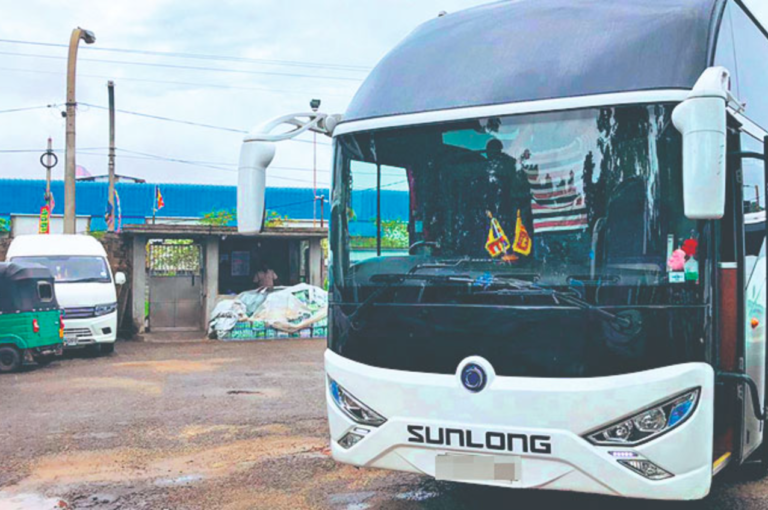
Cabinet Spokesman and Minister of Health and Mass Media, Dr. Nalinda Jayatissa, announced yesterday that the Government has approved a proposal to deploy 100 modern, low-entry, and comfortable buses for public transport through a newly established subsidiary company under the Sri Lanka Transport Board (SLTB).
Speaking at the weekly Cabinet press briefing, the Minister explained that the initiative will be launched as a pilot project, with the new buses to be imported and operated along several major transport corridors including Colombo, Makumbura (Kottawa), Kaduwela, Kadawatha, and Moratuwa.
The Minister emphasised that this initial rollout will be state-run, with the possibility of future expansion involving private sector collaboration based on the project’s success. He noted that the initiative was originally proposed in the 2025 Budget and has now received Cabinet approval. The proposal was submitted by the Minister of Transport, Highways, Ports and Civil Aviation, and the new subsidiary company will be formed under the SLTB in accordance with the Companies Act No. 7 of 2007.