The Road Development Authority (RDA) will assess the damage to roads and bridges, with a special team appointed for this task: Director General S.M.P. Suriyabandara stated that immediate action would be taken to repair the affected infrastructure, ensuring timely restoration of damaged roads and bridges to maintain safety and functionality.
Opposition Leader Sajith Premadasa emphasised the need for unity across all differences to ensure justice for Palestinians: Speaking at the UN Day for Solidarity with the Palestinian People conference, he called for action, not just rhetoric, in support of Palestinian rights: Premadasa condemned state terrorism, urged global leaders to take decisive action, and advocated for peaceful coexistence between Israel and Palestine.
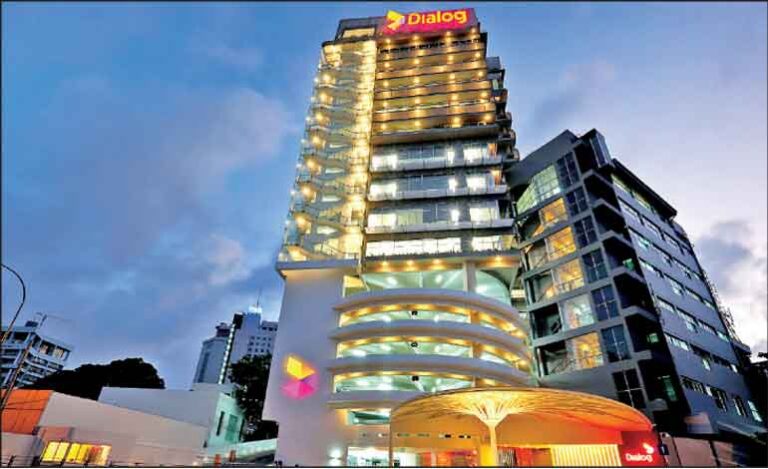
Former President Ranil Wickremesinghe expressed support for the government’s economic programme in partnership with the IMF to strengthen Sri Lanka’s economy: Speaking at the opening of a new five-star hotel in Colombo, he praised the initiative: The event was attended by figures including Minister Vijitha Herath and Opposition Leader Sajith Premadasa, and marked a significant investment by a prominent gem businessman.
Foreign Minister Vijitha Herath invited nine newly appointed Ambassadors and a High Commissioner to attend Sri Lanka’s Independence Day celebrations: The diplomats, who recently presented credentials to President Anura Kumara Dissanayake, expressed interest in strengthening diplomatic ties and enhancing economic and trade relations with Sri Lanka: The Minister agreed to review potential new agreements to support these initiatives.
The Ministry of Finance, Planning and Economic Development announced a reduction in the Special Commodity Levy on imported big onions from Rs. 30 to Rs. 10 per kilo, effective until December 31, 2024: However, the levy on imported potatoes will remain unchanged at Rs. 60 per kilo: These changes were initially introduced in a gazette notification on October 2, 2024.
Senior Economic Advisor Duminda Hulangamuwa stated that the new government is encouraging the private sector to lead economic development while retaining control over strategic public sectors: Discussing state-owned enterprise (SOE) restructuring, he emphasised a careful approach, analysing which SOEs burden the treasury: He also mentioned ongoing efforts to restructure SriLankan Airlines’ finances, ensuring the country’s priorities come first.
The Vehicle Importers’ Association of Sri Lanka is confident that vehicle imports will resume in February 2025: During a press briefing, the association announced upcoming discussions with the President to ensure a smooth process: The President and the Central Bank of Sri Lanka have promised support, while the IMF has also granted approval for the resumption of imports.
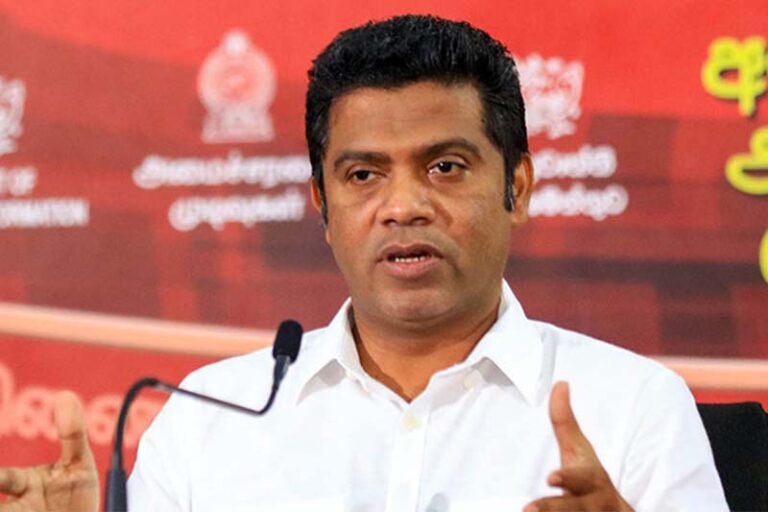
Prime Minister Dr. Harini Amarasuriya emphasised that combating the drug problem requires inspiring positive change in children and youth, not just relying on laws: Speaking at the 2024 All-Ceylon Art and Animation Video Competition, she highlighted the urgent need for a comprehensive program to address drug addiction and rehabilitation, alongside strong law enforcement efforts to combat drug trafficking.
The Ceylon Electricity Board (CEB) will submit a revised electricity tariff proposal to the Public Utilities Commission of Sri Lanka (PUCSL) on December 6th: CEB spokesperson Eng. A.D.K. Parakramasinghe confirmed the report is nearly complete: Previously, the CEB proposed a 6-11% tariff reduction for the last quarter of 2024, but the PUCSL rejected it, requesting a revision for the first half of 2025.
Sri Lanka dropped to 5th place in the WTC 2023-25 standings after a heavy 233-run defeat to South Africa in the first Test, with a points percentage of 50%: South Africa moved to 2nd place, with Marco Jansen’s match-winning figures of 11/86 earning him Player of the Match: India remains top, while South Africa trails with 59.26%.
December 01, Colombo (LNW): In a groundbreaking diplomatic gesture, Julie Chung, U.S. Ambassador to Sri Lanka, visited the Bank of Ceylon (BOC) Head Office on November 19, 2024.
This significant visit facilitated an important interaction between the newly appointed Chairman, Kavinda de Zoysa, and Ambassador Chung.
The Ambassador was warmly welcomed by Chairman de Zoysa, General Manager/CEO Russel Fonseka, and other senior leadership of the Bank.
The occasion provided an opportunity to showcase BOC’s role as Sri Lanka’s largest financial institution and emphasize its strategic initiatives, such as women’s empowerment, youth development, financial inclusion, and digital transformation.
This US Diplomat’s visit to Sri Lanka’s largest financial institution highlighted the Bank’s strategic focus areas, including women’s empowerment, youth development, financial inclusion and digital transformation
While foreign diplomats’ visits to local banks are not common, this one stands out due to the context of U.S.-Sri Lanka relations and the ongoing economic challenges faced by the country.
The Bank of Ceylon, being the largest and most influential state-owned bank in the country, plays a central role in Sri Lanka’s financial and economic activities.
The visit by a U.S. ambassador could signal enhanced collaboration on economic development, including financial inclusion and support for restructuring Sri Lanka’s debt crisis.
The U.S. has historically been involved in supporting financial systems and governance improvements in Sri Lanka, which could align with such engagements at key institutions like the BOC.
It’s possible the visit also underscored the strategic importance of strengthening economic ties and fostering business exchanges as Sri Lanka continues to navigate its recovery.
As Sri Lanka navigates its financial restructuring, the visit suggests potential U.S. support for enhancing economic development, including debt restructuring and financial system improvements.
The Bank of Ceylon’s pivotal role in Sri Lanka’s economy was highlighted, along with its status as a global ‘Top 1000 Bank’ and its leadership in gender equity, with women comprising 60% of its workforce.
The discussions also focused on the bank’s digital transformation, youth empowerment efforts, and innovations that are driving economic growth.
During the visit, Ambassador Chung toured the bank’s museum and interacted with notable BOC athletes and the Bank’s Best Branch Manager of 2023.
Chairman de Zoysa expressed his honor in hosting the Ambassador, emphasizing the shared goals of promoting economic growth, innovation, and sustainability, with the U.S. being Sri Lanka’s top export market.
With over 2,300 touchpoints globally, including branches in India, the Maldives, and Seychelles, as well as a subsidiary in London, BOC remains a leader in both modern banking solutions and maintaining its rich legacy of excellence.
December 01, Colombo (LNW): By 2024, Sri Lanka’s hotel industry is set to generate US$180.40 million in revenue, with expectations to grow at a compound annual growth rate (CAGR) of 11.17%, reaching US$306.30 million by 2029.
The country is forecasted to welcome 2 million tourists in 2024, bringing the sector close to pre-pandemic levels. This surge is expected to contribute approximately $3.5 billion to foreign exchange reserves, supporting the nation’s economic recovery.
The Sri Lankan government is prioritizing tourism development, implementing strategic initiatives to boost the sector.
Hotels across the country are increasingly adopting sustainable practices, offering nature-focused experiences, and integrating innovative technologies. These include AI-driven customer service, contactless check-ins, and personalized guest experiences powered by IoT devices.
M. Shanthikumar, President of the Hotels Association of Sri Lanka (THASL), addressed policymakers at the association’s 59th anniversary celebrations, providing a candid assessment of the sector’s challenges and the need for immediate policy intervention.
He emphasized the crucial role of the hotel industry, which contributes significantly to Sri Lanka’s economy, noting US$15 billion in infrastructure investments and the employment of 70% of the tourism workforce.
Shanthikumar pointed out that the sector is the second-largest foreign exchange earner for the country, surpassing apparel, and urged for new, robust policies.
He highlighted the industry’s ongoing struggles, including the impact of the 2019 Easter attacks, the COVID-19 pandemic, and the economic crisis. Despite these setbacks, the sector has shown resilience and is poised for further recovery.
The THASL President called for the tourism industry to be granted export status to better reflect its foreign exchange contribution and multiplier effect on the local economy.
He also voiced concerns over the informal accommodation sector, which he believes rivals the formal sector in room numbers. He stressed the need for regulation to ensure safety, proper licensing, and tax compliance.
Shanthikumar also criticized recent increases in liquor license fees and turnover-based taxes, calling them unfair burdens on hoteliers.
He argued that the disparity in tax treatment between the hotel industry and other high-earning sectors, like banking and supermarkets, is a longstanding issue that needs addressing.
Another significant challenge facing the industry is the acute shortage of skilled and unskilled workers. Shanthikumar urged the Sri Lanka Institute of Tourism and Hotel Management (SLITHM) to ramp up training programs, particularly targeting women and youth in rural areas.
The underrepresentation of women in the hospitality workforce was also highlighted as an area for improvement.
The lack of a global tourism campaign for the past 15 years has hindered Sri Lanka’s competitiveness, according to Shanthikumar.
He pointed out that rival destinations such as the Maldives, Vietnam, Thailand, and Malaysia have implemented effective marketing strategies in key source markets. He called for urgent action to roll out a new global campaign to meet tourist arrival targets.
In closing, Shanthikumar recommended the establishment of an inter-ministerial committee, led by the President, to ensure cohesive decision-making across the 18 ministries involved in tourism.
While commending the efforts of the new Tourism Minister and SLTDA Chairman, he stressed the need for comprehensive and sustainable policy development to support the industry’s long-term success.
December 01, Colombo (LNW): Sri Lanka’s High Commissioner to the United Kingdom, Rohitha Bogollagama, recently met with Marks & Spencer (M&S) Chairman Archie Norman, advocating for an expansion of the retailer’s supply chain in Sri Lanka.
Highlighting the country’s recent positive developments, Bogollagama emphasized Sri Lanka’s potential to become a key supplier of apparel, food products, and other exports to the UK market.
The High Commissioner proposed adding Sri Lankan food products—such as fresh fruits, processed goods, coconut-based items, and Ceylon Tea—to M&S’s sourcing portfolio. He underscored the country’s ability to supply high-quality fruits like mangoes, pineapples, avocados, durians, and soursop sustainably and year-round.
Bogollagama also addressed challenges facing Sri Lankan apparel exports, particularly the stringent rules of origin under the UK’s preferential trade concessions. He urged flexibility from the UK authorities, with the M&S Chairman expressing willingness to support the reconsideration of Sri Lanka’s requests.
Archie Norman reiterated M&S’s interest in consolidating operations across Asia, identifying Sri Lanka as a stable hub for its global supply chain. Additionally, he noted M&S’s efforts to integrate eco-friendly practices into its operations, referencing the “green” apparel factory in Sri Lanka managed by Brandix.
This factory, certified with a LEED rating by the US Green Building Council, employs 1,600 workers and exemplifies sustainable manufacturing. M&S aims to extend its environmental initiatives across its 600 retail outlets and integrate green branding for premium pricing of eco-friendly garments.
This engagement signals opportunities for Sri Lanka to strengthen its economic ties with one of the UK’s leading retailers, leveraging its expertise in sustainable production and high-quality exports.
Sri Lanka High Commissioner in the United Kingdom Rohitha Bogollagama this week met Marks & Spencer (M&S) Chairman Archie Norman and impressed upon him to expand the supply chain from Sri Lanka.
While briefing on the recent positive changes in Sri Lanka, High Commissioner Bogollagama stressed the importance of Sri Lanka being considered for multiple sources of exports to the UK and M&S, covering apparel and the food industry.
Today, M&S has grown to be a multifaceted retailer in the UK, with a gigantic platform for sourcing goods across the world, not only for clothing, fashion products, but also for food items.
High Commissioner Bogollagama invited M&S on the Sri Lanka supply chain to source food as a new area from Sri Lanka, including fresh fruits, processed food, coconut products, and Ceylon Tea being introduced through falling new investment.
With regard to the fresh fruits, the interest of M&S to develop trade links with Sri Lankan high-quality mango, pineapple, avocado, durians, and soursop, and to connect with the M&S supply chain to be sustainable as well as with a year-round supply was mentioned.
December 01, Colombo (LNW): Sri Lanka will extend the suspension of parate right execution by banks until June 2025, according to Economic Development Deputy Minister Prof. Anil Jayantha Fernando. This measure, first implemented to support struggling businesses, comes as the government continues analyzing bank loans.
Fernando revealed that discussions with banks have emphasized rehabilitating debtors’ businesses rather than asset seizures that could lead to closures. Loans are being reviewed based on their value and corresponding securities, with findings showing a mix of inactive businesses and intentional defaulters. The analysis is expected to guide future policy, but until its completion, the suspension will be extended by six months.
The debate over the Parate Law, which allows banks to seize collateral without court intervention, reflects the tension between ensuring banking stability and aiding distressed enterprises. Initially halted in June 2024, the law’s suspension followed appeals from borrowers, especially small and medium enterprises (SMEs), and was set to expire on 15 December 2024.
However, the International Monetary Fund (IMF) has called for its reinstatement, warning that prolonged suspension hinders banks’ ability to manage non-performing loans (NPLs) and price credit risks, potentially destabilizing the financial system.
Central Bank Governor Dr. Nandalal Weerasinghe has echoed these concerns, emphasizing the law’s importance for effective debt recovery, particularly as the nation undergoes broader debt restructuring.
He argues that suspending the law discourages lending and weakens banking resilience, suggesting that borrower relief should come from taxpayer-funded programs rather than jeopardizing depositors’ funds.
Conversely, the SME sector argues that the Parate Law exacerbates their challenges. SMEs, vital to Sri Lanka’s economy, have sought a one-year suspension to stabilize their operations. They propose measures such as restructuring loans based on cash flow, concessionary interest rates, and reforms ensuring accurate property valuations and consumer protection.
Additionally, they urge banks to distinguish between “wilful” and “non-wilful” defaulters, advocating fairer debt recovery processes.SMEs have warned that rigid enforcement could lead to insolvencies, worsening economic instability. They also highlight the need for banks to incur higher costs during property seizures to prevent significant government revenue losses.
The debate underscores competing priorities in Sri Lanka’s recovery efforts. While banks need solvency to sustain credit, SMEs are critical for employment and innovation. A balanced solution, such as targeted reforms to the Parate Law, could protect depositors while offering viable businesses a chance at recovery.
As the extended suspension nears its new deadline, policymakers must craft a long-term strategy that fosters both financial stability and economic inclusivity, addressing the needs of all stakeholders in Sri Lanka’s path to recovery.
December 01, Colombo (LNW): Opposition Leader Sajith Premadasa has stressed the importance of global unity in securing justice for the Palestinian people, transcending all divisions of party, nationality, religion, and class.
Speaking at the United Nations Day for Solidarity with the Palestinian People conference, held at the Lakshman Kadirgamar Centre in Colombo, Premadasa called for a shift from mere words to meaningful action.
He passionately asserted that, in the name of humanity, Palestinians are entitled to justice, and that this can only be achieved through tangible collaboration with the international community.
The Opposition Leader made it clear that it is not enough to simply speak in support of Palestine; concrete steps must be taken to address the ongoing suffering of its people.
Premadasa reiterated his steadfast support for Palestinian rights, condemning what he described as the state terrorism that continues to inflict harm on Palestinian civilians.
He expressed his firm opposition to the bombing of civilian areas and called on global leaders to back their statements of solidarity with real, decisive measures that would help bring an end to the violence.
Furthermore, Premadasa highlighted the need for a future where both Israel and Palestine can live side by side in peace, founded on mutual respect, brotherhood, and reconciliation.
He called for an international effort to ensure the Palestinians’ fundamental right to live in dignity is protected, urging the world to take concrete steps toward a lasting solution to the ongoing conflict.
In his address, Premadasa made it clear that true solidarity with Palestine requires more than just verbal support; it requires the mobilisation of resources and political will to end the suffering of the Palestinian people and to work towards a peaceful resolution that guarantees justice and security for all.
December 01, Colombo (LNW): The Ministry of Finance, Planning and Economic Development has announced a temporary reduction in the Special Commodity Levy on imported big onions, dropping it from Rs. 30 to Rs. 10 per kilogramme.
This adjustment will remain in effect until December 31, 2024.
At the same time, the levy on imported potatoes will stay unchanged at Rs. 60 per kilogram, according to the Ministry’s latest statement.
This decision follows a gazette notification issued on October 2, which initially imposed a Special Commodity Levy of Rs. 30 on each kilogramme of imported big onions, while a levy of Rs. 60 per kilogramme was set for imported potatoes.
These levies were meant to be effective until November 30, 2024, but the recent move to reduce the onion levy is aimed at easing the financial burden on consumers in light of ongoing market conditions.
The reduction in the levy on onions is expected to lower prices for consumers, providing some relief in the face of rising food costs. However, with the levy on potatoes remaining unchanged, the government has indicated its stance on maintaining stability in pricing for this commodity.
December 01, Colombo (LNW): The ongoing severe weather spawned by a deep depression in the southwest Bay of Bengal has left over 143,000 people displaced, with many seeking refuge in temporary shelters or with relatives, the Disaster Management Centre (DMC) disclosed.
As of the latest reports, 116,209 individuals from 45,418 families are sheltering with relatives, with 27,517 people from 8,470 families being referred to 229 relief centres.
The disaster has severely impacted various regions, with widespread damage to homes and infrastructure.
A total of 103 houses have been completely destroyed, while 2,635 have suffered partial damage. Overall, 479,871 people from 142,624 families across 24 districts have been affected by the extreme weather conditions, which show no sign of abating.
Heavy rainfall, triggered by the deep depression in the Bay of Bengal, has caused significant flooding in several provinces, forcing the opening of sluice gates at multiple reservoirs, including Deduru Oya, Per Aru, Ulhitiya Rathkinda, Polgolla, Nachchaduwa, Rajanganaya, Kalawewa, and Weheragala.
The downpours have had a major impact on transportation networks as well. The Colombo-Batticaloa main road, which had been closed due to the overflow of the Mahaweli River, has now reopened to light traffic.
However, the railway track in the Uduwara area of Hali Ela remains obstructed by soil and rocks, delaying train services between Badulla and Ella.
The authorities have issued flood risk advisories for several river basins, including Kala Oya, Malwathu Oya, Heda Oya, Deduru Oya, Mahaweli River, and Mundeni Aru. People in these areas are urged to remain alert, as water levels continue to rise.
Sadly, the death toll from the adverse weather has now reached 17, with 20 people reported injured. In addition, the National Building Research Organisation (NBRO) has issued active landslide warnings for 72 Divisional Secretariat Divisions across nine districts, including Kandy, Badulla, Kegalle, Matale, and Nuwara Eliya.
Senior Geologist Wasantha Senadheera highlighted that Stage 2 landslide warnings are in effect for 43 divisions in these districts, with warnings set to remain valid until 4:00 p.m. today, December 01.
December 01, Colombo (LNW): South Africa delivered a commanding performance in the first Test against Sri Lanka, securing a resounding 233-run victory in Durban on Saturday (30), and catapulting themselves into second place in the World Test Championship (WTC) standings.
Marco Jansen was the star of the match, claiming impressive match figures of 11/86 and playing a pivotal role in South Africa’s victory.
Sri Lanka, who began the Test in third place in the WTC 2023-25 points table with a points percentage of 55.56%, suffered a heavy defeat, slipping to fifth with a points percentage of 50%.
The loss left them with a significant task ahead as they attempt to recover from their poor performance.
Jansen was rightfully named Player of the Match for his extraordinary contribution. His all-round performance, including key breakthroughs and relentless pace, helped propel South Africa into second place in the WTC standings, ahead of Australia.
With a points percentage of 59.26%, South Africa have won five of their nine matches and now find themselves on the cusp of securing a place in next year’s WTC final in London.
India, who continue to dominate the standings with a points percentage of 61.11%, remain in the top spot.
Having entered the series in fifth place with a points percentage of 54.17%, South Africa gained more than five percentage points with this victory, advancing three places in the table.
They are now just behind India, who recently reclaimed the No. 1 spot after a crushing 295-run win over Australia in the first Test of their ongoing series.
Australia (57.69%) and WTC 2021 champions New Zealand (54.55%) round out the top five.
Tasked with chasing an improbable 516 to win, Sri Lanka’s batting line-up folded under pressure, despite some resistance from Dinesh Chandimal and Dhananjaya de Silva. Starting Day 4 at 103/5, Sri Lanka’s slim hopes rested on their two senior batsmen.
The pair managed a brief revival, putting on a 95-run partnership for the sixth wicket, with de Silva contributing a well-made 59. However, once he fell to Keshav Maharaj’s spin, the pressure mounted once more.
Chandimal, who showed grit throughout the innings, was eventually dismissed for 83 after a 75-run partnership with Kusal Mendis, who made a fighting 48. With Jansen continuing to wreak havoc, Mendis fell to the paceman, and Sri Lanka’s tail was quickly exposed.
Gerald Coetzee cleaned up the lower order, and South Africa sealed the comprehensive victory.
Earlier in the match, Sri Lanka’s decision to bowl first after winning the toss seemed promising, but their batting collapse in response to South Africa’s modest 191 in the first innings proved costly. Jansen’s blistering pace tore through Sri Lanka’s batting line-up, as they were bowled out for just 42 in 13.5 overs.
South Africa took full advantage of the situation, declaring their second innings at 366/5, with Temba Bavuma scoring an aggressive 113 and Tristan Stubbs contributing a valuable 122 off 221 balls.
With a 1-0 series lead, South Africa will now look to close out the series in the second Test, set to begin on December 5. Sri Lanka, reeling from this heavy defeat, will need to regroup quickly if they are to challenge the hosts in the remaining matches.
December 01, World (LNW): Adani Group founder Gautam Adani has publicly addressed the latest allegations from U.S. authorities, which accuse him and key members of his conglomerate of involvement in a $265 million bribery scheme.
This marks the second significant scandal to rock the Adani empire in under two years, further compounding the troubles surrounding the group, which has faced growing scrutiny over its business practices.
Speaking at an awards ceremony in Jaipur on Saturday, Adani dismissed the allegations as unfounded, asserting that his conglomerate remains dedicated to maintaining “world-class regulatory compliance.”
However, his defiant remarks come at a time when the Adani Group is grappling with both financial and reputational turmoil. The U.S. indictment accuses Gautam Adani, his nephew Sagar Adani, and Vneet S. Jaain, managing director of Adani Green Energy, of orchestrating a bribery scheme aimed at securing lucrative power contracts in India.
The charges also allege that they misled U.S. investors during fundraising efforts, further damaging the group’s credibility on the international stage.
The fresh scandal comes hot on the heels of other serious controversies that have shaken the conglomerate in recent months. Notably, one Indian state has put a key power deal with Adani on hold, while France’s TotalEnergies has paused its investments in the group, citing concerns over governance and transparency.
Additionally, the scandal has triggered political upheaval in India, with lawmakers raising uncomfortable questions in parliament about the group’s business practices and its ties to political elites.
Adani’s response, delivered in a speech that appeared to downplay the gravity of the situation, hinted at his belief that challenges and allegations only serve to strengthen the group.
“Every attack makes us stronger and every obstacle becomes a stepping stone for a more resilient Adani Group,” the business giant stressed, without directly addressing the specifics of the charges against him.
His words did little to quell the growing concerns regarding the group’s operations, both domestically and internationally. In a market already reeling from the impact of previous scandals, Adani Group’s listed companies have seen as much as $34 billion wiped off their combined market value.
Whilst the group’s stock has partially recovered, aided by support from some investors, questions remain about the long-term sustainability of the conglomerate’s growth in light of the ongoing allegations.
As the legal processes unfold, the Indian government has yet to issue any formal response to the U.S. case.