Home Blog Page 561

Sixteen Years Since the Guns Fell Silent: Sri Lanka Prepares to Honour End of Civil Conflict

0

By: Isuru Parakrama

May 18, Colombo (LNW): Today marks sixteen years since the curtain fell on one of South Asia’s most protracted and devastating internal conflicts.

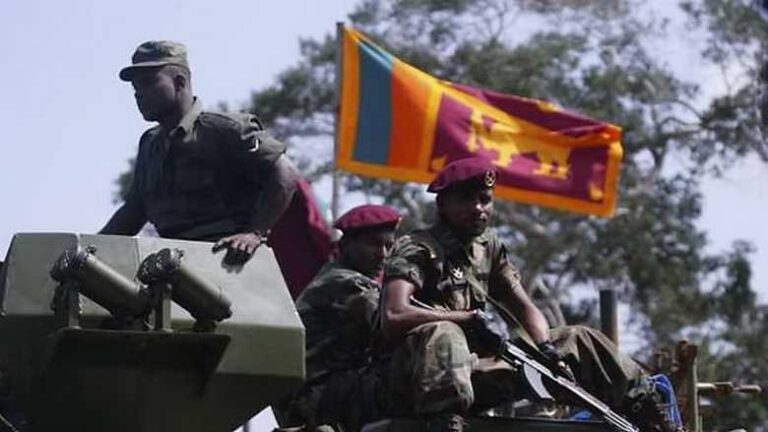
The civil war in Sri Lanka, which claimed tens of thousands of lives and left deep scars on the island nation, drew to a close on May 18, 2009, following the death of Velupillai Prabhakaran, the long-time leader of the separatist Liberation Tigers of Tamil Eelam (LTTE).

The final act of the conflict unfolded near the Nandikadal Lagoon in the island’s north-east, where government forces neutralised the LTTE’s remaining leadership. With this, a brutal campaign for a separate Tamil state, which had raged across the island for over three decades, came to an end.

For many in the country, this was a moment of profound relief and fragile hope — ushering in a new era fraught with both promise and the daunting task of reconciliation.

Whilst the conflict’s conclusion has often been portrayed as a military triumph, it also signified a massive civilian rescue effort. In the final stages of the war, government troops undertook what officials described as one of the largest humanitarian missions in modern warfare, freeing thousands of civilians who had been trapped in the crossfire or used as human shields.

The legacy of the war remains deeply complex. For some, the security forces are regarded as national protectors who safeguarded the country’s sovereignty. For others, particularly in the Tamil-majority Northern and Eastern provinces, the final months of the war still stir painful memories of displacement, loss, and unresolved questions around accountability and justice.

To mark the sixteenth anniversary of the conflict’s end, a national ceremony is set to take place on 19 May at the National War Hero Cenotaph in Sri Jayawardenepura Kotte. Scheduled from 4:00 p.m. to 6:00 p.m., the event will be held under the patronage of Retired Major General Aruna Jayasekara, the current Deputy Minister of Defence.

Amongst the invited dignitaries are key military figures who played pivotal roles in the final phase of the war, including Field Marshal Sarath Fonseka, Admiral of the Fleet Wasantha Karannagoda, and Marshal of the Air Force Roshan Goonetileke.

This annual remembrance, widely referred to as National War Heroes’ Day, has grown into a highly symbolic observance that celebrates the end of the insurgency, whilst honouring those who served in uniform.

As part of the commemorations, the Patriotic National Front held a press briefing on the eve of the anniversary, encouraging citizens to display the national flag at their homes as an expression of unity and national pride.

Yet as the country prepares to pay tribute to those who shaped the outcome of the conflict, the anniversary also prompts reflection on the path ahead. Sixteen years on, many are calling for a more inclusive national dialogue that can reconcile differing narratives of the war — and ensure that peace is not only preserved but also made meaningful for all Sri Lankans, regardless of ethnicity, language, or political allegiance.


South-West monsoon conditions indicate gradual establishment across island (May 18)

0

May 18, Colombo (LNW): South-West monsoon conditions are gradually getting established over the island, the Department of Meteorology said in its daily weather forecast today (18).

Cloudy skies can be expected over most part of the island.

Showers or thundershowers will occur at times in Western, Sabaragamuwa, North-western, Northern and North-central provinces and in Galle and Matara districts.

Fairly heavy falls above 75 mm are likely at some places in Western, Sabaragamuwa, North-western and Northern provinces.

Showers or thundershowers may occur at several places elsewhere of the island during the evening or night.

Fairly strong winds of about (30-40) kmph can be expected at times over North-western, North-central, Northern and Southern provinces and in Trincomalee district.

The general public is kindly requested to take adequate precautions to minimise damages caused by temporary localised strong winds and lightning during thundershowers.

Marine Weather:

Condition of Rain:
Showers or thundershowers will occur at several places in the sea areas around the island.

Winds:
Winds will be westerly to south-westerly and wind speed will be (30-40) kmph. Wind speed can increase up to (55-60) kmph at times in the sea areas off the coast extending from Matara to Pottuvil via Hambanthota.
Wind speed can increase up to 50 kmph at times in the sea areas off the coast extending from Matara to Batticaloa via Colombo, Mannar, Kankasanthurai and Trincomalee .

State of Sea:
The sea areas off the coast extending from Matara to Pottuvil via Hambanthota will be rough at times.
The sea areas off the coast extending from Matara to Batticaloa via Colombo, Mannar, Kankasanthurai and Trincomalee will be fairly rough at times.

The swell waves height may increase (about 2.0–2.5 m) in the sea areas off the coast extending from Kaluthara to Pottuvil via Galle and Hambantota (this is not for land area).

Temporarily strong gusty winds and very rough seas can be expected during thundershowers.

BREAKING! Former Presidential Aide Survives Apparent Shooting Attempt in Colombo

0

May 17, Colombo (LNW): Former high-ranking government official Thusitha Halloluwa and his legal counsel, Dinesh Dodangoda, narrowly escaped an apparent shooting attempt in Colombo tonight (17), in what appears to be a politically charged act of intimidation.

The incident occurred near Dabare Mawatha in Narahenpita as the two were returning from the official residence of President’s Counsel Anuja Premaratne.

According to reports, unidentified assailants attempted to open fire on the vehicle carrying Halloluwa and Dodangoda. However, the weapon used is believed to have jammed, allowing the two men to escape by fleeing the vehicle.

Whilst no injuries were reported, the attackers reportedly made off with a collection of documents left inside the car before vanishing from the scene.

Speaking to LNW shortly after the incident, both Halloluwa and Dodangoda confirmed they were unharmed but visibly shaken by the ordeal.

Halloluwa, a seasoned figure in Sri Lanka’s political and public relations spheres, has long-standing ties to several administrations. His roles have included coordinating officer to various cabinet ministers during former President Chandrika Bandaranaike Kumaratunga’s tenure, Chief of Staff to Mangala Samaraweera during his time as Finance Minister, and Director General of Public Relations under President Ranil Wickremesinghe.

In recent weeks, Halloluwa has been thrust back into the public spotlight following controversial remarks he made about an alleged investment linked to President Anura Kumara Dissanayake.

The statement drew considerable media scrutiny and political backlash, fuelling speculation that his remarks may have contributed to the violent attempt on his life.

Veteran Journalist and IFWJ President Dr. K. Vikram Rao Passes Away

0

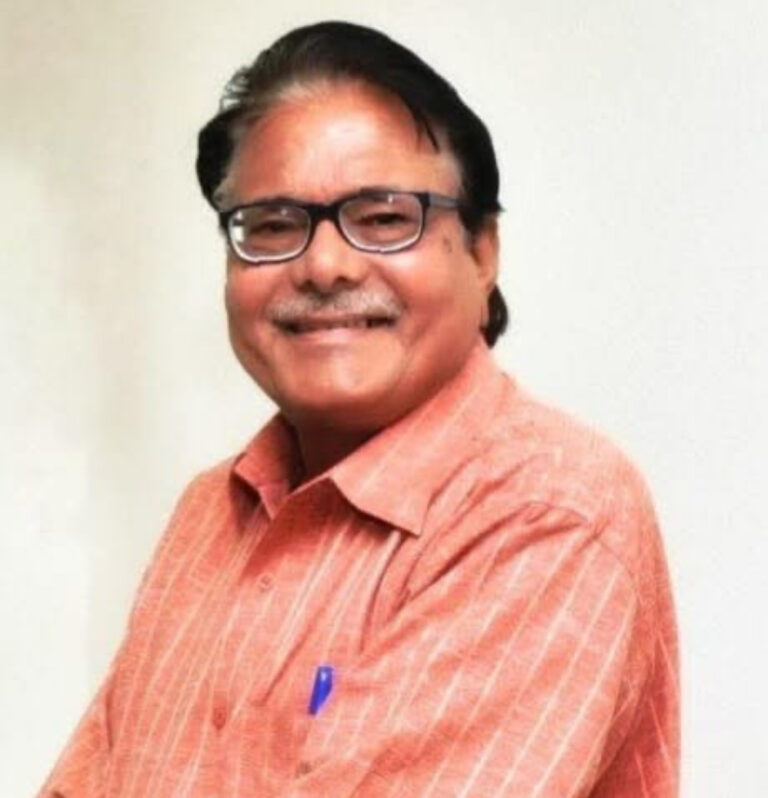
Dr. K. Vikram Rao, a senior journalist and the National President of the Indian Federation of Working Journalists (IFWJ), passed away in Lucknow. He died following complications from a respiratory condition.

A stalwart in Indian journalism, Dr. Rao dedicated his life to the profession, upholding its principles and championing public interest. Over a career spanning more than four decades, he served as a journalist, editor, columnist, academic, and a vocal international advocate for press freedom.

His son, journalist K. Vishwadev Rao, confirmed the news with a heartfelt message: “It is with profound grief I have to inform you that my beloved father, Dr. K. Vikram Rao, a senior journalist and the National President of the Indian Federation of Working Journalists (IFWJ), breathed his last this morning at a private hospital in Lucknow, following complications related to a respiratory condition.”

Dr. Rao once led the IFWJ, considered one of the largest journalist unions globally. While he was widely respected for his leadership, clarity of vision, and resilience, his legacy also sparked debate. Some within the media community noted that shifts in his political stance—from socialist ideals to a more right-leaning worldview—coincided with a weakening of journalists’ collective bargaining power and a growing disillusionment with media unions.

Despite this, many remember him as a tireless organizer and a powerful voice in the trade union movement. One tribute read, “My salutes to an old comrade and a leader who had immense organizing capabilities. Shanti shanti.”

The Indian media fraternity mourns the loss of a complex yet deeply committed figure who shaped the landscape of journalistic trade unionism in the country.

Asian Media and Cultural Association Chairman Upul Janaka Jayasinghe, issuing a statement on the passing of Dr. Vikram Rao, stated that Mr. Vikram Rao played a key role in strengthening media cooperation between Sri Lanka and India and opened doors for Sri Lankan journalists to visit India.

SLAAQP Unveils NCQP 2025: Sri Lanka’s Premier Platform for Quality and Productivity Excellence

0

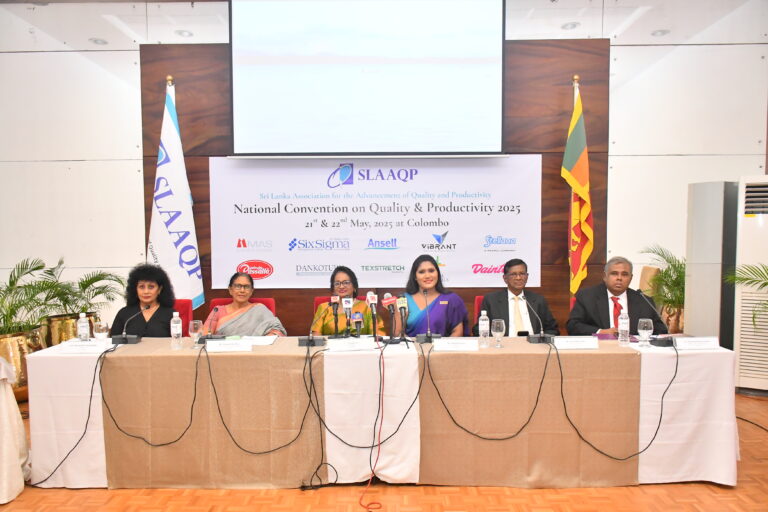
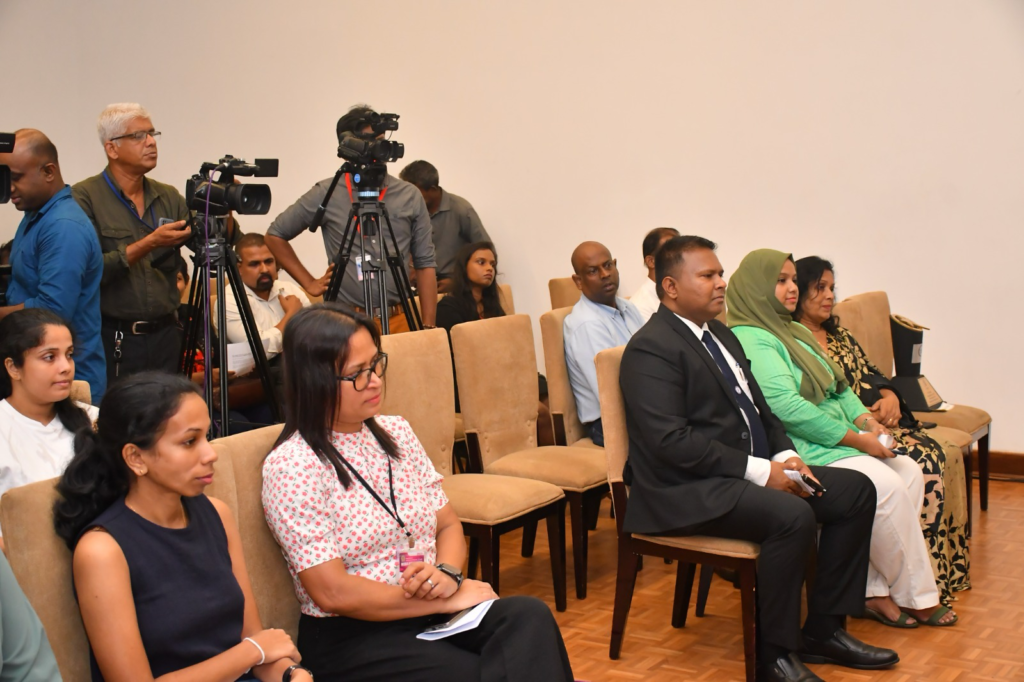
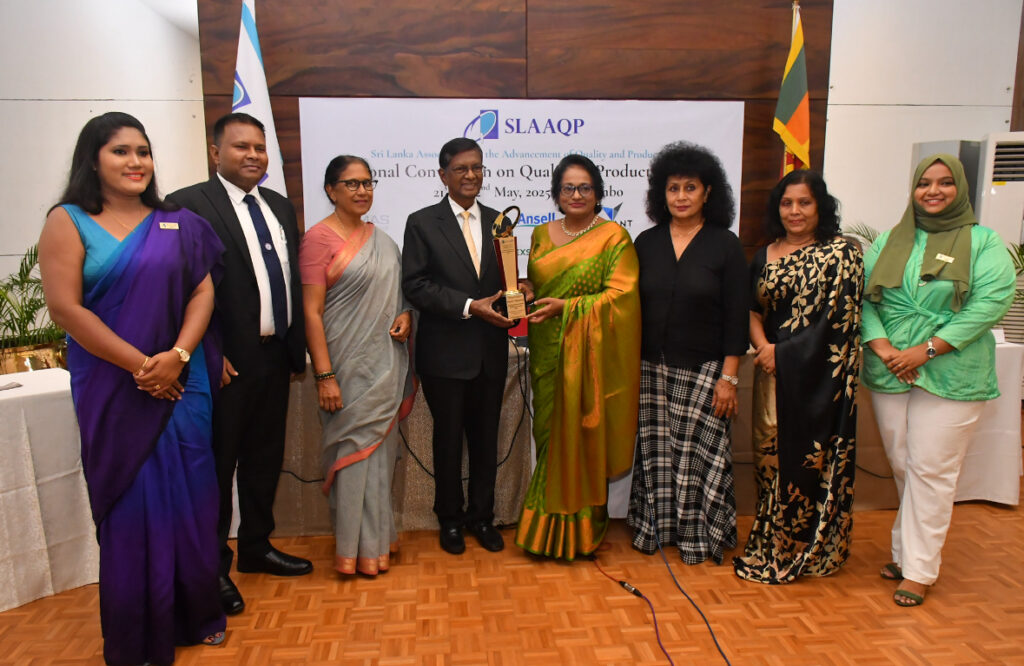
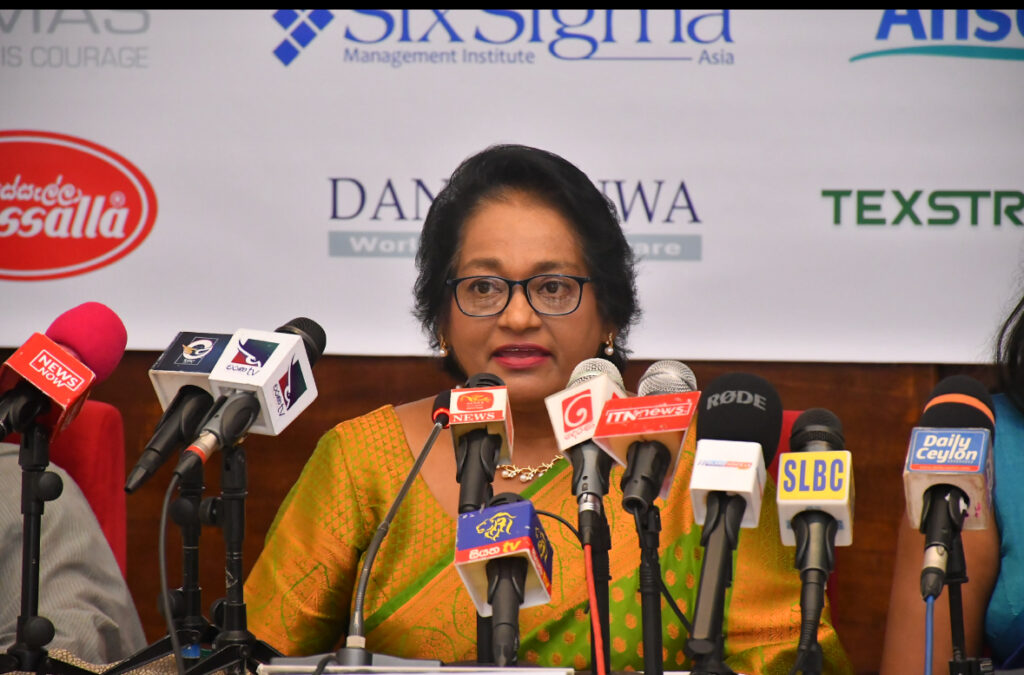
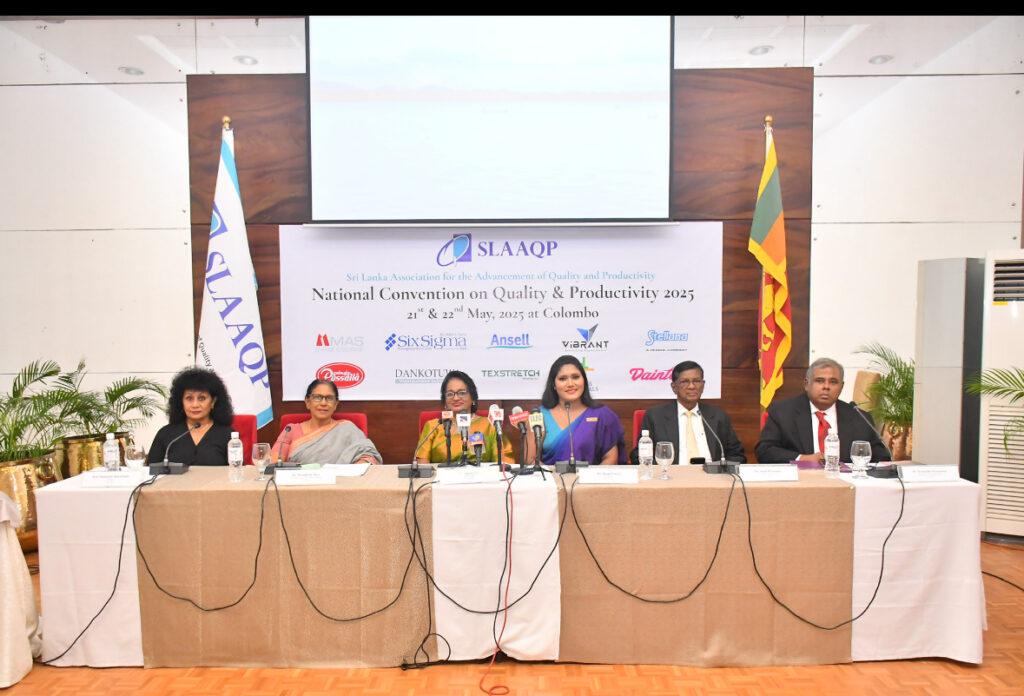
Rashika Hennayake , 17 May LNW : The Sri Lanka Association for the Advancement of Quality and Productivity (SLAAQP) has announced the highly anticipated National Convention on Quality and Productivity (NCQP) 2025 during a media conference held at BMICH, Colombo. Scheduled for 21st and 22nd May at the Mount Lavinia Hotel, Colombo, the convention will bring together over 440 teams from more than 70 companies, each showcasing innovative approaches and achievements in quality and productivity enhancement. This event is set to be the largest gathering of quality professionals in the country.

Established in 1996 as the successor to the Quality Circle Association of Sri Lanka, SLAAQP has been a driving force in advancing the nation’s standards in quality and productivity. “The NCQP is not just a convention; it is a celebration of collective ingenuity and perseverance. It is the only national platform that empowers participants at all organisational levels, especially shop-floor teams, to share their success stories and innovations,” remarked Dr Surani Dias, President of SLAAQP.

This year’s convention is centred around the theme “Beyond Boundaries: Quality, Productivity, and Innovation for Market Competitiveness”. It features an impressive array of programmes, including Quality Control Circles (QCCs), Quality Improvement Projects (QIPs), Lean Six Sigma (LSS), Cross-Functional Teams (CFTs), and Kaizen practices.

“Our mission at SLAAQP is guided by the belief that continuous improvement is not an option but a necessity. By fostering a culture of innovation and excellence, we equip Sri Lankan organisations with the tools to thrive in a competitive global landscape,” Dr Dias emphasised.

A notable highlight of NCQP 2025 will be the introduction of the Sunil G. Wijesinha Quality Control Circle Excellence Award 2025. Named in honour of SLAAQP’s founding president and a pioneer in Sri Lanka’s productivity movement, this accolade represents the highest recognition of technical excellence, innovation, sustainability, and measurable impact in productivity initiatives.

Chairperson of NCQP 2025, Ms Piumi Perera, expressed her enthusiasm for the event and the new honour: “This award is a tribute to teams that exemplify the transformative power of quality and productivity initiatives. It underscores the potential of Sri Lankan organisations to excel not only locally but also on the global stage.”

Importantly, the winning teams of NCQP 2025 will also earn the opportunity to represent Sri Lanka at the International Convention on Quality Control Circles 2025 in Taipei, Taiwan, a prestigious regional platform featuring 14 participating countries across Asia.

In addition to NCQP, SLAAQP has launched several strategic initiatives to strengthen its impact. These include the Total Quality Management (TQM) Excellence Award, Green Productivity Awards, and its second annual research conference, set to take place on 30th July 2025. The research conference will provide a platform for knowledge sharing and the dissemination of innovative practices, fostering a collaborative environment for professionals across various sectors.

To further strengthen engagement with the business community, SLAAQP will host a business forum alongside the research conference. This forum will address critical industry issues, ensuring practical insights and solutions for its attendees.

Salt Crisis Sparks Public Outcry as Government Scrambles to Bridge Supply Gap

0

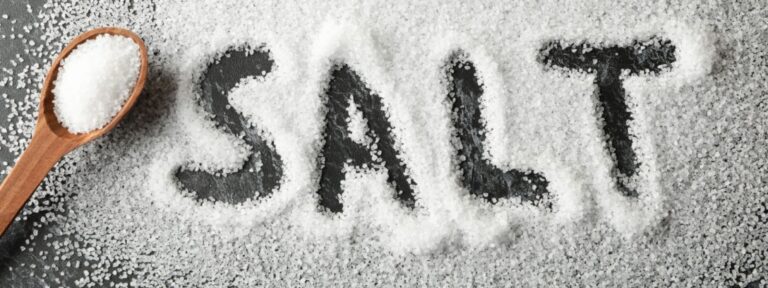
Sri Lanka is currently facing a significant salt shortage, triggering public frustration and sharp criticism of the government’s handling of the situation.

 Despite previous pledges to make the country self-sufficient in salt production and even begin exports, consumers and traders are now grappling with skyrocketing prices.

 Crystal salt is reportedly being sold at Rs. 450 to Rs. 500 per kilogram in some areas, prompting numerous complaints to the Consumer Affairs Authority (CAA) about inflated prices.

The crisis has stirred public anger, with many—especially housewives—lamenting that even a basic meal of rice, coconut, and salt is now unaffordable. This growing discontent has put pressure on the government to act swiftly.

In response, the Trade Ministry has announced the emergency importation of salt stocks, with shipments expected to arrive shortly.

CAA Chairman Hemantha Samarakoon acknowledged the importance of salt as a daily household item, though it has not been officially declared an essential commodity. He urged the public not to panic or create artificial demand, assuring that adequate supplies would soon be available if buying patterns remained normal.

Deputy Minister of Trade, Commerce and Food Security, R.M. Jayawardena, blamed the shortage partly on illegal hoarding by certain suppliers seeking to profit. He confirmed ongoing raids and market monitoring in collaboration with the CAA to curb such malpractice.

Jayawardena also clarified that only 15,000 metric tonnes (MT) of salt were approved for importation to address the supply gap, and about 10,000 MT have already arrived.

The shortage, he explained, stems from a production shortfall in 2024, when only 150,000 MT were produced against an annual national requirement of 180,000 MT. Continuous rainfall hampered salt harvesting, resulting in a 35,000 MT deficit.

The government maintains that imports are a temporary measure, aimed at stabilizing the market while boosting local production. Jayawardena assured that local salterns are now operating without weather-related disruptions, and the supply situation is expected to normalize soon.

However, Salt Producers’ Association Chairperson Ganaka Amarasinghe highlighted that government-approved stocks of non-iodised salt have not yet reached markets due to import delays.

 He said the promised 30,000 MT of imported salt has yet to arrive in full, exacerbating the shortage and pushing prices higher.

The government is under mounting pressure to fulfill its self-sufficiency goals and bring swift relief to consumers burdened by essential commodity price hikes.

CEB Proposes Tariff Hike amid Mounting Losses and IMF Pressure

0

The Ceylon Electricity Board (CEB) is set to propose a 20% electricity tariff hike to the Public Utilities Commission of Sri Lanka (PUCSL), aiming to recover mounting financial losses. The move aligns with the International Monetary Fund’s (IMF) insistence on cost-reflective pricing and automated tariff adjustments to stabilize the energy sector.

Recently, Professor Udayanga Hemapala, Secretary to the Ministry of Power and Energy, was appointed Acting Chairman of the CEB following Dr. Tilak Siyambalapitiya’s overseas leave. The leadership shift comes amid intensifying financial and operational challenges within the utility.

The IMF has criticized Sri Lanka’s existing tariff structure for failing to cover generation, transmission, and distribution costs. IMF Mission Chief Evan Papageorgiou noted the malfunctioning of the automatic pricing mechanism, which is vital for achieving long-term financial viability.

President Anura Kumara Dissanayake echoed these concerns in a televised interview, confirming a tariff increase in June and reiterating the necessity of cost-based pricing.

CEB reported an 18.2 billion rupee loss in the March 2025 quarter, driven by a sharp revenue drop to 93.9 billion rupees—a 44% decline from the previous year.

Meanwhile, cost of sales rose to 112.1 billion rupees. The losses followed a regulatory-imposed tariff cut that contradicted the CEB’s proposal and delayed Sri Lanka’s IMF program, which hinges on utility reforms to prevent further debt accumulation.

Increased reliance on intermittent renewable energy sources, which receive priority grid access, has added complexity. To manage fluctuations, CEB has proposed pump storage projects. Institutions like the Asian Development Bank have expressed willingness to fund grid upgrades and battery systems—on the condition that Sri Lanka implements cost-reflective tariffs.

Although energy generation costs fell in 2024 due to deflationary monetary policy and a stronger rupee reducing fuel import costs, financial stability remains fragile. The CEB also sold a power plant stake in 2024, realizing a capital gain of 26 billion rupees to reduce short-term debt and settle arrears with independent power producers.

However, even with other income, the operating loss for March 2025 stood at 15.5 billion rupees. Group-level net losses reached 16.9 billion rupees.

Repeated tariff cuts have strained not only the CEB but also state banks, with the central bank often intervening through money printing, leading to currency depreciation and compounding losses for both the CEB and the Ceylon Petroleum Corporation. These systemic issues threaten broader economic and monetary stability.

Adventure Tourism Set to Transform Sri Lanka’s Economy

0

Sri Lanka’s hiking and trekking tourism sector is on track for unprecedented expansion, with its market expected to grow from USD 780 million in 2025 to USD 2.1 billion by 2035. This marks an impressive compound annual growth rate (CAGR) of 10.5%, according to industry forecasts, and positions the island as a rising star in South Asia’s adventure and eco-tourism scene.

With global travelers increasingly drawn to immersive and sustainable experiences, Sri Lanka’s diverse natural landscapes—ranging from cloud-kissed highlands to lush rainforests—are becoming major attractions. A growing network of eco-lodges, national parks, and well-kept hiking trails is fueling a surge in nature-based tourism across the country.

Popular routes such as Adam’s Peak, the Knuckles Mountain Range, and Horton Plains remain top draws, while emerging trails in Ella, Belihuloya, and Nuwara Eliya are capturing global interest. Government efforts to promote sustainable tourism and improve rural infrastructure are further enhancing the appeal of Sri Lanka’s trekking destinations.

Boosting Local Economies and Preserving Nature

Beyond financial returns, the sector’s growth promises significant social and environmental benefits. The anticipated USD 2.1 billion market size by 2035 is expected to drive job creation in rural areas, particularly in the Central and Uva Provinces. Local communities stand to benefit through increased employment, conservation programs, and community-run hospitality ventures.

Tourism authorities are also embracing eco-tourism strategies that focus on protecting biodiversity, reducing carbon footprints, and educating travelers about Sri Lanka’s rich ecological heritage.

Trends Fueling the Trekking Boom

Key trends propelling the industry include the blending of trekking with wellness experiences such as yoga, meditation, and Ayurvedic retreats. Cultural and heritage-based hikes, including pilgrimages to ancient temples and colonial-era trails, are gaining popularity.

Additionally, Millennial and Gen Z travelers are driving demand for authentic, social media–worthy outdoor experiences. Their preferences, combined with rising investments in sustainable travel infrastructure, are shaping Sri Lanka into a prime destination for eco-conscious adventurers.

Challenges along the Trail

Despite its promising future, the sector faces several challenges. Inadequate infrastructure—such as poor signage, limited rest facilities, and under-maintained trails—poses safety risks and can hinder accessibility, especially for international tourists.

Remote hiking regions also lack sufficient emergency response systems, which may deter tour operators and high-value visitors. Environmental degradation, including littering, soil erosion, and wildlife disruption, threatens the sustainability of popular trails like Adam’s Peak and Ella Rock.

Moreover, the industry’s heavy reliance on the dry season (December to April) makes it vulnerable to climate variability. Monsoons and extreme weather events—worsened by climate change—limit access during off-peak months and disrupt visitor flows.

With strategic planning and continued investment in sustainable practices, Sri Lanka’s trekking tourism has the potential not only to thrive economically but also to preserve the island’s natural beauty for future generations.

Sri Lanka Seals US $930 Million Debt Deal with India, Boosting Recovery Efforts

0

The Government of Sri Lanka has reached a major milestone in its ongoing external debt restructuring process by signing Bilateral Amendatory Agreements with the Export-Import Bank (EXIM) of India, amounting to approximately $930.8 million. The agreements were finalized during two signing ceremonies held on 25 March and 3 April, involving senior officials from both nations.

These agreements cover the restructuring of seven Lines of Credit and four Buyer’s Credit Facilities, offering critical relief as Sri Lanka works to stabilize its economy after a severe financial crisis.

Representing Sri Lanka, Finance, Planning, and Economic Development Ministry Secretary Mahinda Siriwardana signed the agreements, while EXIM Bank of India General Manager Nirmit Ved and Deputy General Manager Amith Kumar signed on behalf of the Indian side.

In an official statement, Sri Lanka’s Finance Ministry described the signing as a key step in strengthening the “deep and longstanding” bilateral relationship between the two countries. It also acknowledged India’s central role in supporting Sri Lanka’s recovery, particularly during the height of the economic crisis.

India has not only co-chaired the Official Creditor Committee (OCC) with France and Japan but also extended emergency financial assistance to help Sri Lanka navigate through its fiscal challenges. The Ministry credited India’s leadership and constructive engagement as instrumental in helping the country regain stability and move toward sustainable debt levels.

The restructuring agreements with EXIM Bank are part of broader efforts by Sri Lanka to realign its external debt obligations with more manageable terms, following a historic default in 2022. These efforts are also tied to broader reforms under the guidance of international financial institutions.

Observers view the latest agreement as more than just a financial arrangement. It is also seen as a diplomatic achievement that reinforces regional cooperation and showcases India’s commitment to supporting its neighbor’s economic recovery.With these new terms in place, Sri Lanka is expected to gain increased fiscal breathing room to continue its economic reforms and development agenda. The move is anticipated to bolster investor confidence and further solidify India’s standing as a key strategic partner in the region

Sri Lankan Prime Minister Calls for Immediate Ceasefire in Gaza at Nakba Commemoration

0

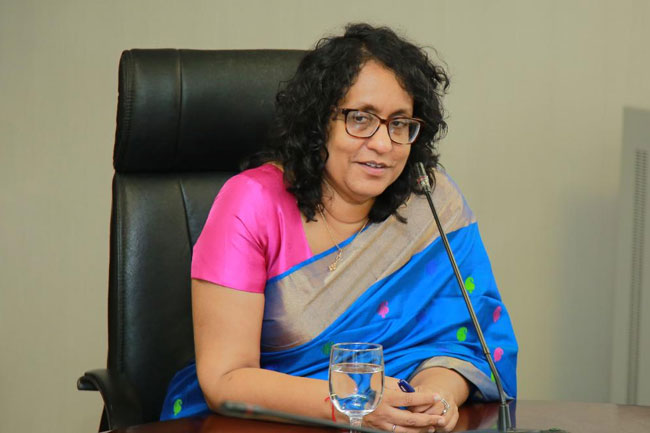
Prime Minister Dr. Harini Amarasuriya has called for an immediate ceasefire in Gaza and urged the lifting of the blockade to allow the delivery of food and medical aid to those suffering from starvation and illness.

The Prime Minister made these remarks while addressing a packed audience in Colombo on Thursday, May 15, at an event marking the 77th Anniversary of the Nakba, under the United Nations theme: “International Action Towards Ending the Nakba and Realizing the Inalienable Rights of the Palestinian People.”

The commemoration was organised by the Embassy of Palestine in cooperation with the Sri Lanka Committee for Solidarity with Palestine, and was presided over by Palestinian Ambassador Ihab I.M. Khalil.

The event was attended by a distinguished gathering, including Opposition Leader Sajith PremadasaMinister Bimal RathnayakeChairman of the Sri Lanka Committee for Solidarity with Palestine Jassim Jaber Al-SorourDean of the Diplomatic Corps Marc-André FrancheUN Resident CoordinatorSLMC Leader Rauff HakeemAll Ceylon Muslim Congress Leader Rishad Bathiudeen, and Gajendrakumar Ponnambalam.

Reaffirming Sri Lanka’s longstanding support for the Palestinian people, Prime Minister Amarasuriya reiterated the country’s consistent stance in favour of a two-state solution at both local and international fora.

Minister Bimal Rathnayake emphasized that the current context offers a timely opportunity for lawmakers to renew efforts to campaign for a free Palestinian state, while MP Rauff Hakeem stressed the importance of Sri Lanka taking a firm and unequivocal stand in support of Palestine on the world stage.

Deputy Speaker Dr. Rizvie Salih, also in attendance, condemned the ongoing violence, stating: “We are witnessing a human tragedy. This must stop immediately to prevent further loss of innocent lives—men, women, and children.”

The gathering served as a powerful reminder of the ongoing humanitarian crisis in Palestine and the need for sustained international solidarity and action.