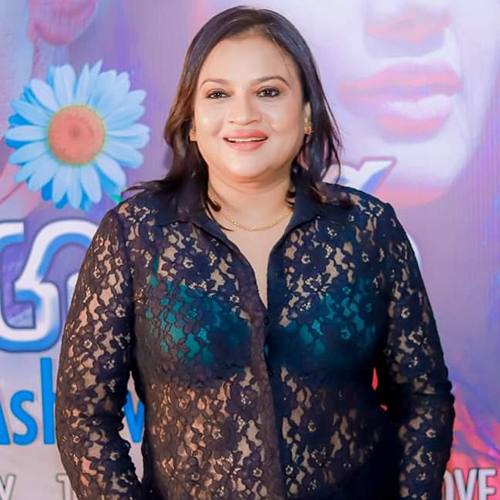
May 11, Colombo (LNW): Well-known Sri Lankan actress Semini Iddamalgoda has been arrested by officers of the Welikada Police in connection with a series of unresolved legal matters.
According to police sources, the arrest stems from seven outstanding warrants issued against her, reportedly linked to allegations involving financial misconduct.
While details surrounding the nature and timeline of the alleged offences remain limited, authorities have confirmed that the warrants relate to complaints of financial irregularities, which had been under investigation for some time.
Her apprehension was carried out earlier today following coordination between various units within the police service.
May 11, Colombo (LNW): Sri Lanka today joins the rest of the world in commemorating Mother’s Day, a heartfelt occasion dedicated to acknowledging the immeasurable role of mothers and maternal figures in shaping families and communities.
Observed annually on the second Sunday of May in many countries, this day serves as a moment of reflection, gratitude and affection for the women who nurture and guide with unwavering devotion.
The modern iteration of Mother’s Day traces its origins to the United States in the early 20th century. It was brought into public consciousness by Anna Jarvis, a social activist who organised the first official observance in 1908 in Grafton, West Virginia.
Her initiative aimed to honour her late mother and to create a formal space to appreciate the daily sacrifices made by mothers across society.
The growing popularity of the celebration led to a significant milestone in 1914, when then-President Woodrow Wilson signed a proclamation designating the second Sunday of May as a national holiday in the United States.
Since then, the tradition has transcended national boundaries, finding resonance in cultures worldwide.
In Sri Lanka, families commonly mark the day with personal tributes, small gatherings, gifts, and heartfelt gestures that highlight the value of a mother’s care and presence.
While commercial elements like flowers, cards, and special meals have become common, many Sri Lankans also observe the day with religious merit-making or spiritual offerings in temples to bless both living mothers and those who have passed away.
Beyond celebration, Mother’s Day offers a poignant opportunity to reflect on broader issues affecting women, such as maternal health, unpaid domestic labour, and the continuing challenges many face in balancing economic responsibilities with family life.
Advocacy groups and community organisations often use the day to raise awareness around policies that support working mothers, parental leave, and gender equity.
Despite its increasingly global character, Mother’s Day maintains a deeply personal tone in each home. Whether through words, actions, or quiet reflection, the day remains a powerful reminder of the enduring bond between mother and child—a connection that continues to shape lives across generations and cultures.
May 11, Colombo (LNW): In a rare gesture of compassion aligned with the spirit of Vesak, Sri Lanka’s Department of Prisons has announced that inmates across the country will be permitted to receive open visits from family members on the 12th and 13th of May.
The initiative, described by officials as an effort to honour the values of kindness and reconciliation associated with the life and teachings of the Buddha, offers prisoners a temporary reconnection with loved ones during one of the most significant days in the Buddhist calendar.
The arrangement will apply uniformly to all correctional facilities island-wide and is intended to create an atmosphere of reflection, healing, and moral upliftment among those incarcerated. Relatives visiting during these two days will be allowed to bring with them specially prepared food parcels, packets of traditional sweets, and basic hygiene essentials to be handed over to the inmates.
The Prison Department has assured that adequate checks and supervision will be in place to maintain order, while still ensuring a warm and meaningful visitation experience.
This year’s Vesak commemoration, which marks the birth, enlightenment, and passing of the Buddha, takes on added importance within the prison system, where religious observances are often seen as a pathway for spiritual rehabilitation and behavioural reform.
Senior officials noted that creating opportunities for inmates to engage with family members during sacred periods can play a vital role in reintegrating them into society and reducing reoffending rates.
The Department has further indicated that health and safety protocols will remain in place to ensure the well-being of both inmates and visitors. These include hand hygiene practices, limited physical contact, and scheduled time slots to manage the flow of visitors efficiently.
Over the years, Sri Lanka’s prison authorities have increasingly sought to integrate spiritual and rehabilitative elements into prison life, often in collaboration with religious leaders and civil society organisations.
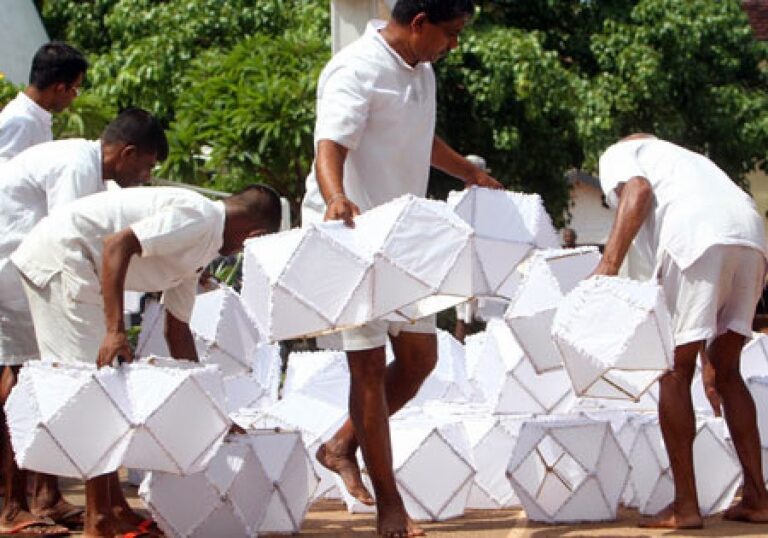
Vesak, which is marked by almsgivings, lantern displays, and acts of merit-making across the country, is seen as a timely occasion for encouraging inmates to engage in introspection and self-improvement.
May 11, Colombo (LNW): Showers or thundershowers will occur at several places in the Western, Sabaragamuwa, Central, Uva, Southern and Northern provinces and in the Ampara and Batticaloa districts after 1.00 p.m., the Department of Meteorology said in its daily weather forecast today (11).
Fairly heavy falls above 50mm are likely at some places in the Uva province and in the Ampara and Batticaloa districts, with a few showers being expected to occur in the Western province and in the Puttalam, Galle, Matara and Ratnapura districts in the morning.
The general public has been requested to take adequate precautions to minimise damages caused by temporary localised strong winds and lightning during thundershowers.
Misty conditions can be expected at some places in the Central and Uva provinces during the morning, according to the Department.
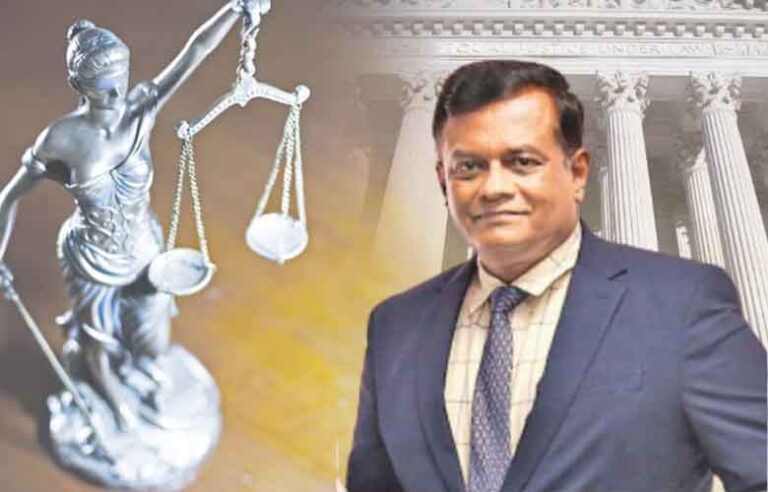
May 10, Colombo (LNW): Director General of Sports Dr. Shemal Fernando, has been charged with contempt of court for failing to implement a court order related to the Sri Lanka Rugby (SLR) elections.
The Court of Appeal had previously issued a directive mandating the DG to conduct the SLR elections in accordance with the established legal framework. However, the DG’s non-compliance with this order has led to the initiation of contempt proceedings.
The case is scheduled to be heard on June 15, 2025, where the court will examine the reasons behind the DG’s failure to adhere to its directive.
This development has sparked significant concern among sports enthusiasts and legal experts, highlighting the importance of upholding the rule of law and ensuring that governmental authorities comply with judicial decisions.
Colombo, Sri Lanka, 07 May 2025: HP has announced the introduction of an exclusive three-year warranty for a select range of laptops featuring Intel and AMD processors in Sri Lanka. This underscores the importance of purchasing from authorised sellers, as it not only guarantees product authenticity but also provides access to key benefits, making the investment in an HP laptop a more financially sound and secure choice.
The new warranty highlights the advantages of buying from authorised sellers, including access to genuine spare parts, the original Windows OS, and professional technical assistance provided by certified service engineers. This ensures devices are safeguarded from potential long-term harm caused by inferior components, which are often found in laptops purchased through unauthorised sellers.
The exclusive three-year warranty is available for laptops equipped with Intel Core i3, Core i5, Ryzen 3, and Ryzen 5 processors, ensuring top-tier performance and reliability. Eligible models include the HP Laptop 15-fd0501TU, HP Laptop 15-fc0387AU, and HP Laptop 15-fd1227TU, each combining style, durability, and functionality. Customers can take advantage of this offer through HP’s authorised sellers in Sri Lanka, including Abans, Singhagiri, and other authorised sellers across the country.
Mr Ankur Goel, Senior Director, Business Development for Sri Lanka and Bangladesh at HP, emphasised the importance of authorised resellers, stating, “Choosing an authorised reseller is the first step to ensuring the quality, reliability, and longevity of your device. Our exclusive three-year warranty reflects this commitment, offering customers peace of mind and unmatched support that only genuine HP products and certified servicing can provide.”
HP authorised partners Abans and Singhagiri make genuine HP laptops more accessible through flexible payment plans designed for students and young professionals. Abans offers instalment payment plans of up to 24 months without requiring a credit card, with monthly payments as low as Rs. 7,400. Additionally, up to 60 months with 0% interest for selected bank credit cards, along with complimentary earbuds and headphones.
Similarly, Singhagiri offers a variety of payment options, including credit card instalments of up to 60 months, 0% interest plans for up to 24 months, easy monthly cash instalments over 18 months, and the ability to split payments into three instalments with KOKO. To make the HP brand and user experience more seamless, Singhagiri includes a special bundle with every genuine HP laptop purchase. The bundle features an HP backpack, an HP 150 WD USB-A keyboard, and an HP 240 BT mouse.
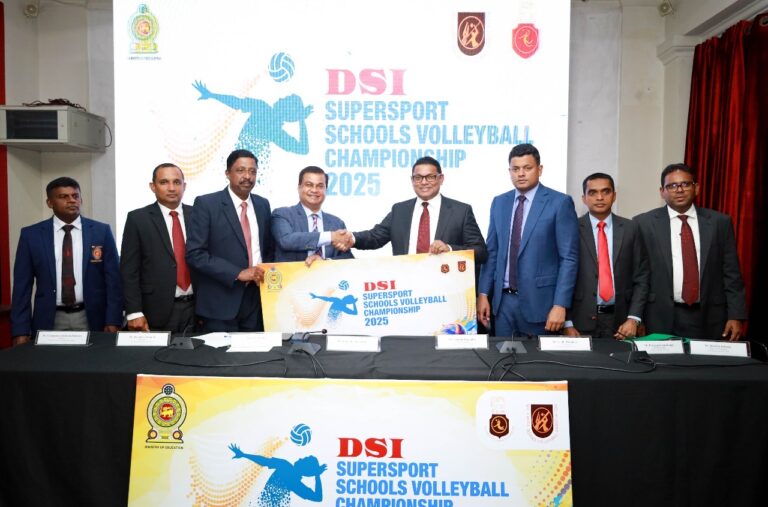
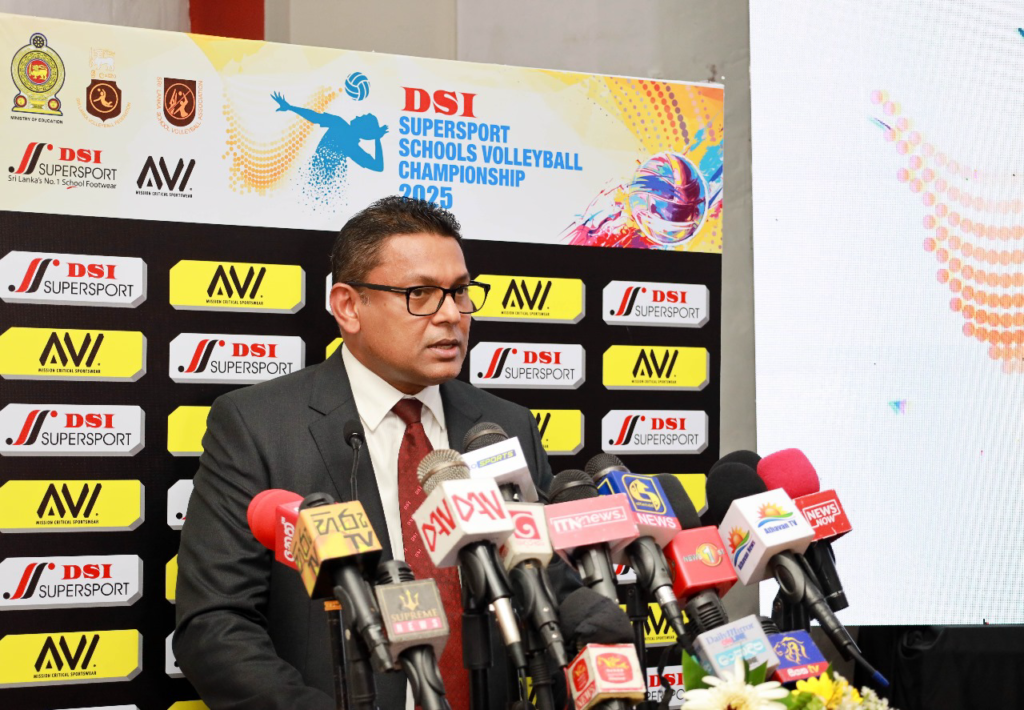
Colombo, Sri Lanka, 08 May 2025: DSI announced the launch of the 23rd DSI Supersport Schools Volleyball Championship during a press conference held at Hotel Nippon, Colombo 02, on 8th May 2025. The No. 1 footwear brand in the country has partnered with the Sri Lanka Volleyball Federation and the Schools’ Volleyball Association of the Ministry of Education to organise this prestigious tournament, which holds a significant place in the history of Sri Lankan volleyball.
Initiated by DSI in 1999, alongside the Sri Lanka Volleyball Federation and the Ministry of Education, the championship aims to provide opportunities and essential support to volleyball players from both rural and urban areas. It also serves as a national platform for showcasing their skills and advancing their careers on both national and international stages. Since its inception, the tournament has featured 198 teams and has contributed to the development of nearly 400 sporting personalities. This year, the organisers anticipate the participation of over 4,000 teams from across the island.
“2025 is a special year for DSI as it marks the 23rd anniversary of the DSI Supersport Schools Volleyball Championship. It is both an honour and a privilege for DSI to sponsor this highly anticipated annual event, which provides a stage for recognising the talents of young sportsmen and women from schools across the country. We also hope that the championship will continue to play a vital role in nurturing and popularising volleyball as our national sport,” stated Mr Thusitha Rajapaksa, Managing Director of D. Samson & Sons (Private) Limited.
The tournament features the following age categories: under-11 boys and girls, under-13 boys and girls, under-15 boys and girls, under-17 boys and girls, and under-19 boys and girls. The tournament will be held at district and national levels. District matches are scheduled for 14th, 15th, 21st, 22nd, 28th, 29th June, and 5th, 6th, 12th, 13th, 19th, 20th, 26th, and 27th July 2025. Teams securing first and second places at the district level will qualify for the national level, with matches taking place from 20th to 24th August 2025. The finals will be held on 15th and 16th November 2025 at Sugathadasa Indoor Stadium in Colombo.
Applications for the championship will be available at all DSI showrooms island-wide. The application can also be downloaded via the QR code posted on the official DSI Supersport Facebook page and via the official AVI website (https://avi.lk/volleyball/). For further information, applicants can contact the Sri Lanka Volleyball Federation on 011-2669344, the 25 District Coordinators, or the Secretary of the Schools’ Volleyball Association, Mr C. L. Kumara, on 0773329702. Alternatively, emails can be sent to Mr A. S. Nalaka, General Secretary of the Sri Lanka Volleyball Federation, at [email protected].
Completed applications should be submitted to the nearest DSI showroom or posted to the Corporate Marketing Department at No. 257, High Level Road, Navinna, Maharagama. The deadline for submissions is 14th May 2025.
In view of the upcoming state Vesak Festival, the Ministry of Public Administration has announced that all slaughterhouses, meat shops, and meat sections in supermarkets across Sri Lanka will be temporarily closed from May 12 to May 14, 2025.
This directive also extends to entertainment venues such as casinos, race bookies, and clubs, which must remain closed during the same period.
The move, outlined in a circular issued on April 29, is intended to honour the spiritual and cultural significance of Vesak, which marks the birth, enlightenment, and passing of the Buddha. Authorities and businesses have been instructed to ensure strict compliance.
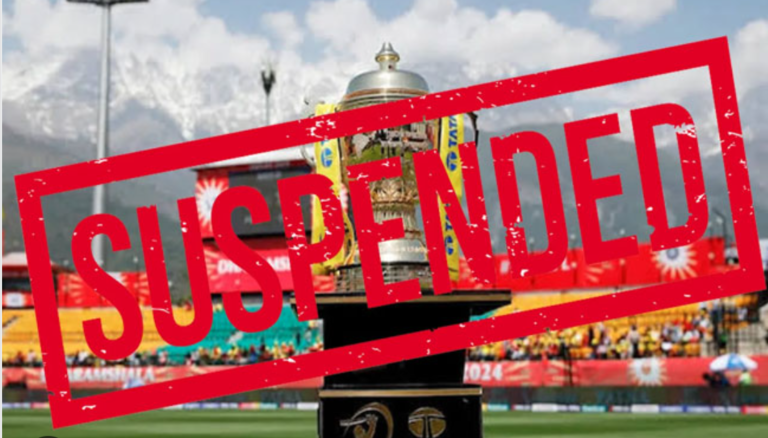
The Board of Control for Cricket in India (BCCI) has officially suspended the TATA IPL 2025 for one week due to escalating military tensions between India and Pakistan, with immediate effect. The announcement, made through a media advisory, comes after security concerns prompted franchisees, broadcasters, and sponsors to express concern for the safety of players and staff.
“The decision was taken in the collective interest of all stakeholders, despite the BCCI’s full faith in the strength of our armed forces,” the advisory noted.
Current Situation and Immediate Impact
The IPL Governing Council made the call after consultations with franchise representatives, most of whom raised concerns from players and international boards.
The season is temporarily suspended — the Board has not yet confirmed whether or how the remainder of the tournament will resume.
Players are being repatriated:
Royal Challengers Bengaluru, currently in Lucknow, will be flown back via charter to Bengaluru.
Mumbai Indians and Kolkata Knight Riders are leaving from Ahmedabad and Hyderabad, respectively.
Australian players have been advised to return home by Saturday, with coordinated support from teams and authorities.
Security Escalation
The suspension follows a series of cross-border hostilities:
On May 9, the Indian Army reported multiple drone and munition attacks from Pakistan, which were “effectively repulsed.”
Pakistan also engaged in ceasefire violations along the Line of Control (LoC) in Jammu and Kashmir.
These were reportedly retaliatory actions after India’s ‘Operation Sindoor’ on May 7, targeting terrorist infrastructure in Pakistan and PoK in response to the April 22 terror attack in Baisaran Valley, Pahalgam, which killed 26 civilians.
Tournament Status
58 matches of the IPL 2025 had been completed, including one abandoned fixture in Dharamsala due to a “significant technical failure.”
12 group-stage matches remain, originally scheduled across Lucknow, Hyderabad, Ahmedabad, Delhi, Chennai, Bengaluru, Mumbai, and Jaipur.
Playoffs were to be held in Hyderabad and Kolkata.
The BCCI has said it will reassess the situation with relevant stakeholders and provide updates on resumption, venues, and revised schedule in due course.