Home Blog Page 571

Sri Lanka Plans Aircraft Maintenance Hub to Revitalize Mattala Airport

0

By: Staff Writer

March 13, Colombo (LNW): Sri Lanka is set to transform Mattala Rajapaksa International Airport (MRIA) into a profitable venture by establishing an aircraft maintenance, repair, and overhaul (MRO) facility. This initiative aims to mitigate the significant financial losses the airport has incurred over the past five years, which amount to Rs. 38.5 billion.

Minister of Ports and Aviation, Bimal Rathnayake, revealed that discussions are ongoing with major international engineering firms to develop the MRO facility. The government has received initial positive responses and is working towards finalizing agreements.

Previously, Sri Lanka invited foreign investors to establish an MRO at Mattala. A consortium from Russia and India was selected for the project, but the final agreements were never signed. In addition to the MRO facility, the government has also secured approvals for other airport-related activities, such as aircraft parking, cargo transshipment, and aircraft dismantling.

The development plan includes an initial investment of $50 million to improve MRIA’s infrastructure. The airport, which was built at a cost of Rs. 36.5 billion, is strategically located around 30 km from Hambantota Port, a major Chinese-built maritime hub.

A previous government in 2021 had proposed several initiatives to attract more traffic to Mattala Airport, including setting up an MRO unit, a transit hotel, and expanding duty-free services. These efforts were aimed at increasing airport utilization and making MRIA a key player in the region’s aviation sector.

The proposed MRO facility is expected to capitalize on the airport’s ample space and strategic location, positioning Mattala as a competitive hub for aircraft and engine repairs. SriLankan Airlines already operates an MRO facility at Bandaranaike International Airport, providing C-checks and other services to multiple airlines. However, Mattala’s larger area offers an opportunity to expand such operations on a broader scale.

Over the past year, Mattala Airport has already seen some business growth in areas such as aircraft layovers and crew changes. The government is also considering establishing a transit hotel within the airport premises to cater to tourists and airline crew with extended layovers or long connection times.

In addition to aviation services, MRIA is planning to enhance its commercial offerings. The duty-free section will be expanded beyond beverages, confectionery, and perfumes to include a wider range of Sri Lankan products. The airport will also develop its café and restaurant facilities to attract not only air passengers but also travelers passing through the area.

Authorities aim to leverage MRIA’s proximity to popular tourist destinations such as Kataragama and Yala National Park to attract more visitors. By promoting the airport as a convenient gateway for tourists, the government hopes to further boost revenue and ensure the long-term success of the project.

Currently, several international airlines, including SriLankan Airlines, Qatar Airways, Etihad, Emirates, IndiGo, Maldives Air, Turkish Airlines, and China Eastern, operate occasional or seasonal flights to MRIA. The government’s goal is to increase traffic through the airport, making it a key aviation and tourism hub in the region.

Ex CB Governor Dr Indrajith outlines SL’s Fiscal Discipline and Managing Expenditure

0

By: Staff Writer

March 13, Colombo (LNW): Sri Lanka is currently navigating a challenging fiscal landscape, where the government has made significant strides toward fiscal discipline in response to growing economic challenges.

 Efforts to control the nation’s fiscal deficit, curb inflation, and stabilize the economy have been central to policy decisions. However, maintaining these fiscal measures while ensuring sustainable growth remains a daunting task.

The government has placed a priority on reducing public debt and managing expenditures, particularly primary spending, which accounts for a large portion of the GDP. As part of these measures, the government has committed to a primary expenditure cap of 13% of GDP, though experts believe this target will require stringent efforts and will test the country’s economic resilience.

In this context, Sri Lanka faces the complex challenge of striking a balance between maintaining fiscal disciplines and investing in critical areas of development, such as infrastructure, education, and healthcare.

While there have been efforts to reduce inefficiencies and unnecessary expenditure, the nation’s fiscal policies continue to be scrutinized by both local and international experts. Dr. Indrajith Coomaraswamy, former Governor of the Central Bank of Sri Lanka, provided insights into the government’s fiscal discipline and emphasized areas for improvement in a recent public lecture.

Sri Lanka’s Declining Tax Revenue and Expenditure Challenges

Former Central Bank Governor, Dr. Indrajith Coomaraswamy, lauded the government’s commitment to fiscal discipline but highlighted significant challenges in maintaining a primary expenditure cap of 13% of GDP.

Speaking at the 75th Anniversary public lecture of the CBSL, he cautioned that adhering to this target would be a formidable challenge given Sri Lanka’s current fiscal position.

Dr. Coomaraswamy pointed to the country’s declining tax-to-GDP ratio, which has dropped significantly from over 20% in the 1990s to a mere 7.4% in 2022.

This decline, he argued, was primarily due to substantial tax cuts in 2019 and tax holidays granted to emerging industries like apparel and tourism.

While these measures were intended to stimulate growth, they failed to compensate for the revenue losses from traditional sectors such as tea, rubber, and coconut, resulting in a reduction of overall tax revenue.

The former Governor stressed that the focus should be on increasing tax revenues rather than cutting essential public expenditures.

He emphasized that once companies become profitable, they must contribute taxes, irrespective of the sector they belong to.

Furthermore, he advocated for modernizing Sri Lanka’s tax administration, specifically calling for the full implementation of digital systems like the Revenue Administration Management Information System (RAMIS), which could improve transparency and streamline revenue collection processes. 

Dr. Coomaraswamy argued that these reforms would significantly enhance compliance and reduce inefficiencies in the system.

In addition to the tax issues, Dr. Coomaraswamy expressed concern over the country’s declining export sector, noting that exports as a percentage of GDP have fallen from 35% in 2000 to below 20% today. He attributed this to the failure of successive governments to execute export-led growth strategies effectively.

Moreover, Sri Lanka’s intermediate exports remain low, representing less than 5% of total exports, compared to over 50% in countries like Malaysia and Vietnam.

The former Governor also warned against Sri Lanka’s protectionist policies, which have hindered foreign direct investment (FDI) and prevented the country from fully integrating into global supply chains.

 He pointed out that the country’s distorted tariff structure and additional para-tariffs, such as PAL and CESS, have rendered Sri Lanka uncompetitive in the global market.

CoPE uncovers issues in medicine procurement under ex-Health Minister

0

March 13, Colombo (LNW): The Parliamentary Committee on Public Enterprises (COPE) has been briefed on irregularities surrounding the purchase of medicines during the tenure of former Health Minister, Keheliya Rambukwella.

The session, held recently, saw key officials from the health sector, including those from the National Medicine Regulatory Authority of Sri Lanka (NMRA), provide crucial insights into the matter.

Among those present were NMRA Chairman Dr. Ananda Wijewickrama, CEO Saveen Semage, and Dr. Asela Gunawardena, the Director General of Health Services.

It was revealed that crucial technical documentation had been absent from records related to the medicines purchased during that period.

Both Dr. Wijewickrama and Mr. Semage confirmed that the paperwork issued by the previous NMRA Board failed to include necessary technical details, casting doubt on the legitimacy of the procurement process.

Dr. Gunawardena spoke out during the meeting, highlighting his reservations about the transparency of the procurement procedure. He disclosed that he had been handed a file outlining a “special path” for purchasing medicines, a process he deemed problematic.

Dr. Gunawardena explained that, due to the lack of supporting documentation, he had advised the Health Ministry Secretary against granting approval for the purchase without the required papers.

He added that he had expressed his concerns through formal recommendations, but his role had been limited to this advisory capacity.

Further complications emerged when Dr. Pradeep Kumarasinghe De Silva, a board member of the NMRA, revealed that a board meeting had been organised abruptly, just prior to a planned dinner for the NMRA staff. During this meeting, the issue of medicine procurement was raised, but it was revealed that the details of the purchases were not open for discussion.

Dr. De Silva explained that a document listing several medicines was submitted for approval at the end of the meeting, but when board members questioned the lack of discussion, they were told that Cabinet approval had already been granted. This raised concerns about the lack of transparency and due process in the decision-making.

Prof. Priyadarshani Galappaththi, a member of the expert committee tasked with investigating Anaphylaxis incidents related to drug use in healthcare facilities in 2023, shed further light on the situation. She disclosed that the Medicines Evaluation Committee had been sent a list of 300 medicines for approval, many of which were subject to a request for a waiver of registration.

Prof. Galappaththi and her colleagues had objected to the approval of these medicines, citing concerns over their safety and the lack of adequate evaluation. However, they were informed that the medicines were considered “essential,” and failure to approve them could lead to a shortage in Sri Lanka.

In a particularly concerning revelation, Prof. Galappaththi stated that some of the companies involved in the procurement had previously been blacklisted, yet they were still allowed to participate in the bidding process.

The COPE committee was also informed that during this period, Professor S. D. Jayaratne served as the head of the NMRA, Dr. Vijith Gunasekera as the CEO, and Keheliya Rambukwella as the Minister of Health.

CAA clarifies no changes to rice price controls amid false claims

0

March 13, Colombo (LNW): The Consumer Affairs Authority (CAA) has issued a statement today confirming that there have been no revisions to the maximum retail prices for raw rice, despite reports circulating that some rice mill owners and wholesalers are attempting to sell rice at inflated prices.

According to the CAA, these traders have been misleading retailers, suggesting that the government’s price regulations on rice have been altered.

As a result, numerous retailers have been approaching authorities with queries, uncertain whether the controlled prices still apply.

The CAA has firmly stated that the maximum retail prices for raw rice, as per the official gazette notification, remain intact. There has been no change to the prices set by the government, and they continue to be as follows:

  • Raw red rice – Rs. 220 per kg
  • Nadu rice – Rs. 230 per kg
  • Samba rice – Rs. 240 per kg
  • Keeri Samba rice – Rs. 260 per kg

The regulatory body has also reassured the public that it will continue to monitor and enforce these price controls with the utmost diligence.

Regular raids and investigations will be carried out across the country, with legal action planned against any vendors found attempting to sell rice at prices above the regulated limits.

Underworld ‍figure’s brother detained at Airport for using fake passport

0

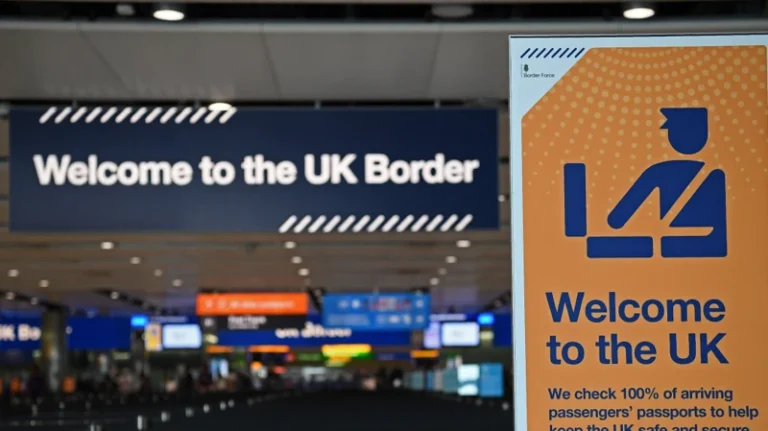
March 13, Colombo (LNW): A man believed to be the brother of infamous organised crime figure Balachandran Pushparaj, more commonly known as “Pukudu Kanna”, has been apprehended at Bandaranaike International Airport (BIA) in Katunayake.

The arrest occurred earlier this morning (13th March) when officers from the Criminal Investigation Department (CID) detained the individual as he arrived in Sri Lanka from India.

Authorities confirmed that the 36-year-old, identified as Balachandran Gajendran, was attempting to enter the country with a forged passport.

Gajendran, who hails from Jampettah Street in Colombo 10, is currently in police custody. He is expected to appear before the Negombo Magistrate’s Court in the coming days.

Sources within law enforcement have indicated that Gajendran’s ties to the criminal underworld, particularly his association with his notorious brother, are of significant interest to investigators.

Anuradhapura Teaching Hospital staff end strike after reaching agreement with authorities

0

March 13, Colombo (LNW): Medical professionals and staff at the Anuradhapura Teaching Hospital have officially ended their strike following successful discussions with the relevant authorities, the Government Medical Officers’ Association (GMOA) announced.

Earlier today (13) at 8.00 am, the 24-hour nationwide strike initiated by the GMOA was also brought to a close. The strike had been called in response to the distressing sexual assault of a lady doctor at the Anuradhapura Teaching Hospital, which had left the medical community in shock and disbelief.

Whilst the main suspect in the assault was promptly arrested, medical staff at the hospital initially chose to extend their protest, citing concerns over the lack of adequate security measures for hospital employees.

The call for better safety protocols within hospital premises had become a key demand, as healthcare workers expressed their fears over the safety of both staff and patients.

The strike, which garnered significant attention, sparked widespread outrage and sympathy within the medical sector, with healthcare professionals across the country urging the authorities to take immediate action to improve security in medical institutions.

In light of the recent discussions with hospital and government officials, assurances were made regarding enhanced security measures, leading to the decision to call off the strike at Anuradhapura Teaching Hospital.

It is hoped that these measures will not only address immediate concerns but also set a precedent for improving safety in healthcare settings nationwide.

AG’s Office alleges ex-IGP operated criminal network using Police officers

0

March 13, Colombo (LNW): In a startling development, the Attorney General’s Department informed the Court of Appeal yesterday (12) that former Inspector General of Police (IGP) Deshabandu Tennakoon had been running a criminal network, allegedly exploiting police officers under his command for unlawful activities.

During the proceedings of Tennakoon’s petition to prevent his arrest, Additional Solicitor General Dilipa Peiris presented shocking details that implicated the police chief in orchestrating an attack on the W15 Hotel in Weligama.

According to Peiris, the assault, which resulted in the tragic death of a police sergeant, was not a random act of violence but rather linked to a personal vendetta between Tennakoon and the hotel’s owner.

Peiris went on to accuse Tennakoon of using officers from the Colombo Crimes Division (CCD) to target individuals and settle private disputes, essentially turning law enforcement officers into a “paramilitary force” for personal gain.

The shocking claims suggest that the IGP had employed the resources of the police force not for official duties but to pursue his own interests and settle scores outside of the law.

The Additional Solicitor General also disclosed that Tennakoon had been evading arrest since February 27, with law enforcement authorities intensifying their search for him.

This revelation has raised serious questions about the extent of corruption within the highest echelons of the police force, as well as the abuse of power by senior officials.

The Court of Appeal is scheduled to make its ruling on Tennakoon’s petition on March 17, with the legal community and public eagerly awaiting the decision.

Political presence in schools: Prime Minister’s parliamentary remarks contradict press release last year

0

March 13, Colombo (LNW): Prime Minister Dr. Harini Amarasuriya has retracted her earlier statement, in which she had directed education officials to refrain from inviting politicians to school events.

Speaking in Parliament yesterday (12), she clarified that no official rule had been implemented regarding the matter, and insisted that her comments had been misunderstood.

In her address, the Prime Minister emphasised that there was no formal prohibition against politicians attending school functions, but underscored her belief that educational events should not be used as a platform for political purposes. She strongly rejected reports suggesting a ban, labelling them as inaccurate and misleading.

The Prime Minister’s clarification came in response to a question from Opposition MP D.V. Chanaka, who raised concerns over the recent visit to Henegama Madya Maha Vidyalaya by former Speaker Asoka Ranwala. Chanaka pointed out the contradiction between Amarasuriya’s statement as Education Minister last year and the continued participation of politicians in such functions, questioning whether her call should be complied with only by the members of the Opposition.

In her response, Amarasuriya expressed frustration over the media’s portrayal of her remarks and reaffirmed that there had never been any official decree preventing political involvement in school activities.

Despite this, it was noted that back in September 2024, a statement issued by the Prime Minister’s Office had stated that during a meeting with officials from the Ministry of Education, the Prime Minister had explicitly advised against inviting politicians to attend school events.

This earlier directive had sparked confusion, with many interpreting it as an outright ban.

The Prime Minister’s remarks on Wednesday seem to indicate that, whilst she does not want political influence to overshadow educational activities, she does not view the matter as an issue requiring a formal restriction.

Many are left questioning the potential impact of political involvement in schools and whether further guidelines may be necessary to ensure the focus remains on education rather than political agendas.

New National Advisory Committee established to support SMEs in Sri Lanka

0

March 13, Colombo (LNW): A newly formed National Advisory Committee aimed at tackling the challenges faced by small and medium-sized enterprises (SMEs) in Sri Lanka has officially begun its operations.

The committee’s inaugural session was held recently at the Parliamentary Complex, marking the start of what is expected to be a comprehensive effort to support and uplift the SME sector, which plays a pivotal role in the nation’s economic growth.

The committee is co-chaired by Dr. Harshana Suriyapperuma, the Deputy Minister of Finance and Planning, and Mr. Chaturanga Abeysinghe, the Deputy Minister of Industry and Entrepreneurship Development.

Both ministers expressed their commitment to addressing the unique challenges that small and medium entrepreneurs encounter while promoting sustainable and practical solutions.

This advisory body brings together a diverse group of experts from various fields to ensure a holistic approach to supporting SMEs. Senior government officials are contributing to policy development, fiscal management, and public administration decisions, aligning these with the specific needs and realities of small and medium-scale businesses.

The committee’s work aims to create a more supportive environment for these businesses by improving access to finance, promoting effective policies, and strengthening the overall business ecosystem in Sri Lanka.

One of the key features of the committee is the inclusion of the Central Bank of Sri Lanka, which will provide valuable input on improving access to financial resources for SMEs.

This collaboration aims to streamline banking practices, enhance the availability of credit, and create a more conducive environment for entrepreneurial growth in the sector.

To ensure that the committee addresses all aspects of SME development, experts from various sectors, including financial specialists, bankers, and academics, have been appointed.

These members bring a wealth of knowledge in business, finance, and education, contributing to the formation of well-rounded strategies for SME development.

The Ministry of Finance has outlined the committee’s primary purpose as being the creation of strategies that promote the growth of SMEs while offering guidance on policy formulation.

Additionally, the committee is designed to ensure coordination between government agencies and private sector organisations involved in SME development.

This collaborative approach will help address the numerous challenges SMEs face, from access to capital to market integration and technological advancement.

The specific objectives of the National Advisory Committee for Small and Medium Enterprises include:

• Revising and updating the national policy framework for SMEs to align with the government’s broader development goals and evolving market trends.
• Overseeing the national action plan for SME development through coordination with various ministries and stakeholders.
• Establishing a robust financial infrastructure to support the needs of SMEs, including the creation of risk-rating systems to assess financial access.
• Addressing key obstacles such as fostering a supportive business environment, facilitating technology transfer, promoting research and development, and improving access to domestic and international markets.
• Identifying and proposing practical solutions for the financial challenges faced by SMEs.

Arrests made in connection with sexual assault of lady doctor in Anuradhapura

0

March 13, Colombo (LNW): The sister of a man accused of sexually assaulting a lady doctor at Anuradhapura Teaching Hospital, along with another individual, has been arrested by police, authorities confirmed.

The two suspects, a 37-year-old woman and a 27-year-old man, were detained late on the evening of Tuesday, 12th March, in the Nidikumbayaya area of Galnewa.

The woman is facing charges of assisting her brother in evading arrest, whilst the man is believed to be in possession of a mobile phone that was allegedly stolen by the main suspect during the attack, according to Police.

The primary suspect, a 34-year-old man from Galnewa, was captured yesterday (12) following a coordinated operation involving Galnewa Police and the Anuradhapura Police Special Task Force.

The man was found hiding in a dense forest area in Galnewa, where he was arrested after weeks of investigation.

The horrifying assault took place earlier this month when the victim, a lady doctor working at the Anuradhapura Teaching Hospital, was targeted by the suspect. Police say the man threatened the doctor with a knife before committing the attack.

During questioning, the suspect led authorities to the location where the knife used in the assault was recovered, providing crucial evidence to strengthen the case against him.

The suspect is currently being held in police custody, and he is expected to be brought before the Anuradhapura Magistrate’s Court today (13) for further legal proceedings.