Home Blog Page 58

China-funded Housing Boom Raises Questions over Sri Lanka’s Economic Future

0

By: Staff Writer

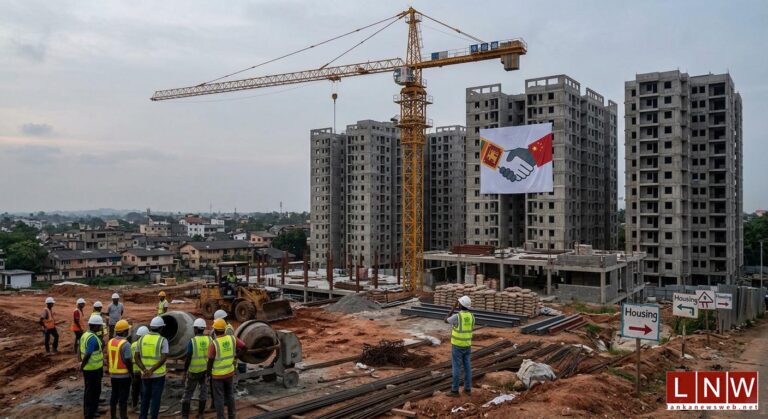
May 24, Colombo (LNW): The completion of the main structural phase of a China-funded affordable housing project in Maharagama has once again highlighted the expanding footprint of Chinese state-backed investments across Sri Lanka. The project, implemented by China Harbour Engineering Company under China’s Belt and Road Initiative, is part of a larger 1,996-unit housing scheme aimed at supporting low-income families in Colombo and surrounding suburbs.

On 12 May 2026, the company announced the successful “topping out” of 112 housing units at the Maharagama site, signaling the completion of the project’s core structural works. While the initiative has been promoted as a humanitarian effort focused on improving urban living conditions, analysts argue that such mega projects also deepen Sri Lanka’s economic and strategic dependence on Beijing.

Chinese-backed developments have become increasingly visible in Sri Lanka during the past decade, ranging from ports and highways to housing and urban infrastructure. Supporters claim these investments fill critical funding gaps left by traditional lenders and offer rapid development opportunities for a country still recovering from economic collapse and debt restructuring.

However, critics warn that these projects often come with long-term financial and political implications. Economists point out that although the housing scheme is officially categorized as aid-funded, the broader pattern of Chinese engagement has contributed to Sri Lanka’s growing reliance on foreign-controlled infrastructure and external financing mechanisms.

The Maharagama housing project is being portrayed as a symbol of “people-centered development.” During the ceremony marking the construction milestone, CHEC Managing Director Wang Gang emphasized the company’s commitment to improving living standards for Sri Lankan families while strengthening bilateral ties between the two nations.

However questions remain over the true economic benefits generated locally. Construction experts note that large foreign-funded projects frequently rely on imported materials, Chinese technical expertise, and overseas procurement systems, limiting the multiplier effect on Sri Lanka’s domestic industries. Labour unions and local contractors have also repeatedly raised concerns about the reduced participation of Sri Lankan firms in mega infrastructure developments led by foreign companies.

Urban planners acknowledge that affordable housing is urgently needed, particularly for low-income communities struggling with rising rental costs and overcrowded conditions. Nevertheless, they argue that sustainable development should prioritize local capacity building, transparent procurement, and long-term economic independence.

Sri Lanka’s fragile economy continues to face severe pressure from debt repayments, foreign exchange shortages, and rising living costs. In that context, every major foreign-funded project is now being scrutinized not only for its social benefits but also for its geopolitical consequences.

As CHEC moves into the next phase of construction, including interior finishing and utility installations, the Maharagama project stands as both a promise of improved housing and a reminder of China’s steadily expanding role in shaping Sri Lanka’s economic future.

Port City Expansion Signals New Era for Sri Lanka Banking

0

By: Staff Writer

May 24, Colombo (LNW): Sri Lanka’s financial sector witnessed another significant development yesterday as Commercial Bank of Ceylon announced plans to establish a fully-fledged branch within Port City Colombo, underscoring increasing corporate confidence in the country’s largest ongoing urban development project.

The agreement, signed between Commercial Bank CEO Sanath Manatunge and CHEC Port City Colombo Managing Director Xiong Hongfeng, marks one of the earliest formal commitments by a major domestic bank to operate directly inside the Special Economic Zone.

The bank stated that the new branch will provide an extensive range of banking and financial services aimed at supporting businesses and investors expected to establish operations in Port City Colombo. Planned services include trade financing, digital banking, foreign exchange transactions, lending facilities, remittance services, deposits, card operations, and corporate banking solutions tailored for both local and international clients.

Financial analysts say the decision highlights the banking sector’s growing anticipation that Port City Colombo could become a strategic commercial gateway linking Sri Lanka with regional and global investment markets. The presence of established banking institutions is also viewed as critical to enhancing investor confidence in the project’s long-term viability.

Commercial Bank officials stressed that the expansion aligns with the institution’s strategy of strengthening its international banking footprint while adapting to increasingly sophisticated global financial demands. The branch is expected to focus heavily on facilitating cross-border business activities and servicing multinational corporations and high-net-worth clients seeking to operate within the economic zone.

Addressing the significance of the move, Manatunge said Port City Colombo represents a major milestone in Sri Lanka’s economic transformation efforts. He noted that the bank’s presence within the zone would allow it to support international trade and investment more efficiently while delivering technologically advanced banking solutions to global clients.

He also described the initiative as part of Commercial Bank’s broader commitment to innovation and national economic development, particularly at a time when Sri Lanka is attempting to reposition itself as an attractive destination for foreign investment.

Port City Colombo itself has been promoted as a future regional hub for finance, commerce, and lifestyle services. Built on 269 hectares of reclaimed land adjoining Colombo’s existing business district, the project is expected to host luxury residences, office complexes, entertainment facilities, a marina, and duty-free shopping areas.

CHEC Port City Colombo’s Managing Director Hongfeng said the entry of institutions such as Commercial Bank adds operational depth and credibility to the project during its formative years. According to him, attracting reputable financial institutions is essential to creating a functioning international business ecosystem capable of competing with other regional economic hubs.

Despite ongoing public debate surrounding the project’s economic impact and governance structure, supporters argue that Port City Colombo could significantly boost Sri Lanka’s foreign investment inflows and create new opportunities in financial and professional services.

With Commercial Bank now moving to establish an operational base within the Special Economic Zone, attention is likely to shift toward whether other leading financial institutions will follow suit as competition intensifies to secure a presence in Sri Lanka’s most ambitious urban and financial development project.

Customs Revenue Boom Raises Questions over Economic Recovery Costs

0

By: Staff Writer

May 24, Colombo (LNW): Sri Lanka Customs has surpassed the Rs. 1 trillion revenue milestone in just 132 days of 2026, recording one of the most dramatic increases in state revenue collection in recent history. While the Government has presented the achievement as evidence of economic recovery and stronger fiscal management, critics argue that the rapid surge reflects a combination of aggressive taxation, higher import costs, and intensified enforcement measures that are placing additional burdens on businesses and consumers.

According to official figures, Customs revenue reached nearly Rs. 996 billion by early May before crossing the trillion-rupee mark days later. Authorities noted that this represents 45 percent of the annual target of Rs. 2,207 billion and follows four consecutive months of exceeding revenue expectations.

The revenue growth has been extraordinary. During the first four months of 2026, Customs collections rose by almost 50 percent compared to the same period last year. Officials also revealed that cumulative collections exceeded targets by more than 33 percent, highlighting the aggressive pace of tax mobilisation.

Behind the numbers lies the Government’s broader economic recovery strategy following the 2022 financial collapse. Sri Lanka imposed severe import restrictions during the crisis in an attempt to conserve scarce foreign reserves. As reserves gradually stabilised and restrictions eased, imports began recovering, resulting in higher collections from import duties, excise taxes, and other border levies.

Customs officials say the increase is also tied to stricter enforcement and tighter monitoring of under-invoicing and false declarations by importers. Enhanced valuation practices and digital surveillance systems have reportedly enabled authorities to identify revenue leakages more effectively than in previous years.

However, importers and trade groups argue that the crackdown has significantly increased operational costs and delays. Many businesses complain that aggressive inspections, revised valuations, and additional levies have pushed up the price of imported goods, ultimately passing the burden onto consumers already struggling with inflation and stagnant incomes.

The impact is particularly visible in sectors dependent on imported raw materials and consumer products. Traders claim the higher tax environment has squeezed profit margins while weakening purchasing power across the market. Some analysts warn that although the Treasury benefits in the short term, excessive dependence on import taxation may undermine long-term economic competitiveness.

Despite these concerns, Customs has emerged as one of the Government’s strongest revenue-generating institutions. Last year alone, the department collected a record Rs. 2,551 billion, exceeding revised targets and recording a massive increase compared to previous years. Officials expect this year’s growth to remain strong even though annual targets are lower due to anticipated declines in vehicle imports.

Economists note that the Customs revenue boom has provided a critical financial cushion as Sri Lanka attempts to meet IMF fiscal benchmarks and manage debt restructuring commitments. Yet they also caution that headline revenue figures do not necessarily reflect broader economic health.

For many businesses and consumers, the trillion-rupee milestone tells two stories at once: one of a State rebuilding its finances after crisis, and another of a population paying the price through rising taxes, stricter enforcement, and higher living costs.

Sri Lankan Rupee Rebounds Sharply to Lead Asian Currency Gains

0

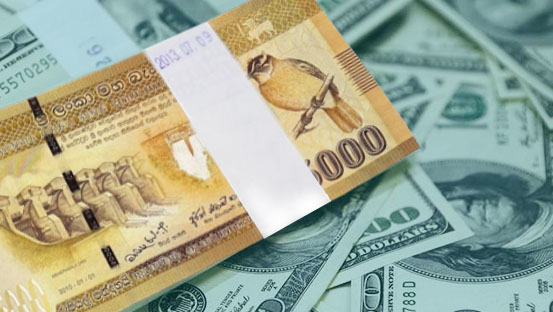
May 24, Colombo (LNW): Sri Lanka’s currency staged a strong recovery on Friday, breaking a nine-day downward run and emerging as the top-performing currency in Asia for the day, in a surprise reversal that caught some market participants off guard.

The rupee appreciated by as much as 2.7 per cent, marking its steepest single-day gain since March 2023. The rebound followed a weak spell that had dragged the currency to its lowest level in several years earlier in the week, before sentiment shifted abruptly in the foreign exchange market.

Officials attributed the turnaround partly to strategic dollar selling by market participants ahead of expected foreign inflows from multilateral partners, including the International Monetary Fund and the Asian Development Bank. A senior finance official noted in Colombo that anticipation of these inflows appeared to have influenced short-term trading behaviour.

Market observers said the currency movement also came amid broader efforts by the authorities to stabilise external accounts, including recent policy steps such as additional surcharges on vehicle imports and continued central bank involvement in smoothing excessive volatility in the foreign exchange market.

Despite Friday’s gains, the rupee remains under pressure in the wider Asian context, having been among the region’s weakest performers this year. Analysts point to sustained import demand, delayed export conversions, and global commodity price shocks as key factors weighing on the currency in recent months.

Some economists argue that uncertainty over external payments and shifting trade dynamics has encouraged importers to accelerate dollar purchases while exporters hold back foreign earnings, further intensifying short-term strain on the currency.

The central bank is expected to announce its latest monetary policy decision on May 26, with many market analysts anticipating a possible tightening stance. Economists suggest that higher interest rates, combined with anticipated external inflows and tighter macroeconomic management, could help stabilise the rupee over the medium term.

Commenting on the outlook, one senior economist noted that sustained stability would depend on coordinated policy action, including improved export repatriation, tighter import management, and consistent monetary discipline to reduce foreign exchange leakages and restore market confidence.

Child Protection Case: What’s Going on?

0

LISTEN TO STORY

WATCH STORY

By: Isuru Parakrama

May 24, Colombo (LNW): The Pallegama Hemarathana Thero case is a high-profile child sexual abuse allegation involving one of Sri Lanka’s most senior Buddhist clergy, and it has triggered anger, anxiety, and a sharp debate about power, accountability, and victim protection. 

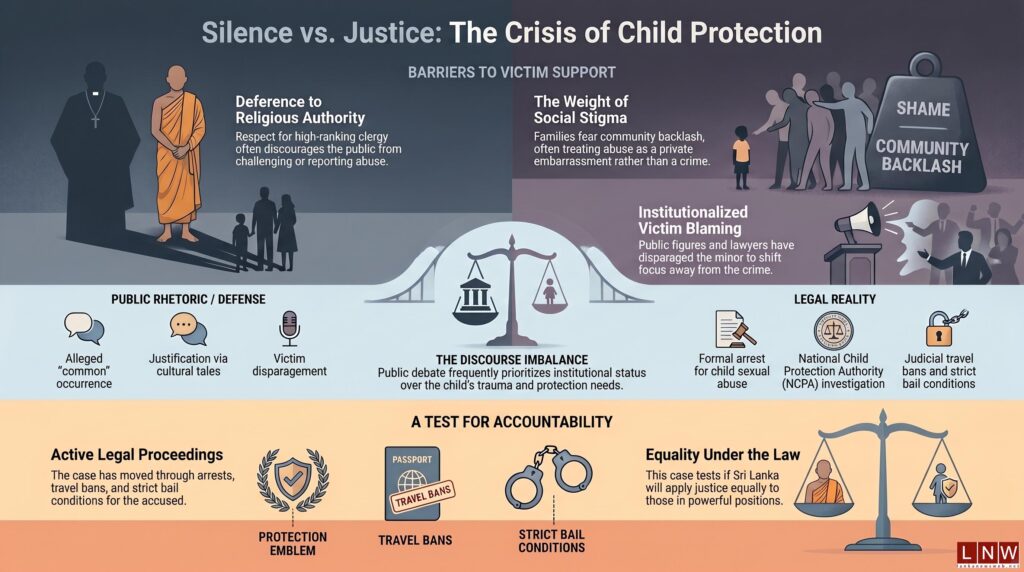
It is noteworthy to state that public support for the victim is low. The weak support for the child reflects deeper social problems in Sri Lanka, especially stigma, deference to religious authority, and a tendency to treat abuse cases as embarrassing family matters rather than crimes.

Because the allegations involve a minor, and the accused holds an exceptionally revered religious office, concerned parties see the case as a test of whether Sri Lanka will apply the law equally to powerful figures.

First, the allegation involves child sexual abuse, which is one of the most socially condemned crimes and leaves little room for sympathy toward the accused. Second, the accused is not an ordinary suspect but a senior monk with enormous religious standing. 

According to multiple reports, Pallegama Hemarathana Thero was arrested after allegations that he sexually abused an underage girl, with the reported abuse linked to events in 2022 and the victim described in some accounts as 11 or 15 years old depending on the stage of reporting. The National Child Protection Authority (NCPA) reported the matter to court, which led to his arrest and a travel ban, while the girl’s mother was also arrested on claims that she aided and abetted the abuse. Later reporting indicates the magistrate granted bail with strict conditions, including sureties and a foreign travel ban.

Why the child gets little support

Sri Lankan society often fails to respond to child abuse cases in an open and proactive way, and that this attitude discourages guardians from seeking justice. In practical terms, families may fear shame, community backlash, or social isolation, so the victim is left with less visible public backing than she should receive. When the accused is a senior monk, that hesitation becomes even stronger because many people are reluctant to challenge a respected religious figure.

Reports say the allegations involve a minor girl, and the case has already moved through arrest, remand, and bail proceedings, which means it is being treated as a serious criminal matter. Yet public discussion has often centered on the monk’s status, the court process, or institutional delays rather than on the child’s trauma and protection. That imbalance can make the victim appear isolated, even when the legal case is active.

Further fuelling the controversy, lawyers appearing for the suspect stand in high ground of audacity to publicly claim that sexually abusing young girls is “common” in Sri Lanka on the sidelines of denying the allegations levelled against their client, in a gross generalisation of child abuse as a matter to be not taken seriously. 

On a separate occasion, former Minister Dilum Amunugama made a highly controversial public remark about the case, allegedly referring to the victimised minor as “a prostitute”, in what can only be described as an insensitive and disgusting statement. Dinesh Muthugala, a well-known biology tutor, also echoed these sentiments, using Buddhist cultural tales to justify the perpetrator’s actions and shape public opinion in favour of forgiving the culprit.

Several factors appear to suppress support for the child: fear of confronting clergy, social pressure to avoid scandal, reluctance to question religious institutions, and a broader culture that still underreports abuse. Child abuse cases involving clergy and teachers remain difficult to surface because of these attitudes. So, the lack of support is not about the strength of the allegations alone; it is also about how society responds when the alleged offender is powerful and the victim is a child.

Analytically, this is a test of whether Sri Lankan society places child protection above status and silence. If a child victim receives little public solidarity in a case this serious, it suggests that stigma and hierarchy still outweigh empathy and accountability in many communities. That is why the case matters beyond the courtroom: it exposes how vulnerable victims can remain, even when their abuse becomes public knowledge.

Health Authorities Confirm Meningitis Cases Across Several Districts

0

May 24, Colombo (LNW): Sri Lankan health officials have confirmed that a recent wave of illnesses reported from multiple parts of the country has been identified as meningitis following detailed medical examinations and laboratory testing.

Secretary to the Ministry of Health, Specialist Dr Anil Jasinghe, stated that cerebrospinal fluid samples collected from affected patients were analysed by health authorities, with results confirming the presence of the disease. Medical teams have since been deployed to several affected areas to strengthen monitoring and treatment efforts.

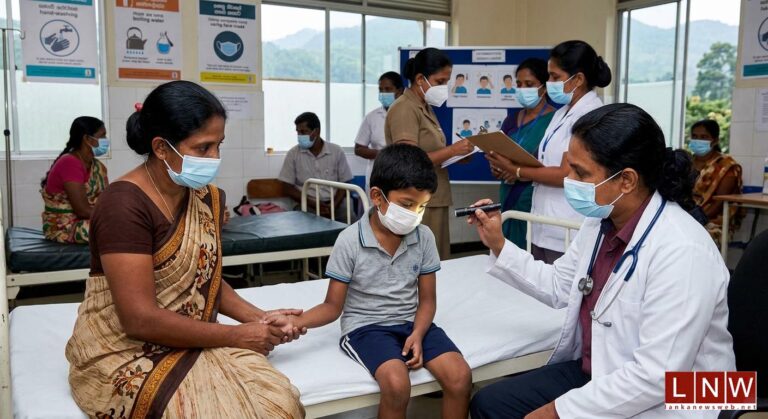
According to health officials, a large proportion of those infected are children, prompting authorities to increase awareness campaigns among schools, parents and local communities. More than 100 suspected and confirmed cases have so far been reported from areas including Deniyaya, Diyatalawa, Kurunegala and Kandy.

Doctors have advised the public to remain alert for symptoms commonly associated with meningitis, including high fever, severe headaches, vomiting, nausea, stiffness of the neck and unusual sensitivity to bright light. In some cases, patients may also experience fatigue, confusion and body aches.

Dr Jasinghe explained that the illness can spread through close personal contact, contaminated water sources and exposure to infected respiratory droplets. Public health inspectors have therefore intensified inspections and awareness programmes in several high-risk locations.

Despite growing public concern, the Health Ministry stressed that there is no need for panic, noting that hospitals and regional health authorities are actively managing the situation. Officials urged the public to follow basic health precautions, including drinking properly boiled or purified water, maintaining personal hygiene, using face masks in crowded settings and avoiding unnecessary gatherings where possible.

The Ministry has also advised parents to seek immediate medical attention if children develop persistent fever or neurological symptoms, warning that early diagnosis and treatment are critical in preventing complications associated with the disease.

Sri Lanka Expands International Hunt for Fugitives Linked to Organised Crime

0

May 24, Colombo (LNW): Sri Lankan authorities have intensified efforts to track down wanted suspects overseas, with international red notices now issued against 226 individuals accused of involvement in organised crime and other serious offences.

Colombo Deputy Inspector General of Police Nishantha Soysa said a significant number of those being sought are believed to have fled the country to evade arrest while continuing to maintain links with criminal networks operating both locally and abroad.

According to police, nearly 90 of the suspects identified through the international notices are alleged to be connected to organised criminal groups involved in activities ranging from drug trafficking and extortion to contract killings and illegal arms operations.

DIG Soysa also revealed that police have recovered a large cache of weapons during operations carried out since last year targeting underworld figures and organised gangs. He noted that interrogations of arrested suspects had led to the seizure of 272 automatic firearms, highlighting the scale of illegal weapons circulation connected to criminal syndicates.

CoPE Flags Alleged Housing Authority Land Irregularities for Criminal Investigation

0

May 24, Colombo (LNW): The Committee on Public Enterprises (CoPE) has uncovered a series of alleged land-related irregularities linked to the National Housing Development Authority (NHDA), raising fresh concerns over the management of state-owned properties and long-term leasing practices.

CoPE Chairman, MP Dr. Nishantha Samaraweera revealed that preliminary findings point to possible financial losses incurred through questionable agreements involving public land and buildings administered by the authority.

Among the matters highlighted during the committee’s review was the operation of a Carlton preschool within a section of the Maligawatte housing complex since 1999 under what was described as a significantly undervalued arrangement.

According to CoPE, the premises had reportedly been leased or utilised at rates considerably below the government’s assessed market value over an extended period.

Samaraweera stated that investigators were examining how the agreement had remained in place for decades without proper revisions or reassessments despite changes in commercial property values and state regulations. Concerns were also raised over whether due administrative procedures had been followed when approving the arrangement.

The CoPE Chairman said the committee viewed the matter seriously, particularly given the potential impact on public revenue and accountability within state institutions. He added that several additional transactions and property-related dealings involving the Housing Authority are also being reviewed for possible irregularities.

In light of the findings, CoPE has decided to forward the relevant information to the Criminal Investigation Department (CID) as well as the Commission to Investigate Allegations of Bribery or Corruption for further legal examination

JVP Secretary Signals Provincial Council Polls Could Be Held Next Year

0

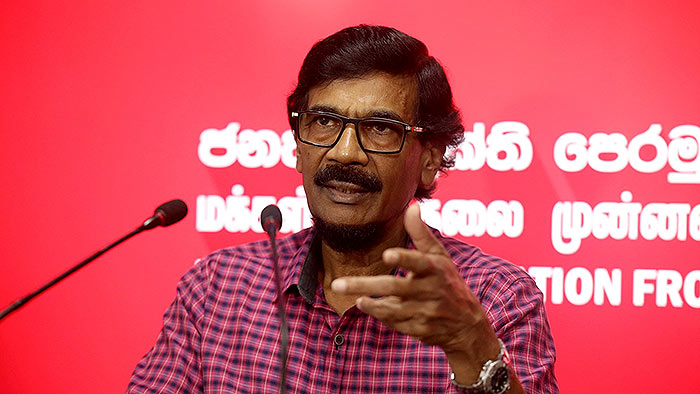
May 24, Colombo (LNW): JVP General Secretary Tilvin Silva has indicated that the long-delayed Provincial Council Elections are likely to take place next year, provided the country does not face any further major disruptions or financial emergencies.

Speaking during the opening ceremony of the National People’s Power (NPP) office in Jaffna, Silva explained that the Government had originally planned to conduct the elections this year and had even set aside funding through the national Budget for that purpose.

However, he said the administration was compelled to divert a substantial portion of state funds towards emergency relief and rehabilitation work following the severe impact of the recent “Ditwah” cyclone and related adverse weather conditions.

According to Silva, nearly Rs. 500 billion had to be redirected to support affected communities, restore infrastructure and manage recovery operations across several districts.

The JVP General Secretary also acknowledged that legal and administrative complications continue to delay the election process. He claimed that amendments introduced to the Provincial Council electoral framework during the tenure of former President Ranil Wickremesinghe had created uncertainty over the legal mechanism under which the polls should now be conducted.

Silva stated that a Parliamentary Committee has been tasked with reviewing the relevant legislation and recommending a clear legal pathway to proceed with the elections. He noted that the Government was keen to avoid further constitutional disputes or procedural challenges before announcing an official election timetable.

He further stressed that the ruling coalition remained committed to restoring provincial-level democratic representation, adding that resolving the legal issues was essential to ensuring a fair and credible electoral process.

“If the current situation remains stable and no new crises emerge, we are hopeful that Provincial Council Elections can be organised sometime next year,” Silva told supporters at the event.

Government Predicts Stronger Rupee as Dollar Pressure Eases

0

May 24, Colombo (LNW): Minister Bimal Ratnayake has expressed optimism over the future performance of the Sri Lankan Rupee, stating that the value of the US dollar is likely to weaken further as economic confidence gradually returns and foreign inflows improve.

Addressing a public gathering, the Minister said recent fluctuations in the exchange rate should not be viewed with alarm, arguing that certain opposition politicians had attempted to exploit the temporary rise of the dollar for political advantage. He criticised what he described as efforts to create unnecessary fear among the public when the currency briefly crossed the Rs. 340 mark.

Ratnayake pointed out that the dollar had already begun to retreat in the local market, noting that the exchange rate had fallen to around Rs. 334 in recent trading. He added that the Government expects the Rupee to strengthen further over the coming weeks if current economic trends continue.

The Minister also highlighted the anticipated release of approximately US$ 700 million from the International Monetary Fund, saying the funds would provide an additional boost to Sri Lanka’s foreign reserves and help improve overall market stability. He suggested that continued cooperation with international financial institutions was playing a key role in rebuilding investor confidence.

Defending the administration’s economic strategy, Ratnayake maintained that the country’s recovery programme was progressing steadily despite criticism from political rivals. He insisted that measures introduced to stabilise public finances and restore economic discipline were beginning to show positive results, particularly in the areas of currency management and external sector performance.

Economic analysts have meanwhile noted that exchange rate movements in the coming months are likely to depend on foreign inflows, import demand and broader global market conditions, although confidence surrounding IMF-backed reforms has contributed to improved market sentiment in recent weeks.