Home Blog Page 611

Strengthening Cybersecurity for Sri Lankan MSMEs: Launch of the APAC Cybersecurity Fund

0

By: Staff Writer

November 01, Colombo (LNW): In Colombo, The Asia Foundation, with the backing of Google.org, announced the launch of the APAC Cybersecurity Fund aimed at enhancing the cyber capabilities of over 300,000 small and medium-sized enterprises (SMEs) across 12 countries in the Asia-Pacific region.

The event gathered key stakeholders from various sectors to discuss this important initiative. In Sri Lanka specifically, the project seeks to train and equip 13,000 micro, small, and medium enterprises (MSMEs) with the essential skills to effectively tackle cybersecurity threats.

The initiative will implement training sessions across all nine provinces of Sri Lanka. Furthermore, two cyber clinics will be set up at the Sri Lanka Institute of Information Technology and Uva Wellassa University to boost cybersecurity knowledge among undergraduates. These students will, in turn, leverage their training to assist MSMEs with cybersecurity challenges.

Establishing robust cybersecurity practices within the MSME sector is crucial, as these businesses account for over 50% of the national economic output. This sector comprises nearly all businesses in the country and employs almost half of the workforce.

However, the COVID-19 pandemic and subsequent economic decline have severely impacted MSMEs, leading to a reduction of over 15% in their numbers. Many of these enterprises have had to rely heavily on affordable digital tools, including social media and personal mobile devices, for their operations.

As these businesses increasingly adopt digital solutions, they have also become more susceptible to cyber threats.

 The rise in internet access in Sri Lanka has led to a corresponding increase in cybercrime, with 14.58 million internet users recorded in 2023, reflecting a 67% penetration rate. Although this figure saw a slight drop in 2024, social media user numbers continued to climb.

Phishing has emerged as the most prevalent form of cybercrime in Sri Lanka, with malicious emails and links redirecting users to fraudulent websites designed to harvest sensitive personal information.

This poses a significant risk to smaller enterprises. Other common scams include impersonation of delivery services, aimed at extracting fees from users, and hacking incidents on platforms like Facebook and LinkedIn, where attackers steal login credentials to send fraudulent requests for money.

Addressing these challenges necessitates a unified and sustained effort to bolster cybersecurity frameworks and regulatory mechanisms.

The government’s initiatives, along with programs like the APAC Cybersecurity Fund, aim to strengthen the cybersecurity ecosystem by empowering micro and small businesses, nonprofits, and social enterprises with the skills to navigate the digital landscape safely.

With $15 million in grant support from Google.org, the initiative is set to equip 13,000 SMEs in Sri Lanka with the necessary cybersecurity skills, while also extending support to businesses in Bangladesh, Vietnam, India, Japan, Korea, Malaysia, Pakistan, the Philippines, Singapore, and Thailand.

The program will focus on training across all nine provinces and establishing two cyber clinics to enhance the knowledge and capacity of undergraduates.

Despite the significance of the SME and microenterprise segment, which constitutes nearly 50% of domestic production, knowledge and interest in cybersecurity remain low due to various challenges, including limited education and investment.

 The Asia Foundation’s program will particularly emphasize the participation of women to enhance their role in economic activities.

Although the Online Safety Act was passed by the Sri Lankan Parliament earlier this year, the absence of a comprehensive Cyber Security Act remains a concern, as discussions on this issue have been ongoing for over five years.

Experts have pointed out that without effective policy frameworks and public engagement, only larger corporations are adequately prepared to address the current cybersecurity challenges.

The Ceylon Chamber of Commerce has urged the government to expedite discussions on the draft Cybersecurity Bill to ensure compliance with the upcoming Personal Data Protection Act.

Notably, despite the rising popularity of digital platforms, 79% of Sri Lankans still prefer cash transactions, underscoring the need for enhanced cybersecurity awareness and infrastructure.

Govt to Reopen X-Press Pearl Disaster Investigation amid Corruption Allegations

0

By: Staff Writer

November 01, Colombo (LNW): Sri Lanka’s new government, led by President Anura Kumara Dissanayake, announced plans to reinvestigate the devastating 2021 X-Press Pearl maritime disaster that heavily impacted the nation’s coastline and marine ecosystem.

A senior minister revealed that this investigation is intended to address accusations of mismanagement, corruption, and delays in compensating affected communities. To date, Sri Lanka has struggled to secure substantial compensation for the disaster’s environmental impact, leaving many affected fishermen without adequate support.

The Singapore-registered MV X-Press Pearl caught fire near Negombo, Sri Lanka, in May 2021, releasing harmful chemicals, plastic pellets, and other pollutants into the ocean.

This contamination, which originated from the vessel’s cargo of hazardous substances, including 25 tons of nitric acid, resulted in widespread marine fatalities, devastating the local fishing industry and endangering public health

 Environmental scientists, including Hemantha Withanage, estimate the damage claims could reach as high as $10 billion, citing findings of toxic chemicals such as Bisphenol and polycyclic aromatic hydrocarbons in ocean samples.

 The Marine Environment Protection Authority (MEPA) labeled the incident as the worst marine chemical disaster in Sri Lankan history.

The island nation’s legal pursuit of compensation, however, has faced repeated setbacks. With only an interim payment of $3.7 million secured, Sri Lanka could potentially claim $5 billion to $7 billion more.

However, lengthy legal processes and a lack of aggressive governmental action have raised concerns. Critics argue that the extended delays and unwillingness to engage in complex legal battles in international courts may reduce Sri Lanka’s chances of receiving adequate compensation.

In response, MEPA has urged legal action to avoid missing the window for rightful claims, with calls for a Presidential Commission of Inquiry to ensure accountability and transparency in the proceedings.

Since the disaster, approximately 200 women have been engaged in cleanup efforts along affected beaches, collecting microplastics and other debris from the wreck. Despite these efforts, environmental restoration has remained slow, and the financial strain on affected communities persists.

The government’s handling of compensation has sparked additional scrutiny, particularly after former MEPA head Darshani Lahandapura revealed that she had been pressured to accept compensation in local currency rather than USD.

Given Sri Lanka’s economic crisis and currency devaluation in 2022, this move raised suspicions that officials sought to leverage the situation for financial gain, potentially reducing the actual compensation value received.

In response, President Dissanayake’s administration has pledged to thoroughly investigate the incident after parliamentary elections on November 14, with expectations that the National People’s Power (NPP) party will assume office. 

Surge in Cybercrimes Raises Concerns over Digital Safety in Sri Lanka

0

By: Staff Writer

November 01, Colombo (LNW): Sri Lanka is confronting a surge in cyber-enabled crimes, particularly involving foreign actors targeting the financial sector.

Criminals are exploiting vulnerabilities in the country’s digital infrastructure to transfer funds from local accounts to foreign ones, highlighting the increasing sophistication of cybercriminal networks.

According to the Criminal Investigation Department (CID), cybercriminals typically fall into one of four categories: black hat hackers, cyberstalkers, cyber terrorists, and scammers.

 Among them, black hat hackers pose a serious threat by infiltrating networks to steal sensitive data such as credit card details and passwords.

The Computer Emergency Readiness Team (CERT) recently issued warnings about a spike in fake messages circulating on social media and messaging platforms like WhatsApp. 

These messages impersonate credible institutions such as banks or commercial entities to fraudulently obtain personal information.

CERT’s findings indicate that cybercriminals are leveraging social media, fake websites, 

SMS, and even physical mail to deceive victims with promises of rewards or donations, ultimately requesting sensitive data, including One-Time Passwords (OTPs).

CERT cautions users against sharing OTPs over messaging platforms, as it could allow hackers to gain unauthorized access to their accounts, which they can then use to solicit further sensitive information from other contacts.

CERT has urged the public to be cautious about sharing personal information online and recommends verifying requests by consulting official channels or directly contacting organizations.

In recent cases, professionals, not just general citizens, have increasingly become targets of cyber scams, as noted by Police Media Spokesman DIG Nihal Thalduwa.

With social networks facing mounting scrutiny over data misuse, platforms are imposing tighter access restrictions, though motivations behind these changes—whether user protection or concerns over government surveillance—remain uncertain. 

Prominent tech companies, including Apple, Google, Microsoft, and Facebook, have publicly emphasized their commitment to user privacy by refusing government data requests.

Despite awareness campaigns by banks advising users to ignore scams, such as messages demanding processing fees for fictitious lottery wins, hackers continue to bypass security protocols and gain access to funds, which they promptly move to foreign accounts.

After these transactions are completed, tracking the perpetrators becomes nearly impossible as they erase digital traces from their devices, explains DIG Thalduwa. 

These scams often involve millions of rupees, making financial fraud a serious issue for the nation.

In response to the cybercrime rise, Sri Lanka has strengthened its cooperation with international partners. For example, a delegation of ten Chinese law enforcement officials recently arrived in Sri Lanka to assist in combating cybercrime. 

This partnership followed a diplomatic request from the CID, as foreign nationals are often implicated in these financial fraud cases. 

The CID is also working on enhancing Sri Lanka’s legal framework and collaborating with agencies like Interpol and Europol, though many challenges remain.

September Exports Rise in Sri Lanka: Trade Deficit, Inflows Boost Currency

0

By: Staff Writer

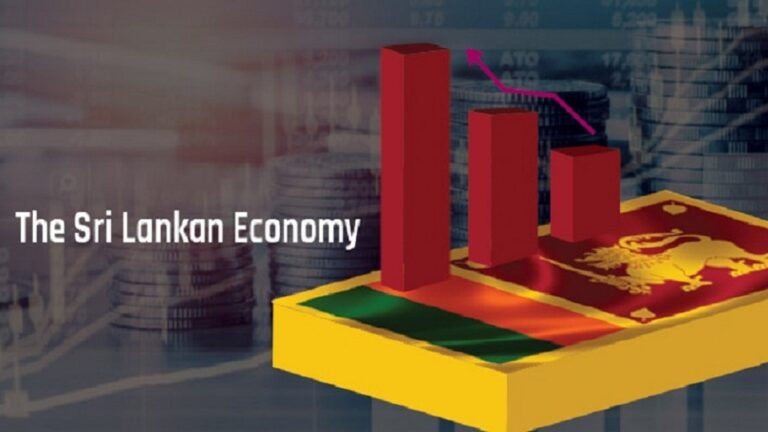
November 01, Colombo (LNW): In September 2024, Sri Lanka’s export sector saw growth, with exports increasing by 4.1% year-on-year, surpassing the $1 billion mark. However, this improvement came alongside a growing trade deficit, which the Central Bank attributed to rising imports.

 Despite these challenges, the Central Bank’s report highlights a stronger financial account, supported by foreign investments in the Colombo Stock Exchange (CSE) and government securities, driving an overall surplus of $2.28 billion in the country’s balance of payments.

The merchandise trade deficit widened to $634 million in September 2024, compared to $377 million in September 2023, as import expenses rose more sharply than export revenues.

 From January to September 2024, the cumulative trade deficit expanded to $4.2 billion, up from $3.34 billion over the same period in 2023.

While industrial exports, particularly textiles, garments, and petroleum products, drove much of the year-on-year growth, agricultural and mineral exports declined, largely due to lower seafood and tea exports.

Imports grew substantially, recording a 22% year-on-year increase to $1.65 billion in September. This rise was broad-based across all major import categories, with significant contributions from intermediate goods, investment goods, and consumer goods.

 While textile and chemical imports rose, fuel imports declined due to both lower prices and volumes of refined petroleum. Notably, investment goods imports also increased, particularly for machinery and equipment like cranes.

In the services sector, inflows, excluding tourism, were estimated at $311 million in September 2024, showing a slight decline from $319 million in September 2023.

Key contributors included sea transport and IT services. Outflows, however, saw a significant jump to $336 million from $162 million a year earlier, primarily due to increased costs in overseas travel and air transport.

Foreign investments in the government securities market saw a net outflow of $5 million in September 2024, contributing to a cumulative net outflow of $256 million from January to September.

Conversely, the CSE attracted a cumulative net inflow of $43 million over the same period, indicating some resilience in investor sentiment toward equity markets.

By the end of September 2024, Sri Lanka’s Gross Official Reserves (GOR) stood at $6 billion, an increase of $1.6 billion from the previous year-end.

This total includes a conditional swap facility with the People’s Bank of China (PBOC), providing import coverage for approximately 3.9 months.

The Central Bank recorded net purchases of $96 million from the domestic foreign exchange market in September 2024, helping to support the reserves.

The Sri Lankan rupee appreciated steadily, strengthening by 10.3% against the U.S. dollar by October 2024. It also appreciated against other major currencies, such as the euro, pound sterling, and Indian rupee, driven by positive cross-currency movements and higher foreign inflows.

 Reflecting this, the real effective exchange rate (REER) index increased from 70.2 at the end of December 2023 to 72.6 by September 2024, although this uptick indicates a slight reduction in external competitiveness.

In summary, while export earnings and foreign investments helped bolster Sri Lanka’s external accounts, the widening trade deficit and rising import demand indicate ongoing structural challenges in the trade sector.

Nonetheless, the strengthening of foreign reserves and the appreciation of the rupee are positive signals for the country’s economic stability as it navigates a complex external environment.

Former ministers’ official residences to be fully returned amid accountability measures

0

By: Isuru Parakrama

November 01, Colombo (LNW): The Ministry of Provincial Councils and Local Government Affairs in Sri Lanka has announced the expected return of all official residences previously occupied by former ministers, with the final two residences due to be handed back today (01).

This process saw 26 residences already vacated as of yesterday, with the remaining properties anticipated to be returned in line with today’s deadline, according to the Ministry.

In a move towards ensuring transparency, senior ministry officials have directed authorities to obtain comprehensive reports detailing outstanding water and electricity bills for each residence.

These reports will be instrumental in assessing the financial accountability of the previous occupants, particularly regarding any unpaid utility costs accumulated during their tenure.

The initiative reflects a broader government effort to manage state-owned properties efficiently and to reinforce fiscal responsibility amongst those entrusted with official privileges.

The Ministry’s recent efforts are seen as part of an ongoing drive to implement streamlined governance practices, particularly around the management of state assets and residences allocated to public officials.

By enforcing clear procedures around the handover and settling of dues, the government aims to set a precedent for responsible stewardship of public resources.

Warning for severe lightning issued

0

November 01, Colombo (LNW): Thundershowers accompanied by severe lightening are likely to occur at several places in Uva, Eastern, North-Central, Central, Sabaragamuwa and Northern provinces and in Hambantota District, the Natural Hazards Early Warning Centre of the Department of Meteorology said in a warning.

There may be temporary localised strong winds during thundershowers.

General public is kindly requested to take adequate precautions to minimise damages caused by lightning activity.

Urgent call for pig farm registration amid ASF outbreak in SL

0

By: Isuru Parakrama

November 01, Colombo (LNW): In light of a recent outbreak of African Swine Fever (ASF), Sri Lanka’s Department of Animal Production and Health has issued an urgent appeal to pig farmers across the nation to visit their nearest veterinary offices for registration of their farms.

This proactive measure is aimed at managing and controlling the spread of the disease, which has now been confirmed in various regions.

The alarming emergence of ASF marks a significant challenge for Sri Lankan agriculture, as it poses a serious threat to pig populations and the livelihoods of farmers.

The Director of the Western Province Animal Production and Health Department, K.K. Sarath, revealed that confirmed cases of the fever have been detected not only in the Western Province but also in Uva, Northern, and North Western provinces.

This widespread occurrence has raised serious concerns among agricultural officials and health authorities.

ASF is a highly contagious viral disease that affects domestic and wild pigs, leading to high mortality rates. The symptoms include fever, weakness, and bleeding, with the disease often resulting in the death of infected animals.

Given its rapid spread and the potential for devastating economic impacts, it is crucial for farmers to comply with the registration request.

By registering their farms, pig owners can ensure they receive timely updates and assistance from veterinary professionals, who can provide guidance on biosecurity measures to prevent further outbreaks.

The registration process is expected to facilitate better tracking and management of the disease, enabling authorities to respond more effectively.

Farmers are urged to monitor their herds closely for any signs of illness and to report any suspicious cases immediately to veterinary officials.

Suspicion mounts over SUV allegedly linked to ex-State Minister Lohan Ratwatte

0

November 01, Colombo (LNW): The Theldeniya Police have apprehended a white SUV bearing fake number plates, believed to be associated with former state minister Lohan Ratwatte.

The vehicle was discovered in the garage of an unoccupied residence at the ICC Housing Scheme, following a tip-off received by local authorities.

According to reports from the Lankadeepa newspaper, the Mitsubishi Jeep was found displaying the counterfeit number plate KN 5556.

Investigations revealed that this number plate is actually registered to a red Prado owned by a woman residing in the Pilawala area of Kandy.

This incident adds to the legal troubles facing Lohan Ratwatte, who is currently in remand custody.

His detention stems from an earlier investigation regarding a vehicle that lacked a registration number, which was found at a property belonging to his wife in Mirihana.

The police are examining connections between the two vehicles as part of their ongoing inquiry.

The discovery of the SUV raises further questions about the activities surrounding Ratwatte, who has faced scrutiny in the past for his conduct during his time in office.

Authorities are now delving deeper into the circumstances that led to the vehicle’s presence at the unoccupied house and its links to the former minister.

As the investigation unfolds, this situation underscores the broader issues of accountability and transparency among public officials in Sri Lanka.

The scrutiny faced by Ratwatte and the potential implications of these discoveries could have significant ramifications for his political future and public trust in governance.

The case remains under investigation, and the Theldeniya Police have urged anyone with additional information to come forward, as they seek to clarify the circumstances surrounding the SUV and its connection to Ratwatte.

Official exchange rates in SL today (Nov 01)

0

By: Isuru Parakrama

November 01, Colombo (LNW): The Sri Lankan Rupee indicates appreciation against the US Dollar today (01) in comparison to yesterday, as per the official exchange rates released by the Central Bank of Sri Lanka (CBSL).

Accordingly, the buying price of the US Dollar has dropped to Rs. 288.59 from Rs. 289.06, and the selling price to Rs. 297.64 from Rs. 298.14.

The LKR, meanwhile, indicates appreciation against several other foreign currencies as well.

Court grants additional bail to ex-Minister Johnston Fernando

0

November 01, Colombo (LNW): In a recent ruling, the Colombo High Court has revoked the arrest warrant previously issued for former Minister Johnston Fernando, allowing his release on additional bail.

This decision was delivered on November 1 by Judge Manjula Thilakaratne during proceedings concerning a case brought forth by the Bribery Commission.

Johnston Fernando’s legal counsel, Kalinga Indatissa PC, explained that the former minister was unable to attend the court session on October 23 because he was providing a statement to the Criminal Investigation Department (CID) regarding an unregistered luxury vehicle purportedly linked to him, which had been discovered at a prestigious hotel in Colombo.

Despite this explanation, the judge expressed concern over the circumstances surrounding Fernando’s absence from court.

After considering the case details, the court determined that Johnston Fernando should be granted additional bail.

He was subsequently released on a cash bail of Rs. 25,000, supplemented by a personal surety of Rs. 1 million. The court has scheduled the next hearing for January 27.

The case against Fernando originates from allegations by the Bribery Commission, which filed charges in the Colombo Magistrate’s Court.

He, along with former CWE Chairman Eraj Fernando and former CWE Working Director Mohamed Shakeer, is accused of improperly employing 153 workers from Lanka Sathosa for political purposes during his ministerial tenure from 2010 to 2014.

This alleged misuse of resources has purportedly resulted in a significant financial loss to the government, estimated at around Rs. 40 million.

The implications of this case extend beyond individual accountability, highlighting broader concerns about the ethical conduct of public officials and the proper use of state resources.

As this legal matter unfolds, it remains a pivotal moment for the integrity of governance in Sri Lanka, raising questions about transparency and accountability in public service.

As the January hearing approaches, all eyes will be on the proceedings, which may have lasting ramifications for the individuals involved and for public confidence in the political system.