Sri Lanka has fallen five places to rank 133rd in the 2025 edition of the World Happiness Report, marking a decline from its 128th position last year.
The report, published on March 20 by the Wellbeing Research Centre at the University of Oxford in partnership with Gallup and the United Nations Sustainable Development Solutions Network, evaluates countries based on factors such as health, wealth, freedom, generosity, and freedom from corruption. Rankings are determined through self-reported assessments from 147 countries.
According to the latest findings, Sri Lanka’s Average Life Evaluation stands at 3.891 (out of 10), placing it just above nations like Bangladesh, Egypt, Yemen, Zimbabwe, Lebanon, Sierra Leone, and Afghanistan.
Global Rankings: Finland Tops Again, U.S. Hits Lowest Rank
Finland has retained its title as the happiest country in the world for the eighth consecutive year. The United States, ranking 24th, recorded its lowest-ever position, continuing its downward trend amid growing social isolation and political polarization.
The top 10 happiest countries in 2025 are:
Finland
Denmark
Iceland
Sweden
Netherlands
Costa Rica
Norway
Israel
Luxembourg
Mexico
At the bottom of the index, Afghanistan ranks last (147th), followed by Sierra Leone, Lebanon, Malawi, and Zimbabwe.
The World Happiness Report, now in its 13th edition, relies on Gallup World Poll data and averages life evaluations over the past three years (2022-2024) to determine rankings.
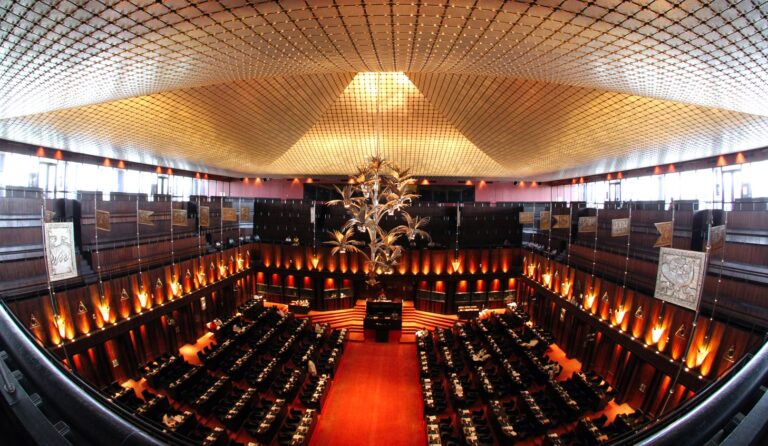
The Inland Revenue (Amendment) Bill was passed in Parliament without amendments on March 20.
The debate on the Second Reading of the Bill took place from 5:40 PM to 7:10 PM, after which it was considered at the Committee Stage and subsequently approved.
Initially presented to Parliament for its First Reading on March 1, 2025, the Bill received final approval as Speaker Dr. Jagath Wickramaratne endorsed the certificate of enactment on March 20, in accordance with Article 79 of the Constitution.
With this endorsement, the Bill will now be enforced as the Inland Revenue (Amendment) Act No. 02 of 2025.
Matara Magistrate Aruna Indrajith Buddhadasa has ordered legal action against individuals who aided and abetted suspended Inspector General of Police (IGP) Deshabandu Tennakoon in evading arrest.
The decision follows a ruling by the Court of Appeal, which strongly condemned Tennakoon’s actions. On March 17, the court dismissed his writ petition seeking to prevent the execution of an arrest order issued by the Matara Magistrate’s Court in connection with a 2023 shooting incident.
The court further directed the Criminal Investigation Department (CID) to take immediate steps to arrest Tennakoon and present him before the court.
Tennakoon is wanted over a 2023 shooting incident near a hotel in Weligama, which involved officers from the Colombo Crimes Division (CCD), Weligama Police, and the Special Task Force. The incident resulted in the death of a CCD officer and injuries to another, with investigations pointing to Tennakoon’s alleged involvement.
A warrant for his arrest was issued on February 28, 2025, along with an international travel ban. Despite these measures, he evaded capture, prompting authorities to launch a joint special operation to apprehend him.
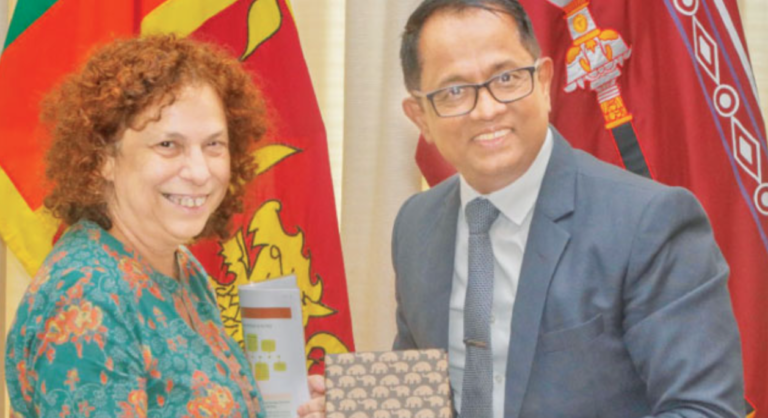
Speaker Dr. Jagath Wickramaratne met with EU Ambassador to Sri Lanka, Carmen Moreno, at the Parliament premises on March 17. Parliament Secretary General Kushani Rohanadeera was also in attendance.
The discussion primarily focused on enhancing cooperation between the European Parliament and the Parliament of Sri Lanka. Ambassador Moreno extended her best wishes on Sri Lanka’s political transformation and evolving political culture.
Additionally, the meeting covered key topics such as the country’s current political landscape, the tourism industry, and the rising number of European Union tourists visiting Sri Lanka.
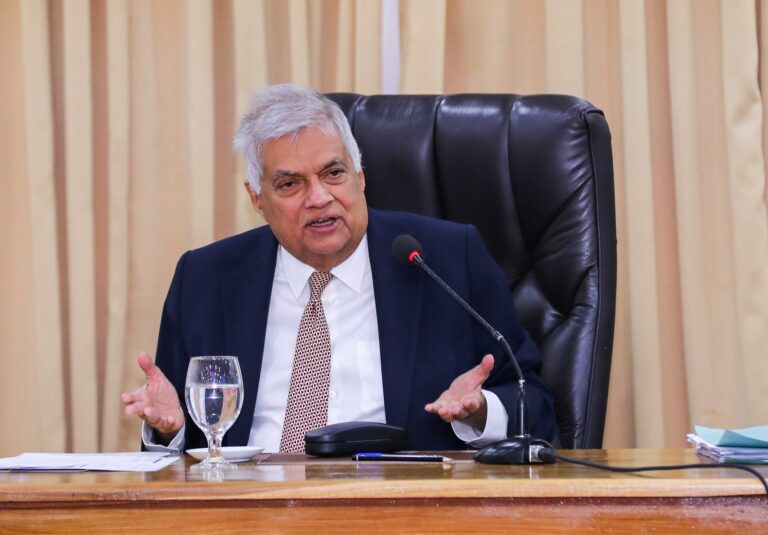
The Office of former President Ranil Wickremesinghe issued a statement on Tuesday denying allegations that he and his spouse, Prof. Maithree Wickramasinghe, used state funds for a private visit to London in 2023.
The statement refuted claims that a substantial amount of government money was spent on the visit, arguing that such assertions misrepresent the nature of diplomatic trips and indicate a lack of understanding by the current administration.
According to the statement, Wickremesinghe traveled to London three times in 2023. His first visit was on May 9 to attend the coronation of King Charles III. The second trip was for the 40th anniversary session of the International Democratic Union (IDU), while en route to the Paris Summit.
His third visit occurred after attending the G77 Summit in Havana and the United Nations General Assembly (UNGA) in New York. During this period, Prof. Maithree Wickramasinghe was conferred the title of Professor by the University of Wolverhampton in the UK. Wickremesinghe attended the ceremony as an invited guest while returning from his official engagements, the statement clarified.
The former President’s Office concluded that no private visits were undertaken at state expense in 2023 and dismissed all allegations as false.
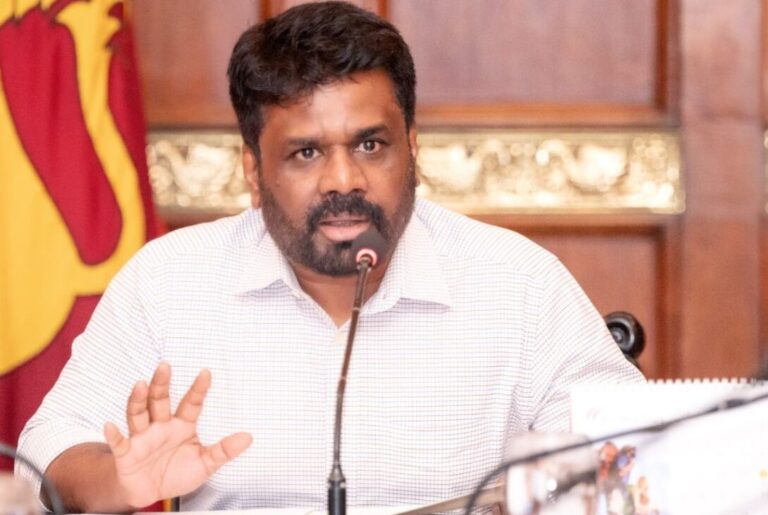
President Anura Kumara Dissanayake asserted that trade union actions by healthcare professionals cannot be justified, given that the government granted the largest salary increase in history without any demands or pressure from professional associations.
During a meeting at the Presidential Secretariat with the Public Services United Nurses Union (PSUNU) on March 19, the President emphasized that despite financial constraints, the government has prioritized salary increases for public sector employees.
This move, introduced as part of the 2025 budget, aims to enhance public service efficiency, attract skilled professionals, and ensure the sector’s long-term sustainability.
The President outlined six key salary adjustments, including a Rs. 15,000 basic salary hike, increased overtime and holiday allowances, an 80% salary increment, revised pension benefits, and a raised taxable income threshold.
While PSUNU officials acknowledged the positive impact of the salary revisions, they also raised concerns about ongoing challenges in the nursing profession, urging the President to address these pressing issues.
The Committee on Public Finance has raised concerns over why only 800,000 individuals fall under the tax net when Sri Lanka’s workforce comprises approximately 8 million people. Officials from the Ministry of Finance, along with Deputy Minister Dr. Harshana Suriyapperuma, explained that only around 800,000 meet the income tax threshold.
Chaired by MP Dr. Harsha de Silva, the Committee convened on March 18, 2025, to discuss the Inland Revenue (Amendment) Bill. The Bill proposes increasing the Personal Income Tax (PIT) relief threshold from Rs. 1.2 million to Rs. 1.8 million per annum. Additionally, it seeks to raise the income tax rate on betting, gaming, tobacco, and liquor industries from 40% to 45%, impose a 15% income tax on the export of services, and increase the Withholding Tax (WHT) rate on interest from 5% to 10%.
During discussions, the Committee noted discrepancies in PAYE data and directed officials to provide a more accurate analysis. It was also revealed that the implementation of the Taxpayer Identification Number (TIN) system—crucial for taxation and trade-related services—has not been functioning effectively.
The Committee expressed dissatisfaction over the Ministry’s failure to establish a casino regulator and criticized the Inland Revenue Department for not providing requested data on casino revenue over the past five years. Additionally, concerns were raised over the requirement for a 25% cash deposit for tax appeals, questioning whether it is ethical to demand cash instead of a bank guarantee. Deputy Minister Suriyapperuma defended the measure, arguing that some use appeals to evade taxes.
Showers or thundershowers will occur at several places in Western, Sabaragamuwa, Central, North-western and Northern provinces and in Galle and Matara districts after 2.00 p.m.
Fairly heavy showers above 50 mm can be expected at some places in Western and Sabaragamuwa provinces and in Galle and Matara districts.
Several spells of showers may occur in Eastern and Uva provinces and in Hambanthota and Polonnaruwa districts.
Misty conditions can be expected at some places in Western, Sabaragamuwa, Central and Uva provinces and in Galle, Matara and Kurunegala districts during the morning.
The general public is kindly requested to take adequate precautions to minimize damages caused by temporary localized strong winds and lightning during thundershowers.
March 20, Colombo (LNW): The Asian Development Bank (ADB) has approved a $200 million loan to upgrade Sri Lanka’s power sector infrastructure, enhancing the reliability of transmission and distribution networks and facilitating greater integration of renewable energy.
The Cabinet of Ministers on Monday approved the launch of a procurement process to select consultants for the Electricity Sector Strengthening and Renewable Power Consolidation Project, backed by funding from the Asian Development Bank (ADB).
The project aims to address rising electricity demand by upgrading the transmission and distribution networks managed by the Lanka Electricity Company Ltd., (LECO) and the Ceylon Electricity Board (CEB).
“Driving power sector reforms, combined with targeted infrastructure interventions, is essential to facilitate competitive renewable energy development and reduce power generation costs,” said ADB Country Director for Sri Lanka Takafumi Kadono. “By expanding and modernizing infrastructure and incorporating digitalization solutions, this project will support the government’s goal of increased integration of renewable energy in the electricity mix, reduce power interruptions, and minimize transmission and distribution losses.
Sri Lanka achieved 100% household electrification in 2016. Peak demand reached around 2,800 megawatts (MW) in 2023, including contributions from distributed renewable energy, and is projected to grow significantly by 2030. While Sri Lanka’s total installed power generation capacity reached 5,191 MW in 2023, about 50% of the country’s electricity generation in 2023 came from thermal power plants, underscoring the challenges in transitioning to a more sustainable energy mix. In its updated nationally determined contribution, the government has set an ambitious target of 70% electricity generation from renewables by 2030 and carbon neutrality in electricity generation by 2050.
The Power System Strengthening and Renewable Energy Integration Project will enhance climate resilience and expand the capacity of transmission and distribution networks, enabling greater integration of renewable energy. The project will expand the 220-kilovolt and 132-kilovolt transmission infrastructure with new transmission lines and substations, modernize the medium voltage distribution network, and upgrade grid protection systems. The project will introduce Sri Lanka’s first grid-scale battery energy storage system at the transmission level, establish a renewable energy center to forecast and monitor renewable energy generation, and implement network automation systems with SCADA and remote terminal units, providing operators with real-time data and alerts to ensure efficient power delivery.
The approval of this project reflects the significant progress made by Sri Lanka in advancing power sector reforms, which aims to enhance financial sustainability, ensure cost recovery tariff revisions, and competitive renewable energy development. ADB’s support for infrastructure upgrades is contingent on these reforms, recognizing their critical role in renewable energy integration and improving the sector’s overall performance.
The project will strengthen the institutional capacities of Ceylon Electricity Board (CEB) and Lanka Electric Company (LECO)—the only utilities in the country responsible for power delivery to end-consumers. The project will improve their ability to integrate and manage renewable energy systems, adopt digital solutions, and enhance hosting capacity of rooftop solar installations.
Various career development activities for CEB and LECO female staff, awareness-raising programs on safe and productive use of electricity, training on adopting clean energy solutions for women-led groups and businesses will be implemented.
Of the total amount, $150 million will be provided to CEB and $50 million will go to LECO. Both financing will be guaranteed by the Democratic Socialist Republic of Sri Lanka.
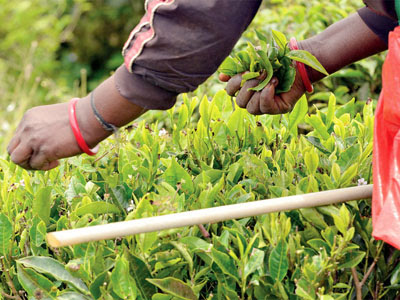
March 20, Colombo (LNW): Sri Lanka’s tea industry experienced a dip in exports during February 2025, despite showing positive growth in some of its key international markets. The total quantity of tea shipped out in February amounted to 20.40 million kilograms, marking a decline of 1.91 million kilograms compared to 22.31 million kilograms in February 2024. According to Forbes & Walker, this downturn was seen across most categories, except for packeted tea, which continued to perform well.
The Free on Board (FOB) value for February 2025 was recorded at Rs. 1,737.25 per kilogram, reflecting a decrease of Rs. 51.91 per kilogram when compared to Rs. 1,789.43 per kilogram in the same month last year. However, in US Dollar terms, there was a slight increase of $0.13 per kilogram, indicating some resilience in the global market.
For the first two months of 2025, cumulative tea exports stood at 39.77 million kilograms, a drop of 1.30 million kilograms from 41.07 million kilograms in the same period in 2024. While tea packets, tea bags, and instant tea categories reported growth, the bulk tea and green tea sectors experienced a decline. The overall FOB value for January-February 2025 was Rs. 1,730.34 per kilogram, showing a decrease of Rs. 40.58 per kilogram from Rs. 1,770.92 per kilogram in the first two months of 2024. Despite this fall in Rupee terms, all categories, except instant tea, experienced gains when measured in US Dollar terms.
Iraq emerged as the leading importer of Ceylon Tea, importing 5.96 million kilograms in the first two months of 2025, reflecting a 13% increase year-on-year (YoY) from 5.30 million kilograms in 2024. Russia, the second-largest importer, saw a 10% YoY decline, bringing in 4.08 million kilograms compared to 4.52 million kilograms in 2024. Libya, in third place, recorded a remarkable 653% increase in imports, reaching 3.63 million kilograms from just 0.48 million kilograms in the previous year.
Other major importers such as the UAE and Turkey experienced notable declines, with the UAE seeing a 44% YoY decrease to 2.78 million kilograms, and Turkey a 34% drop to 1.96 million kilograms. On a more positive note, Chile’s imports increased by 26%, reaching 1.84 million kilograms. Saudi Arabia and China each imported 1.59 million kilograms, while Azerbaijan followed closely with 1.50 million kilograms. Iran, however, saw a sharp 55% decline, importing only 1.29 million kilograms compared to 2.9 million kilograms in 2024.
These mixed results highlight the volatility of Sri Lanka’s tea export market, where some regions have seen growth, while others have faced setbacks, signaling the need for continued market adaptation and strategic approaches.