Sri Lanka has been ranked as the world’s most family-friendly country, according to a new report highlighted by Condé Nast Traveller.
The ranking comes from a study by Remitly, an American remittance company, which launched a new Immigration Index to help individuals considering relocation. The report, released in March 2025, evaluates 82 countries based on 24 factors, including healthcare quality, economic strength, safety, and digital connectivity, assigning each a total score of 100.
One key factor in the rankings was a country’s family-friendliness, which considered aspects such as education quality, accessibility, and childcare affordability.
Sri Lanka topped the list due to its strong education system, scoring 0.7 out of 1.0, and its low annual childcare cost of just $354.60 per year—a stark contrast to the United States, which ranked 10th with an annual childcare cost of $16,439.40.
Top 10 Most Family-Friendly Countries in 2025
Sri Lanka Sweden Norway New Zealand Iceland Germany Finland Denmark Australia United States
The recognition positions Sri Lanka as a prime destination for families seeking a balanced and affordable lifestyle, reinforcing its global reputation for education, affordability, and quality of life.
The Prime Minister’s Office has issued a strong condemnation of fraudulent cryptocurrency scam advertisements circulating on Facebook and Instagram, which falsely feature Prime Minister Dr. Harini Amarasuriya and other prominent Sri Lankan figures.
These deceptive ads, operated by foreign entities, are designed to mislead the public and exploit the trust associated with well-known personalities. Reports indicate that these scams originate from fraudulent accounts based in Lithuania and are specifically targeting Sri Lankan Facebook users.
Similar scam campaigns have previously misused the names and images of Foreign Minister Vijitha Herath, Minister of Science and Technology MP Chrishantha Abeysena, and well-known journalists Amantha Perera and Sunanda Deshapriya, among other public figures.
Public Advisory
The Prime Minister’s Office urges Sri Lankans to exercise extreme caution when encountering cryptocurrency investment promotions, especially those falsely claiming endorsements from government officials or public figures. It has been reiterated that no government ministry or official has endorsed any cryptocurrency investment scheme.
Despite repeated removal requests, variations of these fraudulent ads continue to appear on social media, raising concerns about Facebook’s inability to effectively curb financial scams.
The government calls on Meta (Facebook’s parent company) to take immediate and decisive action to prevent the spread of such deceptive campaigns and protect Sri Lankan users from financial fraud.
How to Protect Yourself:
Do not engage with or click on suspicious ads falsely claiming endorsements from public figures.
Report fraudulent advertisements directly on Facebook and Instagram.
Verify all financial opportunities through legitimate sources before making any investments.
The Prime Minister’s Office remains committed to combating online fraud and will continue working with relevant authorities to address this growing issue. It also urges media organizations and digital platforms to act responsibly in preventing the spread of misinformation and scams.
For official government updates, citizens are advised to follow the Prime Minister’s Office’s official website and social media channels.
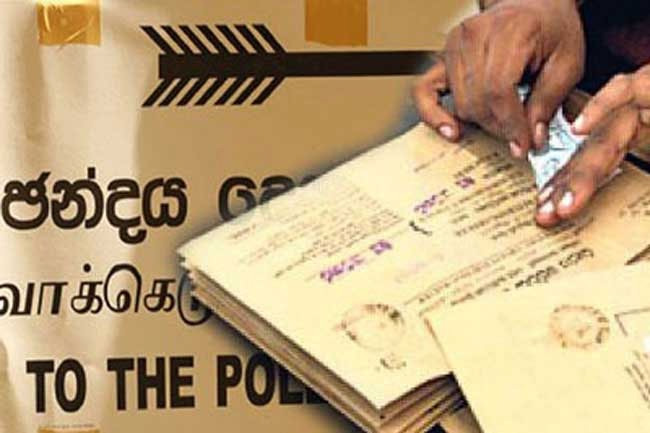
The deadline for submitting applications to cast postal votes in the 2025 Local Government (LG) Elections will expire at 12:00 midnight today (12), the Election Commission announced.
Earlier, the Commission had instructed applicants to submit their duly filled forms to District Returning Officers via the respective District Election Office address by August 5.
The Commission emphasized that applications must be physically received by the District Election Offices before the deadline, cautioning that merely posting them today will not guarantee acceptance. Applications received after the cutoff will be rejected without consideration.
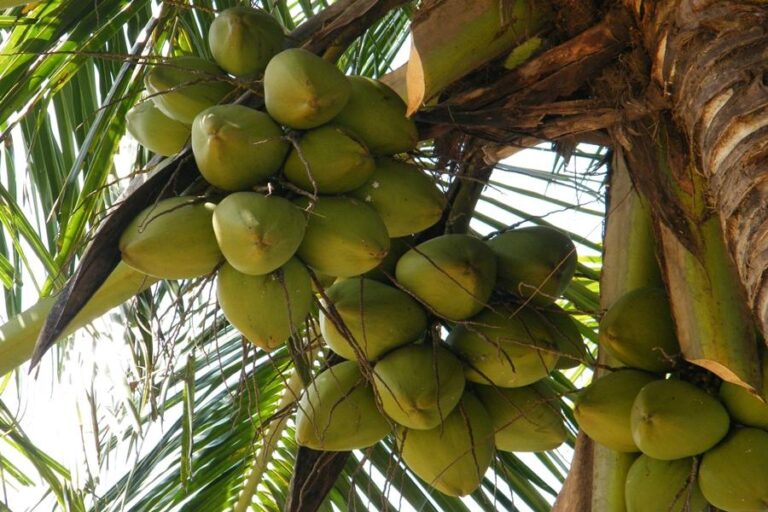
Sri Lanka witnessed a nearly 10% decline in its expected coconut harvest in 2024, driving a sharp rise in coconut prices. Adding to the crisis, approximately 100 million coconuts were reportedly destroyed by monkeys, according to Dr. Sunimal Jayakodi, Chairman of the Coconut Cultivation Board.
Speaking at a press conference at the Department of Government Information, Dr. Jayakodi outlined the various factors behind the reduced harvest. These include extreme weather conditions, inadequate nutrition and water, plant diseases, animal-related disruptions, and the conversion of coconut farmlands for other uses.
“There have been discussions about importing coconuts, but this carries the risk of introducing new coconut diseases to our country. We will take all necessary precautions to prevent such threats during the import process,” he assured.
To counteract the shortfall, the Coconut Cultivation Board has unveiled plans to plant 2.5 million new coconut trees in 2025. This initiative will be carefully planned, considering weather patterns and the suitability of planting areas. Meanwhile, the Coconut Research Institute (CRI) forecasts an improvement in the coconut harvest in May and June, as they provide bi-monthly production updates.
Dr. Jayakodi further emphasized ongoing collaboration with the Ministry of Agriculture to tackle the challenge posed by destructive animals. He urged the public to protect coconut plantations and use coconuts responsibly to support the industry during this difficult period.
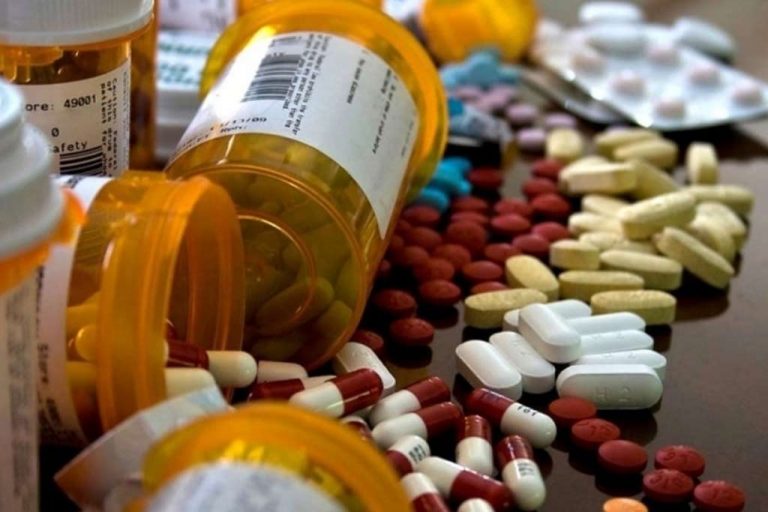
Health and Media Minister Dr. Nalinda Jayatissa emphasized the critical role of the healthcare and pharmaceutical sectors in Sri Lanka, stating that responsibility, coordination, and effective management directly impact their operations. He made these remarks during a high-level discussion at the Health and Media Ministry, which focused on ensuring an uninterrupted supply of medicines to government hospitals.
Dr. Jayatissa highlighted that the current government has already taken significant steps to address issues in the pharmaceutical sector. He noted that the latest national budget has allocated the highest-ever funding for healthcare in Sri Lanka’s history, pledging that these funds will be strategically utilized to improve the quality of medical services nationwide.
The meeting was attended by key stakeholders, including representatives from the Health Ministry, the State Pharmaceuticals Corporation, the State Pharmaceutical Manufacturing Corporation, the National Medicines Regulatory Authority, the Medical Supplies Division, the Finance Ministry, the Chamber of Pharmaceutical Suppliers, and the Western Medicine Manufacturers’ Association. Discussions centered on strengthening the procurement process, maintaining a continuous medicine supply to hospitals, tackling global supply chain disruptions, increasing local pharmaceutical production capacity, and expediting the importation of essential raw materials.
Minister Jayatissa stressed the importance of continuous monitoring and post-evaluation in the healthcare and pharmaceutical sectors to ensure efficiency and sustainability. He urged all stakeholders to act responsibly in managing healthcare services, acknowledging that calculated risks may sometimes be necessary to navigate challenges. However, he asserted that with proper planning and integrity, the sector can overcome obstacles and achieve long-term success.
Health and Media Deputy Minister Dr. Hansaka Wijemuni, Health Services Director General Dr. Asela Gunawardena, and several Deputy Directors General from the Health Ministry were also present at the discussions.
Vocational Education Deputy Minister Nalin Hewage announced in Parliament yesterday that a special examination will be introduced for Grade 9 students, allowing them to decide whether to pursue higher education or vocational training.
The initiative is part of the National People’s Power (NPP) government’s plan to implement what Hewage described as the “biggest educational revolution in Sri Lanka’s history.”
“Currently, many students who leave school do not pursue vocational education. Ideally, there should be 4,727 students in vocational training, but only 2,585 are enrolled. This gap exists due to two main reasons,” the Deputy Minister stated.
He pointed out that vocational careers such as carpentry and masonry lack social recognition and professional dignity, making them less attractive to students. Additionally, those in these fields do not earn sufficient income to secure a stable future.
“In contrast, professions like engineering and medicine come with social respect and appropriate salaries. However, in foreign countries, there is no such disparity—all professions are treated equally. We are working to create the same environment in Sri Lanka,” Hewage affirmed.
The government aims to bridge the gap between vocational training and traditional academic education, ensuring that students can make informed career choices while also elevating the status of skilled labor in the country.
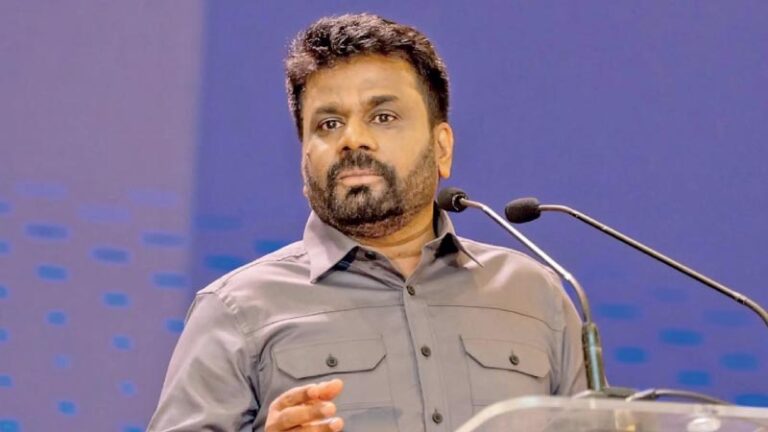
President Anura Kumara Dissanayake recently convened a high-level meeting at the Presidential Secretariat to evaluate the progress and future direction of the ‘Clean Sri Lanka’ Task Force, a key initiative aimed at fostering social, environmental, and ethical transformation.
The task force is responsible for designing and implementing strategies to enhance societal standards and promote a cleaner, more sustainable Sri Lanka. Discussions at the meeting focused on ongoing projects, challenges, and new strategies to accelerate the initiative’s impact.
Dr. Nandika Sanath Kumanayake, Secretary to the President and Chairman of the Task Force, and G.M.R.D. Aponsu, Secretary and Convener, attended the meeting alongside senior officials. Key representatives from the security forces, including Major General Lasantha Rodrigo (Sri Lanka Army), Rear Admiral Kanchana Banagoda (Sri Lanka Navy), Air Marshal Vasu Bandu Edirisinghe (Sri Lanka Air Force), and Acting Inspector General of Police, Senior DIG Priyantha Weerasooriya, also participated in the discussions, underscoring the multi-sectoral approach of the initiative.
The meeting reaffirmed the government’s commitment to the ‘Clean Sri Lanka’ program, with President Dissanayake emphasizing the importance of effective execution and inter-agency collaboration to achieve the initiative’s goals.
Several shower spells will occur in the northern, North-central, eastern, Uva, and southern provinces and in the Matale and Nuwara-Eliya districts.
Showers or thundershowers will occur elsewhere in the afternoon or night.
Fairly heavy showers about 75mm can be expected at some places in Western, Sabaragamuwa, and North-western provinces.
The general public is kindly requested to take adequate precautions to minimize damages caused by temporary localized strong winds and lightning during thundershowers.
March 11, Colombo (LNW): On January 30, 2025, the Asian Development Bank (ADB) hosted a significant workshop focused on advancing renewable energy (RE) in Sri Lanka’s power sector.
The event brought together experts and officials from across the country’s energy landscape, including representatives from the Ceylon Electricity Board (CEB), Lanka Electricity Company (LECO), Public Utilities Commission of Sri Lanka (PUCSL), Sri Lanka Sustainable Energy Authority (SLSEA), and private sector developers.
The discussions centered around achieving the national goal of reaching 70% renewable energy for power generation by 2030, and a zero-emission energy economy by 2050.
The ADB experts expressed strong confidence in Sri Lanka’s ability to meet the 70% target, highlighting the country’s significant progress and the feasibility of this goal.
However, the state sector agencies, including the CEB, appeared more skeptical, even questioning the practicality of the national policy.
This contrast raises concerns about the lack of vision or possible internal challenges within the state agencies tasked with the country’s energy transition.
A key issue raised was the CEB’s view on the current state of Sri Lanka’s renewable energy capacity.
Historically, the country depended almost entirely on hydropower for electricity, but this share has now dropped to around 50%, partly due to over-reliance on imported fossil fuels like oil and coal. Critics argue that this shift has placed unnecessary pressure on the country’s balance of payments and failed to explore more sustainable renewable sources such as mini-hydro and biomass.
Despite the availability of abundant indigenous renewable resources, the CEB’s reluctance to embrace the transition to renewable energy remains a major concern.
On the other hand, the private sector, particularly small and medium-scale enterprises and rooftop solar developers, has shown notable progress.
Initiatives like the feed-in tariff for Non-Conventional Renewable Energy (NCRE) and the Surya Bala Sangramaya (SBS) program under the SLSEA have enabled rapid growth in the renewable energy sector. Solar photovoltaics (PV) have seen exponential growth, now contributing 25% of the current installed grid capacity and over 11% of the annual electricity demand.
This demonstrates that with the right policies, Sri Lanka can close the gap in renewable energy generation, particularly during dry months when hydroelectric power production dips.
However, state sector representatives continue to argue that solar and wind energy’s variability poses a significant challenge.
The CEB chairman’s presentation highlighted concerns about the intermittency of solar power, referencing the Hambantota Solar Project. Yet, international experience and local research indicate that combining multiple renewable energy plants across diverse geographical locations can mitigate these issues, making renewables more reliable.
Moreover, the CEB has been slow to capitalize on proven technologies that could enhance the integration of renewables into the grid. For example, grid-scale battery storage, despite its current high costs, has become a viable solution in many parts of the world, including neighboring India. Yet, the CEB has not shown significant interest in exploring these options, hindering progress toward the 70% renewable energy target.
The Sri Lankan government must take a stronger stance, assigning clear responsibility for achieving the renewable energy goals and ensuring accountability. The lack of coordination and reluctance to adopt new technologies have delayed the realization of the country’s renewable energy potential.
It is time for the government and state agencies like the CEB to embrace renewable energy fully, for the benefit of the nation and its people. The private sector, consumers, and developers are ready to contribute without burdening the state budget, but the CEB must overcome its hesitation and adopt a forward-looking approach.
March 11, Colombo (LNW): Sri Lanka is embracing digital transformation to rejuvenate its industries and drive economic growth. With advancements in technology, businesses across various sectors are adopting digital tools to enhance efficiency, improve productivity, and create new opportunities.
The government and private sector are working together to integrate smart solutions, ensuring a competitive edge in the global market. This shift towards digitization is expected to not only modernize industries but also create employment and attract foreign investment.
In recent years, Sri Lanka has taken significant steps to strengthen its industrial sector. With a focus on sustainability and innovation, businesses are adopting modern technologies and streamlined processes to enhance efficiency.
The government has also implemented policies aimed at improving infrastructure, reducing regulatory hurdles, and promoting foreign direct investment.
The government called on the industrialists to embrace digital supply networks under a unified industrial strategy or risk being left behind in an increasingly interconnected global economy.
Industry and Entrepreneurship Development Deputy Minister Chathuranga Abeysinghe asserted that the traditional linear supply chain model—raw materials, transportation, manufacturing and distribution—is no longer viable in a world dominated by digital supply networks.
“The world has moved on. Supply chains are no longer linear; they are interconnected ecosystems driven by data,” he said.
He made these comments while addressing the TWENTY 30 and BEYOND forum and award ceremony, organised by COYLE in Colombo last week. The event celebrated Sri Lanka’s entrepreneurial excellence, bringing together industry leaders and entrepreneurs to discuss the future of the country’s industrial landscape.
Abeysinghe highlighted how modern supply chains operate on real-time data, with demand signals sent directly to farmers, suppliers and manufacturers. He argued that this transparency is dismantling inefficiencies and profit accumulations that have long plagued the traditional value chains.
A key factor in this revival is the emphasis on value addition. Instead of relying solely on raw material exports, industries are investing in processing and manufacturing to produce higher-value goods. This approach not only increases revenue but also creates job opportunities and strengthens the local economy.
Furthermore, strategic partnerships with international organizations and investors are playing a crucial role in advancing Sri Lanka’s industrial capabilities. Collaboration with global experts facilitates knowledge transfer and access to new markets, positioning the country as a competitive player in various industries.
Despite these positive developments, challenges such as fluctuating global demand, environmental concerns, and economic uncertainties remain. However, with a strong commitment to modernization, innovation, and sustainable practices, Sri Lanka is well-positioned to overcome these obstacles and continue its industrial resurgence.